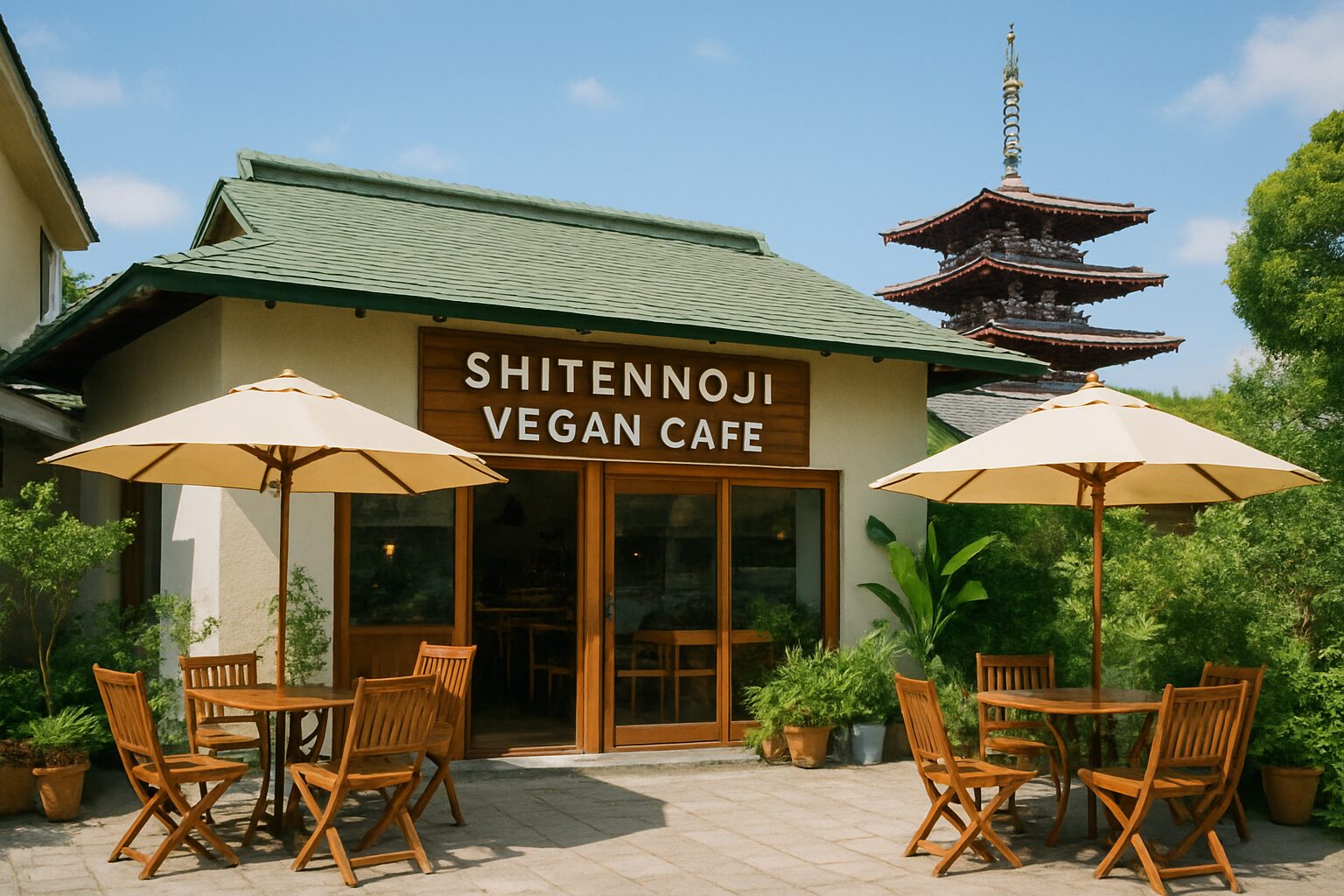
Osaka. The name itself crackles with energy, a city that pulses with a vibrant, relentless rhythm. It’s a place of neon-drenched nights in Dotonbori, of culinary adventures where the motto is kuidaore—to eat until you drop. It’s a modern metropolis, a concrete and steel symphony dedicated to commerce, comedy, and cuisine. Yet, nestled within this electrifying urban sprawl lies a pocket of profound tranquility, a spiritual anchor that has weathered the storms of centuries: the Tennoji area. And at its heart stands Shitennoji, a temple not just of wood and stone, but of time itself. To walk its grounds is to step through a veil, to leave the city’s roar behind for the whisper of chanting and the scent of purifying incense. It’s a journey back to the very dawn of Japanese Buddhism, a place where the soul can catch its breath. But this journey isn’t just about ancient history. In the quiet lanes that radiate from this sacred center, a new kind of sanctuary is blossoming. These are places of conscious nourishment, vegan-friendly cafes that offer a modern interpretation of mindfulness. They are havens where the principles of compassion and harmony are not just chanted in sutras but are served on a plate, brewed in a cup, and shared in a peaceful, welcoming space. This is a guide to finding that beautiful intersection, a pilgrimage for the modern traveler seeking both spiritual resonance and plant-based grace in the heart of old Osaka. It’s a discovery that the deepest peace is often found where the ancient and the contemporary learn to quietly coexist.
For a perfect example of this modern, compassionate dining, consider experiencing the vibrant vegan heartbeat of Tennoji at Paprika Shokudo Vegan.
The Soul of Tennoji: A Walk Through Shitennoji Temple
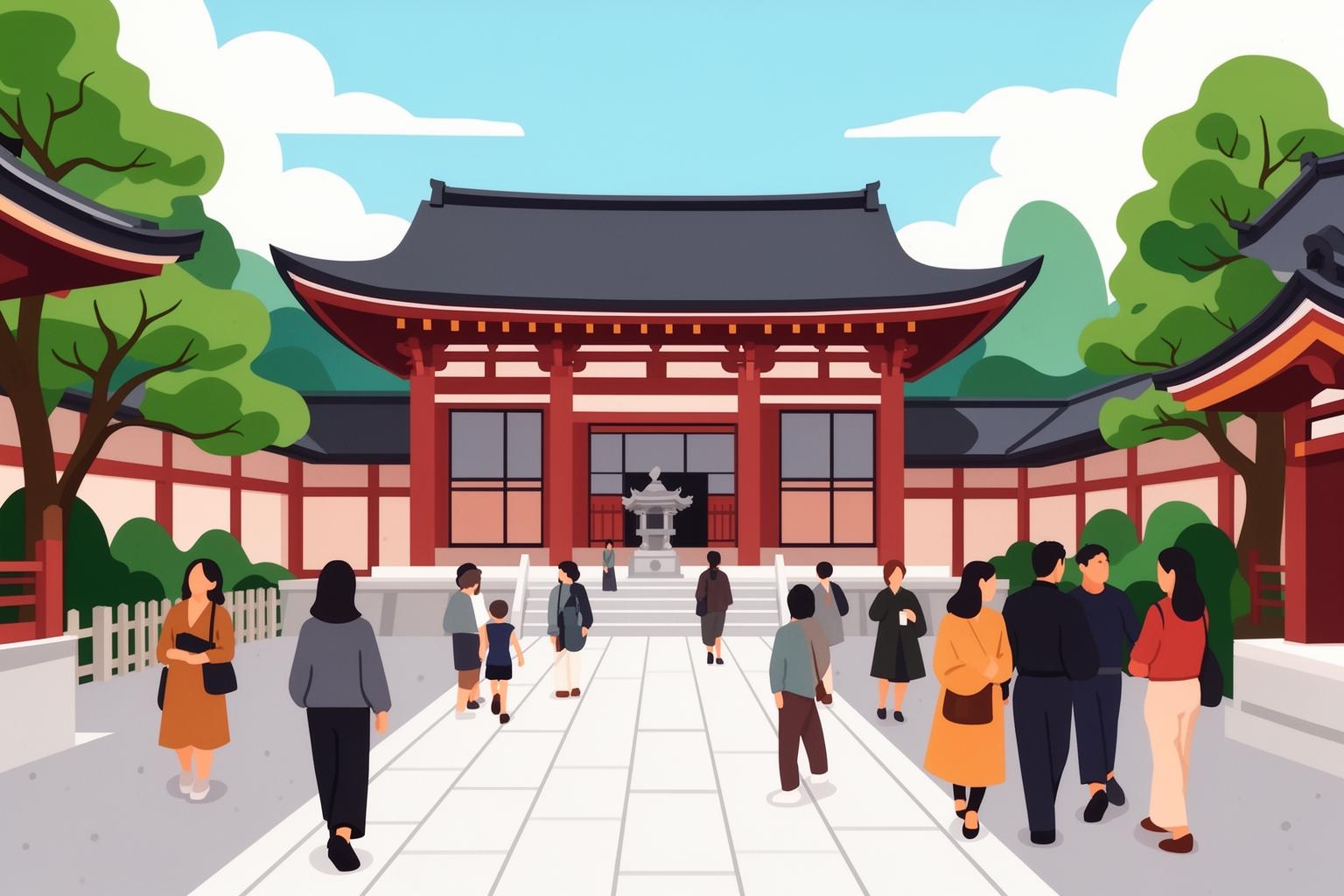
Before you seek a modern meal, it’s essential first to understand the ground you walk on. Shitennoji Temple is not just a tourist destination; it is a living, breathing testament to the dawn of a new era in Japan. Founded in 593 AD by Prince Shotoku, a legendary regent and cultural hero, it stands as one of Japan’s oldest officially administered Buddhist temples. Legend holds that the prince, a devout Buddhist, prayed to the Four Heavenly Kings (Shitenno) for victory in battle against anti-Buddhist forces. In gratitude for their divine aid, he pledged to build a grand temple in their honor. His triumph secured Buddhism’s place in the Japanese court and, by extension, the nation’s cultural identity. Shitennoji fulfilled that vow, serving as a beacon of a new faith and a center for learning and welfare, housing institutions for religion, pharmacy, and social care from its earliest days.
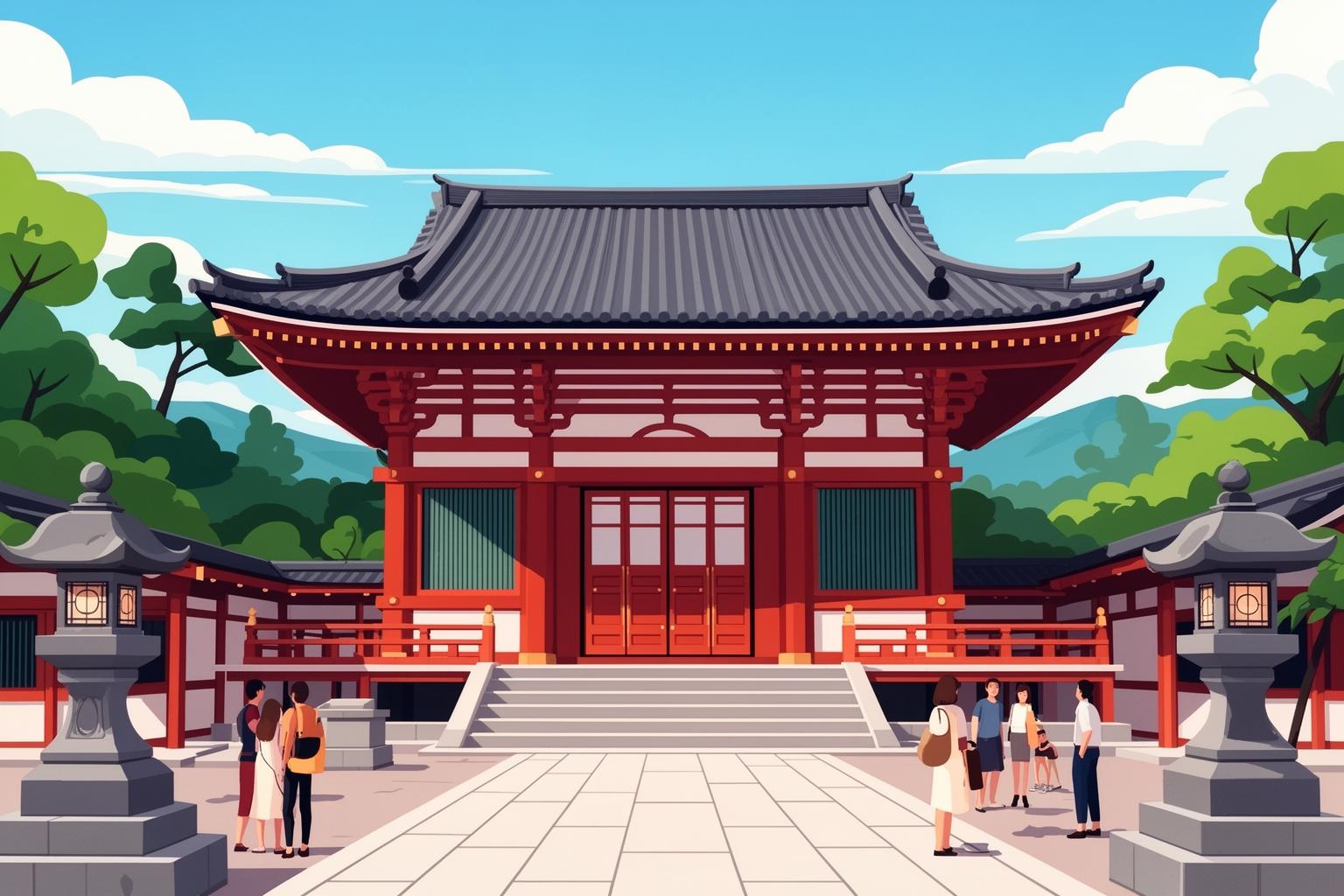
As you approach, the first feature to catch your eye is the grand stone torii gate at the main western entrance—a feature usually associated with Shinto shrines. Its presence here beautifully symbolizes the fluid, syncretic nature of Japanese spirituality, where faiths have historically blended rather than clashed. Passing through it feels like a genuine transition. The air shifts. The city’s noise fades, replaced by the crunch of gravel beneath your feet and the distant, melodic tolling of a temple bell. The layout of the inner precinct, the garan, is a marvel of symmetry and symbolism, known as the “Shitennoji-style layout.” It consists of a straight north-south alignment featuring the Middle Gate (Chumon), a majestic Five-Storied Pagoda, the main Golden Hall (Kondo), and the Lecture Hall (Kodo), all connected by a covered corridor. This linear design, inspired by continental Asian architectural styles of the 6th century, embodies purity and order.
The Five-Storied Pagoda is a breathtaking sight, soaring towards the sky. Though the current structure is a concrete reconstruction—a testament to the temple’s resilience after devastation by fires and war over its 1,400-year history—it houses sacred relics and allows visitors to ascend its inner staircase. The climb offers not just a view, but a palpable sense of rising through levels of enlightenment. The Golden Hall, or Kondo, is the spiritual heart of the temple. Inside, Prince Shotoku is enshrined as a statue of Kannon Bodhisattva, the deity of compassion. The air is rich with the sweet, woody aroma of incense, and the soft glow of lanterns highlights intricate paintings and statues. It’s a space that demands respectful silence, inviting you to simply be present.
Beyond the central garan lies the Gokuraku-jodo Garden, or the Garden of Celestial Paradise. Designed based on descriptions of the Amida Buddha’s Pure Land, it is an oasis of exquisite beauty. A central pond filled with koi and sunbathing turtles is crossed by elegant bridges, and paths meander through carefully sculpted landscapes of rocks, shrubs, and seasonal flowers. It is a place crafted for contemplation, a physical embodiment of paradise on Earth that shifts with the seasons. In spring, cherry and plum blossoms paint the garden in soft pinks and whites. In autumn, the maple leaves blaze a fiery crimson against the tranquil blue of the water. To fully appreciate Shitennoji, plan to arrive early in the morning. The soft morning light filtering through ancient trees and the absence of crowds create an atmosphere of profound peace. It is then that you can truly hear the whispers of history and feel the deep, calming pulse of this sacred place.
The Modern Pilgrim’s Quest for Plant-Based Peace
A journey through Shitennoji offers a meditation on history, compassion, and the enduring human quest for peace. It refreshes the mind’s palate, preparing you for a different kind of nourishment. Emerging from the temple’s timeless embrace into the streets of Tennoji, the journey shifts from the spiritual to the physical. In Osaka, a city famed for its hearty, often meat-heavy street foods like takoyaki and okonomiyaki, finding a meal that aligns with a plant-based, mindful ethos can feel like a pilgrimage itself. Yet here, the story of modern Osaka unfolds. The city’s culinary scene is evolving, reflecting a growing awareness of health, sustainability, and compassionate eating. This movement isn’t about limitation but creative abundance, with the cafes near Shitennoji serving as prime examples of this new wave.
These spots aren’t merely places to eat; they extend the temple’s serene atmosphere. They are thoughtfully designed spaces where the sourcing of ingredients, food preparation, and environment all foster a sense of well-being. Discovering a vegan-friendly cafe here is like stumbling upon a secret garden in plain sight. It bridges the ancient Buddhist principle of ahimsa (non-harming) with the modern desire for food that is both delicious and kind to the planet. This approach honors the spirit of your visit to the temple, carrying mindfulness to the dining table. It represents the new face of shojin ryori, traditional Buddhist vegetarian cuisine reimagined for a global palate and contemporary world. This journey shows that the most rewarding discoveries often lie in quiet corners, just off the beaten path.
Green Earth: An Organic Oasis of Wholesome Flavors
A pleasant walk from the temple grounds, tucked away on a quieter street, you’ll discover Green Earth. This modest, inviting eatery isn’t a newcomer following a trend; it’s a well-established institution in Osaka’s vegetarian and vegan scene, one of the city’s pioneering plant-based restaurants. Stepping inside feels like entering a friend’s cozy kitchen. The atmosphere is simple and warm, with wooden tables, walls decorated with local art, and a soft hum of conversation from regulars, health-conscious locals, and informed travelers. There’s a strong sense of community here, a shared appreciation for honest, quality food.
The heart of Green Earth is its daily lunch set, a beautifully balanced and generously portioned meal that changes with the seasons. Forget any notions that vegan food is bland or unsatisfying. A typical plate is a vibrant mosaic of colors, textures, and flavors celebrating the bounty of Japanese produce. Picture a mound of perfectly cooked, nutty brown rice as a wholesome base. Next to it, you might find a delicate tempura of seasonal vegetables—perhaps sweet potato, lotus root, and shiso leaf—coated in a light, crispy batter. There could be a small dish of kabocha squash simmered in a sweet soy broth until tender, a serving of hijiki seaweed salad seasoned with sesame, and a colorful pile of house-made pickles, their bright acidity cutting through the richness of the other dishes. The set always comes with a deeply comforting bowl of miso soup, rich in umami and filled with soft tofu and wakame. Every element is crafted with loving, meticulous attention to detail, evident in every bite.
The à la carte menu is equally appealing. The veggie burgers are renowned, served on hearty buns with a satisfyingly savory patty. The curries are complex and aromatic, and the various grain bowls are packed with nutrients and flavor. But it’s not just the food that makes Green Earth special; it’s the philosophy. The focus is on organic, locally sourced ingredients whenever possible, creating a direct link between farm and plate. The drinks menu reflects this ethos, offering organic coffee, a range of herbal teas, and fresh juices. And make sure to save room for dessert. The vegan cakes and sweets are a revelation. The tofu cheesecake is creamy and light, while the chocolate avocado mousse is rich and decadent without feeling heavy. Dining at Green Earth feels like an act of self-care—an opportunity to nourish both body and soul after a morning of exploration, a perfect, grounding complement to the spiritual heights of Shitennoji Temple. Be sure to arrive a little before the main lunch rush, as this beloved spot fills up quickly.
Wad Omotenashi Cafe: Where Tradition Meets the Art of Tea
If Green Earth is a cozy kitchen, Wad Omotenashi Cafe feels like a serene art gallery where tea and ceramics serve as the mediums. Though located a bit further away, it is unquestionably worth the trip, offering a distinct plant-based experience deeply rooted in Japanese tradition and aesthetics. While not exclusively vegan, its dedication to the finest quality Japanese tea and traditional sweets (wagashi) makes it an exceptionally vegan-friendly spot. The name “Wad” comes from an old reading of the character for Japan (和), and the cafe embodies the true spirit of Japanese hospitality, or omotenashi.
Upon entering, you are instantly transported. The space exemplifies minimalist design at its best. Polished concrete floors, warm wooden counters, and thoughtfully arranged lighting combine to create a calm, almost meditative ambiance. The ceramics are the real highlights of the decor. Wad features and utilizes exquisite pottery from contemporary Japanese artists, transforming each cup of tea into a tactile and visual delight. You can choose to sit at the counter and observe the meticulous preparation or take a table for a quieter, more reflective experience.
The focus is on single-origin Japanese teas, and the staff are highly knowledgeable, eager to guide you through the extensive selection. You can explore a range of flavors, from the rich, umami tones of shade-grown gyokuro to the crisp, refreshing notes of a first-flush sencha. Ordering matcha is essential. It is prepared traditionally, whisked by hand in a beautiful ceramic bowl (chawan) until a fine, jade-green foam forms on top. Watching this ritual is as soothing as sipping the tea itself. To accompany your drink, be sure to try the wagashi. These traditional sweets are true works of art, with shapes and colors often inspired by the current season. Many are naturally vegan, made from ingredients like rice flour, sweet adzuki bean paste (anko), and agar-agar. A favorite choice is warabimochi, a jelly-like treat made from bracken starch, dusted with sweet roasted soybean flour (kinako). Its texture is sublime—soft and chewy—with a gentle sweetness that perfectly balances the refined bitterness of the tea. Visiting Wad is more than just a snack break; it is a cultural experience. It offers a chance to slow down, appreciate beauty in simplicity, and engage all your senses. It is a mindful practice, an extension of the peace found at the temple, demonstrating that serenity in Osaka is not only found in ancient halls but also in a single, perfectly brewed cup of tea.
Beyond the Temple Gates: Exploring the Rich Tapestry of Tennoji
The Tennoji area is much more than its renowned temple. The neighborhood itself, along with the expansive park named after it, offers a wealth of cultural, historical, and natural attractions that can easily occupy a whole day. After enjoying a meal at a local cafe, take time to wander and explore the diverse landscape that makes this corner of Osaka truly distinctive.
Just north of the temple lies Tennoji Park, a vast green space that acts as the city’s urban oasis. Established in 1909, it is a place where families relax, artists sketch, and travelers seek moments of calm. Within the park is the Osaka City Museum of Fine Arts, home to an impressive collection of Japanese and Chinese art and calligraphy. Yet the true highlight is the Keitakuen Garden—a traditional Japanese stroll garden built by the wealthy Sumitomo family and later gifted to the city. It feels like a world of its own. The large pond at its center is surrounded by carefully placed rocks, stone lanterns, and the charming Azumaya teahouse reflected in its still water. Meandering paths take you over arched bridges and through groves of artfully sculpted pines and blooming azaleas. This garden offers a refined beauty and a carefully curated natural tranquility, contrasting with the ancient, spiritual aura of Shitennoji.
A brief walk from Shitennoji leads to another temple of deep significance: Isshinji Temple. While Shitennoji embodies the ancient past, Isshinji is known for its strikingly modern and unique approach to life and death. Since the late 19th century, the temple has created statues of the Amida Buddha, called okotsubutsu or “bone Buddhas.” Each statue is crafted from the combined ashes of tens of thousands of devotees, bound with resin. A new statue is made every ten years, serving as a powerful, tangible memorial for many families. This tradition gives the temple a deeply personal and moving atmosphere. Adding to its distinctiveness, the main gate features a futuristic steel and glass design by the current head priest, who is also an architect. This bold blend of sacred and contemporary elements makes Isshinji a fascinating contrast to the classical architecture of Shitennoji.
For a complete change of pace, head to the western edge of Tennoji Park, where you’ll find the entrance to Shinsekai, meaning “New World.” This neighborhood is a vibrant time capsule, bursting with color, sound, and retro-futuristic charm. Developed before the war with inspiration from Paris and New York, Shinsekai is dominated by the iconic Tsutenkaku Tower, often called the “Eiffel Tower of Osaka.” The streets below form a dazzling maze of giant pufferfish lanterns, blazing neon signs, and vintage pachinko parlors. It is the birthplace of kushikatsu, deep-fried skewers of meat and vegetables, filling the air with the scent of sizzling oil. Although vegan options are rare here, simply experiencing this lively, chaotic, and nostalgically rich district is essential to appreciating Osaka’s multifaceted character. It provides a perfect, high-energy conclusion to a day that begins with serene reflection, highlighting the city’s remarkable ability to embrace both the sacred and the profane in an unforgettable way.
A Practical Guide for the Mindful Traveler
Getting around the Tennoji area is quite easy, thanks to Osaka’s excellent public transportation network. The central hub is Tennoji Station, a major interchange served by several JR lines, including the convenient Osaka Loop Line and the Haruka Express to Kansai Airport, as well as the Midosuji and Tanimachi subway lines. This station serves as your best access point to Tennoji Park, Keitakuen Garden, the museum, and the southern entrance of Shitennoji Temple. For a more direct approach to the temple’s main entrance, the Shitennoji-mae Yuhigaoka Station on the Tanimachi subway line is ideal, placing you just a short walk from the grand stone torii.
To make the most of your visit, consider a relaxed itinerary. Start your morning at Shitennoji Temple, arriving around opening time to enjoy the tranquil atmosphere before the crowds gather. Allow at least two hours to explore the main grounds and the Gokuraku-jodo Garden. Afterwards, take a leisurely stroll through Tennoji Park, perhaps stopping by Keitakuen Garden for a change of scenery. When lunchtime comes, head to Green Earth for a wholesome and satisfying vegan meal. In the afternoon, visit the distinctive Isshinji Temple to see its famous bone Buddhas and modern architecture. From there, if you feel contemplative, make your way to Wad Omotenashi Cafe for a meditative tea and wagashi experience. Alternatively, if you prefer an energetic vibe, explore the lively, retro atmosphere of Shinsekai as the sun sets and the neon lights ignite, bringing the neighborhood alive.
Be sure to wear comfortable shoes, as you’ll be doing quite a bit of walking. When visiting temples, a respectful attitude is appreciated. While there’s no strict dress code, modest clothing is always recommended. At the temple entrance, you may find a water basin called a chozuya for ritual purification; observe others and follow their example by washing your hands. Inside the halls, it’s customary to stay quiet and avoid loud conversations. In cafes, especially smaller ones, it’s polite to be mindful of your time if others are waiting. Above all, allow yourself to move at a slower pace. The Tennoji area isn’t meant to be rushed; its true treasures reveal themselves to those who take the time to look, listen, and simply be present.
A Lasting Impression of Peace and Flavor
A day spent in the Tennoji area is a journey into the very heart of Osaka. It serves as a powerful reminder that this city, renowned for its progressive energy and vibrant love of life, rests on a profound and ancient foundation of faith and tranquility. Shitennoji Temple stands not merely as a relic of history, but as an enduring source of peace, its timeless principles resonating through the ages. In the quiet streets around it, a new generation of artisans and chefs are reimagining these values of harmony and compassion. The vegan-friendly cafes of Tennoji are more than just dining spots; they are modern sanctuaries that nurture the body just as the temple nurtures the spirit. They demonstrate that mindful living and delicious food are not opposites, but rather two sides of the same coin. To explore Tennoji is to experience this beautiful fusion—the serene chanting of monks alongside the gentle clink of a teacup, the fragrance of ancient incense mingling with the aroma of freshly baked bread. It is an invitation to find your own balance, discovering both a moment of zen and a plateful of zest in one of Japan’s most vibrant cities.