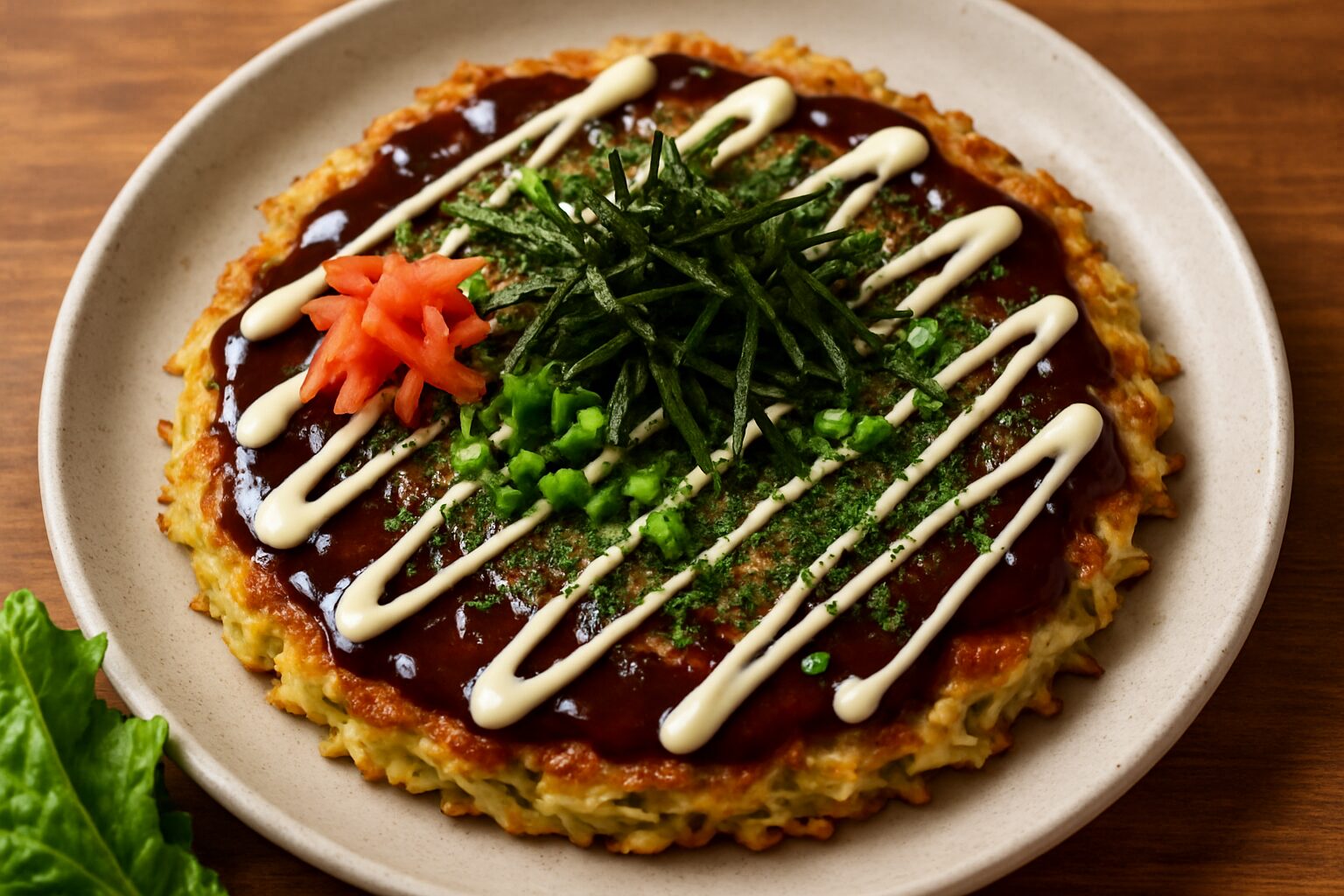
Welcome to Osaka, the city that lives and breathes by the philosophy of kuidaore—to eat oneself into ruin. This isn’t just a saying; it’s a way of life. The air here is thick with the savory steam rising from a thousand street-side stalls, the electric buzz of Dotonbori’s neon signs reflecting in the canal, and the symphony of sizzling grills that call out from every alleyway. At the heart of this culinary orchestra is a single, iconic dish: okonomiyaki. It’s more than just a savory pancake; it’s a canvas of cabbage, batter, and toppings, a testament to Osaka’s love for hearty, unpretentious, and utterly delicious food. Traditionally, this soul-warming dish is a comforting blend of flour, dashi, eggs, and your choice of meat or seafood, all grilled to perfection on a hot teppan. But for the traveler with a plant-based heart or a gluten-free need, navigating this landscape can feel like trying to find a quiet temple in the middle of a bustling festival. The key ingredients that give okonomiyaki its classic character—the wheat flour, the egg binder, the fish-based dashi, the bonito flakes dancing on top—present a formidable wall. But fear not. Osaka’s culinary spirit is one of innovation and incredible hospitality. The city that perfected soul food is now reimagining it, making sure that absolutely everyone can pull up a stool, grab a kote (spatula), and dig into a plate of its most beloved creation. This guide is your map, your invitation to join the feast. We’re embarking on a journey to uncover the hidden gems and celebrated kitchens where dedicated chefs are crafting vegan and gluten-free okonomiyaki with all the passion, flavor, and sizzle of the original. Get ready to experience the true taste of Osaka, made just for you.
To further immerse yourself in Osaka’s diverse food culture, consider exploring the vibrant flavors of Tsuruhashi Koreatown.
The Okonomiyaki Experience: More Than Just a Pancake

Before we explore the delightful realm of its modern variations, it’s crucial to grasp the essence of okonomiyaki. To genuinely appreciate what makes an exceptional vegan or gluten-free version, you must first connect with the rhythm of the original. Enter any traditional okonomiyaki-ya tucked away in the alleys of Namba or Tennoji. The first sensation is the sound—a sharp, rhythmic clatter of metal spatulas striking the large iron griddle, the teppan, which often dominates the space. It’s a steady, comforting melody. Then the aroma surrounds you: the sweet, toasty scent of batter grilling, the sharp tang of pickled ginger, and the rich, savory fragrance of sizzling pork belly and smoky bonito flakes. The atmosphere is warm and buzzing with friendly energy, a mixture of after-work crowds relaxing with beers and families sharing a massive pancake. This is not fine dining; it’s communal, vibrant, and utterly joyful. The name itself, okonomiyaki, reveals its nature. Okonomi means “as you like it,” and yaki means “grilled.” It is the ultimate customizable dish, born from post-war scarcity, celebrating the art of creating something wonderful from whatever ingredients were available. Kansai-style okonomiyaki, the style Osaka proudly claims, involves mixing all the ingredients into one magnificent batter before pouring it onto the grill. A mountain of finely shredded cabbage forms the base, lending sweetness and a light texture. This is combined with a batter traditionally made from wheat flour, water or dashi (a fundamental Japanese stock), grated nagaimo (a mountain yam that adds a fluffy, moist texture), and eggs as the main binder. To this, you add tenkasu (crispy bits of deep-fried tempura batter) for texture and flavor, and beni shoga (bright red pickled ginger) for a sharp, palate-refreshing bite. Then comes your choice of protein—thinly sliced pork belly is classic, but squid, shrimp, and octopus are equally loved. The chef, a teppan master, skillfully pours and shapes this mix into a perfect circle, letting it steam and sizzle until the bottom turns golden and crispy. With a slick turn of the wrist and two spatulas, the pancake is flipped—a moment of pure culinary performance. Once cooked through, the final touch begins. The pancake is generously coated with a thick, sweet-savory okonomiyaki sauce, a complex condiment similar to Japanese barbecue sauce. A lattice of creamy Japanese mayonnaise is drizzled on top. Finally, it’s topped with a flurry of aonori (powdered green seaweed) and a hearty handful of katsuobushi (dried, fermented, smoked bonito flakes). As the heat rises, the paper-thin fish flakes curl and dance as if alive, a mesmerizing show that signals the meal is ready. This is the experience in its purest form—a vibrant celebration of texture, flavor, and community. It is precisely this experience that the city’s inventive chefs aim to preserve, even as they substitute every traditional ingredient to welcome a new generation of diners.
The Quest Begins: Deconstructing for Dietary Needs
Recreating a dish so deeply tied to its specific ingredients is no easy task. For chefs striving to produce authentic-tasting vegan and gluten-free okonomiyaki, the challenge is a complex puzzle. It involves breaking the dish down to its essential components and discovering clever substitutes that respect the original texture, flavor, and spirit. This culinary endeavor is fueled by a desire for inclusivity and reflects Osaka’s welcoming nature. Let’s examine the obstacles they encounter and the inventive solutions they have found. For vegan okonomiyaki, the challenges are many. The first is the egg, the vital binder that holds the abundant cabbage and batter together, providing a fluffy yet cohesive structure. The second is the dashi. Traditional dashi is made from kombu (kelp) and katsuobushi (dried bonito flakes), imparting a deep, savory, and slightly fishy umami that forms the foundation of Japanese cuisine. The protein fillings, usually pork or seafood, present another clear challenge. Lastly, the iconic toppings pose their own difficulties: Japanese mayonnaise is rich and egg-yolk-based, while the dancing katsuobushi are naturally fish. The gluten-free route is equally challenging. The batter’s base is wheat flour, and simply replacing it is insufficient; the substitute must achieve the right balance of softness inside and crispiness outside. A hidden gluten issue often lies in the okonomiyaki sauce itself, as many commercial and traditional recipes include soy sauce, which contains wheat. This means that even with a gluten-free pancake, the essential finishing sauce could cause problems. The creative responses to these challenges are where true magic occurs. To replace the egg, chefs turn to a plant-based ingredient already present in the traditional recipe: nagaimo. By increasing the amount of this grated mountain yam, they achieve a moist and binding effect that mimics the egg’s role. Some kitchens also experiment with starches like potato or cornstarch to boost cohesion. For the dashi, the vegan answer is elegant and rooted in Japanese vegetarian Buddhist cuisine (shojin ryori). A fully plant-based dashi is made by simmering high-quality kombu kelp and dried shiitake mushrooms, producing a rich, earthy, and intensely savory broth brimming with natural umami that substitutes perfectly for the original fishy notes. Plant-based proteins replace the fillings, with options including hearty grilled mushrooms, tofu, konjac (a firm, jelly-like food from a root vegetable), or plant-based meat alternatives. To handle the toppings, chefs create their own vegan mayonnaise, often using soy milk, oil, and vinegar to replicate the creamy, tangy original. The katsuobushi is omitted, and the visual and flavor gap is often filled by alternatives like toasted sesame seeds or extra aonori. For the gluten-free version, the flour takes center stage. Many establishments develop their own proprietary blends, but rice flour is the most common and effective choice. It yields a pancake that is wonderfully chewy and springy inside—a texture known in Japan as mochi-mochi—with a beautifully crisp, golden exterior. To address the sauce issue, chefs either craft gluten-free versions from scratch using tamari (a wheat-free soy sauce) or source specialty pre-made gluten-free okonomiyaki sauces. Through their careful process of substitution and innovation, these culinary artisans aren’t just adapting a dish for dietary needs; they are creating a new tradition, ensuring that the joy of sharing okonomiyaki in Osaka is an experience everyone can enjoy.
Spotlight on Osaka’s Vegan & Gluten-Free Havens

Now that you grasp the craft, it’s time to meet the masters. Osaka has experienced a beautiful flourishing of restaurants that cater to these demands, moving beyond simple substitutions to create dishes that stand as culinary triumphs on their own. These establishments are more than just places to eat; they are destinations that capture the city’s spirit of warm hospitality and inventive flair. Each offers a unique ambiance and a distinct interpretation of this beloved classic, inviting you into their world for an unforgettable taste of inclusive Osaka.
OKO – Fun Okonomiyaki Bar: The Contemporary Ambassador
Located in the lively, bustling core of the Shinsaibashi-suji shopping arcade, OKO – Fun Okonomiyaki Bar feels like a celebration. This is no quiet, traditional spot; it’s a vibrant place buzzing with the energy of locals and travelers alike, a beacon for anyone in search of a fantastic meal without compromise. The welcoming atmosphere is immediate, featuring an open kitchen where the large teppan takes center stage. The décor is modern and stylish, with exposed brick and warm lighting, but the true highlight is the chefs. They move with practiced, almost dance-like grace, their spatulas flashing as they engage with customers seated on stools at the counter. English is spoken as freely as the beer, and the staff’s sincere passion for accommodating every guest is evident. They don’t just provide vegan and gluten-free options—they champion them. Their menu reflects this clearly, marking every dish and offering an impressive array of choices. The vegan okonomiyaki here is a masterpiece of texture and flavor. The batter, enriched with mountain yam, is light yet substantial and packed with so much cabbage and other vegetables that it feels both indulgent and wholesome. You can select from a variety of inventive vegan fillings. Imagine the “Kyoto Garden,” a delicate combination of grilled tofu, sweet kujo green onions, and earthy shiitake mushrooms, or the “Spicy Miso Konjac,” which offers a satisfying chew and a fiery kick that cuts beautifully through the pancake’s richness. Their gluten-free option is equally remarkable. Made with a special rice flour blend, it achieves a glorious mochi-mochi texture—a delightful chewiness contrasted with a crispy, caramelized exterior. Best of all, you can combine requests and order a pancake that is both vegan and gluten-free. The toppings are where OKO truly excels. Their house-made vegan mayonnaise is indistinguishable from the original—creamy, tangy, and absolutely delicious. Their okonomiyaki sauce is a deep, complex, smoky-sweet mixture, also available gluten-free. Watching the chef artistically decorate your pancake with these sauces is part of the fun. For first-timers, sitting at the counter is a must. The chefs are entertainers as well as cooks, happily guiding you through the experience. They might even show you how to use the small kote to cut your own piece directly from the teppan. A practical tip: OKO is highly popular, especially in the evenings. The space is small, so be ready for a possible wait. They generally don’t take reservations for small groups, so arriving just before dinner rush hour (around 6 PM) is the best strategy. The wait is more than worthwhile to experience this perfect blend of traditional flavor and modern, inclusive hospitality.
Megumi (めぐみ): Tradition Reimagined
If OKO is the vibrant, modern face of inclusive okonomiyaki, then Megumi is its quiet, traditional soul. To find it, you’ll need to venture away from the neon-lit main tourist streets into the charming, residential backstreets of neighborhoods like Tenma. This is the kind of place you might easily pass by if you aren’t searching—a simple wooden facade, a small noren curtain hanging over the door, and a solitary lantern softly illuminating the street. Inside, the atmosphere is intimate and deeply authentic. The restaurant is small, with just a few tables and a counter operated by an older couple who have likely been refining their recipes for decades. The air is filled with the scent of toasted sesame oil and the subtle sweetness of their secret dashi. You might be the only foreigner there, surrounded by neighborhood regulars greeting the owners by name. The story behind their vegan and gluten-free offerings embodies pure omotenashi, the Japanese spirit of wholehearted hospitality. Perhaps a grandchild developed an allergy, or they noticed a traveler’s disappointment at not being able to enjoy their food. Whatever the reason, they met the challenge with the same meticulous care applied to their classic recipes. Their menu is not as extensive as that of a modern bar, but every dish offered is crafted with immense love. The vegan okonomiyaki at Megumi feels like a warm embrace on a plate. The batter is made with generous amounts of freshly grated yam from Nagano’s mountains, resulting in an incredibly fluffy, cloud-like texture. Their vegan dashi is a family secret: a slow-simmered broth of sun-dried shiitake and aged Rishiri kombu, imparting an umami depth rivaling any fish-based stock. The fillings are simple and seasonal—perhaps tender bamboo shoots in spring or sweet kabocha squash in autumn, all sourced from local farmers. The gluten-free version is a revelation. They use a specific type of rice flour from Niigata, renowned for its rice, which they stone-grind themselves. This produces a pancake with an exceptionally crispy, almost cracker-like crust and a wonderfully soft, chewy interior. They painstakingly recreated their family’s okonomiyaki sauce using gluten-free tamari, preserving the authentic flavor profile their grandparents intended. A tip for visiting Megumi is to be patient and respectful. Communication might be a bit challenging, so using a translation app or bringing a note explaining your dietary needs in Japanese is wise. Take your time; this is slow food at its finest. Order some side dishes, like grilled seasonal vegetables or yaki onigiri (grilled rice balls) made with gluten-free soy sauce. This is more than a meal; it’s a genuine cultural exchange—a chance to experience the warmth of a true neighborhood kitchen that welcomes everyone to the table.
Paprika Shokudo Vegan: The Plant-Based Haven
For those fully committed to a plant-based lifestyle, Paprika Shokudo Vegan is nothing less than paradise. Situated in the trendy yet slightly quieter Yotsubashi neighborhood, just a stone’s throw from Shinsaibashi’s hustle, this restaurant is 100% vegan, allowing you to order anything on the menu with complete confidence. The moment you enter, a sense of calm envelops you. The interior is bright, modern, and clean, with light wood furnishings and ample natural light. It feels less like a traditional greasy spoon and more like a stylish café serving exceptional Japanese comfort food. Paprika Shokudo is not just an okonomiyaki spot; it’s a full-fledged vegan restaurant renowned for its creative and extensive offerings. They are famous for their astonishingly realistic vegan karaage (fried chicken), hearty ramen bowls, and inventive daily specials. This wide variety allows you to enjoy a complete, multi-course vegan Japanese feast. Yet their okonomiyaki stands out as a signature dish, clearly perfected over years. Because the entire kitchen is vegan, every ingredient has been refined. Their batter is a proprietary blend featuring not only yam but other plant-based binders that produce a fluffy, light texture without any gummy feel. The fillings go beyond typical vegetables: popular options include house-made vegan cheese that melts into gooey, savory pockets within the pancake, or chunks of their famous soy meat karaage. Their okonomiyaki sauce is rich and tangy, and the soy-based mayonnaise is so creamy and satisfying, you’ll want it on everything. The atmosphere here is relaxed and welcoming, attracting a diverse crowd of health-conscious locals, Japanese vegans delighted by such a high-quality choice, and curious tourists. It’s a place where you can linger for hours, enjoying a leisurely meal without any worry of cross-contamination. Though their standard okonomiyaki uses wheat flour, they also offer a fantastic gluten-free version made with a carefully selected rice flour blend, producing a deliciously satisfying pancake. A great way to experience Paprika Shokudo is to bring a friend and share several dishes: start with gyoza, make okonomiyaki your main, and finish with one of their delectable vegan desserts. It’s a complete experience that proves vegan cuisine in Japan is not about limitation but about boundless creativity and delicious innovation.
DIY Okonomiyaki: Bringing the Osaka Vibe Home
Inspired by Osaka’s masters, you might feel compelled to bring the sizzle of teppan cooking into your own kitchen. Making vegan and gluten-free okonomiyaki at home is not only achievable but also a highly enjoyable and satisfying experience. It lets you fully embrace the okonomi (as you like it) philosophy, tailoring every ingredient to your personal preference. This is an ideal weekend project, filling your home with enticing savory aromas and delivering a taste of Osaka no matter where you are. The first step is gathering your ingredients, which is simpler than you might expect. For your gluten-free flour base, plain rice flour, available at most large supermarkets or Asian grocery stores, works perfectly. To achieve that essential fluffy texture, you’ll need a nagaimo or mountain yam, found in the produce section of Asian markets—it’s a long, light-brown root vegetable. If unavailable, a mixture of potato starch and water can substitute, though the texture will be slightly less airy. The core of the flavor lies in the vegan dashi, which you can easily prepare by gently simmering a piece of kombu (dried kelp) and a few dried shiitake mushrooms in water for 20-30 minutes without boiling, as boiling can make the kombu bitter. Strain the liquid for a delicate, umami-rich stock that elevates your batter from good to exceptional. Now, onto the recipe itself—a basic foundation to build on. For two generous pancakes, start with about 1 cup of rice flour mixed with roughly 3/4 cup of chilled vegan dashi. Whisk until smooth. Next, peel and grate approximately 4-5 inches of nagaimo; it will be quite slimy, which is perfectly normal and serves as the magical binder. Whisk the grated yam into your batter until it reaches a thick pancake batter consistency. For the main filling, shred about half a head of cabbage as finely as possible—using a mandoline slicer is ideal, but a sharp knife and some patience work too. Add the cabbage to your batter along with a handful of chopped green onions and, if desired, some vegan beni shoga (pickled ginger) for a tangy kick. Mix gently until the cabbage is evenly coated. Heat a non-stick frying pan or griddle over medium heat with a little neutral oil. Spoon half the mixture into the pan and gently shape it into a thick, round pancake about an inch high using a spatula. Cook for 5-7 minutes until the bottom is golden brown and crispy. Then comes the moment of truth: flipping. Place a large plate over the pan, flip the pan and plate together confidently, and slide the pancake from the plate back into the pan to cook the other side for another 5-7 minutes. Once cooked, transfer it to a plate and prepare to garnish. You can find vegan and gluten-free okonomiyaki sauce online or specialty stores, or make your own by simmering tamari, ketchup, vegan Worcestershire sauce, and a bit of sugar until thickened. Drizzle generously over the pancake, followed by your favorite vegan mayonnaise. Finish with a sprinkle of aonori (green seaweed powder) and toasted sesame seeds. The entire process is a delight, offering a hands-on connection to the food and culture of Osaka.
Navigating Osaka’s Culinary Maze: Tips for the Dietary-Conscious Traveler

Securing dedicated spots for vegan and gluten-free okonomiyaki feels like a triumph, but navigating Osaka’s broader food scene takes some strategy and know-how. While Japan is becoming more accommodating, clear communication remains essential for a safe and enjoyable dining experience. Equipping yourself with a few key tools and phrases can turn your culinary journey from stressful to spectacular. First, learn several important Japanese phrases. Although translation apps are excellent, making an effort to speak the language is deeply appreciated. Vegans can start with “Watashi wa bigan desu” (私はビーガンです – I am vegan). To be more precise, say, “Niku, sakana, tamago, nyuuseihin, hachimitsu nuki de onegaishimasu” (肉、魚、卵、乳製品、蜂蜜抜きでお願いします – Without meat, fish, eggs, dairy products, and honey, please). For gluten-free needs, the key phrase is “Guroten-furii no mono wa arimasu ka?” (グルテンフリーの物はありますか? – Do you have gluten-free options?). It also helps to clarify with “Komugi arerugii ga arimasu” (小麦アレルギーがあります – I have a wheat allergy), as this is often better understood than “gluten-free.” Writing these phrases on a card in Japanese is a great backup to present to restaurant staff and prevent miscommunication. Plenty of pre-made dietary restriction cards are available online for printing. Technology can be your best ally. Download an app like HappyCow before your trip—it’s an invaluable tool for finding vegan and vegetarian-friendly restaurants, complete with reviews and photos that give you insight into menus. Google Maps is also useful for searching terms like “vegan ramen” or “gluten-free cafe” nearby. When uncertain, seek out restaurants specializing in shojin ryori, the traditional Buddhist vegetarian cuisine. Naturally vegan, it offers a refined, beautiful taste of Japanese culinary art. Temples in larger complexes sometimes feature attached restaurants. Don’t underestimate the humble convenience store, or konbini. Though it may seem filled with packaged goods, they are often lifesavers. Look for plain shio (salt) or ume (pickled plum) onigiri (rice balls), which are usually vegan and gluten-free (but always check ingredients where possible). Packaged salads, edamame, roasted sweet potatoes, and plain tofu are other excellent and widely available choices. Lastly, adopt a stance of polite patience and gratitude. Japanese restaurant staff genuinely want to help but may be unfamiliar with your dietary needs and hesitant to make mistakes. A smile and clear, simple explanations go a long way. If a restaurant cannot accommodate you, thank them kindly and move on. There’s always another delicious adventure waiting just around the corner in Osaka.
Your journey through Osaka need not be one of culinary compromise. The city’s spirit, famously expressed through its food, is becoming more inclusive than ever. Searching for vegan or gluten-free okonomiyaki is more than finding a meal; it’s discovering the city’s adaptability, creativity, and unwavering hospitality. It reveals a culture that honors tradition while eagerly embracing the future, ensuring cherished experiences are accessible to all. From the electric energy of a modern teppan bar to the quiet grace of a family-run eatery, you’ll encounter chefs who are not just cooks but artists and ambassadors, pouring passion into every pancake. So, come to Osaka with an empty stomach and an open heart. Explore side streets, follow savory aromas, and don’t hesitate to ask. The warm, inviting sizzle of the teppan is calling, ready to serve you a piece of its soul, grilled just the way you like it.