Step off the train in Osaka, and you feel it. It’s not just the humid summer air or the savory scent of takoyaki grilling on a street corner. It’s a current, an energy, a city-wide inside joke that everyone seems to be in on. In Tokyo, the silence on the subway is a sacred pact. In Osaka, the train car might just erupt with the friendly banter of strangers. This is a city that wears its heart on its sleeve and has a punchline ready, just in case. Welcome to the undisputed epicenter of Japanese comedy, or owarai. While Tokyo may be the nation’s political and economic capital, Osaka is, without a doubt, its capital of laughter. It’s a title earned not just through theaters and television screens, but through a cultural DNA steeped in humor, warmth, and the art of the perfect comeback. To understand Osaka is to understand why it laughs, and to understand its laughter is to unlock the very soul of this incredible city. It’s a rhythm you feel, a dialect you hear, and a spirit that invites you to join in the fun. For any foreigner living here, dipping your toes into the world of owarai isn’t just a fun night out; it’s a masterclass in the local culture, a vibrant, hilarious shortcut to the heart of Kansai. The grand stage for this daily festival of fun is often centered in the electric Namba district, home to the legendary Namba Grand Kagetsu theater, the Carnegie Hall of Japanese comedy.
To truly feel the city’s rhythm, mastering its public transport system is the first step to unlocking its comedic soul.
The Rhythmic Heartbeat of Laughter: Understanding Manzai
At the heart of Osaka’s comedic world is manzai. Calling it stand-up comedy is like referring to a symphony as merely a collection of notes; it overlooks the artistry, rhythm, and intricate choreography of the performance. Manzai is a dialogue, a battle of wits, a rapid-fire exchange that races toward a punchline, and it is almost always performed by a duo. This is not just two people telling jokes; it is a finely tuned comedic machine, a tradition honed over a century into the powerhouse of Japanese entertainment it is today. Imagine a blend of jazz improvisation and verbal sparring, and you’re close. It’s fast, loud, and quintessentially Osaka.
The Anatomy of a Duo
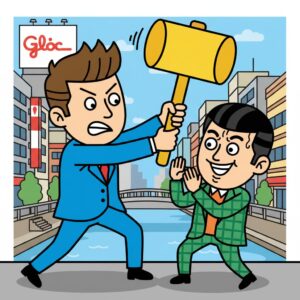
The charm of manzai comes from the dynamic between its two performers: the boke and the tsukkomi. This framework forms the foundation of nearly all Japanese variety comedy and television. The boke, roughly meaning ‘fool’ or ‘airhead,’ is the comedic engine. They misunderstand situations, utter absurdities, and generally steer the conversation off the rails of logic. They are the agent of chaos, delivering outrageous lines with a straight face, creating tension that demands resolution. The audience hangs on their every word, anticipating the next baffling remark. Then there’s the tsukkomi, the ‘straight man.’ Yet this role is far from passive. The tsukkomi acts as the audience’s voice on stage, bringing reason to the boke‘s absurd comments with sharp, witty comebacks, often accompanied by a quick smack. This physical gesture, sometimes with a paper fan called a harisen, isn’t violent; it serves as a percussive beat, a physical punchline that punctuates the joke and releases comedic tension. The tsukkomi grounds the routine, shaping the boke‘s chaos into a clear, hilarious story. Their interplay is a masterclass in timing: rapid-fire exchanges, call and response, setup and takedown, all unfolding in a split second. The best manzai duos share a chemistry that seems telepathic, finishing sentences and anticipating each other’s rhythms. The performance depends as much on listening as speaking, creating a mesmerizing flow, even if you don’t catch every single word.
The Language of Laughter: Osaka-ben
Why is Osaka the birthplace of this art? A large part of the answer lies in the local dialect, Osaka-ben. Across Japan, the Kansai region’s dialect is stereotypically linked to humor. While Tokyo’s standard Japanese can sound formal and measured, Osaka-ben is melodic, direct, and brimming with playful energy. Its intonation rises and falls more dramatically, its sentence-ending particles are more expressive, and it is known for being blunt and honest. This makes it an ideal vehicle for comedy. A line that might fall flat in standard Japanese can explode with comedic impact when delivered with the musical cadence of Osaka-ben. For comedians, the dialect is an instrument, used to build momentum, emphasize absurdity, and instantly connect with the local audience. It creates a sense of intimacy, as if you’re listening to the two funniest guys in your neighborhood riffing. For foreigners, this poses an intriguing challenge: the humor is deeply tied to linguistic nuances. Yet you don’t need fluency to appreciate the spirit of the act. The sound of Osaka-ben itself is part of the performance. You can sense the comedic timing in the pauses, the surprise in sharp inflections, and the joy in the crowd’s shared laughter. It’s an immersion into the city’s sonic landscape, a lesson in how language shapes culture’s personality.
A Tale of Two Cities: Osaka’s Roar vs. Tokyo’s Whisper
The comedic divide between Osaka and Tokyo extends beyond dialect differences; it mirrors the two cities’ unique histories and cultural identities. If Osaka’s comedy scene is a lively, communal bonfire, Tokyo’s resembles a series of sleek, modern fireplaces, each with its own distinct flame. Both offer warmth and light, yet the experience is fundamentally different. This contrast reveals a compelling story about how Japan perceives entertainment, community, and even its own identity.
The Soul of the Scene: Audience and Atmosphere
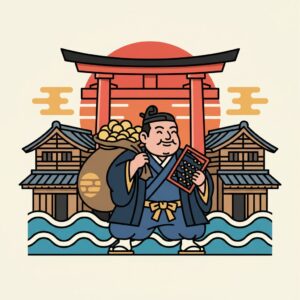
Attending the Namba Grand Kagetsu in Osaka is an event in itself. The air is charged with anticipation. Families, couples, and groups of friends wander about, snacking on pork buns and buying merchandise featuring their favorite comedians. Inside the theater, the atmosphere is electric and casual. The audience plays an active role—they gasp, cheer, and most importantly, laugh loudly and freely. There’s a shared sense of unity, a feeling that everyone is part of the joke. This spirit originates from Osaka’s history as a city of merchants, where business was conducted with handshakes and shared laughter. Humor served as a social glue, a way to build relationships and navigate everyday life. This tradition has carried over into its entertainment. Osaka comedy is for everyone; it’s a populist art form that seeks to unite the audience in collective joy. In contrast, Tokyo’s comedy scene often feels more segmented and niche. Smaller, intimate clubs in neighborhoods like Shimo-Kitazawa or Shinjuku tend to feature more experimental or intellectual humor. The audience may be more reserved, offering appreciative chuckles rather than hearty guffaws. The focus often shifts from broad, universal jokes to sharp satire, surrealism, or character-driven monologues reflecting the capital’s more solitary, cerebral rhythm. It’s not better or worse, just different—a comedy culture shaped by a city of bureaucrats, artists, and trendsetters rather than one of merchants and traders.
The Business of Funny: Yoshimoto Kogyo’s Kingdom
Osaka comedy cannot be discussed without mentioning Yoshimoto Kogyo. Established in Osaka in 1912, this entertainment powerhouse is the sun around which the Japanese comedy world revolves. It’s a star-making factory and media empire that has largely defined modern Japanese comedy. Yoshimoto manages thousands of comedians, owns theaters nationwide (with its flagship in Osaka), produces countless television shows, and holds a near-monopoly within the industry. This concentration of power in Osaka has solidified the city’s standing as the comedy capital. Aspiring comedians from all over Japan flock there, hoping to be signed by Yoshimoto and land their big break. With the company’s headquarters and main theaters located in Osaka, the industry’s heart beats strongest through the streets of Namba. This creates a self-reinforcing cycle: the best talent arrives in Osaka, produces the biggest stars, which further strengthens Osaka’s reputation as the comedy home. Tokyo, on the other hand, has a more decentralized comedy industry. While Yoshimoto maintains a significant presence, the scene is shared alongside smaller yet influential agencies like Ohta Pro and 人力舎 (Jinrikisha). This diversity fosters a wider range of comedic styles, as different agencies nurture various types of talent. It encourages a more independent, underground scene but also means Tokyo lacks the singular cultural powerhouse that Yoshimoto represents for Osaka. In Osaka, comedy feels like a major league sport with a beloved home team; in Tokyo, it’s more akin to a lineup of indie bands performing across various clubs around the city.
Beyond the Duo: Exploring the Spectrum of Owarai
While manzai reigns supreme in Osaka comedy, the realm of owarai is a vibrant and diverse kingdom encompassing many other forms of entertainment. From slapstick theater to centuries-old storytelling, the city presents a full spectrum of laughter. Appreciating these varied styles not only expands your comedic horizons but also deepens your admiration for the creativity and versatility of Japan’s performers. Each style follows its own rules, rhythms, and charms, enriching the dynamic tapestry of the owarai scene.
The Theatrical Spectacle of Shinkigeki
If you catch a show at the Namba Grand Kagetsu, you’re likely to witness Yoshimoto Shinkigeki, or “New Comedy.” Unlike stand-up, this is a fully staged comedic play and a beloved institution on Japanese television for decades. Shinkigeki uniquely blends slapstick, situational comedy, and heartwarming moral lessons. The format is charmingly predictable. Each play features a recurring troupe of actors portraying archetypal characters: the clumsy hero, the grumpy old shopkeeper, the scatterbrained love interest, and often a comically inept yakuza. The story usually centers on a simple misunderstanding that escalates into chaos, packed with pratfalls, running gags, and catchphrases the audience eagerly echoes. What sets Shinkigeki apart is its heavy reliance on visual and physical humor. The comedy extends beyond witty lines to exaggerated facial expressions, perfectly timed slips, and ridiculous costumes. This makes it especially accessible for non-Japanese speakers: even if you don’t catch every word, you can easily follow the story and enjoy the absurd physical comedy. It’s a joyous, silly, and surprisingly touching experience akin to a live-action cartoon—an essential part of Osaka’s entertainment culture.
The Art of the Story: Rakugo’s Quiet Corner
In a quieter realm of comedy, away from the bright lights and rapid pace of manzai and Shinkigeki, lies the ancient art of Rakugo. This traditional Japanese comedic storytelling is a minimalist yet highly refined performance art. A Rakugo show features a single storyteller, the rakugoka, dressed in traditional kimono. They kneel on a cushion (zabuton) on a small stage called a kōza, using only a paper fan (sensu) and a small cloth (tenugui) as props. With just these simple tools and their voice, the rakugoka conjures an entire world. They skillfully portray multiple characters, shifting voice, posture, and gaze to breathe life into complex narratives. The stories often revolve around humorous vignettes of everyday life during the Edo period, featuring foolish merchants, clever geishas, and bumbling samurai. The true mastery of Rakugo lies in the performance—the storyteller weaves the tale, captivating the audience with subtle gestures and nuanced vocal shifts, all building up to the punchline, or ochi (the drop). While Rakugo is enjoyed throughout Japan, the style performed in Kansai, known as Kamigata Rakugo, features a distinct character with more sound effects and a slightly livelier delivery. For an authentic experience, a visit to Tenma Tenjin Hanjotei, a theater devoted solely to Rakugo, is highly recommended. It allows you to witness a centuries-old art form demonstrating that a skillfully told story is among the most powerful forms of entertainment.
Conte and the Rise of the Solo Artist
Another prominent style you’ll encounter is conte, derived from the French word for ‘skit.’ Conte represents Japanese sketch comedy. Unlike manzai, which depends primarily on dialogue, conte often includes costumes, props, and distinct settings. It can be performed by duos, trios, or larger ensembles. Its humor is situational: sketches might take place in a doctor’s office, classroom, or fantastical environment. The comedy emerges from absurd premises or the bizarre behaviors of characters inhabiting these scenarios. Conte offers more theatricality and visual storytelling than manzai. Many of Japan’s most famous comedy groups, such as the Tokyo-based trio Tokyo 03 or the duo Sandwichman, excel in conte. This form enjoys nationwide popularity and is also performed in Osaka theaters, frequently by comedians who also do manzai. It provides them an opportunity to display a different set of talents—acting, character work, and imaginative world-building. Additionally, the contemporary comedy scene has seen a surge of solo performers known as pin geinin. These artists explore various styles, from character-driven conte to observational monologues similar to Western stand-up. They bring unique perspectives, unbound by the traditional boke-tsukkomi interplay, reflecting the evolving and diversifying nature of Japanese comedy.
Your Ticket to the Laugh Track: A Practical Guide for Foreigners
Exploring Osaka’s comedy scene might seem intimidating, especially due to the language barrier. However, the payoff—a richer cultural insight and an evening of genuine fun—is definitely worth it. With some preparation and the right attitude, anyone can dive into the lively world of owarai. Consider it not just a show, but a cultural adventure. The key lies in knowing where to go, what to expect, and how to embrace the experience, even if you don’t catch every punchline.
Navigating the Language Barrier
To be clear: most comedy shows in Osaka are performed entirely in fast-paced, slang-heavy Japanese. The humor often relies on puns, cultural references, and the unique nuances of the Osaka dialect. For non-speakers, understanding the verbal jokes can be tough. Nevertheless, this shouldn’t discourage you. Laughter is a universal language, and much of Japanese comedy goes beyond words.
Finding Accessible Shows
For a first-timer, Yoshimoto Shinkigeki is your best option. Its emphasis on slapstick, physical humor, and exaggerated acting makes it very visual and easy to follow. The audience’s laughter is contagious, pulling you into the energy of the performance. Another approach is to seek out non-verbal performers. Japan boasts incredible magicians, mimes, and physical comedians who often share the bill with manzai acts. These can be a great entry point. If you’re more committed, prepare ahead. Many famous manzai acts have YouTube clips with English subtitles, which can help you get used to the timing and style and recognize popular duos. Although still uncommon, some smaller venues catering to international audiences, like ROR Comedy Club, occasionally offer English-language nights or shows with some English support. Checking their online schedules is worthwhile for a gentler introduction.
The Theaters: Where to Go
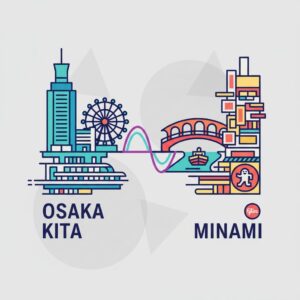
Osaka’s comedy scene centers on the vibrant, neon-lit district of Namba, making it easy to hop between venues and soak up the atmosphere.
The Mecca: Namba Grand Kagetsu (NGK)
This is the big one—the legendary home of Yoshimoto Kogyo. Visiting NGK is a pilgrimage for comedy fans throughout Japan. The experience starts even before entering the theater, with comedian-themed souvenir shops, food stalls selling tasty local treats, and often life-sized star cutouts for photos. The theater itself is spacious and comfortable, hosting grand productions with A-list manzai duos, conte artists, and a full Shinkigeki performance. Tickets are available online via the official Yoshimoto website (which offers some English guidance), at convenience store machines like FamiPort or Loppi, or at the box office. Shows run daily throughout the day, fitting easily into any schedule. For a quintessential Osaka comedy experience, NGK is an absolute must-visit.
The Up-and-Comers: Yoshimoto Manzai Theater
Just a short walk from NGK, the Yoshimoto Manzai Theater showcases the upcoming generation of comedy stars. The vibe here is younger, rawer, and more energetic. Shows are shorter, faster-paced, and significantly cheaper than NGK’s. It’s a fantastic spot to witness a wide range of manzai acts honing their skills. If you want a casual, high-energy experience and to feel the current pulse of the comedy scene, this is the place to be. You might even spot a duo destined to headline NGK in a few years.
The Traditional Stage: Tenma Tenjin Hanjotei
For those drawn to Rakugo, visiting Tenma Tenjin Hanjotei is essential. Located at the northern end of Japan’s longest shopping arcade, Tenjinbashi-suji, this theater is dedicated solely to Kamigata Rakugo. The building is beautiful and traditional, offering an intimate and authentic setting. The experience contrasts greatly with the lively manzai theaters, as you become absorbed in the subtle skill of a master storyteller. Even without understanding the language, you can appreciate the artistry in their craft—how a fan represents eating noodles or a cloth symbolizes a letter. It’s an experience that is both entertaining and deeply meditative.
Comedy Club Etiquette
The good news is that etiquette at Osaka comedy shows is simple and relaxed. The main rule is to have fun. Laughing out loud isn’t just allowed; it’s encouraged! Performers thrive on audience energy, and a lively crowd makes the show better. Osakans are unreserved in expressing their enjoyment. Many theaters, including NGK, allow you to bring food and drinks bought in the lobby to your seat, enhancing the casual, festive mood. The only real taboos are the usual ones: silence your phone and avoid talking during performances. The environment is welcoming and designed for maximum enjoyment.
Living the Laugh: How Comedy Permeates Osaka Life
In Osaka, comedy is not limited to stages or theaters. It spills out into the streets, the shops, and the everyday interactions of its people. It serves as the city’s unofficial language, a core element of its social fabric. Grasping this is essential to genuinely appreciating life in Osaka. The city’s humor is a living, breathing force that shapes its unique and contagious character.
The Comedian on Your TV Screen
Turn on a television anywhere in Japan, at any hour, and you are almost certain to see a comedian from Osaka. Owarai talent, predominantly managed by Yoshimoto Kogyo, dominates the media scene. These performers are not only comedians; they also host game shows, serve as panelists on news programs, act in dramas, and appear in countless commercial campaigns. They are among the most ubiquitous celebrities in the country. This constant presence underscores the cultural significance of comedy. The jokes and catchphrases born on the Namba stages quickly become part of the national discourse. For those living in Japan, knowing the biggest comedy stars is as important as knowing the prime minister’s name. It’s a shortcut to understanding pop culture and forging connections with Japanese colleagues and friends. Before long, you’ll recognize the comedians you saw live on stage as they try to sell everything from instant noodles to life insurance.
The Humor in the Streets
Even more profound than their TV presence is how comedy permeates daily life. Osakans are known for being friendly, direct, and extraordinarily funny. The rhythm of manzai—the playful setup and witty comeback—is visible between shopkeepers and customers or among friends waiting for a train. A culture of friendly teasing and banter keeps social interactions light and engaging. The role of the tsukkomi is almost a civic responsibility. If you say something a little silly or nonsensical, don’t be surprised if a local friend or even a stranger playfully calls you out on it. This isn’t intended to criticize; it’s a form of connection, a way of saying, “I’m listening and engaged in this conversation with you.” This interactive, participatory humor is what makes the city feel so vibrant and welcoming. It breaks down social barriers and turns everyday moments into opportunities for shared laughter. From the elderly woman offering candy with a wink and a joke to the flamboyant styles seen in Amerikamura, Osaka doesn’t take itself too seriously—and it encourages you to do the same.
To truly experience Osaka, you must immerse yourself in its laughter. It’s a journey from the grand Namba stages to the intimate storytelling venues of Tenma, and finally into the very heartbeat of the city. Don’t let the language barrier stand in your way; let it be a curtain you peek behind. Witness the physicality of Shinkigeki, feel the rhythm of manzai, and soak in the infectious energy of a thousand people laughing together. In that shared moment of joy, you’ll discover a universal language that speaks volumes. An evening at a comedy theater is more than entertainment—it’s a lesson in the heart and soul of Osaka. It proves that here, a good laugh is not just a luxury but an essential part of a life well lived. So go ahead, buy a ticket, take a seat, and prepare to hear the sound of a city that has truly mastered the art of happiness.