Step off the clattering tram onto a quiet street in southern Osaka, and you feel it instantly. The air shifts. The relentless energy of the city softens, replaced by a deep, resonant calm that seems to emanate from the ancient camphor trees ahead. This is the gateway to Sumiyoshi Taisha, a place that is not merely a destination but a profound experience. It’s one of Japan’s oldest and most revered Shinto shrines, a spiritual anchor that has watched over sailors, poets, warriors, and merchants for nearly two millennia. To visit Sumiyoshi Taisha is to walk through a living history book, to feel the pulse of a faith that predates the arrival of Buddhism in Japan, and to connect with the very soul of the nation’s maritime heritage. This isn’t just a collection of beautiful buildings; it’s a sanctuary where the gods of the sea still whisper on the wind, a place of purification and powerful blessings that continues to draw millions of souls seeking guidance and protection. Forget the neon glow of Dotonbori for a moment and let the sacred silence of this place envelop you. It’s a journey backward in time, a pilgrimage to the heart of ancient Osaka, and an essential chapter in understanding the spiritual landscape of Japan. Here, the stories aren’t just written on plaques; they are carved into the wooden beams, they rustle in the leaves of the thousand-year-old trees, and they flow in the quiet waters beneath its iconic bridge. Prepare to cross that bridge, not just over a pond, but into another realm of being.
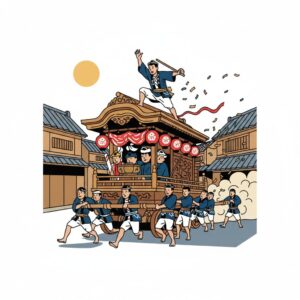
For a different kind of powerful cultural experience in Osaka, witness the raw energy of the Kishiwada Danjiri Matsuri.
Echoes of the Ocean Gods: The Spiritual Heart of Sumiyoshi
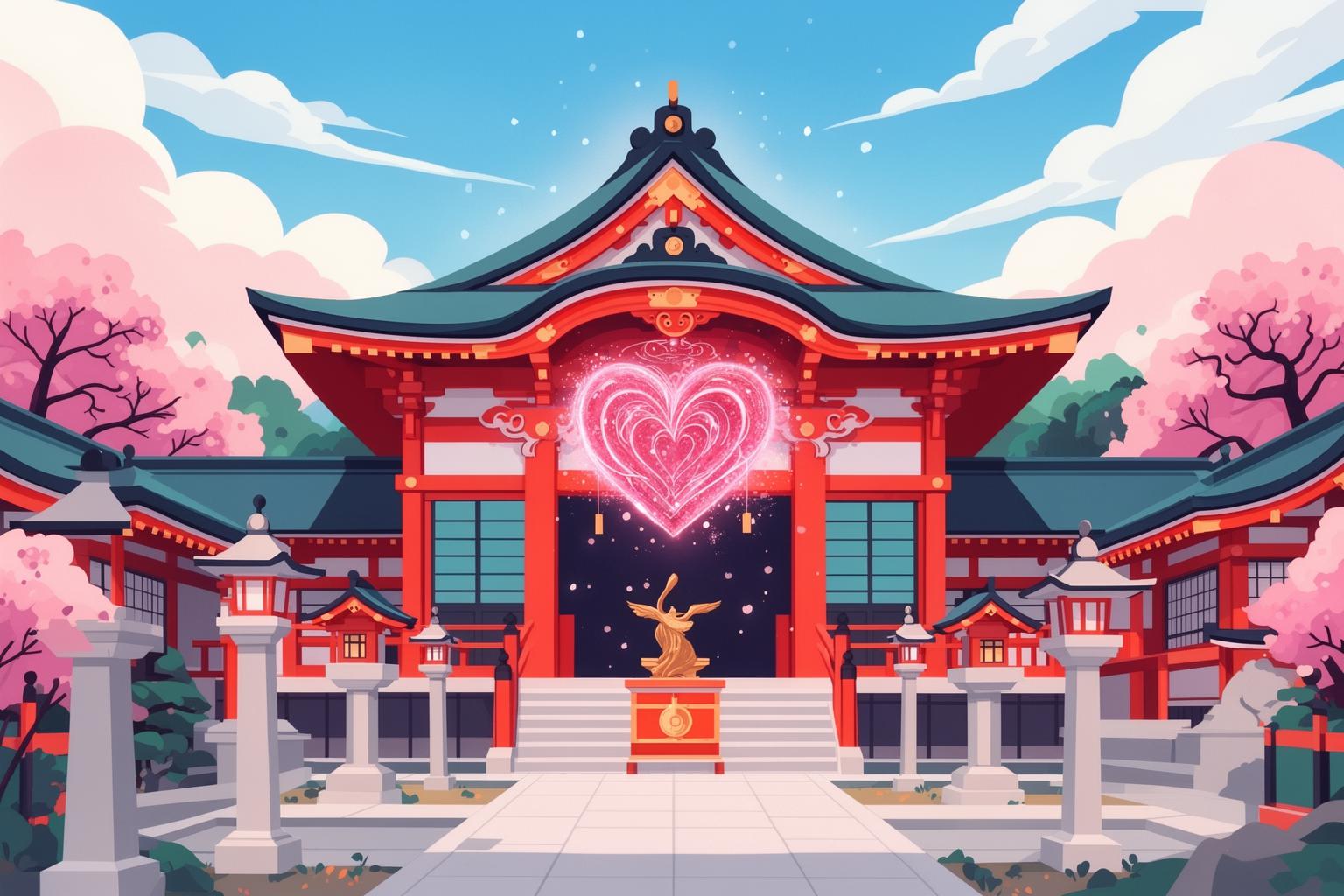
The story of Sumiyoshi Taisha begins not with wood or stone, but with water. It is a narrative intricately woven into the very essence of Japan’s mythological beginnings. According to legend, the shrine was founded in the year 211 by Empress Jingu upon her victorious return from a military campaign, established to honor the Sumiyoshi Ōkami—the three great gods who safeguarded her fleet during its treacherous voyage. These deities, born from the purification rites of the creator god Izanagi in the sea, serve as divine protectors of the ocean, sailors, maritime trade, and all who travel across water. Their names echo the rhythm of the tides: Sokotsutsu no O no Mikoto (God of the Ocean’s Bottom), Nakatsutsu no O no Mikoto (God of the Ocean’s Middle), and Uwatsutsu no O no Mikoto (God of the Ocean’s Surface). Later, Empress Jingu was enshrined alongside them, completing the quartet of deities at the spiritual center of this sacred site. For centuries, before Japan’s capital shifted inland, this part of Osaka was a thriving port serving as a gateway to the world. Imperial envoys departing for China and Korea would first come here to pray for safe travels. Fishermen sought blessings for abundant catches. The nation’s prosperity and security were believed to rest in the hands of these potent sea kami. Walking the expansive grounds today, one can still sense that deep connection to the water. Although the shoreline has long since receded, the main halls face westward toward the distant sea, serving as a silent, constant reminder of the shrine’s origins. The atmosphere exudes immense, ancient power, a calm earned through centuries of devoted worship. The crunch of footsteps on the white gravel path provides a rhythmic counterpoint to the gentle rustling of leaves from camphor trees that were ancient back when Osaka was merely a collection of fishing villages. The air is thick with the sweet, earthy scent of pine and the faint, lingering aroma of incense offered by countless pilgrims before you. It is a place that feels both vast and intimate, a sprawling spiritual complex that somehow preserves a space of profound personal tranquility for every visitor who steps within its boundaries.
A Style Forged Before Buddhism: The Pure Architecture of Sumiyoshi-zukuri
What immediately strikes you about the main sanctuaries of Sumiyoshi Taisha is their stark, commanding simplicity. This is not the ornate, flowing architecture commonly associated with many of Japan’s grand temples and shrines. Instead, you see something far older—a glimpse into Japan’s architectural essence before Buddhism arrived from the Asian mainland in the 6th century. This style, known as Sumiyoshi-zukuri, is among the three oldest forms of shrine architecture in the country, so pure and distinctive that it shows no external influence. The main halls, or Hongu, are designated National Treasures, and seem to have emerged naturally from the earth itself. The most prominent features are the roofs: gabled and straight rather than elegantly curved, ending in sharp, decisive lines that reach toward the sky. Adorning the roof ridges are two distinctive elements: chigi—forked finials that extend outward and upward—and a series of cylindrical logs called katsuogi, laid horizontally along the ridge. Once common in the homes of ancient Japanese chieftains, these features imbue the buildings with a raw, primordial energy. Constructed from natural wood and painted a brilliant vermilion, the buildings stand in striking contrast against the pure white walls and the deep green forest surrounding them. This color scheme is not merely decorative; vermilion is believed to ward off evil spirits and misfortune, creating a vivid protective barrier around the shrine’s sacred heart. Unusually, the entrance is located on the gabled side of the building, and the interior is divided into two separate chambers—a front and a back—reminiscent of ancient palatial layouts. Perhaps most notably, the four main sanctuaries are not arranged side-by-side but in a straight line, one behind another, like a fleet of ships sailing out to sea. The first three halls enshrine the three sea gods, while the fourth and final hall is dedicated to Empress Jingu. This unique arrangement physically embodies the shrine’s maritime story, a procession of divine vessels forever facing the western ocean they command. Standing before these structures, one feels a direct, unbroken connection to an age of myth and legend—an era when the divine and mortal realms seemed impossibly close.
Crossing the Threshold: The Iconic Sorihashi Bridge
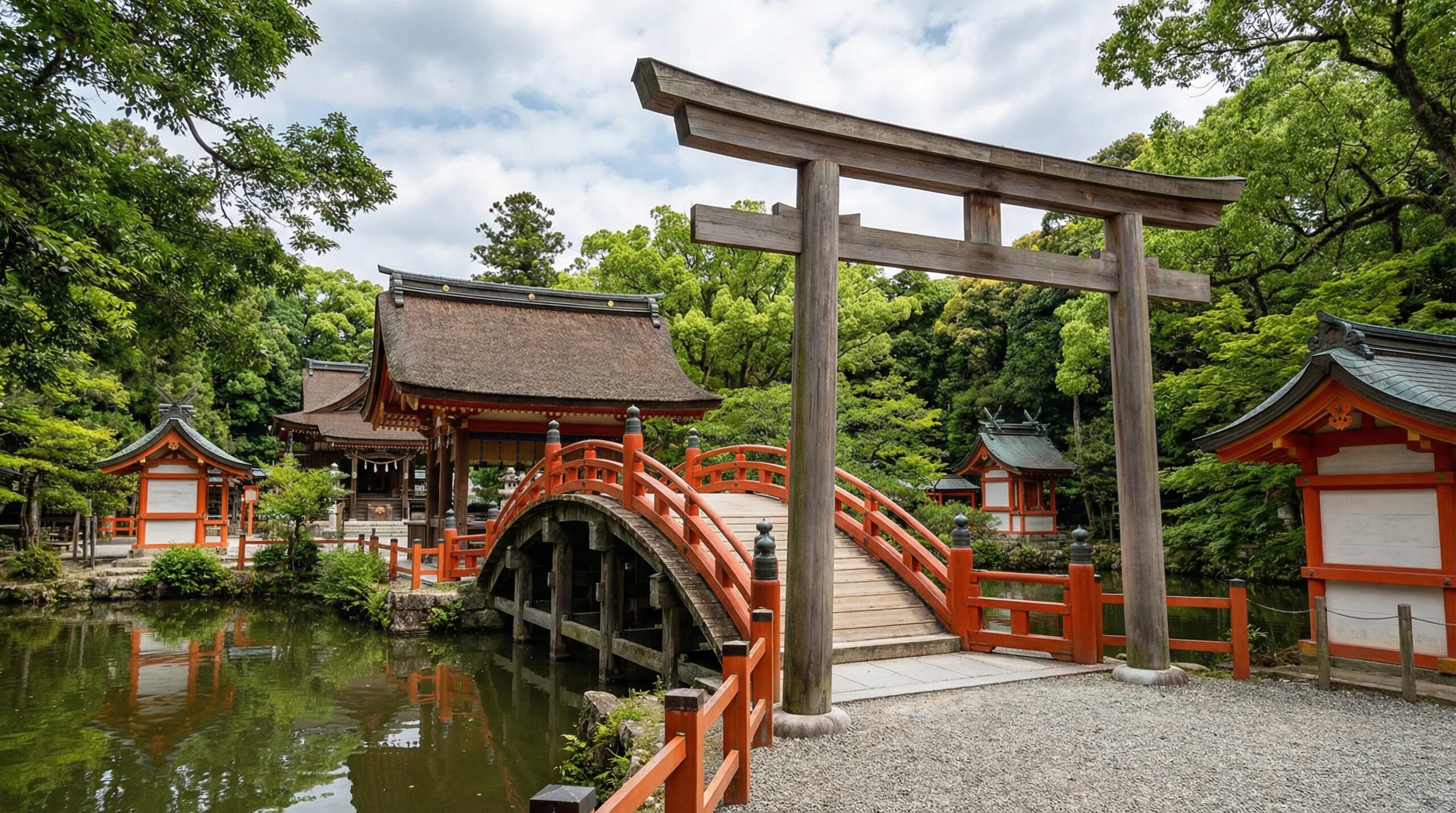
Before reaching the sacred inner sanctum of the Hongu, you must first embark on a symbolic journey of purification. This journey is embodied by one of Japan’s most beautiful and iconic structures: the Sorihashi bridge, more poetically called the Taiko-bashi, or Drum Bridge. Arching dramatically high over the serene waters of the pond below, its brilliant vermilion lacquer glows vividly against the sky and trees. Its reflection on the still water forms a perfect circle, resembling a traditional Japanese drum, which gives the bridge its name. This bridge is much more than a picturesque crossing; it serves as the shrine’s most powerful symbol of purification. The steepness of its arch is intentional. As you step onto the first rung and begin ascending, you are compelled to look upward toward the heavens. The climb demands your full focus, a mindful act encouraging you to leave behind the worries and impurities of the everyday world. When you reach the summit, you find yourself suspended between earth and sky, and for a moment, the busy world you left fades away. The descent on the other side is equally purposeful, guiding your gaze back down to the sacred ground you are about to enter. Crossing the Taiko-bashi is a ritual in itself. It is believed that simply walking across this rainbow-like arc cleanses you of sins and impurities, making you worthy of approaching the kami. The experience is both physical and spiritual. You can feel the texture of the wooden slats beneath your feet, grip the sturdy railings as you climb, and pause at the top to take in the breathtaking view of the shrine complex spread out before you. Undoubtedly, it is the most photographed spot in Sumiyoshi Taisha, and for good reason. It perfectly captures the shrine’s essence: a beautiful, challenging, and ultimately rewarding passage from the profane to the sacred. For the best experience, visit on a calm day when the water is like glass, allowing for that perfect circular reflection. The bridge is especially stunning in the early morning light or as the sun sets, casting a warm, golden glow on its lacquered surface. Standing before it, you realize your pilgrimage has truly begun.
Exploring the Sacred Grounds: Beyond the Main Halls
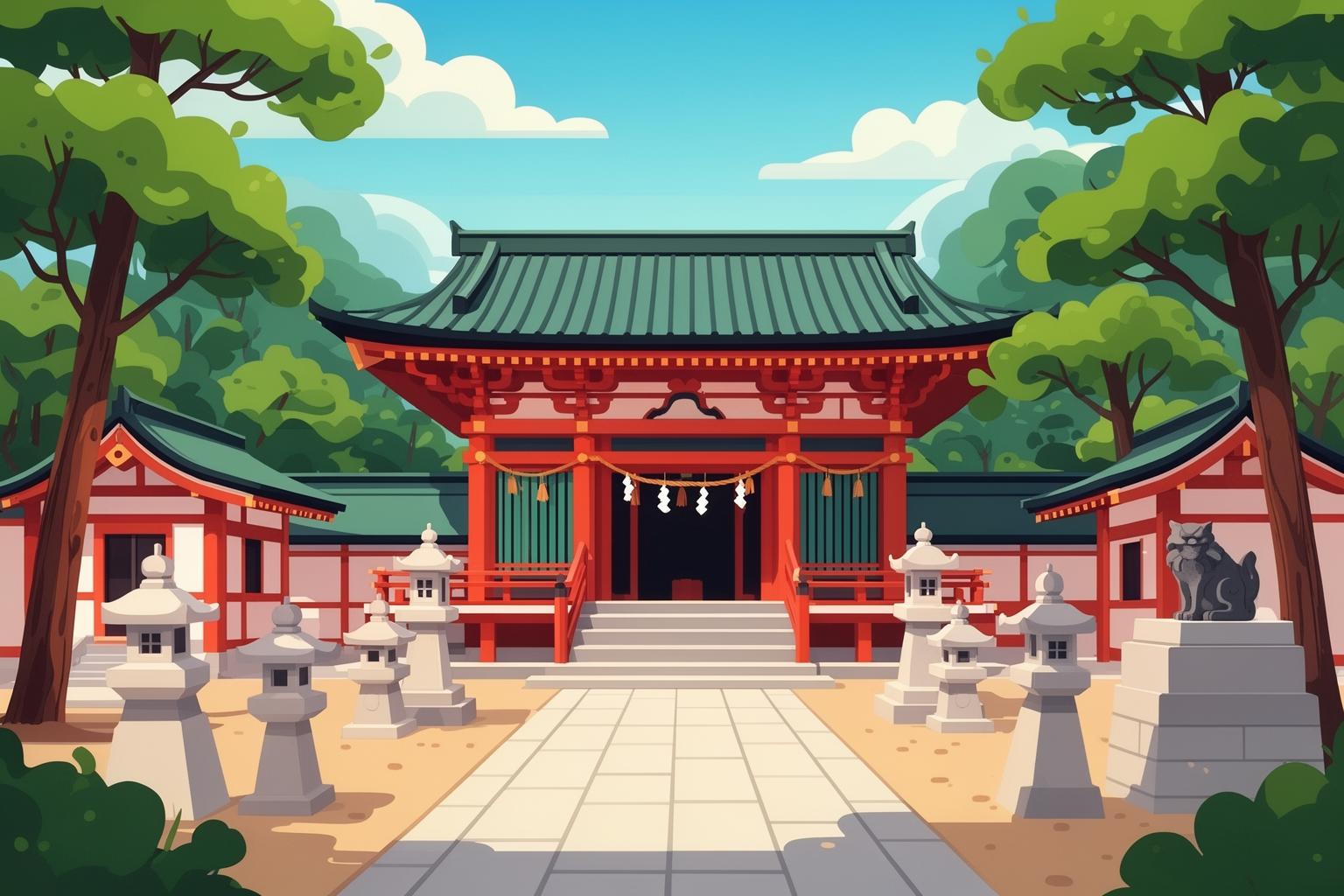
Once you cross the Taiko-bashi and purify your hands and mouth at the chozuya water pavilion—a stone basin often adorned with a rabbit-shaped spout, paying homage to the shrine’s founding in the year, month, and day of the rabbit—the expansive grounds of Sumiyoshi Taisha unfold before you. The area is a maze of spiritual exploration, featuring numerous smaller shrines, sacred stones, and ancient trees, each holding its own story and significance. The true pleasure of visiting lies in the journey itself, allowing yourself to wander and discover the secrets the shrine unveils.
A Quartet of Deities: The Four Main Sanctuaries
Your main focus is naturally the four principal sanctuaries, the Hongu. In keeping with tradition, pilgrims visit them in a prescribed sequence, a ritual procession honoring the divine hierarchy. You start at the Dai-ichi Hongu (First Main Shrine), dedicated to Sokotsutsu no O no Mikoto. Next, you move on to the Dai-ni Hongu (Second), honoring Nakatsutsu no O no Mikoto, followed by the Dai-san Hongu (Third), dedicated to Uwatsutsu no O no Mikoto. Finally, you visit the Dai-yon Hongu (Fourth), which venerates Empress Okinagatarashi-hime no Mikoto, the deified Empress Jingu. Each hall exemplifies Sumiyoshi-zukuri architecture, with their vibrant vermilion and pristine white creating a striking visual harmony within the natural surroundings. Standing before each, you can offer a prayer by ringing the bell, tossing a coin into the offering box, and performing the customary two bows, two claps, and final bow. The atmosphere here brims with reverence, a tangible devotion accumulated over nearly two millennia. You can almost sense the presence of countless worshippers who have stood on the same spot, offering their hopes, fears, and gratitude to the resident kami.
The Whispers of Power: Seeking Blessings at Goshogozen
Behind the Dai-san Hongu lies one of Japan’s most distinctive and interactive spiritual sites: Goshogozen. This sacred area is bordered by a low stone fence, enclosing a bed of smooth, dark pebbles. It is believed to be the very place where the Sumiyoshi Ōkami first descended to earth, making the ground here charged with immense spiritual energy. The ritual is a kind of treasure hunt for divine favor. Visitors carefully search through the pebbles for three specific stones: one inscribed with the kanji 五 (Go, meaning five), another with 大 (Dai, meaning great), and the third with 力 (Riki, meaning power). Together, they spell “Godairiki,” which translates as “great power of the five.” Finding these three stones is said to grant five key blessings: physical strength, wisdom, wealth, fortune, and longevity. Visitors are encouraged to take the stones home in a small amulet bag (available for purchase at the shrine office) as a powerful omamori, or protective charm. The search itself is a meditative act. You squat down, fingers sifting through the cool stones, your focus narrowing to this singular task. When you finally locate all three, a genuine sense of achievement and connection follows. The tradition continues beyond this: once your wish is fulfilled or you have received the blessings, you are encouraged to find or create a new set of Godairiki stones, inscribe them yourself, and return both your original stones and the new set to Goshogozen for future pilgrims to find. This beautiful practice fosters an ongoing cycle of gratitude and blessing, creating a continuous stream of positive energy flowing through the shrine.
Shrines Within a Shrine: Discovering the Massha
Beyond the four main halls, Sumiyoshi Taisha’s grounds are sprinkled with numerous smaller subsidiary shrines known as sessha and massha. Each is dedicated to a different deity, overseeing distinct aspects of life. Exploring these is like wandering through a small village of the gods. You might come across the Shibu-jinja, a group of four smaller shrines devoted to gods of business and trade. Those aspiring to succeed in the performing arts visit the Tatsumi-jinja to pray for success in acting, dancing, or music. The Omoto-jinja offers blessings for matchmaking and finding a suitable partner. One of the most intriguing is the Nankun-sha, guarded by a pair of cat statues—one with its left paw raised to welcome customers, the other with its right paw raised to attract money. Business owners come here to pray for prosperity. Spending time exploring these smaller shrines enriches your visit, revealing how Shinto belief intertwines with the everyday hopes and concerns of the people.
Testing Fate with the Omokaru Ishi
Another cherished interactive ritual is located at a small shrine within the Goshogozen area. Here, you will find the Omokaru Ishi, or “heavy-light stone,” resting atop a stone lantern base. This simple yet profound form of divination invites you first to silently make a wish or ask a question in your heart. Then, lift the stone to sense its baseline weight. After placing it back down, focus on your wish once more and lift it a second time. If the stone feels notably lighter, it suggests your wish will be granted easily and soon. If it feels heavier, your desire may require more time or effort, or signify obstacles ahead. The second lift is charged with suspense, as the stone’s perceived weight seems to mirror the weight of your own hopes and anxieties, making it a deeply personal and insightful experience.
A Calendar of Celebration: Seasonal Rhythms at Sumiyoshi Taisha
While Sumiyoshi Taisha exudes a profound sense of tranquility on any ordinary day, its spiritual energy reaches a peak during its major festivals, which stand as some of the most vibrant and significant events in the Kansai region. Witnessing one of these celebrations reveals the shrine in its full splendor—a dazzling display of color, sound, and ancient tradition brought vividly to life.
A Million Souls at Midnight: The Spectacle of Hatsumode
There is no time as electrifying at Sumiyoshi Taisha as the first days of the New Year. It is the most popular shrine in Osaka for Hatsumode, the year’s inaugural shrine visit. More than two million visitors gather here from January 1st to 3rd to offer their first prayers, buy new omamori (good luck charms) for the coming year, and burn the old ones in ceremonial bonfires. The atmosphere is truly spectacular. The path to the shrine is flanked by an endless array of yatai (food stalls), offering everything from sizzling takoyaki and yakisoba to sweet candied apples and chocolate-covered bananas. The air resonates with laughter, vendors’ calls, and the deep, thunderous beats of the shrine’s taiko drums. Despite the massive crowds, a shared sense of joy and optimism pervades—a collective hope for a healthy and prosperous new year. Crossing the Taiko-bashi amid this lively crowd is an unforgettable experience, marking a powerful start to the year.
A Dance for a Bountiful Harvest: The Otaue Shinji
In the warmth of mid-June, Sumiyoshi Taisha hosts one of Japan’s most important and visually captivating festivals: the Otaue Shinji, or sacred rice-planting ceremony. Recognized as an Important Intangible Folk Cultural Property of Japan, this ancient ritual is a prayer for a rich harvest. The festival unfolds in the shrine’s sacred rice paddy. The main event features a procession of women dressed in traditional garments performing the entire rice planting—from tilling the soil to setting the seedlings—all while accompanied by traditional court music (gagaku) and ceremonial dances. The highlight is the Sumiyoshi Odori, a lively dance performed by colorfully dressed local girls to entertain the gods and secure their blessings. It is a mesmerizing spectacle and a living cultural treasure that connects the shrine to Japan’s deep agricultural heritage. The sight of the planters’ perfectly synchronized movements mirrored in the water-filled paddy is an image of profound beauty and cultural importance.
Cleansing the City: The Grandeur of the Sumiyoshi Matsuri
Ending Osaka’s summer festival season is the Sumiyoshi Matsuri, held annually from July 30th to August 1st. This grand festival centers on purification. The festival’s climax features a magnificent procession where the shrine’s main deity is carried in a stunning mikoshi (portable shrine) through the streets. The procession’s final destination is the Yamato River, where a purification ritual called Nagoshi no Harae Shinji is performed. The mikoshi, alongside women and children dressed in elaborate historical costumes, is paraded into the river to wash away impurities accumulated over the past year, thereby spiritually cleansing the entire city of Osaka. The energy is tangible—a blend of solemn ritual and lively celebration that embodies the spirit and soul of the city. It stands as a powerful testament to the shrine’s enduring role as a spiritual guardian for the region.
Practical Navigation for the Modern Pilgrim
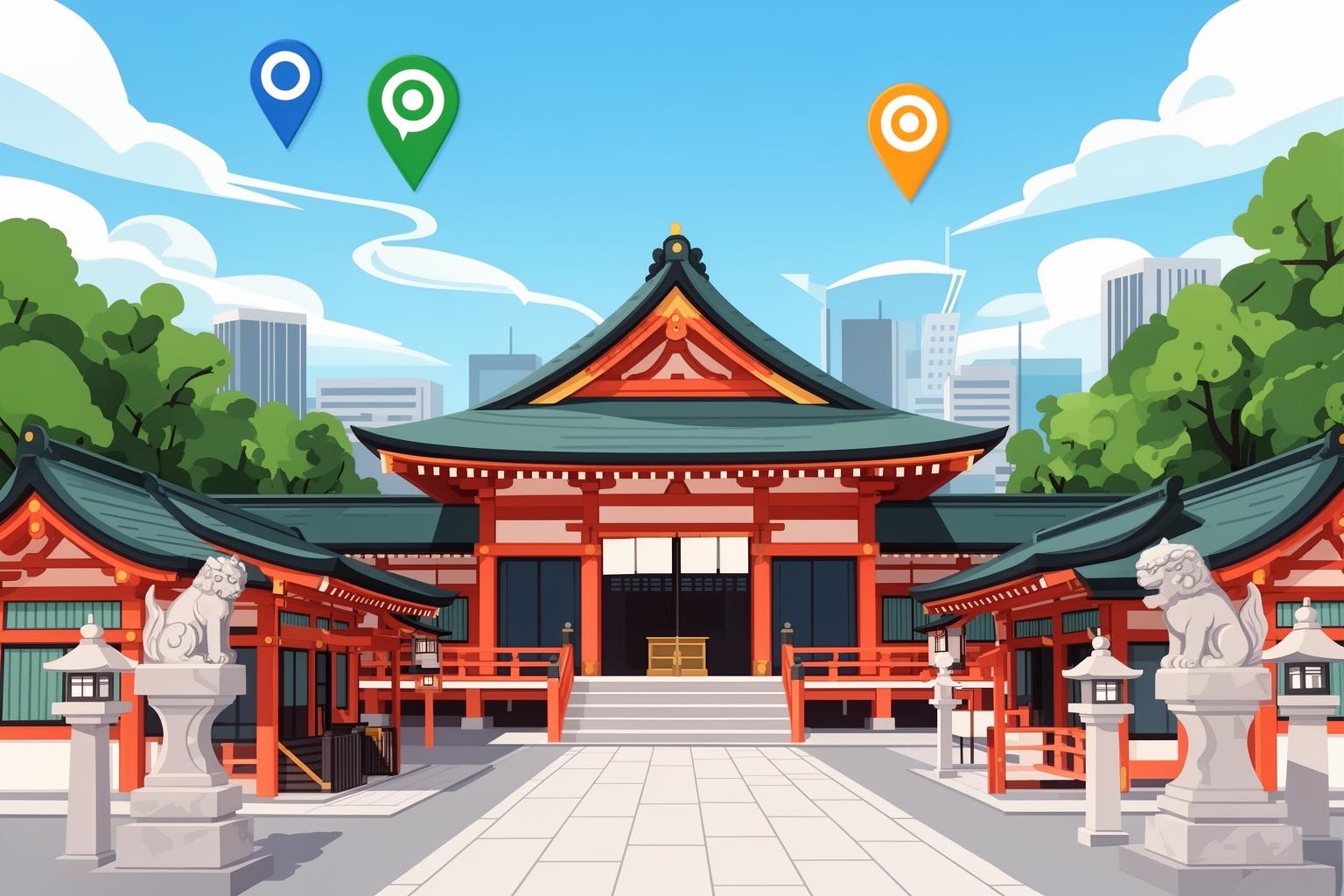
Despite its ancient ambiance, Sumiyoshi Taisha remains remarkably accessible and easy to navigate for today’s visitor. With a bit of planning, you can fully enjoy your spiritual journey to this Osakan gem.
Your Path to the Shrine: Access and Transportation
Reaching Sumiyoshi Taisha is straightforward. The quickest option is the Nankai Main Line from Namba Station, taking just ten minutes to Sumiyoshi Taisha Station, from which the shrine lies a brief three-minute walk to the east. For a more nostalgic and scenic trip, consider the Hankai Tramway, one of Osaka’s last remaining streetcar lines. Known affectionately as the “Chin-Chin Densha” for the bell it rings, this charming tram offers a glimpse of a slower, bygone Osaka. You can board it at Tennoji Station and ride to Sumiyoshitorii-mae Station, which conveniently drops you right in front of one of the shrine’s main torii gates. The gentle, rattling ride provides a fitting prelude to visiting a site so rich in history.
Finding Your Moment of Peace: When to Go
For a serene and atmospheric experience, an early morning visit on a weekday is highly recommended. While the grounds are open 24 hours, the main gate usually opens around 6:00 to 6:30 AM depending on the season. Arriving early lets you stroll the gravel paths in quiet solitude, enjoy the birdsong among ancient trees, and absorb the shrine’s sacred stillness. You may even witness priests performing their morning rituals and have the Taiko-bashi bridge nearly to yourself. The amulet and prayer office typically opens around 9:00 AM and closes by 5:00 PM. Weekends and national holidays tend to be busier but offer a lively atmosphere ideal for people-watching and experiencing the vibrant energy of worshippers. Festival periods are, of course, the most crowded but also the most spectacular, providing an unmatched cultural experience.
Walking with Respect: A Visitor’s Guide to Shrine Etiquette
Though Shinto shrines welcome all visitors, observing some simple etiquette can enrich your experience and honor the sacred space. Upon passing through a torii gate, it’s customary to bow slightly, acknowledging entry into the realm of the kami. The main approach to the shrine is considered the path of the gods, so it’s polite to walk slightly to the left or right of the center. At the chozuya water pavilion, take a ladle with your right hand, fill it with water, and pour some over your left hand to cleanse it. Then switch hands and cleanse your right hand. Next, pour a little water into your cupped left hand to rinse your mouth (do not drink directly from the ladle or spit water back into the basin—use the designated drain). When approaching the prayer hall, the standard procedure is “two bows, two claps, one bow”: bow deeply twice, clap twice to get the kami’s attention, silently offer your prayer, then finish with a final deep bow. These are gentle customs rather than strict rules, meant to help you engage more fully with the shrine’s spiritual atmosphere. Keep in mind that the grounds are extensive and covered with gravel, so comfortable walking shoes are essential.
Beyond the Torii Gates: The Charm of Sumiyoshi
The area surrounding Sumiyoshi Taisha maintains a quaint, old-world charm worth exploring. The Hankai Tramway enhances this nostalgic atmosphere. After your visit, consider taking a short ride on the tram simply for the experience. The streets nearby are lined with small, traditional shops that have served pilgrims for generations, offering beautiful omamori (lucky charms) and other religious items. Don’t miss local sweet shops selling Kintsuba, a traditional bean paste confection, or other wagashi that make perfect treats after your visit. A short walk from the shrine is Sumiyoshi Park, one of Japan’s earliest public parks, providing a tranquil green space ideal for a leisurely stroll.
A Final Reflection: The Enduring Spirit of Sumiyoshi Taisha
A visit to Sumiyoshi Taisha is far more than just a sightseeing stop on a tourist itinerary. It is an immersive journey into Japan’s spiritual foundation. It’s the quickening of your heartbeat as you climb to the peak of the Taiko-bashi, the serene calm of sorting stones at Goshogozen, and the awe inspired by standing before an architectural style that has endured for nearly two thousand years. This place feels profoundly alive. It is not a static museum exhibit; it is a vibrant center of faith, a sanctuary where the ancient and the modern exist in perfect harmony. You witness it in the salaryman in a sharp suit offering a brief prayer on his way to work, in the young couple seeking a blessing for their future, and in the grandmother teaching her grandchild how to properly purify their hands. Sumiyoshi Taisha is a guardian, a haven of refuge and renewal. It has protected sailors navigating treacherous seas and continues to offer safety to modern-day travelers on their life journey. You leave its grounds feeling lighter, calmer, and perhaps more connected to the timeless rhythms of nature and spirit that flow just beneath the surface of our busy world. You carry with you not only photographs but also the lingering scent of camphor and incense, the touch of a sacred stone in your pocket, and the deep peace of a place where the gods still feel very, very near.