There’s a rhythm to Osaka that every resident comes to know. It’s the clatter of the trains on the Midosuji Line, the sizzle of okonomiyaki on a hot plate in Namba, the cheerful calls of shopkeepers in Tenjinbashisuji. But then there’s another rhythm, a slower, more deliberate beat you have to seek out. It’s the sound of a spray can hissing against a corrugated steel wall, the quiet hum of a repurposed factory now housing a sprawling art installation, the gentle lapping of water against the docks. This is the pulse of Kitakagaya, a neighborhood where the city’s industrial heart has been reclaimed and repainted by a vibrant, pulsating creative soul. Forget the polished gleam of Umeda or the neon-drenched chaos of Dotonbori for a moment. To truly understand the evolving face of modern Osaka, you need to walk the wide, quiet streets of this port-side district. It’s not just a place you visit; it’s a landscape you explore, an outdoor museum where the line between the city and the canvas has been completely erased. Here, art isn’t confined to frames; it breathes on the very skin of the buildings, telling a story of decay, rebirth, and relentless creativity.
While this district offers a more contemplative artistic experience, for a taste of Osaka’s raw, energetic passion, you must witness the city’s most intense spectacle at the Kishiwada Danjiri Festival.
The Resonant Soul of an Industrial Landscape
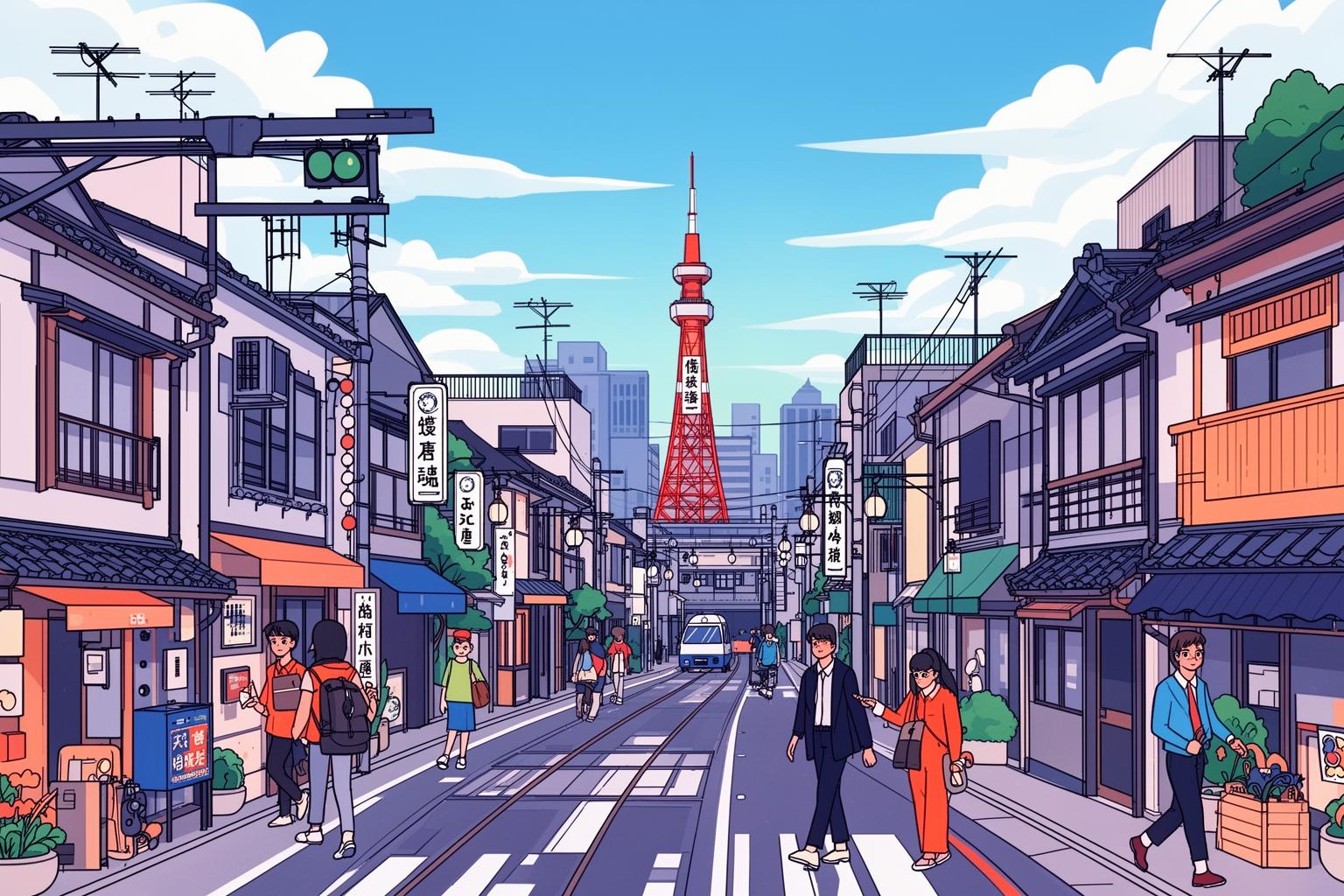
Exiting Kitakagaya Station on the Yotsubashi Line feels like passing through a gateway. The dense urban maze of central Osaka quickly gives way to something entirely different. The sky seems more expansive here. The streets are broader, designed for trucks and machinery rather than crowds of pedestrians. A distinct scent fills the air—a salty tang from the nearby port combined with a faint metallic odor of industry that still lingers on the old warehouses. This is a place of vast scale and unexpected calm. On a weekday, the quiet is interrupted only by the distant clanging of metalwork or the low rumble of a cargo ship, sounds that remind you of the area’s ongoing blue-collar life. This isn’t a contrived art district; it’s a working neighborhood that has welcomed artistic expression. The atmosphere is a captivating contradiction. Weathered, rust-streaked factory facades stand alongside walls bursting with vivid, kaleidoscopic color. You might pass a small, family-run metal shop with its doors open to the street, then fifty meters later, find yourself gazing up at a five-story mural by a globally acclaimed artist. This contrast defines Kitakagaya. It’s raw, unfiltered, and deeply authentic. There is a tangible sense of freedom here, a feeling that the usual rules don’t apply. The vast, empty walls of shuttered factories have become not symbols of decay, but invitations—blank canvases calling for a new voice, a new purpose. Walking these streets is a meditative journey, an urban hike where every corner reveals a fresh discovery, a burst of color against a backdrop of gray concrete and weathered steel.
From Steel and Steam to Spray Paint and Dreams
To fully appreciate the art thriving in Kitakagaya today, one must first understand the foundation from which it emerged. This district, situated in Suminoe Ward, was once a powerhouse of Japanese industry. Its proximity to the Port of Osaka made it a vital center for shipbuilding and manufacturing throughout the 20th century. The now-iconic Namura Shipbuilding site, a massive landmark of that era, buzzed with activity, producing enormous vessels that sailed across the globe. The streets we now traverse in search of art were once filled with the clamor of heavy machinery and the labor of thousands of workers who fueled Japan’s post-war economic boom. However, as global industry shifted in the late 20th and early 21st centuries, the shipbuilding sector here, as in many other regions, began to decline. The vast factories fell silent, their enormous interiors vacated, and their expansive yards left unused. This economic downturn could have marked the end for the neighborhood, leaving it a deserted landscape of industrial ruins. Yet, something extraordinary occurred instead. The very features that made Kitakagaya an industrial giant—its spacious, open areas and large, empty buildings—became highly appealing to a new type of pioneer: the artist. In the early 2000s, attracted by remarkably low rents and the ample size of available studios, artists, creators, and gallery owners started to arrive gradually. They perceived opportunity where others saw neglect. A huge warehouse was no longer a liability; it was an ideal space for large sculptures or immersive installations. A long, windowless factory wall was not an eyesore but an exceptional canvas for murals. This natural influx, encouraged by Chishima Real Estate Co., which owned many of the former industrial properties and actively supported arts initiatives, ignited a cultural revival. It was not a top-down, government-driven plan but a grassroots movement—a quiet revolution that transformed Kitakagaya from a place that forged steel into a place that creates ideas.
An Urban Gallery Without Walls: Hunting for Murals
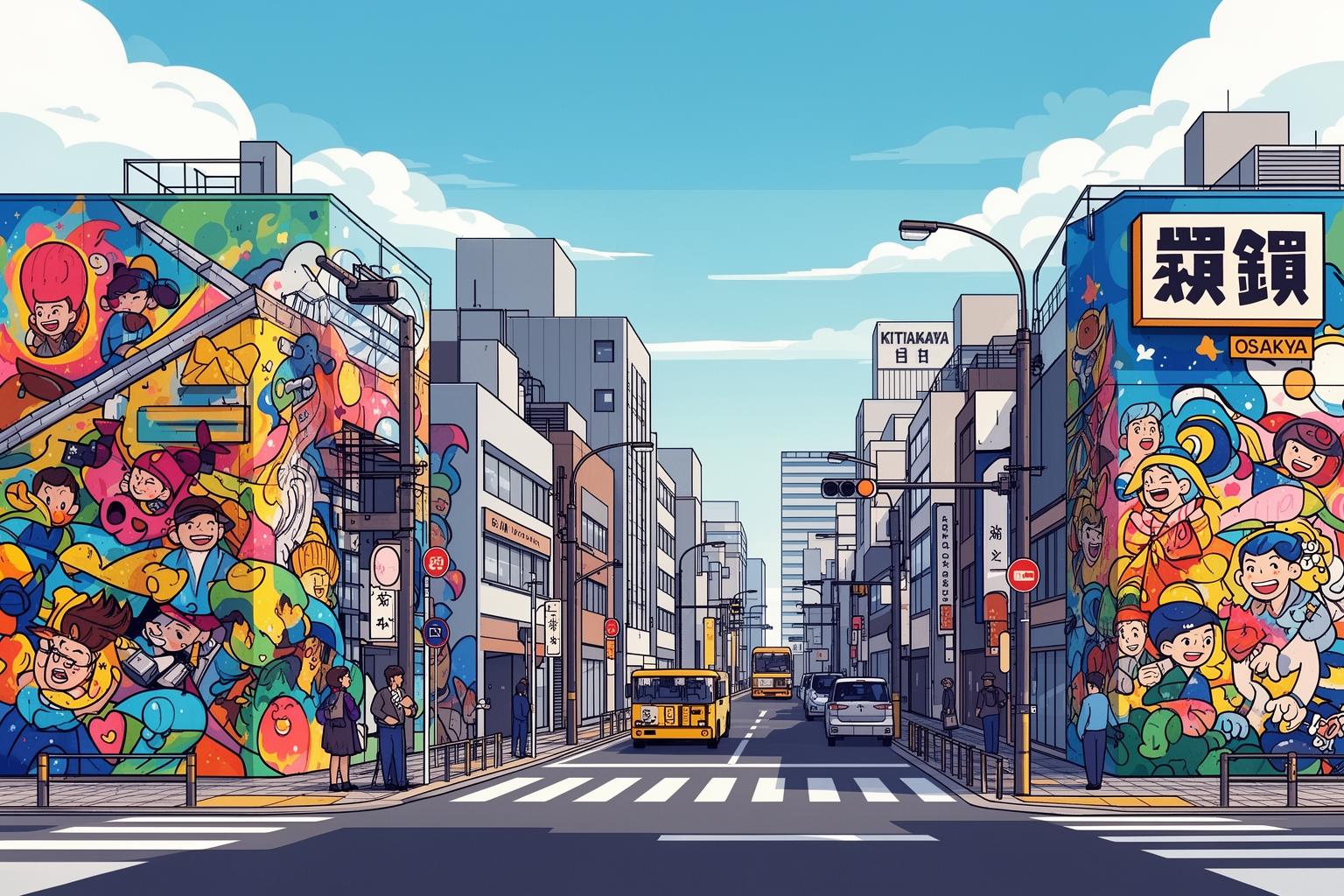
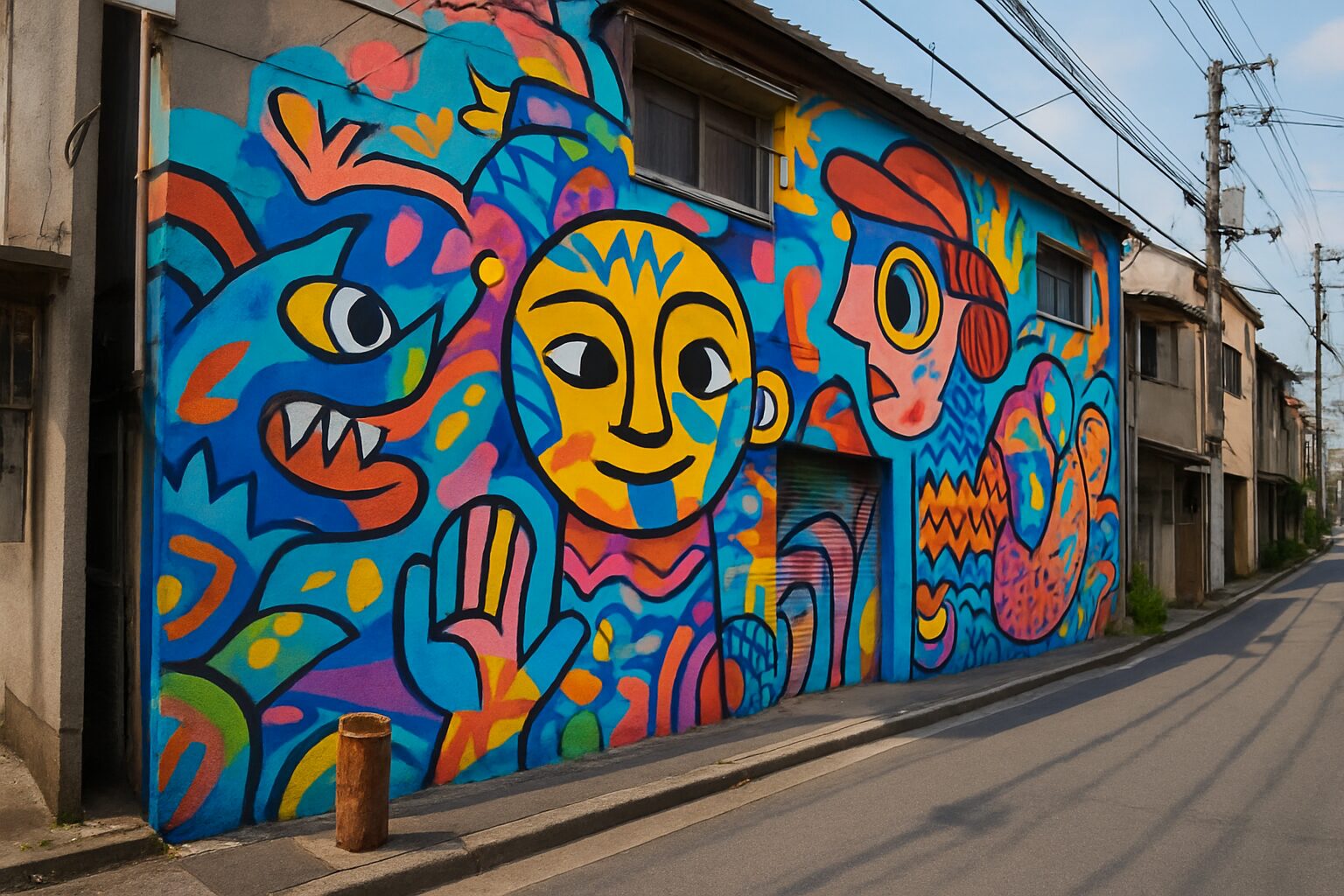
The most immediate and striking feature of Kitakagaya is the art that adorns its surfaces. Exploring the street art here is like a treasure hunt without a map, where the reward is a continual sense of awe and discovery. The scale is often breathtaking. You aren’t just viewing a piece of art; you are standing before it, dwarfed by its ambition. One of the most renowned spots is the so-called “Super Wall,” an enormous, lengthy wall that has become a rotating, collaborative gallery for artists from around the world. Here, you might encounter the intricate, geometric patterns of local artist BAKIBAKI, whose signature style merges traditional Japanese aesthetics with a modern, almost digital feel. His work often features sharp lines and repeating motifs that generate a mesmerizing rhythm and flow, covering vast sections of the wall in a vibrant tapestry of form and color. Next to his pieces, you might find works by visiting artists from Europe or South America, whose styles contrast sharply yet blend perfectly into this eclectic outdoor gallery. The beauty of the Super Wall, and Kitakagaya’s street art as a whole, lies in its ephemeral nature. The art is alive. Sometimes pieces are painted over to make room for new creations, meaning the Kitakagaya you see today might look different six months from now. This ongoing evolution keeps the neighborhood lively and exciting, encouraging repeat visits. But the masterpieces aren’t confined to this single wall. The true joy of Kitakagaya comes from wandering. Venture down a side alley, and you might discover a whimsical, character-based stencil piece hidden behind a stack of pallets. Look up at the side of a residential building, and a photorealistic portrait may gaze back at you, its eyes seeming to follow you as you walk. The art interacts with its surroundings in captivating ways. A mural of a giant octopus might have its tentacles curling around real pipes and vents on the building’s facade. A splash of abstract color might perfectly complement the rust patterns on a nearby steel door. These artists aren’t merely painting on walls; they are engaging in a dialogue with the neighborhood’s industrial architecture, history, and texture. To explore this art, the best tools are your own two feet and a curious spirit. Dedicate a few hours with no fixed destination. Start near the station and pick a direction. Follow the colors. Let a distant mural guide you down a street you might otherwise overlook. This is how you uncover hidden gems and experience the neighborhood as its creators intended: as a sprawling, ever-changing exhibition.
The Giants on the Walls: Notable Works and Artists
While the pleasure lies in personal discovery, knowing a few key artists and works can deepen your appreciation of what you see. The influence of Pow! Wow!, the global art movement that began in Hawaii, is evident here, with its festivals drawing international talent to leave their mark on Kitakagaya’s walls. This has resulted in a rich blend of styles. You’ll spot works by DOTMASTERS, a UK artist known for his witty, photorealistic stencil pieces often infused with social commentary. His artworks are meticulously crafted, playing with light and shadow to create stunning illusions of depth. You may also come across creations by Ben Eine, another UK artist famous for his large-scale, colorful typography. His giant letters, spelling out powerful words or phrases, transform simple walls into bold statements demanding attention and reflection. Beyond the international stars, the local scene is just as vibrant. The aforementioned BAKIBAKI is a pillar of Kitakagaya’s art community, and his distinctive “BAKIBAKI” pattern recurs throughout the area, serving as an artistic signature for the neighborhood itself. Another key figure is MON, whose dynamic, flowing style often integrates elements of traditional Japanese calligraphy and Sumi-e ink wash painting, translated into spray paint. His work conveys a strong sense of movement and energy, as if caught mid-stroke. Be on the lookout for smaller, subtler pieces as well. The art isn’t always about grand scale. You’ll find charming characters painted on roll-down shutters, intricate sticker art plastered on lampposts, and tiny, detailed wheatpaste posters tucked into unexpected corners. These smaller contributions add layers to the neighborhood’s visual story, creating an ongoing conversation among numerous artists across the city’s surfaces. Each work, large or small, is a breadcrumb on the path, part of the broader narrative of Kitakagaya’s transformation.
Stepping Inside: The Galleries and Creative Spaces
While the streets themselves are the main attraction, the creative energy of Kitakagaya also extends indoors, flowing into a captivating array of galleries and art spaces, many of which are artistic works in their own right, housed within beautifully repurposed industrial buildings. These venues provide a different kind of art experience—more focused, curated, and often experimental.
Creative Center Osaka (CCO)
The undeniable centerpiece of the Kitakagaya art scene is the Creative Center Osaka, or CCO. Situated in the vast, cathedral-like shell of the former Namura Shipbuilding site, the space impresses even before you view any artwork. The colossal scale of the main hall is almost incomprehensible. The ceiling soars dozens of meters high, while massive steel beams and remnants of industrial machinery continually remind visitors of the building’s industrial past. This is far from a typical white-cube gallery. The CCO makes use of its enormous space to host a wide variety of events, ranging from large-scale contemporary art exhibitions and international design fairs to avant-garde theater, lively music festivals, and bustling markets. The building’s raw, industrial aesthetic is an essential part of the experience. Artworks here aren’t just displayed; they engage with and respond to the powerful character of the space. A delicate sculpture appears even more fragile against a backdrop of rusted steel, while a massive video installation can fill the vast hall with light and sound, offering a deeply immersive experience. Visiting the CCO is vital to grasping the ambition behind the Kitakagaya project. It stands as a bold statement, declaring this neighborhood a serious contender on the international arts stage. Be sure to check their schedule ahead of your visit, as opening hours and events vary widely. Even if there is no specific exhibition at the time, a glimpse inside this magnificent industrial relic is well worth the trip.
Chidori Bunka and Coop Kitakagaya
If the CCO symbolizes the grand scale of Kitakagaya’s art scene, places like Chidori Bunka and Coop Kitakagaya embody its heart and soul. These smaller, more intimate, community-oriented venues radiate a different kind of creative energy. Chidori Bunka is a beautiful example of imaginative reuse. It is a carefully restored complex of old buildings, including a former apartment and a bathhouse, linked by a quaint courtyard. The space includes a small gallery, a cozy café, and several shops run by local artisans. The architecture itself is a highlight, with original tiles, wooden beams, and structural elements thoughtfully preserved and integrated into the new design. The atmosphere feels less like a formal gallery and more like a welcoming community hub—a place to enjoy art, sip coffee, and immerse yourself in the neighborhood’s distinct vibe. Similarly, Coop Kitakagaya, housed in a former warehouse and operated by an artist collective, is a versatile art space. It hosts a rotating slate of exhibitions featuring both emerging and established artists, often with a focus on experimental or conceptual art. What sets Coop Kitakagaya apart is its strong connection to the local artist community; it feels like a space created by artists, for artists. The exhibitions are frequently bold and unconventional, pushing contemporary art’s boundaries. Visiting these smaller venues provides a more grounded understanding of the creative community rooted in Kitakagaya. Here, the collaborative, do-it-yourself spirit that defines the neighborhood is palpable.
MöRK and Other Independent Spaces
Scattered throughout the neighborhood are other independent galleries and studios, each offering its own unique character. MöRK, for example, is a key gallery that often features cutting-edge contemporary art by both Japanese and international artists. Its clean, minimalist interior contrasts sharply with the neighborhood’s gritty exterior, allowing the artwork to take center stage. As with many Kitakagaya venues, its opening hours may be irregular and tied to particular exhibition periods, so it’s advisable to check social media or the website before planning a visit. One of the charms of Kitakagaya is the constant emergence of new spaces. Part of the excitement lies in stumbling upon a temporary pop-up exhibition in an empty storefront or discovering an artist’s open studio weekend. Keep an eye out for flyers and posters taped to lampposts; these are often the only promotions for some of the area’s most intriguing and fleeting cultural events. It is in these smaller, more transient spaces that the true, living pulse of Kitakagaya’s artistic community is felt most powerfully.
Fuel for the Urban Explorer: Cafes and Community Hubs
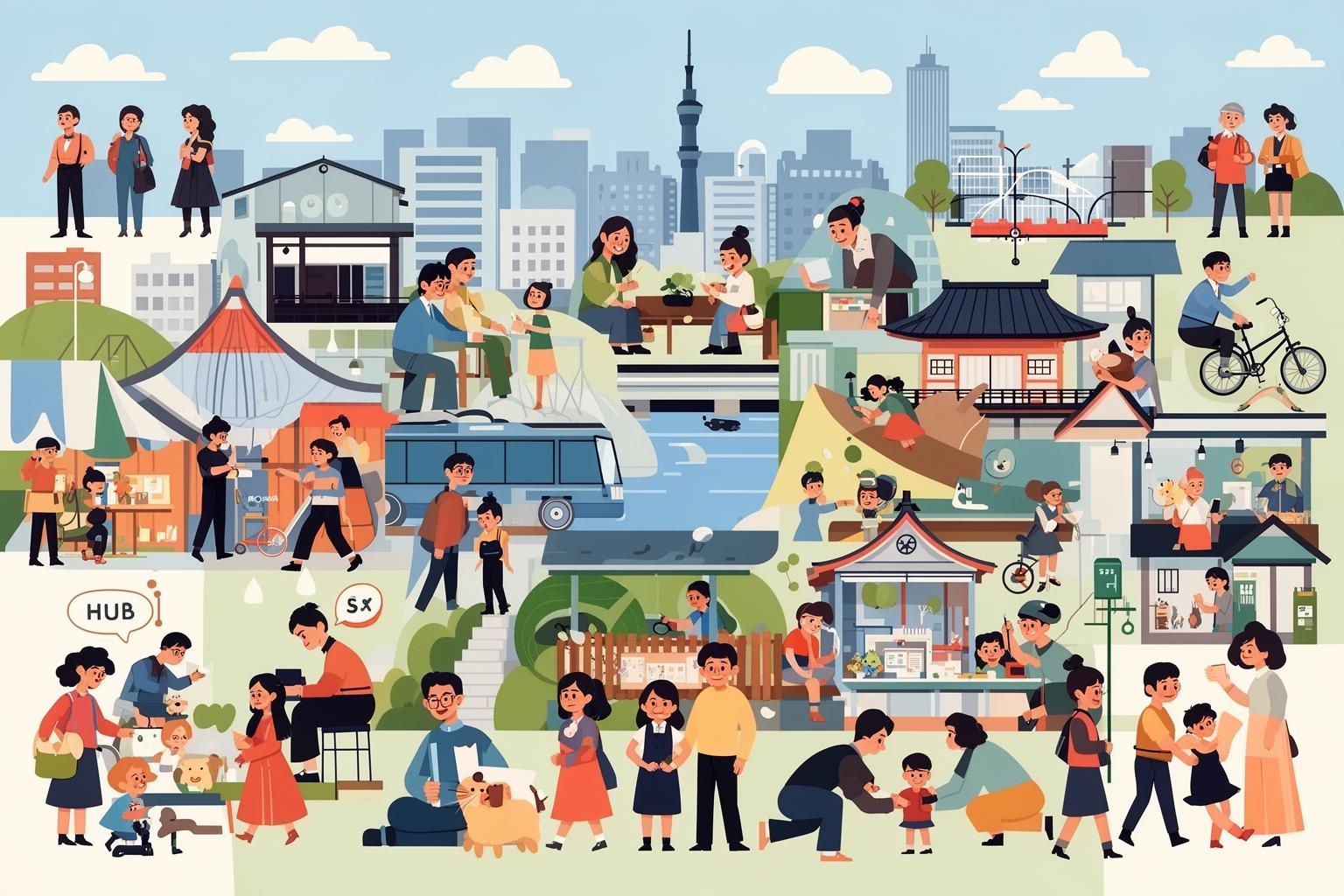
All this walking and art-gazing demands energy, and Kitakagaya offers some unique spots to rest and recharge that perfectly reflect the neighborhood’s creative spirit. You won’t find typical chain coffee shops here. Instead, you’ll come across independent cafes and eateries, often run by artists or designers, each with its own distinct character. The café at Chidori Bunka, for instance, is a delightful place to take a break. With its retro furniture and views of the courtyard, it provides a peaceful oasis amid the industrial surroundings. They frequently serve simple yet tasty lunch sets, homemade cakes, and excellent coffee, making it an ideal spot to contemplate the art you’ve encountered. Another treasure is Book & Cafe The Standard, a cozy venue that combines a thoughtfully curated selection of art books and literature with a relaxed café vibe. It’s a wonderful place to delve deeper into the work of artists you’ve found on the streets or simply enjoy a quiet moment with a good book and a warm drink. These venues are more than mere cafés; they function as informal community hubs where locals, artists, and visitors converge. Don’t be surprised if you end up sitting next to one of the artists whose work you admired on a nearby wall. The atmosphere is relaxed and inviting. Starting a conversation is often easy and can offer fascinating insights into the neighborhood and the people shaping its identity. These pit stops are an essential part of the Kitakagaya experience, providing an opportunity to slow down, absorb your surroundings, and connect with the human stories behind the art.
A Practical Guide to Your Kitakagaya Adventure
Exploring Kitakagaya is less about sticking to a fixed itinerary and more about embracing a sense of discovery. Still, a few practical tips can make your visit easier and more enjoyable.
Getting There and Getting Around
Access to Kitakagaya is surprisingly simple. The most direct way is to take the Osaka Metro Yotsubashi Line (the blue line) to Kitakagaya Station. From central hubs like Nishi-Umeda, Higobashi, or Namba, it’s a quick, convenient ride to the south. Upon arrival, Exit 4 is an ideal starting point, placing you right in the core area where many galleries and murals are found. The best—and really the only—way to explore Kitakagaya is on foot. The neighborhood is flat and laid out in a grid pattern, but it does cover a lot of ground. Wear your most comfortable walking shoes, as you’ll be covering plenty of concrete and asphalt. You could easily spend three to four hours wandering and still not see everything. Riding a bicycle is also a great way to get around, though bike rentals aren’t readily available at the station, so you may need to rent one from a more central location in Osaka.
Timing Your Exploration
When you visit can greatly influence your experience. For street art, a sunny day is best, as the bright light brings out the vibrant colors of the murals against the industrial grays. The “golden hours” of late afternoon can be especially enchanting, with long shadows adding depth and drama to the artworks and the buildings they decorate. Weekdays tend to be quieter, offering a more peaceful, reflective experience. You’ll mostly share the streets with local workers and the occasional fellow art lover. Weekends, particularly Saturdays, tend to be livelier. This is when galleries are most reliably open, and you’re more likely to encounter special events, markets, or open studios. Keep in mind that many indoor galleries have limited and irregular hours; often, they open only on Fridays, Saturdays, and Sundays, and sometimes only during specific exhibitions. Always check the official websites or social media pages of galleries like CCO, Chidori Bunka, and Coop Kitakagaya before you go to avoid disappointment. A good approach is to dedicate a weekday to exploring murals and a weekend day to visiting galleries.
What to Bring and What to Know
Be prepared for an urban adventure. A fully charged phone or camera is essential—you’ll want to take lots of photos. Bringing a portable battery pack is also smart. Carry a water bottle, as cafés can be few and far between, and on hot days, the sun reflecting off the pavement can be intense. Convenience stores are scattered around but less common than in central Osaka. Most importantly, bring an open mind. Kitakagaya is not a polished tourist hotspot. It’s a living, working neighborhood, where you’ll see active factories, trucks passing by, and residential areas. Be respectful. Remember that building walls are often private property and the streets are home to local residents. Don’t trespass, keep your noise level down in residential areas, and be mindful that you’re a guest in this community. This respect is part of the unspoken social contract that allows this incredible public art scene to flourish.
The Ever-Evolving Canvas

What truly characterizes Kitakagaya is its relentless sense of motion. It is not a finished work but an ongoing project, continuously shaped and reshaped by the artists who call it home and canvas. The art you see today captures a moment in time—a single frame in the neighborhood’s evolving story. This is what makes it such a vibrant and thrilling place to visit. It serves as a powerful reminder that our cities are not static monuments but living, breathing entities capable of profound change. Kitakagaya shows us that beauty can appear in the most unexpected places—whether in the rust of an abandoned shipyard, the vivid paint on a crumbling wall, or the quiet resolve of a community determined to shape its future. So, come to Kitakagaya not just to view art, but to witness a story unfolding. Come to walk, to explore, and to lose yourself in a concrete maze of creativity. Let the grand scale of the murals humble you, let the ingenuity of repurposed spaces inspire you, and let the neighborhood’s raw, authentic spirit leave a lasting impression on your own creative soul. This is Osaka’s living gallery, and its doors are always open.