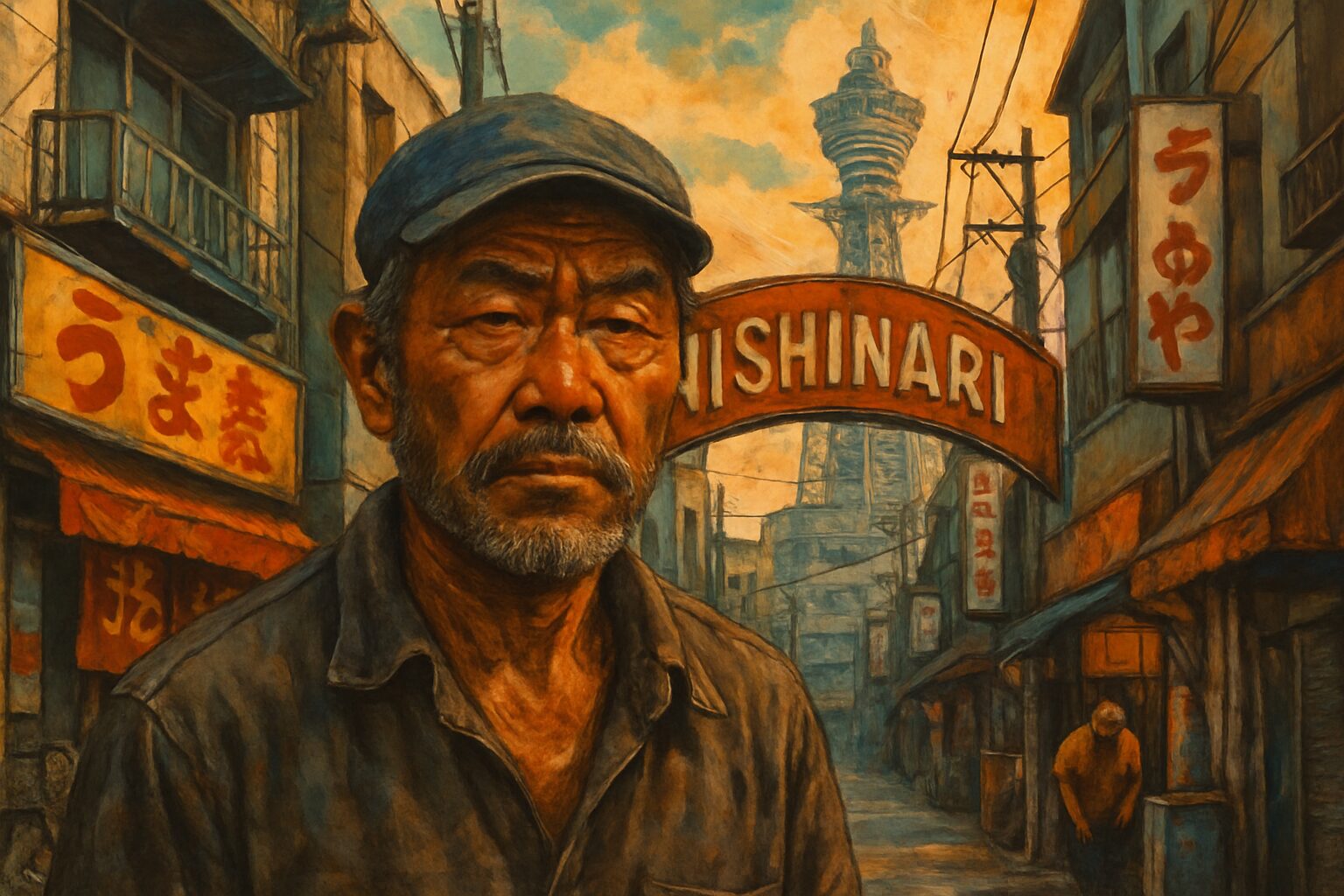
They talk about Nishinari. Oh, they talk. Whispers in cafes in Umeda, cautionary tales from folks in pristine suburbs. They speak of grit, of a past that clings to the present like the scent of grilled fish in a narrow alleyway. But I’m here to tell you a different story. I’m Hiroshi, and I’ve walked these streets for years, not as a tourist, but as someone who understands the rhythm of this place. The story I know is one of resilience, of unparalleled community, and of an opportunity that’s becoming rarer in Japan’s gleaming megacities: the chance to find a truly unique, impossibly affordable place to call home. Nishinari isn’t a postcard, it’s a novel. It’s raw, it’s real, and for the right kind of soul, it’s the most rewarding corner of Osaka. This isn’t just about finding a cheap apartment; it’s about finding a life that pulses with the untamed, unapologetic heart of a city that has always danced to its own beat. Forget what you’ve heard. Let’s take a walk together through the real Nishinari Ward, where the rent is low and the stories are priceless.
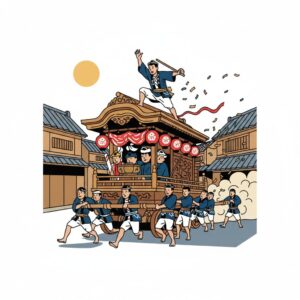
If you’re drawn to the raw, unapologetic soul of Osaka, you’ll find a similar intensity in the city’s legendary Kishiwada Danjiri Festival.
The Vibe: A Symphony of Showa-Era Echoes and Modern Realities

To grasp Nishinari, you first need to sense it. It’s a sensory experience that modern, sanitized parts of the city simply cannot reproduce. Step off the train at Tengachaya Station, a key hub where the Nankai and Sakaisuji lines meet, and the atmosphere shifts immediately. The air feels different—denser with the aromas of street food, damp pavement, and the subtle, sweet scent of incense drifting from a small neighborhood temple. The soundscape is a rich blend: the rhythmic clang of the railway crossing, the lively calls of shopkeepers from the local shotengai (shopping arcade), the low murmur of conversation from a standing bar where day-drinkers have already gathered, and the faint laughter of children playing in a tiny park. It’s not a quiet place. It’s vibrant.
Visually, Nishinari is a patchwork of eras. Weathered two-story wooden houses, their facades marked by decades of sunlight and rain, stand side by side with practical concrete apartment buildings from the 70s and 80s. Power lines crisscross overhead in a chaotic tangle, a classic trait of older Japanese neighborhoods. Murals and street art occasionally brighten worn concrete walls, injecting a splash of modern defiance against the traditional backdrop. The ward is not uniform; it comprises a variety of distinct micro-neighborhoods. Tengachaya feels like a bustling transit nexus, its energy radiating from the station. Moving west toward Kishinosato and Tamade, the pace slows. The streets turn more residential, lined with family homes and the occasional grand traditional house hidden behind high walls, remnants of a wealthier era. Heading north, closer to the border with Naniwa Ward, brings you to the notorious Airin district (also called Kamagasaki). This area has its own distinctive, complex character, historically known as a center for day laborers. The atmosphere here is different once more—more transient, rawer, with a tangible sense of hardship but also an unmistakable spirit of resilience. It’s this variety within a single ward that makes Nishinari so compelling. It’s a place of contrasts, where an elderly woman tending bonsai on a small balcony lives just a few blocks from young artists drawn by the low cost of living and the freedom it offers. It’s a place that doesn’t conceal its faults; it wears them with a kind of tired pride.
Why Here? The Unbeatable Equation of Cost and Connectivity
The primary reason people begin considering Nishinari is, without question, the price. The rental market here operates on a completely different level compared to the rest of Osaka, and even more so when compared to Tokyo. Rents can be half or even a third of what you’d pay for a similar space in more fashionable areas like Chuo or Kita Ward. A basic one-room apartment might start at just 20,000 to 30,000 yen per month, while a larger two-room unit, ideal for a couple or someone wanting a home office, can often be found for under 60,000 yen. These figures are not exaggerations; they represent the norm here.
But why are prices so low? The explanation lies in history and reputation. Nishinari has long been the hub of working-class Osaka, home to factories, small businesses, and the laborers responsible for the city’s post-war economic boom. The Airin district, in particular, became a gathering place for men seeking daily construction and manual labor jobs. This background has led to a longstanding, often overstated stigma. For decades, many Japanese associated Nishinari with poverty, crime, and social issues. This reputation, fueled by sensational media and outdated views, has kept rental demand from mainstream tenants artificially low, suppressing prices. However, the reality for most of the ward today is very different from its image. While the challenges in Airin remain and should not be overlooked, the majority of Nishinari consists of peaceful, safe, and tight-knit residential neighborhoods. Savvy renters benefit from this perception gap, paying prices based on outdated views while living in an area with significant advantages.
The other key factor is connectivity, which is Nishinari’s secret strength. The ward is a transportation hub. Tengachaya Station acts as a focal point, providing a direct ride to downtown Namba on the Nankai Line in under ten minutes. It also offers a direct, no-transfer link to Kansai International Airport (KIX), making it incredibly convenient for travelers. The Sakaisuji subway line at Tengachaya runs straight through the city center, connecting to Sakaisuji-Honmachi (the business district) and linking with lines headed to Kyoto. Additionally, the Yotsubashi subway line runs along the western edge of the ward, with stations like Kishinosato and Tamade offering a direct route to Nishi-Umeda, another major city hub. Nishinari is never far from a train or subway station, allowing residents to enjoy an affordable lifestyle with seamless access to all of Osaka and the greater Kansai region. This unique combination of low cost and excellent connectivity is nearly unmatched in any major Japanese city.
Unlocking the Door: The Landscape of Nishinari Rentals
So, what kind of homes can you actually find here? The housing in Nishinari is as varied and full of character as its residents. Forget the cookie-cutter, modern high-rise apartments common elsewhere. Here, you’ll discover properties rich in history and quirks.
The Classic Apaato
The most common rental type you’ll encounter is the modest apaato. Typically, these are two-story buildings made from wood or lightweight steel frames. They contain small, compact units—usually a single room with a kitchenette and a unit bath (a prefabricated module including a small tub, shower, and toilet). These serve as the backbone of the budget rental market. They are basic and no-frills, yet functional and extremely affordable. When considering these, pay close attention to the building’s age. Older wooden structures can be charming but often lack modern insulation, making them cold in winter and hot in summer. Soundproofing is also minimal, so you might become well-acquainted with your neighbors’ daily habits whether you want to or not. Nevertheless, for a single person with a tight budget, these apartments offer an unbeatable way to start living independently in Japan.
The Enduring Nagaya
For those looking for something truly unique, Nishinari remains one of the last strongholds of the nagaya, traditional row houses. These long, wooden buildings are divided into narrow, two-story homes that share walls with neighbors. Living in a nagaya is a distinctive cultural experience. You have your own front door right on the street, a steep staircase leading up to a tatami-mat room, and a tangible connection to the past. Many have been partially renovated with modern kitchens or bathrooms while retaining their original charm. Their layouts can be quirky with long, narrow rooms and a small enclosed courtyard (tsuboniwa) at the back. They provide more space than an apaato at a similar price but come with their own challenges. Maintenance can be demanding, and like older apaato, insulation and soundproofing fall short of modern standards. Still, if you’re an artist, writer, or someone who romanticizes living in a piece of Osaka’s history, a renovated nagaya in Nishinari could be your ideal home.
The Sturdier Manshon
You’ll also find manshon, reinforced concrete apartment buildings. These generally represent a step up in quality from apaato. Usually newer, they offer better soundproofing and insulation, and often feature modern amenities such as auto-lock security at the entrance. While they are pricier than other options in Nishinari, they remain significantly cheaper than comparable manshon in other parts of Osaka. If you prioritize comfort and modern conveniences but still want to benefit from Nishinari’s low prices, searching for a unit in a manshon from the 80s, 90s, or early 2000s is a smart move. You get a solid, comfortable home in a location that keeps your living costs low.
A tip for first-time renters here: embrace the imperfections. You might encounter a space with an unusually shaped room, a retro kitchen, or a balcony facing directly into a neighbor’s window. This is part of Nishinari’s charm. Look beyond the surface and envision the potential. With a touch of creativity, these distinctive spaces can become wonderfully cozy and personalized homes.
The Rhythm of Daily Life: Shopping Arcades and Community Hubs
Living in Nishinari is more than just about your apartment; it’s about the vibrant ecosystem of the neighborhood. The heart of the community pulses through its many shotengai. These covered shopping arcades represent a microcosm of Osaka life, and Nishinari boasts some of the most authentic ones still remaining in the city.
The Tengachaya Shotengai, extending from the station, acts as a lively artery of daily trade. Here, you can find everything you need. Small, family-run fruit and vegetable stalls offer astonishingly low prices. Fishmongers display the day’s catch, alongside butchers, tofu shops crafting fresh tofu every day, and stores selling Japanese pickles (tsukemono) stored in large barrels. Scattered throughout are cozy eateries, 100-yen shops, and pharmacies. The arcade serves as much as a social hub as it does a commercial one. Neighbors stop to chat, shopkeepers shout friendly greetings, and the entire place buzzes with a warm, communal spirit.
Then there’s the famed Tsurumibashi Shotengai, one of the longest in Osaka, stretching into northern Nishinari. This spot is a treasure chest. It has a distinctly international vibe, with a large Korean community contributing a fantastic selection of kimchi shops, Korean barbecue restaurants, and stores selling Korean groceries and traditional clothing (chima jeogori). Here, you can find bargains on everything from clothing to household items, and the food choices are vast and affordable.
No conversation about Nishinari would be complete without mentioning Super Tamade. This local supermarket chain is an institution, known for its gaudy neon lights, relentlessly upbeat in-store music, and most importantly, shockingly low prices. Their famous 1-yen sales (with a minimum purchase) are legendary among locals. Shopping at Super Tamade is an experience in itself and a vital part of the budget-friendly lifestyle Nishinari supports. Beyond the big names, the ward is sprinkled with countless small, independent shops, bakeries, and cafes. This is not a place dominated by soulless chain stores. It’s a neighborhood where you build relationships with the people you buy your food from, where the man at the rice shop knows your usual order. This network of small, local businesses is what makes the community feel like a village within the city.
Navigating the Process: A Practical Guide to Renting

Finding and securing a property in Nishinari as a foreigner involves its own set of steps and potential challenges, but it is definitely doable. The key is to be prepared and understand what to expect.
First, decide how you will conduct your search. While online portals can give you a general sense of the market, the best opportunities in Nishinari are often discovered by visiting local neighborhood real estate agents (fudosan-ya). These small offices, commonly located near train stations, possess extensive knowledge of the area and have listings that may never be posted online. They are more likely to have connections with older landlords who may hesitate to rent to foreigners but can be persuaded through a trusted agent’s recommendation. Be ready for a language barrier. Although some agents may speak basic English, having a Japanese-speaking friend assist you or a reasonable level of Japanese yourself can open many more doors.
Once you find a place you like, the application process begins. In Japan, you generally need a guarantor (hoshonin), a Japanese national who agrees to be financially responsible if you fail to pay rent. For most foreigners, this is not possible. The workaround is to use a guarantor company (hoshonin-gaisha). You pay them a fee (usually 50% to 100% of one month’s rent), and they serve as your guarantor. Most contemporary rental agreements require this for both Japanese and foreigners. You’ll need to provide documents such as your residence card, passport, and proof of income (or sufficient savings proof if you are a student).
Be prepared for upfront costs, which can be significant. It’s not just the first month’s rent. You will typically need to pay:
- Key Money (reikin): A non-refundable gift to the landlord, usually 0 to 2 months’ rent. In Nishinari, many properties have zero key money, which is a considerable saving.
- Deposit (shikikin): A refundable security deposit, usually 1 to 2 months’ rent, returned at the end of your contract minus any damage fees.
- Agent’s Fee (chukai tesuryo): The real estate agent’s commission, usually one month’s rent plus tax.
- Guarantor Company Fee: As mentioned above.
- Lock Change Fee, Insurance, etc.: Various smaller fees.
Altogether, expect to pay the equivalent of 3 to 5 months’ rent just to move in. However, since base rents in Nishinari are relatively low, this initial cost is much more manageable than in other parts of the city.
When viewing properties, be thorough. In older buildings, check for dampness or mold, test the water pressure, and open and close all windows and doors to see how well they fit. Inquire about the type of internet connection available and ask about the neighbors. A good agent will gladly answer these questions. Don’t hesitate to visit several places before deciding. The Nishinari market is not as fast-paced as more central locations, so you usually have some time to consider your options.
Is Nishinari Your Osaka? A Final Reflection
So, who is Nishinari meant for? It’s for the adventurer, the artist, the student, and the budget-conscious traveler who wants to stay awhile and truly live in Japan, not just observe it. It’s for those who value character over polish, community over anonymity, and affordability over prestige. It’s for anyone who finds beauty in imperfection and is willing to look past outdated stereotypes to see the vibrant reality of the area. If you require everything to be brand new, perfectly clean, and quiet, Nishinari may not be the right choice. If visible poverty or signs of social challenges make you uncomfortable, you might want to consider another place. Honesty matters here—the neighborhood faces difficulties and doesn’t try to conceal them.
However, if you are open-minded, resilient, and seeking an authentic experience, Nishinari offers an incredibly rich life. It provides financial freedom; money saved on rent can be spent on travel, hobbies, dining out, or simply allowing you to work less and live more. It connects you to a community—you won’t be just another anonymous face. You’ll belong to a neighborhood with a strong, tangible identity. It offers a glimpse into an older, more soulful side of Japan that is quickly fading.
This is a place that rewards curiosity. Wander down the side streets. Dine at the tiny restaurant run by the same elderly couple for fifty years. Enjoy a drink at the local standing bar and try to start a conversation. Visit the local sento (public bath) to experience a fundamental part of Japanese community life. Nishinari gives back what you invest. It may not always be easy, but it’s always fascinating. It will challenge your assumptions, and in the end, it might just win your heart. It’s more than a place to live; it’s a place to learn, grow, and understand Osaka on a depth few ever will.
A Place to Begin Your Story
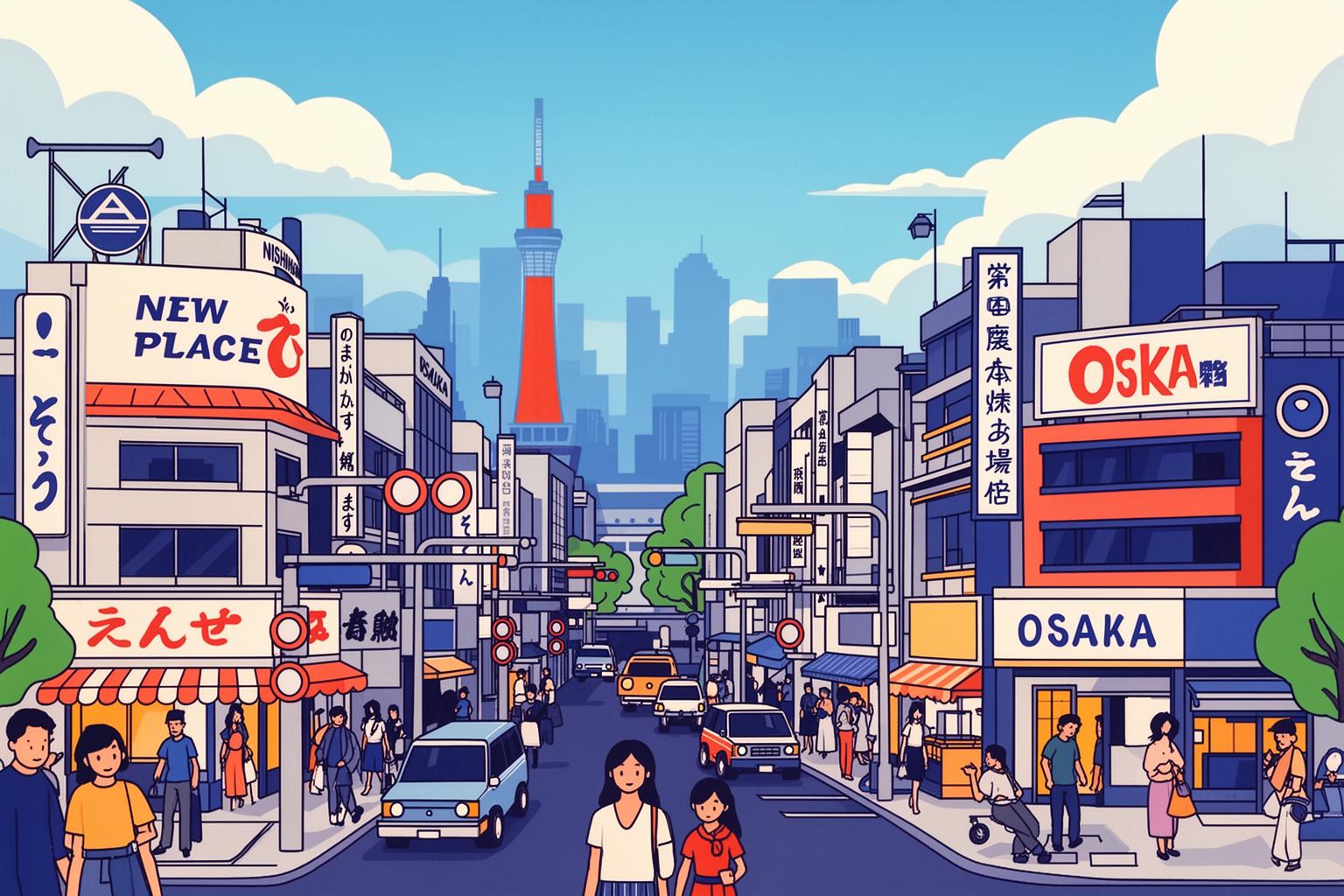
Nishinari is not the end of the line; for many, it marks the beginning. It serves as a launchpad that enables them to create a life in one of the world’s most vibrant cities without being overwhelmed by financial strain. It embodies the idea that a home is defined not by its postcode or price tag, but by the life you build within its walls and the community you discover outside your door. The whispers you hear about this place represent only a small part of the story. The rest awaits you here—in the bustling shotengai, the quiet residential streets, and the clatter of the Nankai line train heading towards the sea. It’s a story waiting for you to come and write your own chapter.