Just a short train ride south from the electric hustle of Namba, a different rhythm awaits. It’s a pulse that beats in sync with ancient history and the steady, percussive clang of a master’s hammer. This is Sakai, a city that exists as a living bridge between Japan’s enigmatic past and its world-renowned artisanal future. Forget what you think you know about the Osaka area; a weekend in Sakai is not just a trip, it’s a journey through time itself. It’s a place where you can cycle around the monumental tomb of an emperor in the morning and feel the heat of a centuries-old forge in the afternoon. This isn’t just a destination; it’s an experience that anchors you to the very soul of Japanese culture, a story whispered by giant burial mounds and etched into the gleaming edge of a perfect blade. For the curious traveler based in Osaka, Sakai offers an incredibly rich, accessible escape that feels worlds away, a place to connect with a legacy that has shaped the nation. So, let’s peel back the layers of this fascinating city, a place where giants sleep beneath forested hills and craftsmanship is not just a skill, but a sacred inheritance.
To delve deeper into the spiritual heritage of the Osaka region, consider a visit to the nearby Sumiyoshi Taisha, one of Japan’s most ancient and architecturally significant shrines.
Echoes of Emperors: The Mozu-Furuichi Kofun Group
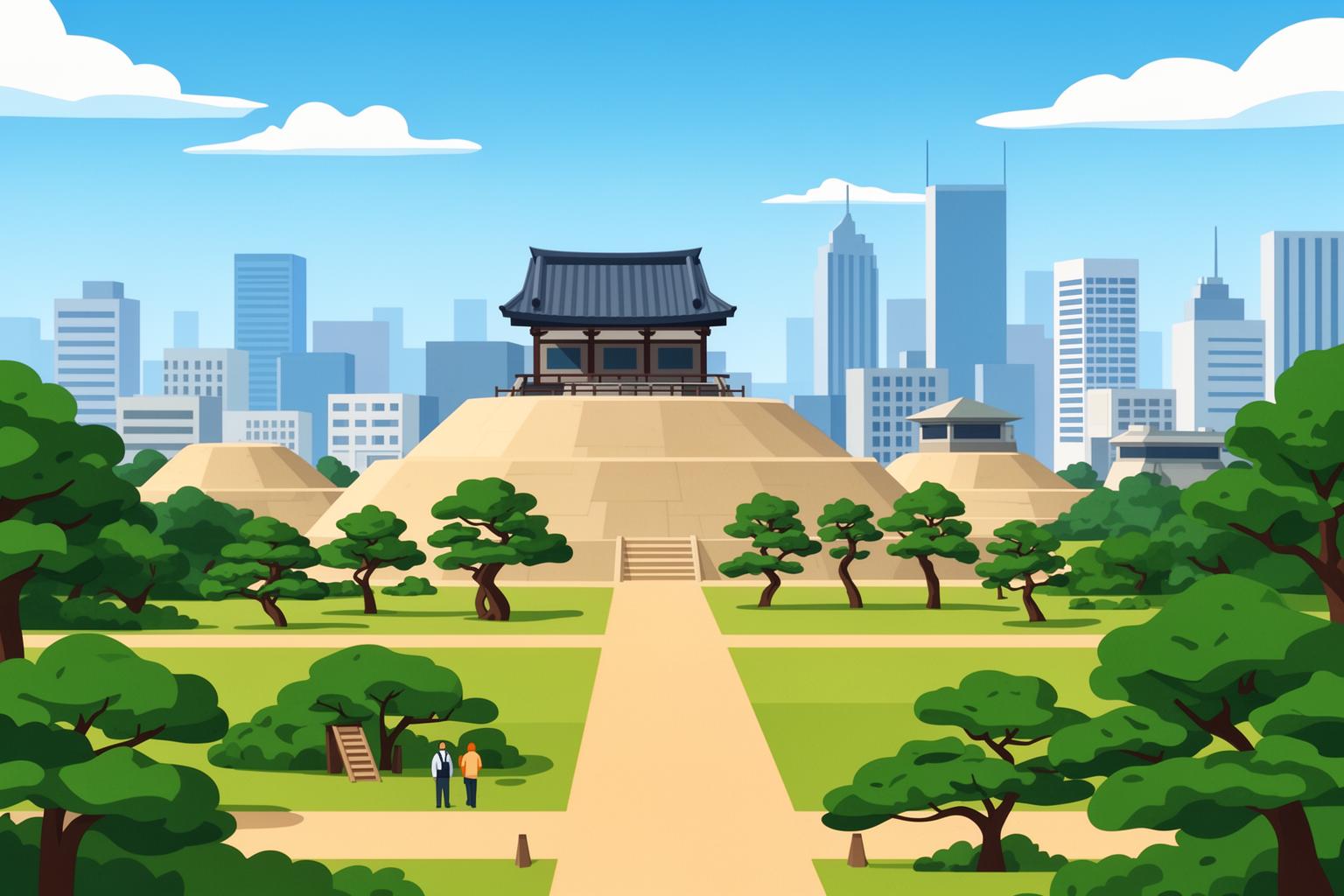
The first thing that strikes you about Sakai is the overwhelming, unmistakable presence of its history. It’s not limited to museums or temples; it literally shapes the landscape. You see it from the train window and feel it as you stroll the streets—these massive, green earth mounds, often keyhole-shaped, that rise from the urban sprawl like sleeping giants. These are the kofun, ancient burial mounds that lend their name to an entire era of Japanese history (approximately 300 to 538 AD). The Mozu-Furuichi Kofun Group, a designated UNESCO World Heritage site, stands as a testament to the incredible strength and engineering skill of the clans that once ruled this land. A quiet reverence fills the atmosphere. You’re not merely gazing at hills; you’re standing before the final resting places of emperors and aristocrats, monuments built by the labor of thousands over decades. It’s a humbling experience, one that connects you to a pre-Buddhist, pre-written-record Japan that feels both mysterious and deeply foundational.
The Silent Majesty of Daisen Kofun
At the core of the Mozu cluster lies the Daisen Kofun, the largest of them all and a candidate for the biggest tomb on Earth by area. Attributed to the 16th emperor, Emperor Nintoku, its scale is nearly impossible to comprehend from the ground. It’s larger than the Great Pyramid of Giza in Egypt—a colossal keyhole-shaped island surrounded by three moats, extending almost 500 meters in length. Entering the tomb itself is forbidden; it remains a sacred, imperial site, its secrets shielded by dense forest and tranquil waters. But the experience is not about going inside. The true journey lies in circling it. The ideal way is by renting a bicycle, a simple joy that turns you into a pilgrim tracing the contours of history. As you pedal along the 2.8-kilometer path around the outer moat, the modern city fades away. The only sounds are the rustling leaves, the gentle birdsong, and the soft whir of your wheels. You catch glimpses of the forested mound through the trees, its full shape a puzzle your mind tries to assemble. It feels meditative. Each turn offers a new angle, a different play of light on the water, a deeper sense of its silent, enduring power. This isn’t a passive sightseeing spot; it’s an active reflection on scale, time, and legacy.
A View from Above and a Look Within
To fully appreciate the iconic keyhole shape of the Daisen Kofun, you must shift your perspective. A short trip from the tomb complex takes you to Sakai City Hall, an unassuming municipal building with a spectacular secret. Take the elevator to the 21st-floor observatory, which offers a free panoramic view of the entire city. From this vantage point, the abstract shape you traced by bike becomes clear. You see the Daisen Kofun spread out below—a perfect, green keyhole nestled within the city’s grid. You spot the smaller kofun scattered around it and the vast expanse of Daisen Park. The view, especially as the sun sets and casts long shadows, is breathtaking. It provides the context that ground-level exploration cannot. After viewing the tombs from outside, the natural next step is to discover what lies within. For this, the Sakai City Museum, conveniently located within Daisen Park, is essential. The museum houses a treasure trove of artifacts excavated from the surrounding smaller tombs—gleaming bronze mirrors, intricate jewelry, powerful iron armor, and haunting haniwa, the clay figurines placed around the mounds. The exhibits vividly bring the Kofun Period to life, but the museum’s highlight is the VR theater. Here, you can don a headset and embark on a stunningly realistic virtual tour, flying over the Daisen Kofun and then journeying deep into its stone burial chamber, a place no living person may enter. It’s a powerful, unforgettable experience that bridges the gap between historical curiosity and tangible understanding.
Exploring the Constellation of Tombs
While Daisen Kofun may be the sun in this historical solar system, it is surrounded by a fascinating constellation of other tombs, each with its own character. Riding a bicycle allows you to hop between them, creating your own archaeological adventure. Just south of Daisen lies the Gobyoyama Kofun, another enormous keyhole mound where you can walk right up to its inner moat’s edge and feel a more intimate connection to its scale. Nearby, the Itasuke Kofun is known for a citizen-led movement in the 1950s that saved it from destruction due to a housing project, a powerful tale of local pride in heritage. As you explore, you’ll find round tombs, square tombs, and scallop-shaped tombs scattered throughout the neighborhoods. Daisen Park itself contains several smaller kofun that you can walk around and examine up close. It’s this density of history, this casual coexistence of ancient imperial graves and modern daily life, that makes the Mozu area so unique. It’s a landscape that tells a story, and the best way to read it is by wandering, getting a little lost, and letting the sheer weight of time settle in.
The Forged Soul: Sakai’s Legacy of the Blade
As you transition from the quiet tombs to the lively center of the city, a new narrative emerges—one of fire, steel, and exceptional craftsmanship. The link between Sakai’s ancient burial mounds and its famed knives is no accident; it represents a continuous historical lineage. The enormous public works required to construct the kofun demanded large quantities of superior tools, drawing the finest blacksmiths and metalworkers from across Japan. This concentration of expertise established a tradition of craftsmanship that has lasted more than 1,500 years. Techniques originally used to forge spades and hoes were eventually adapted to create the samurai’s sword. Then, in the 16th century, the arrival of Portuguese traders introduced tobacco to Japan. Sakai’s artisans, leveraging their established skills, shifted to producing finely crafted knives for cutting tobacco leaves, giving rise to a new industry. This flexibility and relentless pursuit of perfection define Sakai’s craftsmen. Today, Sakai hamono (bladed tools) are prized by chefs worldwide, with around 90% of professional-grade traditional Japanese kitchen knives originating from this city. Exploring this heritage reveals a living tradition—a flame kindled in the age of emperors that still burns brightly in the workshops of today’s masters.
The Heart of the Craft: Sakai HAMONO Museum
Your introduction to the world of Sakai knives should start at the Sakai Traditional Crafts Museum, also known as the Sakai HAMONO Museum. This beautifully arranged space offers a comprehensive overview of the art and science of Japanese knife making. Exhibits guide you through the entire process, from the intense, fiery fusion of hard steel (hagane) and soft iron (jigane) to the patient, meticulous stages of grinding, sharpening, and handle fitting. You’ll discover the specialized division of labor that characterizes Sakai’s industry, where individual masters focus on a specific step—whether forging, blade sharpening, or handle crafting—each contributing their lifelong expertise to create one flawless tool. The museum displays an impressive variety of knives, including the long, slender yanagiba for slicing sashimi, the sturdy, hefty deba for fish butchery, and the ultra-thin usuba for delicate vegetable carving. Though the variety is overwhelming, clear and informative exhibits explain the purpose behind each distinct shape. The highlight is admiring masterpieces with swirling Damascus-like patterns (suminagashi) and mirror-polished finishes so flawless they seem liquid. Beyond a museum, it serves as a direct-to-consumer marketplace where you can explore and purchase knives from numerous local artisans. The knowledgeable staff provide guidance whether you’re a professional chef or a home cook seeking your first high-quality Japanese knife. Holding one of these perfectly balanced, razor-sharp tools in your hand, you sense the weight of history and the passion behind the artisan’s craft.
The Hands-On Experience: A Sharpening Workshop
Viewing the knives is one thing; learning how to maintain them is another. Many visitors find the most rewarding part of their visit to be a hands-on workshop. Several forges and knife shops in Sakai offer classes, especially in blade sharpening. This is your opportunity to learn the meditative art of whetstone sharpening (togi) directly from a craftsman. You’ll be guided through selecting the appropriate stone grit, maintaining the correct angle, and using smooth, consistent strokes to restore a dull edge to razor sharpness. It’s a skill demanding patience and focus—a rhythmic back-and-forth motion that’s deeply satisfying. As you run the blade over the stone, feeling the subtle burr form and then disappear, you develop a deep appreciation for the tool. It transforms from a mere object into an extension of your intent. This experience isn’t just about gaining a practical skill; it’s about connecting with the philosophy underpinning Japanese craftsmanship—the respect for your tools, their care, and how this process sharpens your concentration and discipline. Booking these workshops in advance is highly recommended, providing an intimate, memorable way to engage with Sakai’s enduring culture.
Into the Forge: Witnessing the Creation
For those wishing to dive even deeper, several of Sakai’s legendary forges and workshops welcome visitors for tours or demonstrations. Stepping into a traditional blacksmith’s forge (kajiya) is a full sensory immersion. The air is heavy with the scent of burning charcoal and hot metal. The rhythmic, thunderous clang of the power hammer reverberates off the walls. You watch a master blacksmith, whose movements have been honed over a lifetime, pull a glowing billet of steel from the roaring forge. Sparks fly as he skillfully hammers, folds, and shapes the metal with almost intuitive grace. You witness the critical moment of quenching, when the blazing blade is plunged into water, hissing fiercely as the steel hardens instantly. This is no staged performance for tourists; it’s the raw, authentic process of creation. Seeing the artisan’s intense focus, the sweat on his brow, and the sheer physicality of the work is a powerful reminder that these world-class tools arise not from machines, but from human hands, strength, and unwavering dedication to excellence. It’s a privilege to witness and an experience that will forever change how you view a simple kitchen knife.
Layers of Culture: Beyond Tombs and Blades
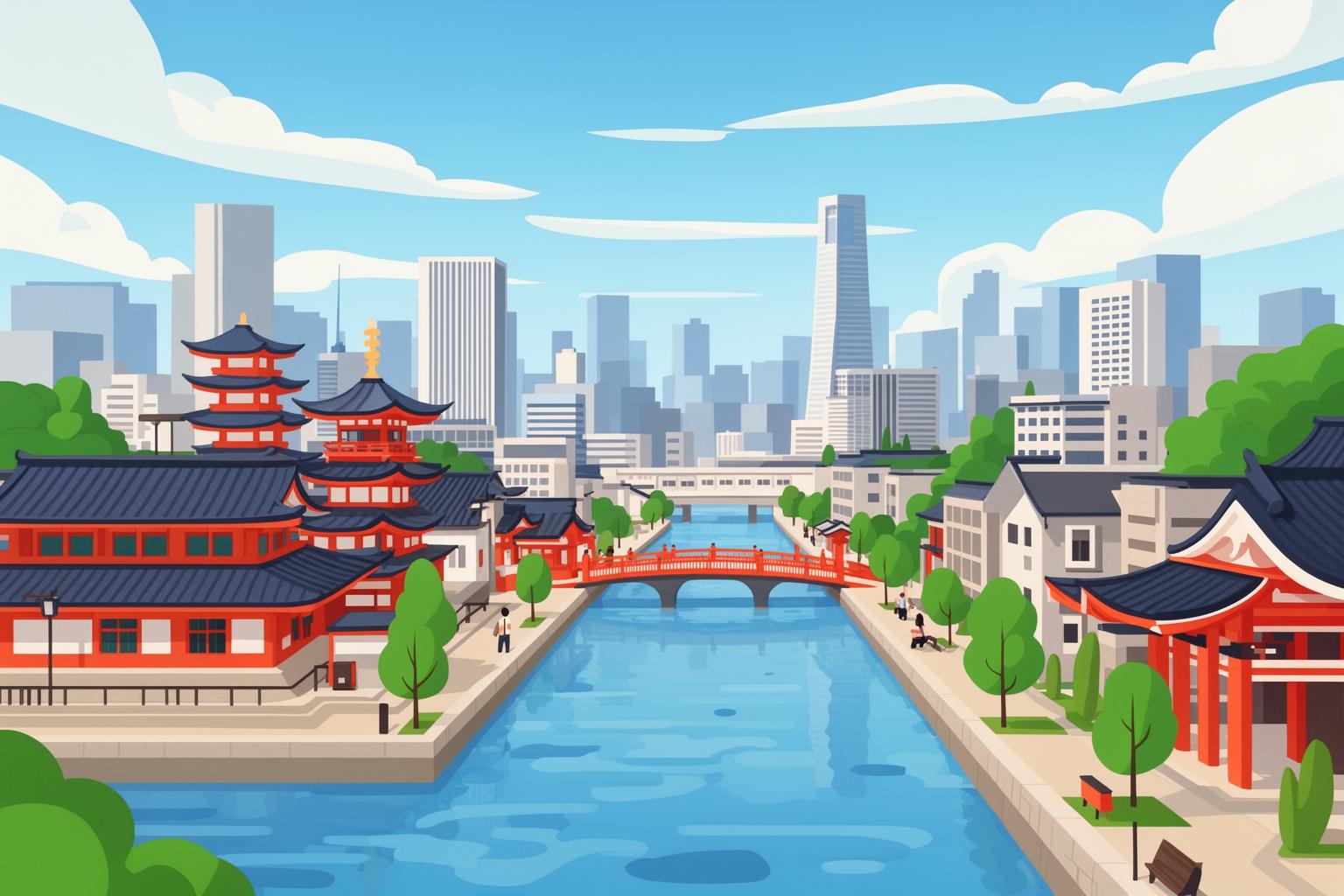
While Sakai’s monumental kofun and razor-sharp knives stand as its most famous cultural icons, they represent only a fraction of the city’s rich stories. Once a thriving, autonomous port city, Sakai was a center of international trade and a birthplace of cultural innovation. To truly appreciate the city, you should stroll through its quieter streets, visit its historic temples, and savor the more subtle aspects of its heritage. Riding the slow, rattling Hankai Tramway, the last remaining streetcar in the Osaka area, is an ideal way to experience this. The tram links Sakai with Sumiyoshi in southern Osaka, and its unhurried pace invites you to pause and observe daily life, the old merchant houses, and the neighborhood shrines scattered throughout.
Temples, Legends, and a Tea Master’s Legacy
One of Sakai’s most captivating spots is Myokokuji Temple. While the temple buildings are striking, its greatest treasure is a massive sago palm tree (sotetsu) that is over 1,100 years old. This magnificent tree is a designated national natural monument, but it is the legend surrounding it that truly animates its presence. The tale tells of Oda Nobunaga, the powerful warlord and great unifier of Japan, who coveted the tree and had it transplanted to his Azuchi Castle. However, each night the tree would cry out, begging to be returned to Myokokuji. In anger, Nobunaga commanded his men to cut it down. When the blades struck the trunk, the tree bled, and a ghostly moan filled the air, terrifying the soldiers. A humbled and frightened Nobunaga ordered the tree’s return to the temple, where it still stands today. Facing this ancient living being, one can almost sense the gravity of its incredible story. Close to this world of warlords and legends, Sakai also holds significant importance in the realm of tranquility and refinement. It is the birthplace of Sen no Rikyu, the 16th-century master who perfected the Japanese tea ceremony, or The Way of Tea. His philosophy of wabi-sabi—finding beauty in simplicity, imperfection, and transience—transformed Japan’s aesthetic and spiritual life. You can connect with his legacy at the Sakai Risho no Mori, a contemporary cultural complex honoring both Sen no Rikyu and pioneering feminist poet Yosano Akiko, another notable native of Sakai. Here, you can participate in a traditional tea ceremony within a serene, authentic tea house. A kimono-clad master will guide you through the precise, graceful rituals of preparing and receiving a bowl of matcha. It is a moment of pure, focused calm, providing an opportunity to appreciate the simple beauty of the chosen bowl, the whisking of the tea, and a single, perfect sweet. This serene experience offers a striking contrast to the grand scale of the kofun and the fiery energy of the forge.
The Taste of Old Sakai
A city’s culture is also expressed through its flavors, and Sakai offers unique tastes that reflect its history as a merchant town. As you explore, be sure to try keshi mochi, a local specialty that has delighted people for centuries. These soft rice cakes are filled with sweet red bean paste and coated with a generous layer of toasted poppy seeds, which were once a prized imported commodity. The texture is delightfully soft and chewy, and the nutty aroma of the poppy seeds is utterly captivating. Several long-established shops, such as Kobaien, have preserved these traditional methods for generations. Another local delicacy is kurumi mochi, which features a sweet, light green paste made from walnuts. Discovering these small, family-run confectioneries is part of the joy of wandering the city’s backstreets. For a savory option, the old port area offers fresh seafood, a reminder of Sakai’s enduring connection to the bay. It is a city that rewards the curious palate, offering flavors deeply rooted in its unique history.
A Practical Guide to Your Sakai Weekend
Sakai is wonderfully accessible, making it perfect for a weekend or even a day trip from central Osaka. Planning your visit is simple, but a few local tips can help you make the most of your time.
Getting There and Getting Around
The quickest and most direct route to Sakai is via the Nankai Railway Line from Osaka’s Namba Station. For the kofun area, take the Nankai Koya Line and alight at Mozu Station or Mikunigaoka Station—both located right on the edge of Daisen Park. For the city center, crafts museum, and temple district, take a Nankai Main Line express train to Sakai Station or the semi-express to Sakaihigashi Station. The trip is swift, generally under 20 minutes. Once in Sakai, the best way to explore the expansive Mozu Kofun area is by bicycle. Several rental shops just outside Mozu Station offer standard bikes at very reasonable daily rates. The terrain is flat and bike-friendly, with dedicated paths that ensure a safe, enjoyable ride. To explore the broader city, consider buying a one-day pass for the Hankai Tramway. This charming streetcar, featuring single-car carriages and a nostalgic bell, provides a delightful way to travel between key sites like Myokokuji Temple and the Sumiyoshi Taisha area on Osaka’s border. It’s not speedy, but it’s a lovely experience.
Timing Your Visit for a Perfect Experience
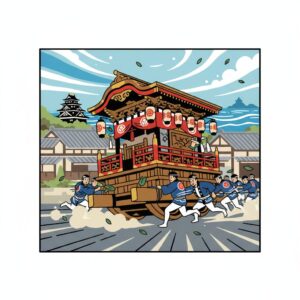
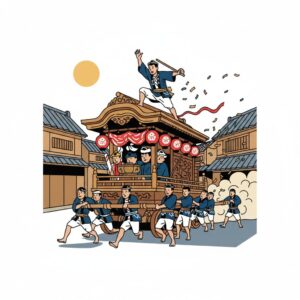
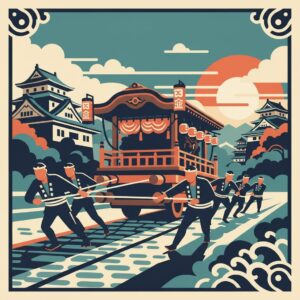
Sakai can be visited year-round, but spring and autumn offer the most pleasant weather for exploring. In late March and early April, the kofun moats are framed by cherry blossoms, creating a breathtaking and moving sight. The soft pink petals drifting on the ancient waters perfectly embody the Japanese idea of mono no aware, a tender sadness for the fleeting nature of beauty. Autumn, from October to late November, provides crisp, clear air and comfortable temperatures, ideal for a full day of cycling. The trees in Daisen Park show off stunning fall colors during this time. The annual Sakai Festival, held in mid-October, is a lively celebration featuring parades of futon-daiko (beautifully decorated portable shrines) and historical processions that vividly bring the city’s rich heritage to life.
Insider Tips for First-Time Visitors
First, make the Sakai City Hall observatory either your first or last stop of the day. Viewing the kofun from above offers invaluable perspective, and the sunset view is truly breathtaking. Second, if you’re interested in a knife sharpening or craft workshop, be sure to book online ahead of time. These popular, intimate experiences fill up quickly. Third, don’t limit yourself to just the Daisen Kofun. Pick up a map from the tourist information center at Mozu Station and design your own kofun-hopping itinerary. The real joy lies in discovering the smaller, less-visited tombs. Finally, wear comfortable walking shoes. Even with a bicycle, you’ll be doing plenty of walking around Daisen Park, the temples, and the museum. A weekend in Sakai is an active one, so come prepared. Embrace the slower pace—Sakai is not a city to rush. Give yourself time to linger, sit by a moat and reflect, chat with a shopkeeper, and simply soak in the atmosphere of a place where history isn’t just remembered, but lived every day.
The Enduring Soul of Craft and Culture

Returning to Osaka after a weekend in Sakai feels like stepping back from another era. The neon lights of Dotonbori appear somewhat brighter, and the city’s pace slightly quicker. You bring with you the quiet grandeur of the kofun, the fiery spirit of the forge, and the calm concentration of the tea ceremony. Sakai is more than a collection of landmarks; it is a compelling story of how skill, power, and philosophy have shaped both a landscape and a culture over millennia. It’s a city that reminds us that behind every great empire stands human ingenuity, and behind every flawless creation lies a human hand. For those living in or visiting Osaka, this brief journey south is a necessary pilgrimage. It offers a chance to connect with a deeper, older Japan and discover the steady rhythm that pulses just beneath the surface of the modern world. Take the trip. Cycle along the moats. Feel the heat. Uncover the sharp, beautiful, and timeless soul of Sakai.