Step off the train at Shin-Imamiya, and you feel it. A shift in the air, a change in the city’s rhythm. The polished hum of Umeda and the neon-drenched hustle of Namba fade into a different kind of frequency. This is Nishinari, a name whispered among foreigners and locals alike, often with a cautionary tone. It’s painted as Osaka’s gritty underbelly, a place to be avoided, the last bastion of a Japan that guidebooks prefer to ignore. For decades, it’s been saddled with a reputation as a slum, a place of danger and destitution. But reputations are just stories, and stories are often missing the most important chapters. The truth of Nishinari isn’t found in online warnings or sensationalist headlines. It’s found on the ground, in the steam rising from a street-side stall grilling horumon, in the gruff but genuine laughter spilling from a standing bar, and in the quiet dignity of a community that has weathered every storm Japan has thrown at it. This isn’t a cautionary tale; it’s an invitation. An invitation to look past the worn-out narratives and discover a neighborhood pulsating with a raw, unfiltered humanity that is, perhaps, the most authentic piece of Osaka you’ll ever find. It’s a place that doesn’t ask for your approval, only for your understanding. And for the traveler willing to offer it, Nishinari reveals a soul as deep and complex as the city itself.
If you’re looking for a different kind of authentic Osaka experience beyond the city’s urban core, consider a weekend hiking trip to Chihayaakasaka, Osaka’s only village.
Unpacking the Reputation: Where Does the Story Come From?
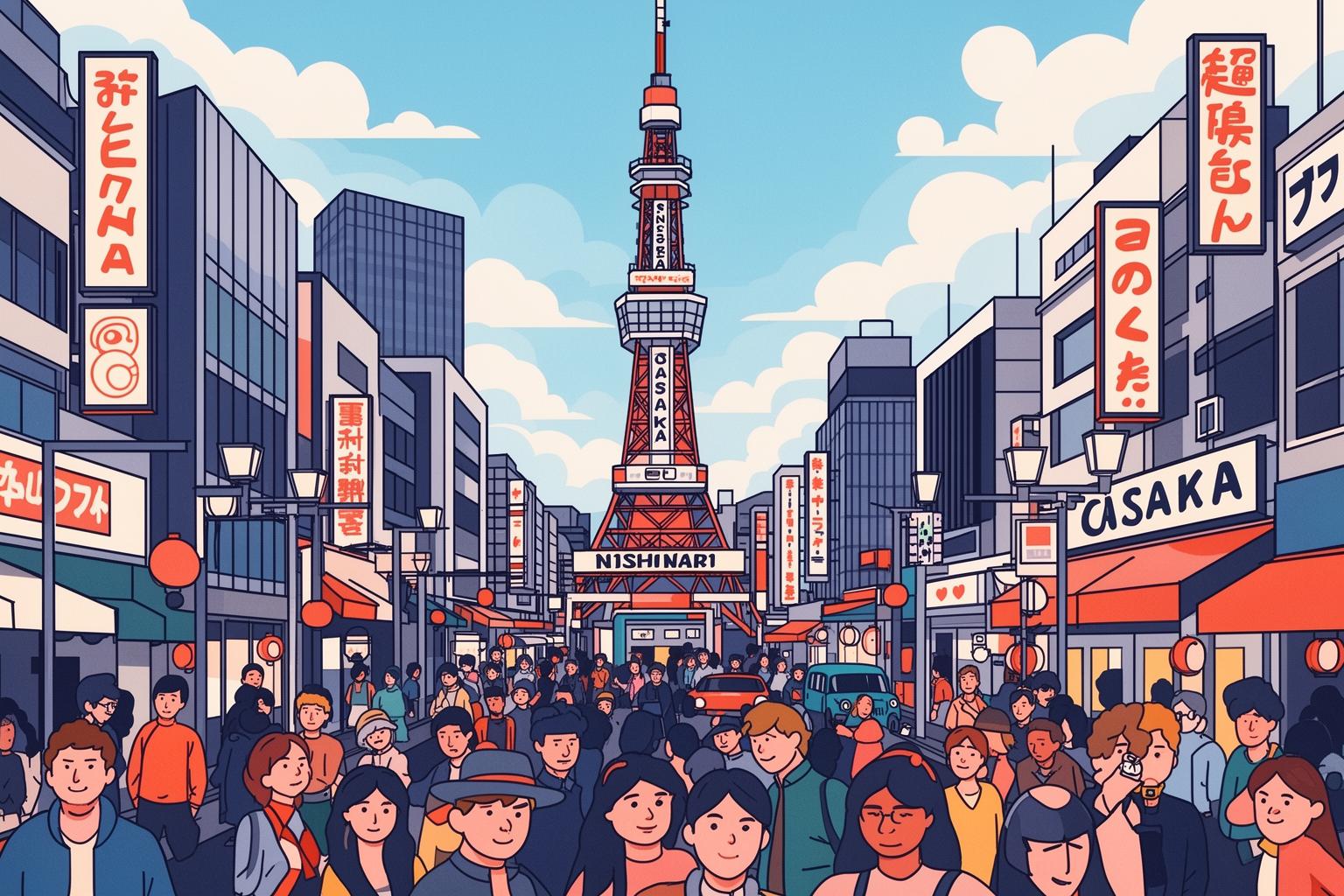
To understand Nishinari today, one must rewind history back to the ruins of post-war Japan. The nation was rapidly rebuilding, and Osaka served as an industrial powerhouse roaring back to life. This engine required fuel, which came in the form of manpower. Men from across the country flocked to the city seeking work in construction, at the ports, and in factories. They needed affordable, flexible housing close to their workplaces. Nishinari, particularly the area known as Kamagasaki (or Airin-chiku, its official administrative name), became that place. A sprawling network of doya-gai—districts filled with simple, low-cost lodgings or flophouses—emerged to accommodate this transient army of day laborers, the hiyatoi rōdōsha. Their lives revolved around the daily ritual of the yoseba, the informal labor markets where foremen hired men for the day. It was a harsh, unstable existence, reliant on physical strength and the hope of being chosen each morning.
This concentration of transient workers living on the margins of Japan’s economic miracle gave rise to a distinct social environment. It stood in stark contrast to the lifetime employment and corporate loyalty that characterized mainstream Japanese society. The economic booms of the ’60s and ’70s brought jobs, but the community remained marginalized. When the bubble economy burst in the early 1990s, Nishinari was hit harder than most places. Construction projects stalled, jobs disappeared, and the aging workforce found themselves unemployed, without savings, and lacking any safety net. This period intensified the area’s problems with poverty, homelessness, and alcoholism, solidifying its negative reputation nationwide.
And then there were the riots. From the 1960s through the 1990s, Kamagasaki was the scene of multiple large-scale civil disturbances. It is important to recognize that these were not random outbursts of violence. Rather, they reflected deep-rooted frustration. Often triggered by perceived injustice or police heavy-handedness, these riots expressed tensions related to poor labor conditions, exploitation, and feelings of abandonment by the wider society. Media portrayals of burning cars and confrontations with riot police became etched into the public consciousness, reinforcing a strong and lasting stigma. For many Japanese, Kamagasaki became synonymous with danger and social decay.
Jump to the present day. The world has changed, but the old reputation lingers like a shadow. Online forums and YouTube videos often depict Nishinari with morbid fascination, highlighting its most sensational aspects while overlooking everyday realities. The truth is, today’s Nishinari is vastly different from the Nishinari of the 1980s. Crime rates in Osaka, including Nishinari, have dropped significantly over the past twenty years. The area is generally safe. The narrative of danger is outdated. The real challenges now are social welfare concerns: an aging population, poverty, and the need for healthcare and community support. Nishinari’s story is no longer defined by conflict but by resilience and gradual renewal.
The Vibe on the Street: A Symphony of Sights and Sounds
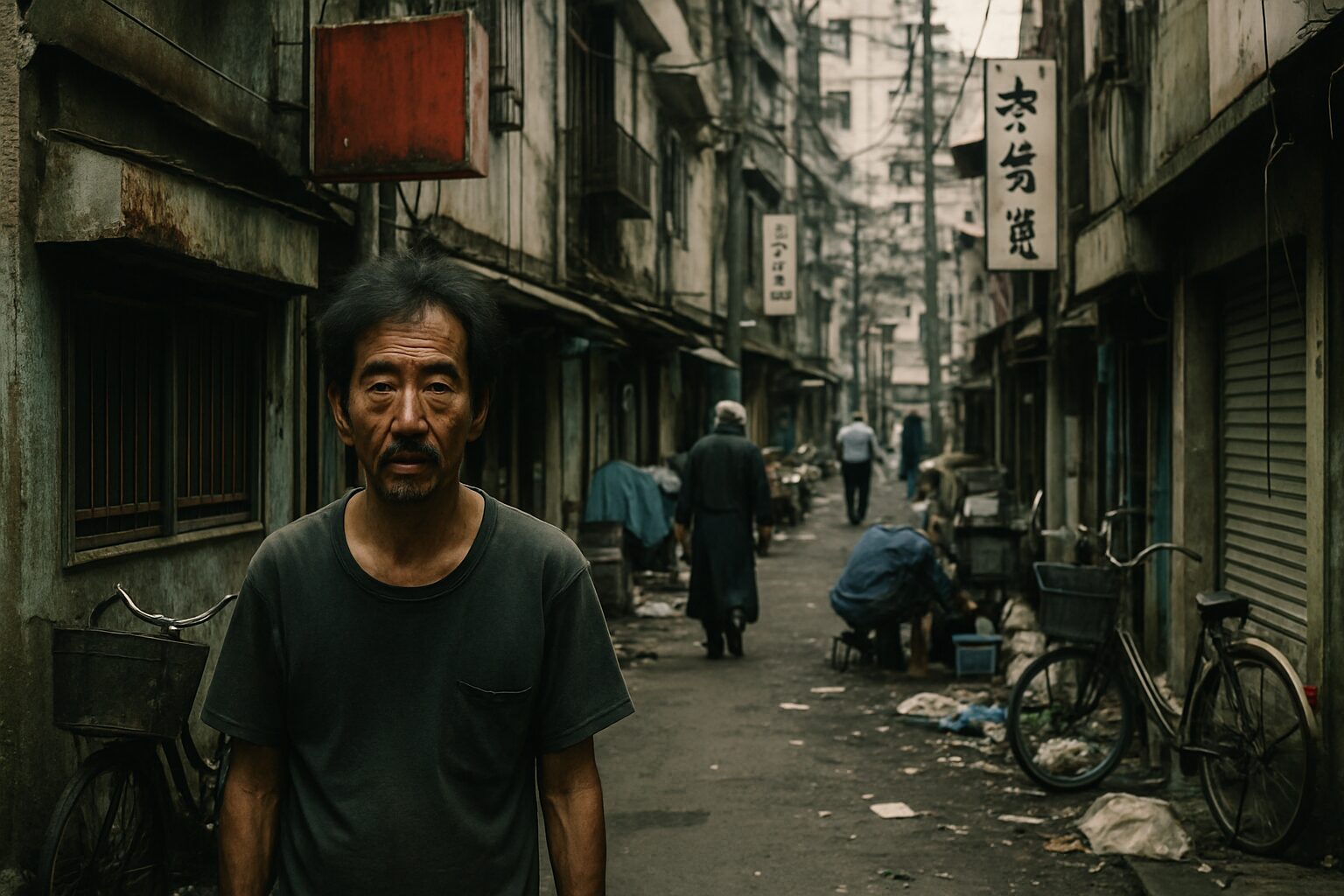
Walking through Nishinari is a deeply immersive sensory experience. It’s a neighborhood that feels completely and unapologetically authentic. The day starts before sunrise. While most of Osaka still sleeps, a quiet energy begins to stir. The metallic clang of shop shutters rolling up echoes through the narrow streets. Mostly elderly men gather in small clusters, their voices low and gravelly, cigarette smoke curling into the cool morning air. The atmosphere carries the lingering scent of yesterday’s beer and the promise of simmering broth to come. Near the old labor centers, there’s a sense of purpose—a remnant of a routine that has shaped this neighborhood for generations, even though jobs are now scarce.
As morning fades into afternoon, the pace shifts. It slows to an unhurried, almost contemplative rhythm. In small parks, men sit on benches, not with smartphones, but with pocket-sized shogi boards; the sharp click of wooden pieces forms a gentle percussion against the city’s hum. Others simply observe the world around them, finding comfort in shared silence. The covered shotengai, or shopping arcades, serve as the neighborhood’s lifeblood. Sunlight struggles to break through the aged plastic roofing, casting a perpetual twilight on the scene below. Here, shops seem frozen in the Showa era—selling pickles from giant wooden barrels, hawking colorful kimonos for a few hundred yen, and butchers displaying cuts of meat unavailable in spotless supermarkets.
When evening falls, Nishinari reveals a different side of itself. Faded facades glow warmly under the inviting light of red lanterns, or akachochin, hanging outside countless small eateries and bars. This is when the community truly awakens. The clatter of pachinko parlors—a sound quintessentially Japanese—spills out into the streets. Behind the curtains of a tiny tachinomi (standing bar), the boisterous laughter of patrons packed shoulder to shoulder rings out as they share stories over cheap beer and grilled skewers. Slightly off-key but heartfelt karaoke drifts from second-story windows. This is not the polished, curated nightlife of Dotonbori; it’s something more organic, more lived-in. It’s the sound of a community shedding the day’s weight, finding comfort and connection in simple pleasures.
Nishinari’s aesthetic embodies beautiful decay fused with stubborn functionality. Faded advertisements from decades ago cling to building walls. Vending machines, some dispensing beer or hot soup for just 100 yen, glow on every corner like robotic sentinels. Rusted but reliable bicycles—often piled high with belongings or goods for local shops—are the primary mode of transport. It’s a visual tapestry woven from threads of history, necessity, and a complete absence of pretense. It’s a place that wears its scars and stories openly, offering a profound and moving portrait of urban life.
Beyond the Stereotypes: Discovering Nishinari’s Hidden Charms
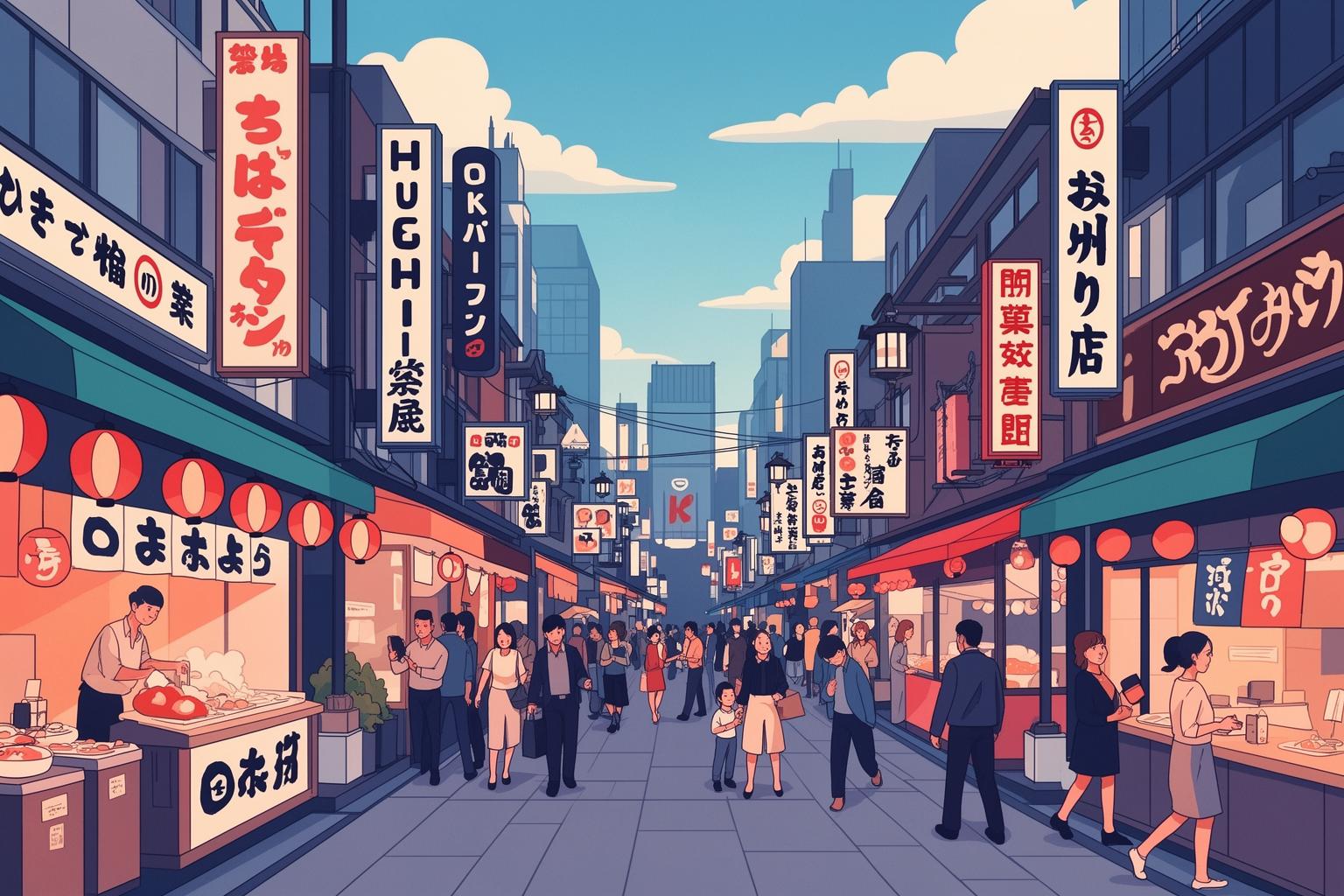
For the traveler open to setting aside preconceived notions, Nishinari offers a wealth of genuine experiences that are increasingly rare in modern Japan. This neighborhood rewards curiosity, especially regarding its culinary scene, which directly reflects its working-class heritage.
A Culinary Deep Dive
The food here is straightforward, hearty, and incredibly affordable. It was created to nourish the bodies and spirits of hardworking laborers, and that legacy endures. One iconic Nishinari dish is horumon-yaki. Not for the faint-hearted, it features grilled offal—various cuts of pork or beef—seasoned with a savory-sweet sauce. You’ll find it cooking on large iron griddles at street stalls, with enticing smoke drawing in customers. Standing by the grill, pointing at your choice, and eating it hot off a small plate is an essential Nishinari experience. It’s a taste of history, a dish conceived from the principle of using every part of the animal to minimize waste.
While the neighboring Shinsekai district is renowned for kushikatsu (deep-fried skewers), Nishinari boasts its own legendary, no-frills spots beloved by locals. The experience is pared down to the basics. You stand or sit at a simple counter, order skewers ranging from meat and vegetables to more unusual options like cheese or quail eggs, and dip them into a communal pot of thin, tangy sauce. The one inviolable rule, displayed on signs everywhere, is “no double-dipping!” The crispy batter, juicy interior, and a cold beer create a perfect trio of flavor and texture. It’s social, delicious, and filling without breaking the bank.
No exploration of Nishinari is complete without mentioning Super Tamade. This is more than a supermarket; it’s a cultural icon. With its outrageously gaudy neon lights and relentlessly cheerful jingle, it stands as a symbol of budget-friendly living. Inside, you’ll find a chaotic wonderland of unbelievably low prices—bento boxes for 200 yen, fresh produce at pennies, and myriad other goods priced to amaze. Shopping here is not just about groceries; it’s a glimpse into the economic engine that sustains many local residents. It’s a vibrant and essential part of the neighborhood’s fabric, as significant as any temple or historic site.
For a moment of quiet reflection, step into one of Nishinari’s old-fashioned kissaten, or coffee shops. These are Showa-era time capsules, featuring vinyl booths, syphon coffee makers, and an atmosphere heavy with echoes of past conversations. Here, elderly patrons read newspapers, smoke cigarettes (still common in these older venues), and linger over a single cup of coffee for hours. It’s worlds apart from the fast-paced, minimalist cafes of today, offering a glimpse into a more leisurely, communal lifestyle.
Architectural and Cultural Landmarks
Nishinari’s landscape is peppered with sites that tell deeper stories. One of the most complex and talked-about is Tobita Shinchi. Approaching this area requires maturity and respect. Tobita Shinchi is one of the last and largest active red-light districts from the Taisho era (1912-1926). Its uniqueness lies in the architecture—streets lined with two-story wooden buildings, many adorned with original intricate carvings and lanterns. By day, it is quiet, allowing appreciation of the craftsmanship. At night, it livens up, with open-front establishments displaying scenes both traditional and controversial. It’s not a place for gawking or photography, but for those interested in social history and urban culture, it represents a surviving piece of the past, for better or worse, in the modern age.
For a more wholesome and equally intriguing experience, explore the local shopping arcades. The Haginochaya Shotengai and the sprawling Tsurumi-bashi Shotengai are treasures for urban explorers. These covered streets encapsulate community life. You’ll find shops selling everything from traditional Japanese sweets (wagashi) and second-hand kimonos to everyday items like hardware and fresh fish. Many shop owners are elderly, having run family businesses for decades. These arcades are more than places to buy goods; they serve as community hubs where neighbors reconnect, share news, and maintain the social bonds that hold the neighborhood together.
Finally, the culture of the sento, or public bathhouse, is deeply woven into Nishinari’s identity. In a neighborhood where many older apartments and lodgings lack private baths, the sento is vital to daily life. It’s a place not only for cleaning but also for socializing. For a few hundred yen, you can soak in hot tubs, relax in a sauna, and partake in a truly communal Japanese ritual. Murals of Mount Fuji adorn the tiled walls, conversations echo, and the shared vulnerability fosters a unique sense of belonging. Visiting a local sento offers one of the most authentic ways to connect with the everyday spirit of Nishinari.
A Portrait of the People: The Community at Nishinari’s Heart
Beyond the buildings and food, the true essence of Nishinari lies in its residents. This neighborhood is home to survivors, individuals who have lived outside the mainstream, whose resilience has created a strong, though often unseen, sense of community. The most prominent group is the elderly, many of whom are original day laborers who helped build modern Osaka and now spend their retirement in the place they’ve always called home. Their days follow simple routines: a morning walk, a game of shogi in the park, a visit to the local bathhouse, and an evening drink at a familiar bar. Their presence carries a quiet strength and dignity, serving as a living connection to the neighborhood’s history.
Though their numbers are fading, the spirit of the day laborers remains tangible. These men have endured through the strength of their backs and the skill of their hands. If you are lucky enough to hear their stories, you’ll find tales of hardship, camaraderie, and fierce independence. It’s important to treat everyone with respect and remember that this is their home, not a tourist attraction. A simple nod or a quiet “konnichiwa” can help bridge the gap between visitor and resident.
A fascinating new dynamic is also emerging. The very elements that have long defined Nishinari—its low cost of living and anti-establishment atmosphere—are now attracting a new generation. Young artists, musicians, and social entrepreneurs, priced out of more gentrified areas, are gaining a foothold here. They are opening small galleries, quirky cafes, and community spaces, adding fresh layers to the neighborhood’s identity. Alongside them are international backpackers and budget travelers, drawn by some of the most affordable accommodations in Japan. This influx creates a vibrant cultural mix where an elderly Japanese man, a young punk artist, and a Spanish backpacker might share a counter at the same 200-yen udon shop. This blend of old and new, local and foreign, is gradually reshaping Nishinari’s future.
It is also a place where a visible and active social safety net exists. Numerous non-profit organizations, Christian missions, and community groups work relentlessly to support the area’s vulnerable residents. They operate soup kitchens, provide medical outreach, and offer shelter and counseling. This network of care stands as a testament to the compassion and solidarity beneath the surface of this gritty neighborhood. It reminds us that community is not just about shared geography but about shared responsibility and mutual support.
Practical Guide for the Curious Explorer
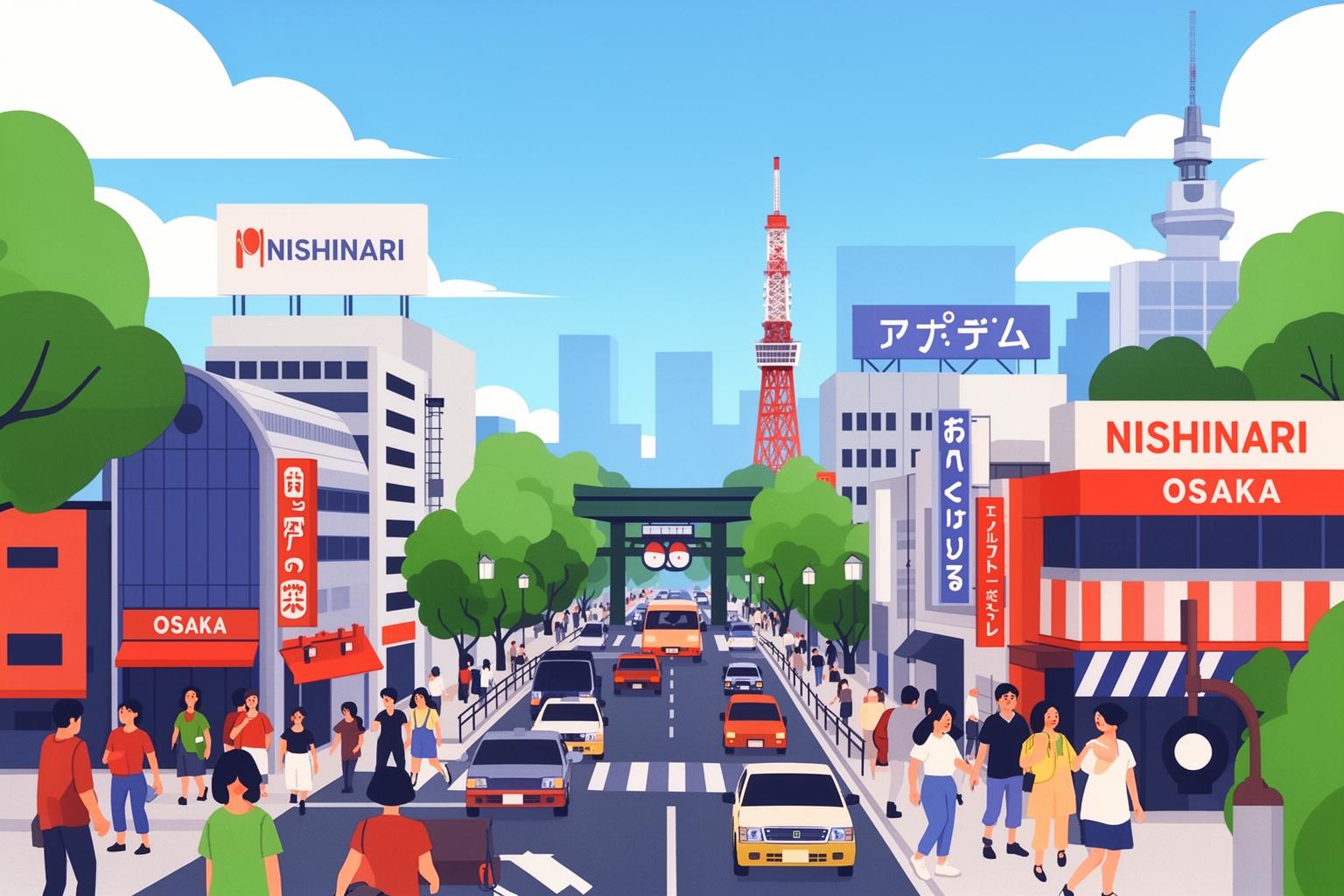
Exploring Nishinari is simple and rewarding, but a bit of preparation and cultural sensitivity will help ensure a smoother and more respectful experience. The neighborhood is exceptionally well-connected. The main transport hub is Shin-Imamiya Station, served by both the JR Osaka Loop Line and the Nankai Railway Line, offering direct access from Kansai Airport. Nearby is Dobutsuen-mae Station on the important Midosuji and Sakaisuji subway lines, making it easy to reach from major city centers such as Umeda, Namba, and Tennoji. This excellent accessibility is one of the area’s key strengths.
On the Topic of Safety
Let’s address the main concern: safety. The reputation for danger is greatly exaggerated and outdated. Violent crime is extremely uncommon. The primary issue is visible poverty and social challenges, rather than physical danger. Nonetheless, it’s wise to use common sense, as you would in any large city. The most important guideline is to be respectful. Never photograph people without their clear permission. Many residents are cautious about being treated as attractions for “poverty tourism,” and pointing a camera at them deeply invades their privacy. This is especially important in the more sensitive areas near the former labor centers. Although the area is generally safe during the day, solo female travelers might feel uneasy in some parts at night—not because of a high risk of assault, but due to the largely older male demographic frequenting the standing bars and streets after dark. Staying on main, well-lit streets is a smart precaution after sunset.
Timing and What to Bring
The best time to visit depends on what you want to experience. Mid-morning to late afternoon is ideal for exploring the shotengai, enjoying the parks, and soaking up the neighborhood’s everyday atmosphere, when it is most vibrant and welcoming. Early evening, from about 5 PM to 9 PM, is prime time for food and drink, as izakayas and food stalls come alive and offer an authentic taste of local nightlife. It’s generally wise to avoid wandering aimlessly late at night if you’re unfamiliar with the area.
When visiting, remember that cash is preferred. Many small, family-run shops, eateries, and bars do not accept credit cards. Carrying enough yen is essential. Comfortable walking shoes are important, as the best way to uncover Nishinari’s hidden gems is on foot. Above all, bring an open mind. Leave your preconceptions behind and be prepared to witness a side of Japan that is complex, challenging, and deeply human.
Nishinari in Context: Its Place in the Osaka Jigsaw
Nishinari does not exist in isolation. Its character is defined by its proximity to a cluster of other well-known Osaka districts, creating a series of intriguing contrasts. Walk a few hundred meters east from Dobutsuen-mae Station, and you enter Shinsekai, the “New World” district. Here, Nishinari’s gritty realism gives way to a nostalgic, carnival-like tourism. The iconic Tsutenkaku Tower towers overhead, and the streets are filled with flashy kushikatsu restaurants and souvenir shops. It’s a cleaner, more tourist-friendly version of the working-class culture that Nishinari represents in its rawest form. The boundary between the two is almost imperceptible, and crossing it feels like moving from a black-and-white documentary into a Technicolor film.
Just to the north is Tennoji, a major commercial and transportation hub that highlights modern Osaka. Here you’ll find Tennoji Park, a lovely urban oasis featuring a zoo and the Osaka City Museum of Fine Arts. Dominating the skyline is Abeno Harukas, Japan’s tallest skyscraper, with its luxury department store, art museum, and observation deck offering stunning views of the entire region. The sharp contrast between the sleek modernity of Tennoji and the Showa-era grit of Nishinari, just one train stop away, vividly illustrates Osaka’s multifaceted identity. The city is a place of many layers, and these two neighborhoods are equally essential to its story.
In essence, Nishinari can be viewed as a living museum—not a museum of static exhibits behind glass, but a dynamic, breathing archive of a rapidly fading period in Japanese history. In an age of relentless redevelopment and globalization, Nishinari has, through a mix of economic circumstances and determined perseverance, preserved its character. It stands as a tangible link to the social and economic forces that shaped post-war Japan. It is a tribute to the people left behind by the economic miracle who nonetheless forged their own resilient culture in its shadow. For this reason, Nishinari is more than just a part of Osaka; it is a vital element of the soul of the entire nation.
A visit to Nishinari is far from a typical sightseeing trip. It won’t offer the serene beauty of a Kyoto temple or the futuristic gleam of a Tokyo skyscraper. What it provides is something arguably deeper: a dose of reality. It’s a journey into the heart of a community that has been misunderstood and marginalized, yet continues to endure with quiet, unyielding strength. To walk its streets is to challenge your own perceptions and to see Japan in a more complete, nuanced way. You may not leave with a memory card full of picturesque photos, but you will depart with a richer understanding of the complexities of urban life and the resilient power of the human spirit. The true richness of Osaka is found not only in its celebrated cuisine or vibrant nightlife but also in the unvarnished honesty and quiet dignity of a neighborhood like Nishinari. Seek it out not as a mere tourist, but as a respectful observer, and you will discover the real, beating heart of this remarkable city.