As an event planner from Tokyo, I operate on a diet of deadlines, hyper-efficiency, and the unspoken social codes that keep Japan’s sprawling capital humming. Tokyo is a city of polished surfaces and precision. Every train, every meeting, every interaction feels meticulously choreographed. So when I first started spending more time in Osaka for work, the city felt like a delightful, chaotic, and sometimes baffling improvisation. The energy is different. It’s louder, more direct, and pulses with a commercial heartbeat that feels rawer and more immediate than Tokyo’s corporate rhythm. People kept telling me, “Osaka is a merchant city, that’s why it’s different.” I’d nod along, thinking I understood. I’d seen the frantic energy of Shinsaibashi, the endless arcades, the sheer gusto with which people pursue a good meal and a good bargain. But the phrase “merchant city” felt like a historical footnote, a convenient label for modern-day stereotypes.
Then I went to Tondabayashi. Just a 30-minute train ride south from the urban hub of Tennoji, I stepped off the train and into a different century. Tondabayashi Jinaimachi is a beautifully preserved merchant town from the Edo Period, its white-walled storehouses and latticed wooden homes lining streets that have remained virtually unchanged for over 400 years. It was quiet. It was orderly. It was stunningly beautiful. And at first, it felt like a complete contradiction to the Osaka I thought I knew. How could the city of neon-drenched Dotonbori and booming Kuromon Market possibly share the same DNA as this serene, historical pocket? But as I spent the weekend walking its narrow lanes, I realized I wasn’t looking at Osaka’s opposite. I was looking at its source code. Tondabayashi Jinaimachi isn’t an escape from Osaka; it’s the most potent explanation of it. It’s where the city’s entire philosophy of life, business, and community is laid bare, not in a museum, but as a living, breathing neighborhood.
Building on Tondabayashi’s historical charm, those eager to taste the living culture of Osaka can also enjoy the region’s culinary heritage by trying South Osaka kasu udon.
The Shock of the Old in the Capital of New
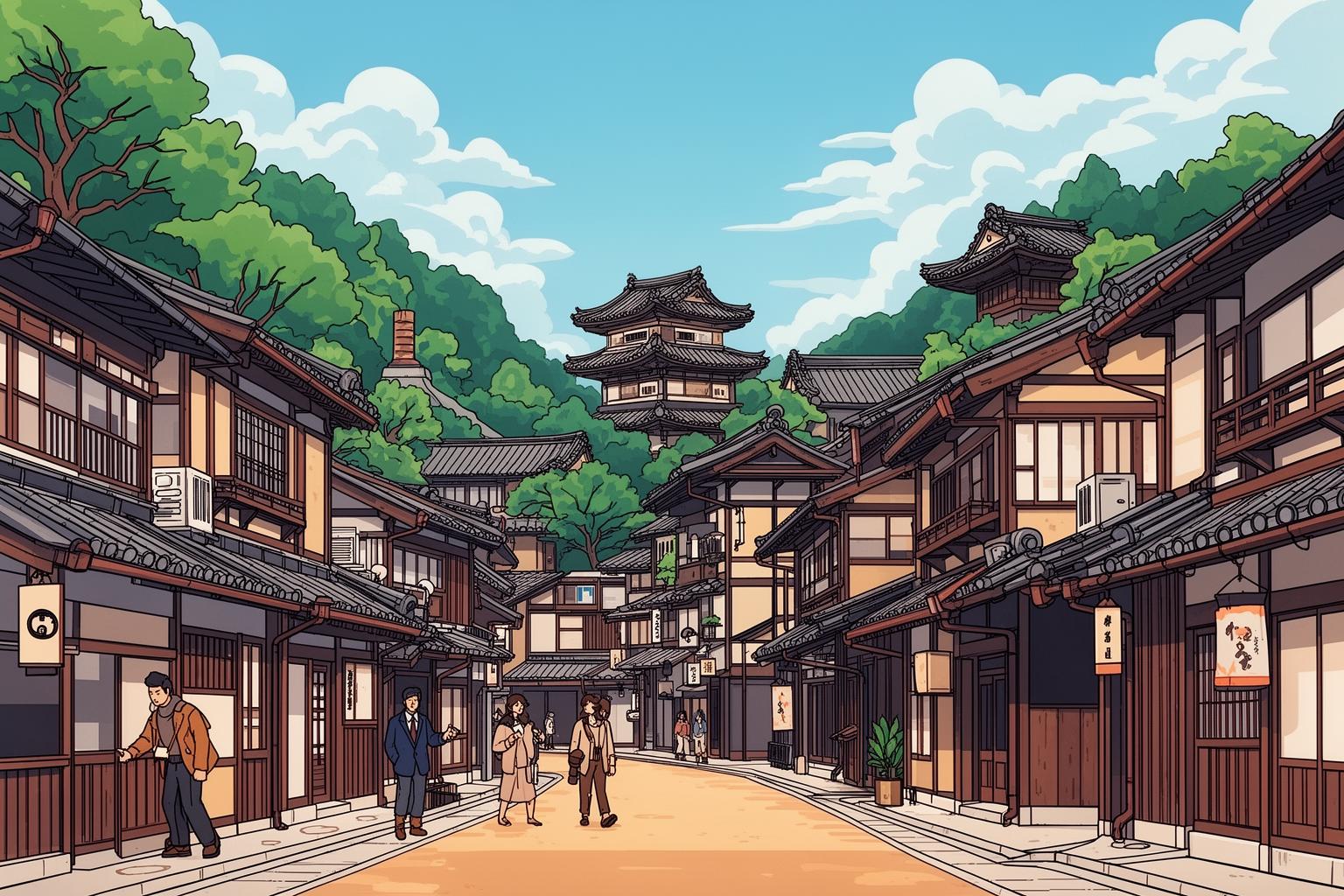
The journey itself reveals the layered identity of Osaka. You board the Kintetsu Nagano Line at Abenobashi Station, located directly beneath the gleaming Abeno Harukas, Japan’s tallest skyscraper. This towering structure symbolizes modern Osaka’s ambition and commercial strength. As the train departs, you rattle along for ten minutes through a dense urban landscape filled with apartments, factories, and busy stations. Then, a change occurs. The buildings grow shorter, green spaces emerge between houses, and the pace outside your window visibly slows. By the time you reach Tondabayashi Station and walk ten minutes toward the Jinaimachi district, the city’s noise has faded into a distant echo. In its place, you hear the wind, the occasional rumble of a bicycle on stone pavement, and birds chirping.
Entering Jinaimachi proper is like a full sensory reset. The streets are narrow, designed for pedestrians rather than cars. They curve gently—a deliberate design from the 17th century intended to confuse potential attackers. The buildings form a stunning tableau of Edo-period architecture: brilliant white plaster walls (shirokabe) meet gray-tiled roofs, accented by dark, intricate woodwork. Many houses feature mushiko-mado, unique vertical lattice windows resembling insect cages, created for ventilation and privacy. The cohesive aesthetic is breathtaking. Yet, this isn’t a movie set—it’s a living neighborhood.
Here, it’s essential to grasp what a Jinaimachi truly is. It’s not a castle town built by and for samurai under a feudal lord’s command. Tondabayashi was founded in the mid-16th century by a group of merchants and followers of Jodo Shinshu Buddhism, centered around the Koshoji Betsuin temple. Essentially, it was a self-governing commercial and religious community. They planned their own streets, managed their affairs, and built prosperity through trade in cotton, sake, and timber. This town was not created by warrior decree but emerged as a grassroots effort grounded in faith and finance. This fact is crucial. Osaka’s identity was shaped not by the sword but by the abacus. That legacy of independence and self-reliance is palpable in the very fabric of Tondabayashi.
A Town Built on “Akinai,” Not Samurai Swords
Stroll through the streets and notice the details. The old merchant houses, called machiya, are long and narrow, often referred to as “eel beds” (unagi no nedoko). Their narrow street frontage resulted from property taxes once being based on how much of your house faced the main road. The front area facing the public served as the shop, while the family lived in private spaces extending deep into the property, often featuring a small inner courtyard for light and air. This architectural style embodies pure practicality. It is a tangible expression of the business-first mentality. Every design decision was made with a clear purpose tied to commerce and comfortable living.
This reflects the spirit of akinai—the Osaka term for business, which conveys nuances of trade, exchange, and customer relationships that the standard Japanese term shobai doesn’t fully express. In Tondabayashi, you stand before a monument to akinai. The town’s wealth was not extracted by a lord but generated by its citizens. This nurtured a strong belief that prosperity comes from one’s own intelligence, hard work, and savvy negotiations. It also bred a healthy distrust of centralized authority. While Edo (Tokyo) was the samurai government’s center, a place of strict hierarchy and formal rules, Osaka was the nation’s kitchen, a vibrant free market where money, not birthright, defined success.
This heritage resonates strongly in modern Osaka. Why are Osakans so direct in their communication? Because in a merchant culture, beating around the bush wastes time. Time is money. Clarity leads to better deals. Why do they sometimes seem to live by their own rules? Because for centuries, they did. Their ancestors built and governed their own towns. That legacy of independence runs deep. When a Tokyoite sees an Osakan jaywalking or talking loudly on the train, they may see a rule-breaker. An Osakan might just see someone taking the most logical route from A to B. Tondabayashi teaches that this isn’t modern rudeness; it’s an inherited mindset of supreme practicality, shaped over generations by focusing on the outcome rather than the prescribed process.
Tokyo Formality vs. Osaka’s Living History
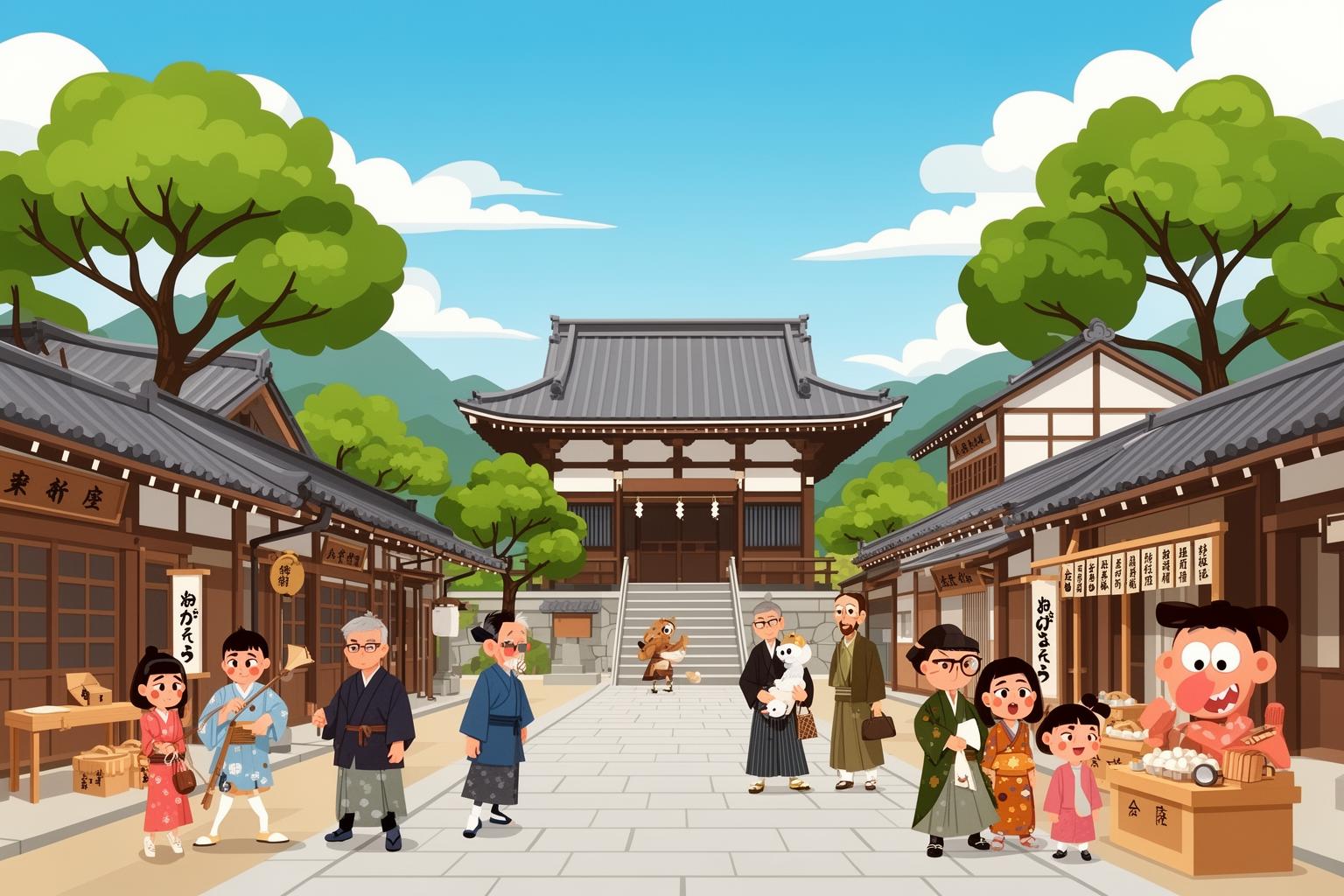
Here’s where my Tokyo perspective really gets challenged. In and around Tokyo, historical sites are often treated with a kind of sacred reverence. They are impeccably preserved, roped off, and presented as exhibits in an open-air museum. You look, admire, take a photo, and then move on. The past exists as a separate, untouchable realm. Tondabayashi completely overturns this idea. It’s a nationally designated Important Preservation District for Groups of Traditional Buildings, yet it feels anything but frozen in time.
As you wander, you’ll notice signs of everyday life that would be unthinkable at a more curated historical site. A modern Toyota sedan is neatly parked in a narrow alley beside a 300-year-old wall. Laundry flutters from a second-story window of a designated cultural property. A sleek, modern air conditioning unit is discretely but visibly installed on the side of a traditional storehouse. You’ll see a resident in sweatpants stepping out to collect their mail from a modern mailbox attached to an ancient wooden facade. This isn’t neglect; it’s adaptation. It’s life.
To someone with a Tokyo mindset, this can feel almost jarring, a rupture in the historical illusion. But in Osaka, it makes perfect sense. The history itself is not the main focus; the utility is. These buildings are not merely historical assets; they are homes. They are shops. They are community centers. The legacy of the merchants who built them is honored not by freezing them in time, but by continuing to use them for their original purpose: as functional spaces for living and working. This is perhaps the most profound contrast between the two cities. Tokyo preserves the form; Osaka preserves the function. An Osaka resident would see a beautiful old machiya and think, “What a sturdy, well-built house. It’s still perfectly fine to live in.” The idea of emptying it out just to turn it into a static display would seem wasteful, illogical. This pragmatic approach to history is what makes Tondabayashi feel so genuine and vibrant. You are not a tourist viewing a relic; you are a guest in someone’s home—a home that just happens to be centuries old.
The Human Element of Preservation
I struck up a conversation with a woman running a small café in one of the old homes. Her family had lived in the building for generations. I asked her what it was like to live inside a piece of history. She laughed and said, “It can be a bit drafty in the winter!” She spoke about the constant upkeep, the community rules about preserving the historical appearance, and the pride she felt. But she also described it as her home, the place where she’d raised her children. Of course, she had installed a modern kitchen and bathroom. “You have to be comfortable,” she said, as if that were the most natural thing in the world. This blend of pride in heritage and a need for modern comfort is quintessentially Osaka. It’s about making the past work for the present. History serves the people, not the other way around.
The “Kechi” Myth and the Reality of Rational Spending
There’s a persistent stereotype that people from Osaka are kechi, or stingy. It’s one of the first impressions foreigners often hear, but it’s a gross misinterpretation of the local spirit. A visit to Tondabayashi serves as the perfect counter to this cliché. The merchants who established this town were far from stingy. Just observe the excellence of the woodwork, the thickness of the plaster walls, and the elegance of the roof tiles. These homes were constructed to endure for centuries, and they have. This was no cheap building; it was a substantial, long-term investment in quality, durability, and beauty.
What these merchants truly were was anti-waste. They were extremely value-conscious. They invested their money where it would yield the greatest return, whether in business profits, family security, or community stability. This reflects the real Osaka mindset. It’s not about spending as little as possible; it’s about maximizing the value gained from every yen spent. This is the idea behind “cost performance” or kosupa (a Japanese blend of cost and performance), a term frequently used in Osaka.
An Osaka shopper might complain about a 100-yen bowl of udon if the noodles are mushy but will readily pay 10,000 yen for a perfectly marbled steak if it seems worth the cost. It’s not about being cheap; it’s about being a rational, discerning consumer. This skill has been refined over generations, a cultural legacy from ancestors who balanced their accounts in these very houses in Tondabayashi. They understood the difference between frivolous spending and wise investment. The town itself stands as ultimate evidence: a magnificent, lasting investment in their own future. So when someone calls an Osaka person kechi, what they’re really noticing is a deeply rooted, historically ingrained aversion to being cheated. It’s a point of pride to get a good deal and to know that hard-earned money has been spent wisely. It’s the merchants’ pride, and it remains strong today.
Community as a Business Model
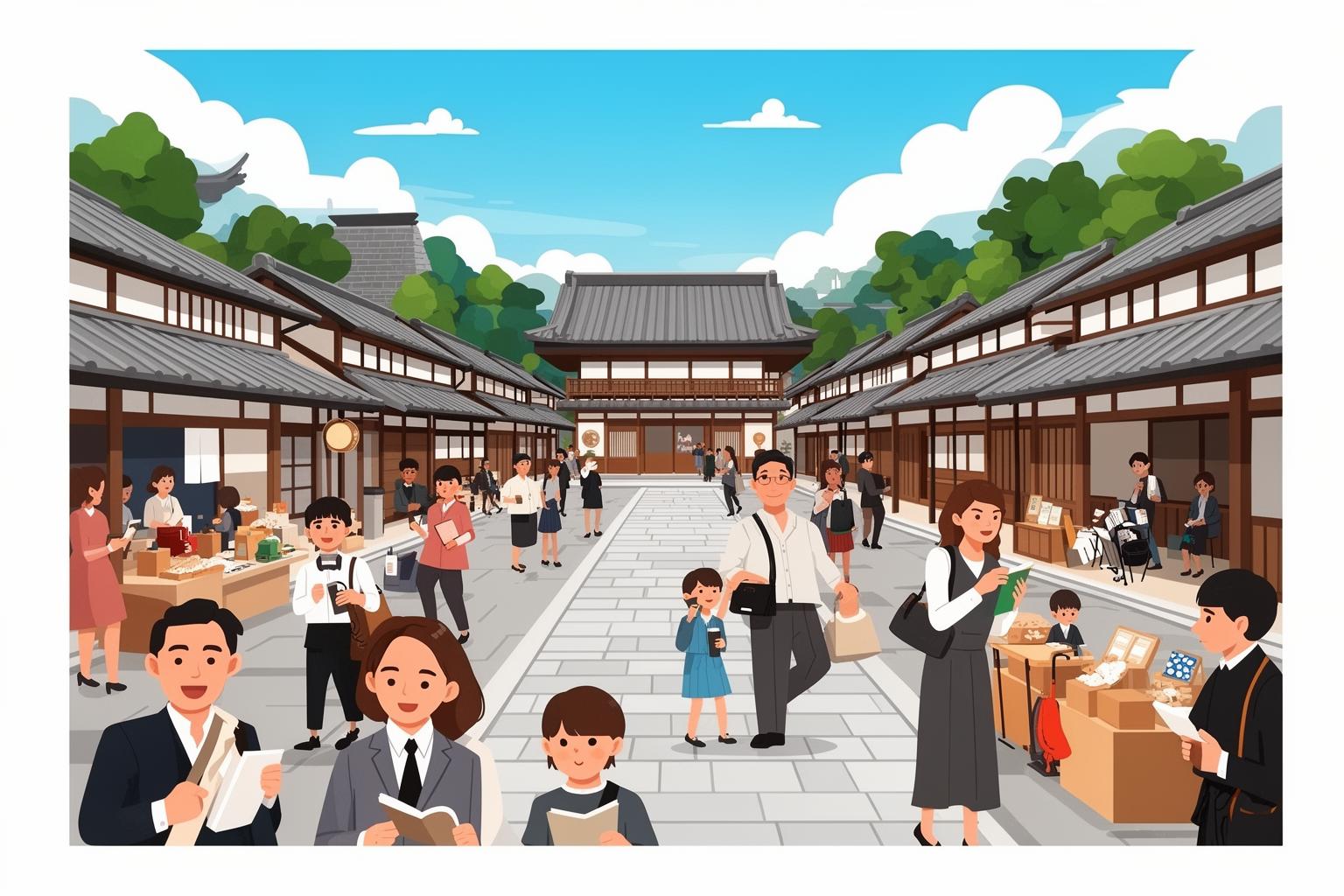
The physical layout of Tondabayashi reveals a fundamental truth about Osaka: business and community are deeply intertwined. The narrow, interlocking streets were not solely designed for defense; they fostered an environment where everyone knew one another. Your neighbor was more than just the person living next door; they were your business partner, supplier, customer, or competitor. A good reputation was your most valuable asset, and trust was the currency that kept the entire system functioning.
This nurtured a tightly knit, interdependent society where the town’s prosperity relied on the success of its individual members. This philosophy directly influenced the modern Osaka shotengai, the covered shopping arcades that form the heart of many neighborhoods. A shotengai is more than simply a row of shops; it is a community ecosystem. The butcher knows the tofu maker, who recommends the fishmonger, who purchases vegetables from the grocer down the street. They organize local festivals together, watch over each other’s children, and share endless gossip. Depending on one’s cultural perspective, this can feel either warmly inviting or somewhat intrusive and nosy.
This helps explain why people from Osaka often appear so friendly and approachable. The stereotype of the talkative Osaka obachan (middle-aged woman) who will strike up a conversation with anyone stems from this social fabric. In a world where your network is your net worth, being open and communicative is a key survival skill. This stands in sharp contrast to the more reserved and private social interactions typical in Tokyo, where you might live next to someone for years without exchanging a word. In Tondabayashi, you can still sense this old social design. Houses are built close together, their entrances facing one another across narrow streets. Life was, and remains, lived in a semi-public realm. This is why living in Osaka can feel like being embraced by a large, somewhat dysfunctional, yet ultimately caring family.
The Unspoken Rules of a Living Museum
Visiting Tondabayashi calls for a slight shift in mindset. You’re not entering a theme park. There are no entrance gates, no tickets, and very few signs guiding your actions. You are a visitor in a residential neighborhood, and the best approach is to behave like a respectful neighbor.
Here is where you can practice reading Osaka’s social cues. Unlike Tokyo’s world of subtle, unspoken rules, things tend to be more direct here. A friendly “Konnichiwa” (Hello) or “Ojamashimasu” (Pardon me for intruding/visiting) when passing residents will almost always be met with a smile and a returned greeting. People appreciate being acknowledged and knowing you respect their space. However, be careful not to linger or peer into people’s homes—it’s a delicate balance between friendly interaction and respecting privacy.
When you support the local cafes, galleries, or shops—and you definitely should—you become part of the town’s living economy. The exchange often goes beyond just money. Shop owners will likely ask where you’re from and what you think of the town. This isn’t just small talk; it’s the merchant spirit at work. Every interaction offers a chance to build a relationship and create a positive experience to share with others. Respond with genuine enthusiasm, and you’ll often receive a local tip, a bit of history, or simply a warm human connection. This is the heart of akinai—a transaction that leaves both sides feeling good. It’s the simple yet powerful idea that good business is built on good relationships, a lesson modern corporations sometimes overlook but one Osaka has always embraced.
What Tondabayashi Tells You About Modern Osaka
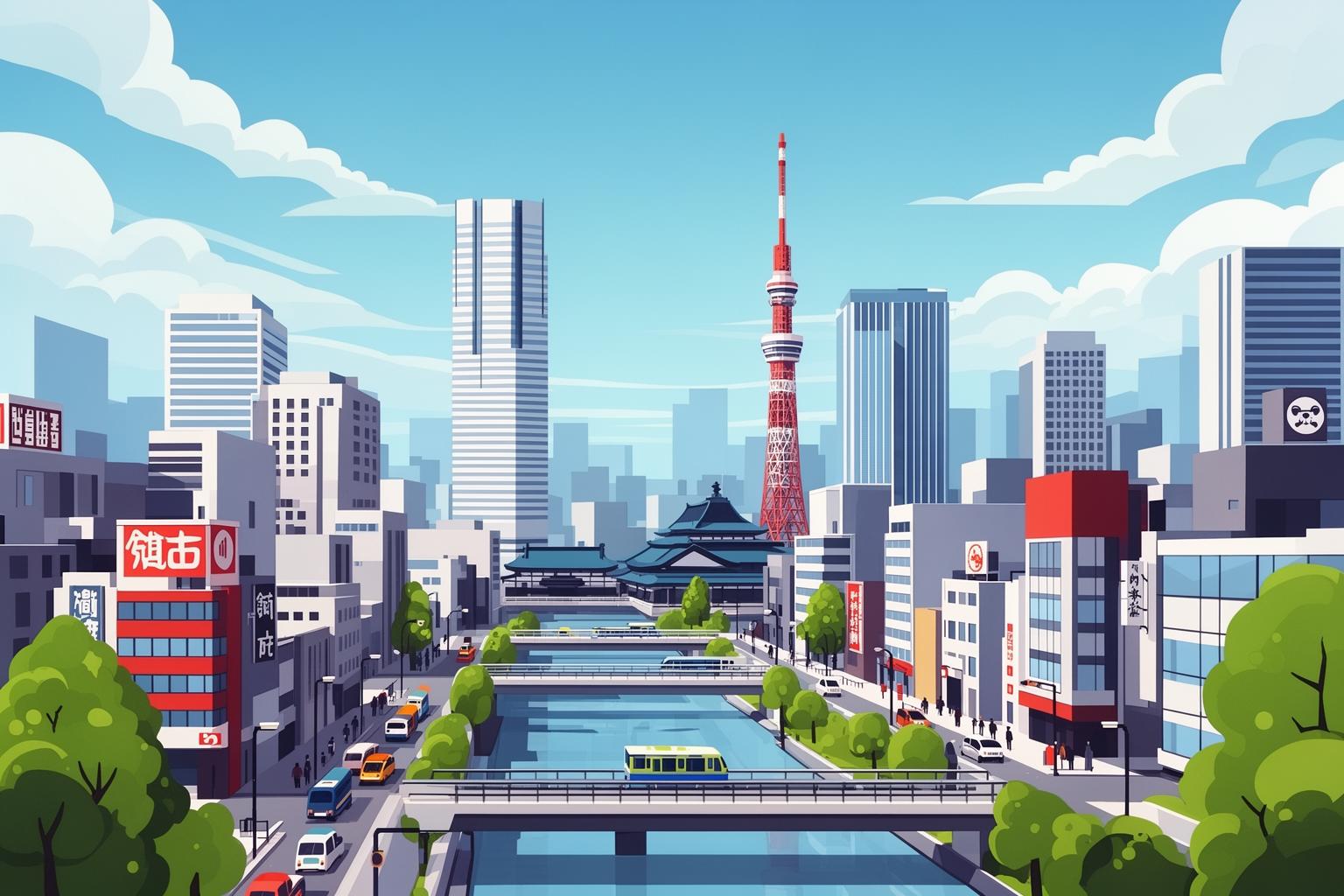
A weekend spent in Tondabayashi Jinaimachi feels like attending a masterclass on the Osaka psyche. You end up with an entirely new perspective on the city. The chaotic, neon-lit façade of modern Osaka no longer appears contradictory; rather, it feels like a natural progression. The same principles that shaped the quiet, orderly streets of this 17th-century merchant town continue to guide the 21st-century metropolis.
That intense craving for a bargain at an electronics store in Den Den Town? It reflects the merchant’s demand for value, rooted in the counting houses of Tondabayashi. The lively, friendly atmosphere of a standing bar in Tenma? It embodies the communal spirit nurtured in the narrow, interdependent alleys of the Jinaimachi. The pragmatic, straightforward attitude toward life and business? It is the heritage of a people who built their own prosperity, free from the control of a distant government.
Living in Osaka means navigating this remarkable duality. It’s a city that constantly innovates, grows taller, and moves faster, yet remains deeply tied to its practical, commercial, and communal origins. Tondabayashi isn’t a mere relic of the past. It is the city’s living heart, quietly sustaining the values and outlooks that give Osaka its unique, challenging, and profoundly human character. It shows you that beneath the city’s loud, energetic surface lies a shrewd, resilient, and community-focused spirit. For any foreigner striving to make a life here, understanding that spirit distinguishes merely living in Osaka from truly calling it home.