Walk into almost any shop in Tokyo, and you’ll encounter a world of elegant precision. Prices are displayed with quiet authority, printed on small, immaculate cards. The number you see is the number you pay. It is a fact, as solid and unchangeable as the schedule for the Yamanote Line. This is the Japan most of the world knows: a place of fixed rules, established protocols, and a transactional landscape where the price is a statement, not a conversation. Many foreigners internalize this rule so deeply that they carry it across the country, assuming it’s a universal law of Japanese commerce. And then, they arrive in Osaka.
Here, the air is different. The rhythm of the city pulses with a different energy, one born not in the stoic halls of samurai government but in the bustling, chaotic, and fiercely pragmatic marketplaces that once fed an entire nation. In Osaka, a price tag can sometimes feel less like a law and more like an opening remark, an invitation to a conversation. The concept of bargaining, or nebiki-kōshō, isn’t a dirty secret whispered in back alleys; it’s a living, breathing part of the city’s commercial DNA, a cultural practice as integral to its identity as takoyaki and the Hanshin Tigers. This isn’t the aggressive, high-pressure haggling you might find in a tourist bazaar elsewhere in the world. It’s a subtle art, a delicate dance of communication, respect, and shared understanding. To an outsider, it can seem like a complex and intimidating code. But understanding this code is understanding the very soul of Osaka, a city that prides itself on being shrewd, personable, and always, always on the lookout for a good deal. It’s a fundamental difference that separates life here from the rest of Japan, a daily reminder that you are in a place that has always written its own rules.
The vibrant energy of Osaka’s marketplaces extends into local supermarkets where every price reflects a nuanced conversation, as detailed in this guide to Osaka’s unique supermarkets.
The Soul of the Akindo: Why Osaka Haggles
To understand why an Osakan might request a discount on a television while a Tokyoite would find it unthinkable, you need to look back centuries. Tokyo, known as Edo in the past, was the center of power. It was a city of samurai, bureaucrats, and daimyo lords. Its culture was rooted in hierarchy, formality, and strict social structures. Rules were paramount, and commerce was often regarded as a necessary but somewhat unrefined activity, subordinate to the warrior class.
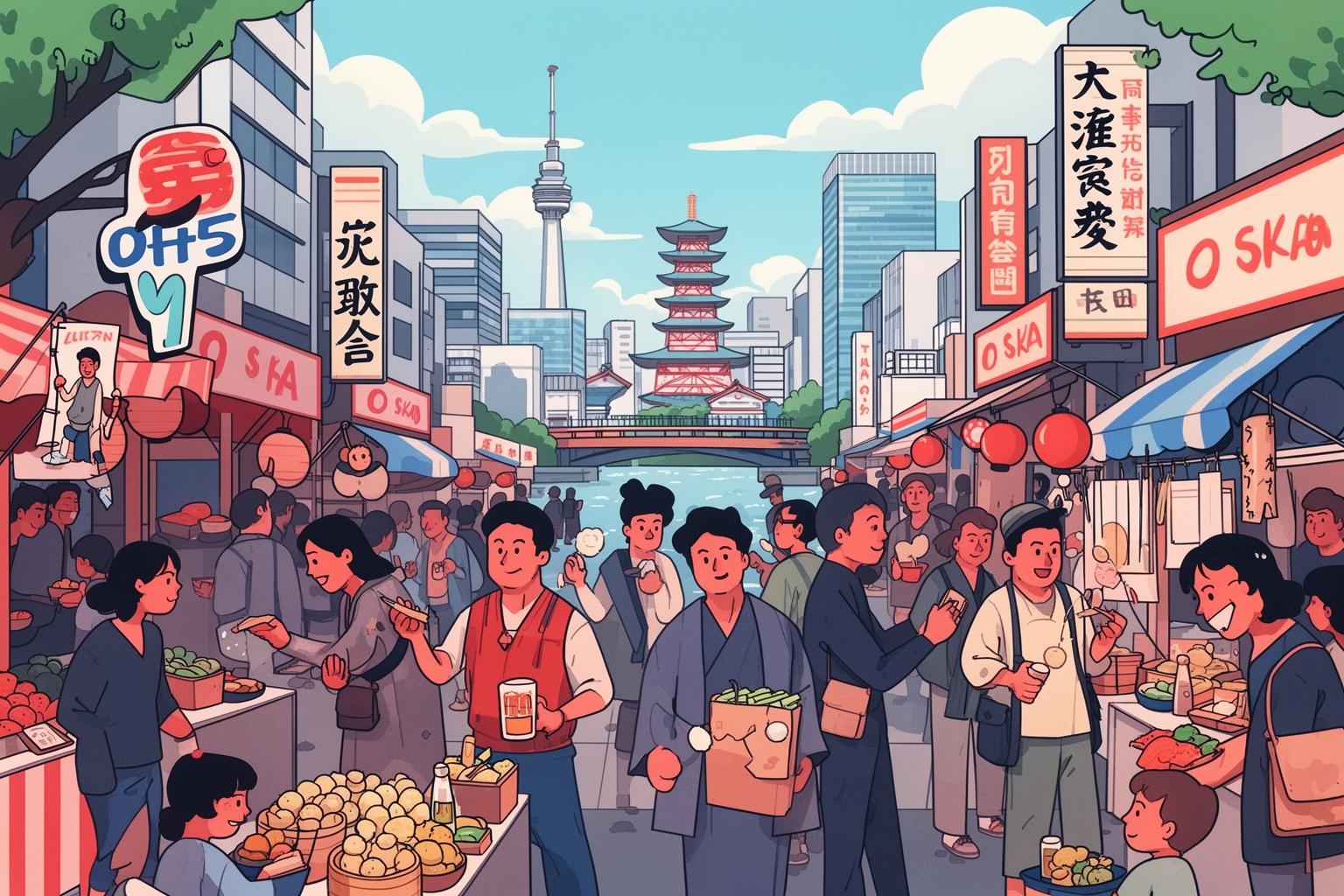
Osaka, in contrast, was the tenka no daidokoro—the nation’s kitchen. It stood as Japan’s major commercial hub, a city built by and for merchants, the akindo. Here, money, trade, and logistics were not merely economic activities; they defined the culture. The heroes of Osaka were not swordsmen but savvy rice brokers and shrewd wholesalers who understood the market and knew how to turn a profit. This history fostered a fundamentally different mindset. While Tokyo valued form and protocol, Osaka prized pragmatism and results. The aim was to strike a deal that benefited everyone, maintaining the flow of goods and money. A fixed price was an abstraction; the true value of an item was what someone was willing to pay at that moment.
This merchant spirit, the akindo soul, endures to this day. People in Osaka are often stereotyped across Japan as being kechi, or stingy. But an Osakan would correct you. They’re not kechi; they’re shimarisu, a term that suggests not just frugality but a deep, almost philosophical dedication to economic rationality. It’s about getting the absolute best value for your hard-earned yen. Wasting money is seen as foolish, while securing a discount is a sign of intelligence and skill. It’s a small victory to be celebrated, a story to be shared with friends over drinks. The bargain itself serves as a form of communication, a moment of human connection that goes beyond a simple transaction. It’s a brief, shared effort between buyer and seller to find a price that makes both parties happy. It confirms that you’re not just a faceless consumer, and they’re not merely a faceless vendor. You’re two clever people, in the great merchant city of Osaka, making a deal.
The Bargaining Battlefield: Sanctuaries and No-Fly Zones
Understanding why people bargain in Osaka is only part of the picture. Knowing where and when to negotiate is the crucial insight that distinguishes a savvy local from a confused visitor. Osaka is not a city-wide free-for-all; it’s a landscape of well-defined zones, some where bargaining is welcomed, and others where it would be a serious breach of etiquette. Mastering this landscape is essential for living here.
The Arenas of Opportunity: Where Bargaining Is Welcomed
Certain places foster the merchant spirit, where price tags serve as starting points for friendly negotiation.
Den Den Town: The Electronics Gauntlet
Nipponbashi, Osaka’s electronics district, exemplifies this. Though dominated by a few large chains, its essence lies in the myriad small, independent shops tucked into side streets. Many are family-run businesses specializing in everything from high-end audio gear to rare computer parts. Competition here is fierce and personal. Often, the person at the counter is the owner with authority to negotiate. This is your opportunity. They know you can walk down the street to a rival shop. They expect you to be well-informed. Simply pointing at a price tag is inexperienced; the real strategy shows your knowledge. Mentioning a competitor’s or online price is not rude but prudent. Offering to pay cash, which saves the seller credit card fees, is a respected tactic. A phrase like, “I can pay cash now if you can come a bit closer to this price,” is a classic Osaka approach—direct, fair, and signaling serious intent. This is where you can secure substantial savings, especially on pricey items.
Shōtengai: The Heartbeat of Local Commerce
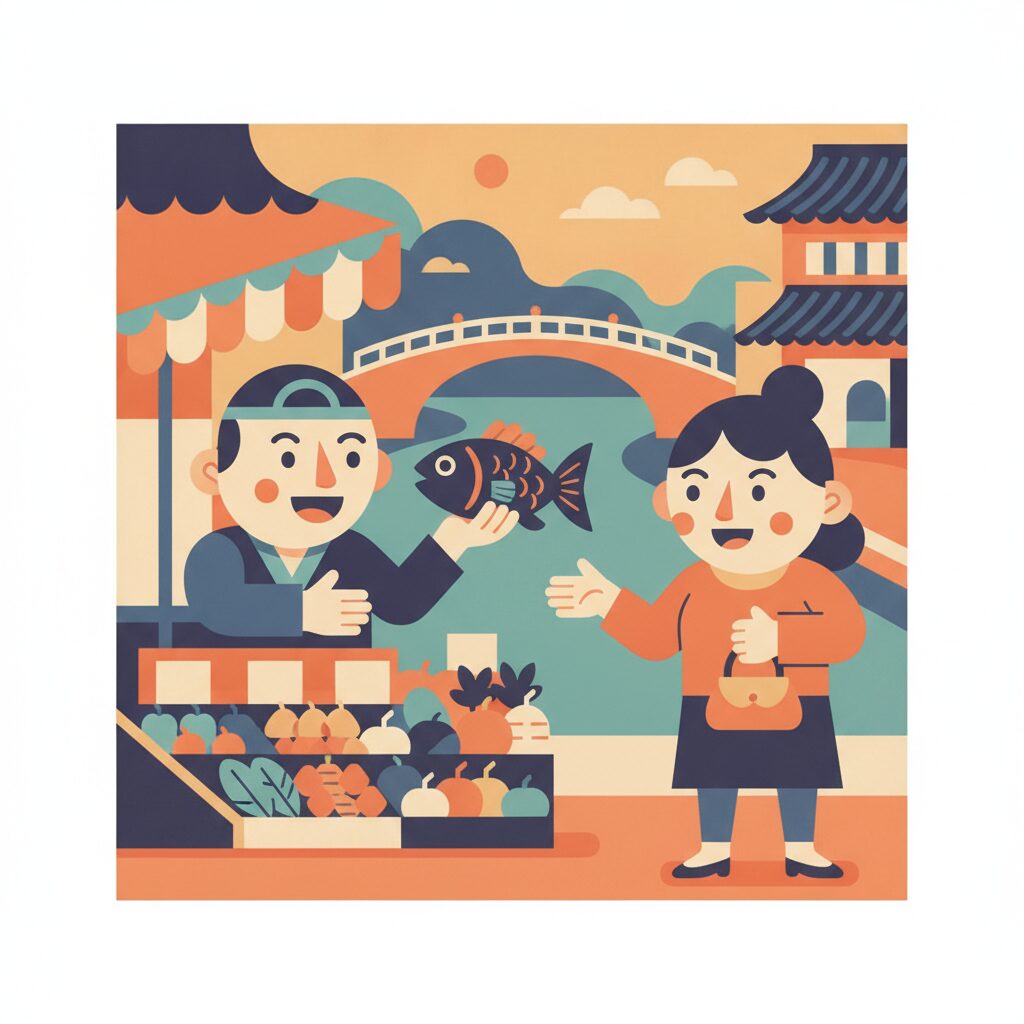
Osaka is renowned for its shōtengai, or covered shopping arcades. While tourist-heavy spots like Kuromon Ichiba have become less flexible, local shōtengai such as Tenjinbashisuji—the longest in Japan—offer a different experience. Here, bargaining is less about cutting prices and more about the culture of omake, meaning “a little extra.” You’re not aiming for a 20% discount on vegetables but building relationships. You shop regularly at one fruit stand, chat with the elderly owner, and inquire about the best produce. After paying for your mikan oranges, she might include a couple of persimmons free of charge—a gesture of goodwill. This is the shōtengai style of bargaining: a reward for loyalty and friendliness. Aggressively haggling over a small amount will fail, but becoming a familiar and friendly customer often brings generous extras. It’s about adding value, not slashing prices.
Flea Markets and Second-Hand Havens
For any foreigner acquainted with haggling, this environment feels natural. At events like the large monthly flea market at Shitennoji Temple, bargaining is expected. Prices for old ceramics, vintage kimono, and used furniture are usually flexible. The interaction is straightforward: you make an offer, the seller counters, and you find a middle ground. The key, as ever, is to be courteous and reasonable. A very low offer might be met with laughter and dismissal, but a polite request for a better price adds to the fun for both buyer and seller. This is the purest form of Osaka’s bargaining tradition.
The Walls of Protocol: Where Bargaining Is Strictly Forbidden
Equally important to knowing where to bargain is understanding where negotiation is absolutely off-limits. Trying to haggle in these places will lead at best to polite confusion and at worst to offense. It signals a fundamental misunderstanding of Japanese customs.
The Temples of Commerce: Department Stores
Hankyu, Daimaru, Takashimaya—they are not merely stores but institutions representing service, quality, and prestige. Prices here are fixed, reflecting the brand’s value and curated experience. Requesting a discount at a cosmetics counter in Daimaru is as inappropriate as trying to haggle for a movie ticket. Staff have no authority to alter prices, and the concept itself is foreign. This realm operates on fixed prices and strict protocol. Respect that.
The Realm of Automation: Supermarkets and Convenience Stores
This should be obvious but must be emphasized. Any store with a barcode scanner is a no-negotiation zone. The price of a bottle of tea at FamilyMart or a pack of tofu at Life supermarket is controlled by a nationwide computer system. The cashier is merely operating this system; they cannot adjust prices any more than a train conductor can change your fare. Don’t even attempt it.
Corporate Chains: The Uniqlo Doctrine
This rule applies to all major national and international chains. Uniqlo, Muji, Kinokuniya Bookstore, Bic Camera, Yodobashi Camera—these corporate giants may have “price matching” policies, but that’s a formal process, not bargaining. You must present proof of a lower competitor price. It’s bureaucratic, not negotiable. Prices at Uniqlo and similar stores are set by headquarters, typically in Tokyo, and uniform across locations. Staff follow strict rules; they are not independent merchants with discretion.
The Service Sector: Restaurants, Transport, and Tickets
You pay the menu price. You pay the ticket machine price. You pay the museum admission fee. No exceptions. The price of a bowl of ramen is non-negotiable. Bargaining in these settings is unheard of and would be seen as rude and bizarre.
The Art of the Ask: How to Haggle Like a Local
So, you’ve ended up in just the right place—a small electronics shop in Den Den Town, perhaps. How do you actually start the negotiation? It’s all about the approach. This isn’t a confrontation; it’s a collaboration delivered with a smile.
The Language of the Deal
The classic phrase is, “Chotto makete kuremasen ka?” which means, “Could you give me a little discount?” The important word here is chotto—a little. It carries subtle nuance. It indicates you’re not demanding a big price cut but politely asking for a small concession, recognizing the seller’s need to make a profit. It’s humble and non-confrontational. A more casual version, used if you already have a good rapport, might be “Chotto makaru?” (Can it be a bit cheaper?).
Other useful phrases in your linguistic toolkit include bundling. “Kore to kore, futatsu kattara, chotto yasuku narimasu ka?” (If I buy this one and this one, can it be a little cheaper?). This is a win-win situation: you get a discount, and the seller secures a larger sale. And never underestimate the power of cash. “Gēnkin de harattara, dō narimasu ka?” (What if I pay with cash?). This is a direct yet perfectly acceptable way to indicate you’re aiming for the best possible deal.
The Unspoken Rules of Engagement
Your attitude matters more than your words. Always start with a smile. Be cheerful, polite, and respectful. An aggressive or demanding tone will immediately close off any chance of a deal. This is a friendly game.
Before you even mention price, build some rapport. Don’t just walk in and point at an item. Look around, admire the merchandise, and engage the shopkeeper with a bit of small talk. Ask a question about the product. Show genuine interest. You’re connecting with a person, not just trying to get money out of a business.
Do your research. Know roughly what the item is worth. An offer that’s ridiculously low isn’t a starting point for negotiation; it’s an insult to the seller’s livelihood. Your offer should be realistic.
And finally, be ready to accept no for an answer. If the seller stands firm on the price, that is their prerogative. Pressing the issue is impolite. The proper response is graceful acceptance: “Wakarimashita, arigatou gozaimasu” (I understand, thank you). You can then choose to buy at that price or walk away. Burning bridges isn’t worth saving a few hundred yen.
The Outsider’s Perspective: Common Misunderstandings
The biggest mistake foreigners make is viewing the situation in black and white terms. They either assume that all of Japan operates on fixed prices, missing out on opportunities, or they hear that “Osaka is different” and believe they can haggle over everything, which can lead to awkward moments in a 7-Eleven. In reality, the situation is a nuanced blend of context, location, and relationships.
Importantly, it should be recognized that successful bargaining in Osaka isn’t about one person “winning” while the other “loses.” In many cultures, haggling may be adversarial, but in Osaka, it is a cooperative process. The aim is to reach a price that leaves both buyer and seller feeling positive about the exchange. The seller is pleased to have made a sale to a clever, personable customer who values their goods, while the buyer is content with securing a good deal and taking part in a local cultural tradition. The experience results in mutual satisfaction, a shared success in the negotiation. This captures the spirit of the merchant city: it’s not about being cheap; it’s about being smart, sociable, and actively engaged in the human art of commerce.
The Final Price: A Reflection of Osaka’s Identity
Ultimately, the culture of bargaining perfectly reflects Osaka itself. It represents the city’s strong pragmatism, its historical commercial foundations, and its preference for personal interaction over strict formality. It’s one of the clearest ways to experience the difference between this city and its prominent rival to the east. In Tokyo, you respect the system. In Osaka, you engage with the person operating the system.
The simple, hopeful question of “Chotto makete?” is more than just a request for a discount. It’s a subtle test, a feeler sent out to see if the person behind the counter is willing to step beyond the formal boundaries of retail and share a brief moment of traditional commerce. When the answer is yes, and you leave with your purchase at a slightly reduced price, you haven’t just saved money. You’ve connected with the living history of the nation’s kitchen. You’ve taken part in a dance that’s endured for centuries. And for a moment, you’ve stopped being a foreigner merely living in Osaka, and instead become part of the city’s vibrant, ongoing conversation.