Walk out of any major train station in Tokyo after 7 PM, and you’ll see the city’s after-work ritual unfold with a certain polished choreography. Groups of colleagues, appointments made weeks in advance, file into sleek izakayas with soft lighting and digital menus. The conversation is a low hum, a gentle unwinding from the corporate day. It’s structured, predictable, and comfortable. Then, you come to Osaka. Step out of the station in Umeda, Kyobashi, or Namba, and you’re hit with a different kind of energy entirely. It’s a raw, vibrant, and slightly chaotic symphony of human interaction, and its orchestra pit is the tachinomi, or standing bar. Here, under the stark fluorescent lights of train station underpasses and down narrow, lantern-lit alleyways, you’ll see crowds of people—men in suits, women in office wear, young couples, grizzled old-timers—packed shoulder-to-shoulder, drinking, eating, and most importantly, talking. Loudly. To everyone.
From a Tokyo perspective, it can look intimidating. There are no seats, no reservations, and seemingly no rules. It feels less like a bar and more like a spontaneous street party that just happened to erupt inside a tiny shop. This isn’t just a different style of drinking; it’s a window into the very soul of Osaka. It’s where the city’s famous pragmatism, its love of a good deal, and its irrepressible sociability all converge in a beautiful, messy, and utterly delicious harmony. This isn’t a guide to the best tachinomi for tourists. This is a guide to understanding the why behind the standing bar. It’s about decoding the unwritten rules, the social cues, and the mindset that makes the tachinomi the quintessential Osaka experience. It’s your handbook for moving beyond being a spectator and becoming a participant in the city’s most authentic daily ritual.
Embracing Osaka’s dynamic tachinomi scene can also lead you to explore a supermarket deli guide for everyday savings that reveals another side of the city’s vibrant food culture.
The Anatomy of a Tachinomi: More Than Just a Standing Bar
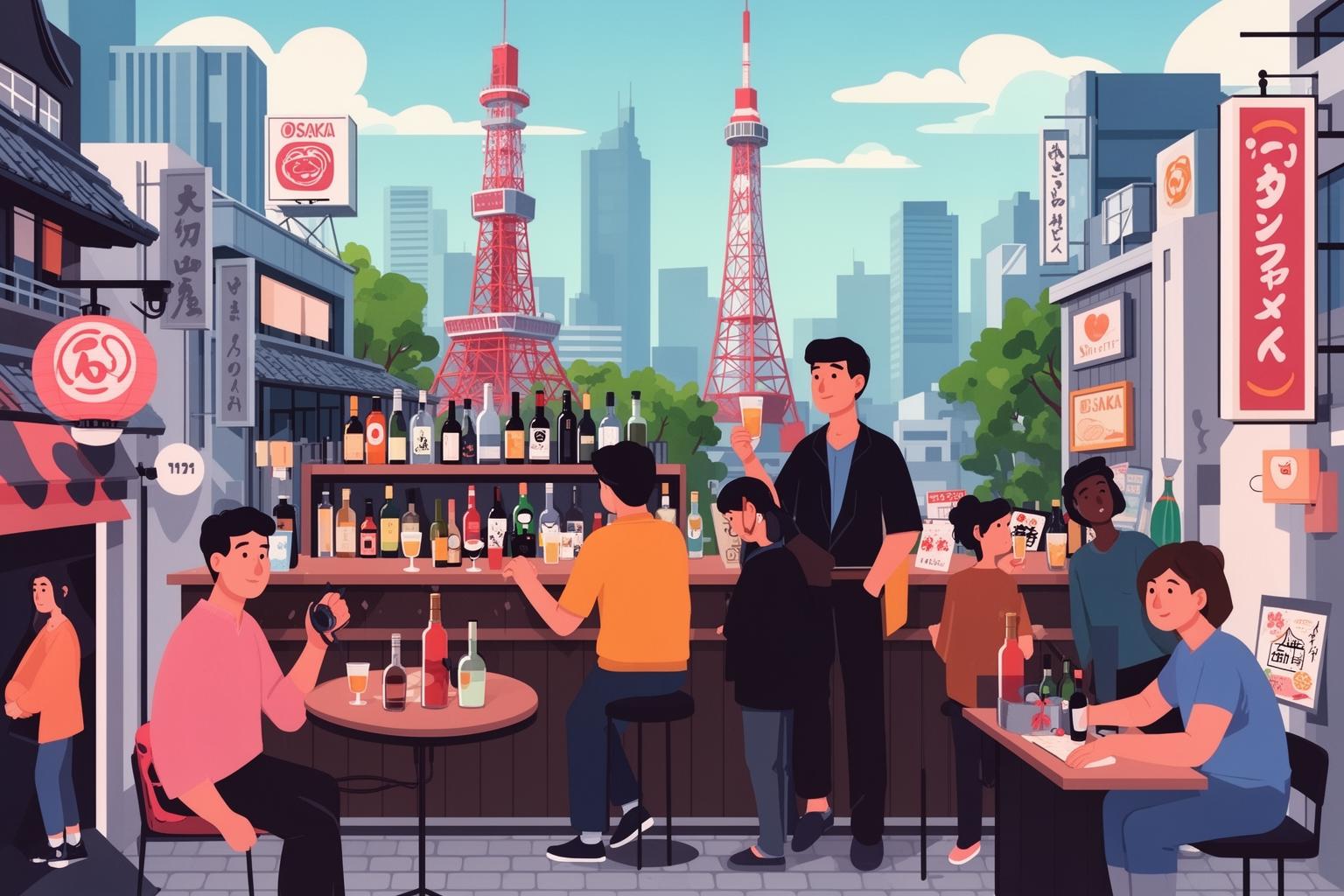
Before you can navigate a tachinomi, you need to understand what it is—and, more importantly, what it isn’t. It’s not a spot for a long, leisurely dinner, nor is it a cocktail lounge for quiet reflection. A tachinomi is a high-turnover, high-energy hub of social lubrication. It’s a transactional space designed for optimal efficiency in serving cheap drinks, tasty food, and human connection. The entire physical and conceptual setup revolves around this idea, creating an environment that feels unmistakably Osaka-style.
A Symphony of Controlled Chaos
The first thing you’ll notice is the space—or rather, the lack thereof. Most tachinomi are tiny, often just a counter separating customers from a small kitchen, with maybe a few high tables bolted to the walls. Space is at a premium, and every inch is put to use. This isn’t poor design; it’s intentional. The closeness is deliberate. You can’t help but be aware of the people next to you. You’ll brush elbows, overhear conversations, and share the same soy sauce dispenser. In Tokyo, this might be considered a social misstep. In Osaka, it’s the heart of the experience. The cramped setting breaks down personal barriers and fosters a shared, communal atmosphere the moment you walk in.
The decor is practical, not decorative. Forget mood lighting and carefully curated playlists. Instead, you’ll find bright, almost clinical fluorescent lights that keep everything visible and honest. Walls are plastered with handwritten paper menus listing daily specials in bold, black calligraphy. Prices are written large and clear. There’s no ambiguity or pretension here. This is a place that prioritizes substance over style. The air is thick with the smell of sizzling oil from the deep fryer, simmering dashi from a bubbling pot of oden, and a faint, sweet mix of stale beer and cigarette smoke—a potent fragrance that defines authentic Japanese nightlife.
The Philosophy of “Satto Nonde, Satto Kaeru”
A common phrase perfectly encapsulates the tachinomi mindset: satto nonde, satto kaeru, meaning “drink quickly, go home quickly.” A tachinomi is a pit stop, a brief pause between the structured workday and the private world of home. The absence of chairs enforces this rule most clearly. You can only stand for so long. This encourages rapid turnover of customers, crucial for a small business dependent on volume. The average visit lasts anywhere from twenty minutes to an hour. You get in, enjoy one or two drinks, a few small plates, and then you leave.
This transient nature shapes the entire social dynamic. Since no one settles in for the long haul, interactions are brief, low-pressure, and often very straightforward. You can strike up a conversation with a stranger knowing that one of you will be gone in half an hour. There’s less social investment needed. It’s a place for a quick, unfiltered dose of social connection before moving on. This philosophy mirrors the merchant spirit that built Osaka: time is money, efficiency reigns, but there’s always space for a brief, human-to-human exchange along the way.
Osaka vs. Tokyo: The After-Work Divide
To fully understand the significance of Osaka’s tachinomi culture, you need to view it in contrast to its counterpart in Tokyo. While both cities boast a lively after-work drinking scene, their underlying philosophies are vastly different. It’s the distinction between a planned social event and an unplanned clash of personalities. This comparison uncovers fundamental insights into how people in each city approach their social and professional lives.
Spontaneity Over Schedules
In Tokyo, going out for drinks is frequently a scheduled occasion. It’s the nomikai (drinking party) with your team, arranged days or weeks ahead. It involves a reserved table at an izakaya where you spend the next two to three hours exclusively with your group. Dropping into a random bar alone is less common, especially in corporate districts. The evening follows a clear beginning, middle, and end.
Osaka moves to a different beat. The tachinomi is the heart of spontaneity. People often come alone. A salaryman might decide on a whim to stop for a quick beer after leaving the station. There’s no planning involved. You see a lively spot, find a small space at the counter, and you’re in. This solo-friendly culture is crucial. It means the bar is not merely a place for existing social groups to gather; it’s where new, temporary social combinations continuously form and dissolve. The bar itself becomes the destination, not the company you keep. This creates an open, fluid atmosphere where the night can take unexpected turns depending on who you happen to stand next to.
The Currency of Conversation
The most striking difference lies in the nature of the conversation. At a Tokyo nomikai, discussions typically extend from the workplace. You talk about projects, navigate hierarchies, and usually stick to your group. Talking to strangers at another table is uncommon and can be seen as intrusive.
In an Osaka tachinomi, the reverse holds true. The default is social interaction with your immediate neighbors. The person next to you isn’t a stranger; they’re a temporary neighbor. The familiar opening line, often delivered by a curious middle-aged man, is inevitable: “Nii-chan/Nee-chan, doko kara kitan?” (Hey kid, where are you from?). This isn’t merely a question; it’s an invitation. It’s a conversational hook to see if you’ll engage. If you do, you’ll soon find yourself in a lively conversation covering anything from your job, to your views on the Hanshin Tigers baseball team, to the merits of the bar’s doteyaki. This embodies the well-known Osaka friendliness. It’s not just passive kindness; it’s an active, participatory, and sometimes nosy curiosity. They genuinely want to connect. To shy away from this is to miss the very essence of the place.
Decoding the Tachinomi Code: An Unwritten Rulebook
While a tachinomi might appear to be a lively free-for-all, there is a clear set of unwritten rules and etiquette that shape the environment. Knowing this code is essential for navigating the experience smoothly and respectfully. These are the mechanics of the culture—the practical insights that distinguish the seasoned local from the confused newcomer.
The All-Mighty Cash on the Counter
Many traditional tachinomi run on a cash-on-delivery system, often referred to as kyasshu on (a Japanized form of “cash on”). Upon arrival, you may notice a small tray or bowl on the counter in front of you. The proper etiquette is to place a 1,000 yen or 5,000 yen bill in the tray. When you order a drink or a dish, the staff will take the exact amount from your tray and return the change. This system is ingeniously efficient. It removes the need to catch the attention of a busy bartender for the bill at the end. You always know precisely how much you’ve spent and can leave whenever you like without any formal closing remarks. It keeps everything flowing smoothly. Always ensure you have enough cash on hand, as many old-school tachinomi do not accept credit cards. This system embodies the tachinomi philosophy: straightforward, transparent, and designed for speed.
Mastering the Menu: What to Order
The food at a tachinomi is as important as the drink, adhering to the same values: quick, affordable, and deeply comforting. These aren’t extravagant culinary dishes; they are a collection of classic Japanese comfort foods, meant to be eaten standing up and paired perfectly with a cold beer or a strong chuhai.
- Doteyaki: This is the iconic Osaka tachinomi dish. It is a slow-simmered stew of beef sinew and konjac jelly in a rich, sweet miso broth. It’s tender enough to melt in your mouth and bursting with umami. You’ll often spot a large pot of it simmering on the counter.
- Kushikatsu: These are deep-fried skewers of meat, vegetables, and seafood. A specialty of the Shinsekai district, but a staple across tachinomi spots citywide. The crucial rule here is no double-dipping. You dip your skewer into the communal pot of thin, dark sauce once at the start. If you need more sauce, use a piece of the complimentary cabbage to scoop it and drizzle over your skewer. Breaking this rule is considered the ultimate faux pas.
- Oden: A winter favorite, but commonly available year-round. It consists of various ingredients like daikon radish, boiled eggs, fish cakes, and tofu, simmered for hours in a light, savory dashi broth. Simply point to what you want, and the staff will retrieve it for you. It’s warm, comforting, and very affordable.
- Simple Sides: Look out for staples like potesara (potato salad, often guarded closely as a house special), shio-kara (fermented squid), or straightforward plates of fresh sashimi. These are quick snacks that require minimal prep from the busy kitchen crew.
The Art of Social Navigation
Moving through the physical and social space takes some finesse. When you arrive at a crowded bar, don’t wait to be seated. Search the counter for any small opening. Even a spot that seems tight might work. Make eye contact with the person you’re about to squeeze next to and give a slight nod or small gesture meaning, “Is it okay if I slide in here?” They will almost always shift over to create room. This is your first step into the temporary community.
When ordering, be direct but patient. The staff manage numerous requests at once. Wait for a pause, make eye contact, and call out your order clearly. A simple “Nama hitotsu!” (One draft beer!) works perfectly. When your food or drink arrives, offer a brief nod of thanks. Be considerate of your space. Keep bags and coats tucked in and avoid spreading out. You’re sharing this space, and spatial awareness is a sign of respect. When ready to leave, simply say “Gochisousama!” (Thank you for the meal!), collect your change from the tray, and leave. It’s a neat, straightforward exit.
The Soul of the City in a Glass
The tachinomi is more than just a trend or a type of bar; it is a living cultural institution. It directly reflects Osaka’s history, its economic forces, and the character of its people. To understand why this culture is so deeply rooted in Osaka—unlike in Tokyo or Kyoto—is to understand the city itself. It’s where commerce, community, and communication converge.
Why Tachinomi Thrives in Osaka
Osaka has long been known as Japan’s kitchen and its merchant capital. This heritage has fostered a deeply ingrained pragmatism and a keen eye for value. Osakans are famously attentive to kosupa, or “cost performance.” They seek the most value for their money, and tachinomi perfectly captures this mindset. It removes extraneous frills—such as seats, fancy decor, and elaborate service—and focuses on the essentials: good, affordable food and drink. This economic model directly appeals to the local way of thinking.
Moreover, Osaka society has historically been less rigid and hierarchical than the samurai-dominated culture of Tokyo (formerly Edo). The merchant class prized direct communication, quick wit, and the ability to build rapport. This evolved into a modern culture that is more open, straightforward, and less concerned with formalities. Tachinomi bars serve as social spaces where these values come to life daily. A company president might stand next to a construction worker, and within the bar, they are equals—the conversation acting as the great equalizer. This egalitarian spirit is much rarer in the more stratified social environments of other cities.
Finding Your Local: From Umeda’s Labyrinths to Tenma’s Alleys
You don’t need a “top 10” list of tachinomi to experience the culture. The charm lies in their ubiquity. Still, different neighborhoods offer distinct flavors of the experience.
- Umeda’s Ekimae Buildings: The maze-like basements of the four Osaka Ekimae Dai-ichi, Dai-ni, Dai-san, and Dai-yon buildings are a salaryman’s paradise. This extensive network of dozens of tachinomi and cheap eateries fills up from 5 PM on, buzzing with a fast-paced, efficient, and overwhelmingly local vibe.
- Tenma: Centered around one of Japan’s longest shopping arcades, Tenma is a sprawling playground of food and drink. Tachinomi are abundant here, often spilling out onto the streets. The crowd spans all ages, and the atmosphere resembles a never-ending festival more than a typical commute home.
- Kyobashi: This grittier, old-school area feels like a place where tachinomi have remained unchanged for decades. It’s rough around the edges but incredibly authentic—an excellent spot to witness the culture in its purest form.
- Namba and Shinsekai: While Shinsekai is known for its kushikatsu restaurants (many with standing bars), the backstreets of Namba hide countless gems. These neighborhoods blend locals and tourists, providing a slightly more approachable entry into the world of tachinomi.
A Foreigner’s First Foray: Your Action Plan
Reading about the culture is one thing; actually immersing yourself is another. It can still feel intimidating. But with the right mindset and a simple plan, you can confidently take your first step into the wonderful world of Osaka tachinomi.
Step One: Choose Your Arena
For your first visit, avoid the most crowded or intense-looking spots. Look for a tachinomi that is well-lit and where the counter is clearly visible from outside. Perhaps one with a few younger people or women inside, as this can sometimes suggest a more relaxed atmosphere. A place featuring picture menus or clearly marked prices can also help ease the anxiety of ordering. The goal is to set yourself up for success.
Step Two: The Opening Gambit
Walk in, find a small space, and give a friendly nod to your new neighbor. Place your 1,000 yen coin or bill in the tray. Don’t stress over the menu. Start simple. Make eye contact with the bartender and say, “Nama hitotsu, onegaishimasu” (One draft beer, please). It’s the universal starting point. When your beer arrives, take a moment to look around, observe what others are eating, and build your confidence for the next order. Pointing is perfectly fine. Point at that tasty-looking plate of doteyaki and say, “Kore, hitotsu” (One of these). You’re now officially participating.
Step Three: Embrace the Banter
When the inevitable “Where are you from?” question arises, see it as a friendly opening. Smile and answer simply, “Amerika kara kimashita” (I’m from America). Fluency isn’t necessary. Simple words, gestures, and a positive attitude go a long way. Ask a question in return, like “Osusume wa nan desu ka?” (What do you recommend?). People love to share their knowledge, especially about food. Showing genuine curiosity turns you from just a foreigner in a bar into a welcomed guest. You’ll be surprised how quickly the conversation flows, how generous people can be, and how a simple standing bar can suddenly feel like the most inviting place in the world. This is the magic of the tachinomi. It’s more than a bar—it’s the city of Osaka with open arms, offering you a drink, a bite to eat, and a story to share.