Hola, my fellow adventurers and dreamers! It’s Sofia, coming to you straight from the heart of Kansai, the electric, unbelievable city of Osaka. When I first planned my move here, my DMs were flooded with questions. “Sofia, isn’t Japan crazy expensive?” “How are you going to afford living in a city like Osaka?” I’ll admit, I had those same little butterflies of budget anxiety fluttering in my stomach. We all see the stories about Tokyo’s high prices and imagine living on instant noodles just to get by. But let me tell you a secret, a beautiful, vibrant, life-changing secret that the glossy travel brochures often miss. It’s a secret that smells like freshly grilled yakitori, sounds like the cheerful chatter of neighborhood grandmas, and feels like the warm embrace of a community. I’m talking about the soul of Osaka’s daily life: the ‘Shotengai’, the traditional covered shopping arcades. These are not just places to shop; they are magical, covered arteries of culture and commerce that pulse with the true beat of the city. Forget the sterile, fluorescent-lit aisles of corporate supermarkets for a moment. I’m here to take you on a journey down these bustling, character-filled lanes and show you how embracing the Shotengai lifestyle can drastically lower your daily living costs, all while immersing you in the most authentic Japanese experience you could ever imagine. This isn’t just about saving yen; it’s about living a richer, more connected, and ridiculously delicious life. It’s the ultimate Osaka life hack, and I can’t wait to share it with you!
To truly immerse yourself in the community spirit of Osaka, consider extending your cultural exploration from the bustling shotengai to the relaxing and social world of Osaka’s sento culture.
Unveiling the Magic: What Exactly is a Shotengai?
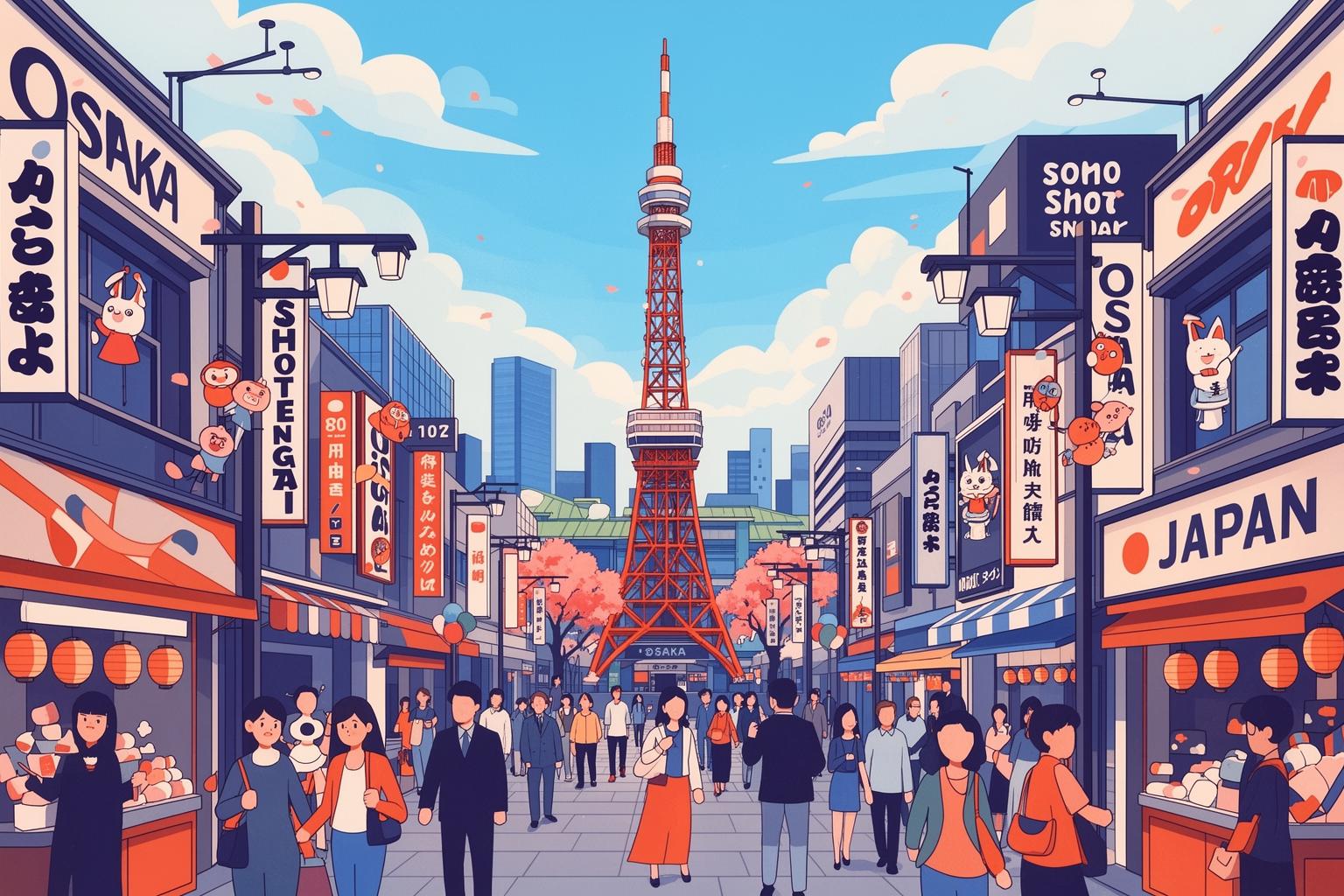
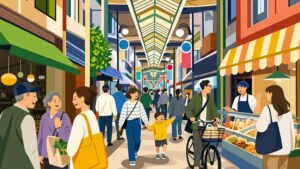
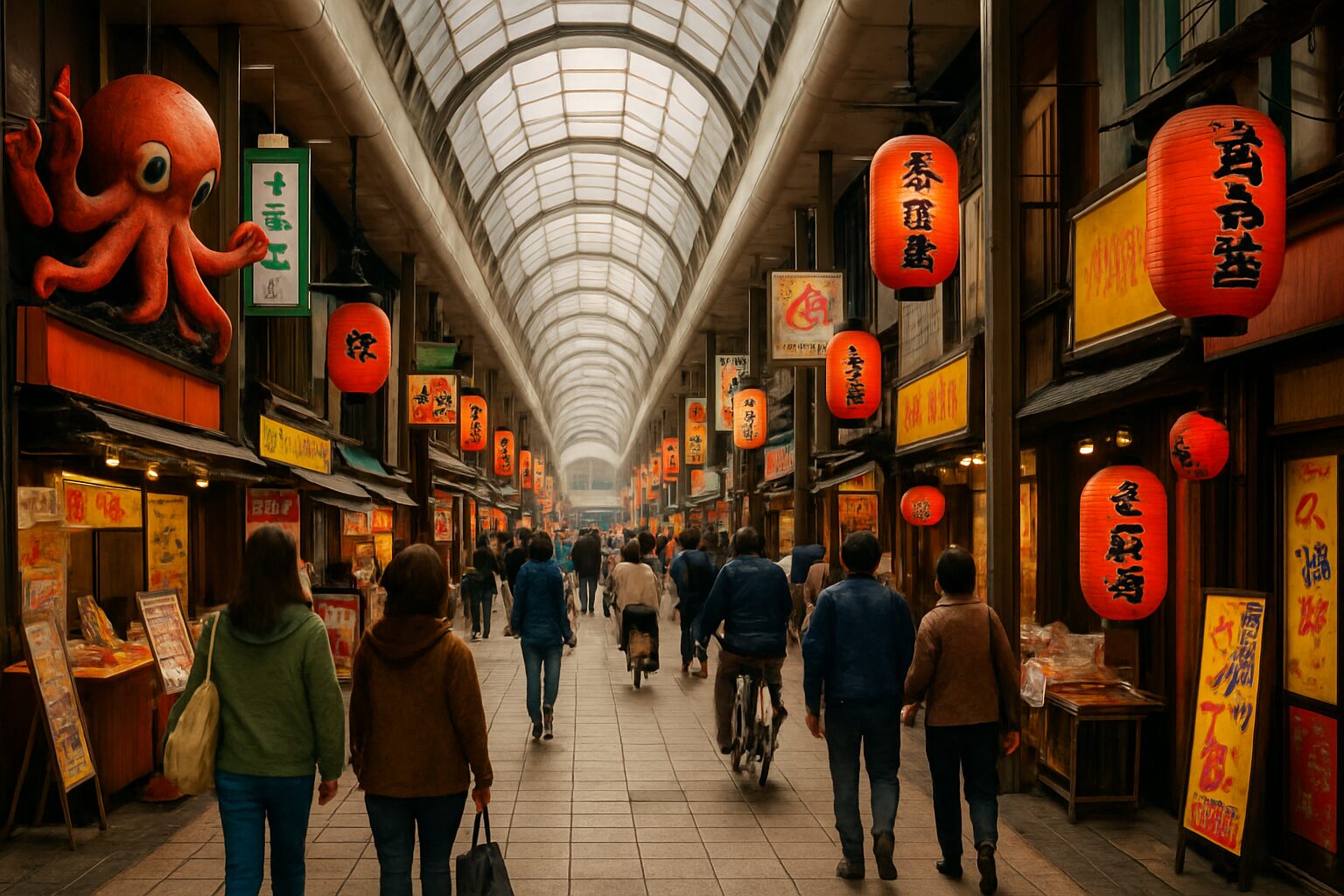
Before we delve into the details of cutting the budget, let’s set the scene. Picture a long, pedestrian-only street, sheltered from rain and the blazing summer sun by an arched roof. This roof is not only functional but also creates a distinctive atmosphere—an indoor-outdoor city street that feels like an ongoing festival. Upon entering, your senses are instantly delighted. The air carries a rich blend of aromas: the sweet, soy-sauce glaze of grilled eel from one shop, the warm scent of freshly baked bread from another, the crisp, oceanic fragrance of a fishmonger’s morning catch, and the earthy smell of daikon radishes and leafy greens piled high at a greengrocer. It’s a culinary medley that reflects the neighborhood’s everyday meals.
The sounds are equally lively. You’ll hear the steady clang of a butcher’s knife, the sizzle of tempura dropping into hot oil, the cheerful, almost melodic calls of shopkeepers shouting “Irasshaimase!” (Welcome!) to every passerby, and the soft hum of bicycles, the favored mode of transport for local shoppers. Unlike the quiet, impersonal atmosphere of a modern mall, a shotengai pulses with human connection. Elderly friends catch up on benches, mothers with children decide on dinner, and shop owners lean out of their stalls to chat with regulars. These are not just commercial areas; they serve as the community’s living rooms, where life unfolds with all its messy, beautiful, and delicious moments. The shops themselves offer a fascinating mix of old and new. A tiny, family-run tea shop that has stood for a century may sit beside a modern drugstore with bright displays. You’ll find specialty stores for nearly everything: a tofu maker, a kimono fabric shop, a seaweed vendor, a cramped bookstore stacked to the ceiling, and, naturally, essential greengrocers, butchers, and fishmongers. This is the opposite of a one-stop megastore; it’s a celebration of specialization, quality, and the human touch.
The Great Grocery Showdown: Shotengai vs. The Supermarket
Alright, let’s get straight to the point. How does this charming scene actually convert into real, tangible savings? This is where the magic truly happens. I was skeptical at first as well. I was accustomed to the convenience of tossing everything into one cart at a large supermarket. But after a month of comparing receipts, I became a wholehearted Shotengai believer, and my wallet has never been happier. The secret lies in a mix of direct sourcing, low overhead costs, and fierce yet friendly competition.
The Freshest Picks: Produce, Meat, and Fish
The foundation of daily savings comes from fresh groceries. In a typical Japanese supermarket, especially the upscale ones in department store basements, you’ll find impeccably packaged, flawless produce that often carries a steep price. A single apple might be shrink-wrapped and cushioned, looking more like a piece of jewelry than a snack. In the shotengai, it’s a completely different experience.
Head over to a yaoya, the local greengrocer. Here, fruits and vegetables are heaped in wicker baskets or simple wooden crates, sold loose, and priced for everyday budgets. You’ll find massive daikon radishes for a fraction of supermarket prices, bags of onions or potatoes for just 100 yen, and seasonal fruits bursting with flavor because they were likely harvested only a day or two prior. These shop owners are experts. They maintain close relationships with local farmers and personally pick the best produce early each morning at the central wholesale market. This direct farm-to-shop connection cuts out middlemen, and those savings are passed directly to you. My local yaoya owner, Tanaka-san, now understands my cooking preferences. He’ll point to a bunch of spinach and say, “This one is perfect for ohitashi today!” or give me a slightly bruised tomato for free because he knows I’m making sauce. That kind of service and connection is something you simply don’t get from pre-packaged vegetable aisles.
Then there’s the sakanaya (fishmonger) and the nikuya (butcher). The fish at the sakanaya is unbelievably fresh. You can see the day’s catch laid out on ice, gleaming under the lights. You can buy exactly the amount you need, whether that’s a single salmon fillet for dinner or a few shrimp for stir-fry. They’ll clean and prep the fish right there and offer cooking advice. Prices are often 20-30% lower than the vacuum-sealed options at supermarkets. The butcher offers a similar experience. Instead of mystery trays of ground meat, you can talk to the butcher, have them grind a specific cut, and get recommendations on the best cuts for dishes like nikujaga (meat and potato stew) or tonkatsu (pork cutlet). The quality is excellent, and prices are designed for families and daily cooking, not occasional treats.
The Ultimate Life Hack: Sozai and the Art of the Effortless Meal
This, my friends, is perhaps the greatest secret to saving both money and time while living in Osaka. The sozai-ya, or delicatessen, is a treasure chest of pre-cooked dishes that will bring tears of joy. After a long day of work or sightseeing, the last thing you want is to cook a complicated meal from scratch. In the West, the alternative tends to be expensive and unhealthy takeout. In Osaka, the alternative is a delicious, home-style, and incredibly affordable feast from the shotengai.
As evening falls, these shops spring to life. Display cases fill with an astonishing variety of foods. You’ll find golden-brown korokke (potato and meat croquettes) for less than 100 yen each, skewers of mouthwatering yakitori (grilled chicken) at similar prices, and piles of crispy tempura, featuring everything from shrimp and fish to sweet potato and lotus root. There are beautiful simmered vegetables, assorted salads with sesame or tofu dressing, grilled fish, fried chicken karaage, and even full bento boxes that cost a fraction of convenience store meals and taste a thousand times better. You can easily put together a balanced, satisfying dinner for two for under 1000 yen (about $7-8 USD). Just pick up a main dish, a couple of vegetable sides, and some rice, and you have a perfect meal in minutes. Plus, many shops offer “time sales” late in the evening, usually an hour or two before closing, where everything is discounted further. It’s a win-win: you get an inexpensive dinner, and the shop reduces food waste. This habit has completely transformed my weekday meals and saved me a fortune I might have otherwise spent on restaurants or costly ingredients I was too tired to cook.
A Tale of Many Arcades: Exploring Osaka’s Shotengai Jewels
Not all shotengai are made the same. Each one possesses its own distinct personality, history, and specialty. Getting to know them is like exploring different neighborhoods and discovering various facets of Osaka itself. While your local neighborhood shotengai will become your daily lifeline, venturing into the city’s more famous arcades is an adventure in its own right.
Tenjinbashisuji: The Marathon of Markets
Get ready for an epic experience with Tenjinbashisuji Shotengai. Stretching an impressive 2.6 kilometers, it holds the distinction of being the longest shopping arcade in Japan. Walking its full length is a journey—a pilgrimage through the core of Osakan commerce and culture. It’s so extensive that it spans several subway stations, starting near Tenjimbashisuji 6-chome Station and ending near Tenmangu Shrine. This isn’t a quick visit; it’s an all-day affair. The atmosphere here captures the essence of Osaka: loud, lively, and unapologetically down-to-earth. The arcade is divided into numbered sections, or chome, each with its own unique vibe.
You’ll find everything imaginable here. Seriously, everything. There are popular stands serving irresistibly cheap and delicious croquettes that always attract lines. Historic tea shops let you sample and purchase artisanal green tea. Numerous drugstores compete fiercely, ensuring fantastic deals on Japanese cosmetics and daily essentials. Old-school kissaten (coffee shops) offer retro-style breaks, pachinko parlors dazzle with lights and sounds, and shops sell everything from traditional geta sandals to quirky phone cases. The clothing stores cater to bargain hunters with incredibly cheap basics, comfortable everyday wear, and sometimes delightfully odd Engrish t-shirts. The food variety is my favorite part—you can nibble your way from one end to the other, tasting takoyaki, sushi, taiyaki (fish-shaped cakes filled with sweet pastes), and much more, all for just a few hundred yen each. Visiting Tenjinbashisuji is not just shopping; it’s a full cultural immersion and a masterclass in bargain hunting.
Kuromon Ichiba: Osaka’s Majestic Kitchen
Kuromon Ichiba is renowned as “Osaka’s Kitchen,” a vibrant market that draws many tourists. You’ll see crowds snapping photos of giant crab legs and sampling grilled scallops on sticks. Because of this, some prices skew higher, catering to tourists. However, dismissing Kuromon as just a tourist trap would be a huge mistake. For more than a century, this market has been where the city’s top chefs and discerning home cooks go to find the very best ingredients, and that tradition remains strong. The trick is to learn to shop here like a local.
Ignore the flashy storefronts selling single pieces of premium tuna sushi at tourist prices. Instead, watch where the locals go. They frequent fishmongers buying whole fish to take home, visit specialty pickle shops (tsukemono-ya) to stock up on giant vats of pickled daikon and cabbage—staples of the Japanese diet—and stop by fruit stands run by families for generations, offering seasonal, gift-quality melons and strawberries that are still better and cheaper than those in department stores. The seafood quality here is unmatched. If you’re planning a special meal like hot pot or sushi night at home, this is the place to splurge on ingredients that will elevate your cooking. My tip is to visit early in the morning to witness chefs doing their daily shopping and focus on raw ingredients rather than ready-to-eat tourist snacks if you want real value.
Sennichimae Doguyasuji: The Culinary Creator’s Paradise
For anyone setting up home in Osaka, Doguyasuji is an essential destination. Located in the bustling Namba area, this entire shotengai is devoted to one thing: everything related to food preparation and service. Often called “Kitchenware Street,” it’s a paradise for professional chefs and amateur food lovers alike. Here, you can equip your entire kitchen for a fraction of the cost at trendy home goods stores.
The savings are substantial since many shops sell near wholesale prices. You’ll find high-quality Japanese knives ranging from starter Santoku blades to specialist knives at incredible prices. The pottery selection is phenomenal, with beautiful, unique ceramic bowls, plates, and tea cups that make every meal special, priced just a few hundred yen each. Need a rice cooker? There are dozens of models. A takoyaki grill for your apartment party? Absolutely. Wondering where restaurants get those incredibly realistic plastic food models (shokuhin sampuru)? They’re here, making delightfully quirky souvenirs. You’ll also find professional-grade pots, pans, bamboo steamers, elegant chopsticks, and everything in between. By investing in quality tools from Doguyasuji, you’ll be inspired to cook at home more often—the ultimate way to save money on food. It’s a practical, inspiring, and uniquely Osakan shopping experience.
The Heartbeat: Your Local Neighborhood Shotengai
While the grand, famous arcades are fantastic destinations, the true everyday magic happens in the smaller, lesser-known shotengai winding through residential neighborhoods all across the city. This is where the sense of community genuinely comes alive. My own local shotengai near my apartment isn’t in any guidebook. It’s a modest, short street, but it’s my daily lifeline.
Here, the butcher knows I prefer my chicken thighs deboned. The tofu shop owner always asks how my Japanese studies are going. The baker gives me a free pastry when I buy my morning bread. This human connection transforms simple shopping into a meaningful social experience. Prices here cater to local residents, not tourists, so you’re assured a fair deal. These arcades often host local festivals, or matsuri, complete with paper lanterns, game stalls for kids, and special food stands. It’s a place where you truly feel you belong. Discovering and embracing your own local shotengai is the final step to genuinely living in Osaka, not just visiting. It’s how you go from outsider to part of the neighborhood fabric. It’s where you practice your Japanese, make your first local friends, and find a comforting routine and sense of belonging in a new country. This, more than any money saved, is the real treasure that shotengai offer.
More Than Money: The Cultural and Social Richness
It’s important to recognize that the value of the shotengai goes far beyond just your bank account. When you choose to spend your money here, you’re engaging in a beautiful and essential part of Japanese culture. You’re supporting small, family-run businesses that have been handed down through generations. These shopkeepers act as guardians of tradition, maintaining culinary techniques and a lifestyle continually threatened by the rise of giant, impersonal chain stores and shopping malls. Every yen you spend in a shotengai is a vote in favor of community, craftsmanship, and the preservation of local identity.
These arcades serve as social safety nets. They offer the elderly a chance to ease loneliness through daily conversations with shopkeepers. They provide safe spaces where children can run errands for their families. They nurture a sense of mutual support and familiarity that’s becoming increasingly rare in our impersonal modern world. Simply buying your daily groceries becomes an opportunity for connection. The advice from the fishmonger, the extra potato the greengrocer includes as an omake—a small gift to say thank you—the warm smile from the bento shop owner—these little acts of kindness add up and deeply enrich your daily life. It’s a slower, more mindful, and more human way of living. This is the intangible value, the emotional return, you receive from embracing the shotengai lifestyle.
Your Guide to Shotengai Success: First-Timer Tips
Ready to dive in? It might feel a bit overwhelming at first, but with a few tips, you’ll soon be navigating the arcades like a seasoned local.
First, and this is important: bring cash. Although Japan is gradually embracing more digital payments, many small, family-run stalls in the shotengai remain cash-only. Having a mix of coins and small bills will keep transactions smooth and simple. Second, bring your own reusable shopping bag, known here as your “my bag” (mai baggu). It’s not only eco-friendly but also practical since some smaller shops might not provide bags or may charge a small fee for one.
Feel free to take your time and just browse—there’s no pressure to buy. The shopkeepers appreciate you looking around and soaking in the atmosphere. A friendly nod and smile go a long way. If you want to purchase something, pointing and saying “Kore o kudasai” (This one, please) works perfectly. To ask the price, say “Ikura desu ka?” (How much is it?). And always, always finish with a cheerful “Arigatou gozaimasu!” (Thank you very much!). Your effort to speak even a little Japanese will be warmly welcomed and open the door to friendlier interactions.
Pay attention to the rhythm of the day. Mornings are for serious grocery shoppers. Midday tends to be quieter. Late afternoon and early evening are when the arcades come alive as people stop by on their way home from work to pick up dinner. This is also the best time to find amazing end-of-day sales on prepared foods. Embrace the flow, and you’ll discover the optimal times to find what you need.
The Heartbeat of Your Osaka Life
Living in Osaka has been one of the most extraordinary experiences of my life, and I can genuinely say that the shotengai have been at the very heart of it. They offer much more than just an affordable shopping alternative. They serve as a classroom to learn about Japanese food and culture. They act as a stage for the everyday theater of life. They function as a community hub that welcomes you warmly. By stepping into these covered arcades, you are stepping into the true Osaka. You are choosing a path that leads to a more affordable, tastier, and more connected way of life. So, leave behind the sterile aisles of the supermarket. Grab your tote bag, some cash, and an open heart, and get lost in the wonderful, chaotic, and life-affirming world of your local shotengai. It will not only save you money but will also nourish your stomach, your curiosity, and your soul.