Welcome to the electric heart of Osaka, a place where reality feels dialed up to a thousand. This is Dotonbori, a dazzling, dizzying, and delicious canal-side district that serves as the city’s vibrant soul. It’s more than just a tourist destination; it’s a living testament to Osaka’s most cherished philosophy: kuidaore, or to eat until you drop. Here, beneath a canopy of gargantuan, glittering neon signs, the air thrums with an energy that is uniquely Osakan—boisterous, unpretentious, and utterly intoxicating. It’s a sensory carnival, a place where giant mechanical crabs wave their claws, a legendary runner sprints eternally across a digital finish line, and the scent of sizzling street food hangs in the air like a delicious promise. For anyone looking to understand what makes Osaka tick, to truly feel its pulse, a journey into the brilliant chaos of Dotonbori is not just a suggestion, it’s an absolute necessity. But navigating this neon jungle requires a bit of savvy. It’s about knowing where to look beyond the obvious, how to sidestep the tourist traps, and where to find the authentic flavors that have defined this district for centuries. So, grab your appetite and your sense of adventure, because we’re diving deep into the dazzling reality of Dotonbori.
To further explore the surrounding area, consider reading our guide to the vibrant Namba neighborhood.
The Vibe: A Symphony of Sights, Sounds, and Smells
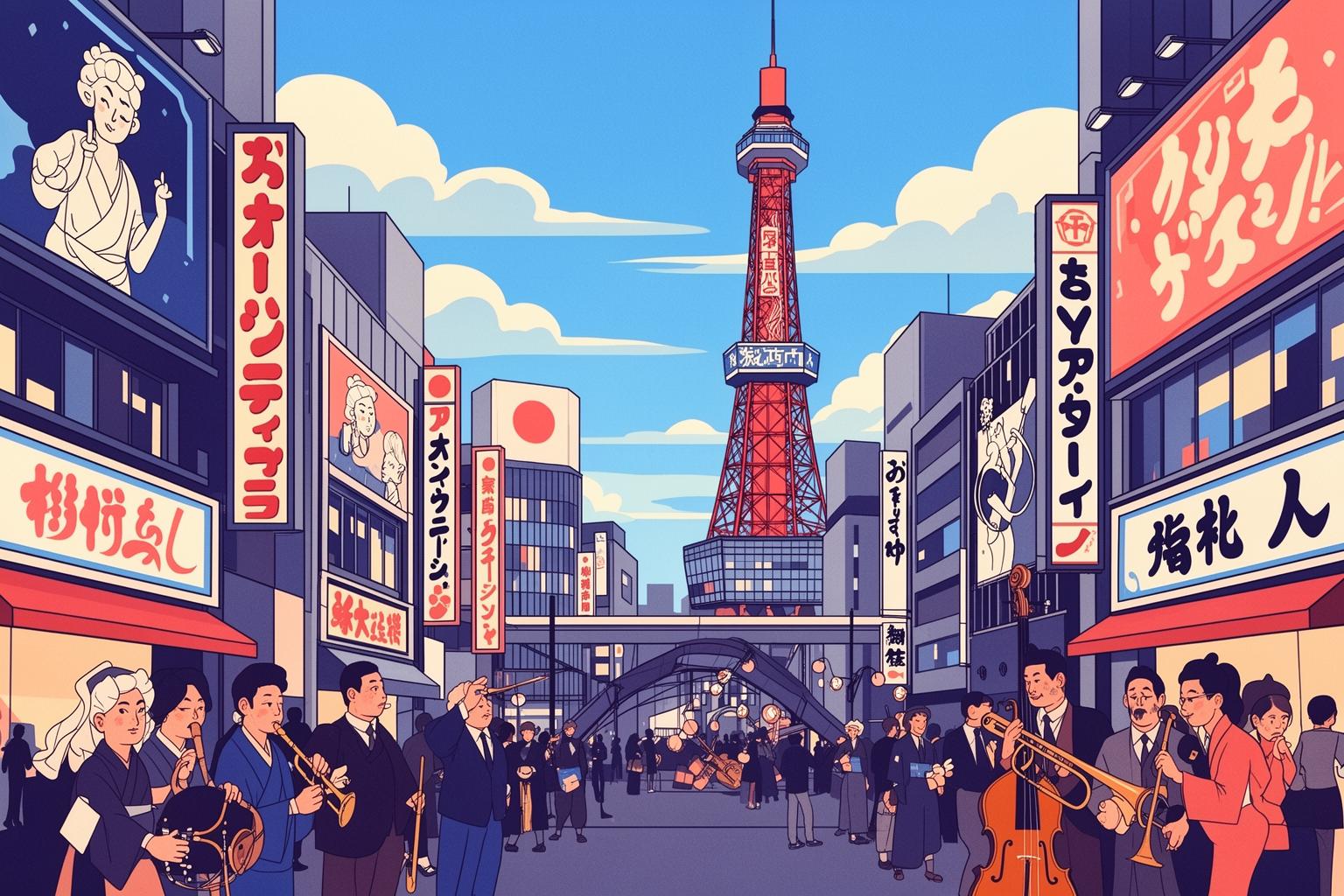
Entering Dotonbori for the first time is an immersive experience that engages your entire body. It’s a sensory overload in the most extraordinary way imaginable. Your senses are instantly drawn in, pulled in multiple directions simultaneously. To begin with, there are the sounds. It’s a rich, complex soundscape that characterizes the area. You’ll hear the rhythmic calls of street vendors beckoning to passersby, their voices a melodic and insistent invitation to sample their offerings. Listen for the hiss of batter sizzling on hot iron plates, the sharp crackle of oil as skewers of kushikatsu are dipped in, and the gentle simmering of hearty ramen broths. Blended into this culinary symphony is the upbeat pulse of J-pop music spilling from shops, the clatter of pachinko balls in parlors, and the collective murmur of thousands of people—a mix of excited tourists snapping photos, locals enjoying the evening, and friends laughing over shared dishes. It’s a lively sound, a constant buzz of human energy and culinary delight that never seems to fade, only shifting in volume as day turns to night.
Next, there are the aromas. The air in Dotonbori is thick with the enticing scent of food crafted with passion and style. The most prominent aroma is unmistakably that of takoyaki, the city’s iconic octopus balls. It’s a warm, savory blend of dashi-infused batter mingling with the sweet and tangy flavors of takoyaki sauce and Japanese mayonnaise, accented by the sharp freshness of green onions and pickled ginger. This fragrance wafts from countless stalls, each with its own unique twist, creating an invisible map of temptation. But the scent journey doesn’t end here. You’ll catch the smoky, savory aroma of okonomiyaki sizzling on a teppan grill, the deep, meaty notes of pork bone broth from ramen shops, and the briny, sea-infused smell of crab legs grilling over charcoals. A sweet contrast drifts from nearby crepe stands, carrying the scent of caramelized sugar and fresh fruit, or the gentle, comforting fragrance of sweet red bean paste in freshly made taiyaki. It’s a perfume unique to Dotonbori, a constant reminder that you’re in Japan’s culinary heartland.
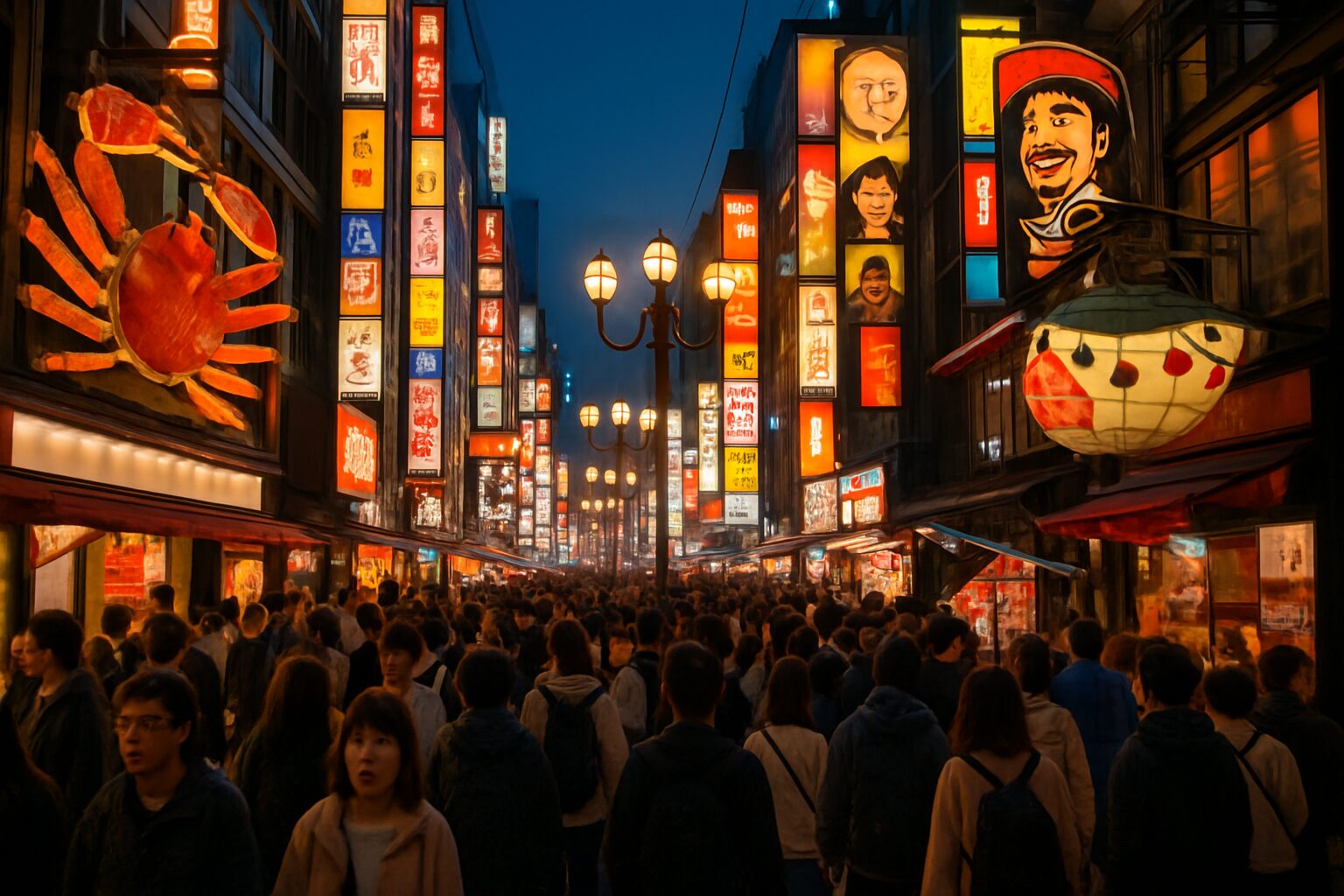
The visuals, naturally, are what have made Dotonbori internationally renowned. By day, it’s a bustling, crowded street scene, with its oversized 3D signboards—a giant hand clutching a piece of sushi, a massive gyoza dumpling, a fierce dragon—all vying for your attention. But it’s at night that Dotonbori truly comes alive, transforming into the neon spectacle it is famous for. When the sun sets, the district bursts into a dazzling riot of color. The iconic Glico Running Man sign brightens the sky, its vivid blues, reds, and whites reflecting in the dark waters of the Dotonbori canal. The Kani Doraku crab sign animates, its mechanical legs and claws moving in a slow, mesmerizing rhythm. Hundreds of smaller signs, lanterns, and digital billboards flicker and flash, washing the entire area in a surreal, futuristic glow. The reflection of this neon display on the canal’s surface creates a stunning, kaleidoscopic effect, doubling the visual impact. Strolling along the canal promenade at night feels like walking into a scene from a sci-fi film, a place where energy is palpable, crackling in the air and shimmering on the water.
Decoding the Neon Jungle: The Iconic Landmarks
While the entire district offers a visual feast, several landmarks have become emblematic of both Dotonbori and Osaka itself. These are not merely advertisements; they are cultural icons, cherished symbols of the city’s vibrant character.
The Glico Running Man
Towering over the Ebisubashi Bridge is the Glico Running Man. More than just a sign, it serves as a cultural landmark. First installed in 1935, the sign depicts a runner crossing the finish line triumphantly, symbolizing the health and vitality associated with Glico confectionery products. Over the decades, the sign has been updated multiple times, with the current version featuring a dazzling LED display that shifts backgrounds day and night, showcasing famous landmarks from around the world. It has come to represent Osaka’s unstoppable energy and progress. The Ebisubashi Bridge is the classic spot for photos, where countless visitors strike the runner’s pose—one leg forward, arms raised in victory—a rite of passage for anyone visiting. For the best view, stand in the middle of the bridge, but be ready for crowds; for a quieter vantage point, try the riverside walkways along the canal. This sign means more than candy; it’s a beacon of optimism and a cherished memory in the hearts of the Japanese.
Kani Doraku’s Giant Mechanical Crab
Equally famous is the massive mechanical crab clinging to the facade of the Kani Doraku restaurant. This huge red crustacean, with moving legs and claws, is impossible to overlook. Installed in the 1960s, it was a groundbreaking piece of advertising at the time and perfectly embodies Osaka’s love for bold, theatrical marketing. The sign instantly communicates the restaurant’s specialty: crab prepared in every imaginable way. It exemplifies Osaka’s kanban culture, where signs serve as both information and entertainment. The crab has become such a landmark that it often acts as a meeting place for locals and tourists alike. Its slow, lifelike movements are both captivating and a bit surreal, fitting perfectly with Dotonbori’s whimsical atmosphere.
Cui-daore Taro
Standing proudly before the Nakaza Cui-daore Building is Cui-daore Taro, a cheerful clown figure wearing glasses and endlessly beating his drum. His name represents the Dotonbori philosophy of kuidaore: “eat until you drop.” Originally the mascot for a now-closed restaurant of the same name, Taro remained beloved by Osakans and was preserved as a permanent district symbol. Dressed in red-and-white stripes, he personifies the city’s fun-loving and slightly quirky spirit. More than a figure, he is a piece of living history, symbolizing the district’s enduring dedication to food and festivity. Visitors often pause for photos, accompanied by the steady, cheerful beat of his drum, contributing to Dotonbori’s lively soundtrack.
These giant signs, or kanban, are far beyond mere advertisements. They represent public art and an expression of Osaka’s commercial and creative energy. In contrast to the more restrained aesthetics seen in Kyoto or Tokyo, Osaka’s style is loud, proud, and bold, designed to capture your attention and bring a smile. From the giant pufferfish lantern of Zuboraya to the fierce dragon of Kinryu Ramen, these signs create an immersive, theme-park-like experience, turning a simple stroll into an adventure.
Kuidaore Culture: The Heartbeat of Dotonbori
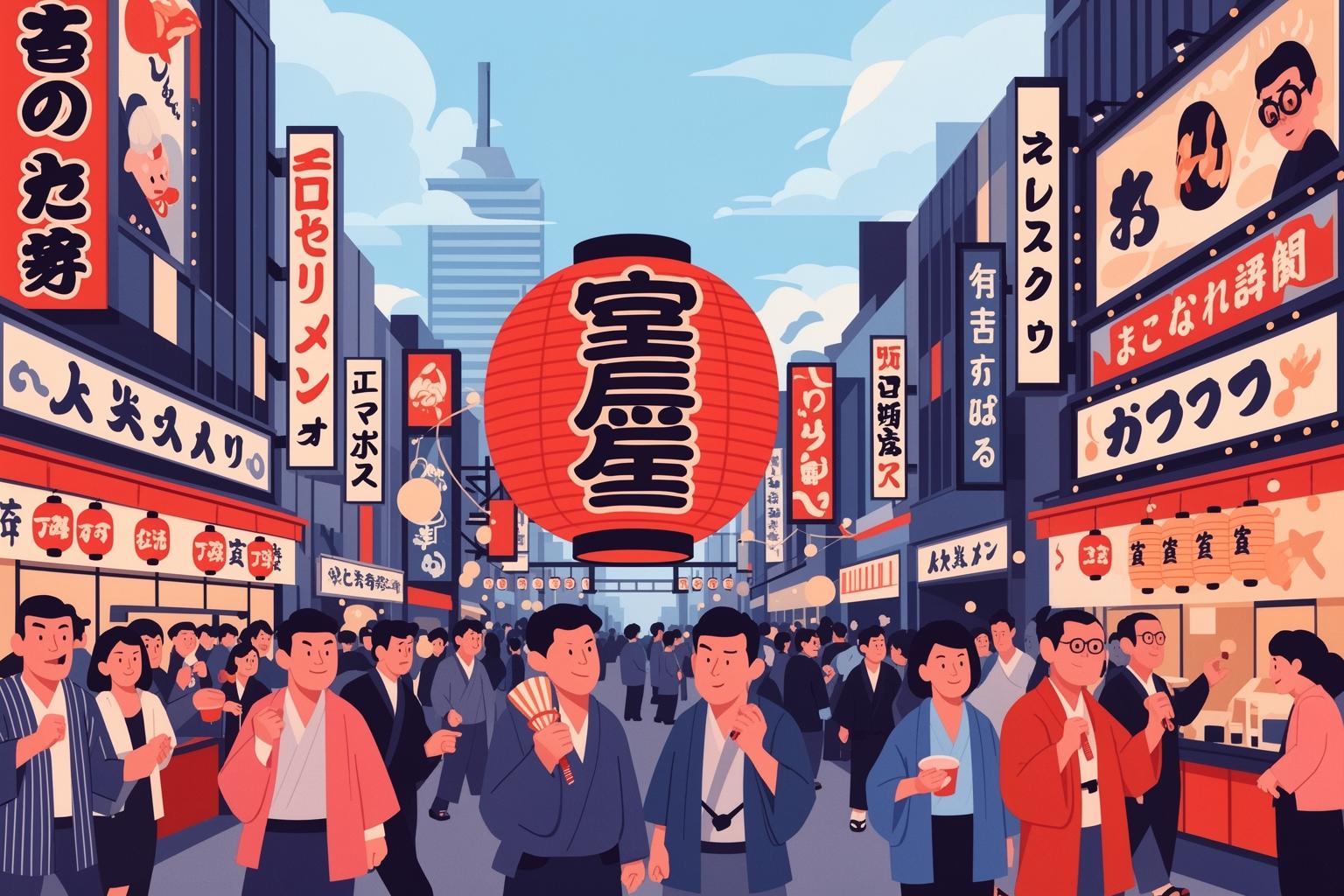
The true reason Dotonbori exists—the very core of its identity—is food. Here, the principle of kuidaore is embraced to its magnificent extreme. It’s a place designed for indulgence, encouraging you to sample a bit of everything. The streets are filled with an astounding array of dining options, ranging from tiny street food stalls to multi-story restaurants, each focusing on a specific Osakan delicacy. To fully experience Dotonbori, you must eat your way through it.
Takoyaki: The Iconic Osaka Street Food
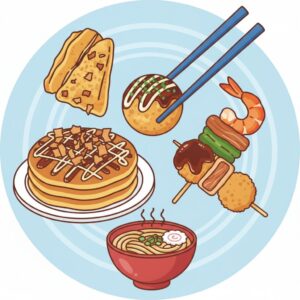
You can’t walk ten feet in Dotonbori without encountering the aroma or sight of takoyaki. These savory batter balls filled with diced octopus are the undisputed kings of Osaka street food. Watching their preparation is a show in itself. Chefs stand over special cast-iron pans filled with hemispherical molds, skillfully pouring in dashi-flavored batter, adding a piece of octopus, then quickly and precisely flipping the balls with a small metal pick until they’re perfectly round and golden brown. The classic Dotonbori style boasts a crispy outer shell with a molten, almost creamy center. They’re usually served in small, boat-shaped paper trays, slathered with a sweet and savory takoyaki sauce, drizzled with Japanese mayonnaise, sprinkled with green seaweed flakes (aonori), and topped with a generous pile of dancing bonito flakes (katsuobushi). The heat rising from the takoyaki causes the thin bonito flakes to wiggle and curl as if alive, adding a theatrical touch to the dish. Several famous stalls line the main promenade, each with devoted fans. Don’t hesitate to join a queue; it often signals quality, and the wait is part of the experience.
Okonomiyaki: The Savory Soul Pancake
Often described as a Japanese savory pancake or pizza, okonomiyaki is another essential Osakan specialty. The name means “grilled as you like it,” highlighting its customizable nature. The base consists of batter made from flour, grated yam, and eggs, mixed with a generous amount of shredded cabbage and other ingredients like pork belly, squid, shrimp, or cheese. In Osaka, all ingredients are combined before being poured onto a large iron griddle (teppan) to cook. Once cooked, it’s topped with a thick, sweet okonomiyaki sauce, Japanese mayo, aonori, and bonito flakes. Many restaurants feature teppans built into the tables, so you can either cook it yourself or watch a chef prepare it right before you. It’s a hearty, comforting, and wonderfully social meal, perfect for sharing with friends. The texture offers a delightful mix of soft pancake, crunchy cabbage, and savory fillings, all tied together by rich, umami-packed sauces.
Kushikatsu: Mastering the Deep-Fried Skewer
Kushikatsu is Osaka’s take on deep-fried perfection. It includes a variety of ingredients—meat, seafood, and vegetables—skewered on bamboo sticks, coated in a light panko breading, and deep-fried until golden and crispy. Options range from pork and beef to shrimp, scallops, lotus root, shiitake mushrooms, and even cheese. The skewers come with a communal pot of thin, savory dipping sauce. Here, the most important kushikatsu rule applies: no double-dipping! For hygiene reasons, you dip your skewer into the sauce only once before taking your first bite. If you need more sauce, use a piece of the complimentary cabbage served on the side to scoop some up and drizzle it over your skewer. Kushikatsu restaurants typically have a lively, casual vibe, making them perfect for a fun, interactive meal. The crispy panko combined with the tender interior creates an addictive culinary experience.
Ramen: A Noodle Contest Amid the Neon Lights
Though ramen is found throughout Japan, Dotonbori hosts some truly legendary ramen shops. The area is a battleground for ramen supremacy, with several famous chains and independent vendors competing for the title of best bowl. Two of the most visually striking spots are Ichiran and Kinryu Ramen. Ichiran is known for its “flavor concentration booths,” allowing solo diners to focus entirely on the taste of their ramen without distractions. You customize your order on a sheet of paper, selecting the richness of the broth, noodle firmness, and amounts of garlic and spicy sauce. It’s a unique, almost monastic ramen experience. Kinryu Ramen, on the other hand, is hard to miss with its giant dragon sign bursting from the storefront. They serve a light yet flavorful tonkotsu (pork bone) broth ramen from open-air, tatami-mat seating areas. It’s a classic, no-frills bowl of noodles that has been satisfying late-night cravings in Dotonbori for decades. Whether you prefer a personalized bowl in solitude or a quick, traditional slurp beneath the watchful eye of a dragon, Dotonbori offers a ramen experience for everyone.
Navigating the Labyrinth: Exploring Beyond the Main Street
While the main Dotonbori promenade along the canal offers the most famous sights and sounds, the true charm of the area often lies within the streets and alleys branching off from it. Exploring these side paths reveals a different facet of Dotonbori, rich with history and local culture.
Hozenji Yokocho: A Glimpse into the Past
Just a short walk from the neon-lit main street is a world apart: Hozenji Yokocho. This narrow, stone-paved alley feels like a preserved fragment of old Osaka. The atmosphere is quiet, intimate, and deeply traditional. The lane is softly illuminated by the warm glow of traditional paper lanterns hanging outside small, longstanding restaurants and izakayas serving generations of customers. At the heart of the alley stands Hozenji Temple, home to the renowned Mizukake Fudo statue. This Buddhist deity is covered in a thick, green layer of moss, a result of worshippers splashing the statue with water instead of offering incense while praying for good fortune. Through centuries of this continuous ritual, the statue has developed its beautiful mossy coating. Taking part in this peaceful, spiritual tradition offers a serene counterbalance to the lively energy of Dotonbori itself. Visiting Hozenji Yokocho at dusk, when lanterns glow and the stones glisten with evening moisture, is a truly memorable experience.
Sennichimae Doguyasuji Shotengai: Osaka’s Culinary Hub
For those fascinated by culinary tools, a trip to Sennichimae Doguyasuji is a must. This covered shopping arcade is Osaka’s “Kitchen Town,” a street devoted entirely to restaurant and kitchen supplies. Here, you’ll find anything a chef could wish for. Shops specialize in Japanese knives, showcasing exquisite blades from Sakai, a nearby city famed for its cutlery. You’ll also encounter stores selling beautiful ceramic bowls, lacquerware, and teapots. Other shops focus on professional takoyaki pans, industrial-sized pots, and every imaginable kitchen gadget. Particularly intriguing are the shops selling sampuru—hyper-realistic plastic food models displayed in restaurant windows across Japan. The detail is astonishing, making them unique and somewhat unusual souvenirs. Doguyasuji offers a captivating behind-the-scenes glimpse into the industry behind Osaka’s reputation as a food paradise.
Shinsaibashi-suji and Amerikamura: Retail and Youth Culture
Just across the Ebisubashi Bridge from the Glico Man sign, Dotonbori flows into Shinsaibashi-suji, a vast covered shopping arcade stretching for several blocks. This is Osaka’s foremost shopping district, featuring a blend of major department stores, international fashion brands, and smaller local boutiques. It’s an ideal spot for retail therapy or simply observing the local fashion scene. A short walk west from Shinsaibashi leads to Amerikamura, or “Amemura,” Osaka’s center for youth culture, fashion, and creativity. This area has a more eclectic, alternative vibe, with vintage clothing stores, record shops, and quirky cafes. Exploring Amemura reveals the trendier, modern side of Osaka’s dynamic street life, providing a striking contrast to the more traditional entertainment found in Dotonbori.
Practical Advice for the Modern Explorer
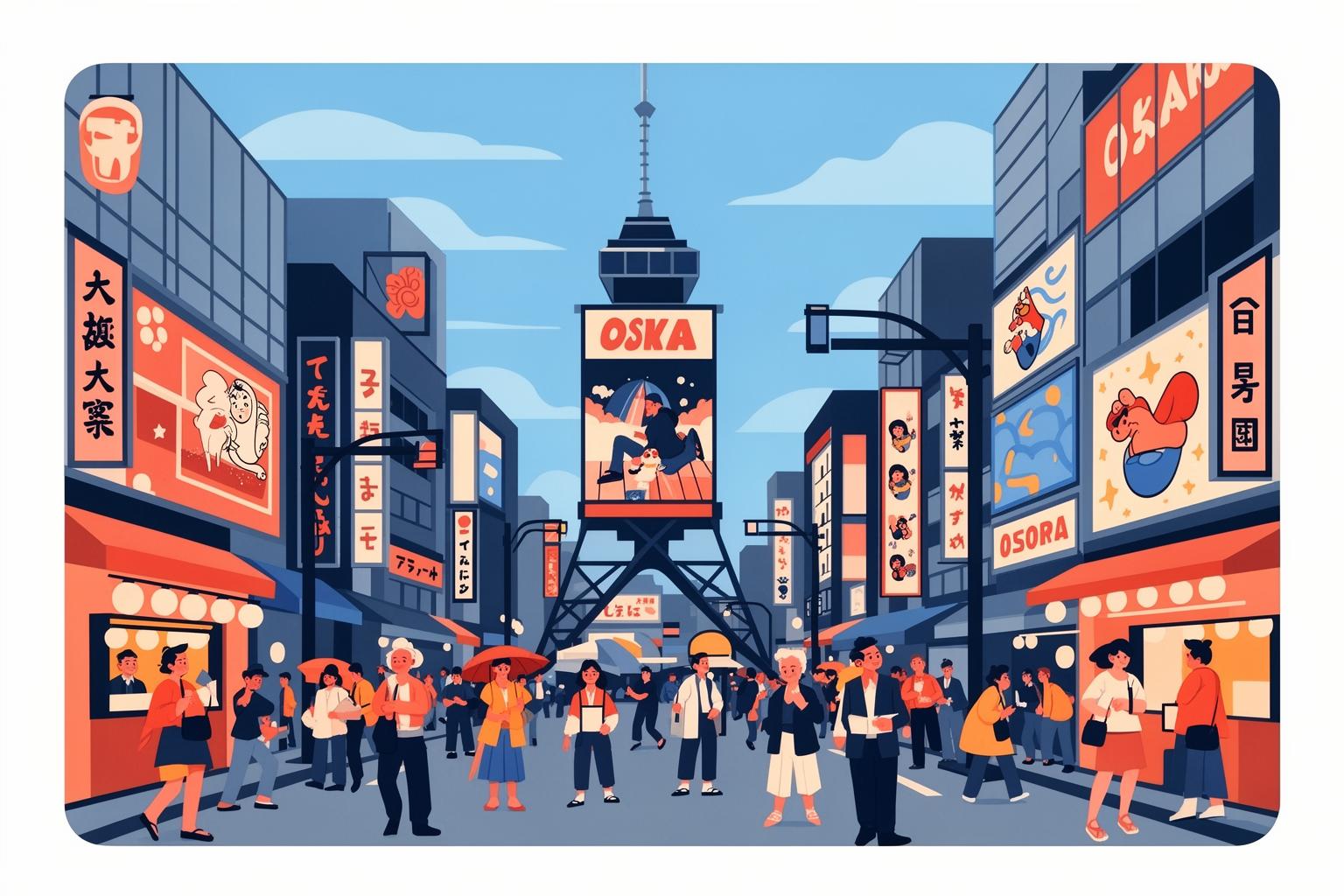
Navigating the delightful chaos of Dotonbori is part of the experience, but a few tips can help make your visit smoother, safer, and more enjoyable, especially from a woman’s perspective.
Timing Is Key
Dotonbori changes character throughout the day. For sightseeing and taking photos without too many people, a weekday afternoon visit is ideal. The crowds are thinner, allowing you to fully appreciate the impressive scale of the signboards in daylight. However, to truly feel the vibrant energy of the district, visiting at night—especially on a Friday or Saturday—is essential. This is when the neon lights shine brightest, and the atmosphere buzzes with excitement. Expect dense crowds, particularly on the Ebisubashi Bridge, but it’s a breathtaking sight worth experiencing. Most restaurants stay open late, making it easy to enjoy a full evening out.
Managing Crowds and Staying Safe
Crowds can be overwhelming. When crossing the Ebisubashi Bridge or moving along the main promenade, it’s best to flow with pedestrian traffic. Keep your belongings secure; in any busy crowd, it’s wise to be cautious with your purse or wallet to avoid pickpocketing. While Dotonbori is generally safe for solo female travelers, as with any lively nightlife area, staying aware of your surroundings is crucial. Stick to well-lit main streets, especially later in the evening. You might encounter kyaku-hiki (touts) trying to persuade you into bars or restaurants. They’re usually harmless, so a polite “no, thank you” and walking on is the best approach. Avoid entering places you’re unsure about.
Cash Rules for Street Food
Although larger restaurants and shops in Dotonbori typically accept credit cards, the smaller street food stalls—central to the kuidaore experience—often operate on a cash-only basis. Having enough yen on hand ensures you won’t miss out on tasting takoyaki from a renowned vendor or grabbing a sweet snack on the go. Carrying smaller bills and coins will speed up transactions and make things easier.
Dress for Comfort
There’s no dress code in Dotonbori—everyone’s welcome in their own style. The most important thing to wear is comfortable shoes. You’ll be walking a lot, not only within Dotonbori but also around the nearby areas. You’ll likely spend time standing in lines for popular food stalls as well. Prioritizing comfort will let you explore longer and fully enjoy the experience without the distraction of sore feet.
The Soul of Dotonbori: A Legacy of Entertainment and Feasting
Dotonbori’s vibrant character isn’t new; it is deeply rooted in centuries of history. The district’s story begins in the early 17th century with a local entrepreneur named Yasui Doton, who invested his personal fortune to widen the Umezu River into a canal, aiming to connect two local waterways and boost commerce. Although he was killed in the Siege of Osaka before the project was finished, his cousins completed the work in his honor and named the new canal “Dotonbori,” meaning “Doton’s Canal.”
Shortly after, the Tokugawa Shogunate designated Dotonbori as Osaka’s official entertainment district. Theaters for traditional Japanese performance arts like kabuki and bunraku puppet theater sprang up along the canal’s banks. The area swiftly became the city’s cultural and nightlife hub. To serve the crowds of theater-goers seeking meals before or after shows, numerous teahouses and restaurants opened, creating a symbiotic relationship between entertainment and dining that gave rise to the kuidaore culture. Restaurants competed to attract customers with the tastiest food and most striking signboards—a tradition that lives on today with giant crabs and dragons. Dotonbori’s legacy as a place of spectacle and indulgence is woven into the city’s very fabric.
Ultimately, Dotonbori is far more than just a collection of bright lights and famous foods. It is a loud, proud, and unapologetic celebration of life’s simple pleasures. It embodies Osaka’s spirit—warm, welcoming, a little wild, and always ready for a good time. Visiting Dotonbori means diving headfirst into the city’s culture, shedding inhibitions, and embracing glorious chaos. So come with an empty stomach and an open mind. Wander through the lantern-lit alleys, let the neon lights guide you, and eat until you cannot possibly have another bite. Because here, in the heart of Osaka, that’s not merely an activity—it’s a way of life.