
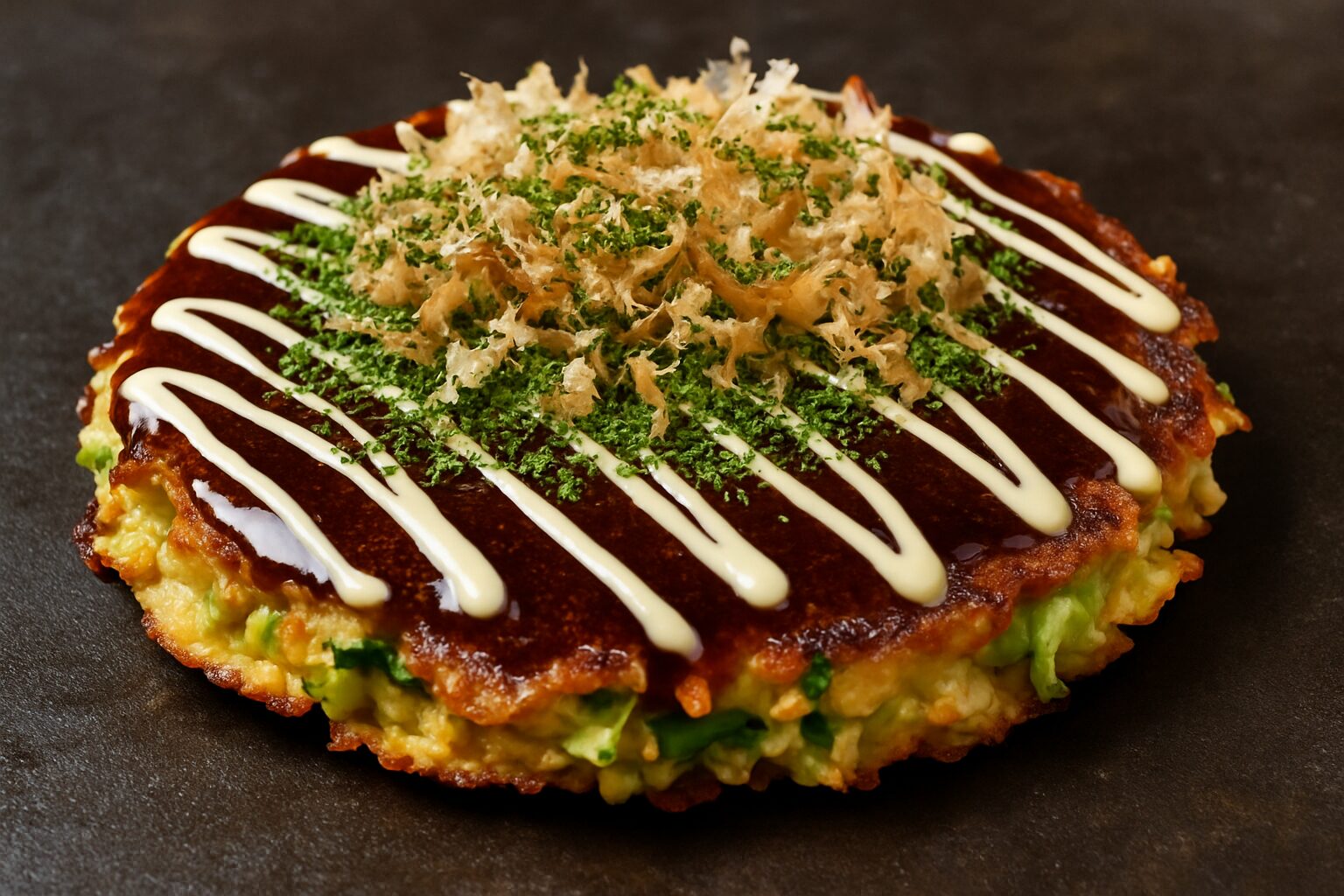
The air in Osaka hangs thick with a delicious promise, a savory-sweet perfume that dances out of doorways and winds through the neon-drenched arteries of the city. It’s the scent of dashi, of sizzling batter, of caramelized sauce. It’s the scent of okonomiyaki, the city’s culinary soul, served up hot and heavy on a gleaming teppan grill. For any food lover, this is a pilgrimage. The sound of the metal spatulas, the `hera`, rhythmically chopping and flipping against the hot steel is the heartbeat of Osaka’s Dotonbori and the countless neighborhood eateries that keep the tradition alive. This isn’t just food; it’s a performance, a shared experience, a comforting, customizable pancake of pure joy. But for travelers with dietary restrictions, this beautiful culinary landscape can sometimes feel like a garden with a locked gate. Traditional okonomiyaki, with its wheat-based batter, egg binder, and dashi broth often made from bonito flakes, presents a trio of challenges for anyone navigating a vegan or gluten-free lifestyle. For years, the thought of experiencing this quintessential Osakan dish felt like a distant dream. But Osaka, a city that prides itself on `kuidaore`—eating until you drop—is a city of innovation as much as tradition. The culinary world here is constantly shifting, adapting, and welcoming new ideas. Deep within its bustling streets, a quiet revolution is taking place, a reimagining of this beloved classic. Visionary chefs and restaurateurs are deconstructing the soul food of their city and rebuilding it, ingredient by ingredient, to create versions that are not only accessible to everyone but are spectacularly delicious in their own right. This is the story of that quest, the journey to find a perfect circle of sizzling batter that sacrifices nothing in flavor, spirit, or satisfaction. It’s about discovering that in Osaka, the gate to the culinary garden is wide open, and the welcome is as warm as the teppan itself.
This culinary innovation is part of a broader transformation in the region, where even the Kansai hospitality landscape is adapting to meet the evolving needs of modern travelers.
Deconstructing a Classic: The Okonomiyaki Puzzle

To truly grasp the brilliance behind a vegan and gluten-free okonomiyaki, you first need to appreciate the intricate complexity of the original. The name itself—`okonomi` (what you like) and `yaki` (grilled)—suggests its adaptable nature, yet the essential components remain steadfast pillars of Japanese cuisine. The process begins with the batter, the fundamental base of the dish. Traditionally, it consists of a mixture of wheat flour, water or dashi, and a generous amount of grated `nagaimo`, or mountain yam. This remarkable tuber imparts a texture that is both fluffy and slightly chewy, a delicate balance that defines an excellent okonomiyaki. The `nagaimo` provides natural viscosity and lightness, but the wheat flour forms the structural core, posing an immediate challenge for gluten-free diners. Next comes the egg, whisked into the batter to serve as an essential binder, holding together the mountain of shredded cabbage and other ingredients as they cook. It enriches the flavor, lends a subtle custard-like quality, and helps achieve the perfect golden-brown crust. For a vegan version, this critical element must be thoughtfully substituted.
Yet perhaps the most widespread and hidden obstacle is the `dashi`. This savory broth is the essence of Japanese cooking, an infusion of pure umami that supports countless dishes. In the Kansai region, dashi is usually made from `katsuobushi` (dried, fermented, and smoked bonito flakes) and `kombu` (dried kelp). This blend creates a deep, complex, and slightly smoky flavor that saturates the okonomiyaki batter from within. It is a subtle but vital component, and its fish-based origin makes it unsuitable for vegans. Finally, there are the toppings and sauces, the glorious finishing touches. Traditional okonomiyaki is often topped with pork belly strips, sizzling on the teppan and rendering fat that infuses the entire pancake with rich, savory notes. The sauces are equally tricky. The thick, sweet, and tangy brown `okonomiyaki` sauce, resembling Japanese Worcestershire, often contains gluten and sometimes hidden animal-derived ingredients. The creamy Japanese mayonnaise brushed on top is, of course, egg-based. And the final decorative sprinkle of dancing `katsuobushi` flakes? These are the same bonito flakes used in the dashi. As you can see, creating a version that is both vegan and gluten-free is far more than a simple substitution. It demands a complete reimagining of the dish from the ground up, a profound understanding of flavor chemistry, and a deep respect for the original texture and spirit of Osaka’s iconic comfort food.
The Alchemists of Osaka: Crafting a New Tradition
In the vibrant heart of Chuo Ward, just a short distance from the electric energy of Dotonbori, there exists a new kind of haven for the modern foodie: a specialty okonomiyaki restaurant catering exclusively to vegan and gluten-free diets. Establishments like OKO – Fun Okonomiyaki Bar and Megumi have become beacons for those who once thought this beloved dish was out of their reach. Entering one of these places feels both familiar and groundbreaking. The unmistakable sizzle of the teppan is present, accompanied by a warm, inviting ambiance and the lively chatter of diners. Yet, the air carries a slightly different scent—cleaner, perhaps more vegetal, but equally enticing. Here, the culinary challenge has been met with creativity and care.
Let’s begin with the batter, the foundation of the dish. Wheat flour is replaced by a carefully crafted blend of rice flour and other gluten-free grains. Rice flour brings a delicate, slightly lighter texture than wheat. It crisps up wonderfully on the teppan, creating a pleasing contrast between the crunchy outer layer and the soft, steaming interior. Some venues may add a touch of tapioca or potato starch to mimic the slight chewiness traditionally provided by nagaimo and gluten. This is not merely a substitution; it’s a fresh interpretation, producing a pancake that is both wholesome and decadently satisfying.
The egg, the essential binder, is replaced by the very ingredient that gives classic okonomiyaki its fluffiness: nagaimo. By increasing the amount of grated mountain yam, chefs craft a batter that holds together flawlessly without any egg. The natural starches and enzymes in nagaimo create a viscous, airy mixture that clings lovingly to every shred of cabbage. When it meets the hot griddle, it works its magic, binding the ingredients into a unified whole. The finished texture is astonishingly authentic—so light and fluffy, it’s like savoring a savory cloud.
The pursuit of umami, the essence of flavor, is where true artistry shines. Without katsuobushi, chefs turn to the potent flavors of the plant kingdom. The vegan dashi is a slow-brewed blend of premium kombu from Hokkaido and dried shiitake mushrooms. Kombu releases glutamic acid, giving a clean, deep umami base, while shiitake mushrooms contribute guanylic acid, adding a rich, earthy, almost meaty depth. Occasionally, toasted soybeans or other roasted vegetables enrich the broth further. This plant-based dashi is then incorporated into the rice flour and nagaimo batter, ensuring every bite is filled with a profound, satisfying savoriness that rivals traditional recipes.
A Symphony of Toppings and Sauces

The joy of `okonomi`—selecting your favorite ingredients—truly shines through the toppings. Omitting pork belly opens up a vibrant array of plant-based options. Instead of meat, you can embellish your okonomiyaki with a mix of grilled mushrooms—earthy shiitake, delicate shimeji, and meaty king oyster mushrooms that develop a fantastic texture when seared on the teppan. Cubes of `konnyaku` (konjac jelly) add a distinctive, springy bite. For a touch of richness, some places serve vegan cheese that melts into gooey, savory pockets within the pancake. Another favored topping is `mochi`, the beloved pounded rice cake. When grilled, the mochi becomes soft, stretchy, and slightly charred, contributing an incredible textural element to the dish. Naturally, there is an abundance of fresh vegetables: sweet corn, tender green onions, edamame, and even avocado slices added at the end for a creamy finish.
The final step of dressing the okonomiyaki is a flavor spectacle. The sauces, once a cause for dietary concern, are now celebrated creations. The classic brown okonomiyaki sauce is recreated with a base of fruits and vegetables, sweetened with dates or agave nectar, and given its savory depth using gluten-free tamari instead of traditional soy sauce. It’s a complex, tangy, and utterly delicious sauce that perfectly enhances the grilled batter. The mayonnaise is a triumph of vegan culinary innovation. Made from soy milk, oil, and vinegar, it’s whipped into a creamy, rich emulsion indistinguishable from the egg-based original, providing the essential creamy counterpoint to the tangy sauce. The final sprinkle of `aonori` (dried green seaweed) remains, lending its signature marine aroma, while the `katsuobushi` is replaced. Some restaurants offer a sprinkle of toasted sesame seeds, crispy fried onions, or even special vegan `tenkasu` (tempura scraps) made from rice flour, adding that crucial final crunch. Every element has been reconsidered, every ingredient chosen deliberately, culminating in a dish that is a masterpiece of plant-based and gluten-free cuisine.
The Experience: A Seat at the Teppan
Visiting a place like OKO – Fun Okonomiyaki Bar is about more than just the food; it’s about the whole experience. Tucked away in a cozy spot, the restaurant immediately makes you feel at home. The staff, often fluent in English, are passionate about sharing their craft. They truly appreciate the relief and excitement of finding a place that thoughtfully accommodates your dietary needs. The best seat in the house is undoubtedly at the counter, where the large teppan grill becomes the stage. Here, you have a front-row view of the culinary performance. You watch as the chef skillfully pours the batter into a perfect circle, then heaps on a generous mound of finely shredded cabbage and your chosen fillings. The rhythmic clatter of the two metal hera is mesmerizing as they chop, mix, and shape the pancake with expert ease.
As it cooks, the bottom develops a beautiful golden-brown crust. With a flick of the wrist, the entire creation is flipped, revealing a perfectly seared surface. The air fills with the scent of toasted rice flour, sweet cabbage, and savory dashi. While your okonomiyaki finishes cooking, you might notice other dishes being prepared on the grill. Many specialty restaurants also offer vegan and gluten-free yakisoba. Instead of traditional wheat noodles, these are made from rice flour or other gluten-free grains. They’re stir-fried on the teppan with a colorful variety of vegetables and a custom vegan yakisoba sauce, creating a smoky, savory dish that pairs perfectly with your okonomiyaki. The attention to detail is impressive—separate utensils and dedicated clean sections of the grill are used to avoid cross-contamination, offering peace of mind for those with celiac disease or severe allergies.
When your okonomiyaki is ready, it’s slid directly in front of you on the heated grill, keeping it warm as you eat. The chef then becomes an artist, decorating the surface with stripes of tangy brown sauce and creamy vegan mayonnaise. A final generous sprinkle of aonori completes the masterpiece. You’re given a small hera of your own, the traditional tool for eating okonomiyaki. While a fork and knife are always available, trying to eat like a local adds to the fun. You press the edge of the hera into the pancake, cutting off a bite-sized piece, and lift it directly to your mouth. The first bite is a revelation. The crisp exterior yields to a soft, steaming, and incredibly flavorful inside. The sweetness of the cabbage, the earthiness of the mushrooms, the savory richness of the batter, and the harmonious blend of sauces all come together in a perfect bite. It tastes exactly as it should: pure, unadulterated Osaka comfort food. It’s a moment of pure culinary bliss, a feeling of inclusion and joy that makes the entire experience worthwhile.
Practicalities and Pro Tips for Your Culinary Adventure

Discovering these gems within Osaka’s vast urban landscape is easier than you might expect, though a bit of planning can make a big difference. Many of these specialty eateries are small, cozy venues, often run by a handful of staff or even a single dedicated owner. This means seating is limited, especially during busy dinner hours, so making a reservation well in advance is highly recommended. Most places offer online booking systems or can be reached via their social media pages. This not only secures your spot but also helps the kitchen accommodate any specific dietary restrictions or allergies you may have, beyond just vegan and gluten-free options.
Getting there adds to the adventure. Many locations are conveniently situated near major subway stations like Namba, Shinsaibashi, or Nippombashi. Plan your route ahead of time. The walk from the station is often a wonderful chance to absorb the local ambiance, passing small temples, traditional shotengai shopping arcades, and the lively everyday rhythm of the city. Be mindful of their opening hours, as many smaller restaurants close between lunch and dinner service and may have irregular days off. Checking their official website or Instagram on the day of your visit is always wise.
When you arrive, don’t hesitate to communicate with the staff. They are there to assist and are usually very knowledgeable and accommodating. If you have questions about ingredients or preparation methods, just ask. Menus are often available in English and clearly highlight all vegan and gluten-free options. Ordering is typically simple: select your base okonomiyaki, then pick your preferred fillings from a range of tasty plant-based choices. Feel free to request recommendations; staff are happy to suggest popular combinations or seasonal specialties. Also, explore the full menu. Beyond okonomiyaki and yakisoba, you might discover delicious sides like vegan gyoza, edamame, or Japanese-style pickles (tsukemono) that complement your meal perfectly. Finally, embrace the local dining style. Using the small hera might feel unfamiliar at first, but it’s the authentic way to enjoy the dish and deepens your connection to the experience. Just be careful—the teppan in front of you is very hot! Let the okonomiyaki cool briefly before digging in. This culinary journey is a marathon, not a sprint. Savor every bite.
The Heart of Hospitality: More Than Just a Meal
The emergence of vegan and gluten-free okonomiyaki in Osaka showcases the city’s evolving culinary identity alongside its deeply entrenched culture of hospitality, known as `omotenashi`. Osaka has long been a merchant city—a hub of welcome, trade, and exchange—and this spirit naturally extends to its cuisine. The concept of `kuidaore` goes beyond mere indulgence; it embodies a profound passion for food and a wish to share that joy with all. The chefs pioneering these alternative recipes are not merely addressing a niche audience; they are embodying the spirit of `omotenashi` in a contemporary and inclusive manner. They believe everyone visiting the city, regardless of dietary preference, deserves to savor the authentic flavors of its most cherished dish. This represents a deeply empathetic approach to cuisine.
This trend also resonates with a deeper Japanese philosophical and aesthetic idea called `wabi-sabi`, which embraces imperfection and transience, as well as the Buddhist vegetarian culinary tradition of `shojin ryori`. Though modern veganism differs, `shojin ryori` has for centuries perfected the craft of creating rich, satisfying flavors using solely plant-based ingredients such as soybeans, seaweed, and seasonal vegetables. The vegan dashi featured in these new okonomiyaki recipes, relying on kombu and shiitake mushrooms, is directly inspired by this ancient knowledge. It is a beautiful merging of tradition and innovation— a modern dish that unknowingly draws on centuries of plant-based culinary expertise. By choosing to dine at these establishments, you not only enjoy an exceptional meal but also support small businesses leading the way toward a more inclusive and sustainable food culture. You become part of the living, evolving legacy of one of Japan’s most treasured culinary traditions.
So, as you explore the lively, aroma-filled streets of Osaka, know that the city’s heart and its teppan grills warmly welcome you. The search for vegan and gluten-free okonomiyaki is no longer a difficult quest but a delightful and flavorful journey of discovery. It offers a chance to connect with the soul of the city on your own terms—to experience its heritage, its creativity, and its extraordinary hospitality, one perfect, sizzling, savory pancake at a time. It’s a delicious reminder that in a city founded on a love of food, there is always a place at the table for everyone. Osaka’s promise is realized not only in the classic recipes handed down through generations but also in the innovative, compassionate hands shaping its future.








