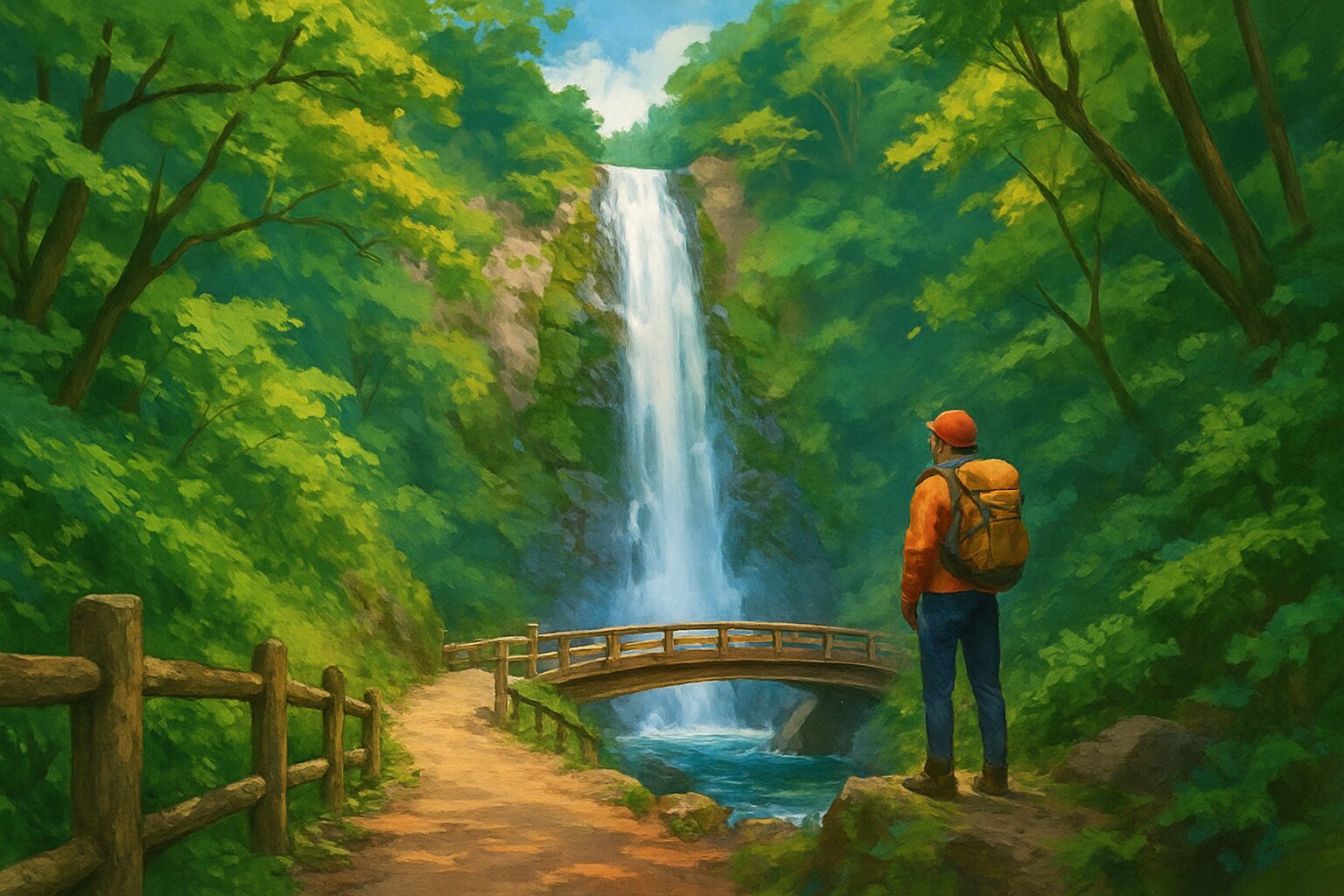
There’s a rhythm to Osaka, a pulse that beats through the neon canyons of Namba and the tireless commercial heart of Umeda. It’s a city of immense energy, a place that feeds the soul with its culinary delights and its vibrant, unflinching character. But even the most dedicated urbanite eventually hears a different call—a quieter, more ancient rhythm. It’s the whisper of wind through maple leaves, the percussive rush of a waterfall, the deep, resonant silence of a forested valley. This is the call of Minoo, a natural sanctuary so close to the city’s northern edge that it feels like a secret garden, a world away tucked just behind the curtain of everyday life. To journey to Minoo is to trade the concrete grid for a winding, streamside path, to exchange the digital glow for the dappled sunlight of a primordial forest. It’s not merely an escape; it’s a necessary recalibration, a chance to breathe deeply and reconnect with a side of Japan that has nourished its people for centuries. For those of us who call Osaka home, Minoo Park is our collective backyard, a place of profound beauty and restorative power that asks for nothing more than a short train ride and a willingness to wander.
After immersing yourself in the natural sanctuary of Minoo, consider exploring another authentic side of the region by discovering the budget-friendly local life in Juso.
The First Steps into Another World

The adventure begins at Hankyu Minoo Station, a quaint terminus with a retro-classic charm that instantly signals a change in tempo. Stepping off the train feels like stepping back in time. The atmosphere here is different—crisper, cooler, infused with the scent of damp earth and foliage. The city’s roar is replaced by the soft murmur of the Minoo River, your constant companion on the journey ahead. The path leading into the heart of the park is called the Takimichi, meaning “waterfall road.” This trail is more than just a walkway; it is a three-kilometer prelude to the spectacular Minoo Waterfall, and the journey itself is a meaningful part of the experience. Forget hurrying to the destination; the Takimichi encourages you to slow down and savor the details.
The first stretch is a charming blend of nature and commerce, lined with traditional wooden shops, cozy cafes, and vendors who have upheld their craft for generations. They mainly sell Minoo’s most unique and iconic snack: momiji tempura. Here, you’ll watch artisans expertly dip individual Japanese maple leaves into a lightly sweetened batter and fry them to a crisp, golden perfection. The scene is captivating, a piece of edible art embodying the spirit of the park. The gentle sizzle of the oil and the sweet, enticing aroma fill the air, creating an irresistible temptation. Picking up a warm bag of these crunchy treats is a rite of passage for any visitor—a seasonal taste to energize your walk deeper into the woods.
As you wander further, the shops thin out, and the forest wraps around you more completely. The well-maintained paved path ensures an easy, accessible stroll for visitors of all ages and fitness levels. It follows the river’s winding course, which cascades over smooth, moss-covered boulders, its clear water sparkling in the sunlight filtering through the dense canopy above. The soundscape is a natural symphony: the constant, soothing rush of water, the chirping of hidden birds, the rustling of leaves in the breeze, and in summer, the vibrant, electric hum of cicadas. This is a place for mindful walking, where each step carries you further from daily concerns and deeper into tranquility. The forest is a living presence, with towering cedar, cypress, and maple trees forming a green cathedral. Their roots cling stubbornly to the steep valley walls, a testament to resilience and the slow, powerful flow of time.
A Sanctuary of Spirit: Ryuan-ji Temple
About halfway along the Takimichi, a steep flight of stone steps on your right invites you upward, away from the main path. This climb leads to Ryuan-ji Temple, a site of great historical and spiritual importance that should not be missed. Established in 658 by the legendary mountain ascetic En no Gyoja, the temple is among the earliest centers of Shugendo, a distinctive Japanese syncretic religion combining elements of Buddhism, Taoism, and ancient Shinto mountain worship. Shugendo practitioners, called Yamabushi, pursued enlightenment through intense training and ascetic practices in the mountains, with places like Minoo serving as their sacred training grounds. The ancient, powerful energy seems to linger palpably in the very air around Ryuan-ji.
The main hall, a vivid vermilion structure, stands prominently among the towering trees. The scent of incense lingers heavily, providing a fragrant contrast to the earthy aromas of the forest. Take a moment to appreciate the detailed carvings, the weathered statues of Buddhist deities, and the peaceful atmosphere that fills the temple grounds. This is a place made for quiet reflection. Yet Ryuan-ji also holds another distinction, one that echoes strongly in modern Japanese culture. It is known as the birthplace of the Japanese lottery, or tomi-kuji. During the Edo period, the temple began issuing lucky charms that doubled as lottery tickets to help fund its maintenance. Visitors would buy a ticket, and if their number was selected from a wooden box, they would win a prize. This practice became hugely popular and is the direct precursor to the takarakuji, or public lottery, enjoyed throughout Japan today. Discovering this intersection of ancient faith and contemporary popular culture tucked away on a mountainside adds a fascinating new dimension to your Minoo experience.
The Grand Finale: The Minoo Great Waterfall
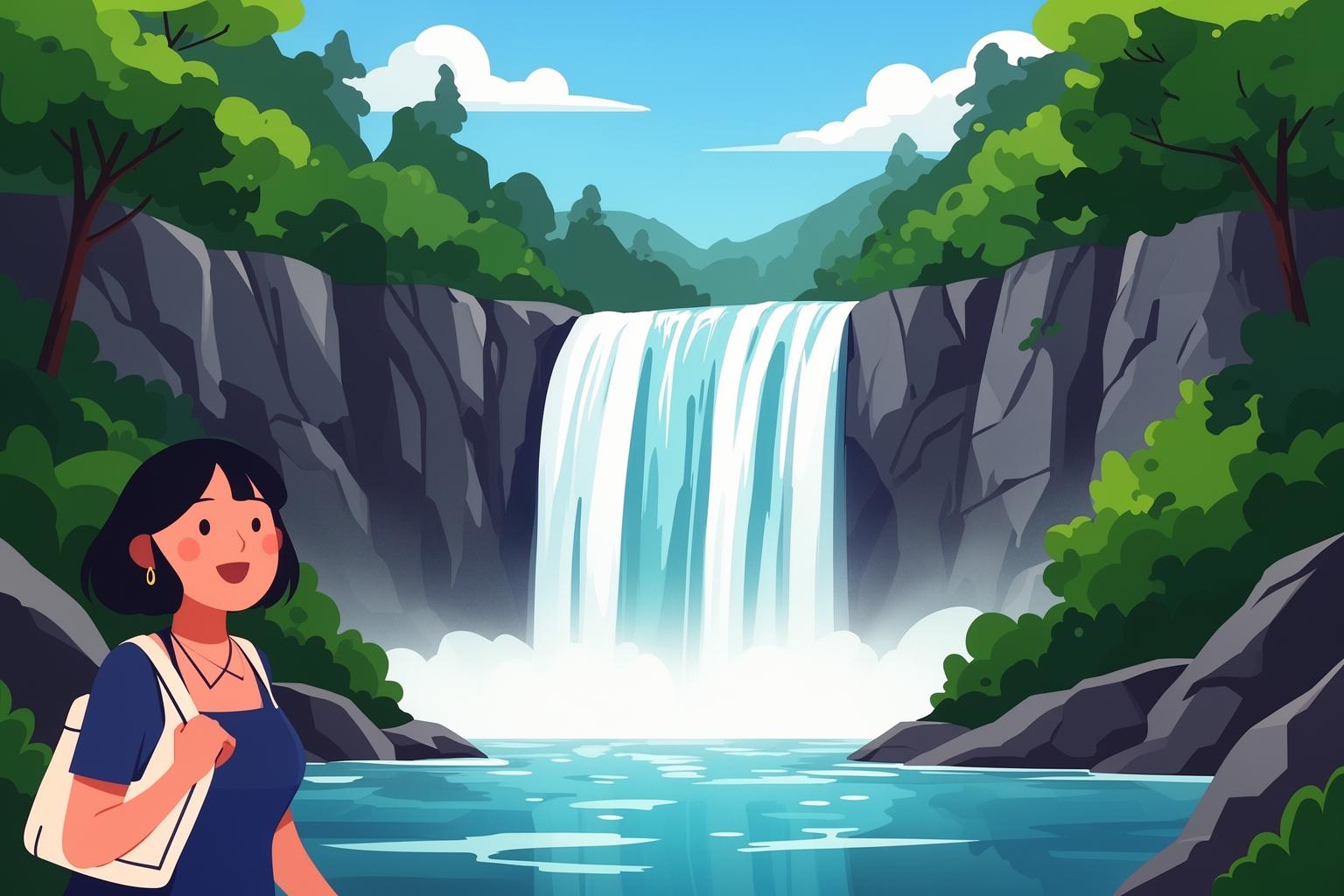
Leaving Ryuan-ji and rejoining the Takimichi, you’ll notice the valley narrowing and the river’s sound intensifying. A tangible sense of anticipation grows with each step. The air turns cooler, carrying a fine, refreshing mist. After rounding a final bend in the path, there it stands, revealed in full glory: the Minoo no Taki, the Great Waterfall of Minoo. The view is stunning—a powerful, graceful cascade of white water plunging 33 meters down a sheer, dark rock face into a deep emerald pool below. It’s a moment that commands your complete attention, halting you in your tracks.
The name “Minoo” is said to come from the waterfall’s shape, which resembles a traditional Japanese farming basket called a mi, used for winnowing grain. Standing before it, the comparison becomes clear. The water does not merely fall; it fans out, forming a delicate, intricate pattern against the rock. The cascade’s sheer force creates a constant, thunderous roar that fills the amphitheater-like clearing—a sound both powerful and profoundly calming. The mist it sprays cools your skin and seems to purify the very air you breathe. This is the park’s heart, the reason for the pilgrimage. Benches are thoughtfully arranged around the viewing area, inviting you to sit, watch, listen, and simply be present. It is a place where you can feel the raw, untamed power of nature, a force shaping this valley for millennia. For centuries, poets, artists, and monks have been drawn here, seeking inspiration and spiritual connection, and as you stand captivated by the endless flow, it’s easy to understand why.
Minoo Through the Seasons: A Year of Transformations
While the waterfall remains constant, the park surrounding it is in a continuous state of beautiful change, making each visit a unique experience. Minoo’s true enchantment lies in its striking seasonal transformations, each casting the valley in a fresh and stunning palette.
Autumn’s Fiery Embrace
Unquestionably, autumn is Minoo’s most renowned and celebrated season. From mid-November to early December, the entire valley bursts into a breathtaking display of color. The Japanese maples, or momiji, for which the park is famous, set the hillsides ablaze with fiery shades of crimson, scarlet, burnt orange, and brilliant gold. The Takimichi trail becomes a corridor of vibrant hues, with a canopy of red leaves above and a carpet of fallen ones below. The contrast between the fiery foliage, the dark, wet rocks, and the white water of the river is a visual feast, reminiscent of a classical Japanese painting. During this season, Minoo attracts crowds from across the Kansai region and beyond. The atmosphere is festive and lively, with everyone sharing in the collective awe of nature’s spectacle. To experience koyo, or autumn leaf viewing, in Minoo is to witness one of Japan’s most treasured natural phenomena at its peak. The walk to the waterfall during this time feels like a passage through living flames—an unforgettable experience.
Spring’s Gentle Awakening
If autumn is a passionate crescendo, spring is a soft, delicate melody. In early April, the cherry blossoms, or sakura, begin to bloom throughout the valley. Their pale pink and white petals create an ethereal haze against the still-bare branches of other trees, symbolizing fleeting beauty and new beginnings. While Minoo may not have as dense a concentration of sakura as some other famous Osaka spots, the blossoms here possess a special charm, their delicate beauty heightened by the rugged natural backdrop. After the cherry blossoms comes the season of shinryoku, or fresh green. As May arrives, the maple trees and other deciduous foliage burst forth with new leaves in an almost impossibly vibrant shade of lime green. The forest seems to hum with life and renewed energy. The air is crisp and fresh, and sunlight filtering through the new leaves carries a luminous quality. For many locals, this season of fresh green is even more beautiful than the autumn colors—a time of quiet rebirth and deep tranquility.
Summer’s Cool Refuge
As the sweltering, humid heat of the Japanese summer settles over the Osaka plain, Minoo becomes a vital and welcome oasis. The dense tree canopy offers a thick blanket of shade, keeping the park several degrees cooler than the city center. The cool mist from the waterfall and the refreshing chill of the river water act as natural air conditioning. Summer is the season of deep, lush greens, when the forest is at its most vibrant and alive. The sound of cicadas reaches a deafening crescendo, an electric chorus that is the quintessential soundtrack of a Japanese summer. For those seeking relief from the oppressive heat, a leisurely walk along the Takimichi is the perfect escape. In the evenings, if you explore some of the quieter paths, you might be fortunate enough to witness the magical, flickering dance of fireflies over the streams, tiny lanterns illuminating the summer darkness.
Winter’s Serene Stillness
Winter is Minoo’s quietest and most reflective season. The autumn crowds have long disappeared, and a profound sense of peace envelops the valley. The bare branches of deciduous trees form stark, beautiful silhouettes against the winter sky, revealing the forest’s underlying structure and the land’s contours. The air is cold and bracingly crisp, and the sound of the waterfall is clearer and more powerful in the stillness. Occasionally, a light dusting of snow transforms the park into a monochrome wonderland—a breathtakingly beautiful and serene sight. A winter hike in Minoo, followed by a warm drink at a local café or, better yet, a long soak in a nearby hot spring, offers a deeply comforting experience. It’s a time to appreciate the forest’s subtle beauty in dormancy—a period of rest before the explosion of life in spring.
The Ultimate Rejuvenation: A Soak in the Onsen

After a long and fulfilling walk through the park, there is no better way to conclude your journey of rejuvenation than by indulging in one of Japan’s most treasured traditions: the onsen, or natural hot spring. Minoo boasts its own source of therapeutic thermal water, and visiting an onsen here provides the perfect finale to your day immersed in nature. The most notable choice is the Ooedo-Onsen Monogatari Minoo Kanko Hotel, situated on a hill near the station. Although it’s part of a hotel, the onsen facilities are accessible to day visitors for a reasonable fee.
The experience is sublime. After cleansing yourself in the washing area, as is customary, you step into the baths. The mineral-rich water, silky and warm, envelops you, instantly soothing tired muscles and melting away any lingering stress. The true highlight is the rotenburo, the outdoor bath. Soaking in the steaming water while feeling the cool air on your face is an exquisite sensation. What truly sets the Minoo onsen apart is its breathtaking panoramic view. From the rotenburo, you can gaze out over the entire Osaka plain, a sprawling sea of city lights stretching all the way to the coast. To float in the warm, healing waters, perched high above the metropolis you just escaped, is a truly magical and slightly surreal experience. It offers a unique perspective, allowing you to appreciate both the tranquility of the mountains and the vibrant energy of the city from a peaceful distance. It’s the final, perfect step in a day crafted to restore body, mind, and spirit.
Practical Paths and Parting Advice
Reaching this natural paradise is surprisingly easy, showcasing Japan’s exceptional public transportation system. Starting from the center of Osaka, head to Hankyu Osaka-Umeda Station. Board the Takarazuka Line to Ishibashi handai-mae Station—just a few stops away on an express train. At Ishibashi, transfer to the brief, dedicated Minoo Line for the final stretch to the terminus at Minoo Station. The whole journey takes about 30 minutes, making it an incredibly convenient day trip.
There is no admission fee to enter Minoo Park, allowing you to explore its trails freely. The main Takimichi trail to the waterfall is approximately 2.8 kilometers one way and takes around 45-60 minutes at a relaxed pace. The path is paved and mostly gently sloped, suitable for nearly everyone, including families with strollers. However, comfortable walking shoes are essential. While the primary trail is straightforward, the steps leading to Ryuan-ji Temple can be steep, and if you decide to venture onto the more rugged side trails throughout the park, appropriate hiking footwear is recommended.
What should you bring? A camera is a must, as there are countless photo opportunities at every turn. It’s also smart to carry a bottle of water, though vending machines and small cafes are available along the route. Depending on the season, you may want to bring sunscreen, insect repellent, or an extra layer of clothing. Above all, bring an open mind and a calm spirit. The true gift of Minoo lies in the chance to disconnect from the bustle and simply be present in a place of profound natural beauty.
As you head back toward the station, with the sound of the waterfall fading behind you and a bag of momiji tempura in hand, you’ll take with you a lasting sense of peace long after boarding the train back to the city. Minoo is more than just a park; it’s a reminder of the delicate and essential balance between urban life and the wild, between our busy modern existence and the ancient, steady rhythms of nature. It’s Osaka’s emerald heart, a realm of waterfalls and whispers, a sanctuary always ready to welcome you home.