Hello, fellow adventurers! It’s Sofia, and today, I’m taking you on a journey deep into the electric heart of Osaka, to a place that feels like it’s been lovingly preserved in a time capsule of neon and nostalgia. We’re heading to Shinsekai, the “New World” of Osaka, a district that paradoxically stands as one of the city’s most evocative windows into its past. Shinsekai is a sensory explosion, a symphony of sizzling street food, clattering pachinko balls, and larger-than-life characters. It’s loud, it’s unabashedly kitsch, and it pulses with an energy that is uniquely Osakan. For any traveler seeking the city’s raw, unfiltered soul, Shinsekai is an absolute pilgrimage. But for those of us who navigate the world through a plant-based lens, a district famous for its deep-fried meat and seafood skewers can seem… well, a little intimidating. Fear not! I’m here to show you that with a little curiosity and a dash of daring, a vegetarian can not only survive but thrive in this dazzling downtown district. Shinsekai is more than just its famous kushikatsu; it’s a living museum of Showa-era dreams, a playground for the senses, and yes, even a place where you can find some truly delicious vegetarian eats. It’s about embracing the beautiful chaos, finding the hidden gems, and seeing this iconic neighborhood through a fresh, green-tinted perspective. So, grab your camera and an empty stomach, because we’re about to unlock the vegetarian secrets of Shinsekai, proving that its vibrant world is open for everyone to enjoy.
To fully appreciate Shinsekai’s unique atmosphere, consider exploring the neighboring district of Tennoji, where retro charm seamlessly blends with modern marvels.
The Electric Heartbeat of a Bygone Era

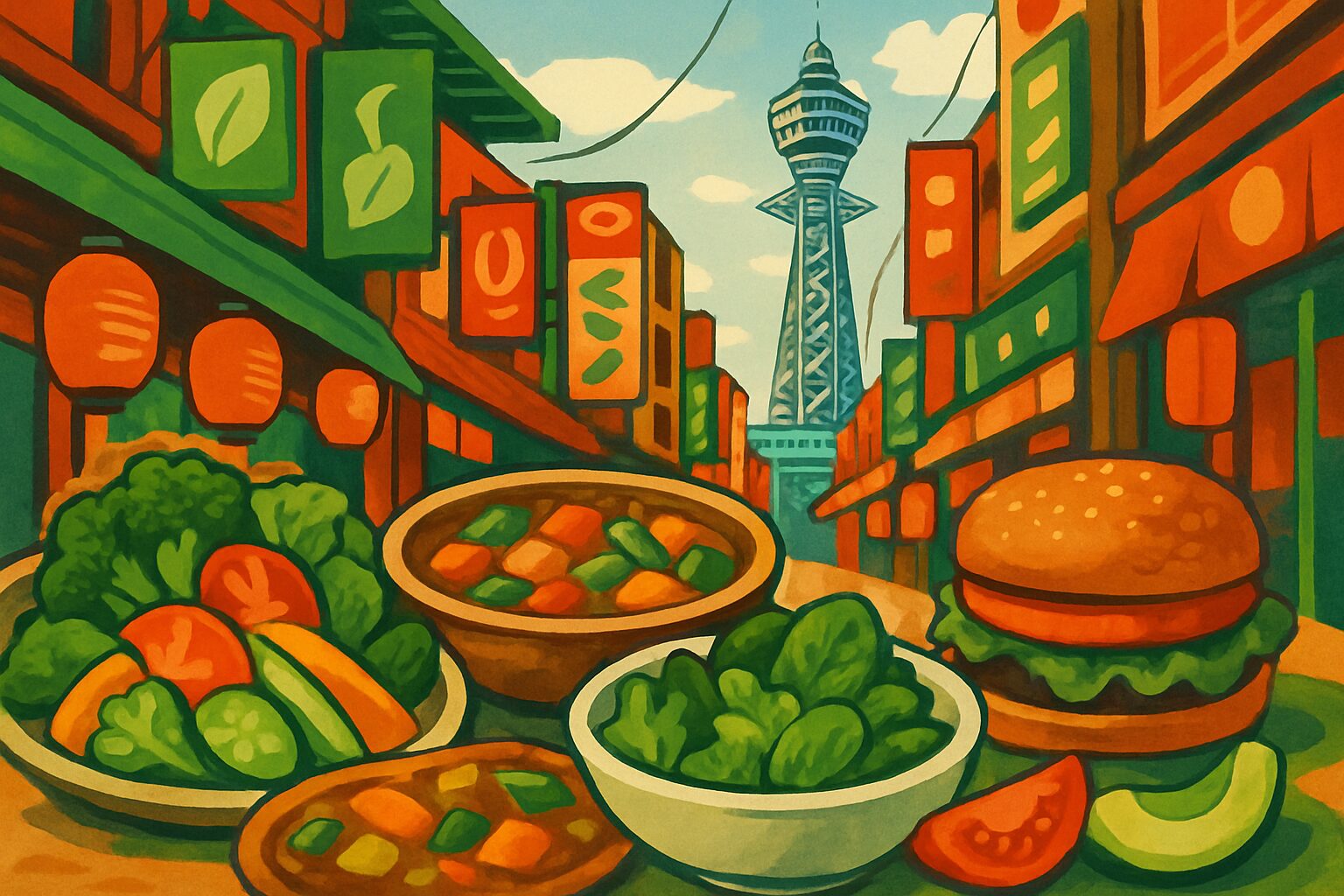
Stepping into Shinsekai feels like entering the set of a futuristic film dreamt up in the 1960s. The moment you exit Dobutsuen-mae or Ebisucho station, the atmosphere shifts sharply. The air thickens with the enticing, mostly meaty aroma of frying oil and sweet sauce. Your ears fill with a symphony of sounds: cheerful recorded jingles pouring from storefronts, the distant clatter of pachinko machines, and the boisterous laughter of locals enjoying a round of beers. Towering above is the unmistakable outline of Tsutenkaku Tower, Shinsekai’s steel guardian inspired by the Eiffel Tower, watching over the district like a benevolent retro-futuristic robot. The streets below form a maze of visual stimuli. Massive three-dimensional signs extend from every building—an enormous fugu lantern, a larger-than-life sumo wrestler, and countless images of Billiken, the area’s smiling good-luck deity. The color scheme is a vibrant blend of primary colors, faded pastels, and the warm glow of countless light bulbs. The architecture is a mix of weathered Showa-era facades and gleaming new storefronts, all coexisting in beautiful, chaotic harmony.
During the day, Shinsekai exudes a grittier, more relaxed charm. Sunlight reveals the wear on old buildings, the faded paint of decades-old advertisements, and the quiet focus of elderly men playing shogi in smoky parlors along Janjan Yokocho Alley. It’s a time for strolling and observing local life unfolding at a slower pace. You can watch shopkeepers carefully arranging their displays and sense a community that has endured through generations. But as dusk falls, Shinsekai undergoes a magical transformation. One by one, the signs flicker alive, bathing the entire district in a vibrant, kaleidoscopic glow. The streets, once just lively, now pulse with palpable energy. Restaurants and standing bars fill to capacity, their warm light spilling onto the pavement. Neon sign reflections shimmer in puddles after a light rain, creating a scene straight out of a sci-fi noir film. This is when Shinsekai truly embodies the “New World” it was imagined to be more than a century ago—a place of entertainment, wonder, and endless possibility. The atmosphere becomes electric, charged with the promise of adventure and delicious discoveries, even for a vegetarian explorer venturing into new territory.
A Vegetarian’s Quest in the Land of Kushikatsu
Let’s confront the obvious, or more fittingly, the skewers in the fryer. Shinsekai is, for all practical purposes, the uncontested realm of kushikatsu. These deep-fried skewers of meat, seafood, and vegetables are Osaka’s soul food, and this district serves as its majestic palace. The name alone evokes images of crispy, golden bites dipped into a shared pot of savory, tonkatsu-style sauce. For a vegetarian, however, this poses an immediate and seemingly insurmountable challenge. The classic Shinsekai experience seems fundamentally incompatible with a plant-based diet. Traditionally, the kushikatsu batter often contains dashi, a fish-based stock, which means even vegetable skewers are not truly vegetarian. Moreover, the fryers are almost always communal, so your innocent shiitake mushroom or sweet onion skewer will be cooking in the same oil as pork, shrimp, and chicken. This cross-contamination is a deal-breaker for many strict vegetarians and vegans.
It’s easy to feel culinary exclusion amid dozens of restaurants proudly displaying plastic replicas of their meaty skewers. The air itself seems to whisper tales of pork belly and prawn tempura. But I urge you to view this not as a barrier, but as the beginning of a delicious exploration. The search for vegetarian food in Shinsekai becomes part of the adventure. It pushes you to look beyond the obvious, engage with local chefs, learn a few essential Japanese phrases, and discover the hidden culinary landscape that lies just beneath this deep-fried kingdom. This challenge hones your travel skills and deepens your cultural appreciation. You learn to read subtle menu cues, spot potential in humble side dishes, and celebrate small victories—like finding a shop that uses a simple water-and-flour batter or offers a plate of perfectly salted edamame. This quest transforms you from a passive tourist into an active participant in the local food scene. You are no longer just ordering from a menu; you are crafting your own unique, plant-powered Shinsekai experience, one tasty discovery at a time.
Decoding the Golden Skewers: The Possibility of Plant-Based Kushikatsu
So, is enjoying vegetarian kushikatsu in Shinsekai completely out of reach? The answer is a hopeful yet cautious “maybe.” It demands patience, clear communication, and a bit of luck. The key is managing your expectations and approaching the situation with friendliness and curiosity. Don’t expect the busiest, most famous kushikatsu chains steeped in tradition to alter their generations-old recipes for you. Instead, seek out smaller, less crowded, often family-run establishments. These places often offer better chances to speak directly with the cook.
Your first task is to ask about the batter. The key phrase is, “Kono koromo ni dashi wa haitte imasu ka?” (Does this batter contain dashi/fish broth?). Be prepared for reactions ranging from a confident “no” to a puzzled expression. Some modern or accommodating spots might use a simple flour-and-water batter, which is your green light. The second hurdle is the frying oil. You can ask, “Abura wa niku to issho desu ka?” (Is the oil shared with meat?). In most busy kushikatsu venues, the answer is yes. For strict vegetarians, this might be the end of the kushikatsu journey. However, if you’re less strict about shared fryers, you can proceed to the fun part: ordering vegetable skewers. The veggie kushikatsu menu is a celebration of Japanese produce. Look for renkon (lotus root), which turns wonderfully crisp and slightly chewy; shiitake mushrooms with their rich umami; tamanegi (onion), which becomes sweet and tender; and nasu (eggplant), which soaks up oil and turns creamy inside. Other great options include asparagus, shishito peppers, pumpkin (kabocha), sweet potato (satsumaimo), and even ginkgo nuts (ginnan). Each bite is a delight. You pick your steaming skewer from the tray and, adhering to the cardinal rule of “NO DOUBLE-DIPPING,” dip it once and only once into the communal pot of thin, sweet-savory sauce. The crunch of panko gives way to the perfectly cooked vegetable inside, a simple yet deeply satisfying treat. Finding a place that accommodates you feels like unearthing a secret treasure, making every crunchy, sauce-dipped bite all the more rewarding.
Beyond the Fryer: A World of Vegetarian Delights
While the kushikatsu hunt is an exciting part of the Shinsekai experience, the true secret to a successful vegetarian meal lies in looking beyond the skewers. Shinsekai’s culinary scene is surprisingly varied, with many other traditional Japanese dishes easily adapted to plant-based diets. These gems might be hidden on side streets or tucked away in plain sight, their menus filled with unsung vegetarian delights. Here, you can relax and enjoy a full, satisfying meal without the stress of questioning fryer logistics. Exploring these options opens a fresh dimension of the district’s food culture, one just as authentic and delicious as its deep-fried famous fare.
The Humble Hero: Okonomiyaki and Modanyaki, Vegetarian Style
Just a short walk from the kushikatsu-lined streets, you’ll find several restaurants specializing in okonomiyaki and yakisoba. These savory pancakes and fried noodles form another core of Osaka’s culinary identity and adapt beautifully for vegetarians. Okonomiyaki, meaning “grilled as you like it,” is a batter-based pancake typically packed with cabbage and other fillings, cooked on a large iron griddle called a teppan. While standard versions often have pork or seafood, many places offer a vegetable-only option or allow customization. Simply ask for a “buta-nashi” (no pork) or “niku-nashi” (no meat) okonomiyaki. The base is already flavorful with cabbage, and you can often add extras like cheese, mochi (rice cake), or corn. Watching the chef skillfully flip the giant pancake, brush it with sweet, dark okonomiyaki sauce and a lattice of creamy mayonnaise, then sprinkle it with aonori (seaweed flakes) is a delightful spectacle. The result is a comforting, savory, sweet, and utterly delicious meal. Modanyaki—a glorious hybrid of yakisoba and okonomiyaki where the pancake rests atop a bed of fried noodles—can also be ordered vegetarian. It’s hearty, filling, and perfect for refueling after a day’s exploration.
Tofu Tales and Edamame Dreams
Many Shinsekai restaurants and izakayas (Japanese-style pubs) serve fantastic small side dishes, or otsumami, that are naturally vegetarian—ideal for crafting your own plant-based tapas. A classic choice is hiyayakko, a simple yet elegant square of chilled silken tofu typically garnished with grated ginger, chopped green onions, and soy sauce. It’s refreshing and a perfect contrast to richer foods. Another tofu favorite is agedashi tofu—lightly battered and deep-fried tofu served in a savory broth. Here, caution is needed: ask if the broth (tsuyu) contains dashi. If they can make it with just soy sauce or a vegetarian broth, you’re in for a treat. Of course, you can’t go wrong with a generous bowl of salted edamame, the perfect companion to a cold drink. Also keep an eye out for tsukemono moriawase—an assorted platter of Japanese pickles, from crisp daikon radish to tangy cucumbers and sour plums—a flavor and texture journey that refreshes the palate. These humble yet elegant dishes embody the Japanese culinary philosophy: to highlight the natural flavors of quality ingredients.
Noodle Nirvana: Discovering Veggie Ramen and Udon
Although Shinsekai itself is not a ramen hotspot, nearby neighborhoods like Tennoji and Namba are, and occasionally you can find hidden noodle shops within the district. Vegetarian ramen hunting requires some effort, as broths are typically pork (tonkotsu) or chicken (torigara) based. Your best bet is to seek shops offering miso or shio (salt) ramen with a vegetable broth option. Look for the kanji 野菜 (yasai), meaning vegetable, on menus. When ordering, be clear: “Watashi wa bejitarian desu. Niku to sakana nuki de, onegaishimasu” (I am a vegetarian. No meat or fish, please), including no chashu (braised pork belly) toppings. A successful find rewards you with a steaming bowl of flavorful broth, chewy noodles, and toppings such as bamboo shoots (menma), corn, bean sprouts, and nori. Udon and soba noodle shops also offer good options. A simple kake udon (noodles in hot broth) or zaru soba (cold noodles with dipping sauce) can be made vegetarian if the broth or sauce is dashi-free, often using kombu (kelp) and shiitake mushroom bases. It’s a bit of a treasure hunt, but the prize is one of Japan’s most beloved comfort foods.
The Convenience Store Savior
Let’s be realistic: after a long day, you might lack the energy to navigate menus and language barriers. In such moments, the Japanese convenience store, or konbini, becomes your shining beacon of hope. The quality and variety found in Family Mart, 7-Eleven, or Lawson will amaze you. They are a vegetarian’s best friend in Japan. You can easily assemble a fantastic and affordable meal. The onigiri (rice ball) section is a great place to start—look for fillings like ume (pickled plum), kombu (seasoned kelp), or sekihan (red bean rice). Check ingredient labels carefully—a fish or pork symbol will help you avoid unwanted items. The prepared food section often includes salads with various dressings (check for fish extracts), packs of edamame, and occasionally vegetable stir-fries or pasta salads. You’ll also find tofu bars, yogurt, fresh fruit, and a wide selection of breads and pastries. A konbini picnic in your hotel room or at a nearby park can be a surprisingly satisfying and stress-free way to dine, leaving you energized to enjoy the dazzling Shinsekai nightlife.
The Tower and the God of Things As They Ought to Be

Shinsekai is more than just a culinary hotspot; it’s a district rich in history and unique charm, centered around two iconic figures: the Tsutenkaku Tower and the ever-present Billiken. These landmarks represent the very essence of the area, giving it a distinct identity that has fascinated visitors for over a century. To truly grasp Shinsekai, you need to gaze up at its towering symbol and search around for its grinning, mischievous deity. They narrate the story of a neighborhood built on dreams of modernity, a place that has embraced change while retaining its quirky character. Engaging with these symbols is just as vital to the Shinsekai experience as tasting the local cuisine, connecting you to the area’s ambitious past and its playful, hopeful spirit.
Gazing from Tsutenkaku Tower
The Tsutenkaku Tower, meaning “Tower Reaching Heaven,” stands as the unmistakable emblem of Shinsekai. The original tower, constructed in 1912, was inspired by the Eiffel Tower’s upper half and the Arc de Triomphe’s base. It served as the centerpiece of an amusement park and a bold symbol of Osaka’s modernization. Though the original was demolished during World War II, the current tower was rebuilt in 1956 due to popular demand, proving its significance to the people of Osaka. Visiting the tower is like stepping back in time. The elevator ride up features illustrations and lights depicting the tower’s history and its connection to Billiken. Upon reaching the fifth-floor observation deck, you’re welcomed by a stunning 360-degree view of Osaka. From here, the vast urban landscape stretches out, from Umeda’s skyscrapers in the north to the lush greenery of Tennoji Park below. The view is magnificent any time of day, but it becomes especially enchanting at sunset when the city lights flicker on and the neon of Shinsekai glows beneath you. The observation deck is a lively, golden-hued space housing a prominent shrine dedicated to the Billiken statue. It’s a place full of wishes and wonder, where you can sense the heartbeat of the entire city. For an added thrill, visitors can explore the outdoor deck or ride the “TOWER SLIDER,” a giant slide spiraling down the tower’s exterior, offering a thrilling and unique perspective of the neighborhood.
A Rub for Luck: The Billiken Phenomenon
In Shinsekai, you only need to walk a few steps before encountering a statue of a curious, pointy-headed, grinning figure. This is Billiken, the district’s official unofficial mascot. Interestingly, Billiken isn’t a traditional Japanese deity. He was created by Florence Pretz, an American art teacher, in 1908, inspired by a dream. The character became a global fad for a brief period and was originally installed in Shinsekai’s Luna Park amusement park. While Billiken’s fame declined elsewhere, Osaka embraced him wholeheartedly, earning him the title “The God of Things As They Ought to Be.” The tradition holds that rubbing the soles of his feet brings good luck. The main Billiken statue inside Tsutenkaku Tower has feet worn smooth by the touch of millions of hopeful visitors. Yet, his image is ubiquitous—on keychains, t-shirts, food packaging, and countless statues outside shops and restaurants. Each statue boasts its own character—some old and weathered, others freshly painted or festively adorned. Embarking on a “Billiken hunt” is a delightful way to explore the district, spotting all the different renditions of this cheerful symbol of good fortune. He embodies the playful, slightly quirky, and optimistic spirit of Shinsekai, standing as a whimsical emblem of the neighborhood’s lasting allure.
Retro Futures: The Sights and Sounds of Janjan Yokocho Alley
Running along the eastern edge of Shinsekai is Janjan Yokocho, a narrow, covered shopping arcade that serves as the district’s vibrant, pulsating artery. Its name, “Janjan,” is an onomatopoeia mimicking the sounds of shamisen and taiko drums once played to attract customers. Today, the soundtrack is a blend of chatter from standing bars, the click-clack of shogi pieces, and the electronic bleeps and bloops of vintage arcade games. This alley provides a concentrated, high-energy dose of Shinsekai’s old-world charm, making walking through it a truly immersive experience. The low ceiling and narrow walkway evoke a sense of intimacy and constant movement. The shops are small and full of character, many operated by the same families for generations. You’ll find kushikatsu joints with just a few counter seats, tiny bars where locals stand shoulder-to-shoulder, and curious specialty shops. What truly distinguishes Janjan Yokocho are its shogi (Japanese chess) and go clubs. Peering inside, you’ll see rooms filled with intense concentration, mostly elderly men engaged in strategic battles, the air thick with cigarette smoke and focused intensity. These clubs act as living museums of a cherished pastime and a vital part of the local community. Further down the alley, the atmosphere shifts to playful nostalgia with several retro game arcades. These aren’t the flashy, modern arcades found elsewhere in Japan but rather dens filled with classic cabinet games from the 80s and 90s, smart ball (a pinball-like game), and other vintage amusements. The sounds of Street Fighter II and UFO catchers spill into the alley, inviting you to step in and relive a piece of gaming history. Janjan Yokocho is a microcosm of Shinsekai itself—a place where tradition and entertainment meet, creating a lively, authentic, and utterly captivating atmosphere.
A Photographer’s Paradise: Capturing Shinsekai’s Soul
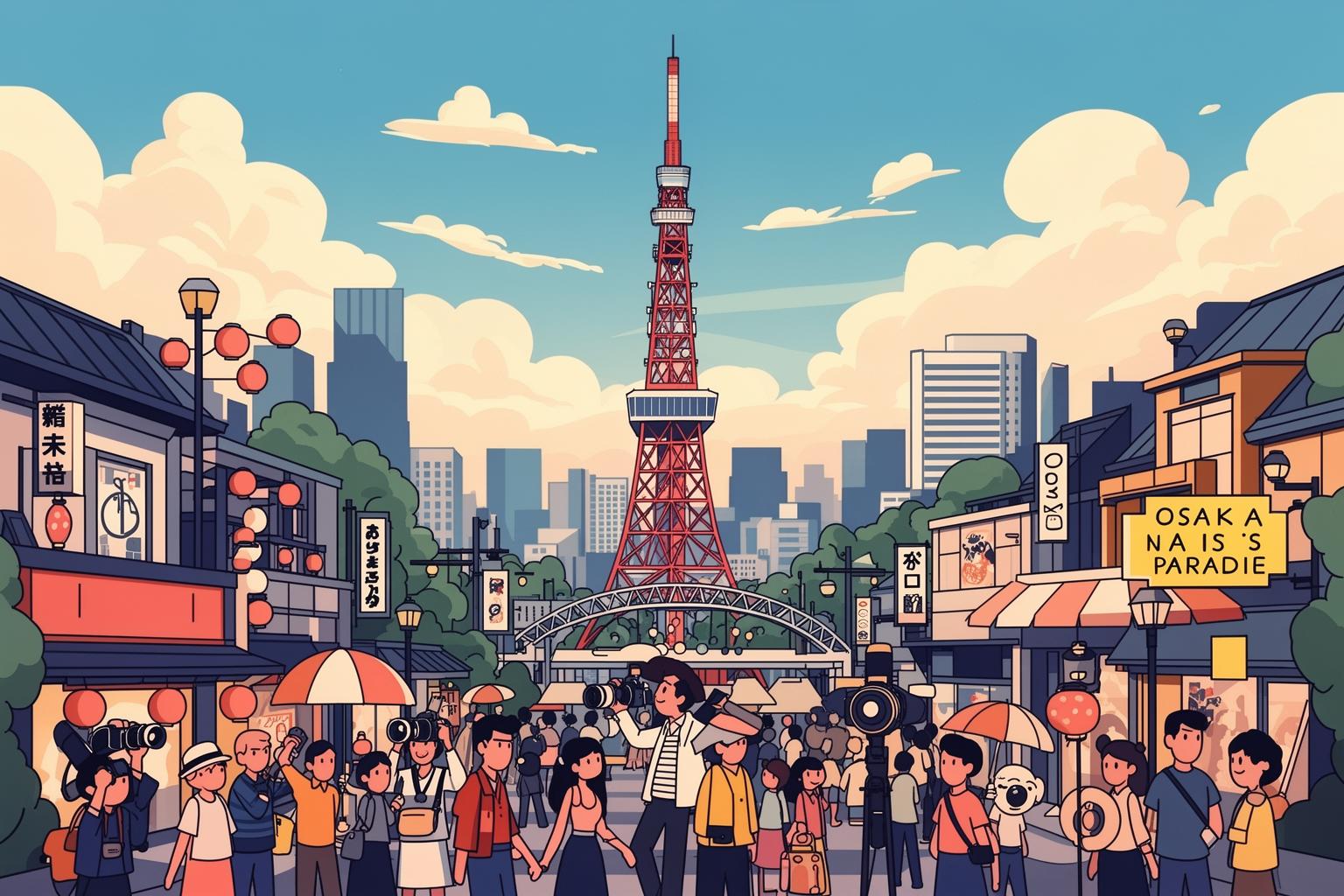
For anyone with a camera, Shinsekai is a visual feast—a dreamscape of light, color, and texture. Its unapologetically retro style and intricate layers of detail make it one of the most photogenic neighborhoods in all of Japan. This is the perfect place to let your creative spirit soar, capturing not only the grand, iconic sights but also the small, intimate moments that define the district’s character. From the dazzling neon spectacle to the quiet, human touches, every corner of Shinsekai tells a story waiting to be framed. As an influencer, I can attest that this district is a goldmine for producing compelling, atmospheric content that truly stands out. It possesses a cinematic quality that feels both timeless and unique, offering endless opportunities for breathtaking photography.
The Neon Symphony at Dusk
The most iconic shots of Shinsekai are undoubtedly taken after sunset. The ideal time to shoot is during the “blue hour,” that magical window just after the sun dips below the horizon when the sky holds a deep, rich blue that perfectly contrasts with the warm, vibrant glow of artificial lights. Find a spot on the main street leading to Tsutenkaku Tower and watch the scene come alive. The giant fugu lantern of the now-closed Zuboraya restaurant remains a landmark, alongside dazzling advertisements and the tower’s lights, creating a layered, multidimensional vista. Experiment with long exposures to capture light trails from passing cars and pedestrians, turning the lively street into a flowing river of light. Look for reflections in puddles after rain to add depth and a moody, cinematic atmosphere. Don’t just focus on the tower; turn around and capture the stretch of the street glowing in the distance. The dense concentration of neon signs crafts a cyberpunk-like ambiance that is both overwhelming and stunningly beautiful.
Portraits of a Place: The Details That Matter
While the neon lights are a must-shoot, the true essence of Shinsekai is found in its details. Venture off the main road and explore the side streets and alleys. There, you’ll discover the textures and stories that give the district its character. Focus your lens on weathered building facades, peeling paint on vintage signs, and the intricate patterns of noren curtains hanging at doorways. Photograph the expertly crafted plastic food models (sampuru) displayed in restaurant windows—they are works of art in their own right. Capture the intense focus on the faces of shogi players in Janjan Yokocho or the joyful smile of a chef handing over a fresh batch of takoyaki. Seek out small, whimsical touches: a string of colorful paper lanterns, a hidden Billiken statue tucked away in a corner, or a cat napping on a warm vent. These little moments and textures combine to form a rich visual story—a portrait of a neighborhood proud of its heritage and pulsating with life. Photographing Shinsekai isn’t just about documenting a location; it’s about capturing a mood—a blend of nostalgia, vitality, and sincere, unpretentious joy.
Practical Navigation for the Plant-Based Explorer
Exploring a new destination is always part of the adventure, but being well-prepared can mean the difference between a frustrating outing and an amazing experience, especially if you have specific dietary requirements. Shinsekai is compact and easy to navigate, but mastering a few key phrases and understanding some logistical details will give you the confidence to explore and make your vegetarian journey much smoother and more enjoyable. Think of it as your travel toolkit, helping you unlock the best that the district has to offer.
Essential Japanese Phrases for Vegetarians
While pointing and gesturing often suffice, knowing a handful of key phrases can greatly enhance your communication and clarify your needs. Don’t worry about perfect pronunciation; your effort will always be appreciated.
- Watashi wa bejitarian desu. (私はベジタリアンです。) – I am a vegetarian.
- Niku to sakana o tabemasen. (肉と魚を食べません。) – I don’t eat meat or fish.
- Niku/sakana nuki de, onegaishimasu. (肉/魚抜きで、お願いします。) – Without meat/fish, please.
- Kono ryori ni dashi wa haitte imasu ka? (この料理に出汁は入っていますか?) – Does this dish contain dashi (fish broth)?
- Yasai dake no mono wa arimasu ka? (野菜だけの物はありますか?) – Do you have anything with only vegetables?
- Kore wa niku ga haitte imasu ka? (これは肉が入っていますか?) – Does this contain meat?
Having these phrases handy on your phone or in a small notebook can be a real lifesaver and shows respect for the local culture.
Getting There and Getting Around
Shinsekai is conveniently situated and easily reachable via Osaka’s excellent public transportation network. The two most convenient stations are:
- Dobutsuen-mae Station: Served by the Midosuji and Sakaisuji subway lines, this station puts you right at the entrance to Janjan Yokocho Alley.
- Ebisucho Station: Served by the Sakaisuji subway line and the Hankai Tramway, this station is closer to the base of Tsutenkaku Tower.
It’s also a short walk from Tennoji Station or Shin-Imamiya Station, which are major hubs served by JR lines, making access easy from anywhere in Osaka or the wider Kansai region. Once there, the best way to explore the district is on foot. It’s a small, dense area, and walking lets you soak up the atmosphere, peek into shops, and discover hidden spots you’d otherwise miss.
A Word on Timing and Crowds
Shinsekai offers a unique experience depending on when you visit. For a quieter, more local vibe, consider going on a weekday morning or early afternoon. This is an ideal time for photography as the streets are less crowded, allowing you to appreciate the architecture and details without the hustle. However, to experience the district’s famous vibrant, neon-lit energy, visit in the evening, especially on weekends. After 5 PM, the area comes alive as lights go on and both locals and tourists flood the restaurants and bars. Be ready for crowds, but also for an unforgettable, lively atmosphere. Many shops and restaurants have varied hours, sometimes closing in the mid-afternoon before reopening for dinner, so it’s smart to check ahead if you have a particular spot in mind.
Extending Your Shinsekai Adventure
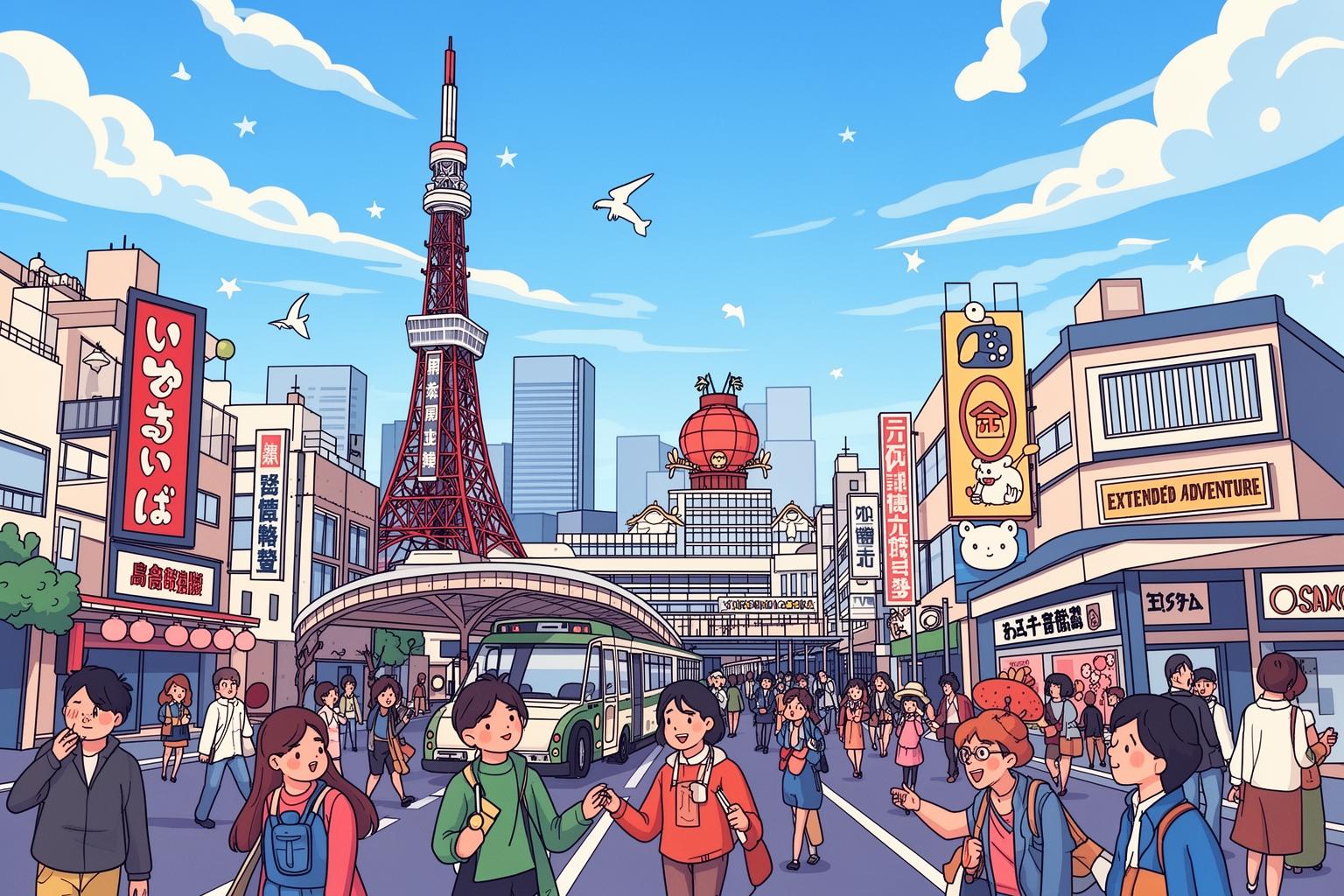
One of the greatest advantages of Shinsekai is its prime location, surrounded by several other outstanding attractions. After you’ve soaked in the retro atmosphere and (hopefully) savored some tasty vegetarian dishes, you can effortlessly continue your day with a completely different experience just a short walk away. This makes Shinsekai not only a destination in its own right but also an ideal base for a full day of varied experiences in this captivating area of Osaka.
A Moment of Zen at Tennoji Park
Located directly beside Shinsekai is Tennoji Park, a vast green oasis offering a peaceful escape from the sensory overload of the busy streets. In just a brief walk, you can move from neon-lit chaos to calm natural beauty. The park houses the Tennoji Zoo and the Osaka City Museum of Fine Arts, but its crowning jewel is the Keitakuen Garden. This traditional Japanese stroll garden, designed by a renowned landscape architect, is a masterpiece featuring ponds, rock formations, and carefully sculpted plants. It’s a serene spot perfect for wandering, reflecting, and recharging. The contrast between the garden’s tranquility and the vibrant energy of Shinsekai right next door beautifully showcases the rich dualities of Osaka.
Soaking It All In at Spa World
For a uniquely Japanese and deeply relaxing experience, visit Spa World, located at the edge of Shinsekai. This is no ordinary spa; it’s a large, multi-story hot spring theme park. The facility is divided into two main areas, the Asian Zone and the European Zone, with the genders alternating between them monthly. Each zone offers a wide variety of themed baths, ranging from a Roman-style grotto to a traditional Japanese hinoki cypress bath, and even one reminiscent of the Blue Grotto of Capri. It’s an extraordinary and slightly surreal way to spend a few hours. Soaking in the hot, mineral-rich water is an ideal remedy for tired feet after exploring Shinsekai. This experience feels both indulgent and authentically Japanese, providing a perfect way to conclude your adventure in the “New World.”
Shinsekai is a place that will capture your heart. It’s a burst of color, a symphony of joyful noise, and a tribute to a dream of the future that became a cherished relic of the past. It challenges you, especially as a vegetarian, but the rewards are immeasurable. The excitement of discovering the perfect veggie okonomiyaki, the good fortune you feel after rubbing Billiken’s feet, the wonder of seeing city lights from Tsutenkaku Tower—these moments make travel truly magical. So step forward with an open mind and an adventurous taste. Embrace the chaos, celebrate the kitsch, and craft your own delicious, plant-powered story in the unforgettable, one-of-a-kind world of Shinsekai. It’s a side of Osaka you’ll be dreaming about long after you’ve gone.