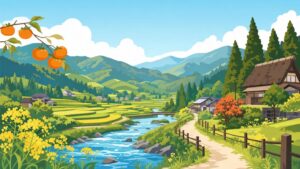
The roar of the city, a symphony of steel and sound, has its own undeniable rhythm. It’s the pulse of progress, the beat of a million lives moving in concert. But sometimes, your own heart seeks a different tempo. A quieter melody, one carried on the wind through ancient cedar trees and across fields of swaying rice. For those moments when the soul craves a deep, cleansing breath, there is a sanctuary waiting just beyond the urban horizon. Welcome to Nose Town, the northernmost point of Osaka Prefecture, a world away from the neon glow of Dotonbori, yet reachable in just over an hour. This isn’t just a place; it’s a feeling. It’s the sensation of cool, clean air filling your lungs, the sight of a sky so dark that the Milky Way spills across it like a brushstroke of divine light. Nose, or Nose-chō as it’s known in Japanese, is Osaka’s rustic heart, a land of rolling hills, terraced paddies, and a profound connection to the cycles of nature. It’s a retreat for the weary, a playground for the adventurous, and a perfect weekend escape to rediscover the quiet spaces within yourself. This is your guide to unlocking the secrets of this green haven, a journey into the heart of Osaka’s own satoyama landscape.
For another perfect weekend escape into nature just outside the city, consider a rejuvenating trip to Minoo for its famous waterfall and hot springs.
The Journey North: A Transition of the Senses
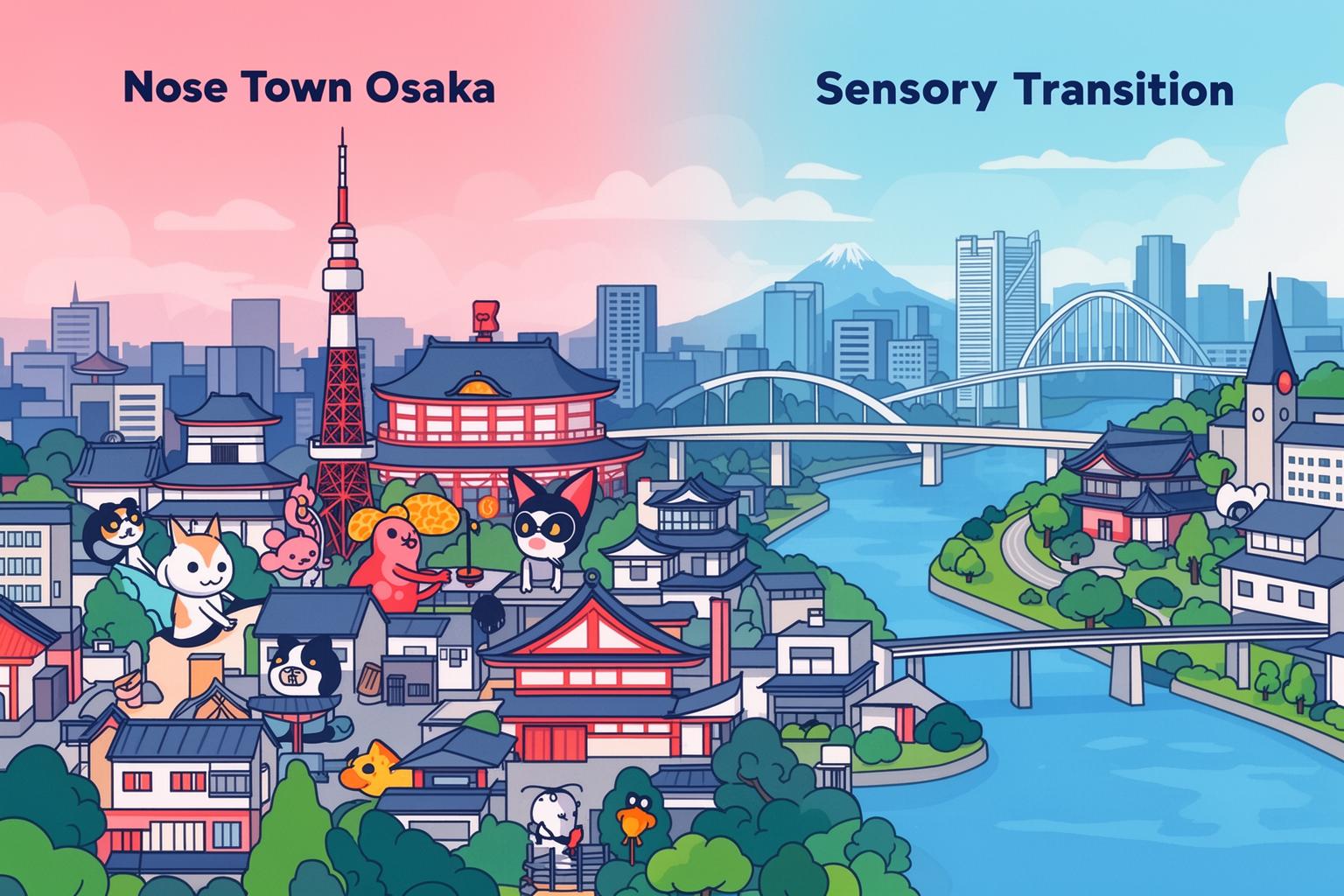
The escape to Nose doesn’t begin upon arrival but unfolds gradually during the journey itself. It’s a slow unwinding, a gentle release from the city’s hold. Starting at the bustling Osaka-Umeda Station, you board a Hankyu train, a familiar thread of urban life. The first part of the trip blurs past tightly packed buildings and concrete corridors, showcasing the density of human presence. However, upon transferring at Kawanishi-Noseguchi to the quaint, local Nose Electric Railway, something enchanting starts to occur. The scenery outside your window begins to breathe. Buildings give way to houses with gardens, which then transition into patches of greenery and finally wide-open fields. The train, often a shorter and more charming two-car model, moves at a calmer pace. It no longer rushes through a metropolis but meanders through a close-knit community.
The final stretch from Yamashita or Myokenguchi Station is usually completed by bus, marking the completion of this transformation. The roads narrow and wind their way into the hills. The air flowing through the open window carries the scent of damp earth and pine, a stark contrast to city exhaust. Farmers tend to their fields, and old farmhouses with imposing tiled roofs stand as silent witnesses to generations of rural life. For first-time visitors, this shift is a profound part of the experience—a physical and mental shedding of the urban shell. While public transport offers a beautiful way to witness this change, renting a car provides ultimate freedom to explore Nose’s hidden corners. With your own vehicle, every winding road becomes an invitation, every small signpost a promise of discovery. The freedom to stop at scenic viewpoints, visit roadside vegetable stands, or follow a path leading into the forest transforms the visit from a simple trip into a personal adventure.
Breathing in the Satoyama: The Heart of Nose’s Charm
To truly understand Nose, you first need to grasp the concept of satoyama. This term resists straightforward translation; it is neither wilderness nor a city park. Satoyama signifies the harmonious coexistence of humans and nature, a landscape where forests, rice paddies, streams, and villages exist together in a sustainable, symbiotic balance. For centuries, villagers have managed the woodlands by gathering firewood and foraging for edible plants, which helped maintain the forest’s health. They have also directed water from the hills to irrigate terraced fields, fostering a unique and biodiverse ecosystem. Nose stands as one of the most pristine examples of satoyama in the entire Kansai region. It is a living museum of a more balanced lifestyle, and immersing yourself in it is the primary reason to visit.
Hiking Through Living Landscapes
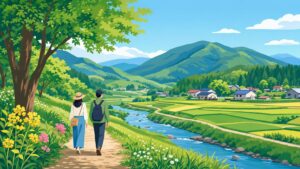
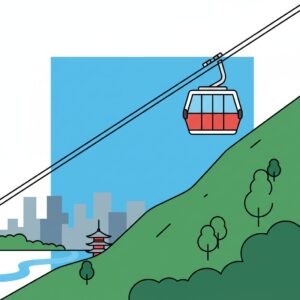
The best way to experience satoyama is on foot. The air here feels distinct—thinner, purer, alive with the sounds of birds and insects. The trails crisscrossing the region range from gentle walks alongside paddy fields to more challenging mountain hikes. The crown jewel of hiking in Nose is Mt. Myoken, or Myōken-zan. Rising 660 meters, it offers the perfect combination of nature, culture, and accessibility. You can test yourself by hiking from the base or take a more leisurely route via the charming Myoken-no-Mori Cable Car and Lift. The cable car ride is a vertical journey through dense forest, with the tree canopy closing in around you. Once at the upper station, a scenic chairlift carries you the last stretch to the summit, your feet dangling above a carpet of seasonal foliage. The summit provides breathtaking panoramic views stretching across the Osaka plain and, on clear days, even to the distant sea. The network of trails around the summit invites exploration, leading through groves of cedar and past small, peaceful clearings. It is a place to walk, reflect, and simply be present.
A Symphony of Seasons
Nose is a destination that continually transforms with the passing seasons, offering an ever-changing palette of colors, scents, and experiences. Visiting during a single season captures only one verse of a four-part harmony.
Spring’s Gentle Awakening
In spring, the landscape stirs from its winter rest in a burst of soft colors. The renowned Yoshino cherry trees are prominent, their pale pink blossoms forming ethereal tunnels over country roads and adorning ancient temple grounds. But spring in Nose is more than just sakura. It includes the vibrant yellow rapeseed flowers (nanohana) blanketing entire fields, tender green rice shoots planted in water-filled paddies that shimmer like mirrors reflecting the sky, and countless wildflowers blooming across the forest floor. The air fills with the songs of returning birds, and the gentle warmth invites long, contemplative walks.
Summer’s Verdant Embrace
Summer transforms Nose into a lush world of deep green. The rice paddies, now full and tall, sway gently in the breeze, creating waves of green across the valleys. The forests are thick and teeming with life, the chorus of cicadas providing a meditative soundtrack to the season. This is the time for picnics by the streams and seeking shade beneath the vast boughs of ancient trees. Evenings bring a cooling relief and the magical sight of fireflies dancing through the humid air along waterways—a secret spectacle whispered between you and the natural world. It’s a season brimming with vibrant life and palpable energy in the very breath you take.
Autumn’s Fiery Spectacle
Autumn is arguably Nose’s most breathtaking season. The kōyō, or autumn foliage, sets the hillsides ablaze with striking hues of crimson, gold, and orange. Japanese maple trees (momiji) are the stars, their delicate leaves turning fiery red, creating a vivid contrast against the dark green cedars. The entire Myoken-no-Mori area transforms into a painter’s canvas. The air grows crisp and carries the smoky scent of burning rice husks. This season marks the harvest, a time of plentiful abundance. Golden rice is gathered, and the town’s famous chestnuts ripen, offering a feast for both eyes and palate.
Winter’s Quiet Contemplation
Winter in Nose brings profound stillness and serene beauty. The crowds vanish, leaving behind a tranquil landscape defined by stark, elegant lines. A light dusting of snow can turn the scene into a monochrome masterpiece, muffling the world beneath a soft white blanket. The air is cold, crisp, and exceptionally clear, making it the ideal season for stargazing. A winter hike, with frost crunching underfoot and breath clouding the air, offers a rare sense of solitude and peace. It’s a time to warm by the fire, sip hot tea, and appreciate the simple, unembellished beauty of the land at rest.
A Taste of the Land: Nose’s Culinary Delights

The purity of Nose’s natural surroundings is directly reflected in its cuisine. The local food is simple, genuine, and closely tied to the seasons. It celebrates ingredients drawn from fertile soil and nourished by crystal-clear mountain streams. To dine in Nose is to experience the true essence of the satoyama.
The Chestnut King and the Harvest’s Bounty
Nose is celebrated across Japan for its chestnuts, or kuri. These chestnuts are not ordinary; they are large, sweet, and boast a wonderfully fluffy texture when cooked. Each autumn, the entire town honors this modest nut. The signature dish is Kurigohan, a straightforward yet remarkably flavorful rice dish steamed with whole chestnuts, a touch of salt, and sake. Savoring a bowl of freshly prepared Kurigohan on a crisp autumn day is a classic Nose tradition. Beyond chestnuts, the region is rich with fresh produce. Throughout the year, chokubaijo—direct-from-the-farm stands—line the roadsides, offering seasonal delights such as plump shiitake mushrooms, sweet tomatoes, crisp daikon radishes, and leafy greens, all harvested just hours before. Purchasing vegetables here is more than a transaction; it’s a connection to the farmer and the land itself.
The Spirit of Water: Local Sake
Water quality is essential for producing excellent sake, and Nose is fortunate to have some of Osaka’s purest waters. This purity has fostered the creation of outstanding local sake, or jizake. The most renowned brewery is Akishika Shuzo, praised for its dedication to tradition and quality. They cultivate their own sake rice organically and are known for crafting pure-rice (junmai) sake that is rich in character and expresses the local terroir. While brewery tours may require prior arrangements, finding their sake at a nearby restaurant or liquor store is highly recommended. A glass of Akishika sake, enjoyed alongside local dishes, is a dialogue with the landscape—the rice, water, and brewer’s craft all speaking harmoniously.
Cafes and Restaurants: Rustic Warmth
Eating in Nose offers as much charm in the setting as in the food itself. Many top dining spots are located in beautifully restored kominka, traditional farmhouses. These venues, with exposed wooden beams, tatami floors, and views of peaceful gardens or rice paddies, provide a cozy and timeless dining atmosphere. You’ll discover cafes offering exquisite cakes and coffee, soba shops where noodles are handmade, and restaurants serving farm-to-table lunches that highlight the freshest harvest of the day. Establishments like Satoyama Shokudo offer lovingly prepared meals in a space that feels like dining in a local home. It’s worth taking your time to seek out these hidden treasures and enjoy a meal that is slow, thoughtful, and thoroughly satisfying.
Stars, Art, and Serenity: Unique Experiences in Nose
Beyond the hiking trails and culinary pleasures, Nose presents a range of distinctive experiences that cater to various tastes, from the reflective to the imaginative. These activities add an extra dimension to your weekend getaway, creating memories that endure long after you’ve returned to the city.
A Window to the Cosmos: Stargazing
One of Nose’s most enchanting qualities is its dark skies. Far removed from the light pollution of central Osaka, the night sky here is truly breathtaking. On a clear, moonless evening, the stars come alive. The Milky Way appears not as a faint blur but as a radiant, textured stream of light. Constellations shine with a sharpness you might have thought impossible. To make the most of this natural treasure, the town offers the Nose Star Watching Deck, a simple elevated platform built solely for gazing upwards. Standing on this deck on a crisp, clear winter night, wrapped in a warm jacket with a flask of hot tea in hand, is a profoundly awe-inspiring experience. It’s a powerful reminder of our place in the cosmos, a humbling and deeply moving moment that city lights often obscure.
Art in the Landscape: The Nose Artline
Every few years, Nose’s satoyama transforms into an expansive, open-air art gallery. The Nose Artline is a contemporary art festival that invites artists to create site-specific works interacting with the natural and cultural environment. You might encounter a sculptural piece in the midst of a rice field, a soundscape resonating through the forest, or a delicate installation tucked inside an old abandoned schoolhouse. The festival inspires visitors to explore the area with renewed curiosity, turning a country drive or hike into an art-filled adventure. It’s a stunning conversation between modern creativity and timeless nature, showing that the satoyama is not a static relic but a vibrant canvas for the future.
A Forest of Fun: Myoken-no-Mori
The area surrounding the summit of Mt. Myoken, known as Myoken-no-Mori, has been developed into a delightful recreational park offering more than just hiking. It’s an ideal spot for families or anyone seeking a laid-back day outdoors. After riding the cable car and lift, you can relax on a spacious BBQ terrace with breathtaking views, soak your tired feet in a charming footbath (ashiyu) while admiring the landscape, and stroll along gentle paths suitable for all ages. This place beautifully blends mountain beauty with thoughtful amenities, making nature both accessible and enjoyable for everyone.
Living History: Temples, Shrines, and Folk Traditions
The landscape of Nose is shaped not only by nature but also by centuries of human beliefs and traditions. Scattered across the hills and villages are sacred sites that reflect a profound spiritual heritage. Exploring these places offers insight into the soul of the region.
The North Star Sanctuary: Nose Myoken-san
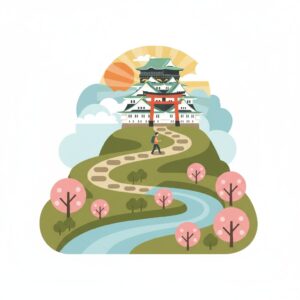
Situated near the summit of Mt. Myoken is the Nose Myoken-san temple, officially known as Muryojuzan. This temple is more than just a scenic spot; it is a vital center of worship for the Nichiren sect of Buddhism. Its history is closely connected to the Nose clan, a local samurai family, and the veneration of Myoken Bodhisattva, a deity linked to the North Star. For centuries, visitors have come here to pray for good fortune and guidance, viewing the unwavering North Star as a symbol of steadiness and direction. The temple complex, with its brightly colored buildings set against a forest backdrop, is visually striking. The main worship hall, dedicated to the North Star, exudes an ancient and powerful atmosphere. Visiting allows one to connect with a tradition of faith that has served as a guiding light for the region’s people across generations.
The Echo of Puppets: Joruri Theatre
Nose also holds a fascinating connection to a unique form of traditional Japanese art: Joruri puppet theatre. This art combines puppetry, chanted narration, and music, and it has deep roots in the area. While performances may not regularly occur for casual visitors, this cultural legacy remains an important part of the town’s identity. It reflects a time when rural villages were lively centers of folk art and entertainment. Understanding this history adds another dimension to the cultural richness underlying this quiet, rural town. Be sure to watch for local festivals or events, as you might have the chance to experience this rare and captivating art form firsthand.
Practical Tips for Your Nose Town Adventure
A bit of planning can greatly contribute to making your trip to Nose smooth, enjoyable, and exactly as you envision it. Here are some tips for first-time visitors.
Getting Around: Car Reigns Supreme
Simply put, a car offers the best experience. Although the main hubs are reachable by bus, the service tends to be infrequent, with long intervals between connections. Having a car allows you the freedom to explore at your own pace and discover the small cafes, hidden shrines, and scenic roads that define Nose’s true charm. If you depend on public transportation, be sure to check bus schedules in advance and plan your day carefully. Using a mix of train, bus, and possibly a local taxi can work, but it demands strict scheduling.
Where to Stay: From Rustic Charm to Refined Comfort
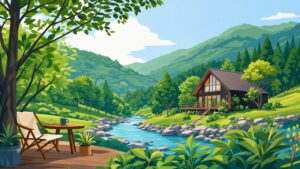
To fully embrace Nose’s rhythm, an overnight stay is highly recommended. This lets you experience the magical shift from dusk to starry night and wake up to fresh country air. Accommodation options vary to suit different preferences. You’ll find traditional Japanese inns (ryokan) and family-run guesthouses (minshuku) offering an authentic cultural stay, often including homemade meals. For those wanting a closer connection to nature, there are excellent campsites and glamping facilities such as the Nose Onsen Camp Ground, which combines camping with the luxury of a natural hot spring bath. Booking ahead, especially during peak times like autumn foliage season, is always advisable.
What to Pack: Be Ready for the Outdoors
No matter the season, comfortable and sturdy walking shoes are essential. The weather in the hills can be several degrees cooler than in Osaka city and may change rapidly, so dressing in layers is recommended. In summer, bring lightweight long sleeves for sun and insect protection, plus repellent. In winter, pack a warm jacket, hat, and gloves. A refillable water bottle is vital for staying hydrated on hikes, and of course, don’t forget your camera to capture the beautiful scenery. Carrying these essentials in a small backpack will make your explorations much more comfortable.
A Final Breath of Fresh Air
Returning to the city after a weekend in Nose Town is an intriguing experience. The familiar sights and sounds of Osaka seem heightened, the pace more hectic. Yet, you carry something different within you—the lingering calm of the forest, the memory of a sky filled with stars, and the taste of food cultivated with care. Nose is more than a mere geographical spot; it serves as a reset button for the urban soul. It reminds you that just a short journey away lies a world moving to the gentle, ancient rhythm of the seasons. It’s a place to disconnect from the noise and reconnect with the quiet, essential things—nature, good food, and a slower, more intentional way of living. So when the city feels overwhelming, remember the path north. Recall the green hills and the winding roads. Nose awaits, ready to offer you a deep, refreshing breath of fresh air.