Osaka. The name itself crackles with an electric energy, a city that dances to its own infectious, neon-lit beat. It’s a place of sizzling takoyaki on street corners, of boisterous laughter echoing through covered shopping arcades, and of a warmth so genuine it can melt the heart of the most seasoned traveler. For anyone dreaming of making this vibrant metropolis their home, the first big question always looms: where to live? In a country known for its complex and often costly rental procedures, a beacon of hope shines brightly for newcomers, a social experiment wrapped in a housing solution known as the share house. It’s a concept that goes far beyond just a room for rent; it’s an entry ticket, a social launchpad, and a cultural crash course all rolled into one. When I first landed in Osaka, the idea of a share house was a dazzling promise of instant friends and an authentic dive into Japanese life. It represented a shortcut through the labyrinth of setting up a new life abroad. But like any adventure, the map doesn’t always show the tricky terrain. This isn’t just a list of pros and cons; this is the real, unfiltered story of what it’s like to live, laugh, learn, and sometimes clash, within the shared walls of a home in the heart of Kansai. It’s about finding your rhythm in a city that never stops moving, and deciding if a share house is the right stage for your Osaka story to unfold.
To truly dive into the local lifestyle, consider exploring affordable dining options like the neon-lit Super Tamade for a taste of Osaka’s thrifty and vibrant food culture.
The Heart of the Matter: Why Choose a Share House in Osaka?

The appeal of share houses acts as a powerful draw, especially for foreigners arriving in Japan for the first time. This appeal is multifaceted, addressing fundamental human needs: connection, financial security, and simplicity. In a culture that can sometimes seem overly polite and reserved, share houses serve as a social catalyst, opening doors to authentic interaction and a sense of belonging. They strip away the most daunting layers of Japanese bureaucracy, offering a nearly ‘plug-and-play’ living experience. To truly grasp their pull, one must look beyond surface benefits and appreciate the deeper emotional and practical advantages they provide to the adventurous newcomer. It’s not merely about saving money or having a furnished room; it’s about establishing a foundation that allows you to confidently explore all that the vibrant city of Osaka has to offer.
The Instant Community: Your Built-In Social Life
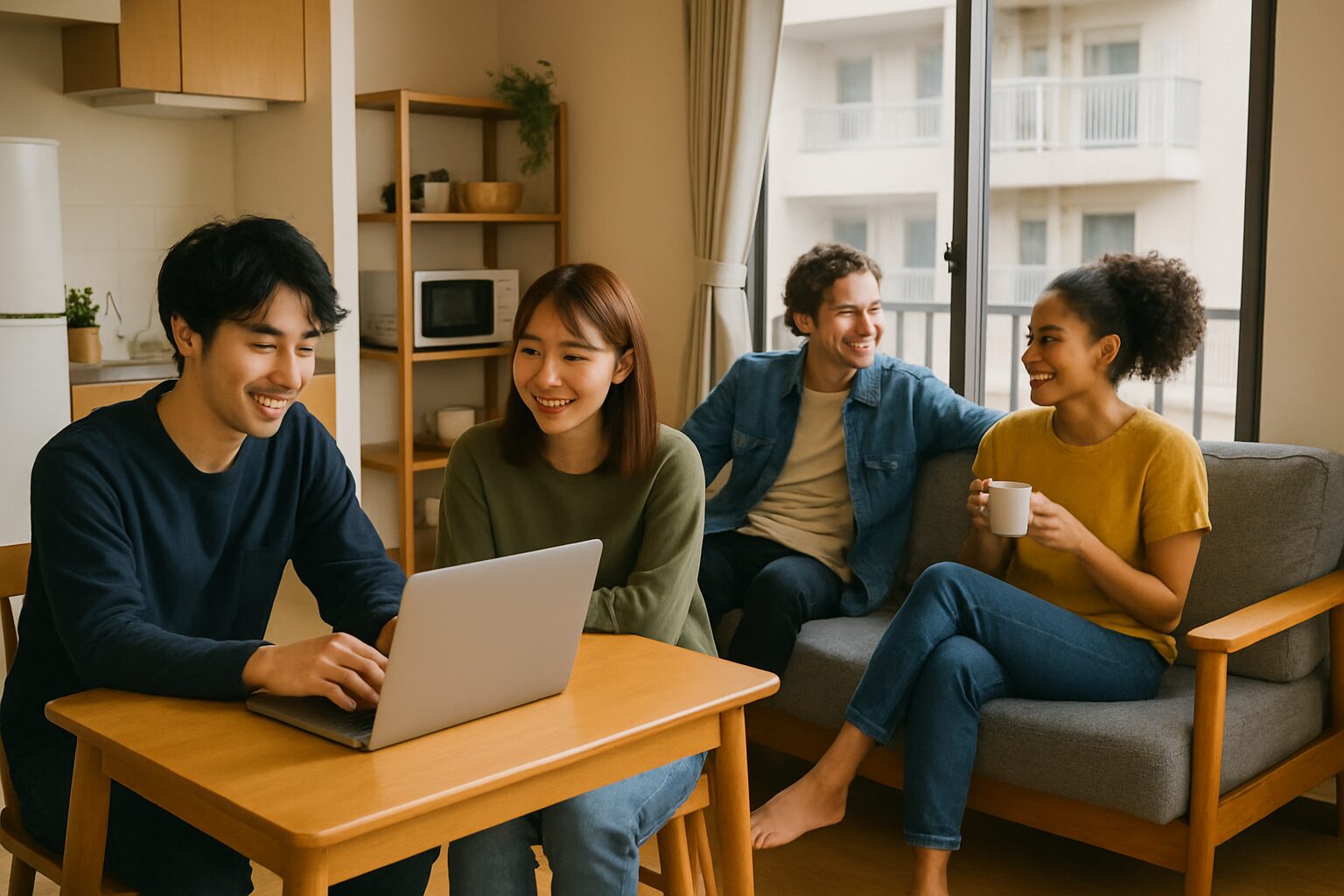
Arriving in a new country, especially one as culturally unique as Japan, can be an intensely lonely experience. The initial excitement of discovery often fades into a quiet sense of isolation as you navigate unfamiliar streets, language barriers, and new social customs. This is where the share house plays a crucial role. By design, it cures loneliness. You don’t just move into a building; you join a ready-made, dynamic community. The shared living room is more than a space with a couch; it’s a stage for late-night chats over tea, an informal classroom for spontaneous Japanese lessons, and a hub for planning weekend outings. After a long day grappling with Japanese grammar or navigating the expansive subway system, instead of entering an empty apartment, you’re welcomed by the inviting aroma of a housemate’s cooking and the friendly question, “How was your day?” These small interactions weave a strong social fabric. Impromptu takoyaki parties, where you and your Japanese housemates laugh over failed attempts at flipping octopus-filled batter balls, teach you cultural lessons textbooks never could. You learn about local festivals through a housemate’s excitement over their yukata outfit, and discover hidden izakayas thanks to residents eager to share their favorite spots. This environment fosters a natural language exchange; your Japanese improves not through rote study, but through daily use—asking for salt, debating movies, or picking up the colorful nuances of Kansai-ben, the local Osaka dialect. Beyond friendship, it’s a powerful professional network. Your housemates might include a graphic designer, an English teacher, a university researcher, and a chef. These connections can unlock career opportunities and offer valuable insights into life and work in Japan. In a share house, you’re never truly alone but part of a supportive group of fellow adventurers who understand the unique challenges of being a foreigner in a new land.
Financial Freedom: Navigating Japan’s Rental Maze
For newcomers, renting a traditional apartment in Japan can be a financially daunting and often prohibitive process. The system is filled with unique fees uncommon elsewhere. There’s the shikikin (security deposit), which is standard, but also reikin (key money)—a non-refundable gift to the landlord equivalent to one or two months’ rent simply for renting their property. You’ll also likely need a hoshonin (guarantor), a Japanese national who agrees to cover your rent if you default, a difficult requirement for most newcomers to fulfill. This often forces foreigners to rely on costly guarantor companies. Add in the real estate agent’s commission and the first month’s rent, and you could be paying an upfront amount equivalent to five or six months’ rent before even getting your keys. It’s a system that can drain your savings before your new life begins.
The share house eliminates this financial hurdle. Entry costs are much lower. Typically, you only pay a modest, often refundable deposit and the first month’s rent. Key money and guarantor fees are virtually nonexistent in share house rentals. This financial accessibility is transformative, enabling you to invest your funds in language lessons, travel, and enjoying your time in Osaka. Additionally, the all-inclusive rent is invaluable. In a traditional apartment, rent is just the start—you must arrange and pay separately for electricity, gas, water, and internet, a bureaucratic and often language-challenging process involving various companies. Share houses combine all these costs into one simple, predictable monthly payment covering your private room, common areas, and all utilities. High-speed Wi-Fi is usually included, removing another setup hassle. Crucially for those on temporary visas, rooms come fully furnished—with a bed, desk, chair, and often air conditioning. Kitchens are equipped with pots, pans, and appliances, saving you the expense and logistical headache of buying and later disposing of furniture and appliances. The share house model offers a gentle financial landing pad and a stable base from which to build life in Japan.
The Unbeatable Convenience: Plug-and-Play Living
Beyond social and financial advantages, the sheer convenience of share house living is a major appeal. The entire process is simplified and designed for ease, especially for foreigners. Applications are usually straightforward and often completed online and in English. Contracts are clear, transparent, and don’t require deep knowledge of Japanese legal terms. Once approved, moving in involves simply collecting your key and unpacking. There are no utility company calls, no scheduling internet installation, and no waiting for a gas representative to activate service. You can be connected and settled within hours of arriving.
This convenience extends to contract flexibility. Whereas a typical Japanese apartment lease is a rigid two-year commitment, share houses offer a range of options, including leases as short as one month—ideal for working holiday visa holders, intensive language school students, or anyone hesitant to commit long term. This flexibility allows you to ‘try before you buy’—experience neighborhoods or the city of Osaka itself before settling down permanently. Moreover, share houses are often found in some of the city’s most desirable, well-connected areas near major transport hubs such as Umeda, Namba, and Tennoji. Renting a solo apartment in these prime locations would be prohibitively expensive for many, but share houses make a central, vibrant lifestyle affordable. Imagine living just minutes from the dazzling department stores of Umeda, the nonstop entertainment of Dotonbori in Namba, or the cultural heart of Shinsaibashi. The time and money saved on commuting allow more opportunities to explore, socialize, and immerse yourself in the city. It’s a lifestyle of ultimate convenience, reducing administrative stress and maximizing your time to experience authentic Japan.
The Other Side of the Coin: Navigating the Challenges
While the dream of a vibrant, hassle-free life in a share house is an appealing one, it is essential to approach it with a realistic mindset. Living with a rotating group of people from diverse backgrounds, cultures, and lifestyles offers a rich experience but inevitably includes some points of friction. The very aspects that make share houses attractive—community and shared resources—also present their biggest potential challenges. Thriving in a share house demands considerable patience, tolerance, and strong communication skills. It involves sacrificing some personal freedom and privacy in exchange for the advantages of communal living. Recognizing these potential drawbacks is not meant to discourage you but to prepare you to handle them smoothly and ensure a mostly positive experience.
The Privacy Paradox: Finding Your Own Space
For those used to living alone, the biggest challenge in a share house is adjusting expectations around personal space and privacy. Your bedroom remains your sanctuary, your only truly private area. Meanwhile, the kitchen, living room, bathrooms, and laundry facilities are shared spaces. This means they aren’t always available or empty when you need them. You might have to wait to shower in the morning or navigate around housemates chatting in the kitchen when you’re just grabbing a quick snack. In many Japanese buildings, especially older ones converted into share houses, walls tend to be thin. You’ll likely overhear neighbors’ conversations, music, and late-night video calls. This constant background noise can be comforting for some but draining for others, particularly introverts who need quiet to recharge. Noise management becomes crucial. Different housemates follow different schedules—for example, someone working late-night restaurant shifts will have a very different routine from a student with early classes. This can cause unintended disruptions — the sound of a hairdryer at midnight, a front door closing at dawn, or lively living room chatter during study time. Successfully managing this privacy paradox means deliberately carving out your personal time. It involves investing in noise-canceling headphones, personalizing your room as a peaceful haven, and communicating your need for quiet to housemates. You learn to cherish the moments of solitude you can find and actively seek them out, whether through a walk in a nearby park or a quiet corner at a local café.
The Human Element: When Housemates Clash
On the flip side of a supportive community is the inevitability of interpersonal conflict. Bringing diverse people together under one roof naturally leads to disagreements. The most common cause of tension in share houses worldwide is cleanliness. Everyone has different standards of “clean.” What one considers “a little messy” another finds “unbearably dirty.” The kitchen sink is often the main battleground—dirty dishes left for hours or days, food splatters on the stove, overflowing trash cans can spark passive-aggressive notes and simmering resentment. The shared fridge also becomes a hotspot for drama—unlabeled food going bad, items being “borrowed” without permission, and limited space leading to disputes. Beyond cleanliness, cultural differences can create misunderstandings. Variations in communication style, personal space, and social expectations mean that what one person sees as friendly chat another might view as intrusive. How a request or complaint is expressed can be interpreted very differently depending on cultural backgrounds. Navigating these complexities requires a careful blend of assertiveness and diplomacy. The key is to address issues early, directly, and politely before tensions rise. It involves phrases like, “Hey, could you please wipe down the counter after cooking?” rather than letting frustration build. Most share houses have a manager who can mediate serious conflicts, but fostering a culture of open communication and mutual respect among residents is best. It’s a practical lesson in tolerance, compromise, and understanding diverse perspectives.
The Rulebook: Living Under Someone Else’s Roof
Although share houses offer more freedom than traditional dormitories, you are still living in a managed property governed by a set of rules. This can feel limiting if you value complete independence. These rules aren’t arbitrary; they maintain order and harmony within a group and protect the property. Common regulations often concern guests—when they can visit, which areas they can access, and strict bans on overnight stays without approval or sometimes an extra fee. This can be frustrating when friends or family visit. Another typical feature is the tōban system—a rotating cleaning schedule assigning residents chores for shared spaces each week. While fair for workload distribution, it can feel like a burden, especially if some housemates don’t fully contribute, leading to tension. Quiet hours, usually from 11 p.m. onward, ensure everyone can rest. For night owls, this may seem like a curfew. It’s important to carefully review the house rules before signing the contract. Are you comfortable with the guest policies? Is the cleaning rota manageable? Do the rules fit your lifestyle? For many, these guidelines are a small price to pay for a well-maintained, peaceful living environment. For others, the lack of total autonomy can be a deal-breaker. Ultimately, it’s a personal decision whether this structure feels like welcome stability or unwelcome restriction.
The Osaka Share House Scene: A Spectrum of Choices

Not all share houses are made the same. The term itself covers a wide range of living arrangements, each with its own distinct culture, size, and focus. Osaka’s share house scene is especially vibrant and varied, reflecting the city’s eclectic and welcoming spirit. Choosing the right house type is just as crucial as selecting the right neighborhood. It’s about finding a place that matches your personality, your reasons for living in Japan, and your social comfort level. From cozy, intimate homes to large, lively complexes, there is a share house in Osaka to fit nearly every preference.
Finding Your Tribe: Concept-Based Houses
As shared living has become more popular, companies have started to specialize by creating ‘concept’ houses aimed at particular demographics to foster specific community vibes. This helps you be more intentional about the environment you want to live in.
Female-Only Houses
For many women, especially solo travelers, safety and comfort are top priorities. Female-only share houses offer a secure, supportive setting. This creates an immediate sense of ease and understanding, which can be very reassuring when adapting to a new country. These houses often build a strong sisterhood, where residents share everything from fashion tips to career advice and look out for one another’s well-being.
International Focus Houses
Some companies, like the well-known Borderless House, operate under models specifically designed to encourage cultural exchange. They maintain a balanced ratio of Japanese to foreign residents, ensuring you won’t be isolated in a ‘foreigner bubble.’ The whole philosophy of these houses centers on interaction, with events, parties, and language exchange sessions organized to help residents connect deeply. If your main goal is to learn Japanese and make local friends, this type of house is ideal.
Professional or Creative Hubs
In a city buzzing with innovation and the arts, some share houses cater to particular professional or creative fields. You might find houses tailored for tech entrepreneurs, artists, musicians, or designers. These spaces often include shared work areas, studios, or other specialized facilities. Living here can be highly stimulating, fostering collaborations, networking, and the cross-pollination of ideas among like-minded residents.
Large-Scale vs. Small-Scale
One key difference is the house size. Large-scale share houses may host 30, 50, or more residents, feeling like private dormitories or social clubs. They often feature impressive common facilities such as gyms, theater rooms, and expansive communal kitchens. The social scene can be very active, with multiple events happening simultaneously. While it’s easy to meet many people, it can sometimes feel impersonal or overwhelming. On the other hand, small-scale houses, with around 4 to 8 residents, offer a much more intimate, family-like atmosphere. You get to know your housemates well, sharing meals and daily life closely. Though conflicts may feel more personal, the potential for deep, lasting friendships is greater. Your choice depends on whether you prefer a lively buzz or a quiet, close-knit home.
A Tour of Osaka’s Neighborhoods
The location of your share house will heavily influence your daily Osaka experience. Each major district has its own character, making it important to find the right match.
Umeda/Kita Area
This northern gateway of the city is a sleek, modern center of business, fashion, and transport. Filled with gleaming skyscrapers, sprawling underground malls, and the massive Osaka-Umeda Station complex, this area is sophisticated and fast-paced. A share house here suits professionals seeking easy access to corporate offices and major train lines, including the Shinkansen. Dining and shopping are upscale and plentiful, with nightlife that’s chic and polished. It represents the pinnacle of urban living.
Namba/Minami Area
If Umeda is the city’s polished head, Namba is its vibrant heart. This southern entertainment district hosts the iconic Dotonbori canal with its Glico Running Man sign, the endless Shinsaibashi shopping arcade, and the quirky fashion scene of Amerikamura. The energy here is constant—a 24/7 carnival of sights, sounds, and smells. Living in Minami means immersing yourself in Osaka’s famed kuidaore (‘eat till you drop’) culture. It’s loud, somewhat gritty, and endlessly captivating. It’s ideal for those who thrive on energy and want to be in the thick of the action.
Tennoji Area
Tennoji offers a balanced mix of old and new. Home to Japan’s tallest skyscraper, Abeno Harukas, with spectacular views, and the ancient Shitennoji Temple, one of Japan’s oldest, this district blends modernity and tradition. The expansive Tennoji Park and Zoo add a refreshing green space to the cityscape. With a slightly more relaxed, family-friendly vibe than the major hubs, and its own large station, Tennoji remains very well connected. It’s a great pick for those seeking a blend of convenience and cultural richness.
Suburban Gems
Consider the residential neighborhoods just a short train ride from the city center. Areas along the main Midosuji subway line like Nishinakajima-Minamigata or Esaka, or farther north spots such as Senri-Chuo, provide quieter, more local living experiences. Rents tend to be much more affordable, and you’ll experience everyday Japanese life firsthand—shopping at local grocery stores and frequenting neighborhood ramen shops. Thanks to Osaka’s highly efficient train network, you remain only 15–20 minutes from the bustle of Umeda or Namba, offering the best of both worlds.
Your Practical Toolkit for Success
Finding and thriving in a share house is truly an art. It takes a bit of research, a touch of intuition, and a willingness to embrace the communal spirit. With the right knowledge and approach, you can smoothly navigate the process and set yourself up for a fantastic experience. Think of it as a matchmaking process: you’re not just searching for a room, but for a home and a community that suits you. Here’s a practical guide to help you find your ideal match and become an outstanding housemate.
The Hunt: How to Find Your Perfect Match
The search for a share house usually starts online. There are many websites dedicated to shared living in Japan, from the official pages of major share house companies (like Oakhouse or Borderless House) to aggregate portals listing properties from various smaller management agencies. These sites serve as a great starting point, allowing you to filter by location, price, room type, and specific house rules (such as female-only). Pay close attention to the photos, but keep a critical eye—they’re intended to present the property at its best. Read the descriptions and resident reviews carefully to get a sense of the house’s atmosphere and how responsive the management is.
However, the most crucial step in your search is the naiken, or in-person viewing. Never, under any circumstances, sign a contract for a share house without seeing it yourself first. Photos can be misleading, and the vibe of a place can only be truly gauged by being there. During your naiken, be thorough. Don’t just inspect your potential room—check the common areas. Is the kitchen clean? Are the bathrooms well-maintained? Are there enough washing machines for the number of residents? Examine the condition of appliances, open the fridge, and look for signs of wear and tear. Most importantly, try to visit when other residents are home, such as in the evening or on a weekend. This is your chance to ask them questions. Are they happy living there? Is management responsive to issues? What’s the social atmosphere like? Their honest answers will be more insightful than any online review. Trust your instincts. Does the place feel welcoming? Can you see yourself living here? Taking the time for careful inspection at this stage can save you a lot of trouble later on.
Understanding the Contract and Costs
Before signing anything, ensure you have a clear understanding of the financial obligations involved. A reputable share house company will provide a contract, often available in English, that clearly outlines all fees. Let’s break down a typical cost structure. You’ll have the monthly yachin (rent) for your room. Additionally, there’s usually a kyoekihi (common service fee or management fee), which covers utilities, internet, and cleaning/maintenance of shared areas. Clarify whether this fee is fixed or varies with usage. The initial payment typically includes your first month’s rent and service fee plus a hoshokin (deposit). It’s essential to understand the terms regarding the deposit: is it fully refundable upon move-out if there’s no damage? Are standard cleaning fees deducted regardless? Carefully review the contract length and especially the cancellation policy. How much notice is required before moving out? Are there penalties for early termination? Knowing these details upfront will help you avoid unpleasant financial surprises later.
The Art of Being a Great Housemate
Once you’ve moved in, your experience will largely depend on the relationships you build with your housemates. Being a thoughtful and proactive member of the community is key to maintaining a harmonious living environment. The golden rules are simple yet effective.
First, communication is everything. If something bothers you, address it calmly and respectfully. Don’t let minor annoyances grow into major conflicts. A friendly, straightforward conversation is almost always better than a passive-aggressive note.
Second, maintain impeccable cleanliness in the shared spaces. This is the number one rule of communal living. Wash your dishes immediately after use. Wipe down the stove and counters. Avoid leaving personal belongings scattered in the living room. Even small efforts make a big difference to everyone’s comfort.
Third, be considerate about noise. Use headphones when listening to music or watching videos in your room. Be mindful of your voice volume during late-night calls. Close doors gently rather than letting them slam. Such basic courtesy goes a long way.
Fourth, engage with the community. Join house dinners or organized outings when possible. Suggest activities yourself. Be open, friendly, and approachable. Even a simple “good morning” or “welcome home” helps create a warm, welcoming atmosphere.
Finally, keep an open mind. You’ll be living with people from very different backgrounds. Embrace the chance to learn about their cultures, foods, and viewpoints. A bit of curiosity and respect will help transform you from a mere resident into a valued member of your new share house family.
Beyond the Walls: How a Share House Amplifies Your Osaka Experience

A share house offers more than just shelter; it acts as a catalyst. It enhances your entire experience of living in Osaka. The city, with its maze-like streets, lively culture, and endless opportunities for discovery, can feel overwhelming to navigate alone. However, with a built-in group of fellow adventurers, the city shifts from being an intimidating challenge to a shared journey. The real value of a share house goes beyond its physical structure, enriching every part of your new life.
The advice you receive from your housemates is pure treasure, offering insights you won’t find in any guidebook. Instead of just visiting Osaka Castle, you’ll learn from a local housemate the best times to avoid crowds and the ideal spot for a scenic picnic. Instead of dining at a random okonomiyaki place in Dotonbori, you’ll be introduced to a tiny, family-run restaurant in a quiet neighborhood, reputed to serve the city’s finest. Your housemates act as personal guides to the city’s hidden treasures, from the trendiest vintage shops in Amerikamura to the most peaceful temple tucked away on a side street.
This communal living arrangement fosters spontaneity. A dull Tuesday evening can quickly turn into a visit to a local sento (public bath) with a few housemates—something you might have been reluctant to try alone. A casual kitchen chat on a Friday night might lead to an impromptu weekend trip to Kyoto, Nara, or the sacred mountains of Koyasan. These shared, unplanned adventures often become the most unforgettable moments abroad, forging lasting bonds and memories.
Crucially, a share house also offers an essential support network. Navigating Japanese bureaucracy—opening a bank account, registering at the ward office, sorting out a mobile phone contract—can be confusing and daunting. Having a Japanese housemate or a more seasoned foreign resident to help you understand paperwork or make phone calls is an invaluable lifeline. On a personal level, they are the ones who will stand by you through inevitable culture shock or homesickness. They empathize because they’ve been through it too. Sharing a laugh or frustration with someone can transform the vast city of Osaka into a place that feels smaller, more manageable, and ultimately, like home. The friendly, open, and community-driven spirit of Osaka, known as naniwa no jō (Osaka spirit), perfectly manifests in the share house environment. It’s a setting where the city’s welcoming heart shines through the people you share your everyday life with.
Final Thoughts from a Fellow Traveler
Choosing to live in a share house in Osaka is more than just a practical housing choice; it represents a significant lifestyle commitment. It signals that you value community over solitude, experience over privacy, and connection over complete independence. It is certainly a trade-off. You exchange the quiet predictability of your own apartment for the lively, sometimes chaotic, yet always engaging atmosphere of a shared home. You give up the convenience of freely roaming your own kitchen at midnight for the delight of spontaneous conversations with new friends from countries you have only dreamed of visiting.
Is it suitable for everyone? Definitely not. If you highly value personal space, require absolute silence to function, or dislike compromise, the difficulties may outweigh the benefits. But if you arrive in Osaka with an open heart, eager to immerse yourself in a new culture, build friendships around the world, and create a life full of shared experiences, a share house can be an amazing starting point. It offers a fast track to the city’s core, instantly connecting you to its social fabric. So, as you prepare for your Osaka journey, reflect on the possibilities. Welcome the potential for chaos, connection, and the unique growth that comes from sharing a home. Take the plunge. The vibrant, friendly spirit of Kansai is ready to embrace you, and a share house could be the perfect key to open its door.