
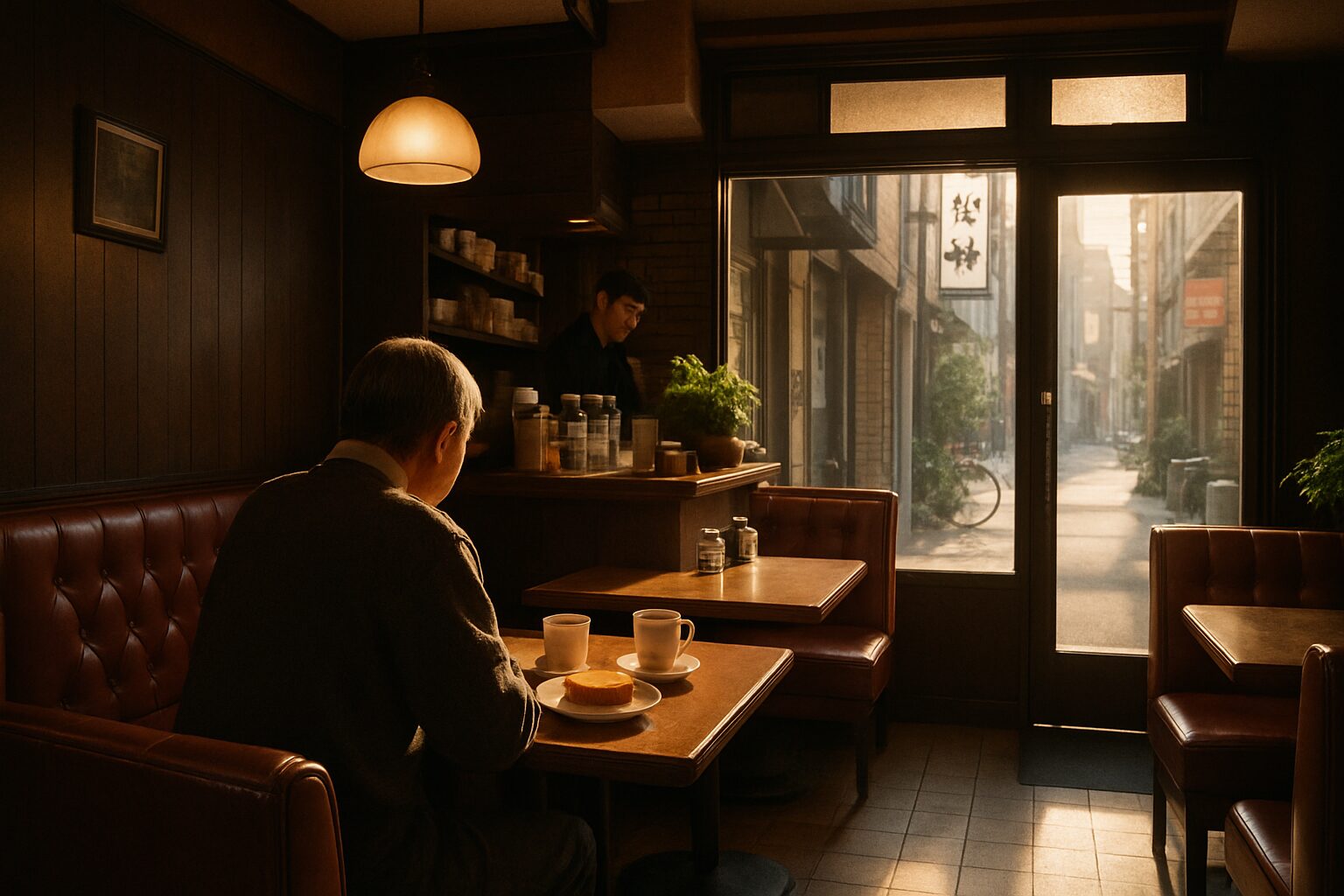
Step off the train in Osaka, let the city’s electric pulse wash over you. The neon signs are still sleeping, the frantic energy of Dotonbori is just a low hum, and the real rhythm of the city beats in its quiet corners. It’s here, in the hazy morning light filtering down a sleepy shotengai or a forgotten alleyway, that you’ll find the true soul of Osaka’s morning. It’s a ritual, a quiet covenant between a city and its people, and it smells like dark-roast coffee, buttered toast, and the slow turn of a newspaper page. This is the world of the Kissaten and its legendary ‘Morning Set’—or as the locals say, mōningu setto. Forget the sterile efficiency of global coffee chains; this isn’t about a caffeine fix on the run. This is a cultural institution, a moment of profound peace, and the most authentic way to begin your day in the heart of Kansai. It’s a simple, beautiful transaction: order a cup of coffee, and for a handful of extra yen, or sometimes for free, you receive a perfectly composed breakfast. It’s a taste of history, a warm embrace of hospitality, and an invitation to see the city not as a tourist, but as a participant in its daily, unfolding story. Before we dive into the deep, rich brew of this tradition, let’s get our bearings. Osaka is a sprawling, beautiful beast, and its heart beats strongest in the neighborhoods where life unfolds at a human pace.
This morning ritual offers a glimpse into the authentic, local life that persists even as Osaka’s tourism landscape undergoes significant change.
The Anatomy of a Perfect Morning: Deconstructing the ‘Morning Set’
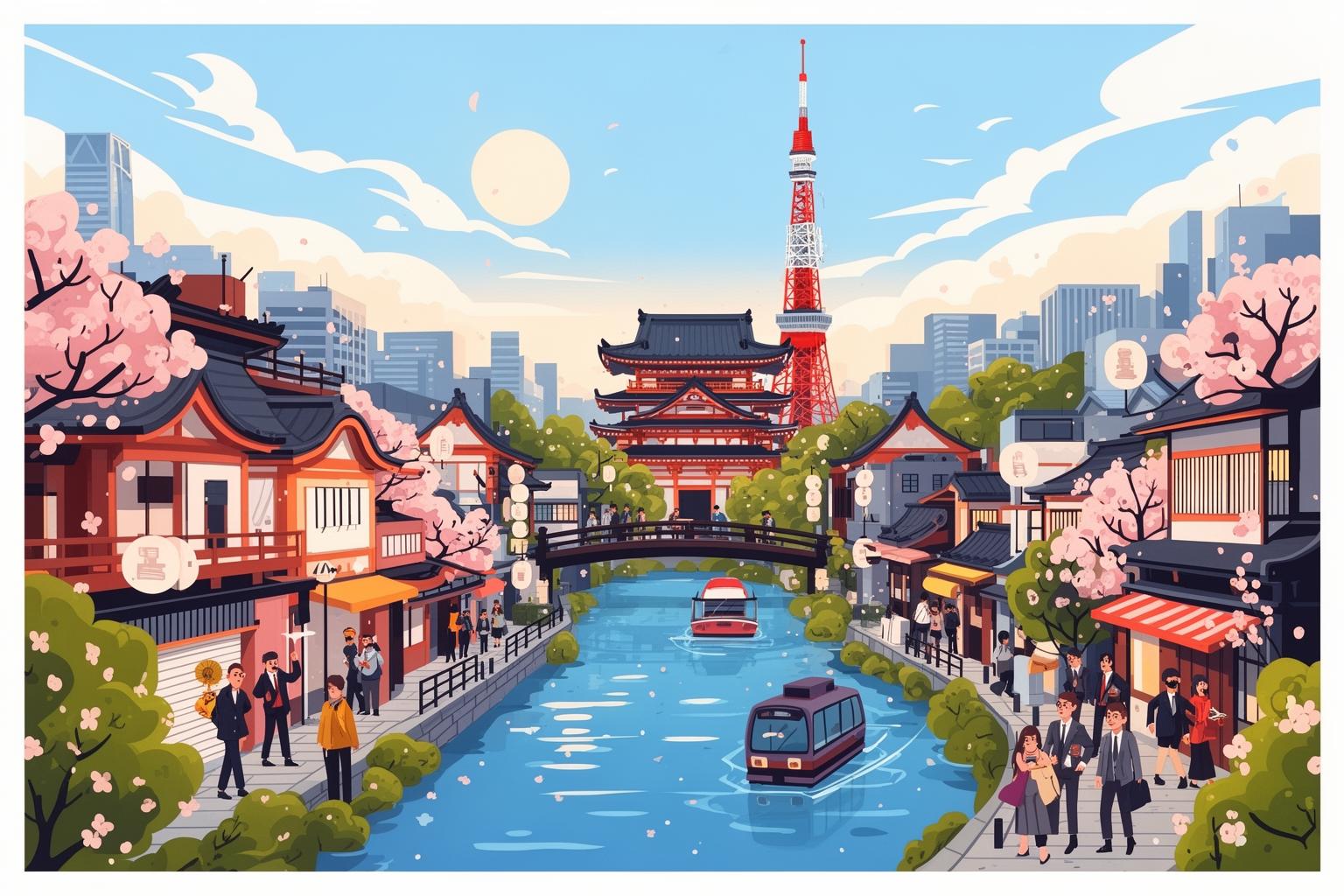
The charm of the morning set lies in its graceful simplicity—a sacred trinity of coffee, toast, and egg that forms the foundation of this ritual. Yet, to reduce it to just that would overlook the craftsmanship and quiet devotion infused into each element. This isn’t merely breakfast; it’s a meticulously balanced composition, refined through decades of daily tradition.
First and foremost is the coffee. In a genuine kissaten, coffee is not a mere product; it is an art form. The air is heavy with its aroma, a rich, sometimes smoky scent that promises a depth far beyond the ordinary cup. Forget the light, fruity notes of third-wave espresso—this is the realm of dark roast, a flavor profile that speaks of heritage and patience. The brewing itself can be a captivating spectacle. Spot the gleam of a glass siphon, a scientific and artistic device where steam pressure and vacuum collaborate silently to create an exceptionally clear, full-bodied brew. Or perhaps the shop’s “Master,” the owner and sole brewer, is engaged in the delicate nel drip process. Using a flannel cloth filter, they slowly pour hot water over the grounds with the precision of a calligrapher’s hand, coaxing every drop of flavor out. The coffee is never served in a paper cup but in a thick, pre-warmed ceramic mug, often adorned with the shop’s distinctive crest. Accompanying it is a tiny pitcher of fresh cream—not milk—that enriches the coffee’s bitterness with a luxurious smoothness. Drinking this coffee invites you to slow down, to savor the warmth of the cup and the complex flavors that tell tales of beans roasted with care and brewed with love.
Next is the faithful companion to the outstanding coffee: the toast. This is no flimsy, pre-sliced bread from a plastic bag but shokupan, the finest Japanese milk bread. It arrives as a thick-cut slab, unapologetically generous—often an inch thick or more. The crust is toasted to a perfect golden brown, offering a satisfying crunch that gives way to an interior that’s impossibly soft, fluffy, and cloud-like—a textural marvel. The classic preparation calls for a generous spread of butter or margarine, melting into the warm bread to create little pools of savory delight. Often, a small pot of strawberry jam accompanies it. For a truly local touch, you might encounter ogura toast, topped with sweet, chunky red bean paste—a combination that may sound unusual but is a harmonious blend of sweet and savory that has won hearts for generations. Each bite is like a comforting embrace, a simple joy that feels both indulgent and wholesome.
Rounding out the classic trio is the humble boiled egg, the yude tamago. It rests in its own small dish, a perfect, unadorned sphere of potential. The ritual of gently tapping it on the table and peeling away the shell to reveal the smooth, warm white beneath is a small, meditative act. Sometimes it’s hard-boiled, firm and familiar; other times, you’re treated to a flawlessly soft-boiled egg with a jammy, golden yolk begging to be scooped out with a tiny spoon or spread onto a piece of toast. A delicate glass salt shaker is always nearby, allowing you to season the egg to your exact taste. It’s a simple, clean protein source, anchoring the meal in pure, unpretentious nourishment. While this trinity forms the core, many kissaten offer delightful variations. Your plate might also include a small mound of crisp shredded cabbage salad, drizzled with tangy sesame or wafu dressing. You could find a single, carefully folded slice of ham, a small bowl of plain yogurt, or a few slices of seasonal fruit like orange or melon. These are not mere afterthoughts; they are part of the composition, subtle grace notes that elevate the entire experience and reflect the proprietor’s hospitality.
More Than Just a Meal: The Soul of the Kissaten
To truly grasp the morning set, you must first understand its temple: the kissaten. Entering one is like passing through a time portal. The hectic rhythm of modern Osaka fades at the door, replaced by a profound, comforting stillness. The atmosphere embodies the essence of the place—a carefully preserved ecosystem of tranquility and nostalgia, often recalling the Showa Era (1926–1989), a time of great transformation and cultural blooming in Japan.
The sensory journey begins immediately. Your eyes adjust to the soft, warm light, often emanating from ornate Tiffany-style lamps with stained-glass shades that cast jewel-toned patterns on the walls. The décor showcases classic textures: dark, polished wood paneling glows softly, while plush velvet or worn leatherette covers deep, inviting booth seats that beckon you to linger. The air itself feels different—heavier, infused with the layered scents of decades-old coffee, the faint sweetness of old books, and, in some older shops, the lingering ghost of cigarette smoke, a vestige of a bygone age (though many are now non-smoking or have designated areas). The soundscape is a gentle symphony. There’s no pop music blaring overhead; instead, soft classical melodies or the cool, melancholic notes of jazz fill the space at a volume that encourages quiet reflection rather than conversation-stopping noise. This ambiance is punctuated by the subtle, rhythmic sounds of the shop itself: the clink of a spoon against a ceramic cup, the soft hiss of the siphon brewer, the rustle of turning pages, and the low, hushed tones of regulars exchanging pleasantries.
At the center of this universe is the ‘Master.’ This figure is more than a manager or barista; the Master is the keeper of the kissaten’s soul. Often someone who has stood behind the counter for thirty, forty, or even fifty years, they move with an economy of motion born from decades of practice. Clad in a crisp shirt and apron, their focus is unwavering as they perform the coffee-making ritual. While they may not display effusive friendliness in the Western sense—there is a dignified stoicism to their presence—their welcome is genuine and deeply felt. They recognize their regulars by name, know their usual orders, and notice when someone has been absent for several days. They are the silent conductors of this tranquil orchestra, ensuring every detail—from the cup’s temperature to the spoon’s placement—is perfect. Watching them work is a lesson in shokunin, the Japanese spirit of craftsmanship and relentless pursuit of perfection in one’s profession.
The kissaten also reflects its community. It serves as a ‘third place,’ a vital social hub that exists between home and work. In the morning, you’ll encounter a cast of familiar locals: an elderly couple occupying the same booth for decades, sharing a newspaper and a comfortable silence; a salaryman in a sharp suit, eating toast quickly yet deliberately while scanning financial pages before a long day at the office; and a university student hunched over a textbook, nursing a single cup of coffee for hours, welcomed by the Master who understands the need for a quiet study space. It is a democratic place where various strands of the neighborhood’s social fabric intertwine—a living room for the community, a place for quiet reflection, gentle gossip, and the simple, human act of sharing space and time. This is the true magic of the kissaten—it doesn’t merely sell coffee and toast; it offers a sanctuary.
Navigating the Kissaten Scene: A Guide for the Curious Foreigner
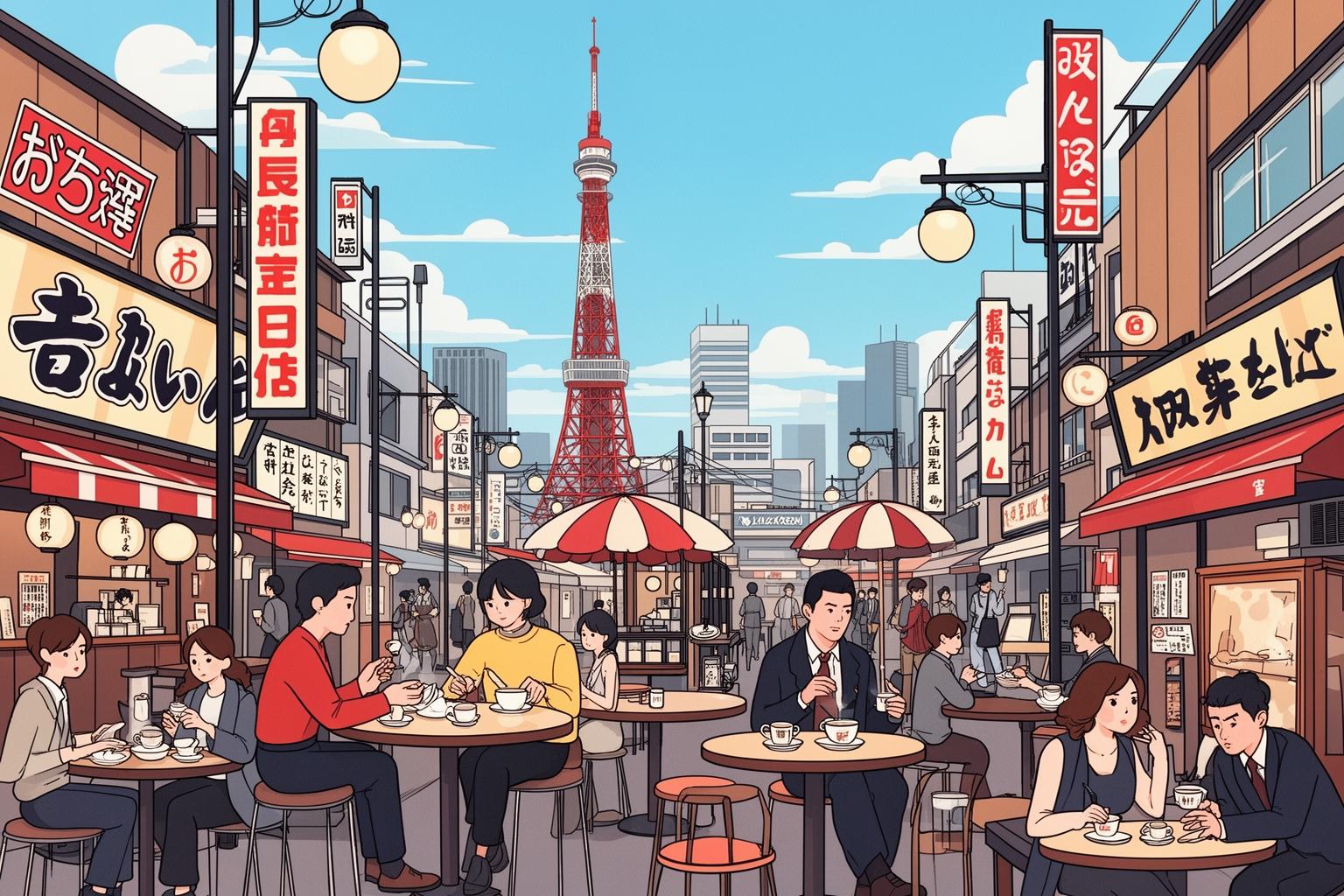
Discovering these bastions of tradition is an adventure all on its own. They don’t call for your attention with flashy signs or aggressive marketing. Instead, they exist with a quiet confidence, waiting to be found. Your best strategy is to wander. Veer off the main streets of Umeda and Namba and explore the covered shopping arcades, the shotengai, such as the endlessly intriguing Tenjinbashisuji Shotengai. Duck into the narrow side streets of retro-chic neighborhoods like Nakazakicho or the business-focused alleys of Kitahama. Watch for subtle clues: a simple, often faded sign with the characters 喫茶店 (kissaten), a revolving barber-style pole (a classic symbol for coffee shops in Japan), or a charmingly vintage plastic food display case near the entrance showcasing wax models of the morning set, spaghetti Napolitan, and bright green cream sodas. The entrance may be modest—a plain wooden door with a small bell that jingles upon arrival—but inside lies a warm retreat.
The etiquette of the kissaten is refreshingly straightforward and intuitive, grounded in mutual respect and a shared wish for a peaceful atmosphere. Upon entering, the Master will greet you softly with “Irasshaimase” (Welcome) and gesture toward an available seat. Choose a cozy booth or a spot at the counter where you can observe the coffee-making process up close. There’s no need to rush your order; take a moment to absorb the ambiance. The menu will probably be in Japanese, but nearly every kissaten offering a morning special will have it clearly marked as モーニング or モーニングセット. Often, you can simply point to the item or say with a smile, “Mōningu setto, kudasai” (Morning set, please). It’s a phrase universally understood in these places. This is not a venue for loud phone calls or boisterous talk. Speak softly, and if you’re with someone, enjoy the kind of quiet conversation that honors the tranquil space shared by all customers. The aim is to linger—to read a book, plan your day, or simply watch the world go by through the window. It’s an art of doing nothing, done well.
Here are a few practical tips to make your first visit smooth. The ‘Morning Set’ is available only during a specific time frame—usually from the moment the shop opens, around 7 or 8 AM, until about 11 AM. After that, the lunch menu takes over. Although Japan is becoming more credit card-friendly, many older, family-run kissaten remain strictly cash-only. It’s wise to carry some yen to settle your bill, which you’ll usually pay at the counter upon leaving. Another point to consider is smoking. Historically, kissaten and cigarettes went hand in hand. Though regulations are changing, some traditional spots still allow smoking. If you’re sensitive to smoke, it’s best to glance inside first or check for a non-smoking sign (禁煙, kin’en) at the entrance. Above all, the key advice is to be open and respectful. These are not just businesses—they are heartfelt extensions of their owners’ lives and passions. A simple nod of thanks (“Gochisousama deshita”—Thank you for the meal) to the Master as you leave will be deeply appreciated.
A Tale of Three Kissaten: Iconic Osaka Morning Experiences
To truly understand the diversity within the kissaten world, let’s imagine a morning walk through Osaka, visiting three distinct types of this cherished institution. Each offers a unique glimpse into the city’s multifaceted character.
Our first stop is deep in a neighborhood like Shinsekai or another area that feels lovingly frozen in time. Here, we find “Kissa Showa,” a fictional embodiment of the classic time-capsule coffee shop. The sign outside is made of fading plastic, the name written in stylish, sweeping katakana from the 1960s. Pushing open a heavy wooden door with a brass handle, a small bell signals our arrival. Inside, the air is cool and still, thick with the aroma of dark coffee and old paper. The Master, a man in his late seventies with slicked-back grey hair and a starched white shirt, nods at us from behind a long wooden counter. The seats are deep, button-tufted booths upholstered in dark red vinyl, each fitted with a small built-in ashtray, though now filled with tiny decorative plants. A large, non-functional rotary phone rests on a corner shelf, and the walls are decorated with faded movie posters. The only sounds are the gentle bubbling of siphons and a scratchy vinyl record of a forgotten jazz trio. We order the morning set, which arrives on a heavy ceramic plate. The toast is incredibly thick, toasted dark brown, with a pat of margarine already melting into its surface. The coffee, brewed via siphon, is black, strong, and served in a substantial cup. The boiled egg is perfectly hard-boiled. The customers are a few elderly men, each engrossed in a different section of the same newspaper, and a woman in a stylish hat writing a letter on fine stationery. Eating here feels less like a meal and more like taking part in a historical reenactment—a quiet, poignant tribute to a bygone era, full of profound nostalgia and steadfast consistency.
Next, we head to the bustling business district of Yodoyabashi, where steel and glass skyscrapers dominate. Tucked in the basement of an older office building, we find “Coffee Break Central,” a salaryman’s sanctuary. The atmosphere here focuses less on nostalgia and more on refined, functional calm. The decor remains classic kissaten—dark wood, comfortable seating—but it’s cleaner and sharper, with a hint of mid-century modern style. The pace is somewhat brisker, though never hurried. The Master, younger, probably in his fifties, works with incredible efficiency, a silent ballet of grinding beans, preparing toast, and pouring coffee for a steady flow of suited customers. We order the “B Set” morning, featuring a perfectly toasted sandwich filled with a thin layer of egg salad and a slice of ham, crusts neatly trimmed. The coffee is a robust, dark house blend from a drip machine, designed to provide a solid, reliable kickstart to the day. It is accompanied by a small glass of orange juice and a cup of yogurt. The patrons here are focused, eating with purpose, using the quiet time to prepare for the day ahead—reviewing documents, checking schedules on their phones (silenced, naturally), or gathering their thoughts before the rush of meetings and deadlines. This kissaten serves an essential role: a decompression chamber, a final moment of calm and order before diving into the corporate world. It is a ritual used as mental preparation, a cornerstone of the urban professional’s daily routine.
Our final stop brings us to the winding, artistic alleys of Nakazakicho, a neighborhood famed for its bohemian vibe, vintage shops, and independent galleries. Here, we discover “Gallery Cafe Hibi.” This place blurs the boundary between kissaten and art space. The white walls showcase rotating works by local painters and photographers. Sunlight streams through a large front window, illuminating dust motes dancing in the air. The owner, passionate about specialty coffee and local art, greets us warmly. The music is neither jazz nor classical, but a carefully curated ambient electronic playlist. The furniture is a charming, eclectic mix of mismatched vintage chairs and tables. The morning set reflects this artistic sensibility. The bread is a rustic whole-grain variety from a local artisan bakery. Instead of butter and jam, it’s served with a dollop of cream cheese and a drizzle of local honey. The egg is soft-boiled and served in a beautiful hand-thrown ceramic cup. The coffee is a single-origin bean, prepared with meticulous pour-over technique, and its complex flavor notes are passionately explained by the owner. The customers here are artists, students from a nearby design school, and young couples seeking a unique, inspiring start to their day. Conversations revolve around creative projects, gallery openings, and philosophical ideas. This kissaten functions as a community hub of a different kind—a place for creative nourishment, collaboration, and the celebration of modern craftsmanship rooted in tradition. It proves the kissaten spirit is not fixed; it can adapt, evolve, and remain a relevant and beloved space for new generations.
The Cultural Significance: Why the Morning Set Endures
The enduring popularity of the morning set is no coincidence. It is a cultural phenomenon woven from strands of economic history, long-standing notions of hospitality, and a contemporary desire for authenticity. Its roots are often traced back to Japan’s post-war economic boom. As coffee shops multiplied, owners needed a way to stand out and attract the growing number of office workers in the morning. The brilliant idea was to offer a ‘service’—a free or heavily discounted breakfast—to accompany the profitable cup of coffee. This value proposition was an immediate success, transforming the morning coffee run from a simple purchase into a complete, satisfying meal and an unbeatable bargain. It became a vital part of the daily routine for millions.
However, viewing it solely through an economic perspective misses its essence. The morning set is a noble expression of omotenashi, the uniquely Japanese concept of hospitality that anticipates a guest’s needs and offers wholehearted service without expecting anything in return. The extra items on the plate—the salad, the fruit, the yogurt—are not mere marketing tricks; they are sincere gestures of welcome. The Master is not just aiming to make a sale; they want their customer to begin the day feeling cared for and content. This spirit of generosity elevates the morning set from a simple combo meal to a beloved cultural ritual. It is a quiet message that says, “We are glad you are here. Please, relax and let us take care of you.”
In today’s hyper-connected, fast-paced world, the kissaten and its morning set fulfill another, perhaps more essential, role. They stand as a counterbalance to the relentless quest for efficiency and convenience. They remain defiantly analog in a digital era. In a world of mobile ordering and drive-thrus, the kissaten insists that you pause, sit down, and be present. There is no Wi-Fi password posted on the wall. No power outlets at every table. The emphasis is on the tangible: the weight of the ceramic cup, the texture of the newspaper, the flavor of the coffee, the tranquil atmosphere. It is a deliberate slowing down, a small act of rebellion against the rush of urgency. It offers a much-needed refuge from the noise and demands of modern life, providing space for reflection, connection, and the simple joy of a well-crafted meal in a serene setting. This is why the morning set not only persists but is cherished more than ever.
Beyond the Morning: The All-Day Charm of the Kissaten
While the morning set remains the undisputed highlight of the early hours, the charm of the kissaten lingers throughout the day, adapting to the needs of its patrons as the sun moves across the sky. Leaving after 11 AM means missing out on a whole new range of classic Japanese comfort foods and drinks, all prepared with the same careful attention.
As lunchtime nears, a fresh menu often emerges, showcasing a variety of yōshoku (Western-style Japanese dishes). A timeless favorite is Spaghetti Napolitan, a nostalgically delightful dish of soft spaghetti noodles pan-fried with onions, peppers, and sausage in a sweet tomato ketchup sauce. Another classic is Japanese curry rice, a thick, mild, and savory curry served over a bed of fluffy white rice. You’ll also find expertly made sandwiches, such as the katsu sando (breaded pork cutlet sandwich) and the previously mentioned tamago sando (egg salad sandwich). Much like the morning set, these lunch options offer excellent value, often including a small salad and a drink.
The afternoon invites quiet indulgence. This is when patrons enjoy a slice of cake alongside their coffee. The desserts are typically classic and straightforward: rich baked cheesecake, decadent chocolate gâteau, or a seasonal Mont Blanc with its delicate chestnut cream swirls. The kissaten also shines in crafting whimsical, visually appealing drinks that delight both the eye and the palate. The Cream Soda is an icon—served in a tall glass filled with bright green melon soda, crowned with a perfect scoop of vanilla ice cream and often a maraschino cherry. Another beloved classic is Coffee Jelly, sweetened black coffee gelatin cubes served in a parfait glass with fresh cream or ice cream poured over them. These treats are enjoyed by all ages, offering a sweet, nostalgic reprieve in the midst of a long day.
A Final Sip
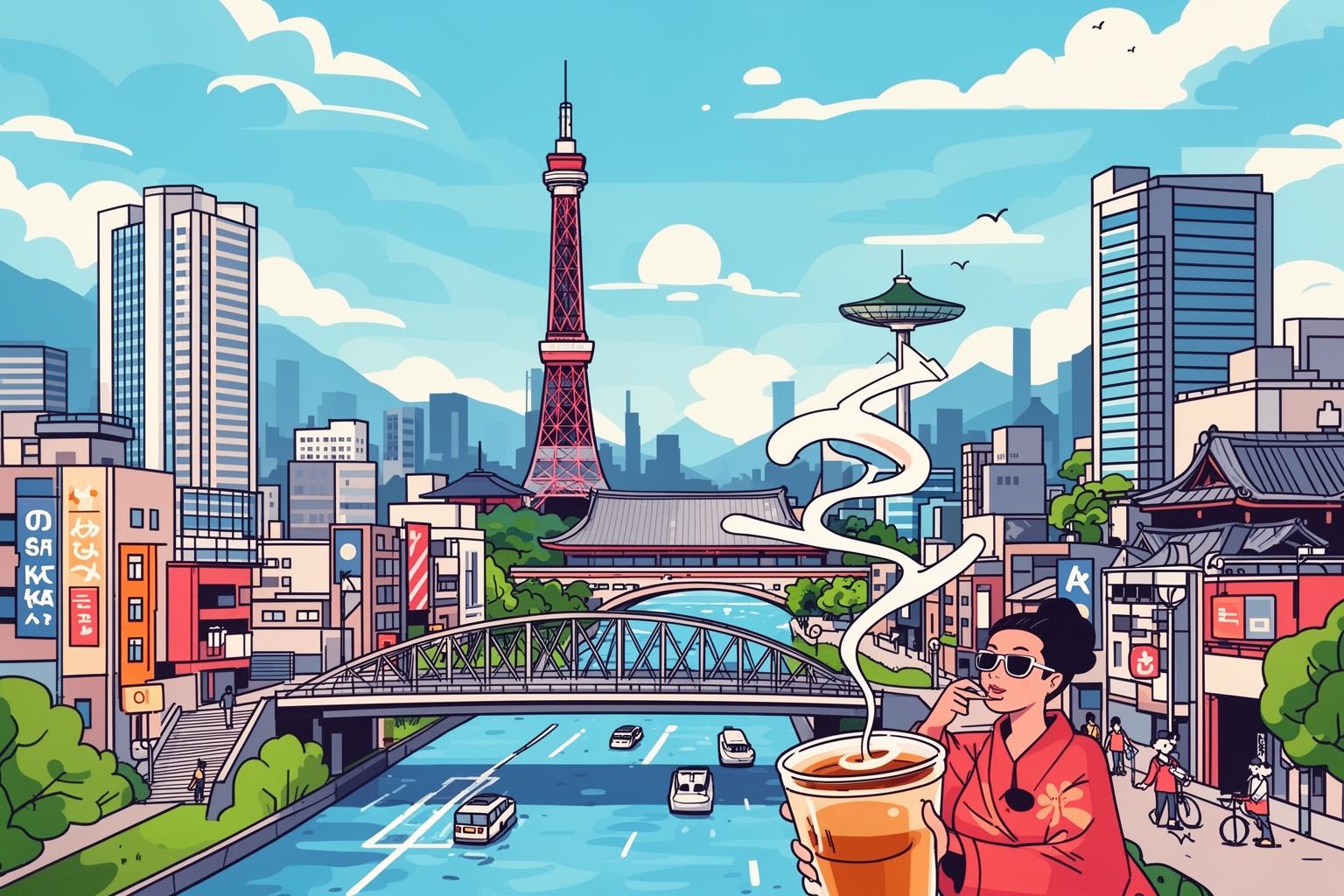
Seeking a morning set in an Osaka kissaten is more than simply having breakfast; it is an experience of cultural immersion. It offers an opportunity to uncover the layers of a city celebrated for its bold flavors and lively spirit, revealing its quieter, more reflective essence. It allows you to observe a daily tradition that has united generations, a modest joy that has endured through change and the advance of modern life. It teaches the beauty of taking things slow, the importance of craftsmanship, and the deep comfort of a warm welcome. So, when you find yourself in Osaka as the city awakens, resist the temptation of a quick, convenient meal. Instead, stroll down a side street, open a heavy door, and follow the scent of freshly brewed coffee. Settle into a worn vinyl booth, listen to the soft clink of a spoon against ceramic, and experience the city’s true pace, one perfect morning set at a time. It is a taste of history, a moment of tranquility, and the most genuine way to say ‘Good morning’ to this remarkable city.








