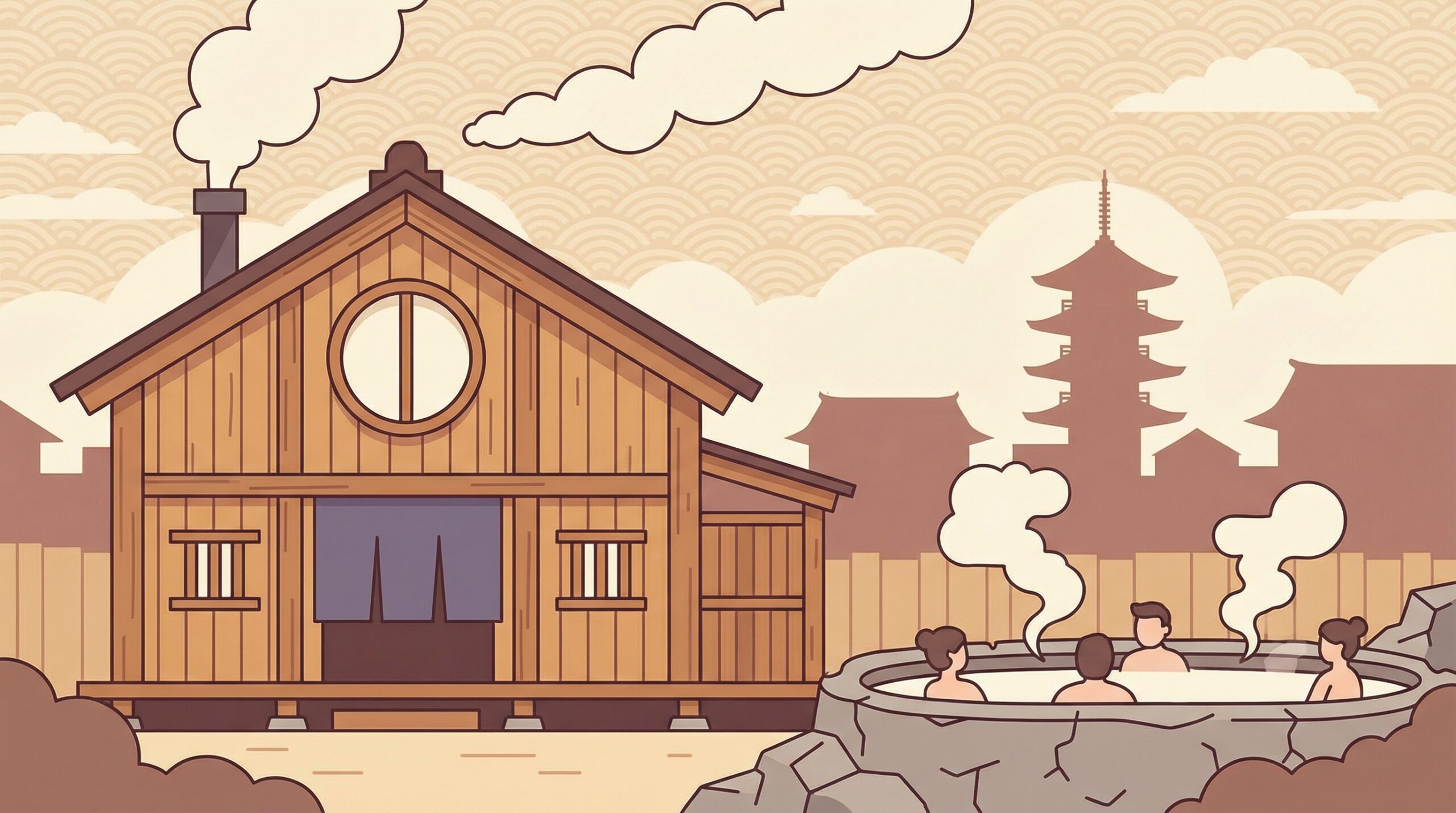
Step out of the buzzing, neon-soaked energy of an Osaka street and into the quiet hum of a residential back alley. The air, thick with the savory promise of takoyaki and the distant rumble of the Loop Line, suddenly changes. You catch a scent—a clean, mineral-rich steam that speaks of deep warmth and profound relaxation. You see it ahead: a gracefully curved tile roof, a tall, slender chimney reaching for the sky, and a simple cloth curtain, or noren, swaying gently in the doorway, bearing a single, elegant character: ゆ (yu), the symbol for hot water. This is the entrance to a neighborhood sentō, Osaka’s public bathhouse. And it’s so much more than just a place to get clean. It’s the city’s communal living room, a sanctuary where the day’s worries dissolve in hot water, and the vibrant, unpretentious spirit of Osaka reveals itself in its most authentic form. In a world that champions privacy and personal space, the sentō stands as a beautiful, enduring testament to the power of community, a place where generations connect, friendships are forged, and the simple act of bathing is elevated to a cherished daily ritual. Forget the grand castles and towering skyscrapers for a moment; to truly understand the heartbeat of this city, you must step through that curtain, shed your daily armor, and soak in the warm embrace of the local sentō. It’s an invitation to experience Osaka not as a tourist, but as a neighbor.
To fully appreciate this cherished daily ritual, it’s helpful to understand the culture and etiquette of Osaka’s local sento.
The Heartbeat of the Neighborhood: What is a Sentō?
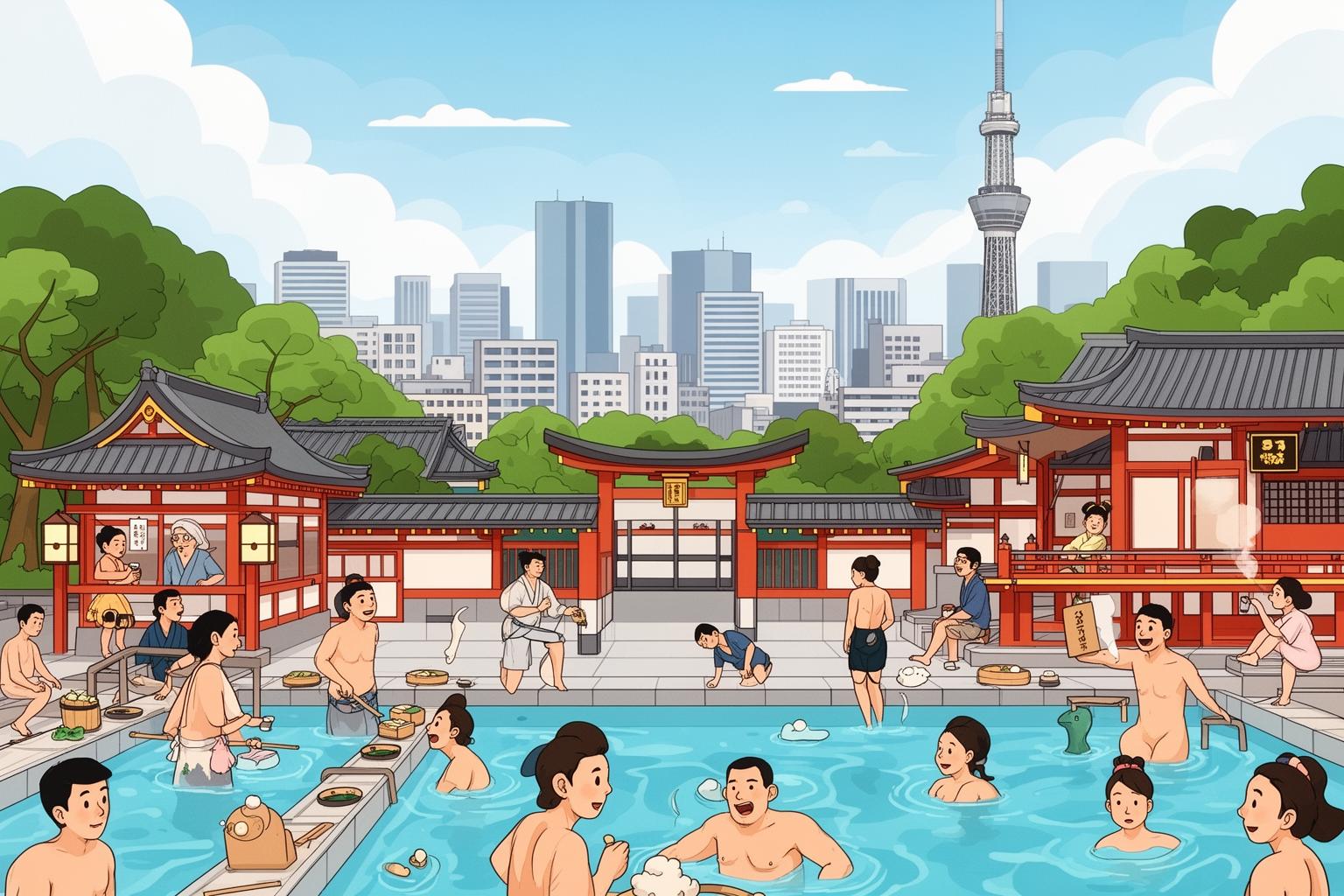
To simply define a sentō as a “public bath” is like describing a symphony as merely a collection of sounds. Such a definition overlooks the poetry, the purpose, and the deep cultural significance of the institution. The sentō stands as a cornerstone of Japanese community life, intricately woven into the nation’s social fabric for centuries. Long before private bathrooms were commonplace in every home, the sentō was a daily necessity—a place where people from all walks of life—the shopkeeper, the student, the office worker, the elder—gathered, united by the shared need for cleanliness and warmth. Yet, it swiftly became much more than that. It transformed into an essential social hub, a venue for informal town meetings, sharing gossip, celebrating births, and mourning losses. This embodies the concept of hadaka no tsukiai, or “naked communion.” It’s a uniquely Japanese idea that once clothing is removed, so too are the external symbols of status, wealth, and profession. Within the steamy, egalitarian refuge of the bathhouse, everyone is equal. A corporate CEO might be soaking beside a construction worker, passionately discussing the latest Hanshin Tigers game. Here, the famously reserved Japanese spirit opens up, barriers fall away, and a genuine, candid form of communication unfolds.
An Architectural Welcome
The traditional sentō’s physical form is a spectacle in its own right, often a living relic nestled between modern apartment buildings and convenience stores. Many older establishments, known as miyazukuri sentō, were constructed in a style that echoes the grandeur of shrines and temples. Look for the striking karahafu gables—a sweeping, curved roof style that lends the entrance a sense of importance and artistry. The exterior might feature intricate wood carvings of cranes and turtles, symbols of longevity, or auspicious carp. Inside, the craftsmanship continues with detailed tile work, such as kutani-yaki or arita-yaki, forming vibrant mosaics on walls and floors. The ceilings are often very high—designed to let steam escape—which gives the bathing area a spacious, nearly cathedral-like atmosphere. This architectural grandeur was more than decorative; it honored the daily ritual of bathing by transforming a mundane chore into an experience filled with beauty and tranquility. Even in more modest or contemporary sentō, you’ll find elements evoking this heritage—the classic wooden shoe lockers, the warm glow of lighting, and almost invariably, a stunning mural of Mount Fuji painted above the main bath, a tradition believed to enhance the space’s sense of size and majesty.
Osaka’s Unique Sentō Scene
While sentō are nationwide staples, Osaka’s bathhouse culture is especially strong and distinctive. As a city shaped by merchants and known for its pragmatic, straightforward, and lively character, its sentō culture mirrors these traits perfectly. Historically, Osaka’s bathhouses were not just quiet spaces for reflection; they served as bustling centers of commerce and community. Some even featured second floors for entertainment, including games like Go or Shogi, or theatrical performances. The spirit of Osaka’s sentō is one of open-hearted communication. People are more inclined to strike up conversations with strangers, share jokes, or offer friendly advice. There is a warmth and informality here that can feel profoundly welcoming. The city once had thousands of these establishments, nearly one on every neighborhood block. Although their number has declined with the advent of modern housing, a passionate movement to preserve these cultural gems is underway. Young architects are refurbishing old sentō with contemporary, stylish designs, while longtime owners find innovative ways to attract new customers, ensuring this vital part of Osaka’s soul endures for future generations. Entering an Osaka sentō means stepping into not just a bath, but a living flow of the city’s history and its down-to-earth, communal spirit.
Crossing the Threshold: Your First Sentō Journey
Your first visit to a sentō can feel like a small adventure, full of new rituals and unspoken rules. But there’s no reason to be worried. The entire process is designed for relaxation, and a bit of knowledge is all you need to navigate it with the confidence of a local. The experience unfolds like a multi-act play, gracefully moving from the outside world to a state of pure, steamed bliss.
Finding Your Local Gem
Your journey starts by spotting your destination. Watch for the tall chimney, the most distinctive landmark of a traditional sentō. As you approach, you’ll notice the ゆ (yu) symbol or the full kanji, 銭湯 (sentō), displayed on a sign or the noren curtain. Osaka boasts a rich variety of bathhouses. There are deeply traditional, family-run places serving their neighborhoods for decades, where the charm of age adds character. Then there are “designer sentō,” older buildings stylishly renovated with a modern touch, sometimes including cafes or art galleries. Finally, there are “super sentō,” larger, modern complexes often featuring natural hot spring water (onsen), multiple baths, saunas, restaurants, and massage services. While super sentō offer a fantastic and accessible experience, for your first time, I highly recommend a classic neighborhood sentō. It’s in these smaller, cozier settings that you’ll truly feel the rhythm of local life. Don’t hesitate to explore side streets; some of the best sentō are hidden in plain sight, waiting to be discovered.
The Entrance Ritual
This is where your transition begins. You’ll first pass through the noren curtain, traditionally navy blue for the men’s side (男) and a shade of red or pink for the women’s side (女). Inside the small entryway, or genkan, you’ll find the getabako, a wall of small wooden lockers for your shoes. Slide your shoes inside and take the wooden key. This key is your first tangible token of entry, connecting you to the experience. Holding it, you’ll head to the reception area. In very old sentō, you may encounter the traditional bandai, a raised platform where the attendant sits with a view of both gendered changing rooms. More commonly now, a modern front desk awaits. Here, you’ll pay the bathing fee, regulated by the prefectural government and very affordable—around 490 yen for an adult in Osaka. This is also where you can get your supplies. If unprepared, simply say “tebura de,” meaning “empty-handed.” They’ll offer a “tebura set” with a rental towel, a small washcloth, and single-use soap and shampoo packets. It’s important to know the two-towel system: a large towel for drying off afterward, and a small, thin towel serving as a multipurpose tool for washing your body and maintaining modesty as you move around the bathing area.
The Changing Room (Datsuijo)
After paying, proceed to your designated changing room. The datsuijo holds a unique atmosphere of quiet anticipation. The air is warm and humid with a faint scent of soap. You’ll hear soft murmurings, the click of lockers, and the hum of an old-fashioned fan. Find an empty locker or a classic open-faced wicker basket to store your clothes and belongings. Take a moment to observe your surroundings; you may notice vintage wooden advertisements on the walls, an old-school analog scale for weighing yourself (a post-bath tradition for some), or a comfortable tatami-matted bench where locals relax. Now comes a part that often causes anxiety for first-timers: getting completely undressed. Remember that nudity here is entirely non-sexual and perfectly natural. No one is watching, staring, or judging. It’s the great equalizer. Approach it with casual confidence, as if it’s just another part of your day. Store your large bath towel in your locker to use later, and take only your small washcloth and toiletries with you into the bathing area.
Into the Bathing Area (Yokujo)
Opening the sliding glass door to the yokujo, the bathing area, engages all your senses. A wave of thick, warm steam surrounds you. The sound of running water echoes off tiled walls and the high ceiling. Bright, clean light highlights the magnificent Mount Fuji mural often dominating the far wall. This is the sentō’s heart. The layout is generally simple: washing stations line the walls, and various bathing pools occupy the center.
Step One: The Kakeyu
Before anything else, perform the kakeyu. Near the bathing area entrance, you’ll find a large basin or tub of hot water with scoops or buckets. This water isn’t for soaking. Your first step is to take a scoop and pour the hot water on your body, starting from your feet and legs, moving upward toward your torso. This serves two essential purposes: it rinses off surface sweat or dirt before washing properly and helps your body adjust to the temperature of the hot baths, preventing shock from sudden immersion. This respectful act signals to others that you understand and honor the customs of this shared space.
Step Two: The Washing Area (Arai-ba)
Next, find an empty washing station. Each has a faucet (often with hot and cold taps), a shower head, a small plastic stool, and a bucket. This is the main location for cleaning. The sentō’s cardinal rule is: wash your entire body thoroughly with soap before entering communal baths. Sit on the low stool—it’s considered rude to wash while standing since you might splash others. Use your small towel to work up a rich lather, scrubbing from head to toe. Once clean, rinse off every bit of soap completely. Point the shower head downward and be mindful of where the water sprays. When finished, rinse your stool and bucket quickly for the next person. This meticulous pre-cleaning is the sentō’s foundation; it keeps the bathwater pristine for everyone.
Step Three: Soaking in the Tubs (Yufune)
This is your reward. With a clean body, you’re free to explore the tubs, or yufune. Enter the water slowly and gracefully. The tubs are for soaking, not swimming. Find a comfortable spot, submerge up to your shoulders, and let out a soft sigh of contentment—it’s an almost universal sound in a sentō. Your small washcloth should never enter the bathwater; locals place it beside the tub or neatly fold it atop their heads. You’ll likely find various baths to enjoy. There is usually a main tub with very hot water (atsu-yu), around 42–44°C (107–111°F). Sometimes, a cooler one (nuru-yu) is available for longer soaks. Many sentō offer jet baths (jetto basu) that massage your back and legs. You might also encounter a denki-buro, or electric bath—be cautious with this! It sends low-level electric currents through the water between two plates, creating a tingling, muscle-stimulating sensation that can be surprising if unexpected. Some days, you’ll find a yakusoyu, a medicinal bath infused with fragrant herbs or minerals. The ultimate sentō experience involves alternating between hot tubs and the mizuburo, a small, deep tub of shockingly cold water. Switching between hot and cold is believed to boost circulation and invigorate the body. It takes courage, but afterward, you’ll feel incredibly refreshed and clear-headed.
The Unspoken Language: Sentō Etiquette and Culture
The sentō functions through a set of unspoken rules and shared understandings that guarantee a comfortable and hygienic experience for all. Mastering this etiquette is essential for blending in and truly appreciating the cultural richness of the bathhouse. It is less about strict regulations and more about a collective attitude of mutual respect and care for the communal space.
Revisiting the Golden Rules
Although we’ve covered the basics, it’s worth reiterating the most important points, as they form the foundation of sentō culture. Think of them not as limitations, but as the choreography of a communal dance.
- Always Wash Before You Soak: This cannot be emphasized enough. The bathwater is a shared resource, a clean oasis for relaxation. Entering it with a soapy or unwashed body is the biggest breach of etiquette. The washing ritual is a sign of respect for others. When in doubt, wash again. For instance, if you leave the tub to use the sauna, it’s customary to rinse off sweat before returning to the baths.
- Keep Your Towel Out of the Water: The small washcloth serves many purposes—washing, modesty, a headrest—but it should never enter the bathwater, as it’s considered potentially unclean. Let it rest on the tiled edge of the tub or, as experts do, balance it on your head. This simple detail shows you know the proper way.
- Be a Considerate Neighbor: The bathing area is a shared sanctuary, which means being mindful of your personal space. Avoid splashing water while washing or moving between tubs. Keep your voice low; while quiet conversation is welcome and often encouraged in Osaka, loud or boisterous talk can disturb the peaceful atmosphere. The sentō is not a swimming pool—no diving, jumping, or horseplay. After finishing at your washing station, rinse your stool, bucket, and the immediate floor area with hot water to leave it clean for the next person. This small courtesy keeps the whole system running smoothly.
The Tattoo Dilemma
For many international visitors, tattoos can be a major concern. Because tattoos have historically been linked with the yakuza (Japanese organized crime), many public baths, including onsen, gyms, and pools, have traditionally banned them. However, the atmosphere in neighborhood sentō is often more relaxed and nuanced. Since sentō cater to local, regular customers, owners often know their clientele personally and are less likely to enforce strict bans—especially on foreigners with so-called “fashion tattoos.” Attitudes are gradually changing, particularly among younger generations. Still, there is no universal policy. Some sentō will clearly post signs prohibiting tattoos. If none is visible, you are probably fine. If you have a small tattoo and are unsure, it’s a respectful gesture to cover it with a waterproof bandage or patch—readily available at most drugstores. This shows awareness of the cultural sensitivity and a willingness to be considerate. Ultimately, the best approach is to observe and be discreet. If you see locals with tattoos, you can relax. If you are asked to leave—which is extremely rare in local sentō—do so politely and without argument. More often, you’ll find that the welcoming spirit of Osaka’s sentō outweighs any lingering prejudices.
Conversations Amid the Steam
This is where the magic of hadaka no tsukiai (naked companionship) comes alive. While some seek quiet solitude at the sentō, many come for relaxed, natural social interaction. Don’t be surprised if an elderly man or a curious grandmother strikes up a conversation, asking where you’re from or commenting on the weather. In Osaka, this friendly curiosity is common. A simple nod, a smile, and a basic greeting like “Konnichiwa” (Hello) or “Ii oyu desu ne” (This is nice hot water, isn’t it?) can open the door to a wonderful, genuine exchange. Don’t worry about your Japanese skills; a friendly attitude speaks volumes. At the same time, there is no pressure to socialize. If you prefer to soak quietly, that is completely fine. Just find a quiet spot and enjoy your own thoughts. The sentō accommodates both peaceful reflection and cheerful community.
Sentō Through the Seasons
To fully appreciate the sentō, experience it throughout the year, as the ritual shifts with the seasons. Few things are more comforting than sinking into steaming hot water on a cold winter day, feeling the chill melt away. Conversely, on a hot, humid summer evening in Osaka, a visit to the sentō followed by a dip in the cold mizuburo is the perfect refreshment for body and spirit. Sentō also celebrate the seasons with special traditions. On May 5th, Children’s Day, many bathhouses fill their tubs with bundles of iris leaves (shobu-yu), releasing a fresh, sharp fragrance believed to ward off illness and evil spirits. Perhaps the most cherished seasonal bath is the yuzu-yu on the winter solstice (tōji). Whole, bright yellow yuzu citrus fruits float in the hot water, releasing their aromatic oils. The refreshing, uplifting scent fills the bathhouse, and the bath is said to boost health and protect against colds during the winter months. Taking part in these seasonal baths links you to an ancient, beautiful cultural rhythm, making the daily ritual all the more special.
The Post-Bath Glow: The Ritual Continues
The sentō experience continues beyond stepping out of the water. In fact, some of the most treasured moments happen afterward, in the warm, relaxed afterglow. This is known as yu-agari, the sensation of being “up from the bath,” accompanied by its own pleasant rituals that complete the journey.
Drying Off and Dressing
Before returning to the changing room, there’s one last point of bathing etiquette: use your small, damp washcloth to pat as much water off your body as possible. The aim is to prevent dripping onto the datsuijo floor, keeping it dry and comfortable for everyone. This small act shows thoughtful consideration. Once at your locker, take out your large, fluffy towel and dry off fully. There’s no need to hurry. This is a moment to cool down and relax. Locals often take their time here, maybe sitting on a bench and fanning themselves, allowing their body temperature to normalize before dressing. The air in the changing room often carries the scent of talcum powder and the gentle breeze from a large fan, creating a delightfully nostalgic ambiance.
The Sacred Post-Bath Drink
This is an essential and thoroughly enjoyable part of the sentō ritual. After a long, hot soak, rehydration is crucial, and the sentō offers ideal choices, usually from a classic, humming, glass-fronted fridge. The unquestioned favorite post-bath beverage is milk—specifically milk in a glass bottle. The most popular flavors are coffee milk (kōhī gyūnyū) and fruit milk (furūtsu gyūnyū). There’s a special satisfaction in popping off the paper cap and drinking the cold, sweet liquid, one hand on your hip—a pose bathers of all ages adopt. This tradition dates back to the post-war period when milk was promoted for nutrition and bathtubs had refrigerators before many homes did. For adults, frosty draft beer (nama bīru) or a cold can of Chu-Hi are common choices, while others prefer sports drinks like Pocari Sweat or vitamin-enhanced Oronamin C. Whichever you pick, this rehydration moment is social—a final shared act before heading back out.
The Relaxation Space (Kyukeishitsu)
Many sentō feature a dedicated relaxation space adjoining the changing room where socializing continues. This is the true “living room” of the neighborhood. You may find a large TV, almost always tuned to a baseball game or variety show, along with stacks of manga and newspapers for reading. Perhaps a few elderly men hunched over a game of shogi (Japanese chess) or groups of women chatting animatedly can be seen. Almost certainly, there’s a well-worn massage chair available. For a hundred yen, you can enjoy a few minutes of mechanical kneading and rolling—a perfect conclusion to a soothing soak. This area is where community life truly thrives, where the sentō owner exchanges laughs with regulars, and neighbors catch up on news. Lingering here offers a wonderful glimpse into the gentle rhythm of local life.
Stepping Back into the World
Finally, with your body clean, muscles relaxed, and mind calm, it’s time to lace up your shoes and step back into the Osaka night. The sensation is transformative. City lights appear softer, the air cooler and fresher against your warm skin. You carry a deep sense of well-being and a quiet bond with the neighborhood you’ve just embraced. The perfect way to finish the evening is to let the sentō experience guide your next step. The warm, relaxed feeling sets the ideal stage for a simple, delicious meal. Stop by a nearby izakaya for grilled skewers and a beer, find a cozy ramen shop sending savory steam onto the street, or grab freshly made takoyaki from a vendor. This combination—a hot bath followed by a local meal—is the quintessential Osaka experience, a simple, perfect pleasure that makes you feel less like a visitor and more like you truly belong.
Discovering Osaka’s Sentō Treasures
Once you’ve grown comfortable with the sentō ritual, you can start exploring the diverse and fascinating world of Osaka’s bathhouses. Each one boasts its own unique character, story, and devoted community. Part of the pleasure lies in finding your personal favorite, but here are a few archetypes you may encounter on your journey.
Some of the city’s most stunning sentō have been officially designated as Tangible Cultural Properties. A place like Asahi Onsen in Konohana Ward serves as a living museum. Stepping inside feels like stepping back in time. You’ll discover exquisite wooden carvings in the changing rooms, a grand, high-ceilinged bathing hall, and beautiful hand-painted Kutani-yaki tiles adorning the walls. Bathing there is like immersing yourself in a piece of living history, soaking in the same waters that have refreshed generations of Osakans. These establishments are carefully preserved, a labor of love by families who consider themselves not just business owners, but guardians of culture.
On the other hand, you can experience the vibrant evolution of the sentō tradition in the city’s “designer” bathhouses. These are often older sentō saved from closure and reimagined by a new wave of architects and artists. While preserving the core rituals, their aesthetics are fresh and modern. You might encounter minimalist concrete interiors, contemporary art installations, a stylish craft beer bar in the lobby, or even a DJ playing ambient tunes on weekends. These places breathe new life into the culture, drawing students, artists, and young families, proving that sentō can be both traditional and trendy. They are dynamic, creative spaces demonstrating that the tradition is not only surviving but actively evolving.
And then there is the super sentō experience. Venues like Tennen Onsen Naniwa no Yu, perched atop a building with panoramic city views, or the sprawling entertainment complex of Spa World, offer a different kind of bathing adventure. Here, you’ll find an extensive range of options: natural hot spring water brought in from renowned sources, a dozen varieties of themed baths, multiple saunas at varying temperatures, salt scrubs, massage parlors, and full-service restaurants. Although they lack the cozy neighborhood vibe of smaller sentō, they offer a full day of indulgent relaxation and serve as an excellent, accessible introduction to the wider world of Japanese bathing culture. They represent a different expression of the same fundamental experience: the simple, profound joy of hot water.
A Warm Invitation
The neighborhood sentō is more than just a relic of the past; it is a lively, living institution that offers a powerful remedy to the fast pace and stresses of modern life. It’s a place to set aside your phone and reconnect with your body. It’s a space for quiet reflection or to enjoy the simple, easy camaraderie of your neighbors. In Osaka, a city famous for its bold flavors and energetic vibe, the sentō provides a gentle counterbalance—a calm space where the city’s true warmth—both literal and figurative—can be felt most deeply. So, I encourage you to be courageous. Look for the small curtain with the ゆ symbol. Slip off your shoes, leave your inhibitions along with your clothes behind, and step into the steam. The water is hot, the rituals are timeless, and the welcome is as heartfelt as it gets. The warm waters and even warmer smiles of Osaka await you.