Welcome to Osaka, a city that pulses with an electric, non-stop energy. From the neon-drenched streets of Dotonbori to the sky-piercing heights of the Umeda Sky Building, life here moves at a thrilling pace. But nestled within this vibrant urban tapestry, tucked away on quiet neighborhood corners and down unassuming side streets, lies an institution that offers a profound and necessary counterbalance: the sento, or public bathhouse. This isn’t just a place to get clean. Oh no, it’s so much more. The sento is a sanctuary of steam, a temple of tranquility, and a cornerstone of community life that has been soothing the souls of Osakans for centuries. It’s where the city exhales, where the day’s worries dissolve in hot, healing waters, and where strangers become neighbors. For anyone looking to truly connect with the heart and soul of this incredible city, learning to weave the sento into your daily routine is not just a suggestion; it’s an invitation to experience Osaka on a deeper, more restorative level. It’s about discovering that precious moment of stillness in a city that never sleeps, a ritual that grounds you, rejuvenates you, and welcomes you into the local fold. Let’s peel back the curtain of steam and dive into a world that feels miles away from the hustle, yet is always just around the corner.
To fully appreciate this cornerstone of community life, understanding the culture and etiquette of Osaka’s local sento is essential.
The Soul of the Sento: More Than Just a Bath
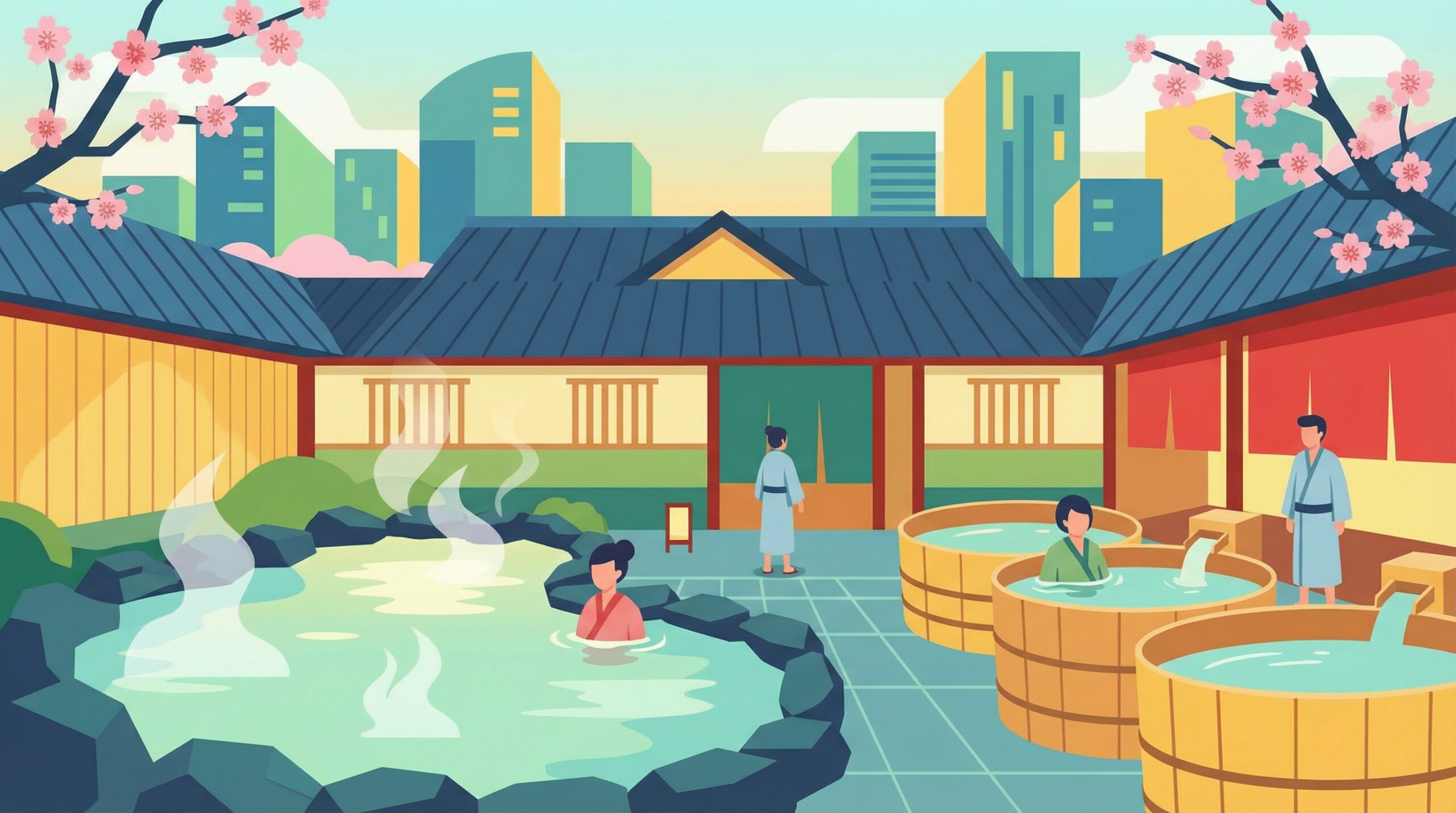
To truly understand the sento, you first need to grasp its rhythm. It begins the moment you notice one. Many traditional bathhouses feature a distinctive architectural style called miyazukuri, echoing the grand gabled roofs of shrines and temples. This is no accident. It represents the sento’s sacred role within the community as a place of purification and tranquility. As you near, you might catch the distant, cheerful chatter of patrons leaving, their faces flushed and calm. You slide open the door, and the first thing that welcomes you is a unique blend of scents: the clean, slightly mineral aroma of hot water, the delicate fragrance of countless soap and shampoo brands, and perhaps a faint trace of hinoki cypress from a wooden tub or sauna. You’ll hear a symphony of sounds: the rhythmic clatter of plastic stools on tiled floors, the flow of water from the faucets, the deep, echoing murmur of conversations bouncing off the high, steam-filled ceiling, and the warm greeting of “Irasshaimase!” from the attendant at the front desk, the bandai.
This is the threshold. Once you step inside, you consciously leave behind the chaotic energy of the outside world. Removing your shoes and placing them in a wooden locker, the getabako, marks the first step of this ritual. The small wooden key, often attached to a large, clunky tag to prevent loss, feels like a token granting you passage into another realm. The atmosphere inside is one of complete, unconditional acceptance. There are no pretenses here. Stripped of clothes, titles, and everyday personas, everyone is equal in the bath. A company CEO might be soaking beside a construction worker, a university student beside a retired shopkeeper. This shared vulnerability creates a unique and powerful sense of camaraderie. The sento is a living, breathing entity, a microcosm of the neighborhood it serves, its pulse the gentle, steady flow of water and the quiet hum of human connection.
A Dip into History: The Enduring Legacy of Public Bathing
The history of the sento is closely intertwined with Japan’s past. The culture of public bathing traces back to Buddhist temples during the Nara period (710-794), where bathhouses known as yuya were created for monks’ purification rituals and later opened to the public as an act of charity. Yet it was during the peaceful and prosperous Edo period (1603-1868) that sento culture truly flourished, especially in lively urban areas such as Edo (modern-day Tokyo) and Osaka. With most homes lacking private baths, the sento became an indispensable part of daily life—a community gathering spot akin to today’s cafés or pubs, where people exchanged gossip, conducted business, and socialized.
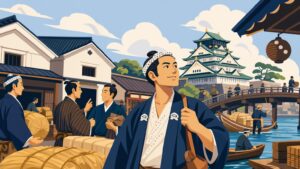
Osaka, recognized as Japan’s commercial center or tenka no daidokoro (the nation’s kitchen), was a city of merchants, artisans, and workers. For these industrious residents, visiting the sento daily was an essential ritual—a place to cleanse away the day’s dirt, soothe tired muscles, and, most significantly, connect with neighbors. The design and architecture of these bathhouses became a source of local pride, often featuring intricate tile murals. While Mount Fuji is the iconic image linked to sento art in the Kanto region, Osaka’s sento frequently showcased other themes, such as scenic landscapes, local folklore, or vibrant carp (koi) mosaics symbolizing strength and perseverance.
Following World War II, as Japan rebuilt, the sento experienced its golden age. By the late 1960s, more than 18,000 sento operated nationwide. However, with the emergence of modern apartments equipped with private bathrooms, traditional sento began to decline sharply. Many family-run businesses faced difficulties competing. Yet recently, a delightful revival has taken place. A new generation, along with nostalgic locals, has started to rediscover the unique appeal and benefits of public bathing. Numerous sento have been lovingly restored, blending classic Showa-era charm with contemporary amenities. Some have been transformed into sleek, minimalist spaces, while others embrace their retro heritage, becoming sought-after destinations. This resurgence reflects a fundamental human desire for community and ritual—one that the isolating privacy of a home bathroom cannot satisfy.
The Art of the Soak: A Practical Guide to Sento Etiquette
For those unfamiliar, the idea of visiting a sento can seem a bit intimidating. The customs, the nudity, the unspoken rules—it all appears complicated. However, in truth, the process is straightforward, sensible, and designed to ensure everyone’s comfort and hygiene. Learning the etiquette is your gateway to fully enjoying this fantastic cultural experience. Let’s go through it, step by step.
H4: Preparing and Entering
Your first choice is what to bring. Many locals have their own customized sento kits, but you don’t need one to begin. You can choose a tebura setto, which means an “empty-handed set.” For a small additional fee, the sento will provide you with a rental towel, a small washcloth, soap, and shampoo—very convenient.
If you prefer to bring your own items, you’ll need two towels: a large one for drying off completely afterward, and a small one (such as a washcloth or hand towel) for washing your body and for modesty. Bring your favorite soap, shampoo, and conditioner as well.
When you arrive, you’ll find shoe lockers. Place your shoes inside, take the key, and proceed to the reception desk, called the bandai or front. Here, you’ll pay the entrance fee, regulated by the local government and usually quite affordable, typically about 500 yen. You will also pay for any rentals at this time. The attendant will then direct you to the appropriate changing room, marked by characters or curtains: 男 (otoko) for men, usually in blue, and 女 (onna) for women, usually in red.
H4: The Changing Room (Datsuijo)
The changing room is a lively yet orderly area. You’ll see lockers in various sizes, woven baskets, and benches. Find an empty locker or basket and undress there. Store all your clothes and your large dry towel inside. The only items to bring into the bathing area are your small washcloth and toiletries. This is important: the large towel remains behind to keep it perfectly dry for when you finish.
Now comes the part that might cause some initial nervousness: nudity. The simple fact is no one is staring. Really. The sento is a body-positive, non-judgmental environment. People of all ages, shapes, and sizes share the same goal: to relax and clean themselves. A quick look will show you that everyone is completely relaxed. If you feel self-conscious, you can use your small washcloth to cover yourself as you walk from the changing room to the bathing area. This is normal and completely acceptable.
H4: The Main Event: The Bathing Area (Yokujo)
As you slide open the door to the bathing area, a warm cloud of steam surrounds you. The first and most important rule of the sento takes effect here. Before entering one of the large communal tubs, you must wash your body thoroughly. Find an empty washing station, which includes a low stool, a faucet with hot and cold taps, a handheld showerhead, and a plastic bucket.
Sit on the stool—washing while standing is considered rude, as it might splash others. Use the bucket to collect hot water or the showerhead to rinse yourself completely. This initial rinse is called kakeyu. Then, lather with soap and wash thoroughly, from head to toe. Be considerate of others; avoid splashing soap or water on anyone. Once you’re spotless and have rinsed off all suds, you’re ready to enter the baths.
Now for the fun part. Most sento feature various tubs (yubune), each with different temperatures and functions. A digital thermometer on the wall usually shows the water temperature, typically quite hot, often between 40-44°C (104-111°F). Enter slowly to let your body adjust. Let out a contented sigh like “haaaa” as you sink into the water—it’s an almost instinctive, universal reaction.
Regarding the small towel, here’s the second important etiquette rule: it should never touch the bath water. The tub water is shared by everyone and must stay clean. You can place your folded towel on the side of the tub or, as regulars do, neatly fold it and place it on top of your head. It might feel odd at first, but you’ll soon see it’s the most practical way.
H4: The Post-Bath Relaxation
After soaking as much as you like, there’s one final considerate step before returning to the changing room. Use your small, damp towel to wipe off as much excess water from your body as possible. This helps prevent dripping on the changing room floor, keeping it dry and comfortable for everyone. Once inside, you can grab your large, fluffy dry towel and finish drying off properly.
But the experience doesn’t end there. The post-bath ritual is just as important as the soak. Many sento have a relaxation area with tatami mats, vending machines, and sometimes a small manga library. This is the moment to rehydrate. The traditional post-sento drink is ice-cold milk, either plain or coffee-flavored, served in a nostalgic glass bottle. Removing the paper cap and drinking the cold milk after a hot bath is a simple delight that feels wonderfully satisfying. Fruit milk is also popular. For adults, a crisp, cold beer is another option. There’s a Japanese word, yuagari, which describes the blissful relaxation after a bath; enjoying a cold drink then is pure perfection. Take your time. Sit in an old-school vibrating massage chair. Chat with locals. Let the deep warmth and cleanliness settle within you.
Exploring Osaka’s Diverse Sento Scene
Not all sento are created alike. Osaka presents an impressive variety, ranging from modest neighborhood bathhouses to expansive spa complexes. Exploring them feels like a journey through the city’s hidden cultural landscape. Finding the perfect one to suit your mood is all part of the adventure.
The Quintessential Neighborhood Sento
This lies at the core of sento culture. Often family-run for generations, these are the spots tucked away in residential districts like Tennoji, Taisho, or Higashisumiyoshi. While they might appear a bit worn on the outside, inside they are impeccably clean and full of local charm. Here, you’ll experience the most authentic atmosphere. The regulars have been coming for decades and might be intrigued by a new foreign face; a simple “Konnichiwa” often opens the door to a warm, if limited, conversation. These sento offer a direct connection to the local community. Look out for places such as Showa-yu, a classic bathhouse that feels like a time capsule, or Taiheiyu in Naniwa Ward, known for its warm, inviting ambiance. The best way to discover them is to stroll through your own neighborhood and watch for the distinctive tall chimney, a leftover from when wood fires were used to heat the water.
The Electric Buzz and Other Peculiar Pleasures
One delight of exploring sento is encountering their unique baths. Beyond the usual hot tubs, you’ll find an intriguing variety of hydrotherapeutic devices. Perhaps the most renowned (or notorious) is the denkiburo, or electric bath. Yes, you read correctly. Two plates on opposite sides of a small tub send a low-voltage electric current through the water, creating a tingling, buzzing sensation said to help with muscle aches. For first-timers, it can be a strange and slightly shocking experience, but many sento fans swear by it. Approach with caution and slowly move between the plates to find a comfortable level.
You’ll also often come across powerful jet baths (jaakuji) designed to massage your back and legs, and a utaseyu, where hot water streams down from above to pound your shoulders into relaxation. Many sento include a kusuriyu, or medicinal bath, with seasonal variations. You might soak in water infused with fragrant yuzu citrus during winter, calming chamomile, or invigorating bundles of iris leaves (shobu) on Children’s Day in May. These aromatic baths are both soothing and believed to offer health benefits.
The Sauna Ritual: From Heat to Bliss
Most sento nowadays include a sauna, often available for a small additional fee. The Japanese sauna experience has a deep-rooted ritual centered on achieving a meditative state known as totonou. The process is simple: spend 5-10 minutes in the hot, dry sauna, then leave to plunge into the mizuburo, a cold water bath. The initial shock of the icy water is intense but essential. Submerge fully for about 30-60 seconds while controlling your breath. After the cold plunge, sit quietly—either on a bench in the bathing area or in a designated relaxation spot. As your body temperature stabilizes, you’ll feel a gentle, floating sensation and clear-headed euphoria. This is totonou. Repeat this cycle two or three times for the complete experience. It’s a powerful way to refresh both mind and body.
The Modern Evolution: Super Sento and Designer Baths
For a larger, resort-style experience, Osaka boasts many “Super Sento.” These are vast, modern complexes offering a wide range of facilities. Think of them as amusement parks of relaxation. Beyond multiple indoor and outdoor baths (rotenburo), they often include various saunas (salt saunas, steam saunas), hot stone spas (ganbanyoku), massage services, restaurants, and spacious relaxation lounges. Places like Nobeha no Yu in Tsuruhashi or Solaniwa Onsen in Bentencho provide a full day’s worth of leisure and pampering. They’re perfect for a weekend getaway or when you want an array of amenities to choose from.
There’s also a rising trend of “designer sento.” Younger proprietors are revamping old bathhouses with a sharp eye for modern design. These may feature minimalist concrete interiors, craft beer on tap in the lobby, art installations, and carefully curated background music. These venues are revitalizing the culture, drawing a younger, more diverse crowd and transforming the sento into trendy social hubs. They demonstrate how this time-honored tradition can evolve and flourish in the 21st century.
Making Sento a Part of Your Osaka Life
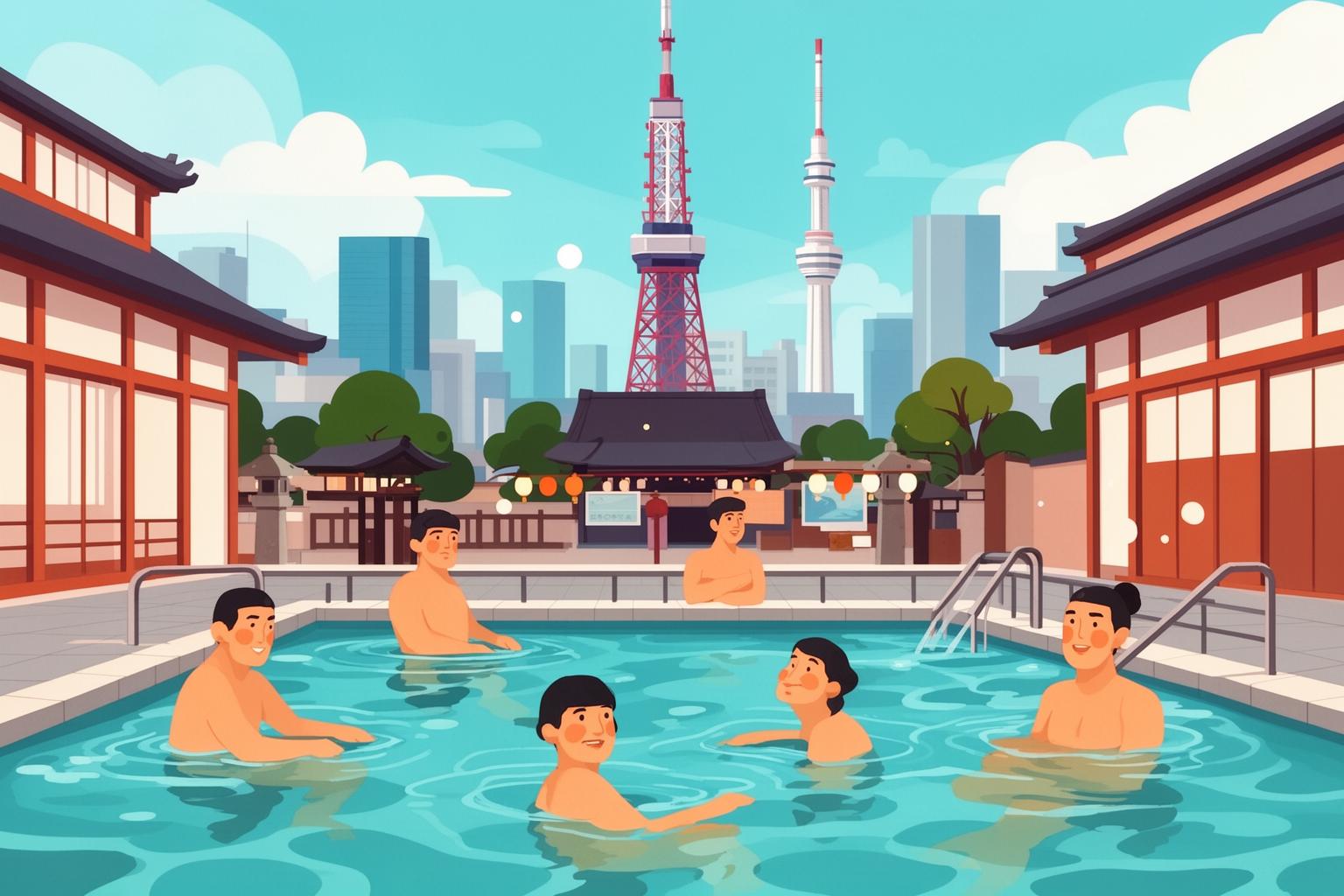
So, how do you turn a one-time visit into a beloved routine? It’s simpler than you might think. Begin by making it a weekly habit. Choose a day—like “Sento Sunday”—to signify the end of one week and the start of the next with a deep, restorative soak. It becomes a highlight of your week to anticipate.
Consider incorporating the sento to complement other activities. Had an intense workout at the gym? Visiting a sento afterward is an ideal way to relax your muscles and enhance that sense of well-being. Spent a long day wandering the city, exploring temples in Tennoji or shopping in Shinsaibashi? Finish your day at a nearby sento to wash away the city’s exhaustion. It turns a tiring day into a revitalizing one.
Use sento visits as a way to explore new areas of Osaka. Pick a different neighborhood each week and discover its local sento. It’s a wonderful reason to venture beyond the usual routes and experience daily life in various wards. You’ll uncover charming local shops, restaurants, and parks you might have otherwise overlooked. Every sento has its own character, its own community, its own story. Becoming a sento traveler in your own city is a fulfilling and never-ending journey.
Lastly, embrace the changing seasons. There’s nothing quite like sinking into a steaming hot bath on a cold, rainy winter night, feeling the chill melt away from your bones. On the other hand, during Osaka’s sweltering and humid summers, a lukewarm bath followed by a cold plunge can be incredibly refreshing, offering a much-needed break from the stifling heat.
A Note on Tattoos
For many foreigners, tattoos are a significant concern regarding bathing culture in Japan. Historically, tattoos have been associated with the yakuza, leading many establishments—especially upscale onsen (hot spring resorts)—to prohibit guests with any tattoos. However, the situation at local neighborhood sento tends to be much more relaxed and different. Many sento have no tattoo restrictions at all, as their primary focus is serving the local community. Others are explicitly “tattoo-friendly.” If you have tattoos, it’s best to start with a local, community-oriented sento rather than a large, corporate-operated super sento. If you’re uncertain, you can check their website in advance or simply ask at the front desk. A polite, straightforward inquiry, perhaps with a photo, is usually sufficient. Don’t let this concern discourage you; the vast majority of Osaka’s sento will welcome you warmly.
Take the Plunge
Embracing the sento in your daily life in Osaka goes far beyond just hygiene. It serves as a practice in mindfulness, a lesson in community, and a doorway to grasping the genuine rhythm of the city. It’s about finding comfort in shared rituals and experiencing a deep sense of peace through the simplest elements: hot water, clean tiles, and the quiet presence of your neighbors. It’s an affordable indulgence, a brief escape that’s accessible any day of the week. So, grab a small towel, leave your worries and shoes at the door, and take the plunge. The warm, inviting waters of Osaka’s sento await, offering a connection to the city unlike any other.