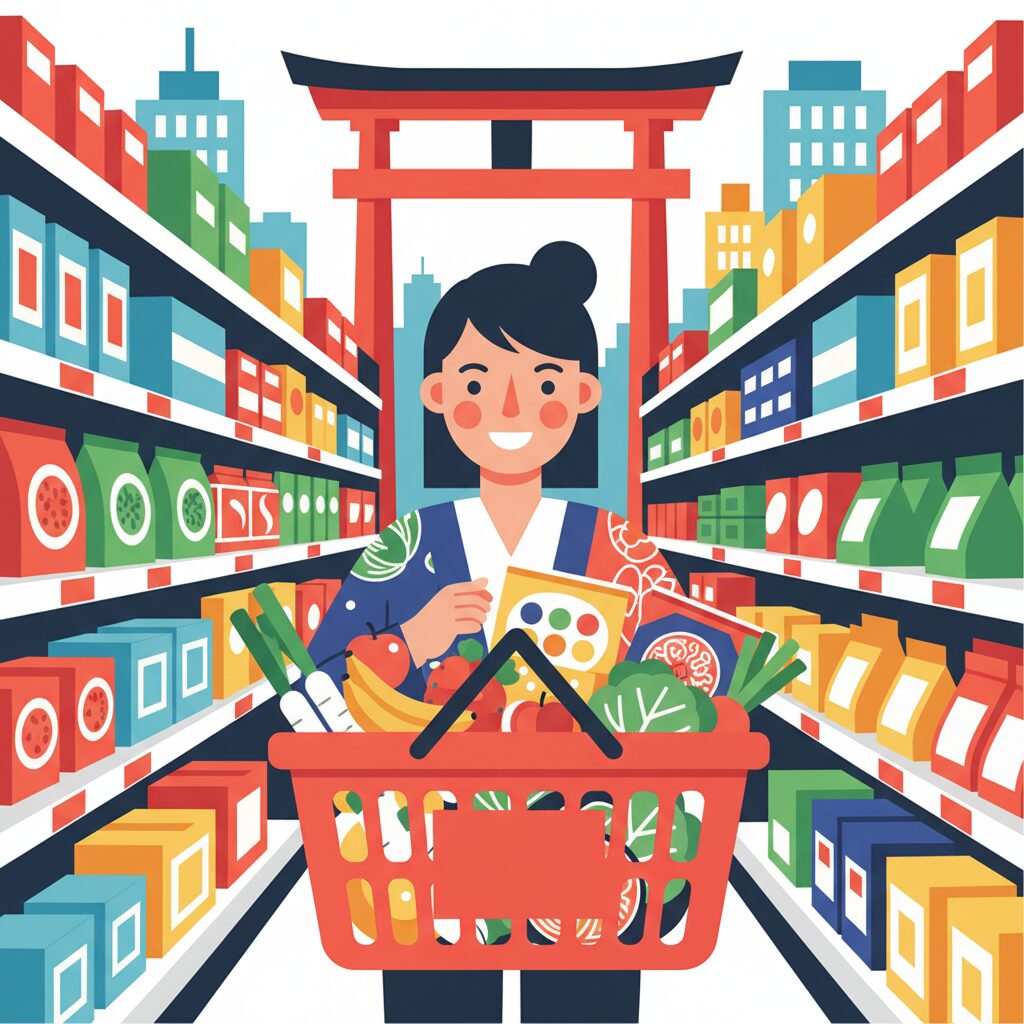
When you first move to Japan, you’re hit with a wave of curated beauty. The convenience stores are pristine, the train stations gleam, and even a simple bento box looks like a work of art. This is especially true in Tokyo, where life often feels like a performance of polished perfection. Then you come to Osaka, and you find yourself standing in front of a supermarket that looks like a pachinko parlor on steroids, with giant neon signs flashing prices that seem too good to be true. Welcome to Super Tamade. This isn’t just a grocery store; it’s an initiation. It’s the raw, unfiltered, and brilliantly pragmatic heart of Osaka’s daily life, a place that teaches you more about the city’s soul than any guidebook ever could. Understanding Osaka’s approach to something as mundane as buying groceries is understanding the city itself. It’s a world away from the aesthetic-driven consumption of Tokyo. Here, shopping is a sport, a strategy, a proud declaration of financial savvy. It’s loud, it’s a little chaotic, and it’s unapologetically focused on one thing: getting the absolute best deal. This is a guide to navigating that world, from the dazzling chaos of Tamade to the bulk-buying wisdom of Gyomu Super and the steady reliability of local chains. Forget what you think you know about Japanese politeness and quiet efficiency. We’re diving into the art of the deal, the Osaka way.
For a different kind of Osaka experience that steps away from the city’s vibrant commerce, consider a picturesque weekend getaway to Kurashiki’s historic canal area.
Decoding Super Tamade: The Neon Heart of Osaka’s Frugality

There is no subtle way to approach Super Tamade. You spot it from blocks away. The gaudy, flashing neon lights, the bright yellow and red color scheme, the huge, crudely drawn illustrations of fish and vegetables plastered on the facade—it’s a full-on assault on the senses. This aesthetic isn’t accidental; it’s a mission statement. It shouts, “We are not elegant. We are not sophisticated. We are cheap, and we are proud of it.” This visual language is quintessentially Osaka. While a Tokyo supermarket might use clean lines, soft lighting, and minimalist design to create a calm, aspirational shopping experience, Tamade channels the chaotic energy of a festival to foster urgency and excitement. It’s less a grocery run and more a treasure hunt.
The Symphony of Chaos Inside
Step through the automatic doors, and the sensory overload only grows. The music is loud, often a repetitive, upbeat jingle that sticks in your head. The aisles are narrow and frequently cluttered with cardboard boxes piled high with overstock. The lighting is harsh and fluorescent, reflecting off the polished concrete floor. It’s the complete opposite of the serene, wood-paneled aisles you’d find in an upscale store. But this environment serves a purpose: it keeps you moving, searching, and grabbing. There’s a palpable energy, a collective buzz of shoppers on a mission. You’ll see elderly women wielding sharp elbows to navigate their carts like battle tanks, students meticulously calculating the cost per gram of instant noodles, and young parents quickly picking up ingredients for dinner. It’s a cross-section of working-class Osaka, all there for the same reason.
The Legendary 1-Yen Sale: More Than a Gimmick
Perhaps the most famous Tamade tradition is the 1-Yen Sale. Yes, you read that correctly. Select items—a carton of eggs, a block of tofu, a bag of bean sprouts—are sold for just one yen. To a newcomer, this might seem crazy, a guaranteed loss. But for an Osakan, it’s a beautiful and intricate game of strategy. The catch is simple: you must spend at least 1,000 yen on other items to qualify for the 1-yen offer. This embodies the Osaka merchant mindset, known as son-toku kessan, the constant calculation of profit and loss. Tamade isn’t losing money; they’re winning your loyalty and ensuring your basket fills with other goods. And the shopper isn’t just scoring a cheap item; they’re winning the game. There’s a real sense of pride in walking out with a 1-yen purchase. It’s a story to tell, a small victory in the daily grind. This sharply contrasts with Tokyo’s consumer culture, which often emphasizes paying a premium for quality, branding, and experience. In Osaka, the experience is the deal itself.
A Tour of the Aisles: What to Buy and What to Watch Out For
Navigating Tamade requires a keen eye. Quality can be inconsistent, which is the trade-off for the low prices. Mastering the store is a skill locals develop over time.
Produce: The Good, The Bad, and The Bagged
The produce section is a mixed bag. You might find perfectly fine onions, potatoes, and carrots at rock-bottom prices. However, more perishable items like leafy greens or berries should be checked carefully—they might be a day or two past their prime. This is where the Osaka value of shimatsu (resourcefulness and not wasting) comes into play. Why pay top yen for a perfect head of lettuce if you’re just going to chop it into a stir-fry tonight? Tamade also excels in selling large, plastic-wrapped bags of mixed, slightly bruised, or oddly shaped vegetables at a bargain. For a tourist, this looks like subpar produce, but for a local preparing a big batch of curry or stew, it’s pure gold. It’s practicality over perfection, a theme deeply rooted in Osaka life.
Meat and Fish: The Carnivore’s Dilemma
The meat and fish counters are where Tamade truly shines for budget-conscious shoppers. You can find huge trays of thinly sliced pork or beef, perfect for hot pot or yakiniku, at prices often half what you’d pay elsewhere. Chicken is incredibly cheap. The fish section can be intimidating, with whole fish staring at you from styrofoam trays, but the prices are unbeatable. Again, the key is knowing what you’ll use it for. The quality may not be sashimi-grade, but for simmering, frying, or grilling, it’s more than adequate. Many Tamade locations also offer pre-marinated meats, saving you a step in cooking and providing another layer of convenience born from pure pragmatism.
The Sozai Wonderland: Prepared Foods for the People
To see the soul of Tamade, look no further than its sozai (prepared foods) section. Here you’ll find the legendary 250-yen bento boxes. They aren’t fancy—usually rice, a piece of fried fish or chicken, and a small portion of pickled vegetables. But for a student, a construction worker, or anyone needing a quick, cheap, and filling meal, it’s a lifeline. You’ll also find an array of fried foods sold by the piece—croquettes (korokke), fried chicken (karaage), tempura—all glistening under the heat lamp. This section embodies Osaka’s reputation as a city of kuidaore (eat until you drop), but it’s the blue-collar, everyday version. It’s not about gourmet indulgence; it’s about providing hearty, flavorful fuel for the city’s working people at a sensible price.
The Mysterious Center Aisles
The non-perishable aisles at Tamade are a chaotic jumble of snacks, drinks, sauces, and household goods. The selection is erratic—a mix of major brands and obscure products you’ve never seen before. This is because Tamade’s buyers excel at opportunistic purchasing. They snap up whatever they can get in bulk at a low price, whether it’s discontinued potato chip flavors or huge shipments of canned coffee from overproducing companies. For shoppers, this means every trip is a new adventure. You might not find the exact soy sauce brand you wanted, but you might discover a delicious new snack for a fraction of the usual cost. This lack of curated consistency might frustrate in a city that values predictability, but in Osaka, it’s part of the fun.
The Osaka Supermarket Ecosystem: Beyond the Neon Jungle
While Super Tamade stands as the most iconic symbol of Osaka’s budget shopping culture, it represents only one part of a rich and intricate ecosystem. A truly savvy Osaka shopper doesn’t remain loyal to just one store; instead, they adopt a strategy involving multiple supermarkets, each boasting its own distinct advantages. This multi-store approach is a weekly ritual for many households and reflects the depth of the local shimatsu mindset, focused on optimizing every single yen.
Gyomu Super (業務スーパー): The Temple of Bulk
Though its name literally means “Business Supermarket,” Gyomu Super’s title is somewhat misleading. While it does serve small restaurants and businesses, its main customers are regular families and individuals who appreciate the benefits of buying in bulk. The store’s design emphasizes function over form, resembling a warehouse with concrete floors, towering metal shelves, and products displayed in their original cardboard shipping boxes. There are no frills here—none of the playful chaos found at Tamade. Gyomu is all about serious business.
Its biggest attraction is the incredible value on large-quantity items. Instead of buying a small jar of jam, you purchase a kilogram. Spices come in bags as large as your head. Pasta, flour, sugar, and oil are sold in commercial sizes. But the true heart of Gyomu lies in its frozen food section—a vast assortment of frozen vegetables, seafood, pre-made hamburger patties, gyoza, and a remarkable variety of international foods. As a fan of Chinese cuisine, I find their selection of frozen dumplings, steamed buns, and Southeast Asian dessert ingredients to be a godsend, offering authentic flavors at a fraction of the cost of specialty import stores. Gyomu Super represents a different type of frugality than Tamade. It’s not about the excitement of a 1-yen sale; it’s about the quiet satisfaction of long-term planning and efficiently stocking your pantry. It appeals to the methodical, prepared, and deeply practical side of the Osaka psyche.
The Reliable Mid-Tier: Mandai, Kansai Supermarket, and Life
These supermarkets are the workhorses of the Osaka grocery scene, occupying the middle ground between the extreme budget-consciousness of Tamade and the upscale polish of high-end department store basements. Stores like Mandai, Kansai Supermarket, and Life are cleaner, better organized, and more brightly lit than Tamade. Their product range is steadier, and the quality of fresh produce and meat is generally superior and more dependable.
Here, the rhythm of everyday Osaka life is most evident. These supermarkets are deeply embedded in their local communities. Their key tool is the chirashi, the weekly paper flyer delivered to mailboxes citywide. In Osaka, the chirashi is not considered junk mail but rather the sacred text guiding the weekly shopping plan. Households study it carefully, comparing the price of eggs at Mandai and milk at Kansai Super. These flyers dictate shopping schedules—Tuesday might be 100-yen bread day at Life, while Friday is the special discount day for members at Mandai. Life revolves around such sales. This intense price tracking might seem excessive to outsiders but is a source of pride for many Osaka homemakers, showcasing their skill in managing the household budget, a core aspect of the shimatsu philosophy. These stores also implement robust point card systems, adding another layer of value maximization. Every purchase accumulates points toward future discounts, reinforcing the cycle of savvy shopping.
The Other End of the Spectrum: Ikari and Hankyu Oasis
To truly understand Osaka, one must also grasp its high-end supermarket culture. It would be wrong to assume the city focuses solely on thrift. The core principle is not mere cheapness but value. When Osaka residents seek premium quality, they are willing to pay—but they expect impeccable service and exceptional products in return. Stores like Ikari and Hankyu Oasis, often found in affluent neighborhoods or near major train stations such as Umeda, cater to this demand.
Entering an Ikari supermarket feels like stepping into another world. The lighting is warm and welcoming. The floors are immaculate. Produce is displayed in beautiful arrangements, with each apple polished to a glossy sheen. You’ll find artisanal cheeses, imported wines, gourmet olive oils, and cuts of marbled wagyu beef that look like precious gems. The staff are impeccably trained, providing a level of service that borders on reverential. This is the flip side of the Osaka coin—a person who might strategize over a 1-yen egg at Tamade may also visit Ikari to purchase a special gift or a high-quality fish for a celebratory meal. This isn’t contradictory; it reflects the city’s pragmatism. Money isn’t wasted on everyday items, allowing room to spend on what truly matters. It reveals that the Osaka mindset is multifaceted—a sophisticated, situational understanding of value, where worth is judged according to context and purpose.
The Philosophy of Shopping: What It All Means
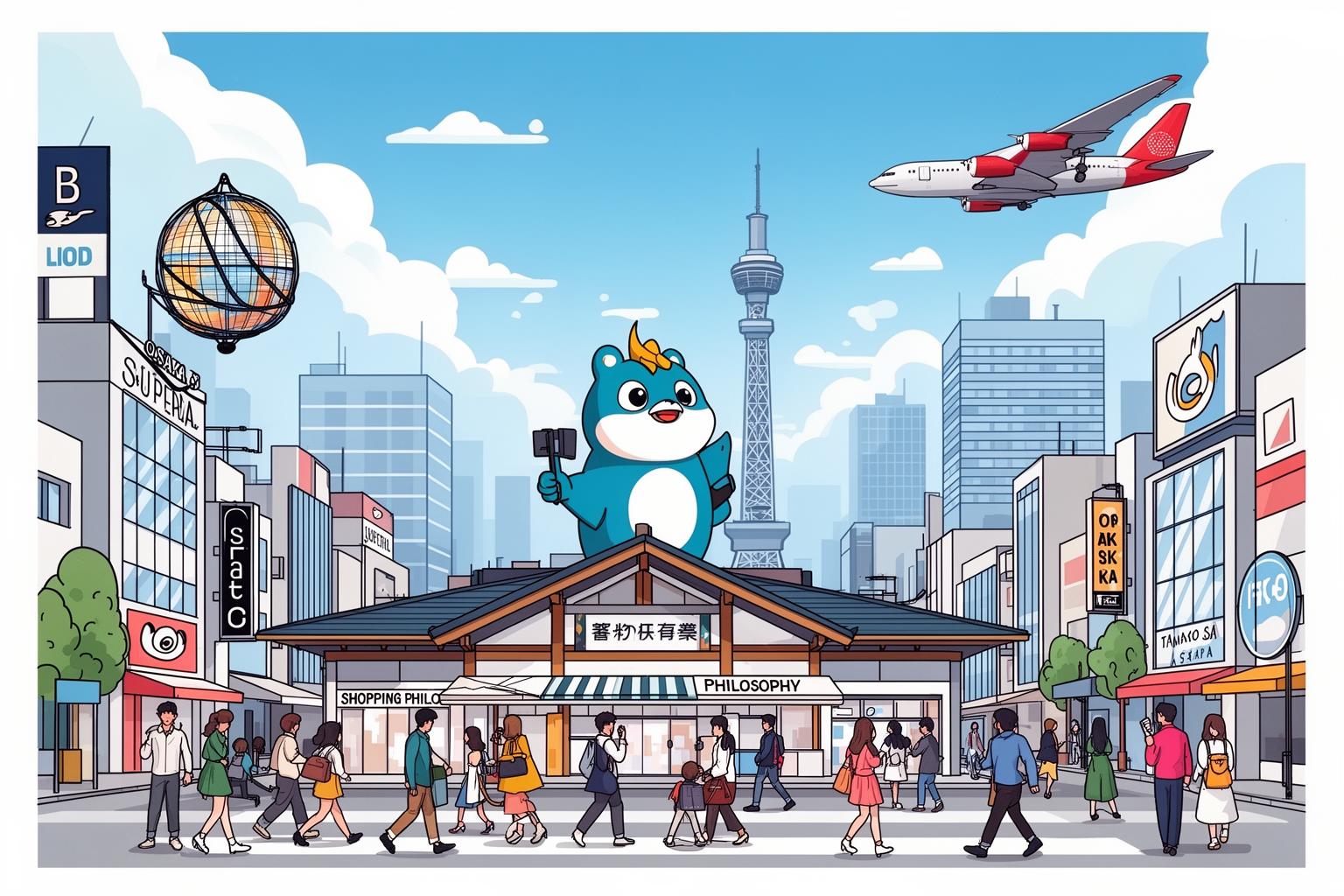
Grocery shopping in Osaka is far more than a mere transaction. It serves as a cultural performance and a daily expression of the city’s history, mindset, and social dynamics. The way residents purchase their food reveals what they value, how they interact with one another, and what fundamentally distinguishes Osaka from its eastern rival, Tokyo.
The Pride in Being Kechi
Across most of Japan, being labeled kechi (stingy or cheap) is an insult. Yet in Osaka, it can be a point of pride. However, there’s an important distinction between kechi and the more respected idea of shimatsu. While kechi suggests simply refusing to spend money, shimatsu embodies a broader philosophy of resourcefulness. It means avoiding waste, making the most of what you have, and managing your resources cleverly and efficiently. Someone who practices shimatsu will mend their clothes rather than buy new ones, use leftover vegetable scraps for broth, and, naturally, excel at grocery shopping.
Super Tamade stands as the ultimate temple of shimatsu, where this philosophy is openly celebrated without shame. The pride felt by an Osakan after a successful Tamade run is genuine. They haven’t just purchased food; they have outsmarted the system, stretching their yen further than anyone else. This sharply contrasts with the consumer culture often seen in Tokyo, where social status can be tied to carrying a shopping bag from an upscale, trendy store. In Tokyo, consumption is linked to identity and status, whereas in Osaka, saving money is associated with intelligence and wit.
The Great Supermarket Divide: Osaka vs. Tokyo
A comparison between a typical Osaka supermarket and its Tokyo counterpart unveils the deep cultural divide between the two cities. Tokyo stores like Seijo Ishii or Kinokuniya aim to create a lifestyle. Their products are carefully curated, and the store design encourages a pleasant, leisurely experience. The emphasis is on quality, origin stories, and attractive packaging. The goal is to sell an idea of sophisticated urban living.
In contrast, Osaka supermarkets, especially the budget ones, focus on the raw essentials. The transaction itself takes precedence. Price, quantity, and practicality are key. The shopping experience often feels chaotic and utilitarian, as the aim is not to browse but to complete a mission efficiently. This difference reflects historical roots. Tokyo was the city of samurai and bureaucracy, steeped in formality, order, and hierarchy. Osaka was the city of merchants (shonin no machi), grounded in trade, negotiation, and the bottom line. This legacy is still evident today. A Tokyo cashier will follow a strict script of polite phrases, whereas an Osaka cashier might be more direct, casual, and even offer unsolicited remarks about your purchases. “Making sukiyaki tonight, eh? You got a good deal on that beef!” This isn’t rudeness but a remnant of a more direct, merchant-to-customer rapport.
Community and Communication: The Unspoken Language of the Aisles
There is a subtle yet powerful sense of community within an Osaka supermarket. Everyone there is engaged in the same shared endeavor. Unspoken rules are understood by all. You learn to navigate the crowded aisles with a form of controlled assertiveness. When you see someone hesitating before the discounted bento boxes as the staff member with the sticker gun approaches, you instinctively give them space. There is a shared understanding.
This dynamic also leads to moments of connection. Elderly ladies have offered me cooking tips in the produce section, pointing out which daikon radish is best for simmering and which works better for grating. Shoppers alert one another when a fresh batch of discounted items comes out from the back. These small interactions weave a social fabric often missing in the more anonymous, reserved shopping environments of other cities. It reflects Osaka’s generally more open and less formal social structure. People are more willing to cross personal boundaries for brief, friendly exchanges, especially when united by a common goal—finding the best bargain.
A Practical Guide for the Foreign Resident
Alright, so you’re sold. You’re ready to adopt the shimatsu lifestyle and master the Osaka grocery game. But how do you actually do it? It takes shifting your mindset from a one-stop shopping approach to a strategic, multi-faceted plan. Here’s how to shop like a local.
Step One: Craft Your Weekly Shopping Strategy
Forget loyalty to a single store. A true Osaka expert structures their week around the strengths of several shops. Your first task is to gather the chirashi flyers. These can be found in your mailbox, near supermarket entrances, or increasingly, via store apps on your phone.
Your weekly plan might look like this:
- Weekend Bulk Haul: Start the week at Gyomu Super. Stock up on freezer essentials: frozen udon, bags of vegetables, gyoza, chicken, and fish. Don’t forget your pantry staples: giant bottles of soy sauce, cooking oil, and rice bags. This forms the base of your meals for the week.
- Midweek Tamade Hit: On a weekday afternoon, make a precise run to Super Tamade. This is where you pick up cheap, fast-moving items. Grab pork for dinner, a few tofu packs, some eggs (even better if it’s a 1-yen sale day), and maybe one of their incredibly cheap bento boxes for tomorrow’s lunch. Don’t buy Tamade produce too far in advance; only get what you’ll use in the next day or two.
- Freshness Top-Up: For fresh veggies, quality dairy, and good bread, rely on a mid-tier local chain like Mandai or Life. Note their sale days—you’ll discover one store offers the best yogurt prices on Wednesdays, while another has deals on leafy greens on Mondays. This is where you fill in your pantry with higher-quality perishables.
- Special Occasion Treat: Save high-end stores like Ikari for when it really counts. Hosting a dinner party? Need a specific European cheese? Looking for a beautiful gift fruit? This is your spot. By saving on everyday items, this occasional splurge feels both justified and special.
Step Two: Learn the Language and Timing
Knowing a few key phrases can smooth your shopping trip, but even more crucial is understanding the store’s rhythm.
- The Power of Waribiki (Discounts): The most important supermarket word is waribiki, meaning discount. Look for stickers on products, often with labels like 「2割引き」(20% off) or 「半額」(half price). The best time to score these is in the evening, usually an hour or two before closing. You’ll spot crowds of shoppers (sometimes called “bento wolves”) gathering around the sozai and fresh fish sections, waiting for staff with sticker guns. It’s competitive, but the rewards are worth it.
- Know Your Sections: Learn the Japanese terms for key sections. Yasai (野菜) means vegetables, Kudamono (果物) fruit, Niku (肉) meat, Sakana (魚) fish, and O-sozai (お惣菜) prepared foods. Simply knowing these will help you navigate the store layout much faster.
Step Three: Embrace Seasonal Shopping
Like the rest of Japan, Osaka’s food culture is deeply seasonal. Unlike Tokyo’s curated shelves that fly in produce year-round, Osaka’s budget supermarkets depend heavily on what’s cheap and abundant right now. Spring brings mountains of bamboo shoots (takenoko) and strawberries; summer offers affordable watermelons and corn; autumn is prime for sweet potatoes, mushrooms, and pacific saury (sanma); winter means endless napa cabbage (hakusai) and daikon radish for hot pots.
Seasonal shopping isn’t just a charming cultural practice here; it’s the smartest, most budget-friendly way to eat. By aligning your cooking with the seasons, you naturally align your wallet with the supermarket’s best deals. This is shimatsu at its finest—living in sync with nature’s rhythm not for poetic reasons, but because it’s the most practical and efficient way to live.
The True Taste of Osaka

Ultimately, a trip to Super Tamade is about far more than just filling your fridge. It serves as a crash course in Osaka’s culture. It shows you that value outweighs image, that resourcefulness is a virtue, and that there is a special joy in the loud, messy, and beautifully human chaos of daily life. The city’s identity as a practical, unpretentious, and fiercely independent merchant town is not merely a thing of the past; it thrives in the fluorescent-lit aisles of its supermarkets.
For a foreigner living here, learning to navigate this world is a rite of passage. It marks the moment you cease being a visitor and begin becoming a resident. It’s when you find yourself instinctively checking the chirashi before deciding on dinner, or feeling a small thrill of victory when you grab the last half-price bento. You start to realize that the true flavor of Osaka, the famous kuidaore, isn’t only found in its upscale Dotonbori eateries. It exists in the 250-yen bento from Tamade, in the giant frozen chicken bags from Gyomu Super, and in the shared, savvy game that the whole city engages in every day. It’s the taste of a life lived smartly, proudly, and always, always with an eye for the best deal.