Everyone says it. You hear it whispered in Tokyo cafes and shouted in online forums: “Osaka is cheaper.” It’s a simple, alluring phrase, a promise of a more relaxed, financially breathable life in Japan. But what does “cheaper” actually feel like? Does it mean sacrificing convenience? Does it mean living in a cultural backwater? The truth is, the numbers on a spreadsheet don’t capture the philosophy behind the price tag. In Osaka, affordability isn’t about scarcity; it’s a deeply ingrained cultural value, a game played with skill and pride. To truly understand the cost of living here, you have to understand the city’s pragmatic, merchant soul. And there’s no better classroom than Tennoji.
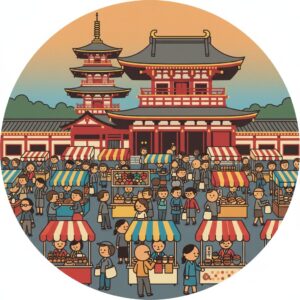
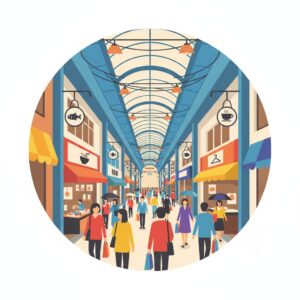
At first glance, Tennoji is a contradiction. It’s dominated by Abeno Harukas, the tallest skyscraper in Japan, a gleaming monument to modern commerce. Right next door is the sprawling Tennoji Station, a chaotic vortex of train lines connecting Osaka to the rest of the Kansai region and beyond. Yet, walk five minutes in any direction, and you’ll tumble into a different era. You’ll find Shitennoji, one of Japan’s oldest Buddhist temples, its serene grounds echoing with centuries of history. You’ll stumble into the gritty, neon-soaked wonderland of Shinsekai, a neighborhood seemingly frozen in the Showa period. You’ll wander through quiet residential streets and bustling, covered shotengai shopping arcades where local vendors have been selling tofu and pickles for generations. This is Tennoji’s magic: it’s a major urban hub that refuses to forget its roots. It’s a place where you can live a thoroughly modern life while being steeped in a powerful, local, and, yes, incredibly affordable culture. This article isn’t just a list of expenses. It’s a deep dive into how the Tennoji mindset shapes every yen you spend, from your rent to your dinner. As a Chinese culture enthusiast, I’m constantly struck by the parallels and divergences in East Asian urban life, and Tennoji presents a fascinating case study in practical, no-nonsense city living.
For a different perspective on how Osaka’s historic shopping streets contribute to an affordable lifestyle, consider exploring the famous Tenjinbashisuji Shopping Street.
The Tennoji Mindset: Value Over Vanity
Before discussing numbers, we first need to talk about kosupa. This Japanese portmanteau of “cost performance” is widely used throughout Japan, but in Osaka, it’s almost a religion. A Tokyoite might pick a cafe for its minimalist design and Instagram-worthy latte art, whereas an Osakan, especially someone from a grounded neighborhood like Tennoji, is more likely to visit a Kissaten with slightly worn velvet chairs that offers a massive “morning set”—toast, egg, salad, and coffee—for 400 yen. It’s not about being cheap; it’s about being savvy. The true social currency here isn’t how much you spent, but how much you saved. Flaunting a luxury purchase is considered somewhat naive, even foolish. Real pride comes from saying, “I scored this amazing leather jacket at a secondhand shop for a tenth of its original price!” or “The butcher at the end of the shotengai gave me a discount on the minced pork because I’m a regular.”
This mindset stems directly from Osaka’s history as Japan’s merchant capital. This was a city built by traders, not samurai. Practicality, negotiation, and a sharp eye for value were essential survival skills. That spirit lives on today. You see it in the way people interact with shopkeepers—a friendly, direct, and sometimes loud back-and-forth that’s rare in the more reserved retail environments of Tokyo. People aren’t shy about asking for a little extra, an omake, or commenting on the price. For foreigners accustomed to fixed-price, formal shopping, this can be surprising. It’s often mistaken for haggling or stinginess, but it’s more a performance, a form of communication. It’s about building relationships and playing a part in the theater of commerce. In Tennoji, while the flashy department stores of Abeno Harukas and Mio stand tall, the heart of the community’s spending lies in the surrounding arcades and independent shops where the principle of kosupa truly rules.
Rent & Housing: The Biggest Slice of the Pie
The single largest expense—and the area where the price difference between Osaka and Tokyo is most striking—is housing. In Tennoji, you’re living in a major transportation hub with unmatched access to the city and surrounding region, yet rental prices remain firmly realistic.
Decoding the Tennoji Apartment Market
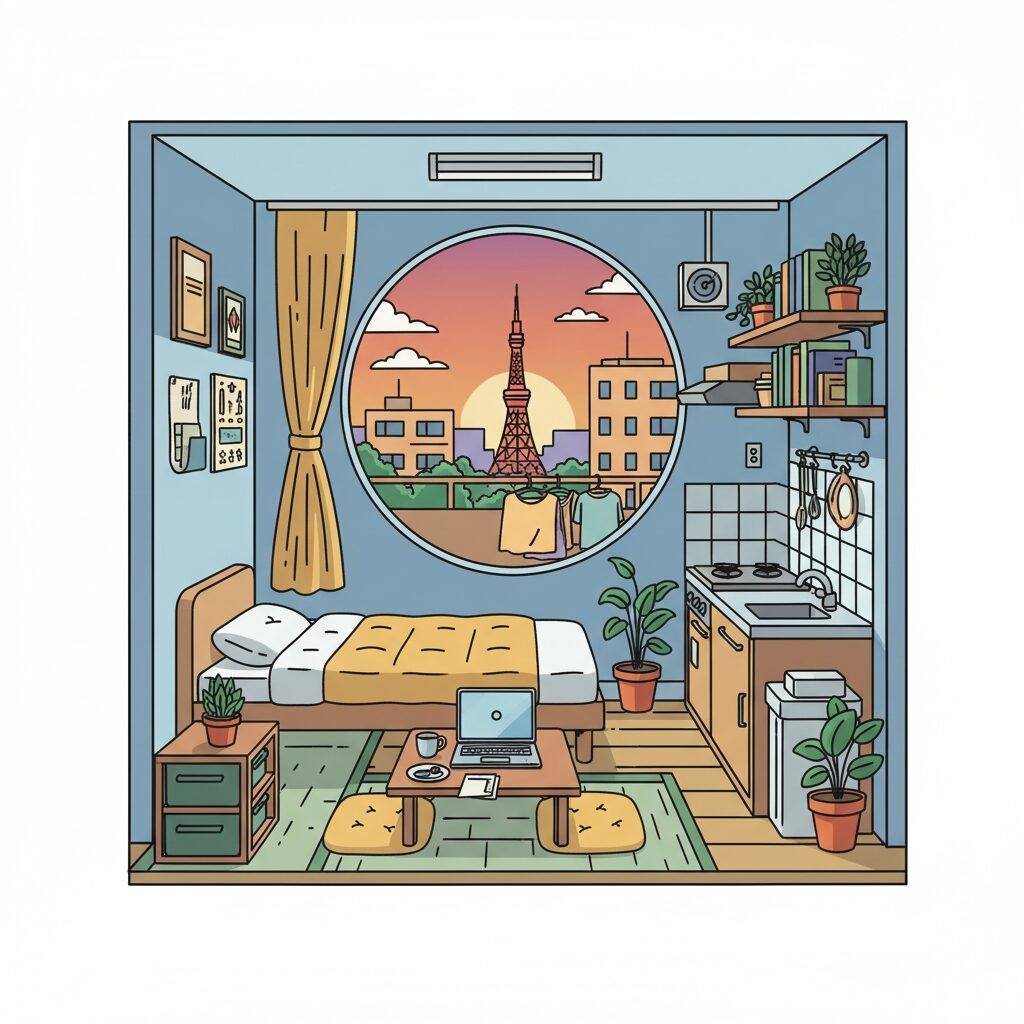
Let’s get specific. A typical single-person apartment, a 1K (one room with a small kitchen) of around 20-25 square meters, can be found in the Tennoji area for a monthly rent ranging from 50,000 to 70,000 JPY. The price largely depends on two factors: the building’s age and its proximity to the station. An apartment in a brand-new building with auto-lock security right next to Tennoji Station will be at the higher end of that range. However, if you walk 10 to 15 minutes toward quieter residential neighborhoods like Teradacho or Shitennoji-mae Yuhigaoka, you can easily find a well-maintained place in an older building for about 55,000 JPY. If you opt for a slightly larger 1LDK (one bedroom plus living/dining/kitchen area), you’ll be looking at a monthly rent between 80,000 and 120,000 JPY. Now, compare that with Tokyo. A similar 1K in a comparable hub such as Shinjuku or Ikebukuro typically starts around 90,000 JPY and rises sharply from there. You’re paying nearly twice as much for the same space and convenience.
An unwritten rule to understand is the structure of initial move-in costs. The dreaded reikin (key money, a non-refundable gift to the landlord) and shikikin (deposit) can often double or triple your first month’s rent. Yet, true to Osaka’s pragmatic spirit, the city is known for its “zero-zero” deals. Landlords and real estate agents, eager to fill vacancies in a competitive market, are often willing to waive the key money, the deposit, or both. This is far less common in Tokyo’s tighter housing market. When searching for an apartment in Tennoji, it’s definitely worth filtering for these deals or asking a local agent directly. They respect savvy renters.
Utilities: The Inevitable Costs
Your monthly utilities—gas, electricity, and water—are less variable than rent but still reflect local habits. For a single person with a relatively standard lifestyle, budget around 10,000 to 12,000 JPY per month for all three. Water bills are usually issued every two months and tend to remain steady. Gas and electricity, however, are more flexible. Osaka summers are brutally hot and humid, so your air conditioner will run extensively, showing up on your electricity bill. Winters can be chilly, driving heating costs higher.
Here’s the Osaka twist: fierce competition. You’ll be flooded with flyers and ads encouraging you to switch electricity or gas providers. Kansai Electric Power (KEPCO) and Osaka Gas dominate, but dozens of smaller companies compete for your business by offering to save you a few hundred to a thousand yen monthly. And Osaka residents do take advantage—they carefully compare plans and switch providers without hesitation. It’s the kosupa (cost performance) mindset at work: why pay more for the exact same service? For internet, expect to pay between 4,000 and 6,000 JPY monthly for a reliable high-speed fiber connection, crucial for both work and entertainment.
Food & Groceries: The Heart of Osaka’s Frugality
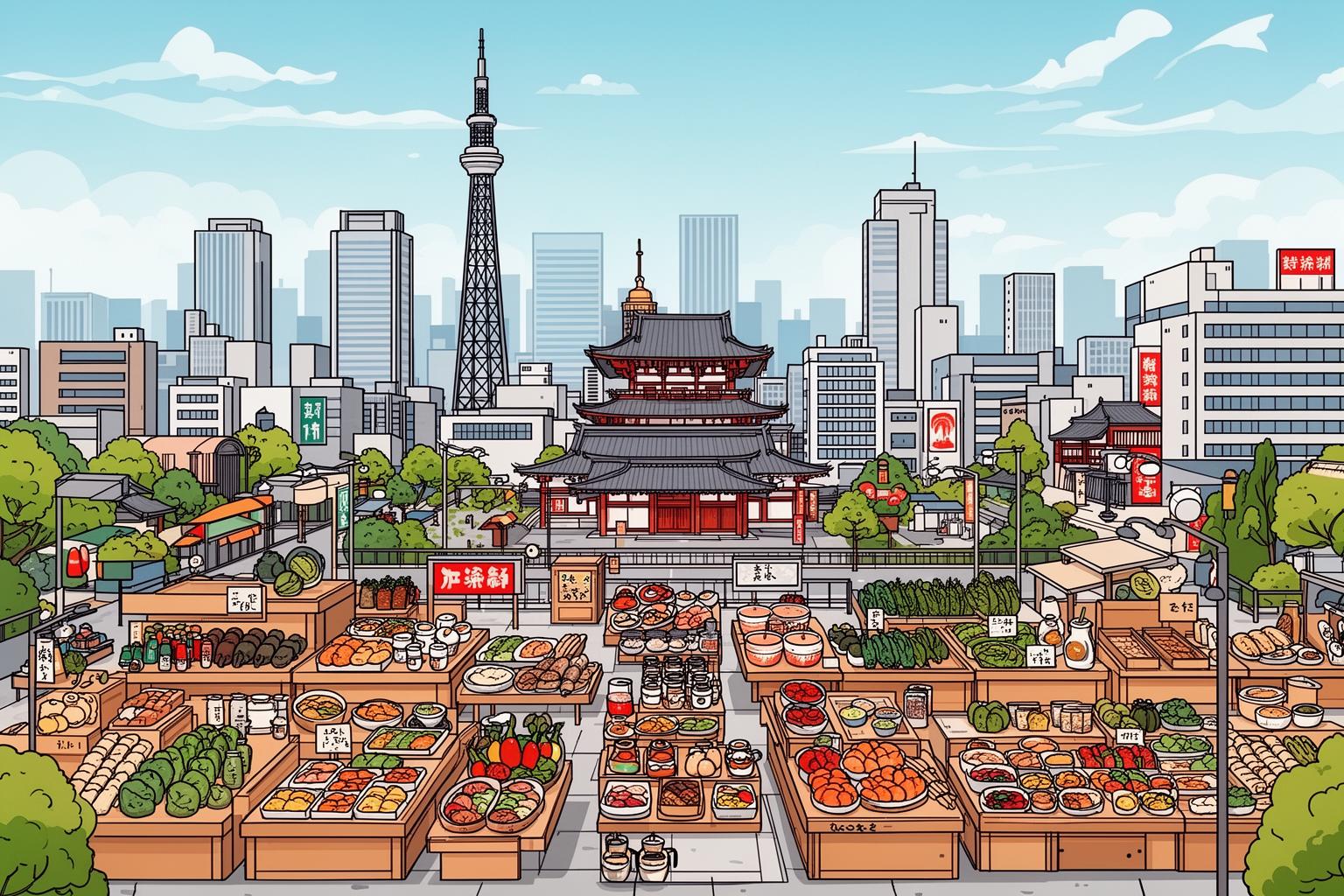
Osaka’s nickname is Tenka no Daidokoro, or “The Nation’s Kitchen.” This extends beyond the famous takoyaki and okonomiyaki, reflecting the city’s historical role as a central hub for food distribution, which has led to an impressive abundance and affordability of fresh ingredients. For residents, this is a place where you can truly live well on a budget.
Supermarket Wars: Where the Locals Shop
In Tennoji, there is a distinct hierarchy of supermarkets. Within the station complex, you’ll find upscale options like Seijo Ishii, featuring imported cheeses and organic produce at premium prices for special occasions. The everyday competition for shoppers’ money takes place in neighborhood supermarkets. Chains like Life and Kansai Supermarket strike a good balance between quality and price. However, for an authentic Osaka experience, you must visit the legendary Super Tamade.
Super Tamade is less a grocery store and more a sensory overload. It’s a chaos of dazzling neon lights, jumbled handwritten signs, and incessant J-pop music, resembling a pachinko parlor that also sells groceries. They’re famous for their “1-yen sales,” where spending over 1,000 yen lets you buy select items—such as an egg carton or a block of tofu—for just one yen. Their bento boxes are notoriously cheap, often dropping below 200 yen late at night. While quality can vary, its unbeatable value makes it a must-visit. Shopping at Tamade is a rite of passage; it means embracing the city’s loud, proud, and unapologetically thrifty spirit. For bulk items, frozen goods, and international spices, the no-frills Gyomu Super (Business Supermarket) is another local favorite. This warehouse-style store offers restaurant-sized portions at wholesale prices, perfect for stocking your pantry.
A Sample Weekly Grocery Budget
A single person who cooks most meals can comfortably manage a weekly grocery budget of 4,000 to 6,000 JPY. This budget covers plenty of fresh vegetables, a mix of meat and fish, dairy, and staples like rice and noodles. The key is to shop smart. The unspoken rule is the “time sale.” Each evening, usually after 7 PM, supermarket staff armed with sticker guns descend on prepared foods, sushi, and fresh meat sections, applying discount stickers—20% off, 30% off, and finally the coveted hangaku (half price) sticker. A crowd of savvy shoppers, mostly local obachan (aunties), appears as if from nowhere, eyes scanning for the best bargains. There’s a silent etiquette—no pushing, but quick, decisive grabbing is essential. Taking part in this nightly ritual isn’t just about saving money; it’s about joining the neighborhood rhythm.
Eating Out: Affordable Feasts
The culture of kuidaore—to eat until you drop (or go broke)—doesn’t have to mean spending a fortune. In Tennoji, the upscale restaurants atop Abeno Harukas cater more to tourists and special occasions. The real local food scene flourishes in the narrow alleys behind the station and beneath the elevated JR Loop Line tracks. Here, you’ll find tachinomi (standing bars) where you can enjoy a beer and a couple of skewers for less than 1,000 JPY. Ramen and udon shops serve huge, steaming bowls for around 800 JPY. You can get a filling teishoku (lunch set) with a main dish, rice, miso soup, and pickles for 700-900 JPY. Eating out in Tennoji isn’t a luxury; it’s often a practical, affordable alternative to cooking. The emphasis is on satisfying, unpretentious food served quickly and cheaply—meant to fill your stomach and provide a lively atmosphere, not on elaborate presentation or formal service.
Transportation: Navigating the Hub
Living in Tennoji means being at one of the most connected hubs in all of Western Japan. The JR Loop Line encircles central Osaka, the Yamatoji and Hanwa lines link you to Nara and Wakayama, and the Midosuji and Tanimachi subway lines run through the city’s north-south axis. This remarkable connectivity is a significant money-saver on its own, as it minimizes the need for complicated, multi-leg trips.
The most essential transportation tool for a Tennoji resident, however, is the bicycle. Osaka’s overwhelmingly flat terrain makes it a cyclist’s paradise. A simple, one-speed mamachari (mom’s chariot) bike is the key to exploring the city for free. From Tennoji, a relaxed 15-20 minute bike ride takes you to the lively entertainment districts of Namba and Shinsaibashi. You can cover a vast area of the city without ever using your train pass. This isn’t just an economical choice; it’s how many locals get around. It connects you to the city on a human level, letting you discover hidden temples, tiny cafés, and quirky shops you’d never spot from a train window.
When public transport is necessary, the costs remain reasonable. A single subway ride within the city usually costs between 190 and 290 JPY. For daily commuters, a teikiken (commuter pass) offers unlimited travel between two designated stations for a fixed monthly fee, providing substantial savings. Many companies in Japan even cover this expense for their employees, which is a major benefit. The local expertise lies in navigating the different train operators. For example, a trip from Tennoji to Namba can be made via either the JR line or the Midosuji subway line. Prices vary slightly, and a true Osakan instinctively knows which option is a few yen cheaper and is willing to walk the extra two minutes to that station. It’s a subtle, almost unconscious calculation that perfectly reflects the local mindset of maximizing value.
Entertainment & Lifestyle: Fun Without Breaking the Bank
Living a fulfilling life in Tennoji doesn’t require a hefty entertainment budget. The area offers a wealth of activities that are either free or very affordable, providing a more authentic connection to the local culture than any costly ticketed event.
Free and Affordable Activities
Tennoji Park, a vast green space adjacent to the station, serves as the neighborhood’s backyard. On weekends, you’ll find families picnicking, students practicing instruments, and elderly people playing go. Entrance to the main park area is free. Inside the park are Tennoji Zoo and the Osaka City Museum of Fine Arts, both with reasonable admission fees. Just a short walk away is Shitennoji Temple. While some inner buildings require tickets, the expansive outer grounds are open for free exploration. Simply wandering through the temple complex, watching rituals, and absorbing the atmosphere is a peaceful, culturally enriching experience that costs nothing.
Then there’s Shinsekai. Often portrayed as a slightly risky tourist spot, it’s a cherished, budget-friendly hangout for locals. Tourists line up to visit Tsutenkaku Tower, while locals flock to nearby streets for some of the cheapest food and drinks in the city. Kushikatsu (deep-fried skewers) restaurants fiercely compete on price, with some skewers costing under 100 JPY each. Retro arcades are packed with classic games, and the affordable izakayas buzz with residents of all backgrounds. It’s a place to feel the raw, unfiltered spirit of old Osaka without spending much at all.
Shopping: Beyond Department Stores
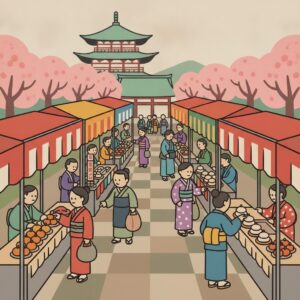
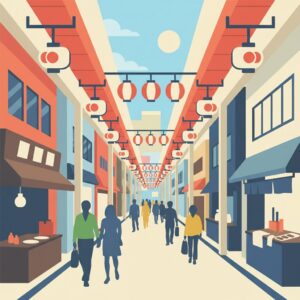
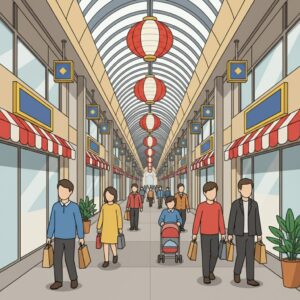
While Tennoji boasts large malls like Mio and Abeno Harukas Kintetsu, the true heart of local commerce lies in the shotengai. These covered shopping streets are an essential part of neighborhood life, lined with small, independent shops selling fresh produce, fish, clothing, hardware, and traditional sweets. Prices are often lower than supermarkets, and the quality—especially for fresh food—can be excellent. More importantly, these marketplaces foster community. The butcher remembers how you like your meat cut, and the fruit vendor might toss an extra orange into your bag. This personal, human-scale way of shopping is rapidly vanishing in many modern cities.
Moreover, Osaka boasts a vibrant secondhand culture. There’s virtually no stigma attached to used goods here. Stores like Book Off (for books, CDs, and games) and 2nd Street (for clothing and furniture) are widespread and immensely popular. It’s common for people to furnish their entire apartments or build fashionable wardrobes from these “recycle shops.” It perfectly embodies the kosupa mindset: why pay full price when you can get a perfectly good, pre-owned item for a fraction of the cost?
A Sample Monthly Budget: Putting It All Together
So, what does this all come down to? Here are two sample monthly budgets for a single person living in a 1K apartment in Tennoji. These are simply rough guides; your actual expenses will vary depending on your lifestyle.
The Frugal Resident
This individual cooks at home most nights, takes advantage of supermarket time sales, and primarily uses a bicycle for transportation.
- Rent: 60,000 JPY (10–15 minute walk from the station)
- Utilities (Gas, Electric, Water): 10,000 JPY
- Groceries: 20,000 JPY
- Phone/Internet: 7,000 JPY
- Transportation: 5,000 JPY (occasional train trips outside the city)
- Entertainment/Eating Out: 15,000 JPY (inexpensive meals and drinks with friends)
- Miscellaneous (toiletries, household goods): 10,000 JPY
- Estimated Total: 127,000 JPY
The Comfort-Seeker
This person likes dining out several times a week, lives in a newer building closer to the station, and uses the train more frequently for convenience.
- Rent: 70,000 JPY (newer building, less than a 10-minute walk)
- Utilities (Gas, Electric, Water): 12,000 JPY (more use of AC/heating)
- Groceries: 15,000 JPY (less cooking at home)
- Phone/Internet: 7,000 JPY
- Transportation: 10,000 JPY (more frequent subway/JR rides)
- Entertainment/Eating Out: 30,000 JPY
- Miscellaneous (toiletries, household goods): 15,000 JPY
- Estimated Total: 159,000 JPY
Even at the higher estimate, this shows that living comfortably and enjoying a vibrant lifestyle in one of Osaka’s main urban centers is achievable on a budget that would be unimaginable in most areas of Tokyo.
The Final Word: Tennoji’s Value Proposition
Living affordably in Tennoji isn’t about a life of constant sacrifice; it’s about embracing a different set of values. It’s a culture that prizes resourcefulness over extravagance and community connection over anonymous consumption. The reason life is cheaper here isn’t just lower land prices; it’s because the people have collectively chosen to prioritize good value, a full stomach, and a straightforward, honest way of living. This is the legacy of the merchant city, visible every day in the supermarket aisles and beneath the train tracks.
Tennoji perfectly captures the Osaka paradox. You can stand at the base of the ultra-modern Abeno Harukas, then turn around and walk into a shopping arcade that has remained unchanged for fifty years. You can enjoy the convenience of a world-class transit system right outside your door while living in a neighborhood that still feels like a cluster of villages. It shows that in Osaka, “budget-friendly” is not a compromise; it’s a sign that you’re living smart, living well, and beginning to live like a local.