
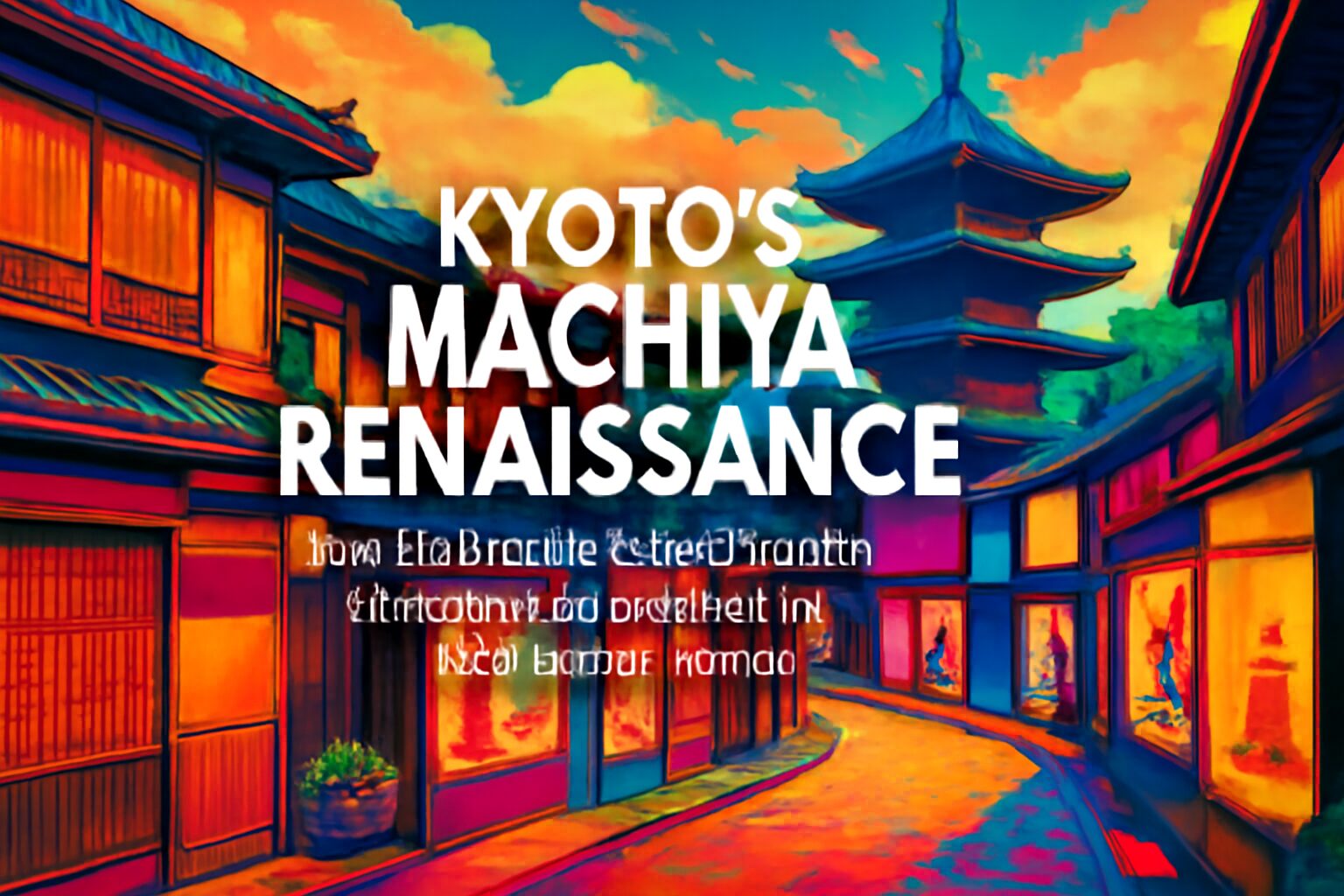
A New Era for Kyoto’s Hospitality Scene
In the historic heart of Japan, a quiet revolution is reshaping the landscape of luxury travel. Kyoto, a city renowned for its timeless temples and serene gardens, is witnessing a surge in a unique form of accommodation: the conversion of traditional wooden townhouses, or ‘machiya,’ into exclusive, high-end hotels. International luxury hospitality groups are leading this charge, targeting a new wave of discerning, high-net-worth travelers who seek more than just a place to stay—they crave an immersive cultural experience. This trend marries the soul of ancient Japan with the polish of five-star service, creating a powerful new magnet for global tourism.
The Context: Why Machiya, Why Now?
To understand this movement, one must look at both the challenges facing Kyoto and the evolving desires of modern travelers.
The Preservation Imperative
For decades, Kyoto’s machiya have been disappearing at an alarming rate. These architectural gems, characterized by their narrow wooden facades, latticework, and inner courtyards (tsuboniwa), are expensive to maintain and often fall short of modern living standards. Many have been demolished to make way for parking lots or modern apartment buildings. This new trend, however, offers a sustainable economic model for their preservation. By retrofitting them with luxury amenities while painstakingly restoring their historical features, hotel operators are giving these invaluable cultural assets a new lease on life.
Shifting Traveler Demands Post-Pandemic
The global traveler has changed. The demand for generic, large-scale hotels is being challenged by a desire for privacy, uniqueness, and authenticity. High-end tourists, in particular, are willing to pay a premium for experiences that connect them to the local culture. A stay in a restored machiya offers exactly that—a private sanctuary that feels a world away from a conventional hotel lobby. This aligns perfectly with the pre-pandemic tourism boom that saw Kyoto welcome over 8.86 million overseas overnight visitors in 2019, a market that is now returning with even higher expectations.
The Fusion of Heritage and Modern Luxury
What makes these machiya conversions so compelling is the seamless blend of old and new. Guests can sleep in rooms with exposed original timber beams and tatami mat floors, yet enjoy state-of-the-art climate control, designer bathrooms, and world-class concierge services.
These are not simply renovated homes; they are fully-fledged luxury properties on an intimate scale. Many offer personalized services like private chefs, in-room tea ceremonies, and curated local tours. Major Online Travel Agencies (OTAs) have taken notice, creating dedicated collections and marketing campaigns that highlight these unique stays, further fueling their popularity and visibility on the global stage.
Future Projections and Broader Impact
This trend is poised to have a lasting impact on Kyoto and the wider Kansai region’s tourism ecosystem.
Positive Impacts and Opportunities
- Elevated Brand Image: The focus on high-end, culturally sensitive tourism will further cement Kyoto’s reputation as a world-class luxury destination.
- Economic Dispersal: Unlike large hotels concentrated in one area, these smaller properties are often scattered through historic residential neighborhoods, potentially spreading tourist spending into different parts of the city.
- A Model for Other Cities: The success of Kyoto’s machiya conversions could inspire similar preservation-focused hospitality projects in other historic Japanese cities, such as Kanazawa, Takayama, or even historic districts in nearby Osaka and Nara.
Potential Challenges and Concerns
- Authenticity vs. Commercialization: There is a fine line between authentic preservation and creating a romanticized, commercial version of the past. The challenge will be to ensure these properties retain their genuine connection to the local community and history.
- Rising Property Values: The influx of foreign investment into machiya could drive up property prices, potentially making it harder for local residents and small businesses to remain in historic districts.
- Strain on Local Life: While these hotels are small, a concentration of high-end tourists in traditionally quiet residential areas could still disrupt the local community’s way of life if not managed carefully.
Ultimately, the conversion of machiya into luxury accommodations represents a pivotal moment for Kyoto. It offers a powerful solution to the critical issue of cultural heritage preservation while catering to the highest end of the global travel market. For travelers visiting Kansai, it presents an unparalleled opportunity to live, if only for a few nights, within the very fabric of Japan’s rich history. How the city balances this lucrative commercial opportunity with the needs of its local communities will determine the long-term success of this fascinating trend.








