Osaka, a city that pulses with a vibrant, relentless energy, is a culinary universe unto itself. Its grand boulevards and neon-drenched districts like Namba and Umeda shout their gastronomic prowess with takoyaki stands, opulent kaiseki restaurants, and smoky yakitori dens. Yet, the true rhythm of this city often hides in plain sight, just a few stops away from the bustling center, in neighborhoods where the symphony of daily life plays out in a more subdued, intimate key. One such place is Shonai, a district in the city of Toyonaka, yet intrinsically woven into the fabric of northern Osaka. A quick ride on the Hankyu Takarazuka Line from the central hub of Umeda Station transports you not just to a different location, but to a different pace. Here, the landscape is not defined by skyscrapers, but by low-slung buildings, sprawling shotengai shopping arcades, and the gentle whir of bicycles carrying residents on their daily errands. It’s a place that feels real, lived-in, and unapologetically local. But amidst this quintessentially Japanese setting, a new aroma has begun to weave itself into the air, a fragrant thread of cumin, paprika, and charcoal-grilled meat that tells a different story. This is the scent of Turkey, and Shonai has unexpectedly, yet wonderfully, blossomed into a small but significant enclave for authentic, Halal Turkish cuisine. This isn’t a curated tourist experience; it’s a living, breathing community, offering a chance to step beyond the guidebooks and taste a world of flavor that has found a welcoming home in the heart of residential Osaka. It’s a journey into the soul of multicultural Japan, where a simple meal becomes a profound act of cultural discovery.
For a different kind of urban adventure away from the city center, consider exploring the raw nightlife of Juso.
The Aura of Arrival: Stepping into Shonai’s World
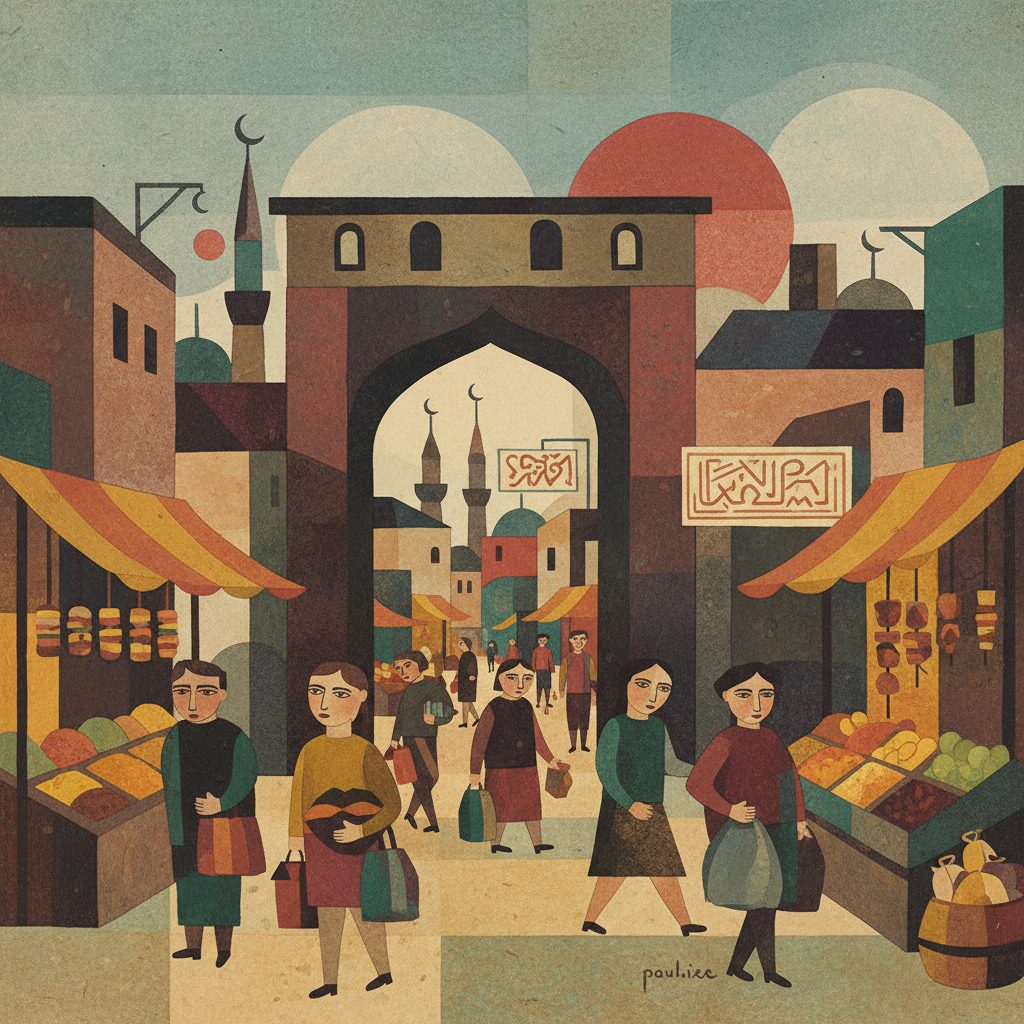
Exiting Shonai Station feels like drawing back a curtain to unveil the genuine stage of life in Osaka. The atmosphere shifts instantly. The high-energy buzz of the city center gives way to a steady, gentle murmur. There’s a distinct retro appeal, a nostalgia for Showa-era Japan that still lingers in the station’s architecture and surrounding streets. The first thing you’ll notice is the expansive, covered shopping arcade, the Shonai Higashi-dori Shotengai, a vibrant vein pulsing life through the neighborhood. Elderly women with shopping carts exchange greetings with shopkeepers, schoolchildren in uniforms laugh and chase one another, and the aroma of freshly brewed tea from a local kissaten blends with the sweet scent of red bean paste wafting from a traditional confectionery. This sets the scene, the canvas on which the Turkish story is painted. As you stroll away from the main arcade into smaller side streets, the transformation begins. The signs, though still mainly in Japanese, start to include Turkish and English words. A window display might feature intricate geometric designs of Turkish tiles. And then, it hits you—the unmistakable, mouth-watering aroma of roasting meat, a scent so deeply comforting and universally appealing it transcends language. It signals that you’ve found exactly what you’re seeking. The atmosphere isn’t like a theme park; it’s natural. The Turkish businesses blend seamlessly into the neighborhood fabric, nestled between a local barbershop and a family-run tofu shop. This integration is central to Shonai’s charm. It creates a sense of discovery, of stumbling upon a hidden gem known only to insiders. It feels less like visiting a designated ethnic enclave and more like being let in on a beautiful secret shared between communities.
A Culinary Trio: The Flavors of Anatolia in Osaka
While Shonai is home to several Turkish venues, an exploration of its culinary soul can be captured through three distinct experiences, each offering a unique glimpse into Turkish food culture. These places are more than mere dining spots; they serve as community centers, cultural pillars, and beacons of hospitality.
The Hub of Vibrancy: Istanbul Kebab & Cafe
Picture a spot alive with steady, welcoming energy. That’s the atmosphere at the local kebab joint, a key fixture in Shonai’s Turkish scene. The highlight is the impressive döner kebab spit—a tall cylinder of marinated chicken or beef, slowly rotating as its outer layers crisp to perfection under the heat. The steady slice-slice-slice of the long knife carving tender strips of meat sets the rhythm of the restaurant. The air is infused with the rich aroma of spices and sizzling fat. The owner, often a cheerful man with a warm smile, greets every guest, whether Japanese or not, with a hearty “Merhaba!” This is the frontline of Turkish culinary hospitality. Placing an order here is a delightful, visual experience. You watch your sandwich come together: first, the bread—a soft, fluffy pide or thin, pliable lavash, warmed just right. Next, a generous heap of freshly shaved meat, topped with a colorful mix of salads: crisp lettuce, sliced tomatoes, sharp onions, and perhaps some pickled red cabbage for a tangy twist. Finally, the sauces—a creamy garlic yogurt and a spicy red pepper drizzle—complete the flavor symphony. The initial bite is a revelation: a harmony of textures and tastes—the tender, richly seasoned meat, the cool crunch of vegetables, the soft bread, and the balanced creaminess and heat of the sauces. But the menu offers much more than döner. You might encounter Iskender kebab, where slices of döner rest over pieces of pide bread, bathed in rich tomato sauce and sizzling melted butter, accompanied by a dollop of thick yogurt. Or a comforting bowl of mercimek çorbası, a smooth red lentil soup lifted by a squeeze of lemon and a sprinkle of dried mint. It’s hearty food served simply but with heartfelt warmth.
The Community Hearth: Anatolia Market & Grill
Further into the neighborhood lies a different kind of place, combining a grocery store and a modest eatery. Anatolia Market & Grill is the community’s true heart. Stepping inside feels like entering a small neighborhood shop from Istanbul or Ankara. The shelves brim with treasures for lovers of Middle Eastern and Mediterranean cuisine: jars of plump olives, tins of tangy feta-like cheese, bags of bulgur and lentils, and a dazzling array of spices in large, fragrant bins. Pomegranate molasses, essential for adding sweet-and-sour depth to salads and marinades, and bottles of rosewater for desserts are also found here. Boxes of Turkish delight, or lokum, in flavors like pistachio and rose sit alongside packets of robust Turkish coffee and apple tea. This market is a lifeline for the local Muslim community, providing Halal products and familiar ingredients that help make a new country feel like home. A small, unpretentious grill occupies a corner. The menu is concise, focused on homestyle dishes made with genuine care. Here you find the Adana kebab—minced lamb mixed with hot peppers and spices, shaped onto wide skewers and grilled over charcoal until smoky and juicy. Or köfte, spiced meatballs grilled or pan-fried, served simply with rice and a grilled tomato. Dining here offers a more intimate experience; you might sit beside a family doing their weekly shopping or students from a nearby university enjoying a quick, comforting meal. Conversations flow in Japanese, Turkish, and English, blending together. It’s in places like this that you realize food is far more than nourishment—it’s a vital thread in the fabric of community, a means of preserving identity and forging new bonds far from home.
A Moment of Sweetness: Bosphorus Sweets & Kahve
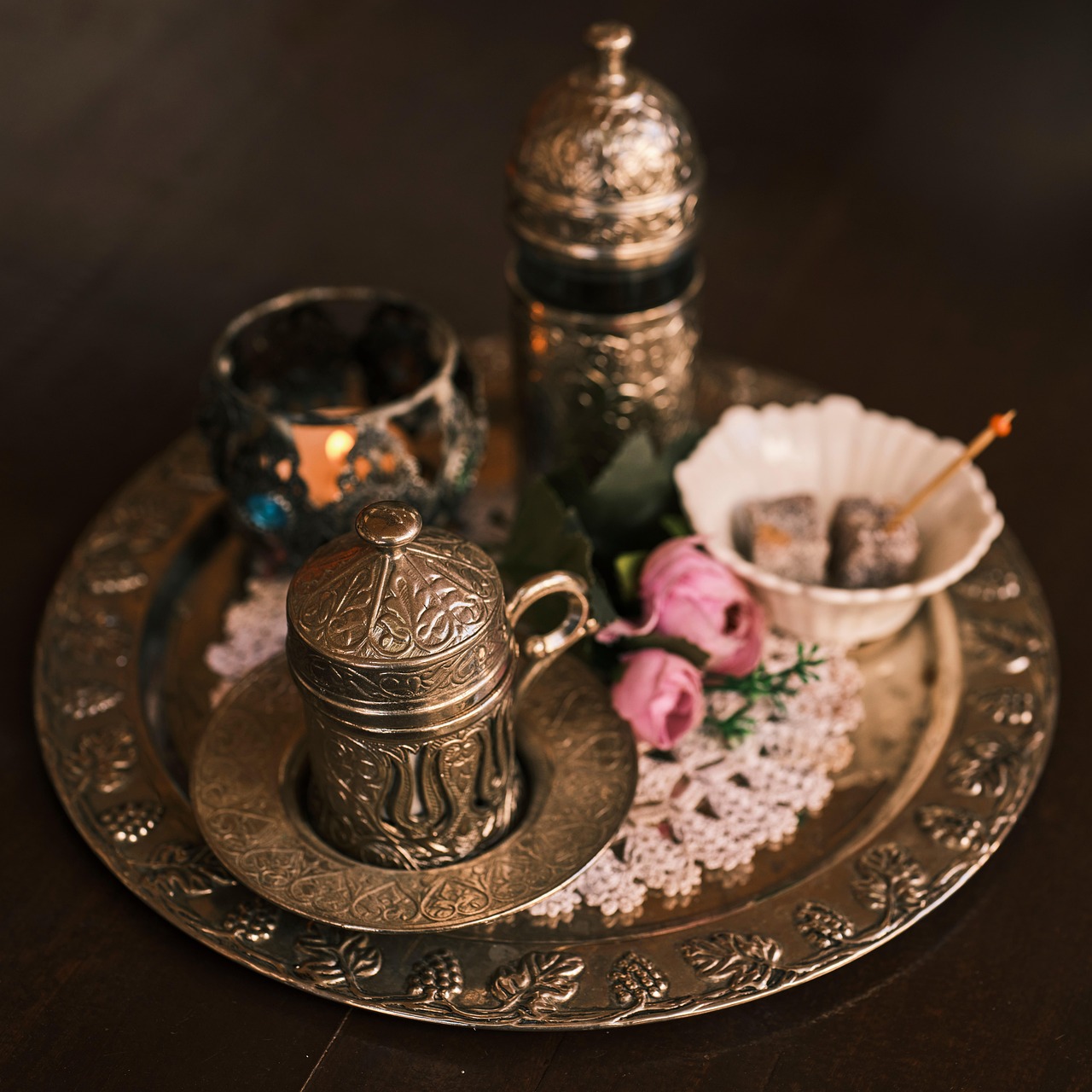
No journey through Turkish cuisine is complete without indulging in its famed sweets, and a specialized pastry and coffee shop offers the perfect closing chapter. Let’s call it Bosphorus Sweets, a peaceful refuge where the pace eases. The centerpiece is the stunning baklava display—paper-thin layers of phyllo dough brushed with butter, filled with chopped pistachios or walnuts, baked to golden crispness, then soaked in fragrant sugar syrup. The result is a confection both flaky, crunchy, nutty, and luscious—a textural and flavor masterpiece. Other treats include a tray of şekerpare, semolina cookies drenched in syrup, and künefe, a divine dessert of shredded pastry and unsalted cheese baked and soaked in syrup, served hot so the cheese is irresistibly stringy. This is the ideal setting to enjoy authentic Turkish coffee, or Türk kahvesi. Prepared by boiling finely ground coffee beans in a special pot called a cezve, it’s served in a small, ornate cup, unfiltered so the grounds settle at the bottom. Strong, rich, and aromatic, it’s meant to be savored slowly. Alongside it, there is of course çay, Turkish tea, served in elegant tulip-shaped glasses—a symbol of hospitality and a drink enjoyed throughout the day in Turkey. Sitting here, enjoying baklava with a cup of çay, you watch life in Shonai drift by outside. It’s a moment for reflection, a sweet pause to absorb the day’s flavors and experiences.
More Than a Meal: Culture, Community, and Connection
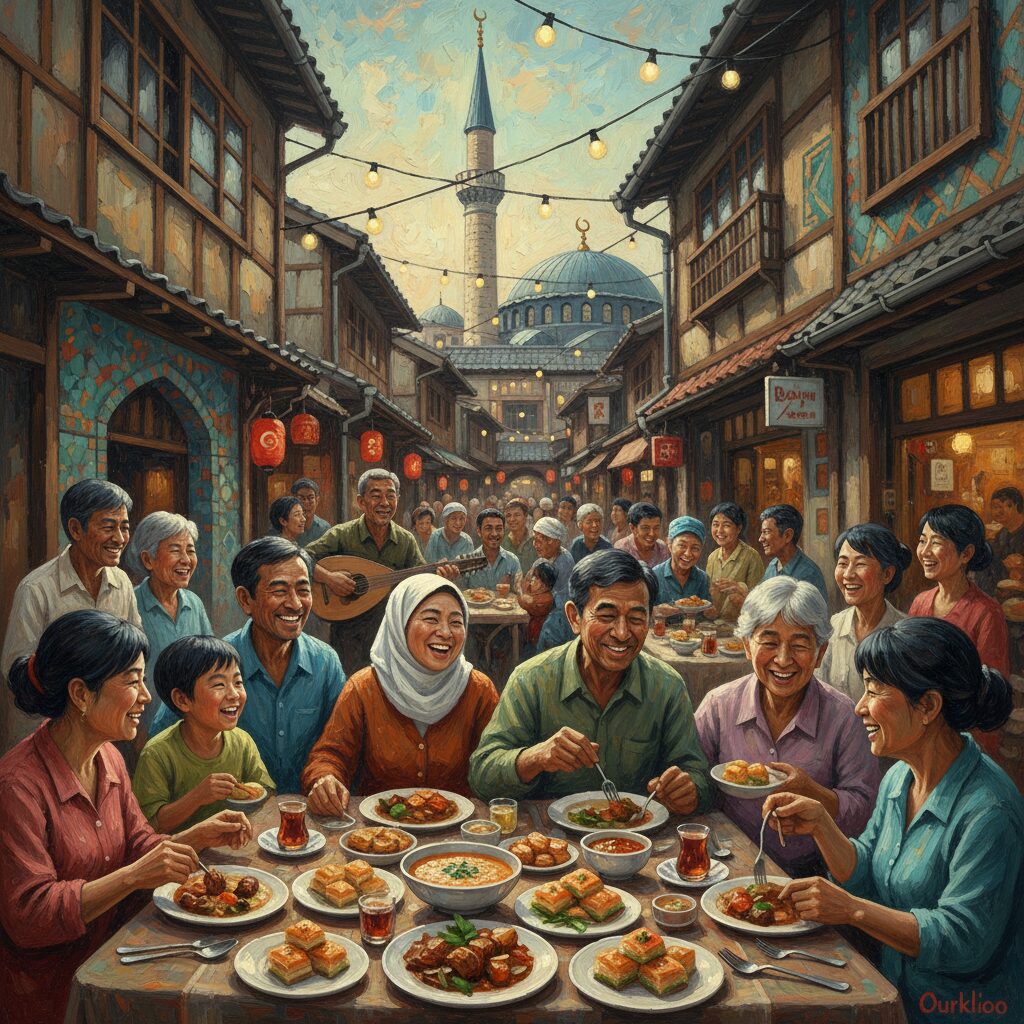
The rise of a Turkish food scene in a residential area like Shonai is no coincidence. It reflects the evolving face of Japan. As the country becomes increasingly international, immigrant communities are establishing themselves not only in major urban centers but also in everyday neighborhoods. They bring their culture, traditions, and, most delightfully, their cuisine. The Halal designation holds significant importance. For Muslims, Halal is more than a dietary choice; it is a religious obligation. The presence of Halal-certified restaurants and markets in Shonai attracts Muslim residents from across Osaka and beyond, including students from Indonesia and Malaysia, as well as workers from Pakistan and Bangladesh. These establishments serve as vital social hubs where people can eat with confidence and connect with others who share their faith and cultural heritage. This phenomenon is something I’ve seen in Chinatowns worldwide—the way a grocery store or restaurant becomes an informal community center, a place to share news, celebrate holidays, and find a sense of belonging. What’s especially remarkable about Shonai is the seamless interaction with the local Japanese community. The Turkish shop owners have made deliberate efforts to be inclusive. Menus are often available in Japanese, and the owners gladly explain the dishes to curious visitors. This openness has encouraged genuine cultural exchange. Japanese residents have embraced these new flavors, drawn by the universal appeal of a well-made kebab or a perfectly grilled piece of meat. This welcoming spirit is deeply rooted in Turkish culture itself, which highly values hospitality, or misafirperverlik. A guest is regarded as a gift from God, and sharing food is a fundamental expression of this belief. When you dine in Shonai, you are not merely a customer; you are a guest, and that warmth is evident in both the service and the food.
A Practical Guide to Your Shonai Adventure
Navigating your way to and around this neighborhood is delightfully straightforward, making it an easy and rewarding day trip from central Osaka.
Getting There
Start your journey at Hankyu Umeda Station, one of Osaka’s key transport hubs. Locate the platforms for the Hankyu Takarazuka Line and take a local train (普通, futsū), as express trains skip the station. The ride is brief, usually under ten minutes, with just four stops. This close proximity to the city center is one of Shonai’s biggest benefits; it offers an easily accessible escape from the urban bustle.
When to Go
Shonai’s Turkish restaurants typically serve both lunch and dinner, but the vibe can vary. Lunchtime tends to be lively and fast-paced, perfect for grabbing a kebab sandwich on the go or a quick, satisfying meal. Dinner provides a more relaxed, leisurely atmosphere, ideal for sampling a wider range of dishes—perhaps starting with mezes like hummus or baba ghanoush, moving on to a mixed grill platter, and ending with dessert and tea. Weekends are busier, filled with lively groups of families and friends. For a quieter experience, visiting on a weekday is recommended.
Tips for a Great Visit
To fully enjoy your culinary adventure, a few simple tips can be helpful. While many places now accept credit cards, smaller, family-owned shops and markets often prefer cash, so it’s wise to carry some yen. Don’t be shy about asking questions—the staff are passionate about their food and usually happy to offer recommendations or explain a dish. Your curiosity will be warmly welcomed. Before or after dining, take some time to stroll through the Shonai Higashi-dori Shotengai. This traditional Japanese shopping arcade offers a charming contrast to the Turkish flavors you’ve savored. Vendors sell everything from fresh produce and fish to kimonos and household items, providing a wonderful glimpse into local life. Lastly, learning a few Turkish phrases can be a lovely touch. A simple “Merhaba” (Hello) or “Teşekkür ederim” (Thank you) is sure to be met with a warm smile, creating a meaningful cultural connection.
The Lingering Taste of Discovery

A visit to Shonai offers much more than simply satisfying a craving for Turkish cuisine. It serves as a powerful reminder that the world is full of surprising and beautiful intersections. In a quiet, modest corner of Osaka, two rich cultures coexist and enrich each other, forming a community that is both distinctly Japanese and wonderfully international. The experience engages all the senses—the sizzle of the grill, the scent of exotic spices, the vibrant hues of salads and sweets, and the warm, welcoming voices of your hosts. Dining here means taking part in a story of migration, adaptation, and community-building. It reveals that the most authentic travel experiences often lie just off the beaten path, found not in grand monuments, but in a shared meal and simple, human connection. Shonai encourages you to look beyond the sparkling facade of a megacity and discover its true, diverse, and incredibly delicious heart.