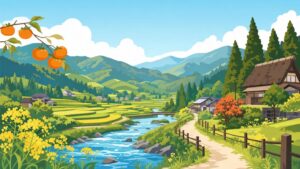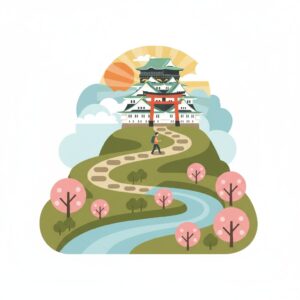
Ask anyone, Japanese or otherwise, to paint a picture of Osaka, and the canvas will fill with familiar strokes. You’ll see the electric glow of the Dotonbori canal, the steam rising from takoyaki stalls, and hear the boisterous, rapid-fire cadence of the Osaka dialect. It’s a city defined by its vibrant energy, its “kuidaore” (eat till you drop) philosophy, and a culture that’s unapologetically bold, bright, and in-your-face. This is the Osaka of popular imagination, a whirlwind of commerce and comedy. But what if I told you that just a thirty-minute train ride north from the bustling hub of Umeda lies a completely different version of the city? A place where the loudest sound is the rush of a waterfall and the most common weekend uniform involves hiking boots, not high fashion. This is Minoh, the gateway to the Hokusetsu region, and it represents an Osaka that many locals aspire to, yet few visitors ever see. It’s an Osaka where life slows down, breathes deeper, and finds its rhythm in the rustle of maple leaves. To understand the soul of this city, you can’t just look at the flashing lights; you have to walk the quiet mountain paths, too. This isn’t a tourist escape from Osaka; it’s an introduction to its other, equally authentic, self.
While Minoh offers a peaceful retreat from the urban hustle, those eager to experience a creative urban vibe can also explore Osaka’s unknown north, where art, nature, and community intertwine.
Welcome to Hokusetsu: Osaka’s Quiet, Affluent North
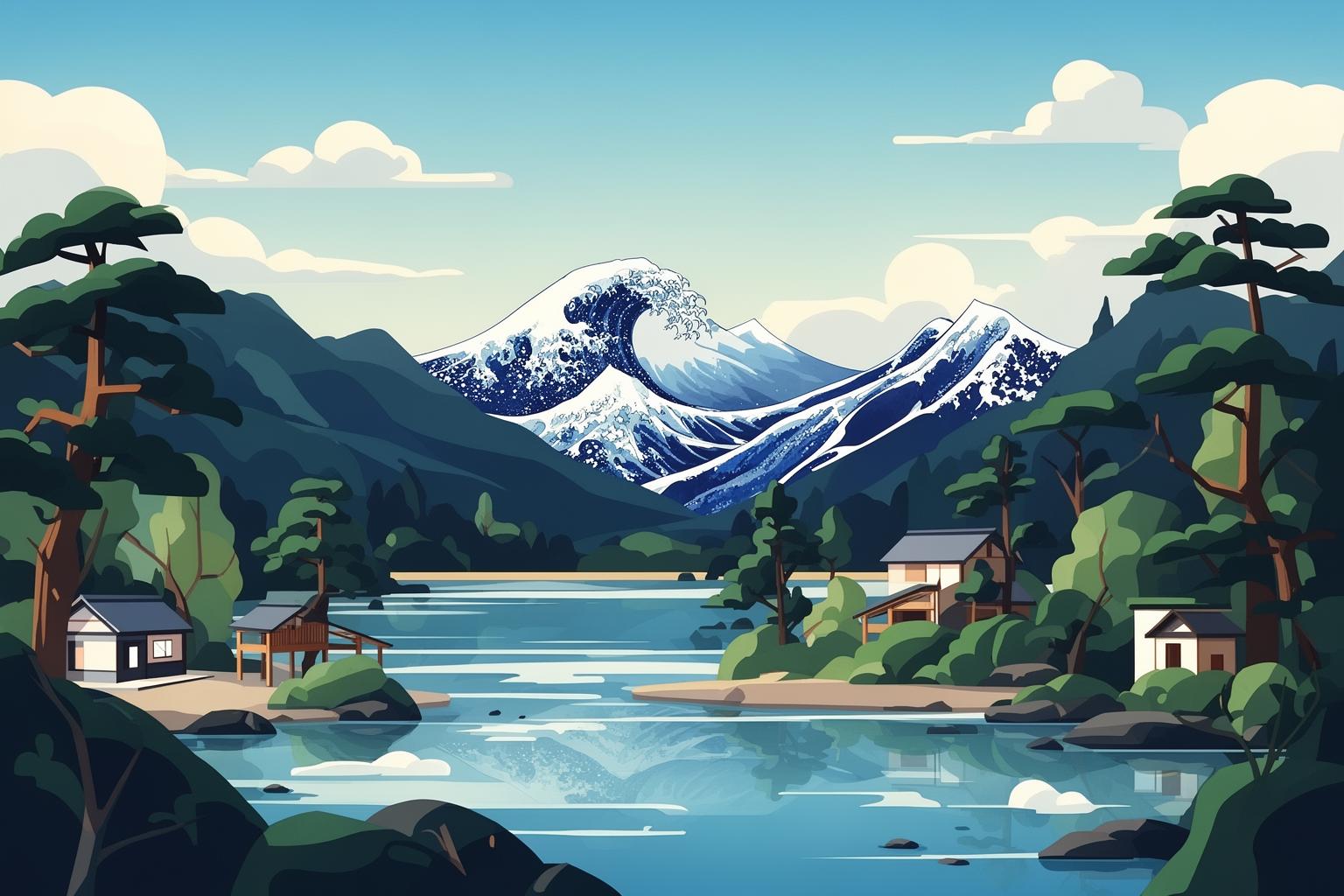
The term “Hokusetsu” (北摂) literally means “North of Settsu,” referring to an ancient province that once covered this region. Today, it describes a group of cities—Minoh, Toyonaka, Suita, and Ikeda—that make up Osaka Prefecture’s northern suburbs. This is more than just a geographical label; it carries deep cultural and psychological connotations. While Osaka’s southern districts, known as “Minami,” around Namba and Shinsaibashi, buzz with unfiltered commercial energy, Hokusetsu offers a calmer, more residential, and noticeably more affluent vibe. It is a place where people settle down, raise families, and create a life that balances urban convenience with natural surroundings. Often likened to Tokyo’s Den-en-chofu or Setagaya wards—areas celebrated for their quiet streets, spacious homes, and professional residents who have, in a sense, “made it”—the mindset here is distinct. The daily pace is less driven by immediate rewards and more focused on long-term well-being. Residents don’t just live here for proximity to the city; they choose this lifestyle for its quality of life. The air seems cleaner, the streets wider, and a strong sense of community thrives, grounded in shared values like good schools, safe neighborhoods, and access to nature. This region serves as a cultural buffer, absorbing a touch of refinement from nearby Kobe and tranquility from Kyoto, while maintaining a distinctly Osakan identity. It’s Osaka turned down in volume, allowing the subtleties often lost in the city’s chaotic symphony to be fully appreciated.
The Weekend Ritual: More Than Just a Hike
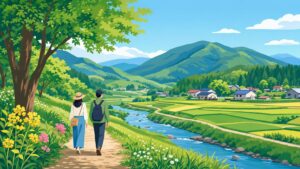
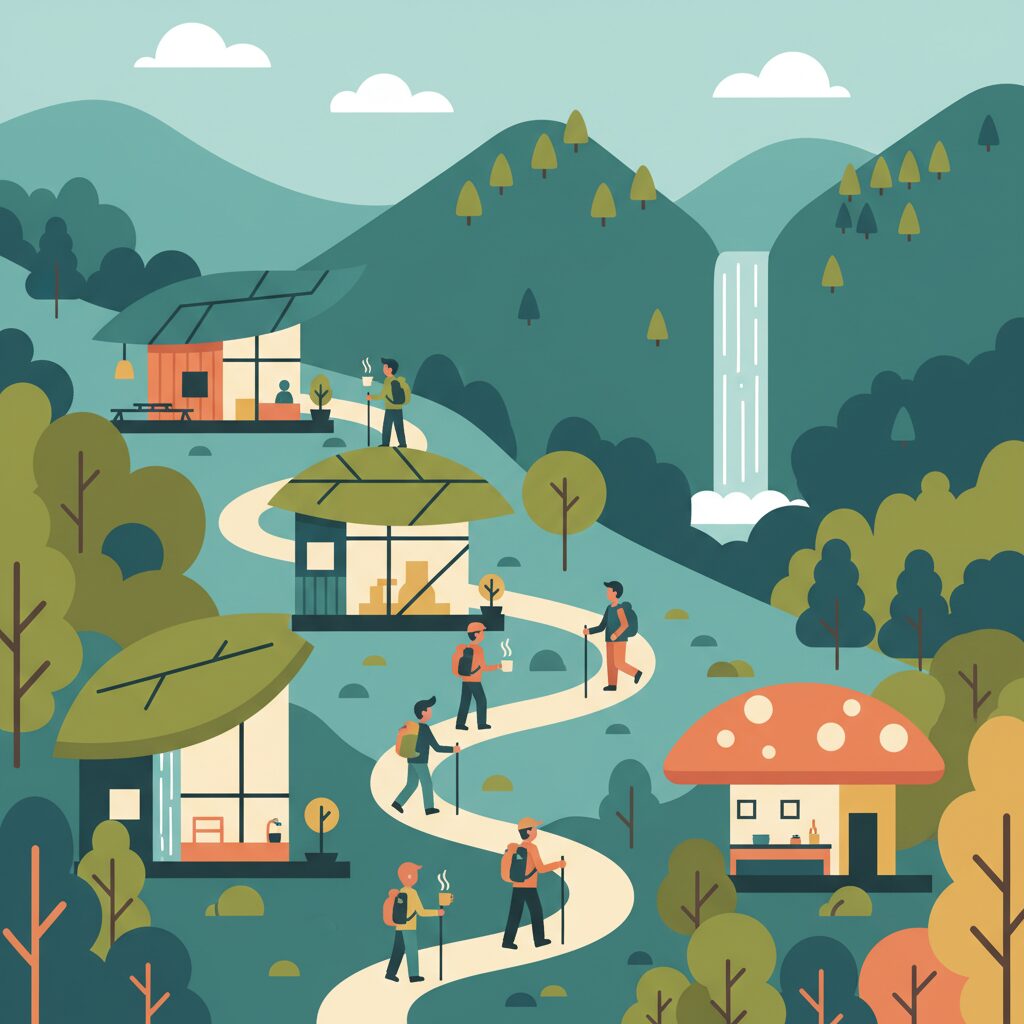
To truly grasp the Hokusetsu lifestyle, you need to be at Hankyu Minoh Station on a Saturday morning. The scene there perfectly captures the local culture. It’s not a hurried rush of commuters but a calm, steady stream of people ready to enjoy the day. You’ll spot young couples in matching GORE-TEX jackets and Salomon trail runners, chatting easily and casually. Families push strollers, toddlers bundled up against the cool mountain air, while older kids excitedly point toward the start of the walking path. Retirees, looking remarkably fit in full hiking gear, gather in small groups, stretching and chatting like old friends. This is their weekly routine. The three-kilometer paved path that follows the Minoh River to the well-known waterfall isn’t seen as a challenging hike or a tourist-only outing. For the locals, it’s their backyard, their public park, their social gathering place. It’s where people go for a morning jog, walk the dog, or clear their minds after a busy week. The hike itself forms a social tableau. People nod and exchange a soft “Ohayo gozaimasu” as they pass each other. There’s an unspoken camaraderie, a shared appreciation for this natural refuge. Along the trail, vendors sell the local specialty, momiji tempura—maple leaves deep-fried in sweet batter. For visitors, it’s a curious treat. For those raised here, it’s a taste of childhood, a nostalgic snack from countless family outings. The waterfall at the end is the goal, yes, but the true experience lies in the journey—the movement, the breath, the shared participation in this wholesome pastime. It reveals a fundamental value of the Hokusetsu resident: an active lifestyle isn’t merely a hobby; it’s an essential part of a balanced life.
The Unspoken Language of Hokusetsu Style
As someone in the fashion world, I’m trained to interpret the stories clothes tell, and the style in Minoh speaks volumes. In central Osaka, particularly in areas like Amerikamura or Shinsaibashi, fashion is a form of performance. It’s about expressing identity through bold trends, vintage pieces, and striking logos. It’s loud, imaginative, and ever-changing. In Hokusetsu, however, the aesthetic is quite different. The key word is “quality,” not “novelty.” The hiking gear here isn’t cheap, generic sportswear. It’s a sea of high-end, functional brands: Arc’teryx, Patagonia, The North Face Purple Label. These choices aren’t about flashy logos; they’re about investing in durable, well-designed gear that excels in performance. This approach extends beyond the trails. Casual wear is a lesson in understated luxury. A simple knit sweater is often made of fine merino wool. Jeans fit perfectly, tailored with care. A woman’s tote might be an unbranded yet exquisitely crafted leather piece. There’s a clear preference for natural fabrics, neutral shades, and timeless cuts. It’s a style that whispers its quality rather than shouting it. This reflects a deeper mindset. It’s less about chasing fast-fashion trends and more about building a lasting, personal wardrobe. It suggests a life that is stable, secure, and confident enough to forgo constant external validation through flashy displays. It’s a quiet confidence that says, “I value substance over spectacle.”
The Slow Life: Deconstructing Minoh’s Cafe Culture
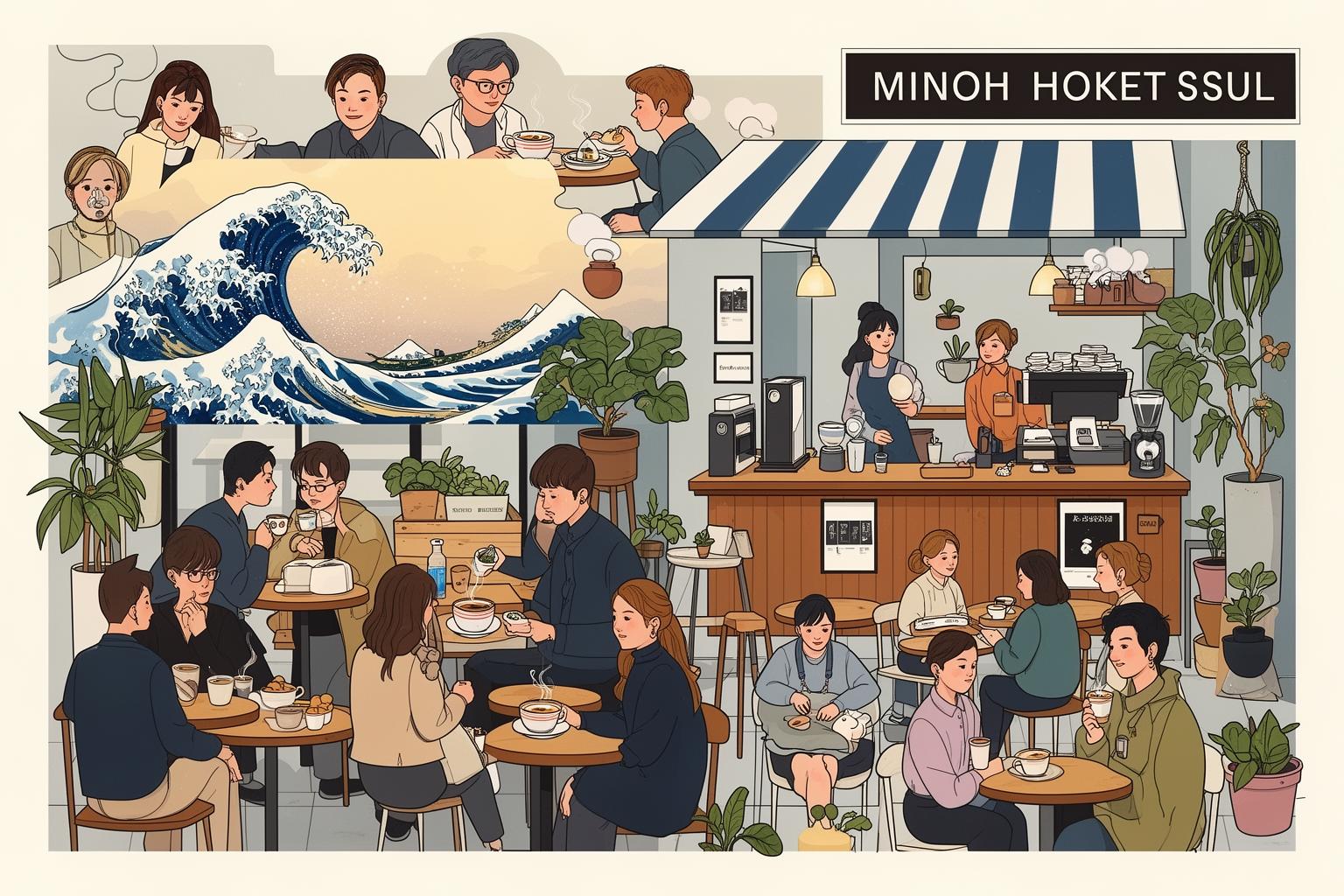
After a morning walk, the natural next step in the Minoh ritual is to relax in one of the area’s many charming cafes. Much like the hiking culture, the cafe culture here is worlds apart from what you’d find in Umeda or Namba. In the city center, cafes tend to be transient spaces—places to grab a quick caffeine fix, catch up on emails between meetings, or kill twenty minutes before your next appointment. They are functional, efficient, and often impersonal. Minoh’s cafes, in contrast, are destinations in their own right, designed for lingering. Imagine a cafe tucked away on a quiet side street near the river, with large windows letting in natural light, a spacious wooden deck for sunny afternoons, and cozy chairs perfect for sinking into with a book for hours. The menu would extend beyond just coffee and pre-packaged pastries, offering artisanal bread baked in-house, delicate cakes made with seasonal fruits, and carefully prepared lunch sets featuring local vegetables. The baristas would know their regulars by name, and the atmosphere would be filled with the gentle hum of quiet conversation, the turning of pages, and the clinking of ceramic cups. These places are not merely businesses; they are community hubs where friends catch up for hours, families enjoy weekend treats, and individuals find peaceful moments of solitude. The presence and success of such establishments reflect a local population that values two precious resources: time and disposable income. They are willing to pay a premium for high-quality coffee and a beautiful environment, and they have the leisure to fully savor it. This experience transcends simply drinking coffee; it is about consciously choosing a slower, more deliberate, and more enjoyable way of life.
A Different Kind of Osaka Conversation
One of Osaka’s most defining features is its dialect, Osaka-ben, known for its distinctive intonations, colorful vocabulary, and the direct, often humorous communication style of its speakers. It’s a language of friendly banter, quick-witted punchlines, and a general absence of pretense. Foreigners living in Osaka quickly come to appreciate its warmth and efficiency. However, as you spend time in Hokusetsu, you may notice a subtle shift in the linguistic atmosphere. While people here, of course, speak the regional dialect, it tends to be a softer, more refined version. The sharp edges are smoothed, and you’re more likely to hear standard Japanese (hyojungo) mixed in, especially in customer service settings. The lively, joke-filled style common in a standing bar in Tenma gives way to a more reserved, yet equally friendly, mode of interaction. Conversations in a Minoh cafe are generally quieter, with humor that is drier and more understated. This does not mean people are less friendly; rather, it reflects a different social code. There is a stronger emphasis on respecting others’ space, aligning with the broader Japanese cultural norm of “reading the air” (kuki wo yomu). This provides a fascinating example of how a city’s dialect and communication styles can vary internally, shaped by the socio-economic status and lifestyle aspirations of its residents.
Understanding the Hokusetsu Mindset: Beyond the City Limits
So, why do people deliberately choose this lifestyle? Why relocate to the suburbs when the lively center of Osaka is only a short train ride away? The reason lies in a different set of priorities that contrast with the typical Osakan emphasis on commerce and entertainment. Residents of Hokusetsu often play a longer game. Their decisions are motivated by a pursuit of stability, safety, and a healthy environment for their children. The quality of the local school district is frequently discussed and plays a key role in property choices. Low crime rates and clean, well-maintained public areas offer a sense of security that is greatly appreciated. This way of living is also closely tied to car ownership. While much of central Osaka is conveniently accessible by train, owning a car is far more common in Hokusetsu. The larger houses usually come with garages, and on weekends, families can be seen loading their minivans and SUVs for trips to expansive suburban shopping centers, campsites, or nearby countryside. This creates a different geographic and mental map. A resident of Minoh doesn’t feel restricted to Osaka City. They are just as likely to drive to Nishinomiya Gardens in Hyogo for shopping or visit a temple in Kyoto. Their identity is less about being an “Osaka City Dweller” and more about being a “Kansai Resident.” They embrace the entire region as their playground, and their lifestyle reflects this broader outlook. They remain connected to the urban core but are not defined by it, crafting a life that selectively enjoys the best of what the entire Kansai region has to offer.
Is This Still Osaka?
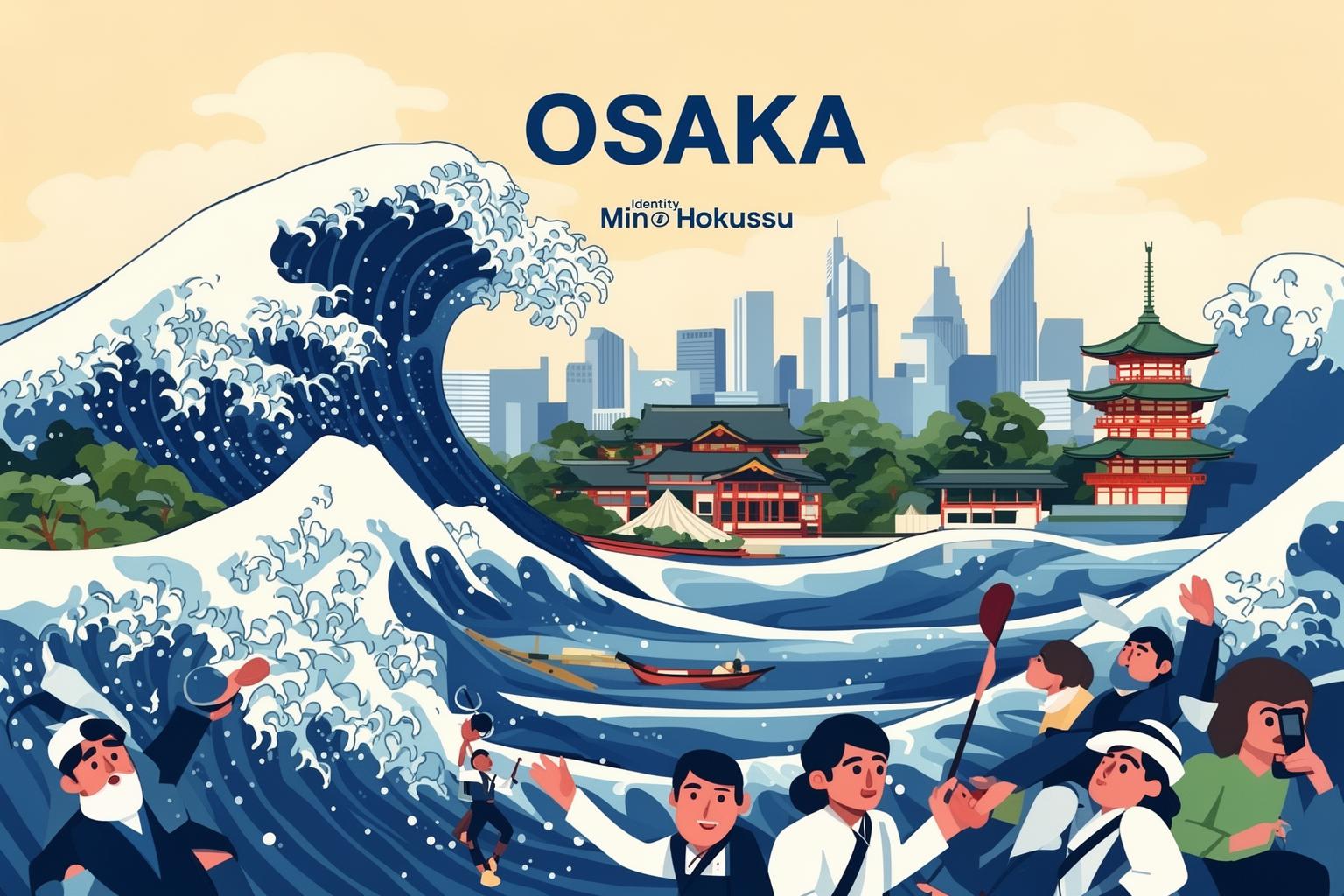
After a day spent hiking in the crisp mountain air and enjoying coffee on a sunlit terrace, a visitor might reasonably wonder, “Is this really Osaka?” This question touches on a common misconception about the city. As foreigners, we are often presented with a singular, powerful image of Osaka—the city of merchants, comedians, and street food. While this narrative is exciting and largely accurate, it remains incomplete. Claiming that Minoh isn’t the “real” Osaka is like saying a quiet residential street in Brooklyn isn’t the “real” New York simply because it lacks the bustle of Times Square. Great cities are never homogeneous; they are complex ecosystems of diverse neighborhoods, each with its own unique character, social norms, and dreams. Hokusetsu represents the Osaka envisioned by the city’s own residents. It stands as the reward for hard work, a goal for young families, and a peaceful refuge for retirees. This shows that Osaka encompasses many facets. It can be loud and gritty, yet also calm and refined. It can be a place of hustle and a place to settle down. Recognizing this duality is essential to truly understanding the city. The vibrancy of Namba and the serenity of Minoh are not opposing forces but two sides of the same coin, both vital to the makeup of this dynamic metropolis. For anyone contemplating a life here, knowing this option exists—that you can work in the energetic heart of one of Japan’s liveliest cities and return to a place of natural tranquility—makes Osaka infinitely more appealing and livable.
A Final Thought from a Minoh Footpath
As the afternoon sun filters through the canopy of trees, walking back down the path, the sounds of the city seem a million miles away. Here, life’s rhythm is set by the seasons—the fresh greens of spring, the summer chorus of cicadas, the fiery reds of autumn maples, and the stark, quiet beauty of winter. Minoh offers more than just a charming weekend retreat; it provides profound insight. It shows that to truly understand a place, you need to explore its edges, its quiet corners, and the spots where locals spend their everyday lives. The fast-talking, animal-print-wearing Osaka obachan is a fun stereotype, but no more representative of everyone here than a Wall Street banker is of all New Yorkers. The true Osaka also lives in the father teaching his son to skip stones on the Minoh River, the couple sharing a pastry in a quiet café, and the lone hiker finding peace with a valley view. This peaceful, nature-loving, and quietly sophisticated lifestyle of Hokusetsu is not an anomaly. It’s the city’s cherished secret—the calm heartbeat beneath a noisy exterior—and a vital part of what makes living in Osaka so rich and diverse.