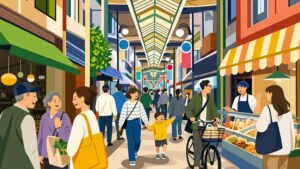
Moving to Osaka from Tokyo, you think you’re prepared for the differences. You’ve heard the talk. The people are louder, the humor is quicker, and the escalators have a different set of rules. You nod along, thinking you get it. Then you walk into a regular, neighborhood supermarket for the first time on a Tuesday evening, and you realize you understand nothing at all. Because you’re standing before the sozai section, and it’s a universe unto itself. In Tokyo, the prepared foods section is often a polite, curated affair. A neat row of elegant bento, some precise-looking salads, everything presented with a certain minimalist grace. In Osaka, the sozai section is a glorious, sprawling, chaotic symphony of brown and gold. It’s a wall of food, an overwhelming testament to the city’s true religion: delicious, no-nonsense, affordable eating. This isn’t just about grabbing a quick bite. This is a cultural institution, a battleground for bargains, and the most honest window into the soul of everyday Osaka life. It’s where the city’s famous “kuidaore” (eat until you drop) philosophy sheds its tourist-friendly costume and reveals its true, pragmatic, and deeply satisfying form. To understand Osaka, you don’t need to line up for an hour for famous takoyaki. You need to grab a basket and brave the supermarket aisle when the discount stickers come out.
Navigating Osaka’s supermarket chaos offers a glimpse into everyday surprises, much like learning about municipal bicycle parking fees reveals the hidden costs of local living.
Beyond Takoyaki: Decoding the Language of Osaka’s Sozai Counter
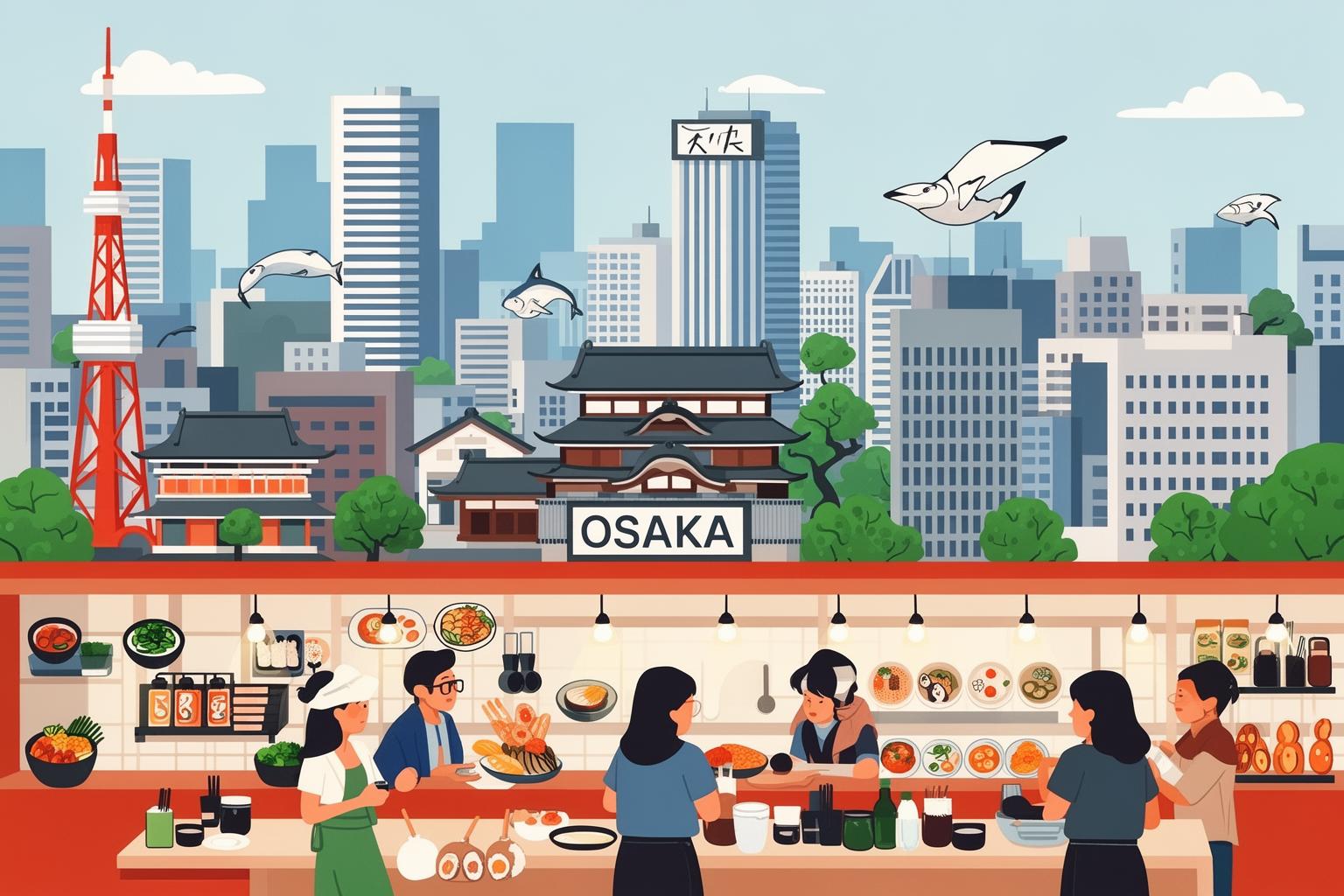
Your initial experience can be overwhelming. The sheer quantity and diversity are astonishing, a stark contrast to the more modest selections you might be accustomed to. This isn’t about delicate morsels; it’s about creating a substantial, satisfying meal. To navigate this realm, you need to grasp its essential elements, the foundational staples of the Osaka dinner table when time is limited but appetites are hearty.
The Holy Trinity: Karaage, Korokke, and Tonkatsu
This is the core, the golden-brown heart of the sozai world. Forget the pale, uniform fried chicken found elsewhere. Osaka supermarket karaage is serious business. Each store, from the large chain Life to the local Mandai, has its own recipe. Some lean heavily on ginger, others on soy and garlic. The chicken is always thigh meat—juicy and flavorful, coated in a rugged, crunchy potato starch crust that remains crisp long after cooling. It’s sold by weight, with people piling it high in plastic containers, underscoring its role as a household staple.
Next is the korokke, the simple potato croquette elevated to an art form. The variety is impressive. There’s the classic beef and potato, creamy and savory; kabocha (pumpkin) korokke, sweet and earthy; and cream crab korokke, a decadent indulgence. These aren’t flat, sad discs; they’re plump, generously filled, and perfectly fried. They epitomize comfort food, a childhood favorite for many Japanese people, and in Osaka, they must be both delicious and incredibly affordable.
Then there’s the tonkatsu, a breaded pork cutlet, yes, but look closer. You’ll find various pork cuts and thicknesses, all promising a hearty, meaty bite. It’s a ready-to-eat main dish, a meal centerpiece that feels substantial and celebratory, even on a weekday. This trinity isn’t merely fried food; it’s a declaration. It asserts that everyday convenience food should be robust, flavorful, and deeply satisfying. This is the essence of “kuidaore” applied to daily life.
The Supporting Cast: From Nimono to Sunomono
If you think Osaka’s diet relies solely on deep-frying, the sozai section quickly proves otherwise. Beyond the golden mound of fried goods lies a world of traditional Japanese home cooking, dishes requiring time and care, offered for your convenience. Here, the true soul of the Osaka kitchen comes alive.
You’ll find packs of nimono, simmered dishes that form the backbone of Japanese cuisine. Hijiki seaweed simmered with soybeans and carrots, kiriboshi daikon (dried radish strips) stewed with fried tofu, and chikuzenni, a hearty blend of chicken and root vegetables. These dishes are steeped in dashi, the fundamental soup stock, with deep, comforting flavors. They provide a taste of “ofukuro no aji,” or “mom’s cooking,” without the hours at the stove.
Then come the salads—not leafy greens, but potato salad, Japanese style, with a sweeter Kewpie mayo base and crunchy cucumber and onion bits; gobo (burdock root) salad, shredded and dressed in sesame sauce; and always sunomono, vinegared salads like wakame seaweed and cucumber, designed to cleanse the palate and offer a sharp, refreshing contrast to richer dishes. This is balance. This is how to build a real meal: something fried, something simmered, something pickled. It refutes the notion that Osaka food is one-dimensional.
The Carb Kingdom: Onigiri, Makizushi, and Donburi
No Japanese meal is complete without rice, and the sozai section presents it in many forms. The onigiri (rice balls) here feel distinct from their Tokyo counterparts—often larger, a bit more rustic, less perfectly triangular. The fillings are classic and generous: salmon, pickled plum, kombu seaweed. They are the ultimate portable fuel.
But the real highlight is often the makizushi, or rolled sushi. You’ll find massive, thick rolls called futomaki, stuffed with sweet omelet, kanpyo (gourd strips), and cucumber. Sold whole or pre-sliced, they offer a complete, multi-textured bite. This isn’t fancy sushi; it’s picnic, party, everyday sushi—substantial and filling.
For a complete meal in one bowl, there’s the donburi section. Katsudon (pork cutlet and egg over rice), oyakodon (chicken and egg over rice), and gyudon (beef bowl) await to be taken home and microwaved. They provide a hot, complete, and satisfying dinner for a few hundred yen. This focus on hearty, rice-based meals reflects the city’s working-class roots and its demand for food that fuels you well without breaking the bank.
The Kospa Philosophy: Why Sozai is Osaka’s Economic Engine
To truly understand the significance of sozai in Osaka, you need to grasp a key concept: “kospa.” This term, short for “cost performance,” serves as a fundamental life principle here. It’s not merely about picking the cheapest option; rather, it’s about maximizing satisfaction—whether in flavor, quantity, or quality—while paying the lowest possible price. The sozai aisle is the grand stage where kospa is most vividly displayed.
It’s Not “Cheap,” It’s “Yassui”: Understanding the Nuance of Value
In Tokyo, describing something as “yasui” (cheap) can sometimes hint at inferior quality. However, in Osaka, when someone exclaims “Meccha yassui!” (“So cheap!”), it’s a proud declaration and a triumphant shout. It celebrates discovering an excellent bargain. This linguistic subtlety is vital. Osakans take pride not in spending a lot, but in getting exceptional value for their money.
This is why the sozai section flourishes. A perfectly fine piece of grilled mackerel, a generous scoop of potato salad, and a side of simmered vegetables might cost less than a specialty coffee in a Tokyo café. You can put together a balanced, tasty, and filling family meal for a fraction of what it would cost to dine out or even buy all the ingredients to cook from scratch. This isn’t about sacrificing quality; it’s rooted in a cultural belief that good food should be accessible to everyone, every day. Sozai represents the democratization of the dinner table.
The Art of the Hangaku Hunt: The Evening Sticker Rush
To see the kospa philosophy at its most intense and theatrical, you must witness the evening discount ritual. As closing time nears, a supermarket worker comes out from the back with a roll of stickers and a pricing gun—this is the signal. A quiet tension fills the aisle. Shoppers who had been browsing start circling the sozai section like sharks sensing blood in the water. This is the hunt for the “hangaku” (half-price) sticker.
Discounts happen in stages. Early on, 20% or 30% off stickers tempt the less patient. But seasoned shoppers bide their time. They know their local store’s rhythm, and around 7:30 PM, the real prize arrives: the vibrant red-and-yellow 50% off sticker. Once that sticker is slapped on a pack of tonkatsu or a tray of makizushi, it’s game on. Hands reach in, baskets fill up. There’s no shoving—an unspoken etiquette prevails—but urgency is unmistakable. Scoring a half-price main dish for dinner feels like a personal triumph.
This isn’t about hardship; it’s about cleverness. Well-dressed office workers, students, and elderly couples all participate in this shared ritual. It’s a communal event, a game where every player is savvy. It embodies Osaka’s practical, waste-not-want-not mindset.
The Supermarket Spectrum: From Everyday Mandai to Upscale Ikari
It’s a misconception that Osaka’s love of value means everything is cheap. The city’s food culture—and its supermarkets—are layered. The kind of sozai you find varies greatly depending on where you shop, reflecting Osaka’s diverse economic and social tapestry.
Your daily kospa battlegrounds include stores like Mandai, Life, and Kohnan. These are Osaka’s workhorses, with extensive sozai sections offering a vast variety of competitively priced options. This is where the hangaku hunt is most vigorous and where everyday family favorites abound.
Then there’s Gyomu Super (“Business Supermarket”), a treasure trove of bulk and frozen goods. While their fresh sozai selection is smaller, they provide unique imported frozen items—duck pastrami or ready-to-fry spring rolls—at remarkably low prices. Gyomu suits those who plan ahead and strategize for kospa.
At the opposite end is Ikari Supermarket. Found mainly in wealthier neighborhoods, Ikari is the counterpoint to Gyomu. These stores are smaller, calmer, and elegantly lit. Their sozai is a carefully curated collection of premium dishes made with high-quality ingredients, offering refined flavors and stylish presentation. Prices are notably higher, but customers aren’t seeking “yassui.” They seek a different value: restaurant-quality food to enjoy at home. Ikari’s presence demonstrates that Osaka’s food culture isn’t only about frugality; it reflects a city-wide appreciation for good food at every price level.
Sozai as a Social Fabric: More Than Just a Meal
The widespread presence of sozai culture in Osaka reveals something deeper than mere economics or convenience. It is embedded in the social fabric of the city, reflecting how people live, value their time, and prioritize their needs. It stands as a quiet resistance to the pressures of modern life and a celebration of simplicity.
The Anti-Konbini Statement
At first glance, sozai may appear similar to the offerings at any convenience store (konbini). However, in spirit, they are vastly different. Konbini food is a feat of food science and logistics, designed for shelf life, consistency, and portability. While dependable, it can also seem impersonal and uniform—the onigiri at a 7-Eleven in Osaka is identical to one in Tokyo.
In contrast, supermarket sozai maintains a human touch. It’s often prepared in a large kitchen at the back of the store, where you can smell the frying oil and simmering dashi. The korokke are unevenly shaped because they are hand-formed. The nimono varies slightly from store to store, based on each supermarket’s unique recipe. It feels less like a product and more like home-cooked food. This preference for authenticity and local character, even within chain supermarkets, is quintessentially Osaka. It represents a small-scale rejection of the polished, corporate perfection that often defines Tokyo life.
Fueling the City: Who Really Buys Sozai?
The people around the sozai counter tell the city’s story. You see the single office worker, worn out after a long day, picking up grilled fish and spinach goma-ae to accompany rice at home. You see the young mother with a toddler in her cart, selecting karaage and potato salad to complement her planned meal. You see the elderly couple, for whom cooking a large meal is impractical, choosing a few small dishes to share.
Importantly, there is no stigma attached to this. In some cultures, relying on prepared food might be viewed as a failure or as not being a “good” provider or homemaker. In Osaka, it is seen as smart. It is a practical response to the universal challenge of limited time. Why spend an hour cooking when you can use that time with your family, help your kids with homework, or simply relax? Sozai is a means of reclaiming time. It’s a shared understanding that a good, hot meal is a right, not a burden, and the city’s supermarkets are there to support this. This pragmatism and focus on results over process is a defining trait of Osaka.
A Window into the Osaka Kitchen
If you want to truly understand what Osaka people eat at home beyond their renowned okonomiyaki and kushikatsu, spend time at the sozai section. It serves as a living, edible archive of the local palate. You’ll notice the flavors tend to be bolder than in Tokyo. The soy sauce in simmered dishes often has a slightly sweeter note, typical of Kansai-style cooking. In winter, you might find packs of kasujiru, a rich and warming soup made with sake lees, a regional specialty.
You’ll find a remarkable variety of tsukemono (pickled vegetables), an essential part of any traditional meal. Dishes like doteyaki, beef sinew stewed in miso, are ready to heat and eat. The sozai section offers a crash course in regional home cooking, introducing you to the ingredients, flavors, and seasonal patterns that define the city’s culinary identity far more accurately than any restaurant guide could.
How to Master the Osaka Sozai Scene: A Practical Guide
Alright, you’re convinced and ready to jump in. But like any intricate system, the sozai aisle has its own unwritten rules and strategies. Mastering them will not only save you money but also immerse you in the daily flow of Osaka life. Here’s how to navigate it like a local.
Timing is Everything
This is the essential rule. Your approach should shift depending on the time of day. Shopping in the early afternoon? You’ll find the freshest and best selection—all items neatly displayed and abundant. This is the ideal time if you have a specific dish in mind. Heading there after 6 PM? The scene changes. Some popular items may be gone, but discount stickers start appearing. This is prime time for bargain hunting. The later you go, the better the deals, but the smaller the variety. Seasoned pros know their local store’s exact discount schedule and plan accordingly.
The Power of Combination
Beginners buy a single, ready-made bento box. Experts curate their meal. The true art of sozai is treating it like a buffet. Savvy shoppers avoid pre-packaged meals and build their own. This is the ultimate kospa move. You cook a pot of fresh, hot rice at home—the one element that’s always better fresh—then head to the supermarket to build around it. Grab a main protein, like a pack of four salty-sweet chicken tsukune (meatballs). Add a vegetable side, such as a small container of kinpira gobo (braised burdock and carrot). Maybe throw in a creamy pumpkin korokke for a bit of indulgence. You’ve just crafted a personalized, multi-course meal that’s fresher, cheaper, and more satisfying than any single bento.
Don’t Fear the Brown
A first impression of Osaka food—especially in the sozai section—is that it’s very… brown. Between tonkatsu, karaage, korokke, and soy-sauce simmered nimono, there’s a noticeable lack of bright colors compared to the artfully arranged bentos you might see elsewhere. Don’t let this put you off. This isn’t the color of blandness; it’s the color of umami. It’s the deep, rich shade of dashi, soy sauce, miso, and mirin. It’s the color of slow-cooked comfort and savory, deep-fried delight. Osaka cuisine values flavor over appearance. It’s honest food. That brown palette promises deliciousness—embrace it.
Listen and Observe
Your best guides in the sozai aisle are the local obachan (a familiar term for older women). Watch them closely. They move deliberately with practiced eyes, knowing which fish is freshest and which nimono was made today. They tap containers to judge weight and density. They’re the keepers of kospa wisdom. If you see a crowd gathered around an item, it’s likely a good sign. Follow their lead. Their baskets act as curated guides to the best deals and tastiest choices of the day. Don’t hesitate to politely ask for recommendations. You’ll probably get a smile and a wealth of unsolicited yet valuable advice.
Living in Osaka means living in a city unapologetically itself. It’s a place that values substance over style, hearty laughter over quiet politeness, and a great deal over a fancy label. Nowhere is this clearer than in the bright, busy, fragrant aisles of the supermarket sozai section. It’s a microcosm of the city’s whole ethos: abundant, practical, community-focused, and utterly obsessed with delivering the most joy for the best price.
Sozai is more than just dinner. It’s the great equalizer, enjoyed by everyone from students to salarymen. It’s a time-saver that boosts quality of life. It’s a nightly treasure hunt that adds a little excitement to the ordinary. Forget guidebooks for a moment. If you truly want to understand the rhythm of this city—how its people think, live, and eat—grab a basket, head to your local supermarket around 7 PM, and dive into the glorious, delicious chaos. The true heart of Osaka awaits you there, under the fluorescent lights, beside a mountain of golden-brown korokke.