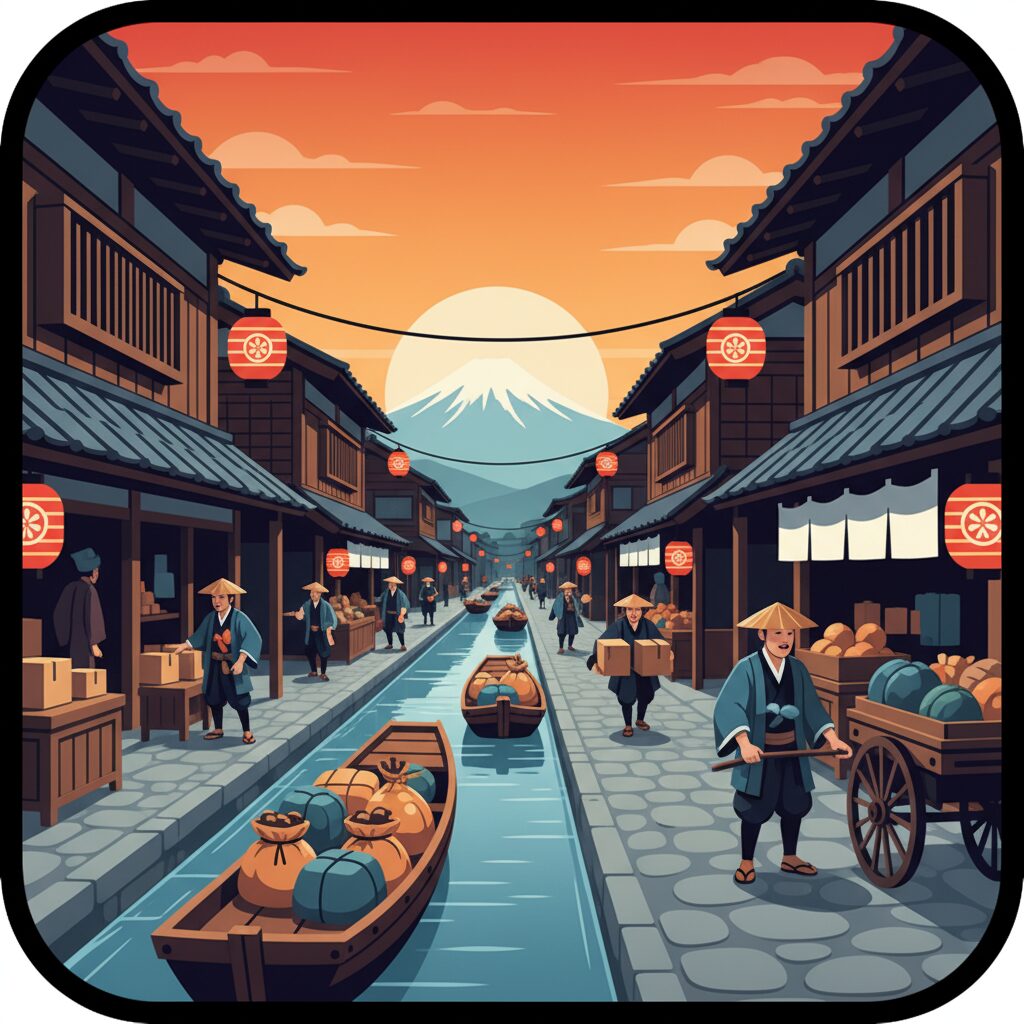
Ever been in a shop in Osaka, just browsing, when the owner looks at your choice and says with a laugh, “Nah, that one’s not for you. Your face is too serious for that color! Try this one, it’s better”? You stand there, a little stunned. Was that an insult? A sales tactic? A joke? Welcome to Osaka, where the answer is probably all three, and it’s the most normal thing in the world. For anyone coming from the more reserved, beat-around-the-bush politeness of Tokyo, or even from Western cultures where such directness from a stranger is rare, this city’s communication style can feel like a puzzle wrapped in an enigma, served with a side of takoyaki. It’s loud, it’s direct, it’s relentlessly humorous, and it can be utterly baffling. But it’s not random noise. It’s a language, and its grammar is rooted deep in the city’s soul as Japan’s historical merchant capital. Understanding this isn’t just about getting the jokes; it’s about understanding the fundamental operating system of daily life in Osaka. This isn’t the polished, serene Japan you see in travel brochures. This is Japan unfiltered, running on a different energy, a current that flows from the spirit of the ‘Akindo’—the merchant. And learning to navigate it is the key to unlocking the real, vibrant, and wonderfully human heart of this metropolis.
Embracing Osaka’s spirited interplay of humor and history might also inspire you to crack the neighborhood code from your own desk.
The ‘Akindo’ Spirit: More Than Just Business
To truly understand Osaka, you must grasp the concept of the ‘Akindo’ (商人). While the term translates as ‘merchant,’ this is as simplistic as calling a samurai merely ‘a guy with a sword.’ The Akindo spirit represents a comprehensive life philosophy, honed over centuries in the vibrant markets of a city once dubbed ‘the nation’s kitchen.’ While Kyoto’s nobles wrote poetry and Edo’s samurai (now Tokyo) perfected etiquette, Osaka’s people perfected the art of the deal. Their survival and success relied not on rank or ceremony, but on sharp wit, quickness, pragmatism, and the ability to establish trust with a stranger in just thirty seconds. This spirit of hustle is embedded in the city’s DNA. The traditional greeting still occasionally heard among older business owners, “Moukari makka?” (“Are you making a profit?”), met with the cheerful reply, “Bochi bochi denna” (“Well, so-so”), goes beyond mere financial inquiry. It serves as a conversational shorthand, a way of checking in on one another’s well-being through a shared sense of purpose. This merchant mindset fostered a communication style centered on efficiency and connection, and its core principles continue to shape interactions today, from corporate boardrooms to neighborhood shops.
Speed, Honesty, and the Bottom Line
The Akindo had no patience for ambiguity. Time was money, and wasting words could lose a sale. This gave rise to a culture of bluntness that may seem startling if you’re unfamiliar with it. The Japanese concepts of `tatemae` (public facade) and `honne` (true feelings) still exist in Osaka, but the gap between them is significantly smaller. People tend to speak plainly, often with pragmatic advice woven in. For example, when shopping for clothes, a sales assistant in Tokyo might lavish praise: “That looks wonderful on you! Very elegant.” Their role is to empower your choice. In Osaka, however, the shopkeeper acts as a brutally honest stylist. They may say, “That cut makes your shoulders look broad. And the price is too high for the material. Look here—this one is half the price and twice as good. Give it a try.” This isn’t rude; it’s considered better customer service. The goal is a happy, long-term customer who trusts their judgment, not just a quick, one-off sale. This straightforward approach applies everywhere. If you ask for directions, an Osakan may not only point the way but also tell you your original destination is dull and suggest a better spot instead. It’s a result-focused honesty that values good outcomes over delicate wording.
The Art of the ‘Tsukkomi’: Building Rapport Through Banter
If Osaka’s directness is its logic, humor is its soul. Known as Japan’s comedy capital, home to the Yoshimoto Kogyo entertainment empire and the birthplace of the `manzai` comedy style, Osaka thrives on humor. Manzai centers on a simple interaction: the `boke` (the comic, air-headed character) says something ridiculous, and the `tsukkomi` (the sharp, straight man) hits back with a correction or retort. In Osaka, this dynamic is not confined to the stage but is woven into everyday conversation. Everyone is expected to play both roles. Banter is a battle of wits, a way to break the ice and forge a bond. Conversation becomes a collaborative search for the punchline. If you trip on the sidewalk, a Tokyo friend might hurry over with concern, saying, “Daijoubu? Are you okay?” An Osaka friend, by contrast, is more likely to shout, “Nice dance move! Trying to impress someone?” The proper response is neither embarrassment nor offense, but to join in as the `boke`. You might reply, “Yeah, the floor looked lonely, so I gave it a hug.” This back-and-forth, known as `nori-tsukkomi` (going along with the joke before pointing out its absurdity), serves as social glue. If people tease you, it’s a mark of affection—they’re welcoming you into their circle. The true concern arises when they remain quiet and formally polite; that means you’re still an outsider.
The Advantages: Navigating Daily Life with a Smile
Once you sync with its rhythm, Osaka’s communication style can make life feel incredibly warm, efficient, and entertaining. What might appear as chaos is actually a highly functional social system designed to foster community and bypass the formalities that often make Japan seem impenetrable to outsiders. For a foreign resident, embracing this culture can be transformative, turning mundane errands into memorable human interactions.
Breaking the Ice and Making Friends
In many parts of Japan, initiating conversation with a stranger breaks unspoken social protocol. People tend to keep to themselves, creating an invisible yet palpable barrier. Osaka, however, breaks through that barrier. Its culture of friendly meddling means people are much more likely to engage with you spontaneously. Waiting for a train, an older woman might ask where you’re from and then offer you a piece of candy from her purse. At a local ramen shop, the owner might ask your opinion of the broth and introduce you to the regular sitting beside you. This proactive friendliness can be a lifeline for newcomers feeling isolated, providing constant, low-pressure opportunities to practice Japanese and connect with the community. While forming deep friendships still requires time, the initial barrier is significantly lower. The city’s default is ‘open,’ and if you meet that openness with even a little of your own, you’ll find people incredibly welcoming. The jokes and teasing are an invitation—a way of saying, “You’re one of us now, so let’s have some fun.”
Clarity and Transparency (Mostly)
For those who have struggled with the subtle, indirect communication common in other parts of Japan, Osaka can be a breath of fresh air. There’s less emphasis on `tatemae`, so you spend less time reading between the lines. In the workplace, Osaka colleagues are more likely to give direct feedback. They might say, “This part of the report is confusing, please fix it,” instead of, “Perhaps there might be another way to consider this point.” While it can feel blunt, it’s undeniably clear and actionable. The same applies in social settings. If you invite someone out and they’re uninterested, they’re more likely to say, “Sorry, I’m busy” or “Nah, not my thing,” rather than offer a vague, non-committal response that leaves you guessing. This directness removes much of the social anxiety caused by ambiguity. You generally know where you stand. Although it’s not completely devoid of politeness, communication here is geared toward clarity rather than preserving delicate harmony at all costs. It’s a pragmatic style that values truth and understanding, making genuine connections more straightforward.
Resilience Through Laughter
Osaka has a long history as a tough, hardworking city that has recovered from immense challenges, including the devastation of World War II. This history has shaped a collective character marked by resilience, with humor as its driving force. There’s a strong belief in finding the funny side of any situation, no matter how grim. It’s embodied in `ketakuso warui`, a uniquely Osakan phrase roughly meaning being so frustrated or angry that you just have to laugh it off. This doesn’t mean ignoring problems but facing them with an unbreakable spirit. You see this in everyday life: if someone’s business is struggling, they’ll joke about it; if they make a mistake, they’re often the first to laugh at themselves. This attitude creates a less judgmental, more forgiving social environment. Perfection isn’t the goal—bouncing back is. For foreigners navigating the inevitable missteps of living in a new country—from language slips to cultural faux pas—this approach is incredibly comforting. Mistakes become opportunities for a good story and shared laughter, not sources of shame.
The Drawbacks: When Frankness Feels Like a Slap
Certainly, there’s another side to this coin. A communication style that relies on speed, humor, and blunt honesty can easily be misunderstood. For every warm, ice-breaking exchange, there is the potential for one that feels confusing, uncomfortable, or even hurtful. The boundary between a friendly joke and a personal insult can seem extremely thin, and the absence of personal boundaries may feel intrusive to those used to more privacy and politeness. Managing these challenges is essential when adjusting to life in Osaka, requiring both resilience and a subtle grasp of intent.
The Blurred Line Between Banter and Insult
For many newcomers, the biggest challenge is learning how to interpret the teasing. Osakans frequently express affection and interest through playful critiques of your appearance, habits, or personality. A local shopkeeper might say, “You came back again? Don’t you have anything better to do?” A coworker might comment on your new haircut, “Wow, what happened to you? Did you lose a fight with the lawnmower?” In their perspective, this is friendly, engaging banter. To you, it might feel like a personal attack. The key lies in context. Are they smiling? Is their body language open and relaxed? Are others laughing in a friendly manner? In 99% of cases, the answer is yes. This isn’t hostility; it’s a cultural norm. Still, that doesn’t prevent it from stinging when you’re not accustomed to it. The intention is often to include you, but until you learn the social rules, the experience can feel isolating. It takes time and deliberate effort to adjust your emotional reactions and not take such remarks at face value.
Unsolicited Advice and Personal Questions
The merchant spirit promotes a strong sense of community but also implies that everyone’s business is everyone else’s business. This results in a barrage of unsolicited advice and deeply personal questions that can be startling through a Western lens. Strangers on the street might comment on your clothing, weight, or parenting style. Your landlord may ask why you remain single. The cashier at the supermarket might remark that you’re buying too much junk food. This behavior comes from a place that locals perceive as caring and communal—a sort of familial concern extended to the entire neighborhood. They notice something they believe they can ‘fix’ or improve, and in the interest of efficiency and a positive outcome, they speak frankly. There is no ill intent, but it can feel extremely intrusive and judgmental. It highlights a major cultural divide where the Osakan concept of ‘helpful’ clashes directly with the Western notion of ‘mind your own business.’
The Pressure to ‘Perform’
Since conversation is regarded as a form of entertainment, there’s an ongoing social pressure to be ‘on.’ You’re expected to respond quickly, share a good story, laugh at jokes, and keep the atmosphere lively. Being quiet or reserved can be misunderstood as being cold, dull, or unfriendly—a state known as `nori ga warui` (having bad rhythm/not going along). This can be draining, particularly for introverts or those still mastering the language. You may feel like you’re always on stage, and the anxiety of not delivering the ‘right’ funny comment can be overwhelming. The expectation isn’t that you turn into a professional comedian, but you are meant to engage in the social back-and-forth. This pressure to perform—staying entertaining and involved—is a striking contrast to the quiet, contemplative social harmony valued in other parts of Japan. It demands active, verbal participation, which can be exhausting if it doesn’t come naturally to you.
Practical Tips for Thriving in Osaka’s Social Scene
Adapting to Osaka’s distinct social environment isn’t about changing who you are. Instead, it involves learning a new set of rules and developing the tools to navigate them effectively. With the right mindset, you can not only endure the culture shock but truly flourish, discovering the warmth and humor that make this city unique. It’s about meeting the culture halfway, with an open mind and a readiness to laugh—especially at yourself.
Develop a Thick Skin (and a Quick Wit)
First and foremost, understand that most teasing and blunt remarks are not personal attacks. Make a conscious effort to reframe them in your mind. When the `obachan` remarks that your shirt is loud, think, “Okay, that’s her way of starting a conversation. She noticed me.” Don’t allow the words to break through your shield. At the same time, equip yourself with a few simple, versatile responses. You don’t need to be a comedy expert. A lighthearted “Nande ya nen!” (“No way!” or “What the heck!”) fits almost any situation. Learning to just laugh and shake your head is equally effective. The aim isn’t to win a battle of wits but to show that you understand the game and are a good sport. This small gesture of playing along will instantly change how others view you.
Master the Art of Observation
Before diving into conversations, spend time simply watching and listening. Visit a bustling `shotengai` (shopping arcade) and observe how shopkeepers interact with regular customers. Sit at the counter of a local izakaya and listen to the banter between staff and patrons. Pay attention to more than just the words. Notice the tone, the laughter, the playful nudges, and body language. Context is crucial. You’ll start to identify patterns and recognize the rhythm of `boke` and `tsukkomi` exchanges. You’ll learn to distinguish genuine, friendly teasing from the rare moments of real conflict. This passive learning builds your confidence and sharpens your sense of when and how to join in.
Embrace the ‘Akindo’ Exchange in Daily Life
Approach every small interaction as a chance to practice the Osaka way. Don’t just quietly pay for your groceries. Ask the cashier how their day is going. Compliment the baker on how good the bread smells. When purchasing something, instead of simply pointing, ask for a recommendation. “Which one is the most delicious today?” or “Which one offers the best value?” This turns a routine transaction into a human exchange, which Osakans truly appreciate. You show that you are not merely a consumer but an active part of the community. This slight change in approach will be met with unexpected warmth and enthusiasm. People will open up, share stories, or even offer a little extra (`omake`). You engage them on their own terms, using the language of the merchant: a fair exchange of goods, services, and good humor.
Know When It’s Not a Joke
Although most of Osaka’s directness is well-meaning, it’s crucial to recognize that this style is not an excuse for genuinely harmful or discriminatory behavior. Trust your instincts. A key distinction between teasing and bullying lies in its impact on the social environment. Friendly jokes are inclusive; they aim to make everyone, including the target, laugh together and create positive energy. True insults or harassment do the opposite. They isolate the target, make others uncomfortable, and cause tension. If an interaction feels truly hostile, degrading, or unsafe, it is not ‘Osaka culture.’ It is simply unacceptable behavior, and you have every right to remove yourself from the situation or call it out. Learning to tell the difference is essential to safeguarding your well-being.
The Heartbeat of a Merchant City
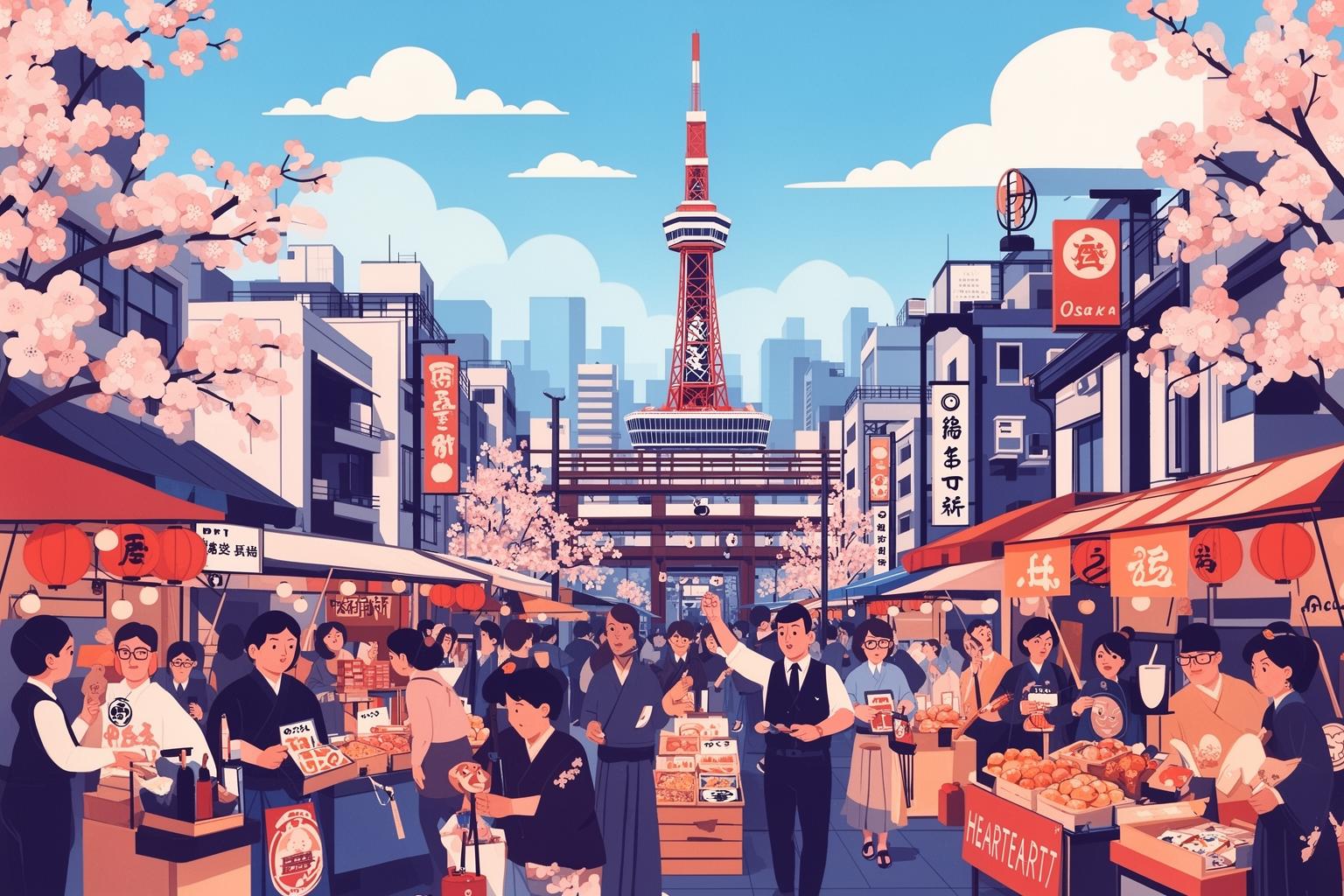
At the end of the day, the candid, humorous, and occasionally surprising communication style of Osaka is the audible heartbeat of its Akindo heritage. It reflects the legacy of a city founded on haggling, human connection, and the core belief that a good laugh holds as much value as a good deal. This is a place that prioritizes personality over protocol, efficiency over elegance, and community over silent conformity. It can be a stark contrast from the Japan you thought you knew, often characterized by the reserved calm of Tokyo. But that contrast is exactly the point. Osaka is not just a quieter, smaller version of the capital; it is its own loud, proud, and chaotic world, governed by its own unique social gravity.
Living here invites you to shed a layer of formality, interact with people more directly, and find humor in the daily grind. It will test your patience and reshape your understanding of politeness. You will feel confused, surprised, and likely mildly offended at least once a week. Yet you will also laugh more, connect with strangers more easily, and experience a raw, unfiltered humanity that is as charming as it is entertaining. If you learn to hear the affection behind the teasing and recognize the care behind the blunt advice, you’ll realize that you’re not just living in a city—you’ve been embraced by a large, boisterous, and fiercely loyal family.