Osaka’s Loop Line, the Kanjo-sen, is more than just a circle of steel connecting the city’s hubs. It’s a spinning vinyl record, and each stop is a different track with a unique rhythm, a distinct beat that defines the people who live and work there. Unlike Tokyo’s polished and almost clinically efficient Yamanote Line, where one station often bleeds into the next with a similar corporate sheen, the Loop Line is a raw, unapologetic cross-section of Osaka itself. Riding it is like taking a sociological tour of the city’s soul. You have the chaotic energy of Tsuruhashi’s Korean Town, the sacred calm near Tennoji’s ancient temple, and the commercial supernova of Osaka-Umeda Station. But for anyone looking to truly understand the city’s heart and find their own place within it, two stops—just a few minutes apart—offer a perfect, stark contrast: Kyobashi and Fukushima. They represent two powerful currents in the river of Osaka life. One is a raw, unfiltered torrent of working-class history, and the other is a refined, stylish stream flowing toward the future. Choosing between them isn’t just about picking an apartment; it’s about choosing your tribe, your daily rhythm, and the version of Osaka you want to call home.
For those seeking a daily rhythm that matches Osaka’s diverse pulse, exploring mamachari bicycle investment could be the ideal, cost-effective approach to truly navigating the city’s vibrant trajectory.
Kyobashi: The Unfiltered Soul of Working-Class Osaka
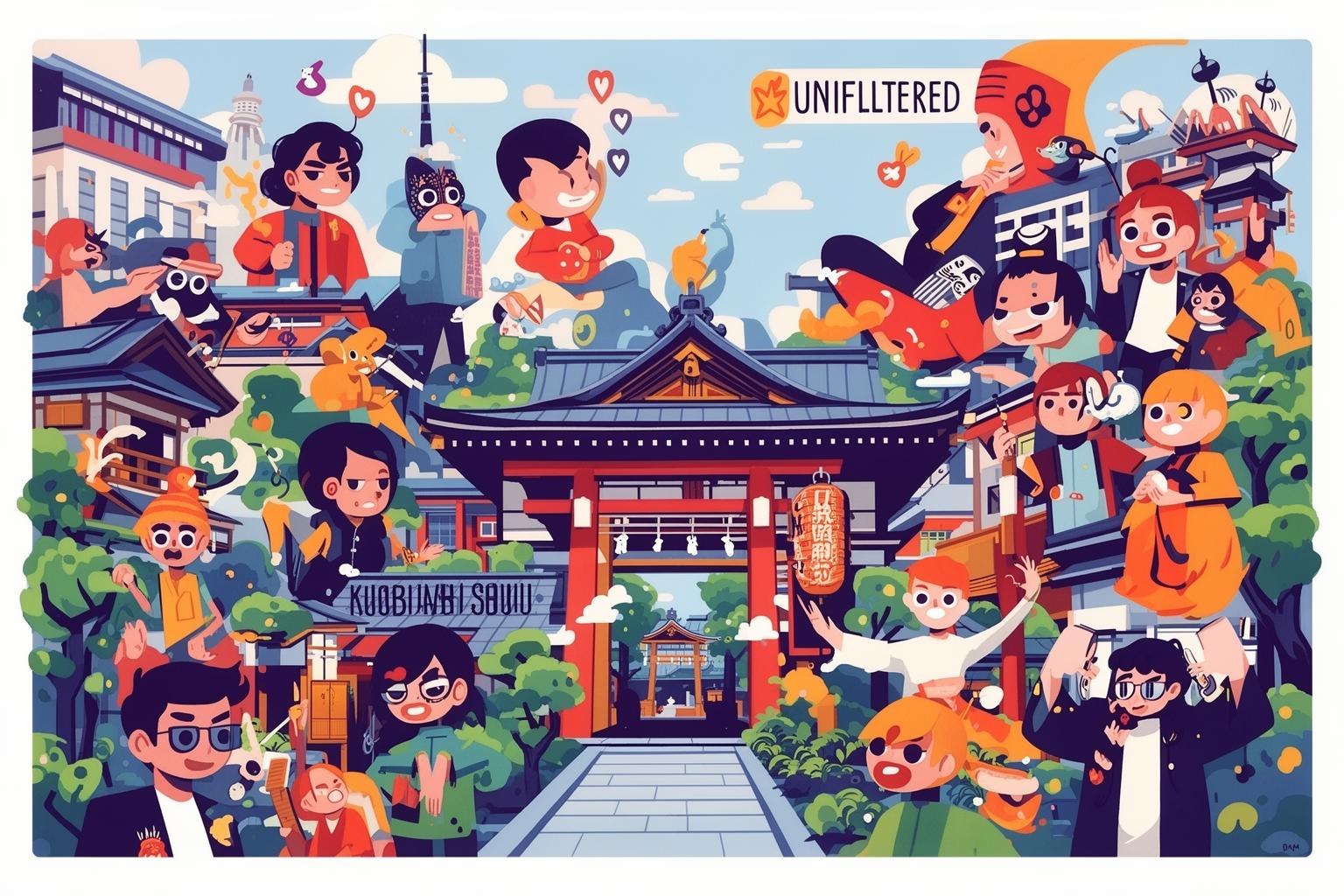
Step off the train at Kyobashi, and you’re immediately engulfed by a sensory overload that epitomizes raw, unfiltered Osaka. There’s the faint, sweet scent of cigarette smoke mingling with the rich aroma of grilled offal wafting from a dozen tiny standing bars. The unceasing digital din of pachinko parlors fills the air, their doors sliding open to release waves of noise and flashing lights. This is not a neighborhood curated for tourists or polished for magazines. Kyobashi stands as a living, breathing monument to Showa-era grit—a place where function prevails over form and practicality rules. It feels like a time capsule, not because it aims to be retro, but simply because it hasn’t felt the need to change. The neon signs seem to have been buzzing since the 1980s, and the locals wouldn’t want it any other way.
The Vibe: Showa Retro That Isn’t Trying
Kyobashi’s aesthetic is one of beautiful, chaotic necessity. Its renowned standing bar district—a maze of narrow alleys squeezed beneath the train tracks—is the neighborhood’s pulsing heart. These are not trendy, Instagram-friendly tachinomi; they are essential refueling stations for the city’s workforce. You’ll spot older men—ojisan—in work jackets, nursing a single beer and a plate of pickled vegetables after a long day on a construction site. Salarymen, their ties loosened, crowd shoulder-to-shoulder, speaking loudly over the rumble of passing trains. The ground is a bit sticky, the smoke lingers thickly, and personal space is a foreign notion. Yet, there’s an undeniable energy here—a raw, communal sense of decompression.
This authenticity distinguishes Kyobashi from many of Tokyo’s drinking districts. Places like Shinjuku’s Omoide Yokocho, while charming, carry an evident aura of being destinations, attractions. Kyobashi doesn’t mind if you’re a tourist. It exists for daily users. There’s no act here. The gruff bartender isn’t performing; he’s simply busy. The affordable prices aren’t gimmicks but vital components of the local ecosystem. This place wears its history and working-class roots with stubborn pride.
Daily Life in the Labyrinth
Living near Kyobashi means navigating a world built on a human scale. The shopping arcades, or shotengai, are not polished malls but sprawling, covered labyrinths. A tiny shop selling handmade tofu may be squeezed between a discount electronics store and a cluttered pharmacy. The focus is on daily essentials, not luxury desires. You don’t come here for artisanal bread; you come for the cheapest vegetables, a sturdy pair of work socks, or a quick, satisfying bowl of udon for under 500 yen.
This practicality extends to social life. The unspoken social contract in a Kyobashi tachinomi is straightforward: order quickly, drink, eat, and don’t linger for hours. It’s not about deep, meaningful conversations. It’s a shared, fleeting moment of release. You might chat with the person next to you about the Hanshin Tigers baseball team, but just as likely, you’ll stand in comfortable, anonymous silence. This can feel jarring for foreigners used to the Western bar culture of settling in for the night. In Kyobashi, the bar is a pit stop, not the final destination.
The Kyobashi Mindset: Practicality Over Polish
At its core, Kyobashi expresses the Osakan obsession with kosupa—cost performance. This isn’t just about being cheap; it’s a deeply held belief that you shouldn’t pay for unnecessary frills. Why spend 1,000 yen on a craft beer in a stylish bar when you can grab a perfectly cold Asahi for 350 yen in a place that simply gets the job done? This mindset might be mistaken for a lack of refinement, but it’s actually a sophisticated form of consumerism—an aversion to pretense.
This contrasts sharply with Tokyo’s prevailing culture, where presentation, atmosphere, and brand story often matter as much as the product. In Tokyo, you pay for the experience. In Kyobashi, you pay for the beer. This philosophy influences everything. The restaurants are brightly lit, the menus laminated, and the service efficient rather than effusive. It’s honest. What you see is what you get, and what you get is an excellent deal. For those who value authenticity and despise pretension, Kyobashi feels like home.
Fukushima: The Polished Newcomer with an Old Soul
Just four stops down the Loop Line, a completely different Osaka awaits. Stepping off at Fukushima feels like entering a new city. The air feels fresher, the streets broader, and the frenetic energy of Kyobashi gives way to a refined, vibrant hum. Once a quiet district filled with small factories and traditional homes, Fukushima has experienced a remarkable transformation. Its prime location—just one train stop or a short walk from Umeda’s commercial core—has made it one of Osaka’s most sought-after neighborhoods. It’s where the charm of old Osaka meets the ambition of the new.
The Vibe: Umeda-Adjacent Chic Meets Neighborhood Charm
Fukushima’s environment is a mix of sleek, modern condo towers and beautifully preserved old machiya (traditional wooden townhouses) converted into stylish restaurants and cafes. The atmosphere is carefully curated yet far from sterile. It feels intentional, as if the whole neighborhood decided to get a sharp new look. Young professionals, well-dressed couples, and families pushing strollers fill the sidewalks. There’s a tangible sense of upward mobility here. People move to Fukushima seeking a certain quality of life: the convenience of the city center without overwhelming intensity, alongside access to a world-class culinary scene on their doorstep.
Unlike Kyobashi’s organic, almost accidental growth, Fukushima’s development feels purposeful. This is Osaka deliberately shaping a modern identity, proving it can rival Tokyo’s trendiest districts like Daikanyama or Ebisu. Yet, it manages this without losing its distinctive Osaka flavor. There’s a warmth and approachability often missing from its Tokyo counterparts. Shop owners still chat with you, and despite the upscale restaurants, there’s a notable absence of snobbery.
The Culinary Scene: From Michelin Stars to Hidden Gems
If Kyobashi is known for its standing bars, Fukushima is defined by its restaurants. The neighborhood is famously a gurume gekisenku—a gourmet battleground. The sheer density and diversity of high-quality eateries is astonishing. Tucked away in narrow alleys, you find Michelin-starred yakitori spots, inventive Italian restaurants with waiting lists stretching for months, cozy French bistros, and third-wave coffee shops that approach brewing as a science.
This is where the other side of the Osaka mindset comes through. While the city loves a bargain, it also boasts an exquisitely discerning palate. Osakans are recognized as some of the nation’s top food lovers, willing to pay for quality, creativity, and a memorable dining experience. A night out in Fukushima is a planned occasion involving reservations, reading reviews, and anticipating the meal. It’s a sharp contrast to Kyobashi’s spontaneity. Here, dining is the centerpiece, a form of entertainment and cultural appreciation. The social dynamic revolves around lingering over shared dishes, discussing the nuances of flavors, and savoring the atmosphere. It’s about crafting an experience, not just consuming a meal.
The Fukushima Mindset: Curated Comfort and Quality of Life
Choosing to live in Fukushima is a conscious decision for a particular lifestyle. It attracts those who value convenience, comfort, and aesthetic pleasure. Residents often work in the gleaming office towers of Umeda and seek a home that feels like a peaceful, stylish sanctuary. They appreciate design, keep up with food trends, and are building lives that balance professional ambition with personal well-being.
This reflects a modernizing Osaka, one that is increasingly global in its perspective. The neighborhood feels more welcoming to foreigners, not only due to English menus but because the lifestyle offered aligns with what’s found in other major international cities. It challenges the stereotype of Osaka as a city of loud, bargain-hunting jokers. Fukushima demonstrates that Osaka is also a city of sophisticated, creative, and quality-conscious individuals shaping the future of its culture. It’s the Osaka ready for its close-up, presenting a polished yet soulful alternative to the capital.
The Tale of Two Commutes: Choosing Your Daily Rhythm
Ultimately, deciding between Kyobashi and Fukushima depends on the kind of daily life you wish to embrace. It’s about the small routines that shape your day, the people you share your space with, and the feeling you want as you step outside your front door.
Your Morning Coffee and Evening Relaxation
Picture your daily routine. In Kyobashi, your morning might begin with a canned coffee from a vending machine on your way to the station, or perhaps a quick breakfast at a classic, well-worn kissaten with velvet seats and the lingering aroma of toast. Your evening wind-down is spontaneous. You drop into a crowded tachinomi for a quick beer and a skewer of something grilled, shoulder-to-shoulder with strangers, the city’s noise washing over you before you head home.
In Fukushima, your morning might start at an artisanal bakery, selecting the perfect pastry to pair with a carefully crafted latte made by a barista who knows your order. Your evening is more planned. You meet a friend at that new wine bar you’ve been eager to try, or you have a reservation at a popular bistro. The atmosphere is calmer, more intimate, focusing on conversation and savoring the experience. One neighborhood pulses with gritty, efficient energy; the other flows with a curated, deliberate pleasure.
The Social Fabric: Who Are Your Neighbors?
The communities in these neighborhoods have distinct characters. Kyobashi feels like a classic shitamachi (a traditional downtown, working-class district). Many neighbors have lived there for generations. The social ties are strong but can be insular. Interactions tend to be direct, unfiltered, and deeply local. It’s a place where you become part of a long-established, ongoing story.
Fukushima’s community is newer, more transient, and diverse. Your neighbors are likely young professionals or couples, many of whom have relocated to Osaka from other parts of Japan or abroad. Social circles may be smaller and more intentionally built around shared interests—a favorite restaurant, a local gym, or the park where everyone takes their children. It’s a community you actively create rather than simply join.
The Foreigner Experience: Fitting In vs. Standing Out
For non-Japanese residents, navigating these two neighborhoods comes with different challenges and rewards. In Kyobashi, you are likely to remain an outsider for some time. It is a deeply Japanese environment. Limited Japanese skills will pose a significant hurdle. But for those willing to make the effort, the reward is an unmatched immersion into an authentic, raw slice of Osaka life. You won’t be pampered, but you will experience something truly genuine.
In Fukushima, fitting in is much easier. The atmosphere is more cosmopolitan, English is more widely spoken, and the lifestyle feels more familiar. It offers a gentler introduction for newcomers. You can build a comfortable life quickly, finding favorite spots and forming a social network with relative ease. The trade-off is you might miss out on the grittier, more traditional side of Osaka that gives the city its unique character. It’s a comfortable bubble—but a bubble nonetheless.
Beyond the Stereotypes: Finding the Real Osaka
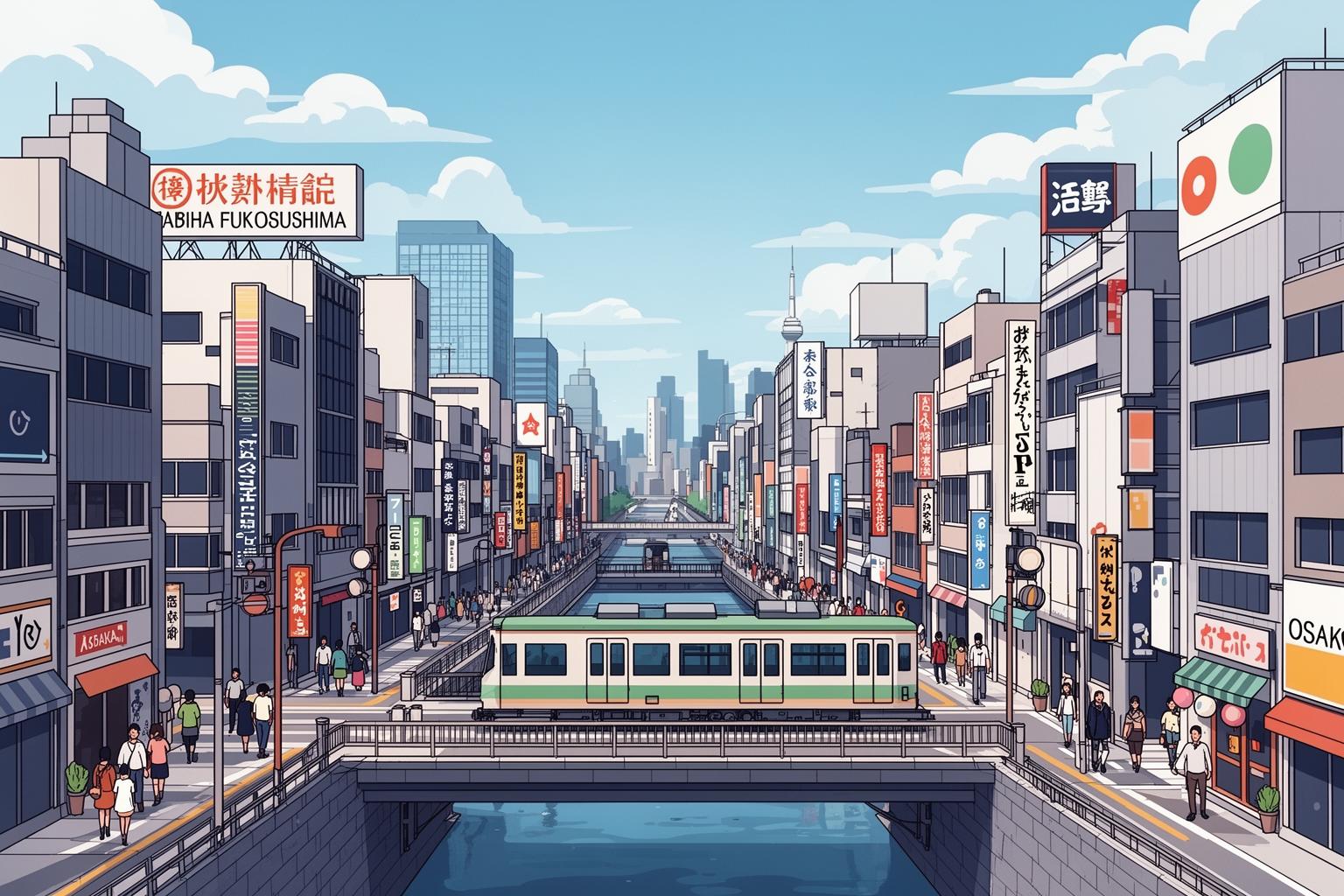
So, which is the “real” Osaka? The answer, naturally, is both. Kyobashi and Fukushima are not competitors; they are two facets of the same intriguing, multifaceted city. They represent dual expressions of Osaka’s unshakable identity.
Kyobashi is the city’s powerhouse—loud, intense, and endlessly practical. It embodies the city’s historic reputation for commerce, pragmatism, and a fondness for the unpretentious. It’s a place where community is forged through shared experiences, in the tight quarters of a standing bar where everyone is equal for a brief moment. This is the Osaka of popular perception, glorious in its steadfast refusal to compromise.
Fukushima is the city’s modern art gallery—carefully designed, ambitious, and committed to quality. It exemplifies the evolution of the Osaka spirit, a place where the traditional love of good food and good times is being reinvented for a new generation. Here, community is shaped around shared tastes and aspirations. It is the Osaka that confidently looks ahead, showcasing its cultural significance on both a national and global scale.
The Loop Line continues its endless circuit, linking these two worlds and many more. Choosing to live in one rather than the other is a deeply personal choice. Do you crave the raw energy of a city that wears its heart on its sleeve, valuing substance over style every time? Or do you prefer a more refined setting, offering a curated lifestyle of comfort, quality, and modern convenience? Finding your place in Osaka isn’t about picking the “best” neighborhood. It’s about discovering the one whose rhythm aligns with yours, the spot on that spinning loop where the music feels just right.