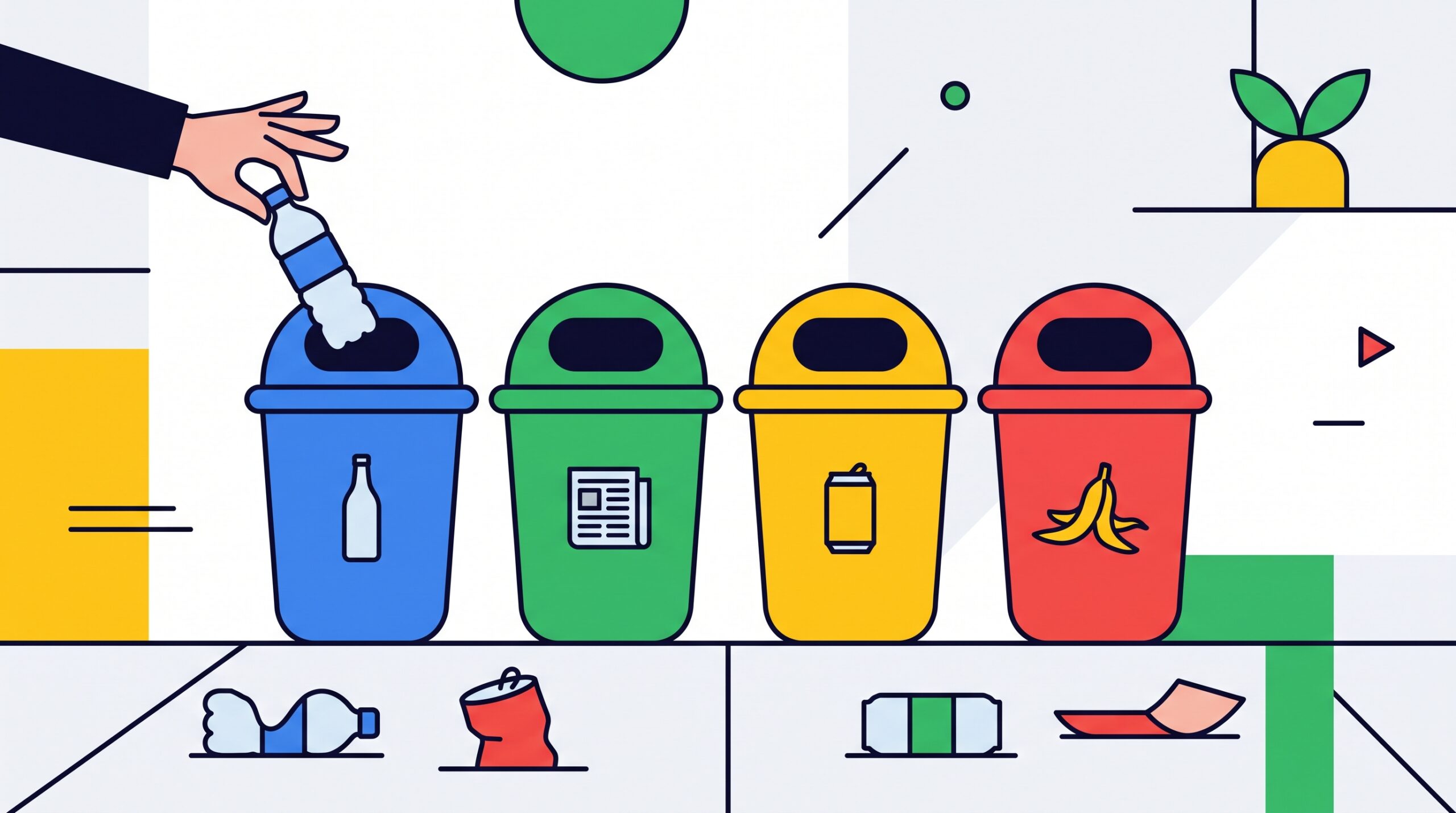
As a photographer who spends countless early mornings chasing the dawn light down narrow, winding alleys, I have come to know Osaka not just by its neon signs, but by its shadows. Long before the shutters of the takoyaki stands roll up, long before the commuter trains begin their rhythmic rumble across the Yodogawa River, a different kind of citywide choreography takes place. The streets, still slick with morning dew, fill with the soft shuffling of slippers. Neighbors emerge from their homes, carrying translucent bags. They gather around designated corners covered in heavy blue netting. They nod to one another. They gossip. They organize.
Trash day in Osaka is an event. It is a civic ritual.
Moving to Japan brings a unique kind of culture shock, and for many newcomers, the garbage disposal system is the first monumental hurdle. You stand in your new kitchen holding an empty bento box, a greasy plastic wrapper, and a half-eaten skewer, suddenly paralyzed by the sheer weight of civic responsibility. The rules feel dense. The charts provided by the ward office look like complex bureaucratic puzzles.
But understanding how to throw away your trash in Osaka is about much more than avoiding a stern look from the neighborhood association. It is the quickest, most direct way to understand the mindset of the city itself.
Osaka operates differently than Tokyo. While Tokyo thrives on a sort of quiet, anonymous compliance, Osaka is fiercely relational. The people here are pragmatic, straightforward, and deeply connected to their immediate surroundings. A Tokyo neighbor might leave a passive-aggressive, anonymous note on your wrongly sorted trash bag. An Osaka neighbor, especially a local obaachan, will likely march right up to you, loudly point out your mistake, and then spend the next ten minutes teaching you exactly how to fold a cardboard box properly, asking about your hometown the entire time. The rules are strict, but the enforcement comes with a distinctly warm, human touch.
This guide will break down the hyper-local, often confusing realities of the garbage separation system for daily living in Osaka City. We will strip away the confusing bureaucratic jargon and focus on what you actually need to do, step by step, category by category.
The Basics of Garbage Disposal in Osaka
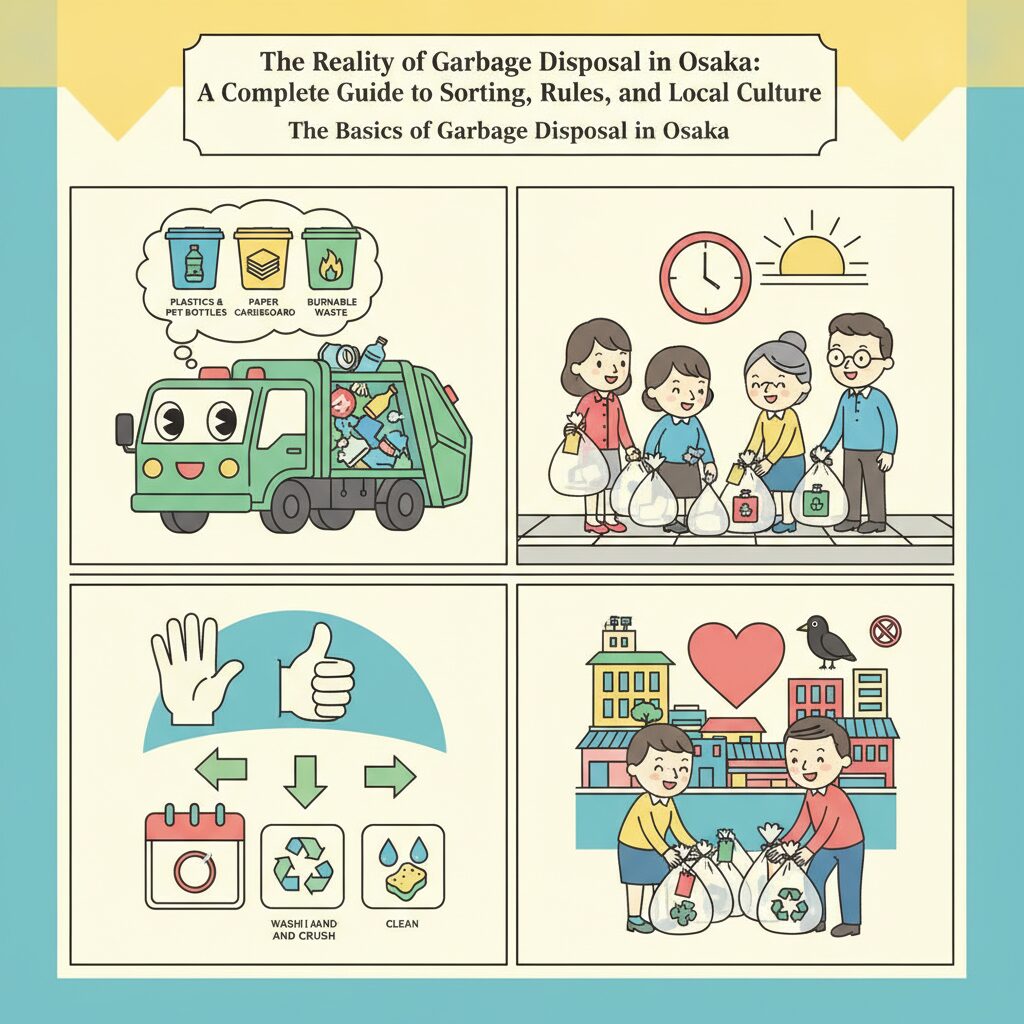
Before mastering the intricate sorting categories, you must first understand the basic rules governing how waste travels from your kitchen to the municipal incinerators. The system is built entirely on transparency, punctuality, and a shared sense of community space.
What Kind of Garbage Bags Should You Use?
This is arguably the most important information for anyone moving specifically to Osaka City, and it often causes great confusion for those reading general guides about living in Japan.
In many Japanese municipalities, residents are legally required to purchase designated, city-branded garbage bags. These bags function as a localized tax; by buying the pricey municipal bags, you are essentially paying for your trash disposal.
Osaka City, however, operates differently.
Osaka City does not mandate a special, paid, city-branded bag for regular combustible or recyclable garbage. This is a huge relief for your budget and reflects Osaka’s somewhat pragmatic, business-like approach. Why force people to buy costly bags when inexpensive ones work just as well?
That said, there is one absolute, non-negotiable rule. Your garbage bags must be commercially available transparent or semi-transparent bags. Opaque black bags or solid-colored bags are not allowed. Municipal workers and your neighbors must be able to see the contents of your trash at a glance.
This transparency serves two purposes. First, it safeguards sanitation workers by ensuring no dangerous items are hidden inside. Second, it enforces a social contract. When waste is visible to everyone on the street, people are far less likely to sneak a non-burnable ceramic cup into the burnable pile. It creates a neighborhood panopticon that maintains civic duty through mutual visibility. These clear or milky-white bags can be easily found in any supermarket, convenience store, or hundred-yen shop throughout the city, usually sold in rolls with forty-five-liter capacity.
Collection Days and Designated Times
Your designated collection days depend entirely on the neighborhood block where you live. When you register your address at the local ward office, you will receive a colorful chart outlining your weekly schedule. Stick this chart on your refrigerator immediately—it will become the most important document in your home.
Timing is crucial. You must put your garbage out by a specific time in the morning, typically eight-thirty or nine o’clock.
You cannot put your trash out the night before. This is not just a polite recommendation; it’s a strict rule based on environmental reality. Osaka, like all Japanese cities, is home to incredibly intelligent and aggressive crows. If you leave a bag of combustible kitchen waste out overnight, the crows will shred the thin plastic before sunrise, scattering eggshells, coffee grounds, and fish bones all over the pavement.
To prevent this, most neighborhood collection points have a heavy blue or yellow mesh net. When you take your trash out in the morning, you must lift this net, place your bag securely underneath, and ensure it is fully covered. If you are the last person to use the station after the truck has collected the trash, it is an unspoken neighborhood etiquette to fold the net neatly and push it to the side of the road.
How to Sort Your Trash in Osaka
The practice of sorting trash in Japan is incredibly precise. It demands a fundamental change in how you perceive the items you consume. You can no longer regard a finished bottle of iced tea as a single piece of waste. Instead, you must see it as three separate parts: the plastic cap, the plastic wrapper, and the PET bottle itself.
Combustible (Burnable) Garbage
Combustible garbage is the most common waste type, typically collected twice a week. In Osaka City, the general guideline is that any item made of organic material, non-recyclable plastic, or small everyday burnable goods belongs in this category.
The contents usually include:
- Raw food scraps, vegetable peels, and cooking leftovers. Always drain excess water from food waste before bagging it, since wet trash lowers incinerator temperatures and increases energy consumption.
- Soiled paper products that cannot be recycled, such as used tissues, paper towels, and greasy pizza boxes.
- Small wooden items, leather goods like old belts, and rubber products.
- Dirty plastics. This distinction is important in Osaka. Plastic food containers stained with oil, sauce, or grease that cannot be easily rinsed must be disposed of as combustible garbage.
- Non-packaging plastics. Plastic items never used as containers or wrappers, such as toys, toothbrushes, ballpoint pens, and CD cases, go into this pile.
When discarding cooking oil, you cannot pour it down the sink. You must either use a commercially available oil-solidifying powder to turn the liquid fat into a gel-like block or soak it into old newspapers and cloth before placing it in your combustible garbage bag. This practical approach reflects the Osaka lifestyle; no one wants clogged plumbing in tightly packed apartment buildings.
Plastic Containers and Packaging
This category often confuses newcomers. In Japan, almost everything is wrapped in plastic. A box of cookies will be encased in a plastic sheet, containing a plastic tray, with individual cookies wrapped in plastic.
Osaka collects Plastic Containers and Packaging once a week. The key rule here is visual: look for the official mark. The symbol features two arrows chasing each other forming an open square, with Japanese characters inside. If a plastic item displays this mark and is clean, it belongs in this category.
Common examples include:
- Clean plastic food trays, such as those used for supermarket meat and sushi.
- Plastic bags that held snacks, bread, or vegetables.
- Thin plastic films wrapping consumer goods.
- Shampoo bottles, detergent refill pouches, and yogurt cups, provided they have been rinsed.
- Plastic bottle caps and the thin labels peeled from drink bottles.
Note the emphasis on cleanliness. Food containers must be lightly rinsed or wiped before disposal in plastic recycling. Leaving mayonnaise residue in a plastic tube or sticky remains in a pudding cup contaminates the recycling stream. The culture expects trash to be odor-free and not attract pests while awaiting collection. Though initially it may feel strange to clean your garbage before discarding it, it soon becomes a calming part of the evening habit.
Recyclable Waste (Cans, Glass Bottles, PET Bottles)
Collected once a week, these items bear the brunt of recycling efforts and must be placed in transparent or semi-transparent bags, separate from other trash.
PET bottles are different from regular plastics and have their own recycling symbol: a triangle of three chasing arrows with the number one inside. When you finish a bottle of water or tea, the procedure is deliberate.
First, twist off the plastic cap. Next, peel off the plastic label from the bottle. Both the cap and the label belong in the Plastic Containers and Packaging bag. Finally, lightly rinse the empty PET bottle, crush it flat to save space, and place it in your recyclables bag.
The rules for cans and glass bottles are similar:
- Aluminum and steel cans for beer, soda, and canned foods must be rinsed.
- Glass bottles for wine, liquor, or sauces should also be cleaned.
- Do not include broken glass in this bag. Broken glass is hazardous waste and requires specific wrapping and labeling to protect sanitation workers.
Used Paper and Clothing
Paper recycling in Osaka is approached with almost nostalgic care. Cardboard is not simply tossed into bins; it must be broken down, stacked, and bound.
Used paper includes flattened cardboard boxes, piles of newspapers, magazines, flyers, and clean clothing. The rule involves organization and twine. Similar items should be grouped. Cardboard must be flattened and tightly tied with paper string or synthetic twine in a cross pattern. Newspapers should be stacked neatly and secured.
Clothing should be washed, dried, and placed in a clear plastic bag to shield it from rain. If paper or clothing gets wet before collection, it often becomes unrecyclable and turns into a soggy mess on the street. Consequently, many neighborhoods suspend paper collection during heavy rain, an unspoken custom learned by observing neighbors. If no one else sets out their cardboard during a downpour, you should bring yours back inside and wait till the following week.
Disposing of Oversized Garbage (Sodai-Gomi) in Osaka
Eventually, you will need to dispose of something larger than a regular trash bag—a broken chair, an old mattress, or a suitcase with a snapped wheel. In Osaka City, any item whose longest side exceeds thirty centimeters is officially categorized as Oversized Garbage, or Sodai-gomi.
You absolutely cannot leave bulky items at the standard neighborhood trash collection point. Doing so is considered illegal dumping, a serious violation of the social contract that will anger your neighbors and could lead to police involvement. Proper disposal of bulky waste requires planning, a small payment, and strict adherence to procedures.
Step-by-Step Guide to Bulky Waste Pickup
Discarding large items involves a multi-step process. It can seem daunting since it requires active coordination with the city government, but once you’ve done it once, it becomes quite straightforward.
First, measure the dimensions of the item.
Next, get in touch with the Oversized Garbage Collection Center. You can call their dedicated hotline, but for non-Japanese speakers, using their official online portal is much easier. On the website, you enter your address, describe the item, and select a collection date.
After your application is processed, the system will provide two key details: the exact disposal fee and the scheduled pickup date.
The fee is not paid online nor given directly to the collection truck driver. This is where Japan’s convenience store system plays a vital role. You must visit a local Lawson, FamilyMart, 7-Eleven, or the post office to purchase an Oversized Garbage Processing Fee Ticket, known as a shori-ken.
Approach the cashier and request the ticket in denominations that match your disposal fee. These tickets typically come in values of two hundred, four hundred, or a thousand yen. The cashier will give you a sheet of stickers.
These stickers serve as your proof of payment. You must use a permanent marker to write either your reservation number or your name on the sticker.
Finally, peel the backing off the sticker and affix it prominently to the item you are discarding. On the scheduled morning, usually before 8:30 AM, place the tagged item out in front of your apartment building or house. You do not need to be present when the truck arrives. The workers will verify the sticker for the correct fee and reservation number, load the item, and drive away.
Home Appliances and Electronics Recycling
There is a major, legally mandated exception to the bulky waste rules.
Air conditioners, televisions, refrigerators, freezers, washing machines, and clothes dryers cannot be disposed of via the standard oversized garbage system.
Japan enforces a strict Home Appliance Recycling Law designed to recover valuable metals and keep toxic materials out of landfills. If you put a ticket on a refrigerator and leave it on the curb, it will remain there indefinitely, serving as a reminder of your misunderstanding of the law.
To dispose of these specific appliances, the responsibility must be transferred back to the retailer. When purchasing a new appliance, the store is legally required to take the old one for recycling, charging a recycling fee. If you are simply disposing of an appliance without buying a replacement, you must contact the original electronics store. If you bought it secondhand or don’t remember where it came from, you need to reach out to a specialized municipal appliance recycling contractor.
This process is more costly and complicated than regular bulky waste disposal, but it reflects a nationwide commitment to environmental sustainability that outweighs personal convenience.
Common Mistakes to Avoid for New Residents
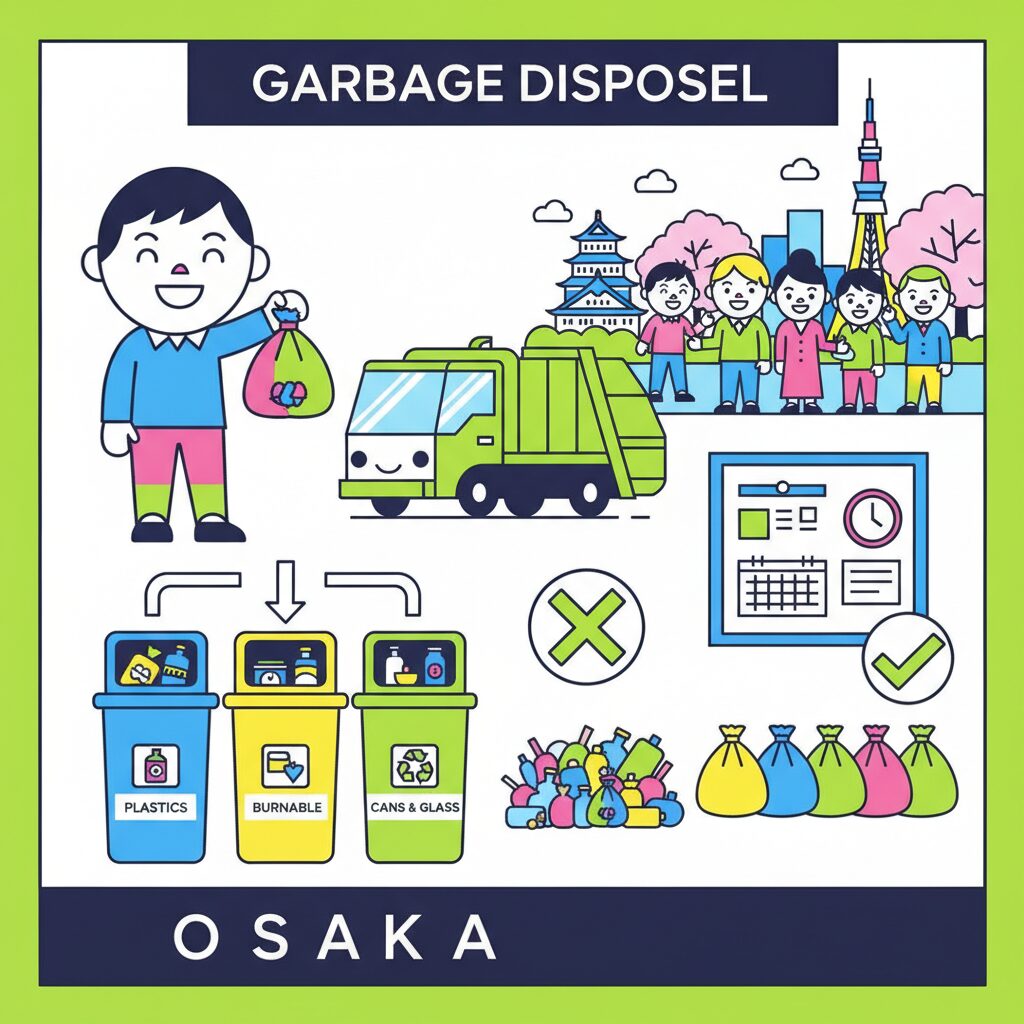
The borderlines of Japanese municipalities are invisible to the naked eye. As you walk north from the lively center of Umeda in Osaka City, you will eventually cross a bridge over the Kanzakigawa River and enter Suita City or Toyonaka City. The streets look identical. The architecture remains the same. Yet the garbage rules shift drastically.
One of the most common mistakes foreigners make is following a guide written for a different city and applying it to their own. A resident of Suita City must use specific, costly, colored bags purchased from the city. If they cross the street into Osaka City and see everyone using cheap, clear bags, they might assume they can do likewise. They cannot. Your rules are set by the municipality to which you pay your residence taxes. Always check the rules for Osaka City if you live anywhere within its twenty-four wards.
Another frequent misunderstanding concerns the neighborhood association. In many apartment buildings, especially smaller ones without a dedicated property manager, the cleaning and management of the local garbage station rotate among residents. This duty is called toban.
If you live in such a building, a clipboard or a small wooden plaque might suddenly appear hanging on your doorknob one evening. This indicates it’s your week to serve as the garbage warden. Your responsibility is to ensure the blue net is deployed, sweep up any scattered debris after the truck departs, and perhaps hose down the pavement to keep the area smelling fresh. Ignoring the toban plaque is a sure way to alienate your neighbors immediately. Embracing it, sweeping the street thoroughly, and offering a cheerful good morning to the elderly woman next door will earn you great local respect.
Mixing up the plastic categories is also an ongoing challenge. Throwing a greasy, unwashed bento box into the clean Plastic Packaging bag will earn a red warning sticker placed on your bag by sanitation workers. They will leave the offending bag on the curb for everyone to see. The embarrassment of the red sticker is a powerful deterrent. You will only let it happen once.
The Osaka Way of Life Beyond the Trash Rules
To someone unfamiliar, the complexity of rinsing soy sauce bottles, peeling off labels, purchasing convenience store stickers for broken chairs, and bundling cardboard into geometric shapes can seem overwhelming. It feels like a restriction on personal freedom.
However, living in Osaka demands a shift in perspective. You need to stop seeing these rules as bureaucratic burdens and start recognizing them as the very glue that keeps this densely packed city functioning.
Osaka is a city rooted in commerce, human connection, and shared spaces. The streets are narrow, and the houses are built so close that you can hear your neighbor slide open their balcony door. In such a cramped environment, social tensions could quickly flare up.
The garbage regulations act as the great equalizer, requiring every resident—from wealthy executives in high-rise condos to struggling artists in small wooden apartments—to contribute to the physical maintenance of their shared environment.
When you stand at the sink, carefully rinsing a plastic tray, you are not merely following instructions from a PDF printed by the ward office. You are engaging in an act of civic kindness. You are helping to keep the neighborhood odor-free in the humid August heat, preventing local crows from tearing apart the streets, and showing respect to the older generations who have lived there for decades that you, as a newcomer, honor the harmony of their home.
People in Osaka do not resort to passive aggression. If you make an error in sorting, a local will likely point it out. Though it might feel startling at first—a sudden break from the polite distance typical in Japan—understand that in Osaka, a correction means they see you. It means they recognize you as part of the community. They are not reprimanding a tourist; they are guiding a neighbor.
Embrace the clear plastic bags. Learn the rhythm of the morning collection. Master the delicate dance of the bulky waste ticket. Through participating in this mundane, hyper-local routine, you move beyond the role of a temporary visitor and take your first genuine steps toward becoming a true Osaka resident.