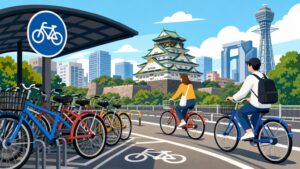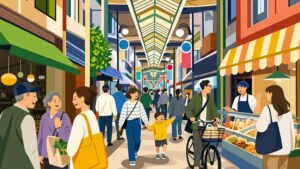
When you decide to pack your bags and move to Japan’s most electrifying city, the very first question you will encounter from any local is a matter of geography that borders on philosophy. Are you a Kita person or a Minami person? This is not merely a question of cardinal directions. It is a psychological baseline. It is a lifestyle declaration. Tokyo might operate like a massive, beautifully synchronized spreadsheet, where every neighborhood seamlessly blends into the next with a polite whisper. Osaka operates like a sprawling, chaotic, deeply soulful jazz club. It does not whisper. It shouts. But it shouts with a warm, welcoming smile.
For a foreigner looking to build a life here, understanding the fundamental rivalry between Kita, anchored by the sleek towers of Umeda, and Minami, centered around the neon-drenched streets of Namba, is the absolute bedrock of your apartment hunting journey. Tourists look at Osaka and see a monolith of delicious food and bright lights. Residents look at Osaka and see two distinct cities operating under a single municipal banner. Working in the apparel industry and spending my days observing the intricate tapestries of street corners around the world, I have learned that a neighborhood shapes your daily rhythm, your wardrobe, your stress levels, and your safety. Choosing where to sign a long-term apartment lease here is not just about calculating the distance to the nearest subway station. It is about deciding what kind of Osaka life you want to wake up to every single morning.
Do you want the polished, hyper-efficient, fashion-forward momentum of the north? Or do you crave the gritty, artistic, unapologetically raw energy of the south? The way you answer this question will dictate the supermarkets you frequent, the unspoken social rules you navigate, the noise levels outside your window at midnight, and the way you ultimately understand the people of the Kansai region. We are going to decode the unspoken realities of daily life in these two heavyweight districts. We will strip away the tourist gloss. We will look at the hard truths of rent, the reality of grocery shopping, the safety of the streets from a woman’s perspective, and the deep cultural currents that make Osaka the most intensely human city in Japan. Welcome to your real life in Osaka.
Umeda vs Namba: The Ultimate Apartment Hunting Guide in Osaka

The moment you shift from a suitcase-carrying visitor to a resident holding a newly stamped residence card, the city takes on a new form. Tourist guides lose their relevance. You’re no longer searching for the best okonomiyaki stand for a quick meal; instead, you look for a dependable grocery store, a ward office without a long, agonizing line, and a street that feels safe when you walk home alone at two in the morning. When hunting for an apartment, a monthly Airbnb, or a serviced residence as a digital nomad, the Umeda versus Namba debate becomes the key decision point.
Foreigners often misinterpret Osaka’s layout. Since the subway connects Umeda and Namba in about fifteen minutes via the Midosuji Line, it’s easy to assume they are interchangeable. They are not. Renting an apartment in Umeda feels like living in the corporate headquarters of the region. The atmosphere is different. The social norms are slightly more formal. Renting in Namba is like living backstage at a rock concert—the energy is contagious, but the volume never drops. Your apartment search will be entirely shaped by your budget, crowd tolerance, commuting requirements, and personal style.
Japanese real estate operates with a complex system of key money, deposits, and guarantor companies. When dealing with real estate agents in Umeda, you’ll notice a focus on high-rise condos, security features, and immaculate surroundings. Landlords here cater to corporate executives, established professionals, and expats with healthy housing allowances. Moving your apartment search south to Namba, the options diversify into a kaleidoscope of older buildings, retrofitted spaces, bohemian lofts, and budget-friendly studios hidden in narrow alleys. The key to succeeding in Osaka’s apartment market is knowing exactly which compromises you’re willing to accept and which neighborhood best fits your internal rhythm.
Vibe and Lifestyle: Kita vs Minami
Grasping the mindset of the locals is crucial to thriving here. People in Osaka are famously direct, warm, and highly expressive. However, this expression varies depending on your neighborhood. The culture of banter and the well-known comedic rhythm called boke and tsukkomi exists everywhere, but the setting changes the flavor of the interaction. Let’s explore the daily lifestyle differences between the north and the south.
Living in Umeda (Kita): Modern, Sleek, and Convenient
Umeda reigns supreme in Kita. It is the economic powerhouse of western Japan. Stepping outside your apartment in the Umeda area, you are immediately met with a skyline of impressive glass and steel towers. The architecture is sharp, and the sprawling underground network of shopping malls is so extensive that locals fondly refer to it as the Umeda Dungeon. Living here means embracing a lifestyle defined by polished, extreme convenience.
The fashion in Umeda reveals much about the local mindset. As someone who studies textiles and trends, the contrast is clear. The streets of Umeda are filled with muted tones, impeccably tailored trench coats, luxury designer bags, and the crisp sound of high-quality leather shoes on immaculate pavement. Residents here value sophistication. They work hard and project success. Life in Umeda will feel strikingly similar to living in Tokyo’s Marunouchi or Shinjuku districts but with a notable difference. Despite the corporate exterior, the people here retain the signature Osaka warmth. The barista at the sleek corner café will still share a joke, and elevator rides are never filled with icy silence.
Renting here means your weekends might be spent browsing high-end art exhibitions at corporate-sponsored museums, sipping craft cocktails in sky lounges overlooking the Yodo River, or attending seasonal fashion pop-ups in vast department stores like Hankyu and Daimaru. It is an intellectual, fast-paced, and highly organized environment. For remote workers or expats who thrive on order, cleanliness, and premium amenities, Umeda offers a seamless, frictionless daily life. Yet, this polished lifestyle comes with expectations. Running to the convenience store in your pajamas is not the norm here. You dress for the city.
Living in Namba (Minami): Vibrant, Energetic, and Traditional
Taking the Midosuji subway line south to Namba, the vibe changes dramatically. Welcome to Minami. If Umeda is a tailored suit, Namba is a vintage denim jacket covered in custom patches. This historic entertainment district is the beating heart of Osaka’s legendary street culture and the area that most captures the fiery, unfiltered spirit that foreigners associate with the city.
Living in Namba means embracing the chaos and discovering beauty within it. The streets are narrower, neon signs blaze brilliantly, and the noise of the crowd is constant. Fashion here is a riot of self-expression, with oversized streetwear, bold leopard prints, experimental hairstyles, and a clear rejection of traditional corporate dress codes. Exploring hidden corners around Americamura or the winding back alleys of Sennichimae reveals a neighborhood fueled by raw emotion and artistic rebellion.
The lifestyle in Namba is deeply communal. You’re more likely to strike up a conversation with a stranger at a standing bar here than anywhere else in Japan. The unspoken rules of Osaka friendliness are fully alive in Minami. People will ask where you’re from, offer unsolicited yet genuinely helpful advice, and expect you to laugh with them. However, living here requires stamina. The crowds are relentless, and the scents of takoyaki, grilled meat, and exhaust fumes constantly mingle in the air. Renting an apartment in Namba often means weaving through throngs of excited tourists dragging roller bags on your daily commute. It is an exhilarating place to call home, but it demands energy. If you want to blend into the background, Namba will not let you.
Apartment Costs and Renting Reality
The practical aspect of relocating to Osaka ultimately boils down to hard numbers. The rent differences between Kita and Minami reflect variations in land values, building ages, and target demographics. Whether you are looking for a serviced apartment for a two-month stay or negotiating a standard two-year lease, understanding the financial landscape is essential for a smooth transition.
Rent Prices in Umeda
Umeda commands a premium. As the central hub for major corporations and a major transit interchange connecting multiple prefectures, the land value is exceptionally high. Apartments near Umeda Station are mainly luxury high-rise mansions or modern, highly secure complexes aimed at single professionals.
When searching for an apartment here, you pay for the prestigious address, the security, and the impeccable building maintenance. The initial move-in costs in Umeda can be steep. Landlords often require significant key money and strict guarantor company criteria. Apartments usually come with upscale fixtures, modern system kitchens, and advanced auto-lock security systems that offer considerable peace of mind, especially for female residents. While rent is expensive, the value lies in the time saved. Living in Umeda means you seldom need to rely on taxis. The entire city, and indeed the whole Kansai region, is within easy reach. You will need a solid budget, but in return, you gain the pinnacle of Japanese urban convenience.
Rent Prices in Namba
Namba offers a much more diverse and complex real estate market. Although luxury developments are emerging around Namba Parks, the wider Minami district features a vast inventory of older, more eclectic buildings. This makes Namba an attractive area for expats and digital nomads working with a tighter budget.
You can find surprisingly affordable rent in Namba if you are willing to compromise on the building’s age or its proximity to the main station exits. Many older buildings lack modern auto-lock doors, a key security factor to consider alongside the lower rent. Nevertheless, Namba is also the center of Osaka’s serviced apartment and monthly mansion market. Due to its popularity among international long-term travelers, securing a fully furnished apartment with flexible lease terms is noticeably easier in Minami than in Kita.
Financially, renting in Namba means lower base rent but potentially higher lifestyle expenses. With countless cheap, tasty dining options around, residents often eat out more frequently than they might in quieter neighborhoods. Namba offers flexibility, character, and financial breathing room, provided you are prepared to invest effort in finding a structurally sound and well-located building.
Daily Convenience and Livability
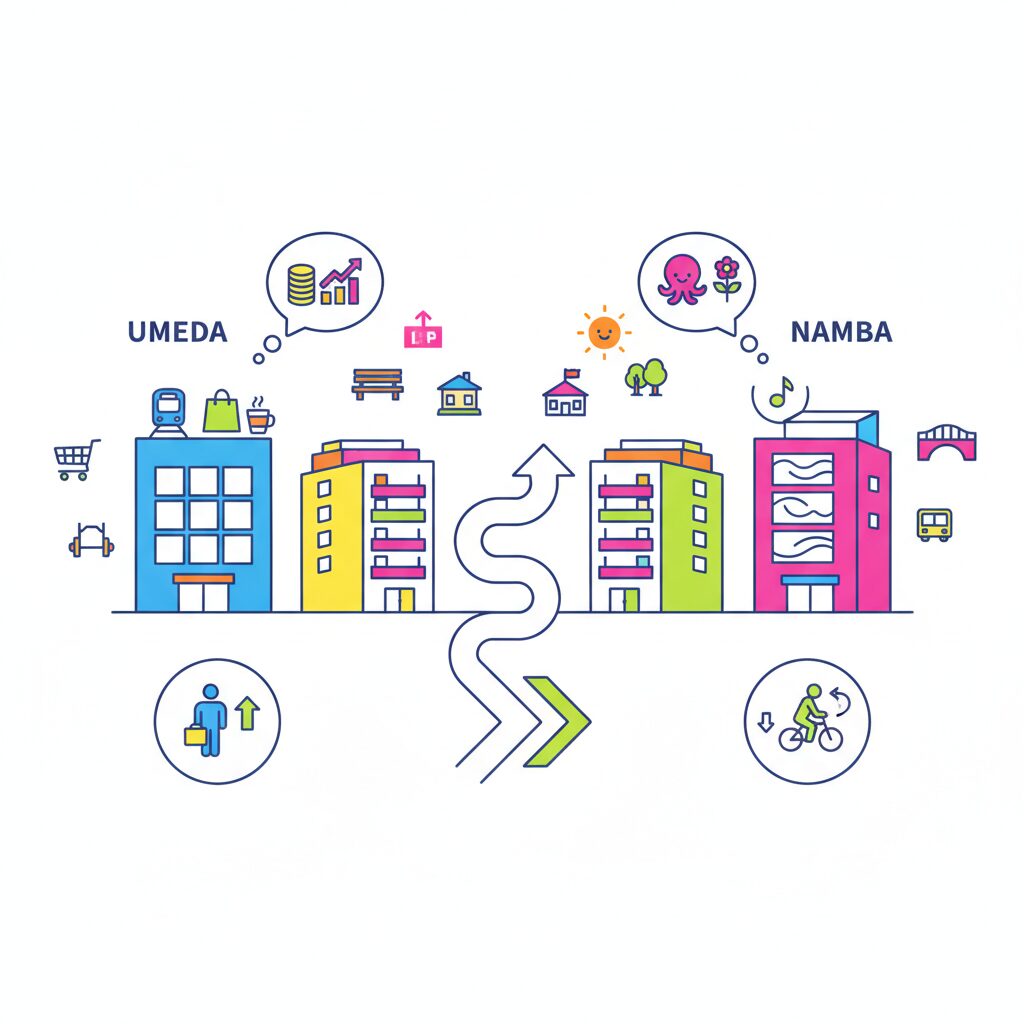
Beyond rent and fashion, an apartment’s value is ultimately determined by the surrounding infrastructure. When living abroad, your overall happiness hinges on how easily you can purchase vegetables, sort your garbage, and walk safely home at night. Tourist guides often overlook these mundane details, yet they form the very foundation of an expat’s everyday life.
Supermarkets, Groceries, and Daily Shopping
One of the biggest surprises for foreigners moving to the heart of a major Japanese commercial district is discovering that typical suburban-style grocery stores are scarce. In Umeda, everyday shopping is more about high-end selection. Residents depend largely on depachika, the expansive underground food halls beneath luxury department stores. These halls offer exceptional quality, but their prices reflect the premium brand image. For basic groceries, Umeda residents often turn to upscale supermarket chains such as Ikari Super or Hankyu Oasis. These stores play classical music, boast flawless produce, and offer an excellent range of imported cheeses; however, your monthly grocery expenses will increase accordingly. You’re paying for top-notch quality and a refined shopping atmosphere.
Namba takes a contrasting, more pragmatic approach to everyday essentials. The crown jewel of Minami’s grocery scene is the iconic Super Tamade. With its blinding yellow and neon flashing signs, it resembles a chaotic pachinko parlor more than a place to buy carrots. Yet for locals, it serves as a crucial source of incredibly affordable produce, discounted bento boxes, and 24-hour availability. Namba also features large branches of typical family supermarkets like Life, striking a balance between Umeda’s luxury and Tamade’s aggressive discount vibe. Additionally, proximity to Namba grants access to the Kuromon Ichiba market. Though somewhat touristy nowadays, true locals know which stalls continue to serve the neighborhood with fresh seafood and specialty ingredients at dawn. Grocery shopping in Namba is an adventure; in Umeda, it’s an investment.
Noise Levels and Neighborhood Safety
From a woman’s perspective, I cannot overemphasize the importance of neighborhood safety and noise considerations. While Japan is famously safe, urban living always comes with nuances that foreigners should be aware of.
Living in Umeda generally provides a peaceful nighttime environment, especially if your apartment is insulated from major roads. After the department stores close and office workers catch their last trains, the business district becomes remarkably quiet. The streets are wide, exceptionally well-lit, and heavily monitored by private security and local police, leaving few blind spots. Walking home late after a gallery opening or dinner feels secure, predictable, and well-managed. The main disturbance may be groups of loudly intoxicated salarymen, but they are mostly harmless and focused on hailing a taxi. For female residents seeking peace of mind, the sturdy auto-lock buildings and brightly lit streets of Kita are significant advantages.
Namba demands greater street smarts. As a sprawling entertainment district that never fully sleeps, noise levels can be intense. Sirens, promotional music from storefronts, crowd noise, and thumping bass from nightclubs create a constant soundtrack in Minami. When apartment hunting in Namba, verifying window glazing and the immediate surroundings is essential. You don’t want to rent directly above a popular izakaya unless you are an exceptionally heavy sleeper.
Regarding safety, Namba is generally secure, but the heavy influx of tourists, nightlife promoters, and late-night revelers means vigilance is necessary. The narrow backstreets around Dotonbori and Shinsaibashi can feel intimidating after dark, with more aggressive touts attempting to lure patrons into bars and a slightly higher risk of petty annoyances simply due to the crowd density. For women navigating these areas late at night, I always advise sticking to the main arcades, knowing the locations of the nearest koban (police boxes), and ensuring your apartment has a secure, modern entry system. Namba is exciting, but it requires careful situational awareness.
Transit and Commuting
Your apartment’s location determines your freedom of movement. While Osaka is arguably the best-positioned city in Japan for exploring the broader country, Umeda and Namba each fulfill very different transit roles. Understanding where your daily commute takes you or where your weekend adventures lead will quickly simplify your apartment choice.
Connectivity from Umeda Station
Umeda stands as the unrivaled gateway to the rest of Japan. It is a vast, sprawling complex that includes JR Osaka Station, Hankyu Osaka-Umeda Station, Hanshin Umeda Station, and three distinct subway lines. If your work requires commuting to Kyoto, Kobe, or Takarazuka, Umeda is the only reasonable option. The Hankyu Line offers a plush, comfortable, and remarkably fast ride to Kyoto’s city center. The JR lines connect you directly to the Shinkansen hub at Shin-Osaka in under five minutes. Living in Umeda means the entire Kansai region becomes your backyard. You can wake up, decide to have lunch at a historic café in Kobe, and be there in twenty-five minutes without ever changing trains. It is the ultimate hub for the highly mobile expat.
Connectivity from Namba Station
Namba is the gateway to the south and the sky. The transit scene here is dominated by the Nankai Electric Railway and the Kintetsu Railway, along with several subway lines. The biggest advantage of living in Namba is its direct, seamless connection to Kansai International Airport via the Nankai Airport Express or the futuristic Rapi:t train. For digital nomads, frequent flyers, and travel writers who are always boarding planes, living in Namba removes the stress of airport commutes. Additionally, Namba offers instant access to the historical treasures of Nara via the Kintetsu line, and the spiritual mountain retreats of Wakayama to the south. If your lifestyle centers on international travel and exploring the deeper, more spiritual regions of southern Kansai, Namba is the strategically ideal choice.
Which Area Should You Choose for Your Apartment?
Choosing between Kita and Minami is a deeply personal decision. It involves aligning your inner rhythm with the vibe of the neighborhood. Don’t let a real estate agent steer you toward an area based solely on a floor plan. You’re renting the neighborhood just as much as the rooms.
You Should Rent in Umeda If…
You should definitely concentrate your apartment search in Umeda if you have a comfortable budget and value a pristine, highly organized living space. If your wardrobe features tailored lines and muted tones, and you appreciate an upscale, intellectual style, Umeda will feel like home. It’s an ideal location for expats working in corporate settings, those needing quick daily access to Kyoto or Kobe, and anyone who prioritizes top-tier security and peaceful nights. You’ll trade the raw street culture of the south for the polished, effortless convenience of the north.
You Should Rent in Namba If…
You should settle in Namba if you want to immerse yourself in the legendary, unfiltered soul of Osaka every day. If you thrive on energy, love vintage fashion, enjoy spontaneous chats with locals at standing bars, and want to maximize your rental budget, Namba is calling. It’s perfect for digital nomads seeking furnished monthly stays, creatives wanting to be surrounded by underground art and street culture, and frequent travelers needing direct airport access. You must be ready to tolerate some noise and navigate busy crowds, but in return, you’ll live in Japan’s most vibrant, unapologetically lively district.
Alternative Osaka Neighborhoods for Apartment Hunters
While the Umeda versus Namba debate often captures most attention, Osaka is a vast and intricately charming city. If the intensity of its northern and southern extremes feels overwhelming for everyday life, there are alternative neighborhoods that provide excellent compromises for long-term residents.
The Quiet Charm of Honmachi
Situated squarely between Umeda and Namba on the Midosuji subway line, Honmachi is Osaka’s historic mercantile and textile district. By day, it’s a bustling commercial hub; by night, it becomes serene and quiet. For apartment seekers who want central access without the weekend crowds or neon lights, Honmachi offers beautiful, modern apartments, spacious sidewalks, and an expanding scene of stylish, independent coffee shops. It strikes the perfect neutral balance.
The Foodie Haven of Fukushima
Just one stop west of Umeda on the JR Loop Line is Fukushima. Not to be mistaken for the northern prefecture, Osaka’s Fukushima is a maze of narrow streets filled with some of the city’s most innovative and top-rated restaurants. It retains a touch of retro, showa-era charm even as it rapidly gentrifies. Renting here puts you within walking distance of Umeda’s skyscrapers, yet your immediate surroundings feel like a cozy, community-oriented foodie paradise. It’s especially popular with young, affluent professionals.
The Historic Rise of Tennoji
Located further south of Namba, Tennoji has historically been a gritty working-class neighborhood but has seen significant redevelopment recently, centered around the towering Abeno Harukas skyscraper. Rent tends to be more affordable here than in Umeda or Namba, making it an ideal choice for budget-conscious expats. It features expansive parks, proximity to the historic Shitennō-ji temple, and a genuinely authentic, relaxed Osaka atmosphere that avoids the heavy tourist presence of Dotonbori. Tennoji is quickly becoming a top residential spot for those seeking a quieter, historically rich part of the city.
Choosing your neighborhood in Osaka marks your first exciting adventure here. Whether you’re drawn to the sleek sophistication of Umeda, the vibrant energy of Namba, or the balanced calm of the neighborhoods in between, the city will embrace you. The locals will engage you. The cuisine will spoil you for anywhere else. Find the street corner that fits your rhythm, sign your lease, and let your true Osaka life begin.