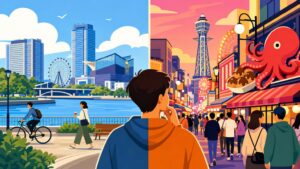
Osaka doesn’t have one heart; it has two. For any newcomer trying to decipher the city’s rhythm, this is the first and most fundamental lesson. You’ll hear people talk about ‘Kita’ and ‘Minami’—the North and the South—as if they were two separate capitals ruling over a divided kingdom. And in a way, they are. Kita, geographically centered around Umeda, is the city’s sleek, corporate brain. Minami, with its sprawling, electric soul rooted in Namba, is its vibrant, chaotic gut. This isn’t just a matter of geography; it’s a profound split in identity that shapes everything from the way people dress and speak to the very atmosphere you breathe. Forget the simple tourist map. To truly understand how to live and work in Osaka, you must first understand this duality. It dictates where you’ll find your professional footing, where you’ll seek creative inspiration, and even where you’ll grab a simple cup of coffee. This is a guide to navigating those two worlds, a tale of two city centers, each offering a radically different version of Osaka life.
Dive deeper into how Osaka’s contrasting neighborhoods shape its vibrant culture by exploring the nuances of its dual identity.
The Tale of Two Cities: Kita’s Polish vs. Minami’s Pulse
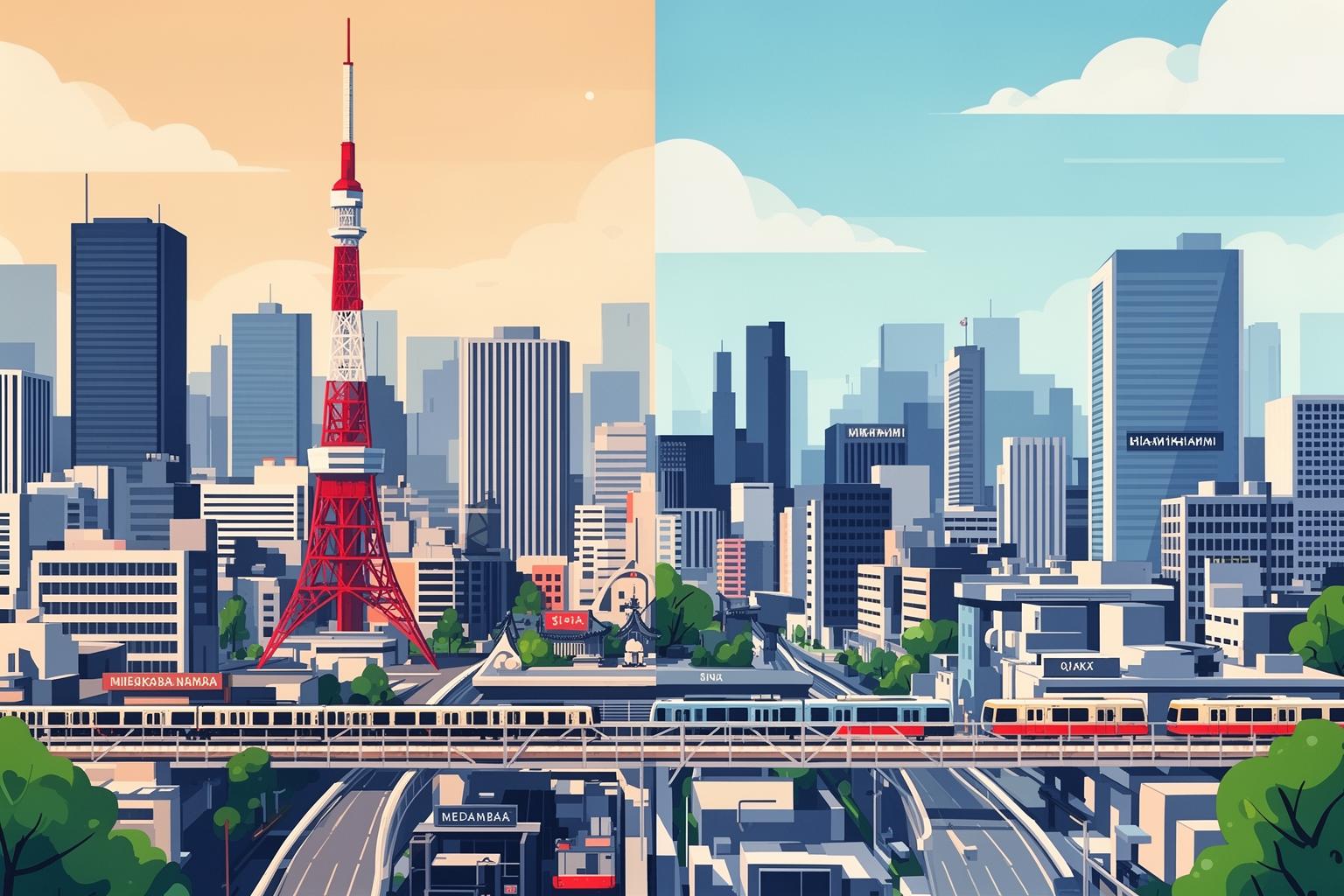
To truly understand this division, you must experience the physical and psychological shift between the two. Riding the Midosuji subway line, the city’s main artery, feels like traveling through different dimensions. The five stops between Umeda and Namba take you on a journey through Osaka’s soul, from its polished surface to its raw, pulsating core.
Umeda (Kita): The Corporate Crown Jewel
Emerging into the Umeda station complex is an exercise in controlled scale and meticulous order. You are immediately drawn into a world of gleaming surfaces, silent escalators, and purposeful movement. This is Osaka’s main transportation hub, a junction of JR lines, private railways, and subways, but its design goes beyond functional utility. It serves as a grand, modern forum and a symbol of post-war economic ambition. The air feels crisp and conditioned, carrying a subtle scent of leather goods and perfume from the surrounding department stores. Visually, Umeda is defined by its verticality. The twin towers of the Umeda Sky Building, linked by the Floating Garden Observatory, stand as landmarks of architectural confidence. Grand Front Osaka, a vast complex of shops, restaurants, and offices, presents a face of refined, international modernity. This is where Japan’s major corporations maintain their western headquarters, and the urban landscape reflects this. The streets are wide, the sidewalks spotless, and the people move with purposeful energy. Conversations tend to be more measured, and the thick, melodic Kansai dialect often gives way to the crisper, more formal tones of standard Japanese, the corporate lingua franca. This is the Osaka that most resembles Tokyo—a carefully crafted environment designed for efficiency, commerce, and global business. The underground city, a sprawling network of tunnels linking every major building, is a world unto itself: a pristine, weather-proof ecosystem of shops and restaurants where one can conduct an entire day’s business without seeing the sky. Umeda’s identity is aspirational; it represents the face Osaka shows to the world, a testament to its polish, precision, and power.
Namba (Minami): The Creative, Chaotic Core
Stepping out of Namba station, the change is immediate and striking. The controlled order of Umeda gives way to a vibrant, multi-sensory chaos. The air is thick with the aromas of grilled takoyaki and savory okonomiyaki broth. The soundscape is a rich blend of shouted greetings from shopkeepers, the rattling of pachinko parlors, and a dozen overlapping store soundtracks. This is Minami, the city’s historic hub of entertainment and consumption, operating on a very different set of rules. Its identity wasn’t business-planned; it evolved naturally over centuries from theaters, temples, and markets. The iconic heart of Namba is Dotonbori, a neon-lit canal-side spectacle bursting with giant mechanical crabs and the famous Glico Running Man. It’s loud, flashy, and unapologetically Osakan. But Namba is more than a tourist attraction. It’s a maze of experiences. Wander through Shinsaibashi-suji, a covered shopping arcade stretching for blocks, a river of people flowing past everything from high-end boutiques to humble seaweed vendors. Explore the backstreets of Hozenji Yokocho, where moss-covered statues and traditional lanterns evoke an older, quieter Japan amid the modern hustle. Discover Amerikamura, a district of American-inspired youth culture, or stroll down Doguyasuji, the kitchenware street where chefs stock their tools. The locals here express themselves more freely, their fashion is eclectic, and the raw, unfiltered Osaka-ben is spoken with pride and gusto. This is the home of kuidaore—eating until you drop—and the spirit of the shonin, the savvy, straight-talking merchants who built the city. Namba’s soul lies in its glorious imperfection, intimate scale, and relentless, vibrant energy. It doesn’t seek to impress; it simply is, authentically and unapologetically itself.
The Workspace Divide: Finding Your Professional Tribe
This fundamental difference in neighborhood character extends clearly into the professional realm. Where you decide to work in Osaka reveals as much about your industry and work style as your business card does. The coworking scenes of Umeda and Namba are crafted to reflect the unique energies of their respective areas.
Coworking in the Clouds: Umeda’s Professional Sanctuaries
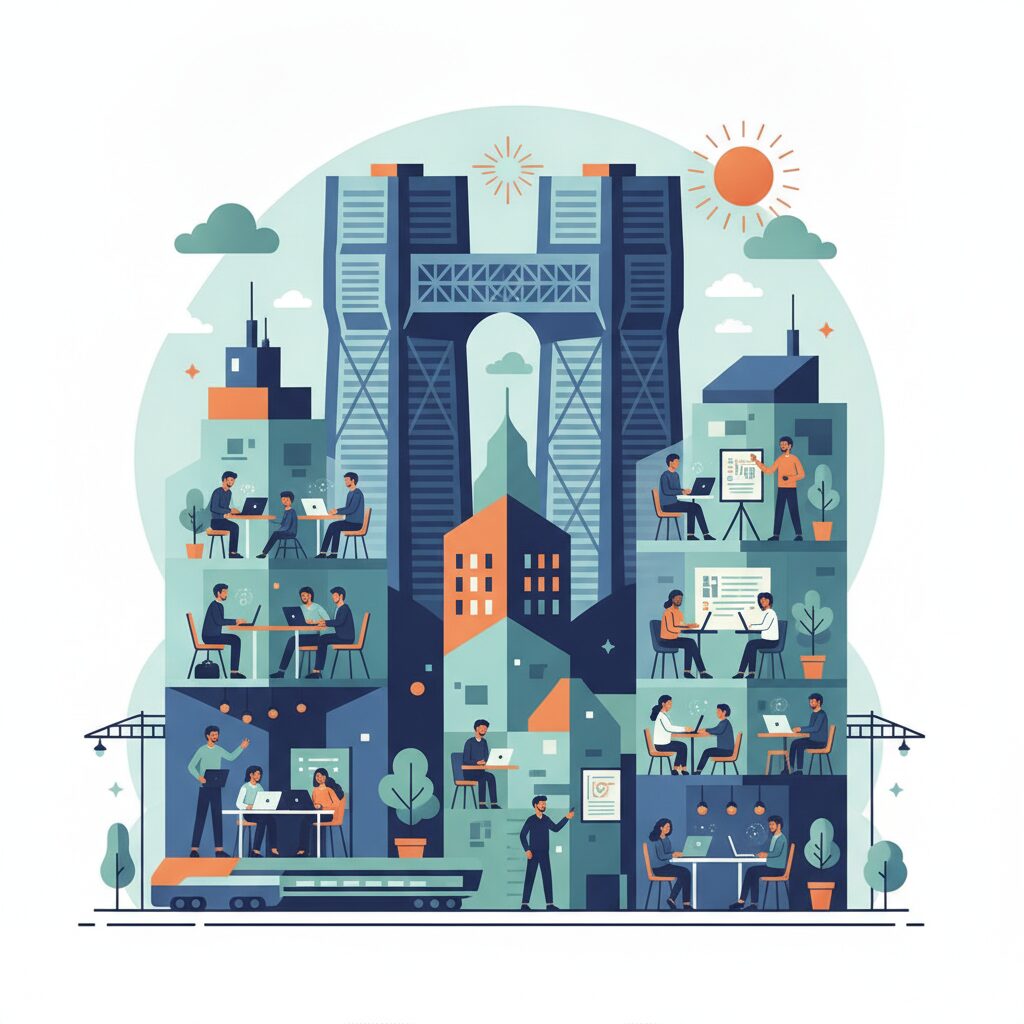
In Umeda, coworking is taken seriously. The spaces here are usually housed within the sleek glass towers that shape the skyline, offering panoramic views that inspire ambition and perspective. The design is minimalist, modern, and corporate. Picture sleek ergonomic chairs, polished concrete floors, and soundproof phone booths for confidential calls. The atmosphere promotes quiet, focused productivity. You won’t find a foosball table or a beer tap here; instead, you’ll find cutting-edge conference rooms, high-speed fiber optic internet, and professional reception services. These spaces cater to a distinct clientele: consultants from Tokyo with a project in Osaka, sales teams from multinational companies needing a local base, and established freelancers who prioritize a prestigious business address. Networking events are formal and structured, often centered on industry-specific seminars or presentations. The community thrives on professional synergy rather than casual socializing. Working in a Umeda coworking space means embracing the corporate ecosystem of Kita. Your lunch might be a quick, efficient meal at a station building restaurant, and your after-work drink likely taken at an upscale hotel bar with clients. It is a world of efficiency, presentation, and strategic connection, crafted to facilitate business at the highest level.
Creative Collisions: Namba’s Collaborative Hubs
Cross the invisible city divide, and coworking takes on a different character. Namba’s shared workspaces are centers of creative and independent energy. They are often located in repurposed older buildings—a former printing press, a converted warehouse, or the upper floors of a shop in a covered arcade. The vibe is more eclectic and community-oriented. You’re more likely to see mismatched vintage furniture, walls decorated with local art, and a large, bustling communal kitchen serving as the social hub. The atmosphere is collaborative and lively. The quiet hum of Umeda is replaced by the buzz of conversation, keyboard clicks, and a curated playlist of indie music. These spaces attract a different kind of professional: graphic designers, freelance writers, software developers, startup founders, and artisans. The emphasis is less on corporate polish and more on cultivating community and inspiring new ideas. Networking happens organically by the espresso machine or during casual weekly potlucks. Many spaces host workshops on topics ranging from coding to ceramics, reflecting the diverse interests of their members. Choosing to work in Namba means immersing yourself in the creative energy of Minami. Your lunch break becomes an adventure exploring side streets for the best ramen, and your after-work drink is at a small, crowded tachinomi (standing bar), where you might strike up a conversation with a musician or theater director. It is a world of spontaneity, collaboration, and grassroots innovation.
The Caffeine Chronicles: Sipping the Soul of the City
Nowhere is the contrast between Umeda and Namba more evident than in the simple, everyday ritual of grabbing a cup of coffee. The cafe culture in each district serves as a perfect microcosm of its broader identity, providing vastly different experiences—from the vessel to the vibe.
Umeda’s Elegant Escapes: Precision and Presentation
A coffee break in Umeda often feels like an extension of its professional or retail surroundings. The cafes here offer oases of calm and sophistication. Inside major department stores like Hankyu or Daimaru, you’ll find elegant cafes with plush seating, impeccable service, and menus featuring meticulously prepared cakes and pastries. These spots provide a refined pause from a day of shopping or a quiet space for business meetings. Hotel lounges present another layer of refined indulgence, where a cup of coffee comes with commanding city views and an atmosphere of understated luxury. Umeda’s specialty coffee scene tends toward the minimalist and scientific—sleek, lab-like cafes detail the origin of every bean on chalkboards, and brewing methods—whether pour-over, siphon, or AeroPress—are executed with surgical precision. The emphasis is on the purity of the coffee and the elegance of its presentation. The experience is controlled, consistent, and visually pleasing. Coffee in Umeda is about savoring craftsmanship and enjoying a curated moment of tranquility amid a bustling commercial hub. It’s an affordable luxury, a small performance of sophistication within the theater of corporate life.
Namba’s Neighborhood Nooks: Character in a Cup
Cafe hopping in Namba feels like a treasure hunt. The best spots are often hidden away—down narrow alleyways, on the second floor of unassuming buildings, or deep inside winding shopping arcades. The heart of this scene is the classic kissaten, the old-school Japanese coffee house. Entering one is like stepping into a time capsule, with dark wood paneling, worn velvet chairs, the gentle aroma of toasted bread, and the soft bubbling of a siphon brewer. The masters of these establishments have honed their craft over decades, serving rich, dark brews alongside thick toast and simple breakfast sets. Beyond the kissaten, Namba’s cafe scene bursts with individuality. Here you’ll find cafes that double as independent art galleries, tiny standing-only espresso bars where the barista greets every regular by name, and quirky themed cafes dedicated to everything from owls to ninjas. The coffee itself is often just one part of the experience—the real appeal lies in the character of the place and the personality of its owner. Coffee in Namba invites conversation, community, lingering with a book, and the joy of discovering something unexpected. It’s less about a flawless product and more about an authentic, unpretentious, and deeply human experience. It reflects the soul of Minami: slightly rough around the edges but full of heart and stories.
Beyond the Stereotypes: Understanding Osaka’s Dual Identity
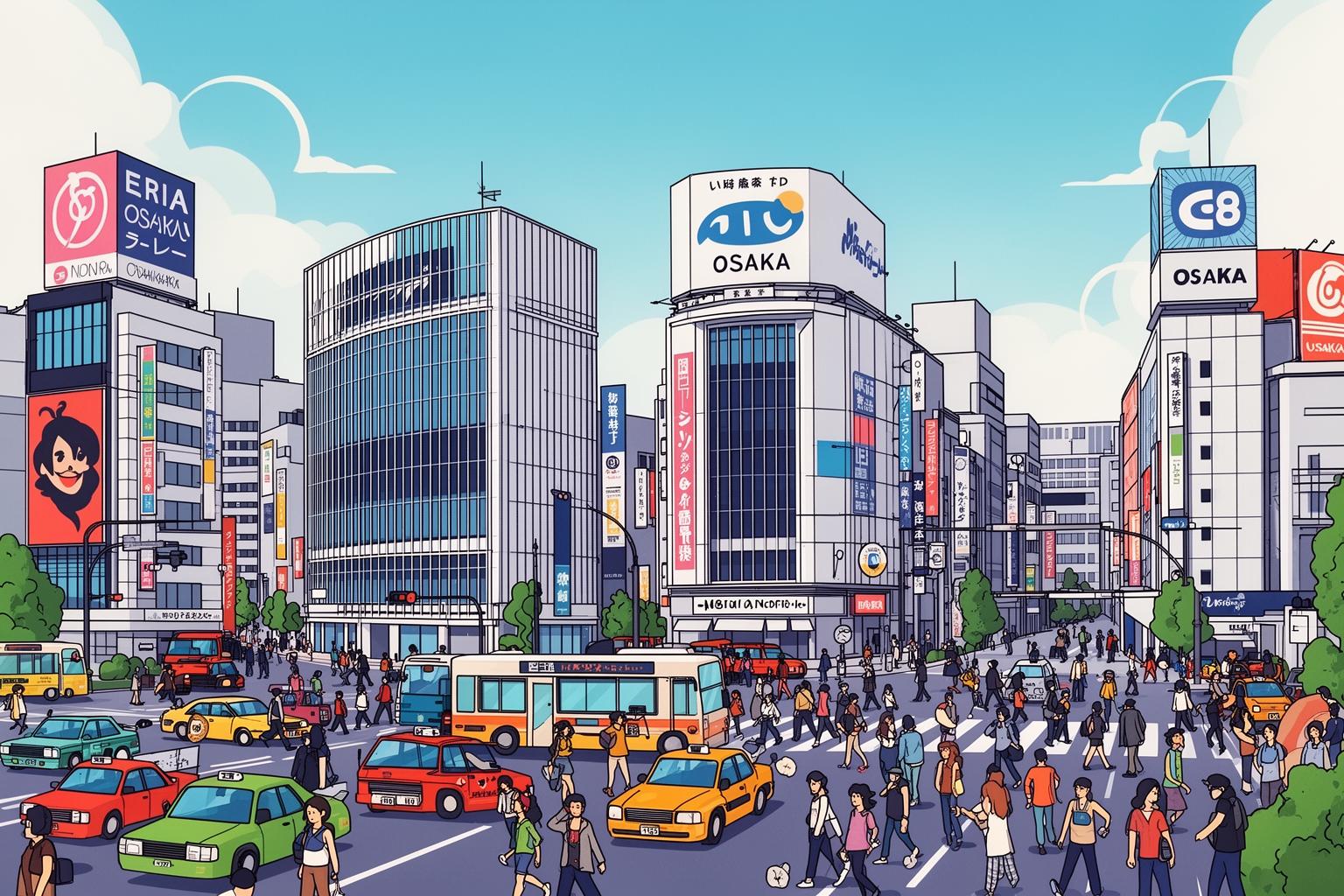
For a foreign resident, the easy cliché is to equate Osaka solely with Namba. The vibrant, friendly, food-loving city of popular imagination undeniably springs from the culture of Minami. But focusing only on that overlooks half the story. Ignoring Umeda means missing Osaka’s ambition, sophistication, and its vital role as the economic engine of Western Japan. The city is not a singular entity; it is a dynamic, living organism shaped by the ongoing interaction between these two powerful hubs. Umeda represents the city’s strategic mind, continuously planning, developing, and linking Osaka to the global economy. It demonstrates that this merchant city can match the polish and efficiency of its eastern rival, Tokyo. Namba embodies the city’s steadfast soul, a chaotic, creative, and fiercely independent heart that preserves Osaka’s historical character and irreverent spirit. True appreciation of Osaka comes not from choosing one side, but from learning to navigate the space between them. Many Osakans live this duality daily, donning corporate armor for work in Umeda before shedding it for evenings of carefree revelry in Namba. The city’s rhythm comes not from a single note, but from the harmony struck between the two. By embracing both the sleek skyscrapers of the north and the glowing laneways of the south, one begins to see the full picture: a city that is simultaneously a formidable business powerhouse and an unapologetic haven for humanity, a place that works hard, plays harder, and never forgets its identity.