The blinding neon lights of Dotonbori might draw the endless waves of tourist crowds, and the towering steel skyline of Umeda might project an image of a relentless corporate metropolis, but to truly understand the beating heart of this city, you have to look away from the guidebooks. You have to step off the major boulevards, wander down a narrow side street, and slide through the automatic glass doors of a local neighborhood grocery store. To understand the people of Japan’s kitchen, you have to look at how they shop, how they eat on a Tuesday night, and how they navigate the chaotic, colorful aisles of their daily lives. Osaka is a city built on commerce, on the energetic exchange of goods, and on a deep, almost spiritual appreciation for a good bargain. While Tokyo often feels meticulously curated, wrapped in layers of polite silence and refined aesthetics, Osaka is wonderfully loud, unapologetically practical, and deeply human. It is a city that wears its heart on its sleeve and its price tags printed in massive, bold, red font.
For a newly arrived expat trying to decipher the complex rhythms of daily life here, the supermarket is the ultimate classroom. It is where you learn the unspoken social contracts of the neighborhood. It is where you discover the seasonal shifts of the Japanese calendar, marked not by changing weather, but by the sudden appearance of roasted sweet potatoes in the autumn and ice-cold somen noodles in the blazing humidity of summer. This is not a polished travel itinerary. This is the reality of living in a city that famously champions the concept of kuidaore, a word usually translated as eating yourself to ruin, but which practically means a relentless, joyful pursuit of culinary satisfaction without being ripped off. We are going to decode the aisles of this city. We will explore how these spaces fuel the diet and the mindset of the foreign residents who call this chaotic, beautiful place home. Before we dive into the glowing signs and the crowded registers, take a look at the map below to orient yourself in the sprawling, vibrant landscape of the Kansai region’s greatest city.
Why Supermarkets in Osaka are Perfect for Foreign Visitors
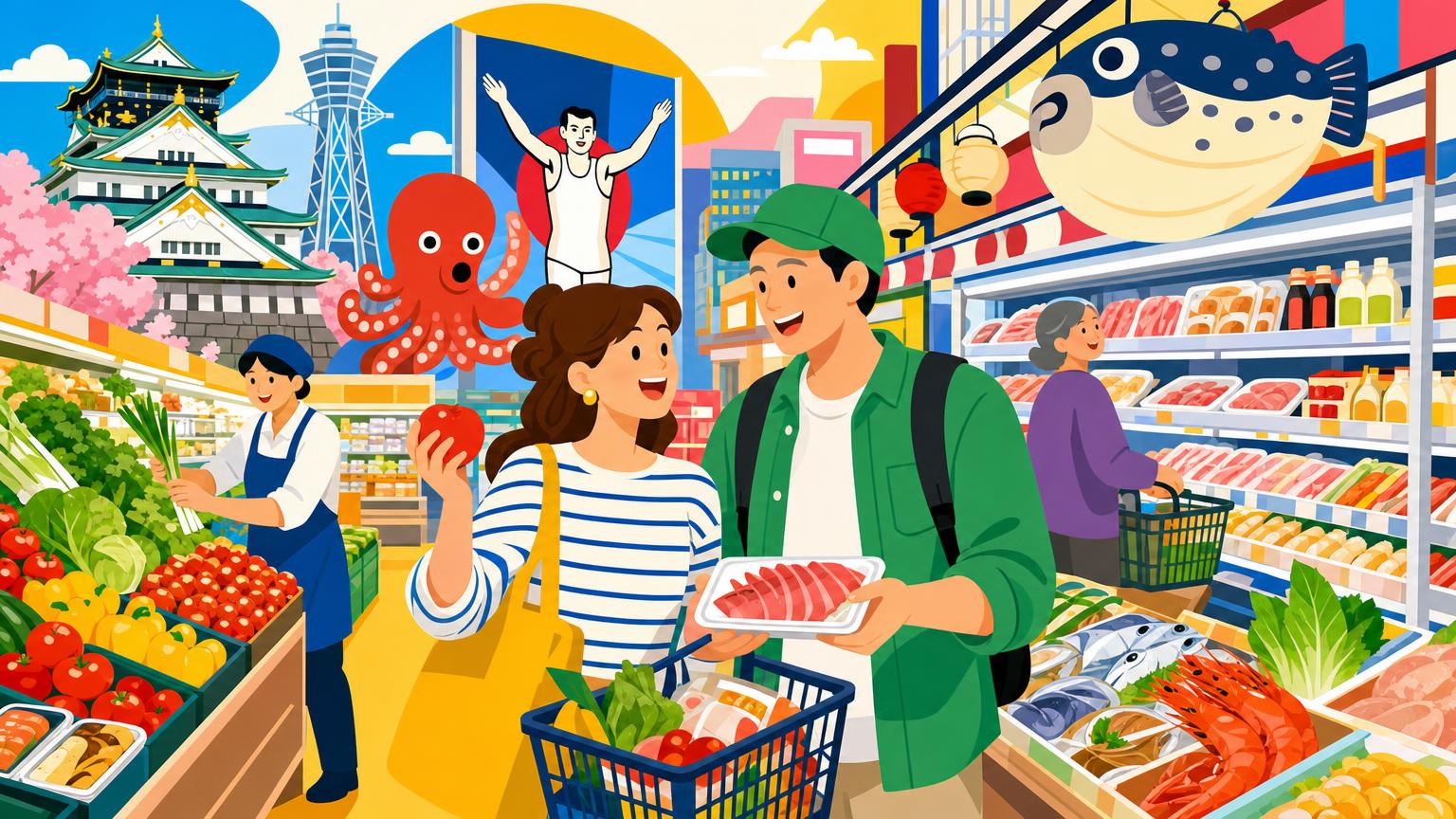
The merchant culture in this city insists that value reigns supreme. In many other parts of the world, a supermarket is simply a practical stop, a mundane task to be checked off between more significant daily events. Here, however, the grocery store serves as a destination for culinary exploration. Locals demand top-tier quality but steadfastly refuse to pay inflated prices for it. This distinctive blend of high expectations and budget-consciousness has compelled the local grocery sector to develop into an intensely competitive, impressively efficient system. For international visitors—whether you’re on a brief gastronomic tour or settling into your first apartment—this fiercely competitive market offers a treasure trove of possibilities. You entirely avoid tourist traps and connect directly with the supply chains that serve the local community.
Tax-Free Shopping for Affordable Souvenirs
Many short-term visitors mistakenly believe that souvenirs must be bought at specialized, brightly lit gift shops conveniently situated near major train stations or airport security checkpoints. Experienced expats know this is a rookie error. When friends and family come from abroad, my first stop is rarely a high-end gift boutique but rather the extensive aisles of a large neighborhood grocery store. The reasoning is practical and mirrors the local mindset. Why pay double for a small, elegantly packaged box of matcha green tea sweets when you can get the identical flavor profile in bulk from the snack aisle at a fraction of the price?
Several major grocery chains have acknowledged the rising number of international visitors and now provide tax-free shopping counters right inside the stores. You can fill your basket with premium sencha tea leaves, beloved flavored KitKats, rich sesame dressings, and intricate local rice crackers—all at regular shelf prices. Presenting your passport at the designated register deducts the consumption tax, turning an already inexpensive grocery run into an exceptionally profitable souvenir-shopping experience. This is the ultimate reflection of the local philosophy: you receive quality, quantity, and fiercely protect your wallet at the same time. It’s a savvy, street-smart way to shop that instantly connects you with the local merchant spirit.
High-Quality Ready-Made Meals and Bento Boxes
In many Western countries, supermarket-prepared food often brings to mind uninspiring images of droopy salads or rubbery microwave meals intended for desperate late-night snacking. You must completely set aside that notion when entering a Japanese grocery store. The ready-made meal section, known as the souzai area, is a culinary treasure deserving of utmost respect. For the hardworking salaryman, the exhausted English teacher, or the budget-conscious backpacker, this section is nothing less than a daily lifesaver. The diversity and uncompromising quality of the offerings highlight a culture that takes daily meals seriously, regardless of time constraints.
Stroll through this section just before the dinner rush and you’ll be greeted by an overwhelming array of sensory delights. There are large, golden-brown pork cutlets called tonkatsu, still warm and resting atop beds of crisp shredded cabbage. Perfectly portioned trays of fresh sashimi glisten under bright lights, rivaling the quality found in many mid-range restaurants abroad. Intricately arranged bento boxes are segmented with sticky white rice, grilled mackerel glazed in sweet soy sauce, rolled omelets, and vivid pickled vegetables. This is no compromised meal. It’s premium nourishment designed to fuel the relentless pace of urban life. For foreigners aiming to stretch their budget without sacrificing the authentic local culinary experience, mastering the souzai aisle is the essential first step to living like a local.
Best Osaka Supermarkets for International & Halal Foods
Living in a foreign country inevitably brings moments of intense, sudden homesickness. It is rarely a yearning for monuments or landscapes but rather a desperate, physical craving for a particular flavor from home—a certain brand of peanut butter, a specific type of chili paste, or the comforting texture of real cheese. Moreover, this city is becoming increasingly diverse. It is a gritty, welcoming melting pot that draws international students, tech workers, and language teachers from every corner of the globe. This influx of foreign residents has compelled the local grocery scene to evolve, creating spaces where global ingredients can be discovered alongside local staples.
Gyomu Super: Halal-Certified Goods and Wholesale Prices
If you ask any foreign resident how they manage the high cost of imported food in Japan, they will immediately direct you to the bright green sign of their neighborhood wholesale grocer. You simply cannot talk about budget expatriate living without planning a strategic, heavy-duty trip to a Gyomu supermarket Osaka location. Originally designed to supply restaurants and caterers, these stores are known for their bare-bones atmosphere, cardboard box displays, and enormous portion sizes. This is not the place for delicate, single-serving purchases. This is where you buy a one-kilogram bag of frozen chopped onions because you are meal-prepping for the entire month.
More importantly, these stores have become a crucial resource for the Muslim community living in the Kansai region. Navigating the typical Japanese grocery store requires extreme vigilance for those following a Halal diet, as pork extract and mirin are commonly found in countless everyday products, from potato chips to instant noodles. Gyomu has deliberately acknowledged this challenge and stocks a wide variety of clearly labeled, imported Halal-certified products. You will find massive blocks of frozen Brazilian chicken, thick stacks of frozen parathas, fragrant jars of Southeast Asian sambal, and hefty bags of imported jasmine rice. It offers a sense of dignity and relief for residents who simply want to prepare a comforting meal without having to painstakingly translate and scrutinize every ingredient label.
Kaldi Coffee Farm: Global Ingredients and Unique Snacks
Stepping into this store feels like leaving the city behind and stumbling into a dense, chaotic international bazaar squeezed into a surprisingly small retail space. Typically, you are greeted at the entrance by a staff member offering a small paper cup of sweet, milky coffee—a warm welcome that invites you to slow down and explore the maze of tightly packed shelves. The aisles are notoriously narrow, often requiring you to turn sideways to let other shoppers pass, but the minor inconvenience is entirely worth the treasure hunt.
This is the premier destination for the culinary homesick. When an American expat needs real, chunky Mexican salsa and thick tortilla chips for a weekend gathering, they come here. When a European resident is searching for a particular Italian pasta shape, a jar of rich pesto, or authentic German sausages, they scour these densely packed shelves. The store curates an incredible, rotating selection of global wines, exotic spices, and unique imported snacks that you simply won’t find in a typical domestic grocer. It reflects the curious, adventurous palate of the local population, proving that while they deeply love their domestic cuisine, they are always eager to explore flavors from around the world.
Seijo Ishii: Premium Quality and Imported Groceries
Though the local shopping scene is often associated with a pursuit of the best bargain, it is a significant misconception to think people here don’t appreciate luxury. They certainly do, but they do so with a discerning eye. This particular chain represents the premium end of the grocery market. Often strategically located inside major train stations or beneath upscale department stores, these shops provide a stark contrast to the chaotic discount warehouses found in residential neighborhoods. The lighting is softer, the aisles orderly, and the product selection meticulously focused on premium quality.
Here, you will find extensive selections of imported French cheeses, carefully curated bottles of European wine, high-end charcuterie, and artisanal chocolates. The prices are undeniably steep, reflecting the cost of importing luxury goods to this island nation, but the quality is unwavering. For foreign residents, this is not the place to stock up for the week. Instead, it is the place you visit on a Friday evening after a demanding week at the office, when you are ready to spend top dollar on a small wedge of authentic Brie and a bottle of rich red wine to reclaim a small piece of your sanity. It demonstrates that the local mindset isn’t just about saving money; it’s about knowing exactly when to save and when to splurge on something truly magnificent.
Cheapest Supermarkets in Osaka for Budget Travelers & Expats
Living in this region means participating in a daily, localized game of financial efficiency. The spirit of makete, a playful yet sincere request for a discount, fills the air. Being savvy with your money is expected. For the student surviving on a tight scholarship, the newly arrived English teacher furnishing an apartment, or the long-term traveler watching their savings shrink, securing the best possible discounts is a matter of survival. Fortunately, the city offers a variety of discount outlets tailored specifically to this relentless quest for affordability.
Super Tamade: Osaka’s Most Iconic Discount Store
No retail establishment visually captures the bold, unapologetic spirit of this city quite like this legendary chain. It can be seen from blocks away. The exterior bursts with an overwhelming mix of red and yellow, dominated by a gigantic, glowing neon sunflower that seems more fitting for a 1980s casino façade than a store selling radishes and milk. It is loud, intense, and rejects the refined, muted minimalism that Westerners often associate with contemporary Japanese design. When expats gather, sharing tales of budget survival, debates about Osaka’s cheapest supermarket always start and end with this radiant yellow landmark.
Inside, the sensory onslaught continues. Fluorescent lights buzz aggressively overhead, and recorded voices blast through cheap speakers, relentlessly announcing daily specials in a rapid-fire local dialect. The aisles are crammed with unbeatable deals. Eggs are priced so low they defy agricultural logic, enormous bags of bean sprouts cost mere pennies, and meat cuts come heavily discounted. Shopping here is a fierce, gritty experience. You’ll stand shoulder to shoulder with formidable local women, the legendary obachan, who fiercely guard their carts and won’t hesitate to hip-check you away from a discounted pack of tofu. It’s as much a cultural monument as a grocery store, embodying the raw, unrefined, and beautiful reality of the city’s working-class neighborhoods.
Don Quijote: Groceries and Tax-Free Goods in One Place
Picture combining a standard grocery store, an electronics shop, a Halloween costume outlet, and a luxury watch boutique, tossing them all into a massive blender, then pouring the chaotic mix into a multi-story building. That’s what you get when navigating this infamous discount maze. While tourists mainly come for inexpensive cosmetics, novelty socks, and duty-free electronics, savvy foreign residents know the ground floor often holds some of the fiercest grocery discounts in the city.
The layout is deliberately confusing, designed to make you meander through narrow, towering aisles packed floor to ceiling with merchandise, all while a maddeningly catchy theme song loops nonstop. But if you can endure the sensory overload, the rewards are great. You can stock up on giant bottles of soy sauce, affordable blocks of curry roux, heavily reduced instant ramen, and massive bags of rice. As a major tourist hub, the tax-free counters operate efficiently, allowing you to combine everyday grocery shopping with souvenir hunting in one large, chaotic, and incredibly cheap transaction.
Lamu and Mandai: Local Favorites for Everyday Low Prices
While the neon sunflowers and multi-story discount labyrinths steal the spotlight, the true foundation of the residential diet lies with modest, hyper-local warehouse stores. Lamu follows a brutalist efficiency model. These outlets are often massive warehouse-style buildings located slightly farther out in residential suburbs. The floors are bare concrete, products frequently displayed straight from the cardboard boxes they arrived in, and prices are astonishingly low. A hypnotic, surprisingly cheerful theme song plays on repeat, embedding itself into your mind as you fill your cart with bulk packs of frozen vegetables and remarkably inexpensive baked goods.
Mandai, meanwhile, reigns supreme among local housewives. It lacks the flashy gimmicks of other discount chains but commands fierce loyalty through the exceptional quality and affordability of its fresh produce and seafood. The fish section is legendary locally. Here, you can find beautiful, glistening cuts of seasonal fish at a fraction of the price charged by premium grocers. Shopping at Mandai on a Saturday morning offers a pure, unfiltered glimpse into domestic life in the Kansai region. It’s practical, crowded, and entirely focused on providing genuine value to neighborhood families relying on it to put dinner on the table.
Top Supermarkets by Major Osaka Areas
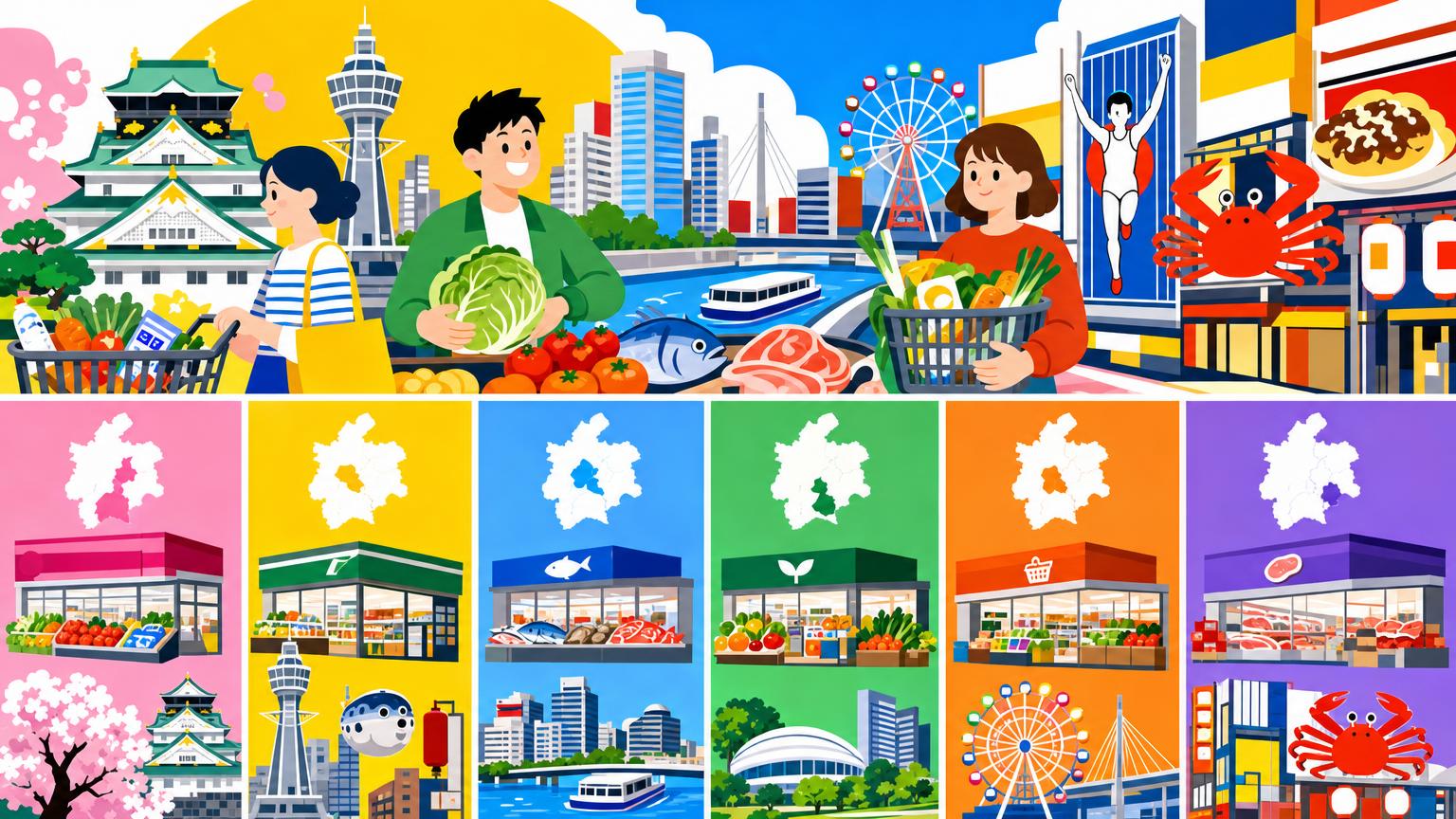
The geography of this metropolis profoundly shapes your shopping experience. The city is largely divided into two key areas: the sleek, towering business district in the north, and the gritty, lively, endlessly entertaining district in the south. Depending on whether you live or stay in one area or the other, your access to groceries will vary completely, reflecting the unique vibes of these two contrasting urban centers.
Convenient Supermarkets Near Osaka Station (Umeda)
The northern area is a vast network of connected skyscrapers, upscale department stores, and extensive underground shopping complexes. This district is designed for corporate efficiency, fast transit, and luxury retail. As a result, finding a practical, budget-friendly supermarket near Osaka Station can feel like searching for a whisper in a hurricane. Surrounded by luxury, obtaining a simple carton of milk demands specialized knowledge of the underground maze.
The key is to look downward. Beneath the towering office buildings, in the basements of department stores, lie depachika—the famed food halls offering high-end groceries and exquisite prepared meals. But for everyday needs, you must seek out the underground branches of chains like Life or the compact, strategically designed Foodium stores near secondary train exits. These shops primarily serve rushing salarymen and busy office workers, focusing on single-serving meals, pre-cut vegetables, and quick energy drinks. Massive warehouse deals are absent, but you’ll find exactly what’s needed to survive a tough week in the corporate grind, all packaged with maximum convenience.
Best Grocery Spots Around Namba and Shinsaibashi
Down in the southern entertainment hub, everything changes. This is the historic center of the city’s nightlife—a neon-lit maze of bars, clubs, restaurants, and late-night cafés. The energy here never fades; it simply transforms as the night progresses. Grocery stores here accommodate this nonstop, 24-hour lifestyle, targeting not the traditional nuclear family but the eclectic, vibrant crowd that populates the night.
Stores like Foodium in Higashi Shinsaibashi and the 24-hour discount grocers scattered around the edges of Dotonbori offer a fascinating glimpse into urban life at 3 a.m. You might stand in line behind a tired tourist buying late-night rice balls, a hostess in an elaborate gown grabbing a quick snack between shifts, and a local bar owner stocking up on bags of ice and emergency soda water. The aisles are narrower, the atmosphere frantic, and shelves constantly replenished to keep up with the endless flow of customers. It’s grocery shopping charged with the electric, gritty energy of the city’s most notorious entertainment district.
Essential Tips for Foreigners Shopping at Japanese Supermarkets
Stepping into a local grocery store for the first time can be surprisingly intimidating. The language barrier is only part of the challenge. The real difficulty arises from unspoken social protocols, the highly specific flow of foot traffic, and the unique systems used at the checkout counters. The merchant culture here depends heavily on communal efficiency. Everyone is expected to know their role in this delicate dance of commerce, and holding up the line because you don’t understand the system quickly earns frustrated sighs from busy shoppers behind you. Mastering these subtle mechanics is the final step to fully integrating into the rhythm of the neighborhood.
Cash vs. Cashless Payments at the Register
When you finally navigate the aisles and reach the register, you might suddenly feel a rush of panic. The payment system in this country is currently caught in an intriguing, sometimes confusing transition between a deep-rooted reliance on physical cash and a rapid shift toward high-tech cashless options. You place your red shopping basket on the counter. The cashier greets you with a rapid, polite flurry of honorific Japanese and begins scanning your items at a dizzying speed, expertly transferring them from the red basket into a different colored basket.
You might instinctively reach for your wallet, expecting to hand your cash directly to the cashier. Instead, they bow slightly and gesture toward a glowing, semi-automated machine positioned at the end of the counter. This hybrid system surprises every newcomer. The human worker handles scanning and bagging logistics, while the machine manages the financial transaction. You insert your bills and drop coins into the glowing slots, and the machine dispenses your exact change with mechanical precision. Alternatively, you can tap your transit IC card or scan a QR code on your phone if you have a local payment app set up. It’s a beautiful, highly efficient compromise between the warmth of human service and the speed of modern automation, but it requires you to be alert and ready to interact with the machine the moment the cashier finishes scanning.
Plastic Bag Fees and Eco-Bags
One of the most crucial parts of the supermarket flow is the bagging process. Unlike many Western countries, where the cashier slowly and meticulously packs your groceries while you pay, the system here is entirely self-service. When the transaction is complete, the cashier hands you your freshly filled basket and directs you to step away from the register. You are expected to move immediately to a designated bagging station—a long counter against the wall equipped with damp sponges for opening tricky plastic produce bags and recycling bins for discarded packaging.
Moreover, the era of free plastic bags is over. During checkout, you will be asked if you need a bag, and you’ll be charged a few yen for each one. Local residents have adapted to this change with ruthless efficiency. Almost everyone carries a compact, foldable eco-bag in their purse or briefcase. The bagging counter is a place of silent, focused activity. You pull out your reusable bag, expertly arrange heavy items at the bottom and fragile produce at the top, return your empty shopping basket to the designated stack, and exit the store. It’s a brilliant system that keeps checkout lines moving at lightning speed—provided you know exactly where to go and what to do once the receipt is printed.
The Magic of Late-Night Discount Stickers
To witness the true, unvarnished spirit of the local bargain-hunting culture, visit the supermarket in the fading hours of the evening, usually around eight or nine o’clock. This is when the daily ritual of the discount sticker unfolds. Because the local culinary culture places a very high premium on freshness, any prepared foods, bento boxes, or raw sashimi not sold by evening must be cleared out to make room for the next day’s fresh inventory. Rather than discarding the food, the store gradually slashes prices.
The process is almost a spectator sport. A store employee emerges from the back room carrying a handheld label maker loaded with brightly colored stickers, usually yellow or red. They systematically walk down the aisles, applying stickers that announce a twenty, thirty, or eventually a glorious fifty percent discount. Local shoppers—the formidable housewives and budget-conscious expats—shadow this employee with patient determination. They hover near sushi displays, refusing to pick up a tray until the employee steps forward and slaps the half-off sticker onto the plastic wrap. The moment the sticker is applied, hands dart in to claim the prize.
Participating in this nightly ritual makes you feel instantly connected to the pulse of the city. Securing a beautiful, high-quality tray of fatty tuna sashimi for the price of a cheap fast-food burger is a victory that transcends language barriers. It is the ultimate expression of living in a city that celebrates good food, values good bargains, and welcomes anyone willing to learn the rules of the game and join in the hunt.