
Walk into a Super Tamade for the first time, and your senses will short-circuit. It’s not a gentle introduction; it’s a full-frontal assault. Flashing neon lights, more suited to a pachinko parlor, strobe across mountains of discounted cabbage. A relentless, upbeat J-pop track, possibly from a decade ago, blasts from tinny overhead speakers, punctuated by frantic, high-pitched announcements about today’s specials. The air smells of fried croquettes, fresh fish, and a faint, indefinable sweetness. Towering, hand-scrawled signs in thick, angry-looking red and black ink scream prices at you: 98 yen, 45 yen, and the mythical, holy grail of Osaka bargain hunting—1 yen. This isn’t the serene, perfectly curated, minimalist grocery experience you might associate with Japan. This is Osaka. And this isn’t just a supermarket. It’s a cultural institution, a battleground for savvy shoppers, and perhaps the single best window into the city’s soul. For any foreigner trying to move beyond the tourist trail of takoyaki stands and ancient castles, understanding a place like Super Tamade is essential. It’s here, in the chaotic aisles of a deeply local, unapologetically garish grocery store, that you begin to understand what makes Osaka tick—a rhythm of life that’s practical, proud, and profoundly different from the polished veneer of Tokyo.
The vibrant energy that pulses through Super Tamade extends to other corners of the city, where exploring how Osaka’s bustling tachinomi build community can deepen your understanding of local life.
What is Super Tamade? The Kingdom of ‘Meccha Yasui’
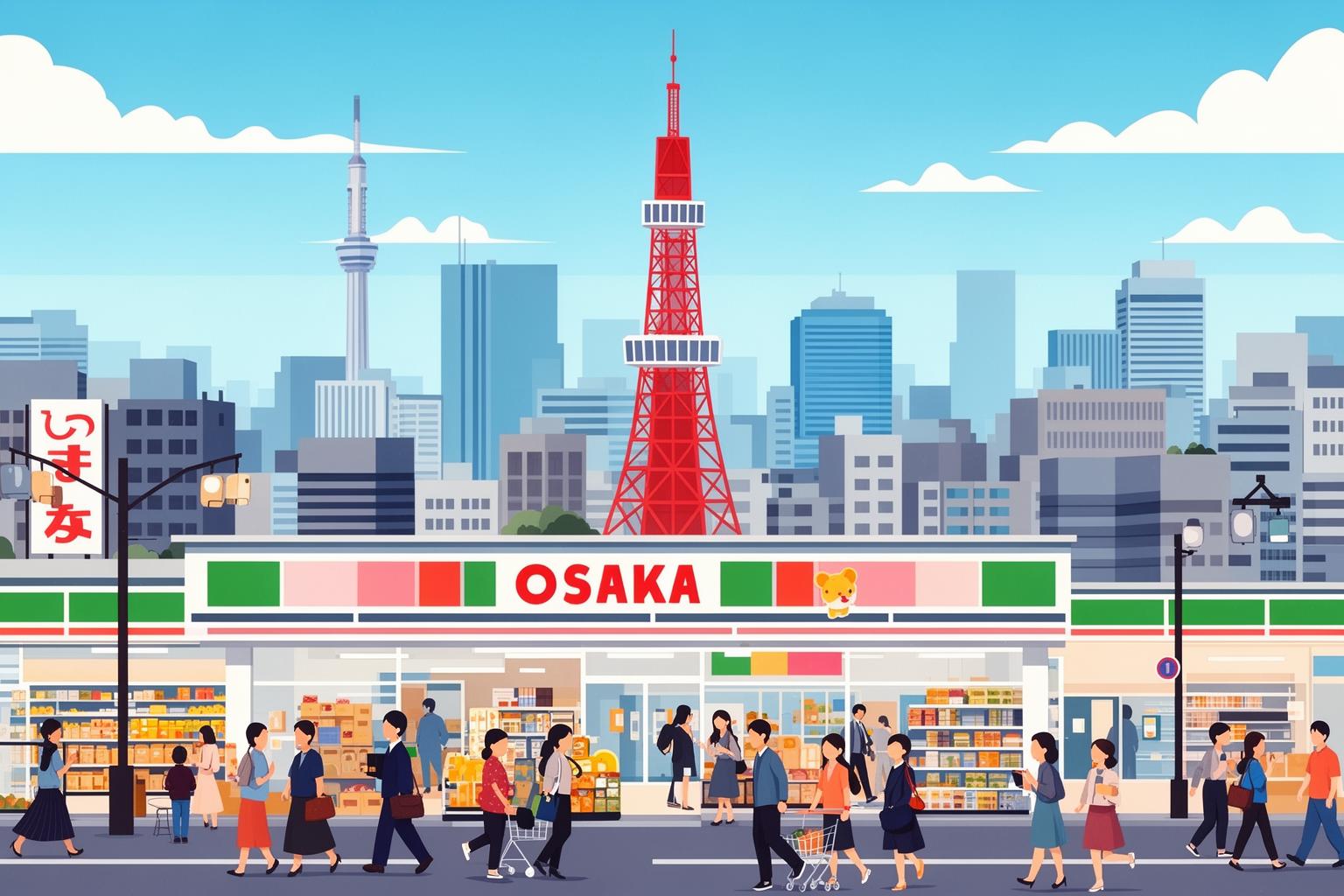
At its core, Super Tamade is a chain of discount supermarkets primarily located in Osaka. However, that description hardly does it justice. It doesn’t convey the sheer spectacle of the experience. Locals affectionately—or sometimes ironically—call it the store that “never sleeps,” with many branches open 24 hours, their gaudy lights serving as constant beacons in quiet residential areas. The key concept here is ‘meccha yasui’—an Osaka-ben phrase meaning “crazy cheap.” This is more than a marketing slogan; it’s a deeply rooted philosophy that shapes every aspect of the store, from its visual style to its product selection.
A Symphony of Chaos
Tamade’s aesthetic can best be described as “anti-design.” While Tokyo supermarkets like Seijo Ishii or Kinokuniya favor warm wood tones, soft lighting, and carefully curated displays of imported cheeses, Tamade takes a different approach. It embraces visual chaos. The colors clash in a shocking combination of bright yellow, hot pink, and electric blue. Products aren’t neatly arranged but rather piled up, fostering a treasure-hunt vibe where a discounted soy sauce bottle might be found next to a box of children’s candy. The iconic yellow plastic bags serve as mobile advertisements and a badge of honor for shoppers around the city. Spotting someone on the train carrying a Tamade bag doesn’t just reveal where they’ve shopped; it signals that they’re a practical, savvy shopper who understands the value of a yen. The constant sensory input—the flashing lights, background music, and shouted deals—isn’t a flaw but a deliberate feature. It generates urgency and excitement, turning a routine grocery trip into a lively, almost gamified experience.
The Philosophy of Price
Tamade’s pricing strategy is aggressive and theatrical, built around a concept Osakans instinctively grasp: the thrill of the deal. The most famous example is the legendary 1-yen sale. This isn’t a simple giveaway. To purchase a 1-yen item—whether it’s a carton of eggs, a block of tofu, or a bag of bean sprouts—you generally need to spend 1,000 yen on other products first. This clever marketing tactic perfectly aligns with the local mindset, transforming shoppers from passive buyers into active participants. Customers find themselves strategizing, calculating, and hunting through aisles to meet the 1,000-yen threshold. Scoring that 1-yen item feels like a genuine victory, a sign of shopping skill. This spirit permeates everything in the store. The bento boxes and prepared foods, known as ‘sozai,’ are famously affordable. You can get a full meal of fried chicken, rice, and pickled vegetables for just a few hundred yen. Prices drop even further as the day ends. Visiting Tamade an hour before closing is a rite of passage, where you’ll see clerks applying discount stickers—20% off, 30% off, and the coveted ‘hangaku’ (half-price) labels—on everything from sushi to salads. For students, single office workers, and budget-conscious shoppers, Tamade serves as an essential part of the neighborhood economy.
Tamade Isn’t a Store, It’s an Osaka Mindset
To dismiss Tamade as merely a “cheap store” is to fundamentally misinterpret its significance within Osaka culture. The store perfectly mirrors the city’s core values: pragmatism, financial savvy, and a deep-rooted rejection of pretension. It captures the spirit of the ‘akindo,’ the merchant class responsible for building Osaka into an economic powerhouse.
Practicality Over Presentation
Across much of Japan, especially in Tokyo, aesthetic perfection is highly valued. Fruits are typically sold in pristine, individually wrapped packages, each flawless and blemish-free. Tamade, however, follows a different principle. Vegetables may be oddly shaped, packaging simple, and displays somewhat chaotic, but the food is fresh, and the value is clear. The unspoken question in every aisle is, “Why pay double for a perfectly round tomato when this slightly lumpy one tastes exactly the same?” This exemplifies Osaka pragmatism at its finest—a focus on substance over style, function over form. Shoppers aren’t seeking a calm, spa-like experience; they’re striving to get the best possible food at the lowest price. This practical mindset is reflected in the store’s layout as well. Narrow aisles packed with merchandise encourage interaction and negotiation among shoppers, resembling a lively outdoor market rather than a modern supermarket. There’s a shared, unspoken understanding that everyone is there for the same purpose, creating a subtle sense of camaraderie.
The Art of the Deal: A Source of Pride
Importantly, shopping at Tamade isn’t considered a mark of poverty. Rather, it signifies intelligence. Financial savvy is highly prized in Osaka. A popular local saying goes: “Kechi ya nai, kashikoi ya,” meaning, “It’s not stingy, it’s smart.” People openly and proudly share the amazing deals they’ve uncovered. Telling a friend you got a whole daikon radish for 50 yen isn’t an admission of hardship; it’s a boast of consumer skill. This mindset stems from Osaka’s history as Japan’s merchant capital. For centuries, the city’s identity has been shaped by shopkeepers, traders, and artisans who thrived by negotiating, evaluating value, and making smart profits. That commercial spirit remains vibrant today—not only in boardrooms but also in grocery aisles. An Osaka ‘obachan’ (a middle-aged or elderly woman) skillfully navigating a 1-yen sale channels the same energy as Edo-period rice merchants. This contrasts sharply with Tokyo’s consumer culture, where social status is often linked to brand names, exclusive department stores, and the appearance of effortless wealth. In Osaka, status is earned by proving you’re too clever to be fooled by fancy marketing and inflated prices.
A Guide to Your First Tamade Expedition

Exploring Tamade for the first time can feel overwhelming. However, with the right approach, it becomes a rewarding and distinctly Osakan experience. Consider it less a routine errand and more a cultural excursion.
When to Go and What to Expect
Timing is crucial at Tamade. For the best experience, sync your visit with the store’s natural flow. Look out for local flyers (‘chirashi’), often found in mailboxes or online, to check daily specials and 1-yen sales. The atmosphere is most vibrant in the early evening, as people drop by after work to grab dinner. This is when the search for discounted ‘sozai’ really heats up. To see the real rush, arrive about an hour before closing, when half-price stickers appear and the competition for the last discounted bento boxes intensifies. Be ready for a primarily cash-based experience. Although larger, newer locations accept credit cards and electronic payments, many traditional neighborhood Tamade stores still prioritize cash. Carrying yen is always the safest option and helps keep the checkout line moving, which fellow shoppers will appreciate. Don’t expect English signage or assistance—this is a place made by and for locals. But a little pointing, smiling, and a simple “kore, kudasai” (“this one, please”) will go a long way.
Decoding the Aisles: What to Actually Buy
Knowing what to focus on is essential for a successful Tamade trip. Some items almost always represent fantastic value, while others are better sourced elsewhere.
The Hits: Tamade shines with staples. Canned goods, instant noodles, cooking oil, soy sauce, snacks, and soft drinks are consistently cheaper here than anywhere else. Basic produce like onions, potatoes, cabbage, and bean sprouts also offer great value. The tofu and noodle sections are a treasure trove. But the star is undoubtedly the prepared foods section. For just a few hundred yen, you can enjoy a generous portion of ‘karaage’ (Japanese fried chicken), a pile of ‘korokke’ (croquettes), or a surprisingly tasty ‘takoyaki‘ platter. The bento boxes are legendary, providing a satisfying and varied meal for less than the price of a coffee at a stylish café.
The Maybe-Misses: While Tamade is a goldmine, savvy Osaka shoppers know it isn’t a one-stop shop for everything. For premium cuts of meat or sashimi-grade fish, it’s better to visit specialized butchers or fishmongers, or mid-range supermarkets. The quality isn’t necessarily poor, but the main selling point here is price rather than premium grade. The Osaka pro’s strategy is to rely on Tamade for what it does best—stocking up on basics and grabbing inexpensive, tasty prepared meals—while supplementing with visits to other stores for specialty products. This multi-store routine is a hallmark of daily life in the area.
Beyond Tamade: The Wider World of Osaka Supermarkets
While Super Tamade stands out as the most famous and flamboyant example, it is part of a wider ecosystem of supermarkets that each caters to Osaka’s value-conscious culture in its own way. Getting to know these other players offers a fuller understanding of life in the city.
Gyomu Super (業務スーパー): The name means “Business Supermarket,” originally intended to serve restaurants and small businesses. However, it is open to the public and has become extremely popular with families and anyone who enjoys buying in bulk. The atmosphere is less like a “pachinko parlor” and more like a “no-frills warehouse.” Here you’ll find huge bags of frozen vegetables, gallon-sized sauce bottles, and imported products at surprisingly low prices. Similar to Tamade, it emphasizes value over appearance, but focuses on bulk savings rather than daily discounts.
LIFE & Mandai: These supermarkets act as the stalwarts of Osaka’s supermarket scene. They strike a middle ground, offering a blend of quality and price that attracts a wide range of shoppers. They are cleaner, more orderly, and less hectic than Tamade, while still preserving a distinct local character. They often stock excellent private-label brands (‘PB’ products) that deliver great value and play a key role in the weekly shopping routines of many families. Both chains run their own sales and point card programs, catering to Osakans’ enthusiasm for accumulating savings and rewards.
Sato & Konoike: Going further, you’ll encounter more localized chains such as Sato and Konoike. These are genuine neighborhood markets, typically smaller and deeply embedded in the communities they serve. They may not match Tamade’s rock-bottom prices, but they offer familiarity and convenience. Shopping there means seeing the same faces regularly, with staff often knowing their customers by name. They serve as a reminder that Osaka, despite its size, is a city composed of distinct villages.
Why This Matters for Living in Osaka

Understanding Osaka’s supermarkets goes beyond simply finding affordable groceries; it’s about grasping the city’s unique character. These shops are not sterile, impersonal retail outlets; they are vibrant, living extensions of the communities they serve.
It’s a Reflection of the People
Super Tamade perfectly embodies the spirit of Osaka. It is loud, somewhat flashy, and entirely indifferent to outsiders’ opinions. It is straightforward, efficient, and unwaveringly practical. It values cleverness over inherited status and takes pride in the simple, tangible victory of scoring a great deal. To appreciate the brilliance of Tamade is to start understanding the people of Osaka themselves: their humor, resilience, merchant’s spirit, and the firm belief that it’s not stingy, it’s smart. The direct, no-nonsense tone of the store’s announcements reflects the typical Osakan way of speaking—straightforward, without the layers of formal pleasantries common elsewhere.
Finding Your Place in the Community
For a foreigner, becoming a regular at a neighborhood supermarket like Tamade is a meaningful step toward integration. It’s a way to break out of the expat bubble and immerse yourself in the authentic rhythm of the city. You’ll learn when the best discount times are. You’ll begin to understand the rapid-fire Osaka-ben spoken around you. You’ll share small, everyday moments—a nod with another regular, a quick chat with the cashier—that cultivate a sense of belonging. In the sprawling anonymity of a huge metropolis, these little connections are what turn a mere place of residence into a real home. Embracing the vibrant, unapologetic chaos of Super Tamade is more than a shopping tactic; it’s an acceptance of Osaka on its own terms. It’s about shedding preconceived ideas of what Japan should be and learning to love the lively, practical, and deeply human reality of what Osaka truly is.