Step off the bullet train at Shin-Osaka station, navigate your way to the Midosuji subway line, and within minutes, you will encounter your first unspoken rule of the city. You will notice that everyone is standing on the right side of the escalator. If you have just arrived from Tokyo, where the left side is the undisputed domain of the stationary commuter, this sudden switch can feel like crossing an invisible national border. And in many ways, you have. Welcome to Osaka. This is a city that operates on its own distinct wavelength, proudly defiant of the polished, quiet, and hyper-structured norms of the Japanese capital. Osaka is loud, it is fiercely pragmatic, and it runs on a potent mixture of humor, merchant-minded hustle, and a deeply ingrained sense of community.
For expats, foreign workers, and long-term wanderers looking to put down roots, understanding Osaka requires looking past the shiny travel brochures. You cannot decode this city simply by eating takoyaki under the neon glow of the Glico Man sign. You have to understand the people, the rhythm of the streets, and most importantly, the profound cultural divide that splits the city into two distinct halves. Ask any local where they spend their time, and you will inevitably hear them declare their allegiance to either Kita or Minami. North or South. This is not just a geographical boundary. It is a psychological one.
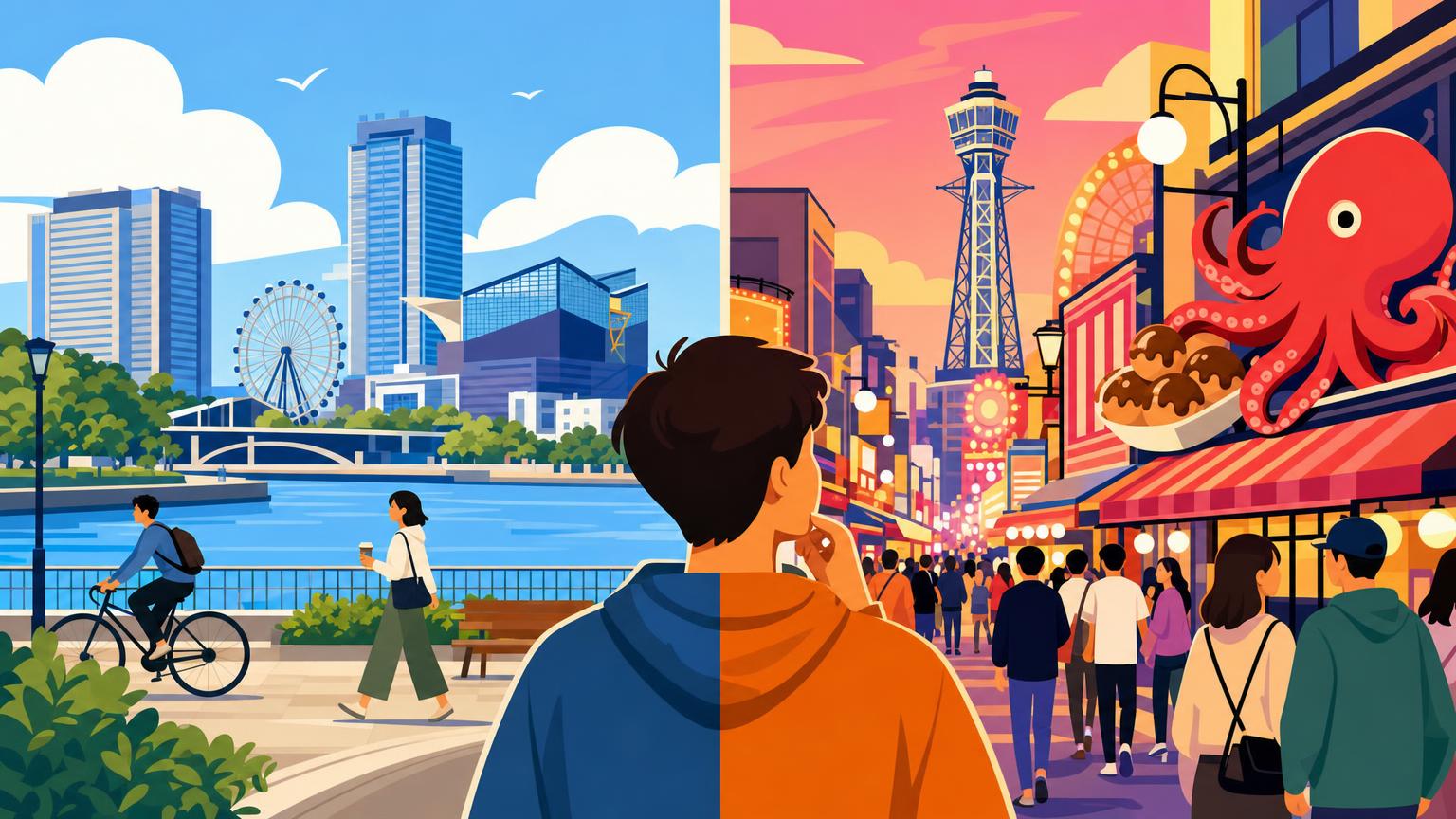
Choosing where to live, where to hang out, and where to build your community in Osaka ultimately comes down to understanding the Kita versus Minami mentality. Kita represents the sleek, forward-looking, cosmopolitan face of the city. Minami represents the raw, traditional, beating heart of Osaka’s merchant past. As someone who loves exploring the stylish corners of the world and decoding the vibrant energy of local neighborhoods, I am here to help you navigate this massive urban landscape. Whether you are hunting for an apartment, trying to figure out where your lifestyle fits best, or simply wanting to understand why your Osaka colleagues act the way they do, this resident guide will walk you through everything you need to know about the North and South divide.
Kita vs. Minami: Understanding Osaka’s Two Major Hubs
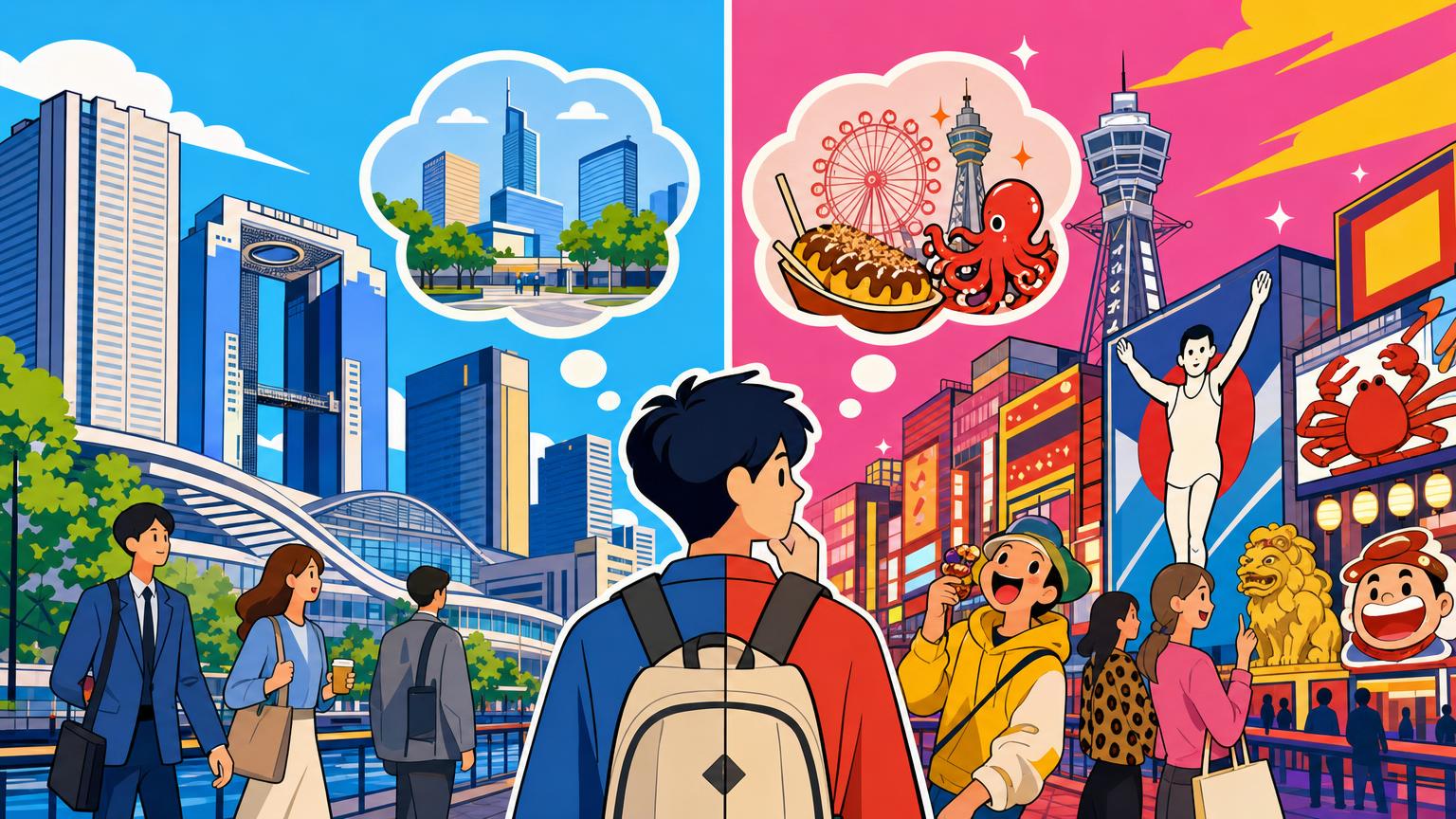
To fully understand what makes daily life in Osaka so captivating, you first need to grasp the city’s cultural layout. Unlike Tokyo, which consists of a sprawling network of distinct districts such as Shibuya, Shinjuku, Roppongi, and Ginza, Osaka is largely bipolar. The city centers around two major hubs: Kita, meaning North, anchored by the extensive Umeda station complex, and Minami, meaning South, focused on the busy, maze-like Namba district.
This division is not a recent creation by real estate developers but is deeply rooted in the city’s history. Historically, Osaka was Japan’s merchant capital, fondly called the nation’s kitchen. The southern area was home to theaters, geisha houses, and vibrant entertainment districts, serving as a playground for merchants celebrating successful deals. The northern area, closer to the ancient capital Kyoto and located along key trading rivers, gradually developed into the region’s administrative and corporate center.
Today, the influence of this historical background remains strikingly evident in how people speak, dress, and behave in these two areas. Foreign residents often experience culture shock depending on which ward they settle in. Living under Umeda’s glass skyscrapers feels completely different from waking up near Namba’s retro arcades. Unspoken social norms shift, the tone and vocabulary of Japanese subtly change, and even neighborhood interaction rules vary greatly from north to south. By understanding these two distinct personalities, you can appreciate Osaka not just as a tourist spot but as a complex, living, breathing hometown.
Kita (Umeda): The Modern, Polished Heart of Osaka
When you step out of the intricate underground maze of Umeda station, you are immediately met with towering glass facades, elevated walkways, and an undeniable sense of swift, purposeful movement. Kita serves as Osaka’s counterpart to Tokyo’s Marunouchi or Shinjuku districts, but with a distinct Kansai warmth infused. This is the heart of corporate western Japan, home to the headquarters of major international companies, where the city exudes its most globalized, structured, and affluent atmosphere.
Overall Vibe and Atmosphere
Kita’s atmosphere is marked by its polish. People tend to walk a bit faster here. Fashion leans towards the conservative side, showcasing sharp suits, designer trench coats, and subtle luxury brands. For expats in corporate roles or anyone who values a highly organized, pristine urban setting, Kita instantly feels welcoming. It is undeniably refined. Yet, it’s important not to mistake Kita as merely a replica of Tokyo.
Despite the presence of upscale department stores and sleek office lobbies, the core Osaka mindset endures. People remain practical, appreciate a good bargain, and favor straightforward communication over the sometimes overly formal and distant exchanges common in the capital. The sophistication of Kita is essentially a surface layer over the city’s inherent pragmatism. Living in Kita means having access to top-tier infrastructure. The streets are impeccably clean, public spaces are carefully maintained, and residential areas surrounding the commercial center offer a surprisingly peaceful, high-quality way of life.
Top Things to Do in Kita
From a resident’s viewpoint, life in Kita revolves less around sightseeing and more around nurturing a refined daily routine. Weekends are often spent exploring the vast depachika food halls in the basements of Hankyu and Hanshin department stores, searching for premium imported groceries or artisanal pastries. Expats in Kita frequently enjoy Sunday afternoons wandering through Nakazakicho, a neighborhood a short walk from Umeda that miraculously escaped wartime bombings. Today, its narrow alleys and pre-war wooden buildings have been transformed into stylish cafes, vintage clothing boutiques, and quiet art galleries—an ideal photogenic refuge from the urban sprawl.
Networking and socializing in Kita take on a unique flavor. After-work gatherings commonly happen in Kitashinchi, an upscale entertainment district filled with hidden wine bars, premium sushi counters, and exclusive lounges. While it can be pricey, residents know the secret spots where excellent dining doesn’t have to be extravagant. An evening stroll along the Nakanoshima riverbank, surrounded by beautifully illuminated historic buildings and the sleek lines of modern museums, is a quintessential Kita experience. It’s a lifestyle defined by convenience, visual elegance, and a quiet, cosmopolitan vibe.
Minami (Namba): The Vibrant, Neon-Lit Soul of the City
If Kita represents the city’s polished, professional facade, Minami is its wild, uninhibited, beating heart. Minami embodies the Osaka you see on screen: a neon-lit, chaotic, vibrant jumble of narrow streets, endless food stalls, and unabashed local pride. Centered around Namba, Dotonbori, and Shinsaibashi, this area perfectly captures the classic Osaka stereotype: loud, humorous, fiercely friendly, and passionate about good food.
Overall Vibe and Atmosphere
The moment you step into Minami, the visual cacophony hits a crescendo. Giant mechanical crabs perch over seafood restaurants, enormous neon signs reflect off the Dotonbori canal, and the streets overflow with a colorful mix of locals, tourists, host club promoters, and quirky characters. Fashion here is daring, vivid, and highly expressive. The unwritten rule in Minami is that there are no rules. Individuality is embraced, and blending in is totally optional.
For foreign residents, living in or around Minami is an immersive introduction to the true Kansai spirit. People here live by the concepts of ‘giri’ and ‘ninjo’—duty and human emotion. Interactions feel raw and genuine. Shopkeepers in the local shotengai arcades call out their daily specials, expecting you to respond. If you try to speak stiff, textbook Japanese, you’re likely to be met with an amused chuckle and a rapid barrage of Kansai dialect. Minami demands your engagement. It can be overwhelming for those who prefer quiet solitude, but for anyone eager to connect deeply with the city’s heartbeat, there is no place like it.
Top Things to Do in Minami
Daily life in Minami revolves around community, food, and late-night endurance. Residents avoid the tourist-heavy areas of Dotonbori, instead exploring the maze of narrow alleys in Hozenji Yokocho or the tough, authentic standing bars of Ura-Namba. This is where you live the famous Osaka concept of ‘kuidaore’—eating until you drop. Locals quickly learn which izakayas serve the best doteyaki—a rich beef sinew stew—and which takoyaki stands are genuinely loved by neighborhood grandmothers.
Shopping in Minami is less about luxury shopping and more about the thrill of discovery. Residents wander through endless covered arcades, picking up fresh produce, affordable household goods, and quirky clothing. The presence of Kuromon Market and the sprawling electronic district of Nipponbashi means everything you might need is just a lively bike ride away. Living in Minami means embracing the noise, making friends with your local bartender, and knowing that your weekends will always be unpredictable, slightly chaotic, and endlessly fun.
The Ultimate Comparison: Which Area Wins?
Choosing between Kita and Minami is the ultimate rite of passage for any foreign resident relocating to Osaka. There is no one-size-fits-all answer; rather, the right choice depends on your individual lifestyle, personality, and career needs. To help you find your vibe, let’s break down how these two giants compare across the key categories that truly matter when you’re building a life here.
Food and Nightlife Scene
Osaka’s culinary culture is famously bold, but the experience varies greatly depending on your neighborhood. In Kita, the dining scene is sophisticated. You’ll find numerous Michelin-starred restaurants, stylish craft cocktail bars, and international cuisine tailored to a well-traveled corporate crowd. If your ideal Friday night involves savoring a perfectly crafted martini in a high-rise lounge with city views or enjoying a quiet, intimate omakase dinner, Kita is unmatched. Nightlife here wraps up earlier, with a distinctly more mature and reserved atmosphere.
Minami, by contrast, reigns supreme in street food, casual eateries, and all-night parties. The food is hearty, deeply satisfying, and surprisingly affordable. Minami’s nightlife is legendary and vibrant. It’s the domain of tachinomi, standing bars where personal space is scarce, and you’ll likely find yourself chatting with the salaryman beside you. If your plan includes drinking until dawn, grabbing cheap late-night ramen, and waking up with a camera roll full of pictures with new acquaintances, Minami is your place.
Shopping Experience
Your shopping preferences are largely shaped by your neighborhood. Kita features vast, immaculate retail complexes. Grand Front Osaka, Lucua, and the extensive underground malls house every major international brand, premium electronics, and stylish home goods. It’s a polished, efficient, and thoroughly modern shopping experience. The only catch? Getting lost in the labyrinthine Umeda underground malls is a rite of passage for every resident until they learn their way around.
Minami offers a very different shopping scene. While Shinsaibashi has its share of luxury boutiques, Minami’s shopping heart lies in its shotengai—the traditional covered shopping arcades—and eclectic areas like Americamura. Here you’ll discover vintage thrift stores, independent streetwear labels, and discount groceries such as the famously flamboyant Super Tamade. Shopping in Minami is a hands-on, high-energy adventure where bargaining in smaller shops is sometimes welcomed, and the sheer volume of goods spilling onto the streets can be overwhelming.
Transportation and Day Trips (Kyoto, Nara, and Kobe)
Transportation access is critical for expats working throughout Kansai or those who enjoy weekend escapes. This is where Kita truly shines. Umeda is the undisputed transit hub of western Japan, offering immediate, rapid access to JR lines, Hankyu, and Hanshin networks.
Commuting from Kita means reaching Kobe’s trendy port city in twenty minutes or exploring Kyoto’s historic temples in under forty minutes. Moreover, Kita neighbors Shin-Osaka station, providing instant access to the Shinkansen bullet train network. For those who frequently travel domestically, take business trips to Tokyo, or enjoy weekend getaways, living in Kita is a logistical dream.
Minami is less connected to the wider domestic rail network but holds a significant advantage for international residents: the Nankai Line. Namba station offers direct, seamless access to Kansai International Airport. If you travel internationally often or frequently visit Southeast Asia, living in Minami saves you valuable time and stress on your airport commute. Minami is also ideally positioned with direct train routes to the ancient capital of Nara, perfect for history buffs.
Where to Stay in Osaka: Kita or Minami?
Selecting a neighborhood to sign a lease or arrange an extended stay is a highly personal decision. Differences in rent, noise, and community atmosphere are significant. Here is a practical guide to help match your housing choice with your daily lifestyle.
You Should Stay in Kita If…
- Your daily commute involves traveling to Kyoto, Kobe, or regularly using the Shinkansen network for work.
- You prefer a quiet, orderly, and pristine residential area, favoring modern high-rise apartments or calm, gentrified streets.
- You prioritize being close to upscale grocery stores, international corporate offices, and refined dining options rather than late-night street food.
- You are prepared to pay higher rent for the convenience and polished environment offered by the northern wards.
- You find crowded places and intense neon lighting overwhelming for everyday life.
You Should Stay in Minami If…
- You want to fully experience the traditional, lively, and warmly welcoming Kansai culture.
- You travel internationally often and need the easiest access to Kansai International Airport via the Nankai Line.
- You enjoy vibrant nightlife, casual izakaya visits, and meeting local personalities in small, independent neighborhood bars.
- You seek slightly lower rent and don’t mind living in older buildings or dealing with the noise typical of an active entertainment district.
- Your Japanese language goal is to learn authentic, street-level Kansai dialect rather than formal business Japanese.
The Unspoken Rules of Osaka Daily Life
Beyond the physical distinctions of the neighborhoods, living in Osaka demands a shift in your cultural mindset. While stereotypes often portray Osaka people as merely friendly, this is a vast oversimplification that confuses many foreign residents. Osaka’s friendliness is not passive; it is active and grounded in a historical merchant culture where communication was essential for survival.
Language and Communication
In Tokyo, maintaining harmony often involves staying quiet, minding your own business, and balancing honne—your true feelings—and tatemae—your public facade. In Osaka, the divide between honne and tatemae is significantly smaller. People here will tell you exactly what they think. If you buy a new jacket, an Osaka friend won’t just compliment it; they’ll immediately ask how much you paid. Talking about money, hunting for bargains, and boasting about scoring a great deal are points of cultural pride here, not taboo topics.
Moreover, the local dialect, Kansai-ben, is more than just an accent; it embodies a worldview. It’s faster, more rhythmic, and much more expressive than standard Japanese. Learning a few key phrases like ‘maido,’ an all-purpose greeting that originates from thanking customers for their ongoing patronage, or ‘ookini,’ meaning thank you, will instantly make you more likable to the locals. Especially in Minami, shopkeepers use these terms constantly. Responding with them signals that you are not just a passing tourist but someone genuinely trying to understand their world.
Social Etiquette in Different Wards
Daily interactions also follow a different tempo. In Osaka, comedy acts as a social lubricant. The culture of boke—the funny, foolish role—and tsukkomi—the serious, reactive role—permeates everyday conversation. If someone makes a playful joke at your expense in an izakaya in Namba, they aren’t insulting you; they are inviting you to join in. A clever comeback or an exaggerated response is highly appreciated.
However, you need to read the room according to your location. In a corporate office in Umeda, standard business etiquette absolutely applies during working hours. The Kita crowd knows how to switch effortlessly between formal corporate behavior and the laid-back Kansai attitude when the evening begins. In Minami, the vibe remains unapologetically casual around the clock. Understanding this geographical code-switching is essential to thriving as a resident in this deeply complex, endlessly rewarding city.
Frequently Asked Questions About Osaka Neighborhoods
Expats and potential residents often face the same practical questions when comparing the Kita and Minami areas. Here are straightforward, resident-focused answers to the most common concerns.
Is Osaka generally safe for foreign residents in both areas? Definitely. By global standards, all parts of Osaka are very safe. That said, the sense of safety varies slightly. Kita is carefully monitored, well-lit, and feels very secure at any time, although business districts can feel quite empty late at night. Minami, with its dense nightlife, host clubs, and late-night bars, has a grittier atmosphere. While physical danger is rare, places like Amemura or around Dotonbori at night may expose you to aggressive club promoters, heavily intoxicated partygoers, and a louder, more chaotic street scene.
How significant is the rent difference between North and South? Kita has historically had higher rental prices, especially near Umeda, Nakazakicho, and Fukushima. Prices reflect the premium infrastructure, newer apartments, and proximity to the corporate center. Minami provides more affordable options, particularly in areas just south of Namba like Daikokucho or Sakuragawa. These southern residential neighborhoods offer great access to Minami’s lively atmosphere while keeping your monthly housing costs considerably lower.
Can I live in Osaka without fluent Japanese? Yes, but your experience will vary greatly based on where you spend your time. In Kita, many corporate offices, upscale clinics, and major department stores have English-speaking staff or cater regularly to foreigners. The infrastructure includes ample translations. In Minami, especially in local shotengai or small neighborhood bars, English is far less common. Still, people in Minami are known for being communicative despite language barriers. They’ll use gestures, translation apps, and enthusiasm to ensure you’re understood.
Ultimately, whether you’re drawn to the sleek glass towers of Kita or the nostalgic neon-lit streets of Minami, Osaka invites you to fully immerse yourself. It’s a city that wants you to engage—not just observe—to laugh, savor good food, and become part of its lively, relentless rhythm. Choose your vibe, learn the local customs, and you’ll quickly see why so many expats come to Osaka for a year but stay for a lifetime.