
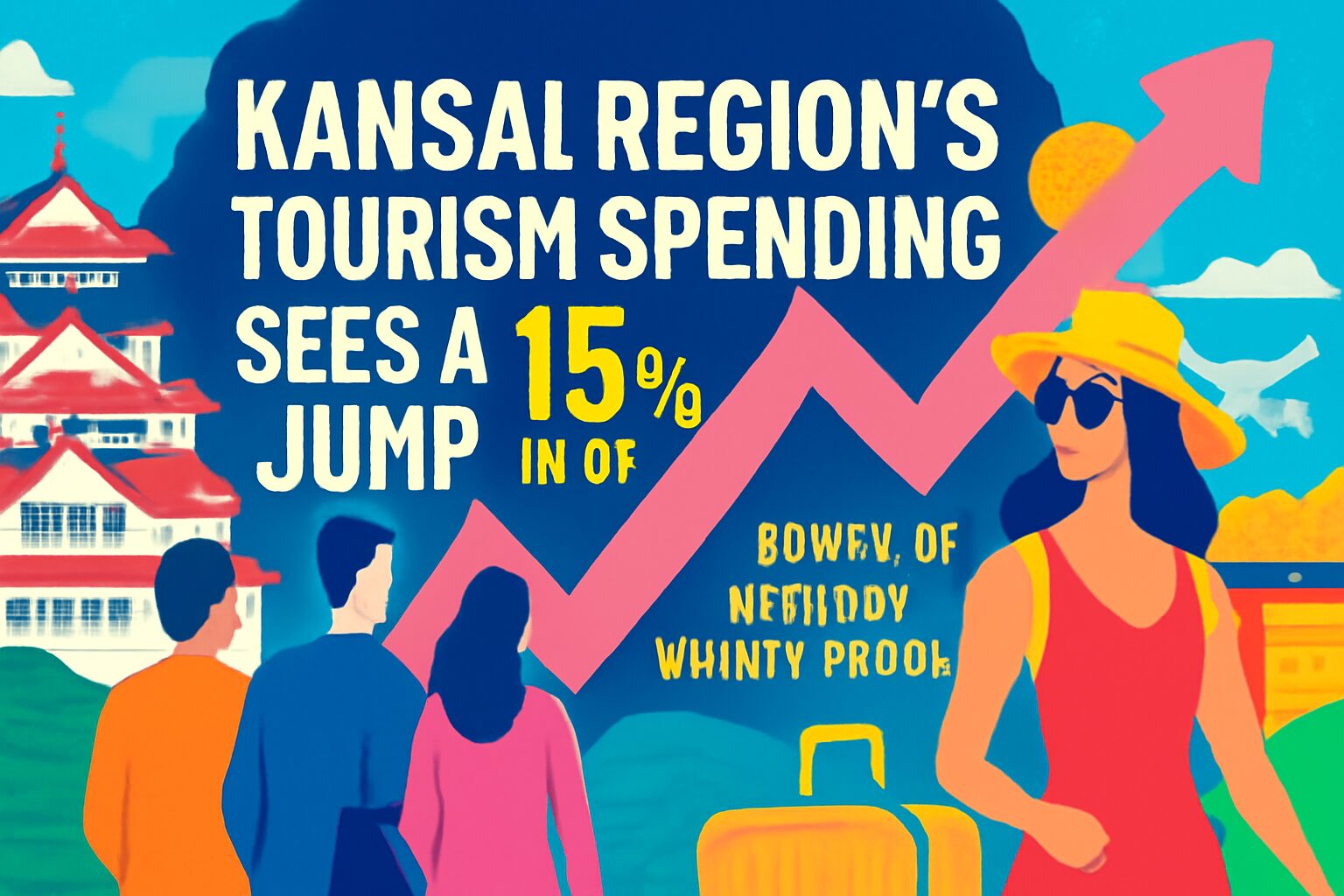
The Kansai region has marked a triumphant start to 2026, with its tourism sector reporting a robust 15% year-on-year increase in tourist spending for the first quarter. This significant economic boost is primarily fueled by a strategic pivot towards high-value travel, namely the burgeoning MICE (Meetings, Incentives, Conferences, and Exhibitions) industry and the growing global demand for luxury, experience-based tourism.
Behind the Boom: The Legacy of Expo 2025 and Evolving Traveler Demands
This remarkable growth is not a sudden occurrence but the result of long-term strategic planning and a shift in global travel paradigms. The successful hosting of Expo 2025 Osaka, Kansai, Japan, laid the groundwork for this new era of prosperity.
From World’s Fair to a Global MICE Hub
The infrastructure developed for Expo 2025 on Yumeshima has been masterfully repurposed, transforming the site into a world-class MICE destination. Equipped with state-of-the-art convention halls, exhibition spaces, and luxury accommodations, the area is now attracting a steady stream of international business events that were previously hosted in other major Asian cities. This has brought in a high-spending demographic of business travelers who often extend their stays for leisure, further contributing to the local economy.
The New Wave of High-Value Tourism
In parallel, the Kansai region is capitalizing on the post-pandemic trend of travelers seeking more meaningful and exclusive experiences over mass tourism. Visitors are no longer content with just sightseeing; they are pursuing authentic cultural immersion and personal well-being. This has led to a surge in demand for offerings like wellness retreats in the serene mountains of Kyoto, private culinary workshops with renowned chefs in Osaka, and exclusive artisan visits in Nara. This shift towards high-value, low-impact tourism has significantly increased the average spending per visitor.
Analyzing the 15% Surge in Spending
The impressive 15% increase in spending is a direct reflection of the success of these two key areas. The influx of high-spending visitors has elevated revenues across the board, from five-star hotels and Michelin-starred restaurants to private tour operators and local craftspeople.
The MICE Contribution
The MICE sector contributes not only through direct spending on event venues and services but also through ancillary spending on dining, entertainment, and shopping by conference attendees and delegates. The consistent calendar of events at the former Expo site ensures a stable, year-round flow of revenue, smoothing out the traditional seasonal peaks and troughs of the tourism industry.
The Allure of Luxury and Experiential Travel
The luxury travel boom is characterized by a focus on exclusivity and personalization. Tourists are investing in unique experiences that are not widely available, such as private access to normally closed-off temples, bespoke kimono tailoring sessions, and curated sake-tasting tours at historic breweries. These high-cost, high-satisfaction activities are a key driver behind the sharp rise in per-capita expenditure.
Future Outlook: Sustaining the Economic Momentum
Buoyed by this success, local governments and tourism boards across the Kansai region are not resting on their laurels. They are actively planning the next phase of development to ensure this positive economic trend is sustainable.
Strategic Investments in High-Value Products
Plans are underway for further investment in developing more sophisticated tourism products. This includes the development of new luxury resorts, the enhancement of transportation infrastructure to provide seamless access to more remote cultural sites, and the training of multilingual guides specialized in niche fields like art, history, and gastronomy. The goal is to further solidify Kansai’s reputation as a premier destination for the discerning global traveler.
A Lasting Impact on the Regional Economy
The ripple effect of this tourism boom is expected to be profound. The increased revenue will support local communities, preserve cultural heritage, and create new, high-quality employment opportunities. By focusing on sustainable, high-value tourism, the Kansai region is building a resilient and prosperous future, cementing its position as a leading global destination for years to come.








