
The Race to Redefine Luxury in Osaka and Kyoto
The Kansai region is on the cusp of a historic transformation. With the 2025 World Expo in Osaka drawing global attention, an unprecedented wave of luxury hotel development is sweeping through Osaka and Kyoto. This is not just about adding more rooms; it’s a fierce competition among the world’s most prestigious hotel brands to capture the hearts of a new generation of sophisticated travelers. The new battlegrounds? Cutting-edge technology and a deep commitment to sustainability.
This boom is reshaping Kansai’s hospitality landscape, creating a vibrant, competitive market. As these new properties prepare to open their doors, Online Travel Agencies (OTAs) are moving quickly to forge partnerships, ensuring this premier inventory is accessible to a global audience. For travelers, this means more choices, innovative experiences, and a new standard of luxury in Japan’s cultural heartland.
Behind the Boom: Why Kansai, Why Now?
Several powerful forces are fueling this rapid expansion. The primary catalyst is the Expo 2025 Osaka, Kansai, which is projected to attract an estimated 28.2 million visitors from around the world. This massive influx of international and domestic tourists requires a significant upgrade in high-end accommodation.
The timing aligns perfectly with Japan’s post-pandemic tourism recovery. Inbound visitor numbers have surged, with the Kansai region being a top destination. A favorable exchange rate has also made Japan an exceptionally attractive destination for international visitors, further boosting demand for premium travel experiences.
Beyond the Expo, Kansai’s timeless appeal remains a key driver. Osaka’s reputation as “Japan’s Kitchen” and a hub of modern entertainment, combined with Kyoto’s rich cultural heritage, provides a powerful draw for luxury travelers seeking authentic and diverse experiences.
The New Frontier: Competing on Innovation and Responsibility
To stand out in this increasingly crowded market, new and established hotels are differentiating themselves by focusing on two key areas that resonate with modern high-net-worth individuals: technology and sustainability.
Smart Hospitality: The Tech-Driven Guest Experience
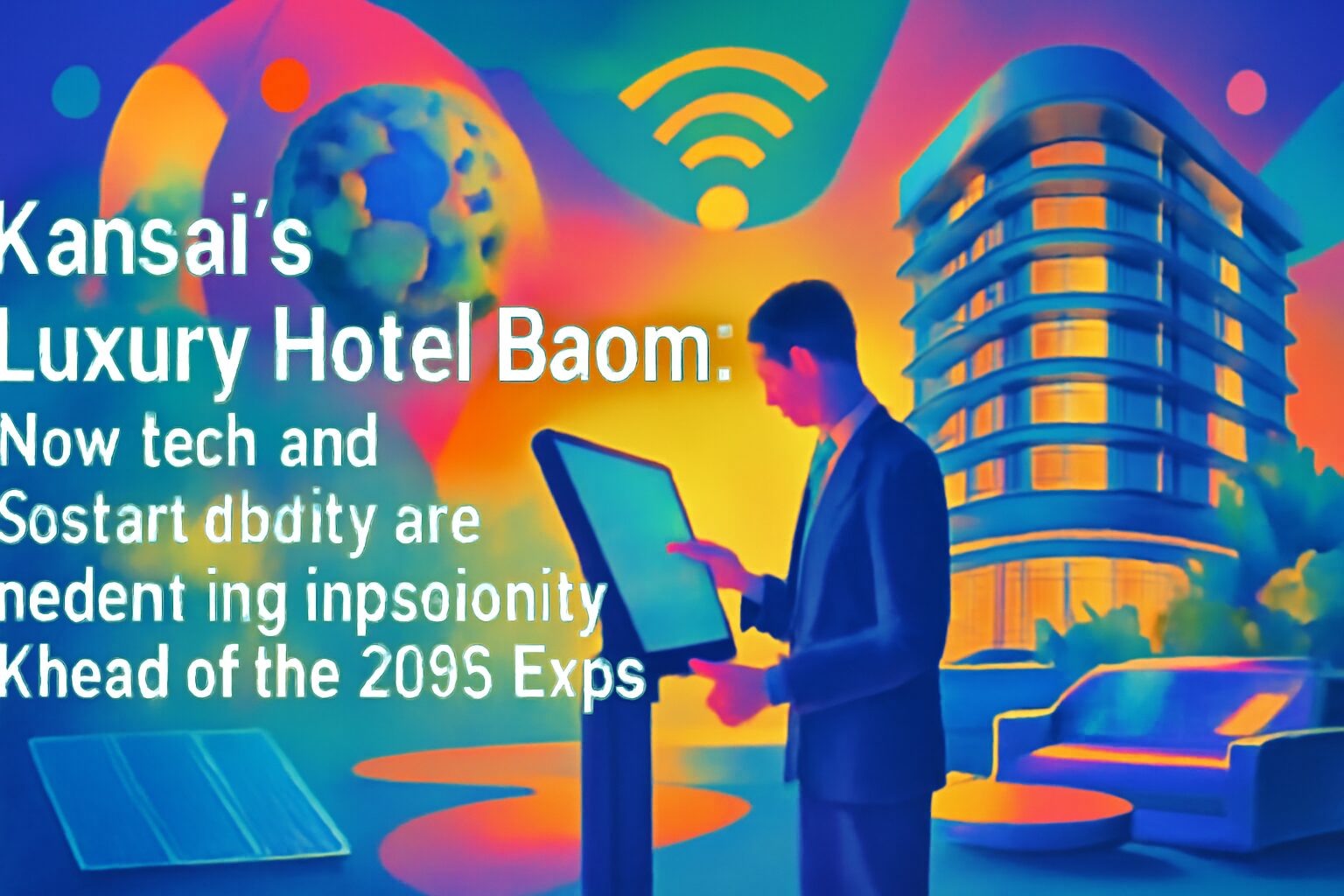
The new breed of luxury hotels in Kansai is embedding technology into the core of the guest experience. This goes far beyond free Wi-Fi. We are seeing the introduction of:
- Seamless Integration: Guests can use their smartphones for everything from keyless room entry and check-in to controlling lighting, temperature, and entertainment systems.
- Personalized Service: AI-powered concierges and multilingual chatbots provide instant, 24/7 assistance, while data analytics help hotels anticipate guest needs and offer personalized recommendations.
- Immersive Experiences: Some hotels are experimenting with virtual and augmented reality to offer unique tours of their facilities or even virtual previews of local attractions.
Green Luxury: A Commitment to Sustainability
Today’s luxury traveler is increasingly eco-conscious. They seek brands that align with their values. In response, Kansai’s hotels are making sustainability a cornerstone of their identity. Key initiatives include:
- Farm-to-Table Dining: Emphasizing locally sourced, seasonal ingredients to reduce food mileage and support local farmers.
- Reducing Plastic Waste: Implementing policies to eliminate single-use plastics in amenities, replaced by refillable or biodegradable alternatives.
- Eco-Friendly Operations: Investing in renewable energy sources like solar panels, utilizing advanced water conservation systems, and using sustainable materials in construction and design.
- Community Engagement: Creating programs that connect guests with local culture and artisans, ensuring that tourism benefits the wider community.
Major Players Entering the Stage
The list of international brands planting their flags in Kansai is impressive. Osaka will soon welcome the Waldorf Astoria Osaka (2025) and the Four Seasons Hotel Osaka (2024), adding hundreds of new luxury rooms to the city. These join recently opened icons like the W Osaka (2021), which has already made a significant impact on the city’s social scene.
In Kyoto, the luxury market continues to expand with properties like the upcoming Banyan Tree Higashiyama Kyoto (2024), which promises an exclusive sanctuary experience. These new entrants will compete with established luxury landmarks such as The Ritz-Carlton properties in both cities and the Park Hyatt Kyoto. This influx is set to add thousands of high-end rooms to the region’s inventory over the next few years.
The Future Landscape: What This Means for Travelers and the Region
This hotel boom will have a profound and lasting impact.
For Travelers: A New Era of Choice and Experience
Visitors to Kansai will be met with an unparalleled array of choices. This intense competition will likely drive up the quality of service and innovation across the board. While this may lead to higher average room rates in the luxury segment, it also promises a new level of personalized, tech-savvy, and meaningful travel experiences. Travelers can expect everything from bespoke cultural workshops to hyper-personalized wellness retreats, all delivered within an environment of sophisticated luxury.
For the Kansai Region: Economic Boost and New Challenges
For the local economy, the benefits are clear: job creation, increased tourism revenue, and an enhanced global reputation as a premier travel destination. However, this rapid growth also presents challenges, including the potential for over-tourism in popular areas and an intensified demand for skilled hospitality staff. The success of this new era will depend on a balanced approach that ensures sustainable growth and preserves the unique cultural fabric that makes Kansai so special.
As the 2025 World Expo approaches, Kansai is not just building hotels; it is building the future of Japanese hospitality. For travelers planning a visit, the coming years promise an experience that is more luxurious, more innovative, and more connected to the heart of the region than ever before.








