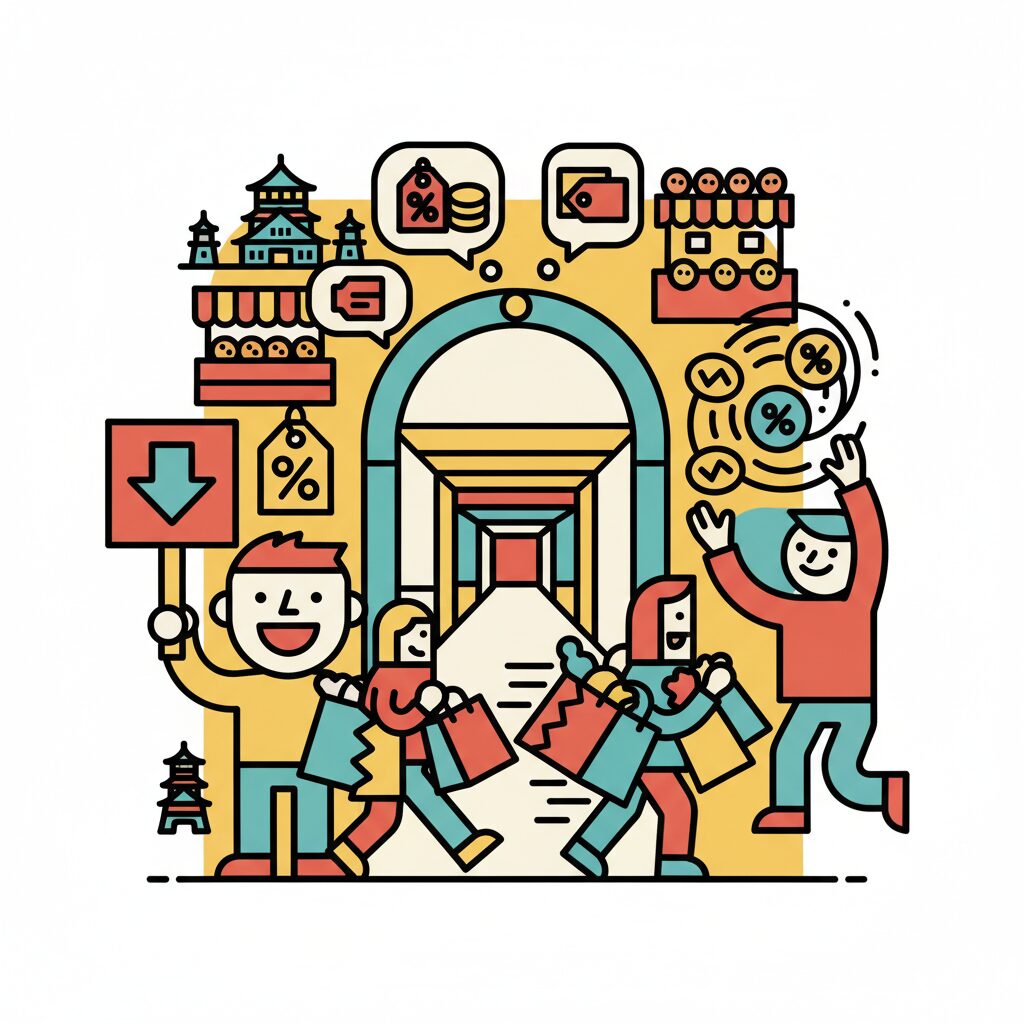
The first time you see it, it’s a blur of motion and sound. An older woman, an obachan with a determination that could power a small city, is grilling a shopkeeper at a stall in the Tenjinbashisuji Shopping Arcade. Her finger taps insistently on a stack of towels. Her voice, a melodic but firm current in the river of noise, isn’t angry. It’s negotiating. It’s performing. A few feet away, a young couple is meticulously comparing the price-per-gram on two different packs of sliced pork at a supermarket, their conversation as serious as if they were defusing a bomb. Welcome to Osaka, where the price tag is just the opening line of a much more interesting conversation. For anyone coming from the quiet, reserved consumer culture of Tokyo, or from Western countries where haggling is a lost art, this scene can be baffling. It’s easy to jump to a simple conclusion: people here are cheap. But that’s the first and most fundamental mistake you can make in trying to understand this city. What you’re witnessing isn’t about being cheap. It’s about being smart. It’s an unwavering devotion to a simple, powerful philosophy: value must always, always exceed price. This isn’t just a shopping habit; it’s the city’s operating system, a cultural algorithm that runs in the background of every transaction, from buying lunch to renting an apartment. It is the key to unlocking the pragmatic, playful, and deeply human soul of Osaka. To live here is to learn the art of the deal, not just for your wallet, but for your connection to the city itself.
Osaka’s dedication to maximizing value extends well beyond afternoon haggling, inviting you to explore the breakfast budget approach in Osaka where even early morning meals embody the city’s savvy spirit.
The Merchant’s DNA: Where Does This Mindset Come From?
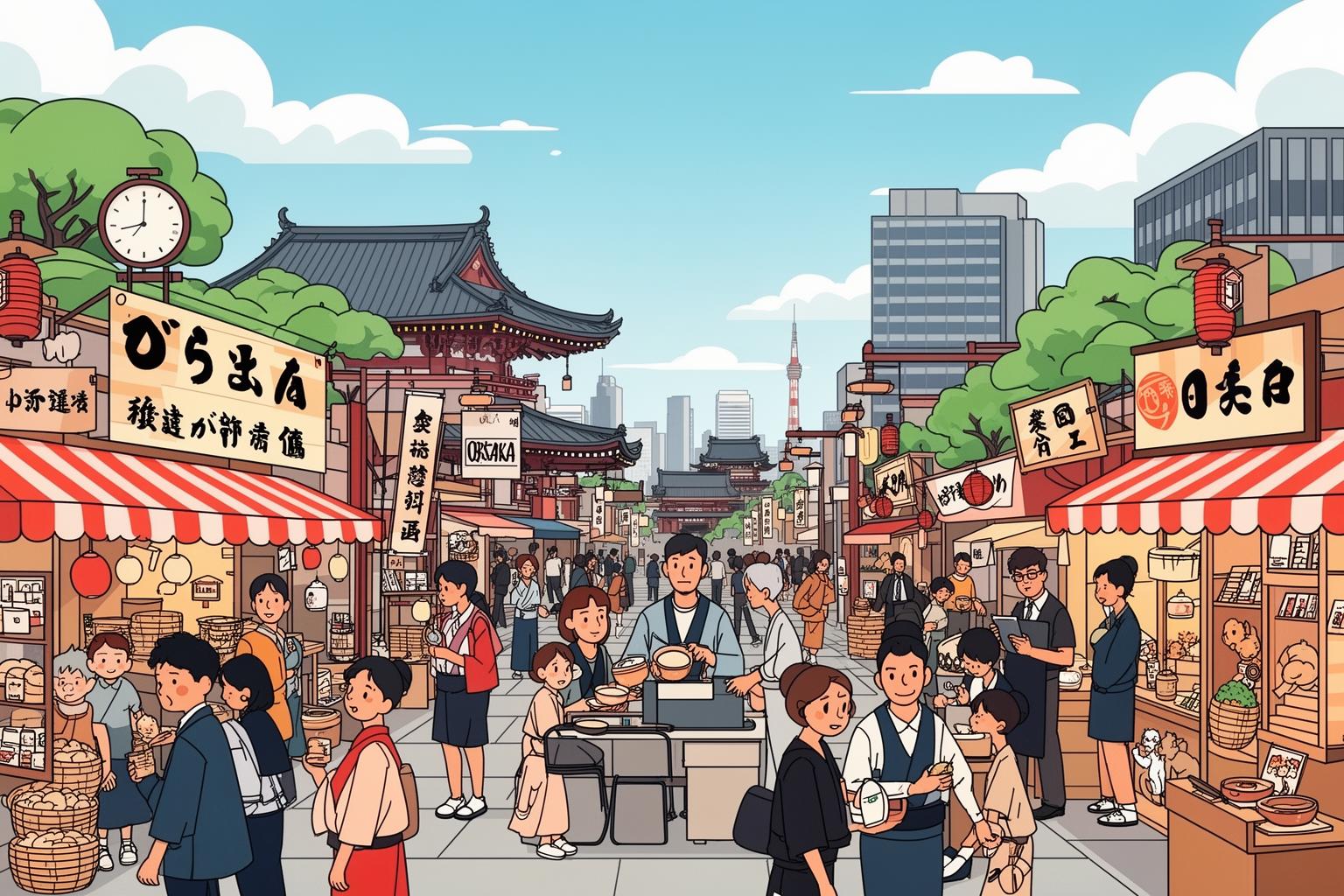
To understand Osaka, you need to turn back time. For centuries, while Tokyo (then Edo) served as the home of the samurai and the strict government, Osaka was known as Tenka no Daidokoro—the Nation’s Kitchen. It was a city created by merchants, for merchants. Rice, sake, textiles, and everything that sustained the nation flowed through its canals and warehouses. This was not a city defined by rigid social hierarchies or stoic honor codes; it was a place of numbers, profit margins, and clever deals made over cups of tea. The merchant spirit is deeply ingrained in the city’s essence, which explains why the local attitude toward money is so refreshingly straightforward.
“Moukarimakka?” – The Unofficial Greeting
In Tokyo, discussing one’s financial status is a serious social taboo. In Osaka, however, one of the most common greetings among longtime friends or shopkeepers is a cheerful, “Moukarimakka?” which literally means, “Are you making a profit?” The usual, equally cheerful response is, “Bochi bochi denna,” or “So-so, can’t complain.” This isn’t an intrusive question about finances. It’s Osaka’s way of asking “How’s life?” or “How’s business?” It reflects a core belief that commerce is not a shameful necessity but the community’s lifeblood. Prosperity is viewed positively—something to openly talk about and wish for others. This casual ease with money allows for a more transparent and practical approach in every transaction.
The Customer as a Worthy Opponent
In the covered shotengai arcades weaving through the city, shopping is treated like a sport. A good customer is not silent or passive. A good customer engages, understands the product, and dares to ask for a better price. The classic phrase, “Chotto makete?” (“Can you discount it a little?”), isn’t an offense to the shopkeeper. It’s an invitation to a dance. It signals that you’re a serious buyer, not merely browsing. The shopkeeper might sigh theatrically, punch numbers into a giant calculator, and lament how they’re nearly giving it away, before knocking a hundred yen off with a wink. This exchange is a form of communication that builds relationships. The merchant respects a customer who recognizes value, and the customer respects a merchant willing to play along. It’s a performance, a shared theatrical moment that leaves both feeling victorious.
Value is a Science, Not Just a Feeling
An outsider observing the constant price comparisons might assume it’s all about snagging the absolute lowest number, but this completely misses the point. The true Osakan bargain hunter is like a scientist, expertly navigating a complex equation where price is only one factor. Their aim is to maximize the value quotient through a sophisticated, multifaceted analysis that would impress any economist.
The Holy Trinity: Quality, Quantity, and Price
A low price means nothing if the product is poor quality. This is the first rule. The real skill lies in finding the perfect balance where quality, quantity, and price converge for maximum benefit. Consider the lunchtime teishoku, or set meal. A 500-yen bowl of noodles that leaves you hungry after an hour is a failure — a bad deal. But a 950-yen set meal with a perfectly fried pork cutlet, a mountain of shredded cabbage, a flawless bowl of gleaming white rice (with free refills!), miso soup, and a side of pickles? That is a masterpiece of value. That is a win. This is why restaurants in Osaka fiercely compete not only on price but also on generous portions and high-quality ingredients. The same principle applies to grocery shopping. The seasoned local doesn’t stick to one supermarket. They know beef is best at store A, vegetables are freshest at market B on Wednesdays, and household goods are cheapest at the Don Quijote nearby. They maintain a mental map of the city’s value landscape, armed with daily flyers and encyclopedic knowledge of when coveted hangaku (half-price) stickers will be applied to unsold bento boxes and 惣菜 (prepared side dishes).
The Hidden Metric: “Omake” and Human Connection
Beyond tangible factors, there’s a crucial, unwritten element in the value equation: the human touch, often expressed as omake. Omake means a little something extra, a bonus. It’s the fruit vendor who throws in a sixth apple after you’ve paid for five, or the butcher who adds a few scraps of meat for your dog. This isn’t a planned marketing tactic; it’s a spontaneous gesture of goodwill. It’s the shopkeeper’s way of saying, “I see you. I recognize you as a regular, a valued customer.” That extra potato or handful of scallions brings a deep sense of value that can’t be measured in yen. It transforms a simple transaction into a moment of human connection. This is the secret ingredient of Osaka’s local economies, standing in stark contrast to the often impersonal, hyper-efficient, and relationally sterile checkout counters of Tokyo.
Spotting the True Bargain Hunter
They’re everywhere, moving with intent. They might carry a well-worn, foldable shopping cart — a veteran of countless grocery trips. Their eyes scan shelves like a hawk, instantly assessing origin, weight, and seasonal prices. They seem to possess a near-psychic knack for predicting the exact moment a bakery employee will bring out a tray of discounted bread. This isn’t a sign of financial struggle; rather, it’s mastery. It’s pride in running a household efficiently and being a smart steward of resources. In Osaka, being a savvy consumer is a highly respected skill.
Performance Art: The Joy of the Deal

Crucially, this entire process is neither solemn nor stressful. In Osaka, scoring a great deal is a form of entertainment. It’s a thrill, a story to share, and a victory to celebrate. The pursuit is just as important as the prize, and the performance around it adds to the fun.
The “Yasui!” Chorus
Stroll down any bustling shopping street, and you’ll hear it echoed from all directions: “Yassui!” or “Meccha yasui!” (“It’s cheap!” or “It’s incredibly cheap!”). This is not just a private thought; it’s a public announcement, a communal celebration. A shopper might hold up a t-shirt or a bag of onions and proclaim it to a friend, or even to no one in particular. It’s a way of joining in the shared joy of the bargain. This behavior is closely tied to Osaka’s famous manzai comedy culture. The exchange between a boisterous, enthusiastic shopkeeper and a sharp-witted customer often feels like an impromptu comedy routine. The shopkeeper shouts their low prices, the customer feigns surprise, and a deal is reached to everyone’s satisfaction. The whole transaction is charged with a playful spirit you rarely encounter elsewhere.
“Nebo” is Not a Dirty Word
In much of Japan, being too focused on price can be seen as somewhat undignified, and the act of negiru (haggling) is often regarded as embarrassing. In Osaka, however, it’s a badge of honor. People proudly boast about the fantastic deals they’ve secured. They’ll mention the original price and then, with a triumphant smile, reveal the much lower amount they actually paid. There’s no shame in admitting you love a bargain; on the contrary, it shows you’re clever, not a sucker, and savvy in navigating the marketplace. This openness, this pride in celebrating a good deal rather than concealing it, marks one of the biggest cultural differences between Osaka and the rest of Japan. It’s about being grounded and authentic, valuing tangible savings over abstract ideas of prestige or brand status.
How This Translates to Daily Life (Beyond Shopping)
The “value over price” mindset extends beyond just the marketplace. It is a widespread philosophy that influences key life decisions, from choosing where you live to deciding where to eat.
Living Arrangements and Real Estate
Regarding housing, the Tokyo mindset often emphasizes the brand prestige of a neighborhood. People are willing to pay a significant premium for a tiny apartment simply to have an address in an esteemed area like Daikanyama or Hiroo. In contrast, the Osaka approach tends to be much more practical. The main question is: what offers the best value? An Osakan is more likely to opt for a larger, newer apartment a 20-minute train ride from the city center rather than a cramped, older unit in a prime location. They assess value based on space, amenities, and commute time relative to rent. The neighborhood’s name is less important than the practical, lived experience of the space. It’s a logical decision, not an emotional one driven by status.
Eating and Drinking Culture
Osaka’s nickname, kuidaore, often translated as “eat until you drop,” is better understood as “eat until you go bankrupt.” The spirit of kuidaore isn’t about splurging on Michelin-starred dining. It’s about the relentless quest for delicious food at incredibly reasonable prices. The city is a haven of value-focused gastronomy. It’s the birthplace of the senbero culture—the challenge of getting pleasantly drunk and full for around 1,000 yen (about ten dollars). This thrives in countless tachinomi (standing bars) where draft beer and a plate of grilled skewers cost just a few hundred yen. Fierce competition among restaurants keeps quality high and prices low. A restaurant offering mediocre food at high prices simply won’t survive here. The city’s collective palate is too discerning, and its wallet too savvy.
What Foreigners Often Misunderstand
Navigating this culture can be challenging, and newcomers often fall into common misunderstandings. A few clarifications can make a significant difference.
Misconception 1: “Osaka people are cheap.”
This is the most widespread and inaccurate stereotype. Osakans are not cheap; they are shrewd. They strongly dislike being overcharged. They are willing to spend generously on items they believe offer great value, whether it’s a perfectly crafted set of kitchen knives from Doguyasuji, a high-performance bicycle, or a front-row seat to watch their favorite baseball team, the Hanshin Tigers. The issue is never with a high price tag itself. It’s with a price that isn’t justified by the quality, usefulness, or enjoyment the item provides. They reject paying for marketing gimmicks, brand hype, or an inflated sense of status.
Misconception 2: “Haggling is always expected.”
Attempting to bargain at a 7-Eleven or the Uniqlo in Shinsaibashi will only earn you a puzzled look. Haggling depends heavily on the setting. It’s appropriate in independent shops, electronics stores (especially in Nipponbashi’s Den Den Town), flea markets, and small stalls in shopping arcades. Even then, there’s a particular finesse involved. A blunt or demanding approach won’t work. Instead, being friendly, showing genuine interest in the product, and politely asking if a small discount is possible is the right way. It’s about starting a playful negotiation, not making a forceful demand. Reading social cues is essential.
Misconception 3: “It’s all about money.”
Although discussions focus on yen, the true motivation often goes deeper. It’s about the thrill of the hunt. It’s about the pride in using your savvy to achieve a favorable outcome. The money saved is almost secondary to the story that follows. Sharing how you scored an incredible vintage coat for a fraction of its value becomes a form of social currency. It’s a way to showcase your local knowledge and practical intelligence. It’s a game where the reward is not just financial, but also social and psychological.
The Unspoken Logic of a Practical City
Ultimately, Osaka’s bargain-hunting culture is not a quirky flaw but the city’s greatest strength. It fuels its remarkable food scene, vibrant local businesses, and genuine social interactions. This philosophy stems from a history of commerce, deeply rooted pragmatism, and a love for the everyday theatricality of life.
To truly understand what drives Osaka, you don’t need to visit the famous castles or temples first. Instead, go to a supermarket on a Tuesday evening or a bustling shotengai on a Saturday afternoon. Observe. Listen. Notice how people engage with goods, prices, and each other. In these seemingly ordinary moments, you’ll uncover the city’s true nature: unpretentious, sharp, community-focused, and always on the lookout for a deal that makes life a bit better, smarter, and more enjoyable. This constant pursuit of value is what keeps Osaka grounded, makes it feel deeply human, and makes living here a refreshingly authentic and rewarding experience.