
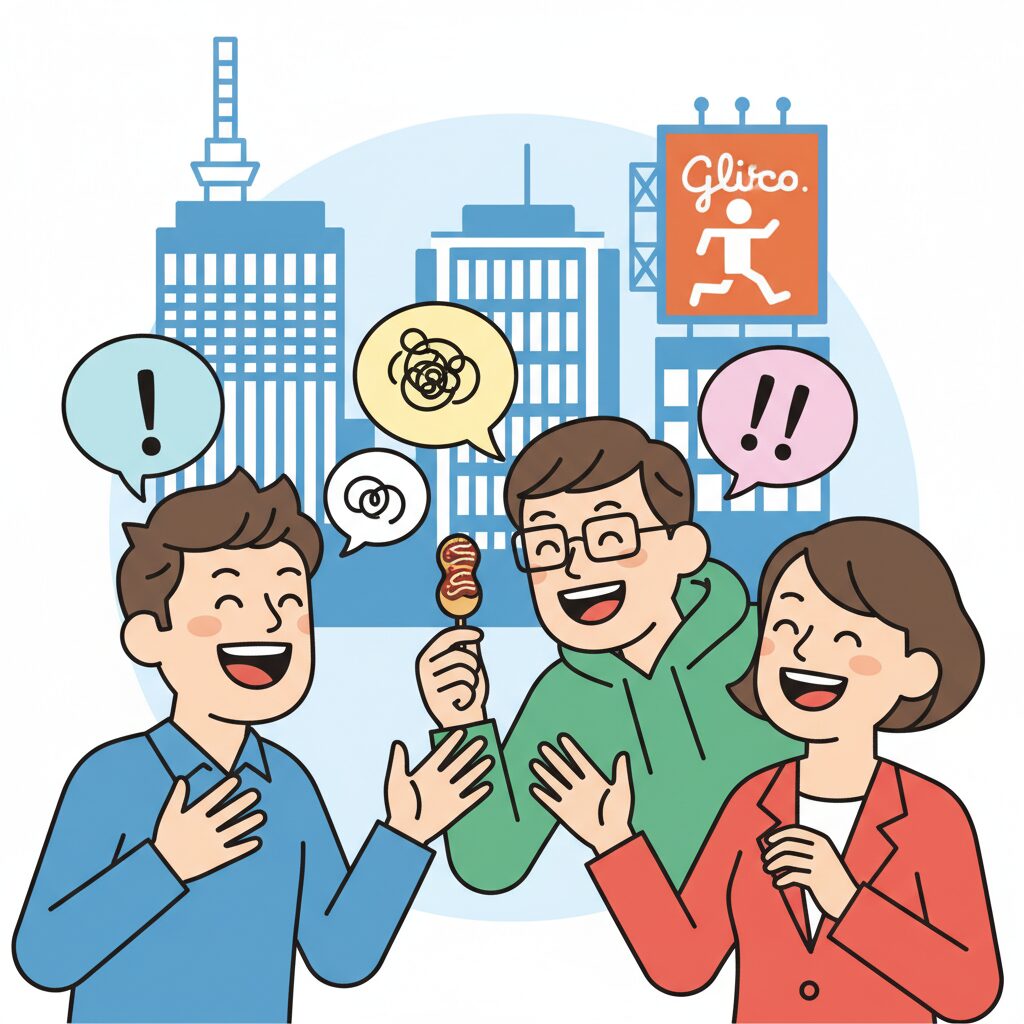
Step into an office in Osaka, and you might feel a slight sense of disorientation. The air hums with a different energy than what you’d expect from the typical Japanese workplace. Conversations are faster, punctuated by laughter. People get to the point with a speed that can feel almost abrasive. A junior staffer might playfully challenge a manager’s idea, and instead of a cold stare, they get a witty retort. You’ve heard that Japan is a land of subtlety, of reading the air and navigating rigid hierarchies. But this… this feels different. This is Osaka, and the invisible hand guiding these interactions isn’t just corporate policy; it’s the lingering echo of the merchant’s spirit.
For centuries, while Tokyo (then Edo) was the seat of samurai and shoguns, Osaka was the nation’s engine of commerce. It was the 「天下の台所」 (tenka no daidokoro), the kitchen of Japan, a bustling hub where rice, sake, and fortunes were traded. Here, success wasn’t determined by your bloodline but by your business acumen, your ability to negotiate, your wit, and your reputation. This pragmatic, results-oriented, and deeply human way of doing business soaked into the city’s DNA. Today, that same spirit animates the modern workplace, creating a communication style that often baffles newcomers but is the key to truly understanding how this city works. To decode the banter, the direct questions, and the ever-present humor, you first have to understand the soul of the Osaka merchant.
This distinctive blend of pragmatism and playfulness is mirrored in the city’s culinary scene, where a passion for affordable feasts continues to shape both business and everyday life.
The Historical Roots: Why Merchants Ruled Osaka
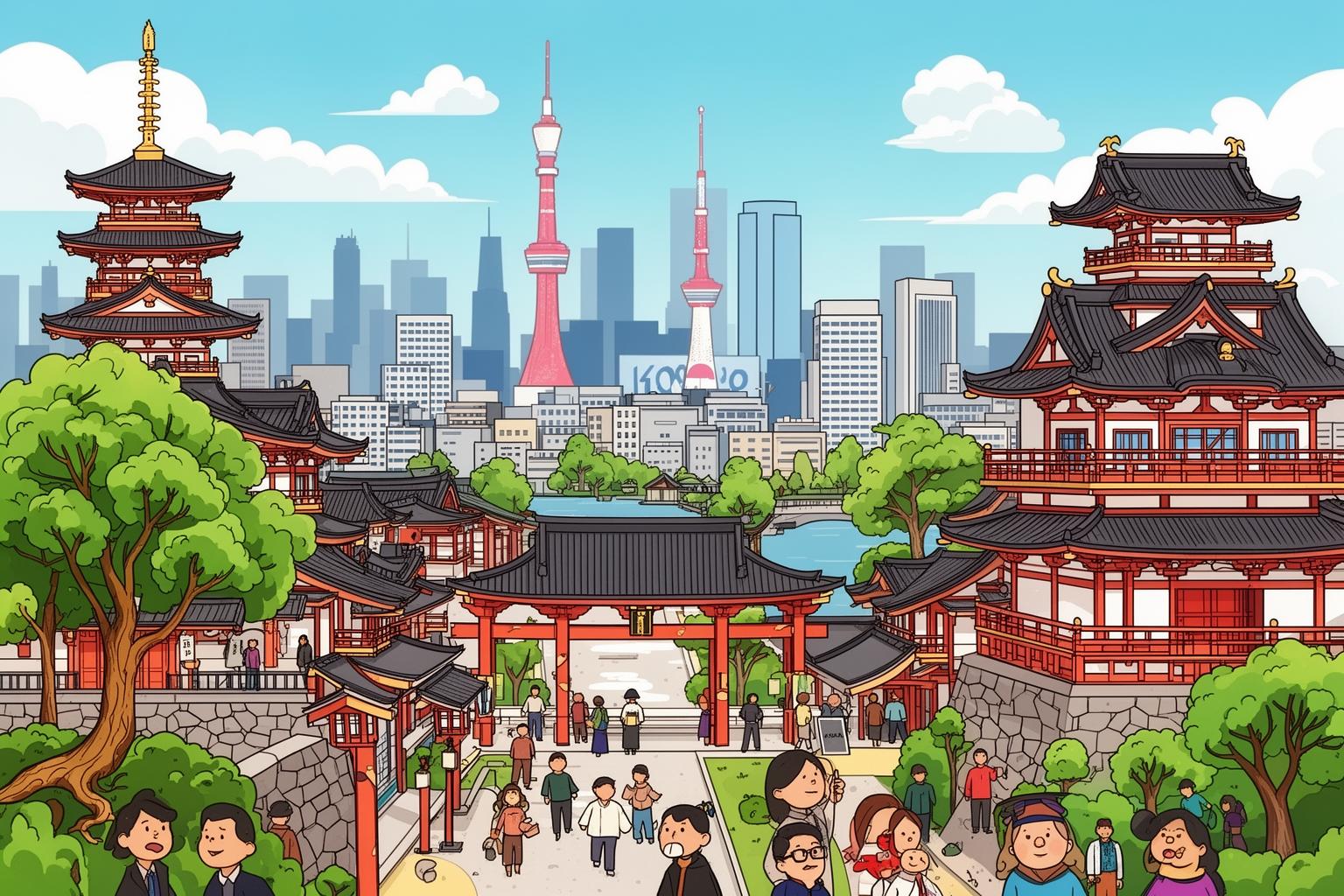
To understand why an Osaka office feels the way it does, you need to look back in history. During the Edo Period (1603–1868), Japan was governed by a strict four-tier class system. At the top were the samurai warriors, followed by farmers and artisans. Merchants (chōnin) were at the very bottom, viewed as unproductive parasites who dealt in money rather than producing tangible goods. However, in Osaka, this hierarchy was turned upside down. While samurai in Edo practiced ceremony and wielded swords, Osaka’s merchants wielded abacuses and amassed great wealth. They established the world’s first futures market, the Dōjima Rice Exchange, and created a sophisticated financial system that supported the entire country’s economy. Many powerful samurai lords were, in fact, deeply indebted to Osaka merchants.
This fostered a culture where practicality outweighed pedigree. A clever idea, sharp negotiation, or reliable partnership was valued more than an illustrious title. The merchant class developed its own code of conduct centered on trust (shinyō), practicality (jitsuri), and an unrelenting drive for efficiency. Wasting time meant wasting money; beating around the bush was inefficient. Building strong, personal relationships was the best way to ensure long-term business success. This wasn’t just a business strategy; it was a survival tactic in a city brimming with competition. This very mindset, shaped in the crowded markets and storehouses of old Osaka, remains the foundation for communication in the city’s modern glass towers today.
The Core Principles of Merchant Communication in Today’s Office
The spirit of the merchant is not merely a historical footnote; it is a vibrant and living set of communication principles you will encounter every day. It can be broken down into several key elements that shape the rhythm of the Osaka workplace.
“So, How Much?” (で、なんぼ?) – The Art of Directness
The quintessential Osaka phrase, often said with a playful grin, is 「で、なんぼ?」 (de, nanbo?)—which translates to “So, how much?” or more broadly, “What’s the bottom line?” This phrase isn’t just about price; it embodies a philosophy. It’s about cutting through the fluff and getting straight to the heart of the matter. In a Tokyo business meeting, the first twenty minutes might be spent exchanging pleasantries, commenting on the weather, and carefully setting the stage before addressing the main topic. This approach, known as nemawashi, is about building consensus prior to a formal decision.
In Osaka, such a process can be viewed as a waste of precious time. An Osaka counterpart is more likely to listen to your introduction for a few minutes before cutting in with a friendly, “Okay, I get it. So, what’s the actual proposal? What are the numbers? What do you need from us?” This directness may come as a shock to those used to more indirect communication styles. It might feel abrupt or even rude. However, in Osaka, it is a sign of respect. It conveys, “I take you seriously as a business partner. I respect your time, so let’s not waste it. Let’s get down to business to find a solution that works for both of us.” They assume you are here to solve a problem, not to perform a ritual. The goal is the destination—the deal or the solution—not the scenic route to reach it.
The Negotiation Mindset: It’s Not a Fight, It’s a Dance
In Osaka, almost everything is a negotiation. This doesn’t arise from a desire to be cheap or to squeeze every last yen from a partner. Instead, it reflects a deeply ingrained cultural ritual, a way of interacting with others to find the true value of a proposition. A price is rarely just a number; it is an opening offer, the first step in a dance. When a vendor presents a quote, the expected response is not a simple yes or no. It’s a thoughtful pause, followed by a phrase like, 「もうちょっと勉強できひん?」 (mō chotto benkyō dekihin?)—“Can’t you study this a little more for me?” This is a gracefully indirect way of asking for a discount, framing it as a cooperative effort.
To outsiders, this can feel like unnecessary haggling. You might think, “Just tell me the real price!” But declining to engage in this dance can come across as cold or uninterested. The back-and-forth is where the relationship is forged. It demonstrates your engagement, critical thinking, and the value you place on the partnership by working on it together. By finding a compromise, both parties leave feeling they have reached a fair deal and, more importantly, that they understand each other. This mindset goes beyond price; it applies to deadlines, project scope, and responsibilities. It is a continuous, dynamic process of give-and-take aimed at achieving the most practical and mutually beneficial result.
Humor as a Lubricant: The Power of the Punchline (オチ)
Osaka is famously Japan’s comedy capital. It is home to Manzai (stand-up comedy duos) and a culture that highly values a good sense of humor. This is not limited to the stage; humor is a crucial tool in business communication. In a tense meeting or difficult negotiation, an Osakan is likely to use a self-deprecating joke to ease the mood. While a Tokyo manager might keep a stoic poker face, their Osaka counterpart might laugh and say, “If we don’t get this deal, my boss is going to throw me into the Dotonbori river!”
This is not unprofessional; it is a strategic use of humor to build rapport and humanize the interaction. It signals confidence and helps the other party relax. Moreover, conversations in Osaka are expected to have an 「オチ」 (ochi), a punchline or satisfying conclusion. A long, rambling story without a point is considered poor form. Even a business presentation is better received when delivered with some flair and wit. Making your counterpart laugh creates a connection; you are no longer just two companies in a transaction but two people working together. This is a powerful tool for cultivating the trust (shinyō) that was so vital to the merchants of the past.
Osaka vs. Tokyo: A Tale of Two Workplaces
The stereotype of the Japanese workplace—silent, formal, and strictly hierarchical—is largely centered around Tokyo. The reality in Osaka presents a different picture, and understanding these differences is essential for anyone aiming to work here.
Formality and Hierarchy
In Tokyo, the corporate structure is often rigid. The distinction between senpai (senior) and kōhai (junior) is closely observed, with communication flowing vertically. Using the correct level of keigo (honorific language) is crucial, and addressing a superior in casual language would be a serious mistake. The atmosphere is one of disciplined order and respect for authority.
In Osaka, while hierarchy does exist, the boundaries are much less defined. The culture is more egalitarian. A good idea is valued regardless of its source. Junior employees often feel more at ease speaking up in meetings, and managers tend to be more approachable. Polite language is still used, but the tone is warmer and less stiff. The president of a small company might be called 「社長」 (shachō), but it’s often said with the same familiarity as addressing a neighborhood shop owner. The emphasis is on the collective goal rather than on showing deference.
Decision-Making Process
The Tokyo style of decision-making is famously deliberate. The nemawashi process ensures that everyone is on board before a decision is formally announced, minimizing internal conflict but often slowing things down. Meetings can be held just to prepare for other meetings, and decisions are often finalized outside the formal setting.
Osaka, reflecting its merchant roots, values speed and decisiveness. This is best captured by the phrase 「やってみなはれ」 (yatte minahare), a famous saying from Suntory founder Shinjiro Torii, meaning “Go on, give it a try!” It embodies a spirit of entrepreneurial risk-taking. In an Osaka company, a key decision-maker might decide on the spot after a quick, direct discussion. There’s greater tolerance for trial and error, with a belief that it’s better to act and learn than to overthink and miss an opportunity.
Relationship Building
In both cities, building relationships is important, but the methods differ. In Tokyo, the primary venue is often the nomikai, the after-work drinking party. These are structured gatherings where you drink with your team and boss, and though they can be enjoyable, office hierarchy frequently carries over.
In Osaka, relationships develop through everyday interactions in the office. Shared laughter, playful bargaining over deadlines, and direct but friendly debates are the moments where trust is built. It feels more natural and less performative. An Osaka business partner wants to know if you’re sharp, have a sense of humor, and are fair-minded. They aim to assess your character as a person, not just your title on a business card.
What Foreigners Often Misunderstand
Navigating this distinctive culture can result in several common misunderstandings for non-Japanese residents. Looking beyond these initial perceptions is essential for succeeding.
“Are they being rude?” The directness, interruptions, and quick move to the “bottom line” might seem like a breach of manners. The natural reaction is to see this as rudeness or impatience. However, it’s actually a form of respect driven by efficiency. They assume you are busy and intelligent, and they want to honor that by avoiding what they consider unnecessary formalities. They are not being rude; they are being practical.
“Are they trying to rip me off?” The frequent pushback on price and terms might feel confrontational, as if they believe your offer is unfair or are attempting to exploit you. But keep in mind, negotiation is part of the process. It’s not a personal challenge to your integrity. It’s a customary ritual intended to explore options and reach mutual satisfaction. In fact, presenting a take-it-or-leave-it offer can come across as arrogant. Participating in the haggle shows your willingness to collaborate.
“They’re not taking this seriously!” The jokes, laughter, and seemingly relaxed atmosphere can easily be mistaken for a lack of seriousness or professionalism. Yet in Osaka, humor is viewed as a sign of intelligence and social skill. It’s a device used to handle complex and stressful situations. A businessperson who can make a joke during a tough negotiation is considered confident and in control. Humor acts as a lubricant for the serious machinery of business, not a substitute for it.
Practical Tips for Thriving in an Osaka Workplace
Adapting to the Osaka style of communication doesn’t require changing your personality, but making a few small adjustments can have a significant impact.
Embrace the Banter: Don’t hesitate to push back playfully. If someone quotes a price, you might smile and say, “That’s a beautiful number, but can we make it a little friendlier?” Demonstrating that you understand the dynamic will earn you immediate respect.
Get to the Point: When presenting or proposing, start with the conclusion. State what you want and why it’s a good idea upfront. You can provide detailed background afterward if they request it. Address the “so what?” question before it even comes up.
Develop a Sense of Humor: You don’t have to be a comedian, but appreciating self-deprecating humor is a valuable skill in Osaka. Laughing at yourself shows humility and makes you more approachable. It’s the quickest way to build trust.
Focus on the Mutual Win: Frame everything around mutual benefit. It’s not about what’s best for you, but what’s good for us. Use expressions like “How can we make this work for both of us?” This reflects the merchant spirit of fostering long-term, profitable partnerships.
Listen for the Invitation: Pay close attention to tone. A blunt “no” means no. But a comment like “Ah, that’s a bit difficult…” often isn’t a final refusal—it’s an invitation to discuss, negotiate, and explore alternatives. It signals the start, not the end, of the conversation.
The soul of the Osaka merchant is not a relic of the past; it is the operating system of the city’s modern professional life. It dictates the pace of meetings, the tone of emails, and the rhythm of relationships. It replaces rigid formality with pragmatic directness, solemnity with strategic humor, and passive consensus-building with an active dance of negotiation. For an outsider, it can be a challenging dialect to learn. It demands a recalibration of what you might understand as “Japanese business culture.”
However, once you grasp its historical origins and practical uses, you start to recognize the logic and humanity behind it. You come to understand that the objective isn’t to be aggressive but to be effective. The purpose isn’t to win but to create something enduring together. Learning to communicate in the style of the Osaka merchant is more than simply a workplace skill. It’s the key to unlocking a deeper connection with the city itself—a city that still moves to the rhythm of the abacus, the echoes of the marketplace, and the sound of shared laughter over a well-crafted deal.








