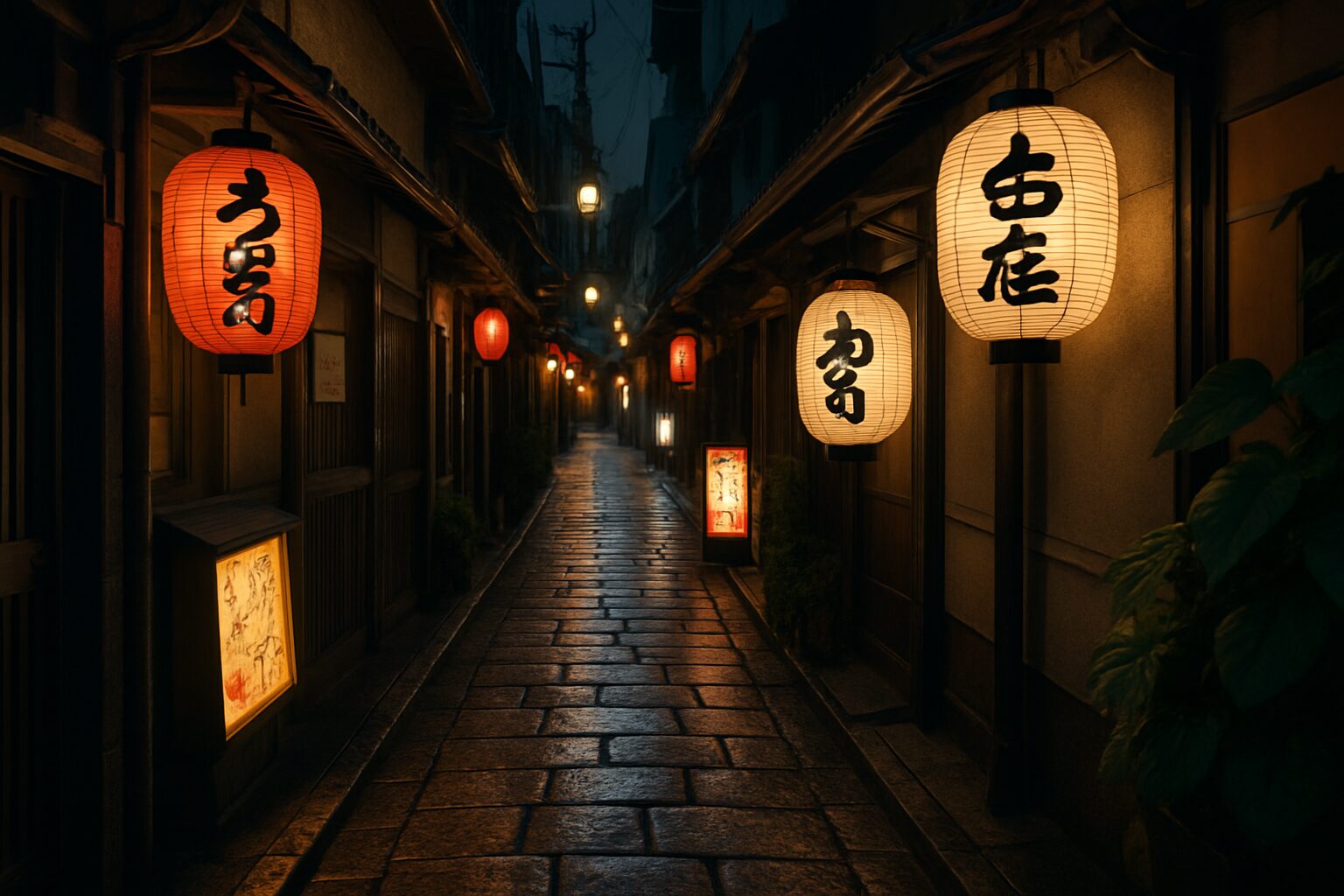
In the heart of Osaka’s electric Minami district, where neon signs wage a nightly war against the darkness and crowds pulse with an unstoppable energy, there exists a portal to another time. It doesn’t announce itself with flashing lights or booming speakers. Instead, it waits quietly, a narrow, stone-paved artery branching off from the chaos. This is Hozenji Yokocho, a place that feels less like a street and more like a cherished memory, carefully preserved under the warm, gentle glow of paper lanterns. To step onto its wet, glistening stones is to leave the 21st century behind and enter the world of Naniwa, the old, merchant-class Osaka, a city of deep flavors, quiet devotion, and unyielding spirit. This is not just a destination; it’s an atmosphere, a living, breathing testament to the city’s soul that survived fire and time to offer a moment of profound tranquility. Here, tucked away from the clamor of Dotonbori, you’ll find the true rhythm of Osaka—a rhythm that moves to the sizzle of a teppan grill, the murmur of a prayer, and the soft clatter of footsteps on ancient stone.
For a deeper appreciation of this old, merchant-class Osaka’s artistic soul, consider exploring the world of Kamigata-e at the Kamigata Ukiyoe Museum.
The Soul of the Alley: Hozenji Temple and Mizukake Fudo-san
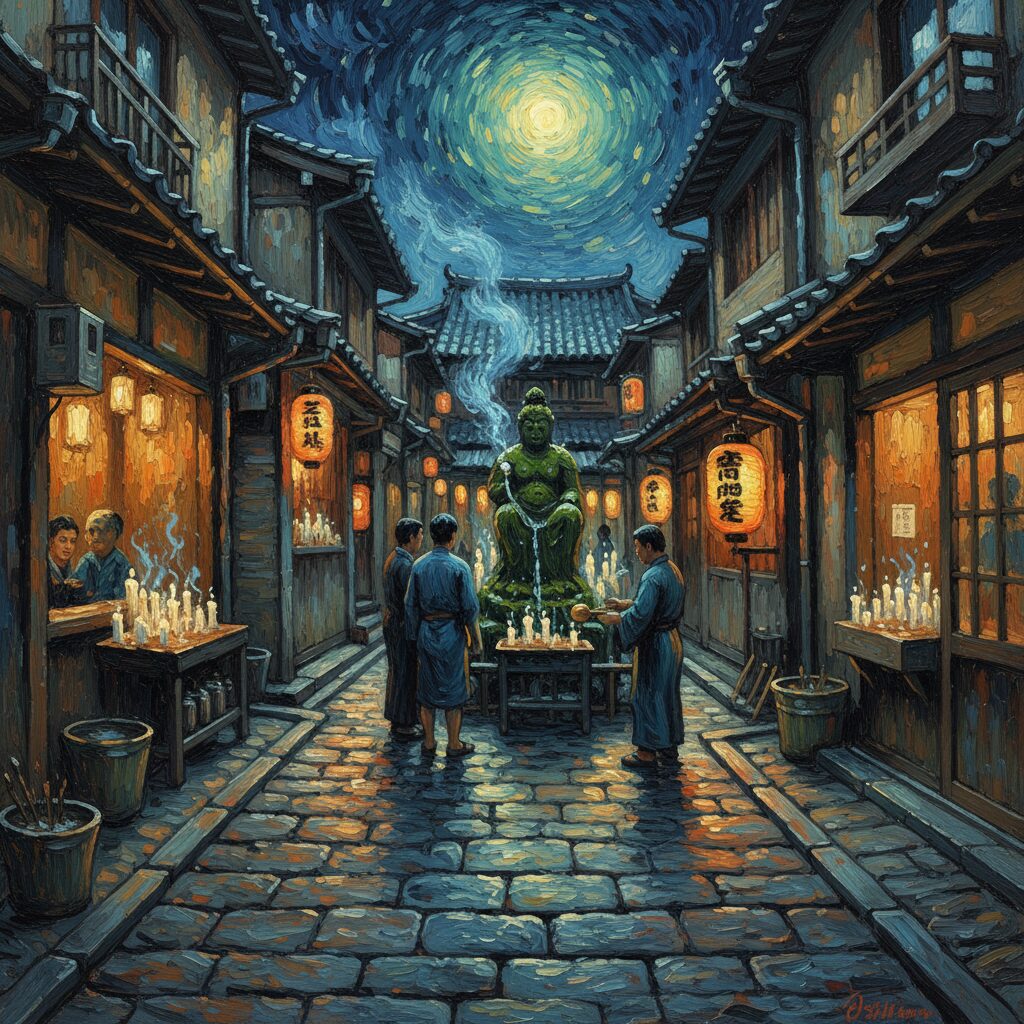
At the spiritual and physical heart of this timeless passage stands Hozenji Temple. It is not a grand, sprawling complex but rather an intimate sanctuary that feels intricately woven into the fabric of the alley. Its presence is the reason Yokocho exists—the anchor that has preserved this small pocket of history for centuries. The temple’s history is compelling, a tale of resilience reflecting that of Osaka itself. Founded in the 17th century, it grew into a major center for prayer, with grounds once far larger than today. However, the devastating World War II air raids engulfed the area in flames, reducing almost everything to ashes. Miraculously, one statue survived the inferno: a fierce-faced deity who became the enduring symbol of Hozenji Yokocho—Fudo Myo-o.
Affectionately known by locals as Mizukake Fudo-san, or “the water-splashed Fudo,” this statue is the alley’s vibrant soul. Fudo Myo-o is one of the Five Wisdom Kings in Japanese Buddhism, a powerful, wrathful deity who destroys evil and transforms anger into salvation. His expression is stern, his stance resolute, yet he embodies immense compassion. The statue today is blanketed in a thick, velvety coat of vibrant green moss—a living cloak grown over decades from the offerings of countless worshippers. The ritual here is simple and beautiful: visitors and locals alike take a wooden ladle, scoop water from a stone basin, and pour it over the statue while offering a prayer. On a cold winter day, steam rises from the mossy figure, creating an ethereal aura; in summer, the cool water offers a refreshing respite. The constant flow of water has nurtured the moss, transforming the fearsome deity into a gentle green symbol of hope and perseverance.
Witnessing this ritual is deeply moving. You’ll see business owners from nearby restaurants pausing to pray for prosperity, young couples wishing for happiness, and elderly residents expressing gratitude for another day. Pouring the water is a shared moment of quiet reflection that connects everyone who walks this path. This spiritual significance lifts Hozenji Yokocho beyond a mere collection of eateries into a place of true cultural importance. The temple and its moss-covered guardian stand as a constant reminder that even amid the city’s vibrant commercial energy, faith and tradition provide an unshakable foundation.
A Symphony of Senses: The Atmosphere of a Bygone Era
To fully appreciate Hozenji Yokocho, you need to engage all your senses. This is a place meant to be experienced, not simply observed. The enchantment begins the moment you step through the narrow entrance. The outside world fades away, its bright lights and loud noises softened, replaced by something far more subtle and captivating. Underfoot, the flat asphalt gives way to uneven, dark stones, smoothed by generations of footsteps and perpetually damp, reflecting the gentle light above like a calm river.
Your gaze is immediately drawn to the illumination. It doesn’t flood the alley but instead highlights the darkness. Each restaurant and teahouse is marked by a traditional chochin, a paper lantern adorned with elegant calligraphy bearing the establishment’s name. Their combined glow emits a warm, honey-colored light that feels intimate and welcoming, casting deep shadows that enhance the alley’s mystery. Overhead, a web of electrical wires crosses the narrow patch of sky, a quiet reminder that you remain in modern Japan; yet down here, the atmosphere feels like a self-contained world. The architecture reflects old Japan: dark wooden lattices, sliding paper screens, and small noren curtains hanging in doorways, suggesting cozy worlds hidden within.
The soundscape is a delicate symphony. The loud roar of Namba fades into a soft murmur. Instead, you hear gentle conversations drifting from behind closed doors, interspersed with occasional bursts of laughter. The rhythmic sizzle and pop of a teppanyaki grill, the clink of ceramic sake cups, and the scrape of a wooden ladle against the temple’s water basin create a rich auditory tapestry. If you listen carefully, you might catch the soft, distinctive clip-clop of a woman in geta, traditional wooden sandals, on the lane—a sound seemingly lifted from an old film, a percussive note that completes the auditory illusion of time travel.
Then there are the scents. The air in Hozenji Yokocho is a rich blend of aromas that narrate Osaka’s culinary story. The unmistakable, savory fragrance of dashi, the essential Japanese soup stock, simmers gently. This mingles with the smoky, enticing scent of grilled meat and seafood, the slightly sweet and tangy aroma of okonomiyaki sauce caramelizing on a hot griddle, and the faint, clean fragrance of incense wafting from Hozenji Temple. It’s a scent both comforting and appetite-stimulating, promising the delights awaiting inside the small, inviting establishments lining the alley.
Naniwa’s Culinary Stage: Savoring the Flavors of Hozenji Yokocho
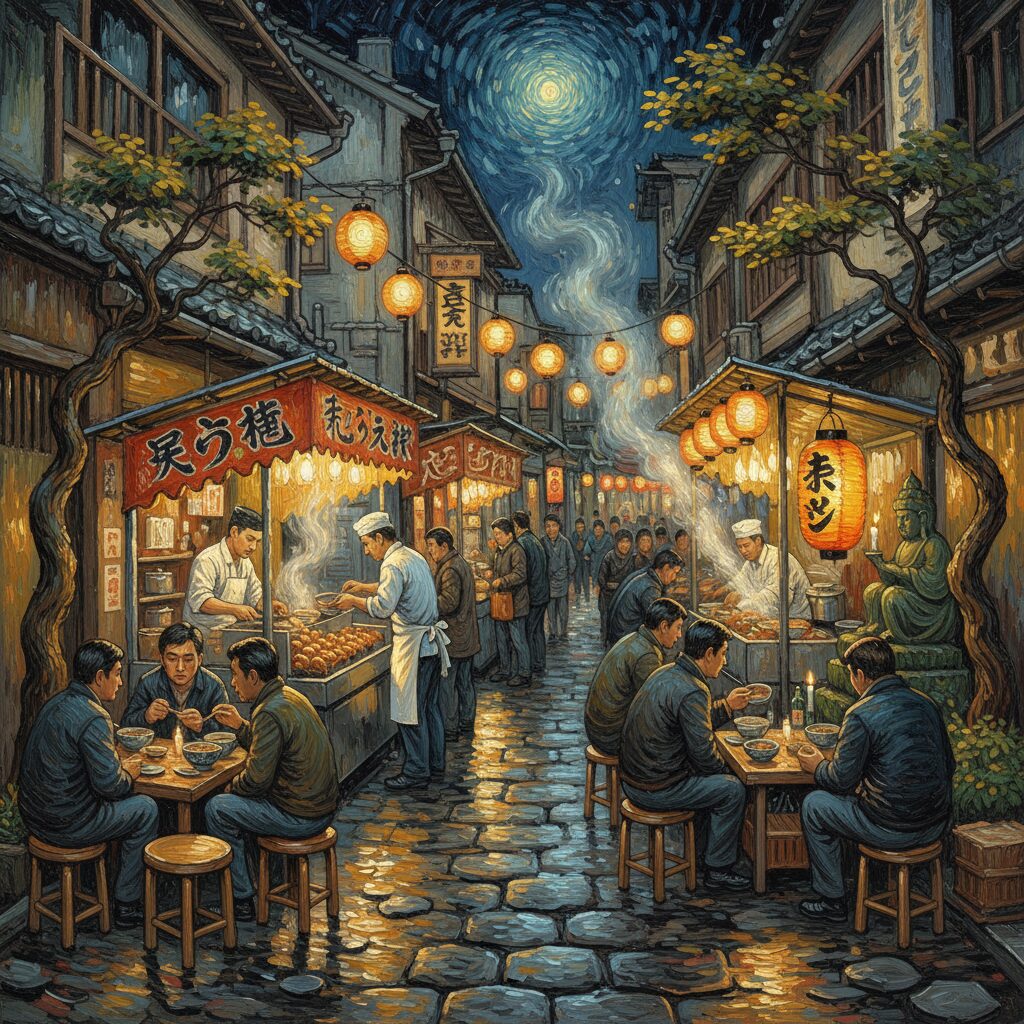
While the temple embodies the alley’s spirit, it is the food that breathes vibrant life into it. Hozenji Yokocho is a culinary treasure trove, home to some of Osaka’s most esteemed and traditional dining establishments. This is not a spot for quick street snacks; it’s where you come to savor a meal, admire the chef’s craftsmanship, and engage in a dining experience honed over generations. The restaurants here tend to be small and intimate, some seating only a few guests at a time, fostering a close connection between chef, food, and diner.
One of the most renowned dining styles you’ll encounter here is kappo ryori, a refined form of Japanese cuisine where diners sit at a counter directly in front of the chef. It offers an interactive and theatrical experience. The chef acts as both cook and host, selecting the finest seasonal ingredients, preparing them with great skill, and explaining each dish as it is served. It’s a dialogue through food, a chance to appreciate the artistry behind a perfectly sliced piece of sashimi or a delicately simmered vegetable. Dining at a kappo restaurant in Hozenji Yokocho is a splurge, but an unforgettable immersion into the heart of Japanese gastronomy.
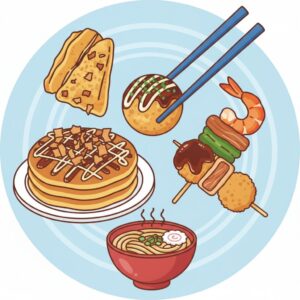
For a taste of something quintessentially Osaka, seek out the places with a large iron griddle, or teppan. Here, masters of okonomiyaki and yakisoba showcase their craft. Okonomiyaki, often described as a savory Japanese pancake, embodies the fun and hearty spirit of the city. A batter mixed with cabbage, meat, or seafood is expertly cooked, flattened, and flipped before being slathered with a sweet and savory brown sauce, drizzled with mayonnaise, and topped with dried bonito flakes that dance in the heat. Hozenji Sanpei is a legendary spot where you can watch this culinary theater up close, the lively atmosphere as much a part of the enjoyment as the delicious food.
Another Osaka specialty found here is kushikatsu, deep-fried skewers of assorted ingredients—from beef and pork to shrimp, scallops, lotus root, and shiitake mushrooms. These skewers are dipped in a light batter and fried to golden perfection. They are served with a communal pot of thin dipping sauce, accompanied by Osaka’s famous culinary rule: no double-dipping! This simple, satisfying dish is a beloved part of the city’s food culture, perfect to enjoy with a cold beer.
No visit to Hozenji Yokocho is complete without stopping at Meoto Zenzai, a tiny shop that has become an institution. They serve only one item: zenzai, a warm, sweet soup made from adzuki red beans, served with two toasted mochi rice cakes in a single bowl. The name “Meoto” means “married couple,” with the two mochi balls symbolizing a loving pair. Eating this dessert together is believed to bless a couple with a long and happy relationship. The story was immortalized in a famous novel by Sakunosuke Oda, securing the shop’s place in Osaka’s cultural history. Even if you’re traveling alone, the warm, comforting sweetness of the zenzai is a perfect way to end your evening in the alley.
The Echoes of History: From Theater District to Culinary Haven
The story of Hozenji Yokocho is closely connected to the history of its lively neighborhood. During the Edo period, this area, known as Minami, thrived as Osaka’s entertainment hub. It housed numerous kabuki and bunraku puppet theaters, attracting large crowds of art enthusiasts, patrons, and performers alike. The grounds of Hozenji Temple served as a busy marketplace and a resting place for theater-goers. The small stalls and teahouses that emerged nearby were the origins of today’s Yokocho. It was a spot where actors prayed for successful performances, playwrights sought inspiration, and audiences gathered after shows to discuss the dramas over food and drink. This artistic and bohemian vibe became an integral part of the alley’s character.
The devastating air raids of March 1945 almost wiped out this history entirely. The whole area was reduced to ashes, with the wooden theaters and teahouses destroyed by fire. Yet amid the ruins, the statue of Fudo Myo-o at Hozenji Temple remained standing, a lone survivor. This miraculous endurance became a powerful symbol of resilience for the people of Osaka. As the city began its recovery, the community united around the temple. Local business owners, determined to preserve the unique pre-war atmosphere, rebuilt their shops in the traditional style, maintaining the narrow, stone-paved layout. They revived the Yokocho not merely as a place of commerce but as an act of defiance against the destruction endured—an enduring commitment to keeping the spirit of old Naniwa alive.
This history is tangible when you walk the alley today. It explains the deep sense of nostalgia and reverence that fills the air. The Yokocho’s character was further influenced by the literary figures who frequented it, the most notable being Sakunosuke Oda, a writer who vividly captured the energy, humanity, and dialect of post-war Osaka. His 1940 novel, “Meoto Zenzai,” tells the story of a tempestuous relationship between a merchant’s son and a geisha, with Hozenji Yokocho and its namesake sweet shop serving as a significant backdrop. The novel firmly established the alley’s place in Japanese cultural memory as a setting for romance, struggle, and enduring human connection. Understanding this history adds depth to your visit—you’re not just walking through a charming lane, but through the pages of a story.
Navigating the Alley: Practical Guidance for the Modern Explorer
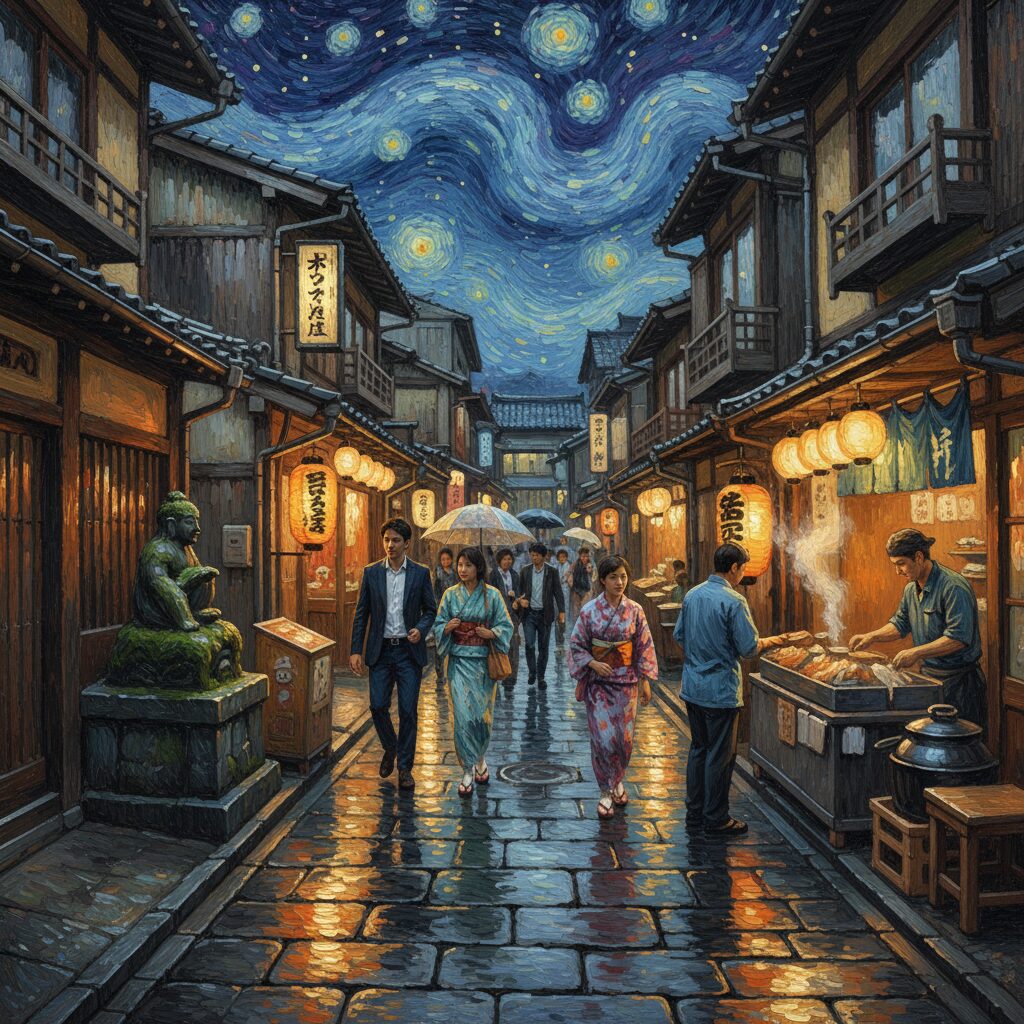
Despite its old-world charm, Hozenji Yokocho is surprisingly easy to access, situated right in the bustling heart of the expansive Namba district. You can reach it effortlessly from any of the main Namba stations, which serve several subway lines (Midosuji, Sennichimae, Yotsubashi) as well as the Nankai, Kintetsu, and JR railways. From the station, it’s just a few minutes’ walk through modern shopping arcades or lively streets. This shift is part of the charm; one moment you’re surrounded by the bright lights and hustle of contemporary Osaka, and the next, you turn a corner and find yourself immersed in the tranquil, lantern-lit ambiance of a bygone era. The main entrances are easily identifiable by stone pillars inscribed with the alley’s name in Japanese (法善寺横丁).
The mood of Hozenji Yokocho varies notably depending on the time of day. Visiting during daylight offers a calmer, more reflective atmosphere. The restaurants remain closed, and the alley is quiet. This is an ideal time to visit Hozenji Temple without crowds, to take your time offering a prayer to Mizukake Fudo-san, and to admire the wooden storefronts’ architectural details along with the textured stone path. The history of the place is truly felt in this serene light.
However, it is after dark that the alley really comes alive. As the sun sets, paper lanterns are illuminated, casting their signature warm glow and creating an enchanting ambiance. Noren curtains are hung, and the enticing aromas of cooking begin to permeate the air. This is when the Yokocho transforms into the lively culinary destination it’s renowned for. For the full experience, I suggest arriving in the late afternoon, around 5 PM. You can first visit the temple in the diminishing daylight and then watch the alley’s transformation with the lantern lighting before settling in for dinner at one of the superb restaurants.
When it comes to dining, a bit of planning goes a long way. The establishments here are small and popular, especially the upscale kappo restaurants. If there’s a particular place you want to visit, making a reservation in advance is highly advisable. Many hotel concierges can assist with this. While many restaurants in Japan now accept credit cards, smaller and more traditional shops like those here often prefer cash, so it’s smart to carry some yen. As a solo traveler, I have always found the counter-style seating typical in the alley very welcoming. It offers a great chance to watch the chefs at work and even chat with them or fellow diners. From a safety standpoint, Hozenji Yokocho feels exceptionally secure. It’s a small, well-lit, and consistently busy spot, making it perfectly comfortable for a solo evening stroll or meal.
Beyond the Lanterns: Exploring the Surrounding Minami Area
One of the biggest draws of Hozenji Yokocho is its location, serving as a peaceful refuge right beside some of Osaka’s most vibrant and famous attractions. Its tranquility is heightened by the intense energy that envelops it. Just a few steps from the alley’s entrance, you’ll find yourself at the Dotonbori canal, the undeniable heart of Osaka’s nightlife. Here, a dazzling sensory overload awaits: the iconic Glico Running Man sign, enormous mechanical crabs and dragons perched on buildings, and a bustling crowd flowing along the promenade. It’s a realm of takoyaki stands, flashy bars, and nonstop entertainment. Experiencing the sharp contrast between the calm Yokocho and the lively Dotonbori within minutes is a quintessential Osaka moment.
For those who enjoy shopping, the vast Shinsaibashi-suji Shopping Arcade is just a short walk away. This covered street extends for hundreds of meters, lined with everything from international luxury brands and trendy boutiques to traditional craft shops and department stores. It’s an excellent spot for people-watching and immersing yourself in the city’s contemporary consumer culture.
To enhance your appreciation of the food you’ll enjoy in Hozenji Yokocho, consider visiting Kuromon Ichiba Market in the morning, often called “Osaka’s Kitchen.” This lively market is where many of the city’s top chefs source their ingredients. You can witness incredible displays of gleaming fresh seafood, premium wagyu beef, and impeccable seasonal produce. It’s a bustling, chaotic, and delicious place, with numerous vendors offering small bites to eat on the spot, such as grilled scallops, fresh sea urchin, and sweet mochi.
If pop culture piques your interest, Nihonbashi Denden Town, Osaka’s counterpart to Tokyo’s Akihabara, is also nearby. This district is filled with shops selling electronics, anime, manga, and collectibles. The diversity of these neighboring areas highlights what makes Hozenji Yokocho so unique. It’s a pocket of quiet history that has endured, refusing to be absorbed by the ever-evolving modern city around it, providing a vital and beautiful contrast to the exhilarating pace of Minami.
An Invitation to Timelessness: Final Thoughts on Hozenji Yokocho
In a city that prides itself on progress, commerce, and constant reinvention, Hozenji Yokocho stands as a striking and poetic testament. It suggests that moving forward does not require erasing the past. This narrow alley is more than a tourist spot; it is a living museum, a spiritual refuge, and a culinary gem, all encompassed within a hundred meters of stone and wood. It serves as a reminder of enduring values: faith, community, craftsmanship, and the simple joy of sharing a well-prepared meal in a beautiful setting.
Visiting here offers a chance to slow down, breathe in the fragrant air, and connect with a side of Osaka that is subtle, soulful, and deeply rooted in its unique history. It’s about discovering the sublime in small details—the moss patterns on a stone statue, the flicker of light through a paper lantern, the umami of a perfectly crafted dashi. So, when you find yourself amid the vibrant chaos of Namba, listen for the echoes of the past. Let them lead you to this hidden alley. Walk its stones, make a wish, and allow yourself to get lost, if only for a moment, in the timeless heart of Naniwa.