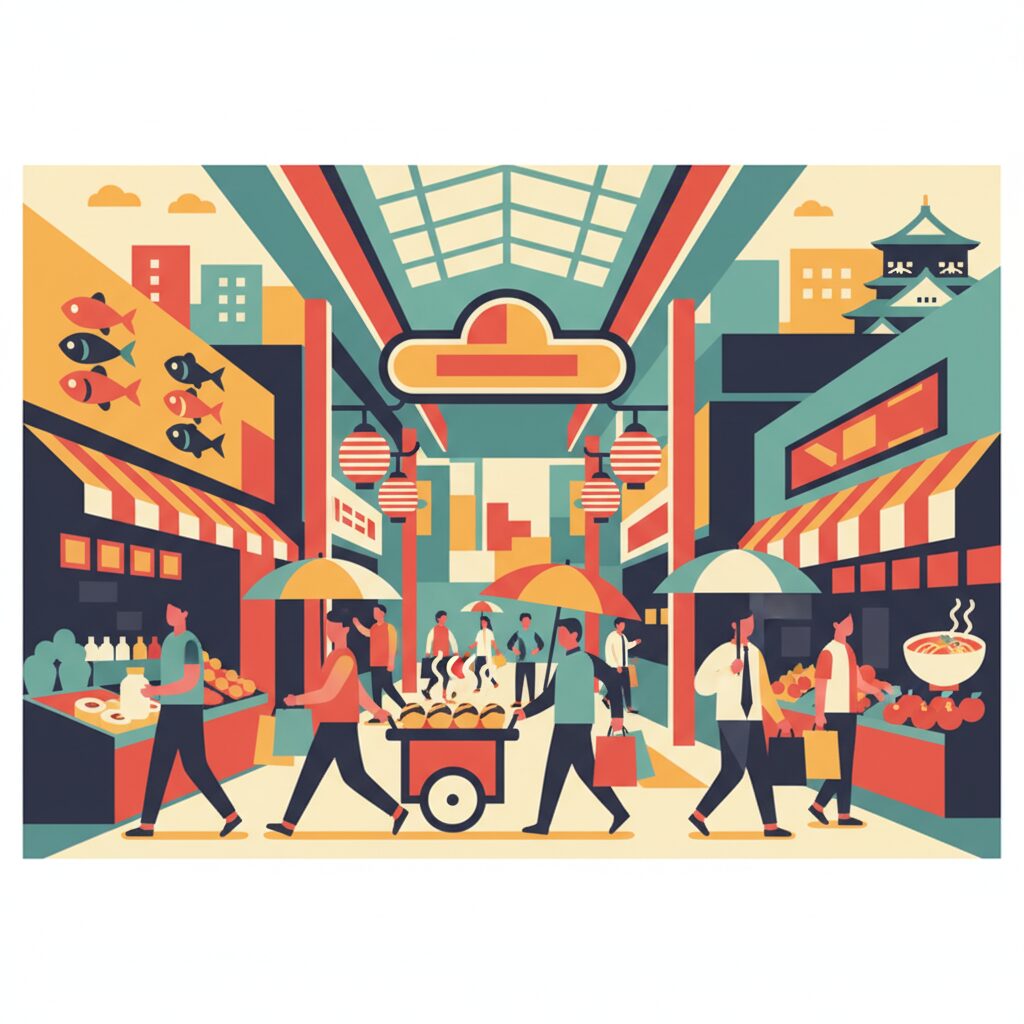
You’ve seen the pictures, I’m sure. The giant crab, its mechanical legs waving a slow, steady rhythm over a river of people. The Glico Running Man, arms outstretched in perpetual victory, bathing the Dotonbori canal in a neon glow. This is the Osaka that flashes across screens worldwide, a city of spectacle, of overwhelming energy, a place where the food is loud and the people are louder. You walk through Shinsaibashi-suji, a cathedral of commerce roofed over and stretching for what feels like miles, and you think, this is it. This is the heart of Osaka.
But it’s not. Not really. That’s the stage. It’s a brilliant, dazzling performance put on for the world, and locals love it too, for a night out, for showing off the city to visiting cousins. But it’s not where life is lived. The real heart of Osaka doesn’t beat under the glare of brand-name storefronts and tourist-friendly menus. It beats with a steadier, more rugged rhythm, under the weathered plastic roofs of hundreds of other, smaller, less famous shopping arcades, the shōtengai. These are the veins of the city, the arteries that carry the lifeblood of its neighborhoods. To walk through Shinsaibashi is to see a show. To walk through the Senbayashi Shōtengai on a Tuesday morning is to see Osaka breathe. This is where the city’s true character—pragmatic, boisterous, deeply communal, and obsessed with value—is on full, unvarnished display. If you’re thinking of making a life here, or just want to understand what makes this city tick in a way that’s different from anywhere else in Japan, you have to look past the neon. You have to learn the language of the local shōtengai.
To truly understand this communal spirit, you can also explore how Osaka’s neighborhood shrines forge the city’s true heartbeat.
The Two Faces of Osaka’s Arcades: Tourist Stages vs. Neighborhood Arteries
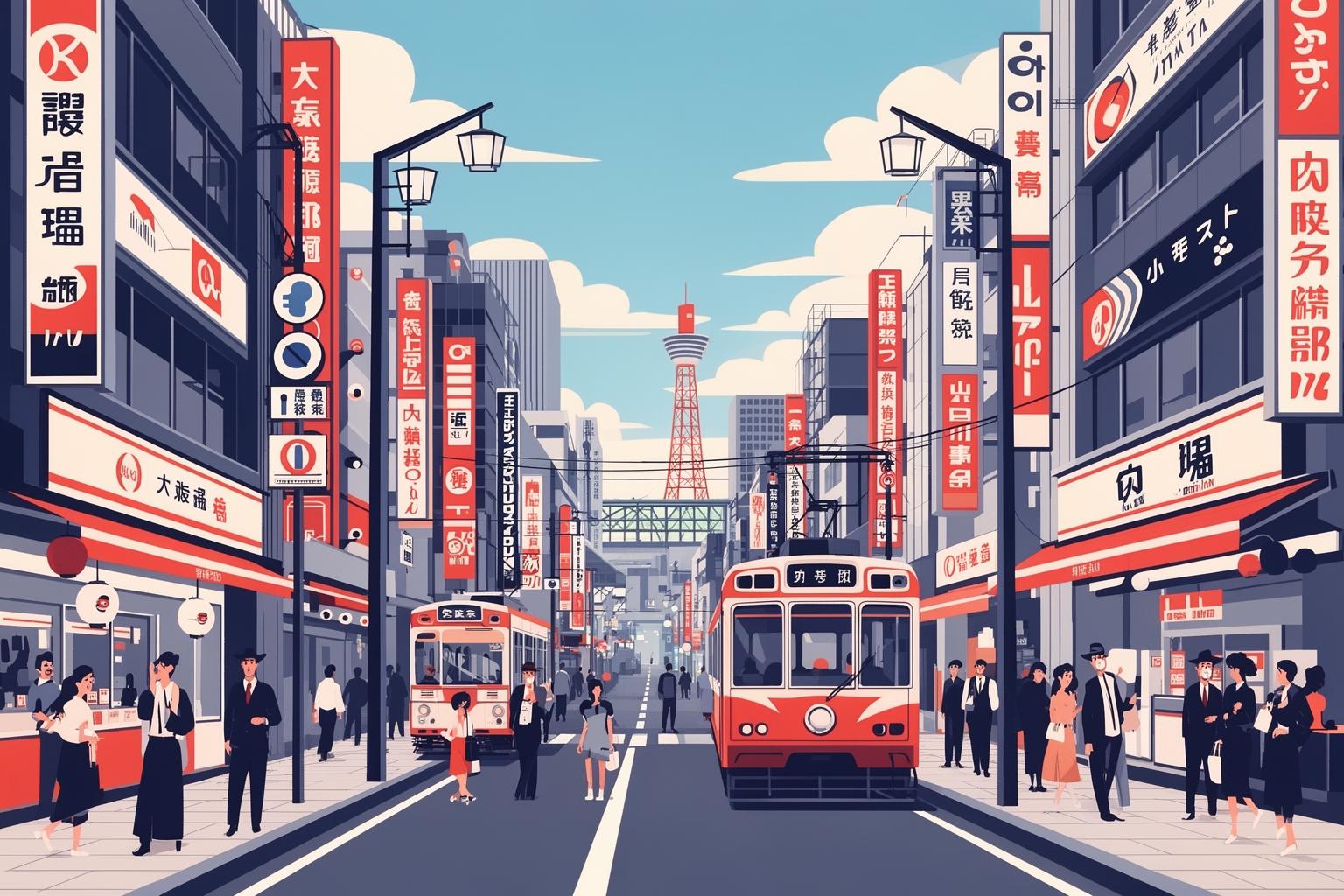
Every city has its contrasts, but in Osaka, these divisions are distinctly marked by its shopping streets. Appreciating this difference is the key to moving past a superficial encounter with the city and entering its genuine, everyday life. One represents a carefully tailored experience meant for consumption and Instagram photos; the other is a raw, practical, and deeply communal environment crafted for living.
The Spectacle of Shinsaibashi and Dotonbori
Let’s begin with the familiar. Shinsaibashi-suji and its adjoining labyrinth of streets showcase a marvel of contemporary retail. The arcade is tall, spacious, and brightly lit, impeccably tidy. The shops include a lineup of international and domestic brands: Uniqlo, Zara, drugstores as large as airplane hangars glowing in fluorescent light, and souvenir stores offering every imaginable variation of takoyaki-flavored snacks. The air hums with a mixture of piped-in pop music, multilingual announcements, and the excited buzz of travelers from all corners of the world.
This is Osaka as an export. It’s polished, efficient, and easy to navigate. Prices are fixed. Service is courteous but often impersonal, designed to manage high traffic. Locals do appear here, certainly, but they come with a purpose—shopping for a particular item at a specific shop, or meeting friends for dinner at a trendy eatery. They are not here for their weekly groceries. They are not stopping by to catch up with the neighborhood butcher. This is a destination, a place you visit to, not a place you live in. It serves excellently as the city’s commercial showcase, but searching for Osaka’s soul here is like trying to know a country solely by visiting its international airport.
The Rhythm of the Real ‘Shōtengai’
Now, take the subway for about ten minutes. Get off at a local stop such as Tenjinbashisuji 6-chome, Senbayashi, or Komagawa-Nakano. Step out onto the street, and you’ll encounter a very different scene. The roof may be lower, the lighting slightly dimmer. The polished tiles of Shinsaibashi give way to worn asphalt, marked by the wheels of countless bicycles and delivery carts. This is the neighborhood shōtengai.
The sounds here are distinct. There’s no curated soundtrack; instead, you hear the steady clang of knives at the fishmonger’s stall, the gravelly calls of a fruit vendor advertising his bargains—“Kyō wa ringo yasui de! Hyaku en!” (Apples are cheap today! 100 yen!)—the squeak of bicycle brakes, and the overlapping chatter of neighbors who have known each other for decades. The smells form a rich mosaic of daily life: the sweet, soy-sauce fragrance of grilled eel from a tiny specialty shop, the savory steam from a tofu maker’s vat, the fresh scent of daikon radishes heaped high, and the undeniably mouthwatering, greasy aroma of a shop frying korokke (croquettes) by the dozen.
This is where Osaka conducts its daily life. This is not a performance. It’s the city’s engine room. Places like Tenjinbashisuji Shōtengai, Japan’s longest at 2.6 kilometers, are legendary. You can walk for an hour straight and remain within the arcade, passing hundreds of independent, family-owned businesses. Even the smaller, unnamed arcades branching off main roads in residential neighborhoods are crucial. They serve as social and economic hubs of their communities, a complete ecosystem where you can buy fresh fish, get your glasses fixed, see a doctor, and grab an affordable, satisfying lunch, all within a few hundred meters.
The Unwritten Rules of the ‘Shōtengai’ Economy
To those unfamiliar, the local shōtengai may appear chaotic and overwhelming to the senses. However, beneath this lively exterior lies a sophisticated and deeply rooted economic culture. It’s a system founded on human interaction, keen negotiation, and relationships. It contrasts sharply with the quiet, impersonal exchange typical of a Tokyo convenience store.
‘Nambo?’ – The Art of the Osaka Transaction
In Tokyo, customers often greet shopkeepers with polite, formal phrases. In Osaka, however, transactions frequently start with a refreshingly direct “Nambo?” (How much?). This is more than just a question; it’s an opening move—a signal that the buyer is serious and ready to engage. The shopkeeper’s answer is not merely a price but the beginning of a conversation.
Outsiders may mistakenly see this straightforwardness as rude or abrupt. It is neither; rather, it represents efficiency and equality. Within Osaka’s merchant culture, customer and seller are equals in a game. Mutual respect exists, but it’s not based on deference—it’s founded on a shared understanding of value. The shopkeeper takes pride in both product and price and expects the customer to be savvy enough to recognize a fair deal. The exchange is quicker, livelier, and more personal. While transactions in Tokyo are quiet exchanges, those in Osaka unfold as lively dialogues.
‘Chotto Makete’ – The Ritual of Bargaining
Perhaps the most well-known—and often misunderstood—facet of Osaka commerce is the phrase “Chotto makete kureru?” (Can you give me a little discount?). It’s ingrained in the city’s culture but differs from the intense bargaining seen elsewhere. This is a delicate, playful ritual.
Requesting a discount signals engagement; it shows the vendor you’re a knowledgeable local, not a tourist willing to pay any price. It’s a form of compliment, implying their goods are prized enough to warrant some negotiation. The vendor might laugh and refuse, or they might reduce the price slightly, but more often, they’ll practice omake—offering something extra. Buy five tomatoes, and you might get a sixth free. Purchase some fish, and they could add clams for your soup. That’s where the charm lies.
Knowing when and where to ask matters. Bargaining isn’t done at chain drugstores or supermarkets but at independent fruit stands, family-run fish stalls, or long-established pickle shops. It happens when buying multiple items, giving the seller reason to sweeten the deal. It’s a dance: you ask, they respond, and both feel victorious—you get more value, and they gain loyalty. This exchange lubricates social bonds, transforming a simple purchase into a memorable human experience.
More Than Money: Building ‘Kao na Joomi’ (Familiar Faces)
At the heart of this is the enormous value of becoming a regular. In the shōtengai, your face is your currency. Initially, you’re just a customer; returning often turns you into a jōren-san, a familiar face. That’s when the true perks of the shōtengai lifestyle emerge. The butcher reserves your preferred cut. The vegetable vendor points out the freshest spinach that just arrived. The tofu maker has your favored firm variety ready.
They learn your name, enquire about your family, and recall past chats. This goes beyond any corporate loyalty scheme; it’s a authentic human connection. Being known, or kao na joomi, means better service, fresher products, and often, better prices. The omake might become more generous. You might get early notice of sales on pricey strawberries. This investment in time and conversation yields benefits far beyond a few saved yen. It weaves you into the neighborhood’s fabric and counters the anonymity of modern city life.
‘Yasui, Umai, Omoi’: The Holy Trinity of Osaka Consumption
To grasp the core philosophy behind every transaction in an Osaka shōtengai, you need to know three words: Yasui (cheap), Umai (delicious), and Omoi (generous portion). This isn’t merely a preference; it’s a way of seeing the world, a standard by which everything is judged—from a bowl of udon to a bag of onions.
A Philosophy Rooted in Commerce
This mindset comes from Osaka’s history. As the tenka no daidokoro (the nation’s kitchen) during the Edo period, Osaka was Japan’s commercial center, a city of merchants rather than samurai. Status was earned through business skill, not inheritance. In this fiercely competitive setting, success depended entirely on offering customers the best value for their money. If your product wasn’t good and affordable, the shop next door would drive you out of business within a week. This created a population of highly discerning and demanding consumers. Osakans take pride in their ability to spot a good deal and have no tolerance for anything they judge overpriced or subpar.
This sharply contrasts with Tokyo, where presentation, branding, and a certain aesthetic polish often justify higher prices. An Osakan will see a beautifully packaged, tiny portion of expensive food not as elegance but as a rip-off. They always prioritize substance over style. The shōtengai embodies this philosophy perfectly.
The ‘Shōtengai’ as a Battlefield of Value
Strolling through any lively local shōtengai, you see this contest for value in action. You’ll find not one but three competing green grocers, each with heaps of produce piled high outside their stores. Their signs aren’t refined or minimalist; instead, they’re bold, hand-painted bursts of red and black ink, shouting prices. “Daikon, ippon, kyūjū-hachi en!” (One whole daikon radish, 98 yen!). One owner yells out his prices while his rival across the street tries to outshout him.
This fierce competition benefits consumers the most. It keeps prices brutally low and quality impressively high. These vendors know their customers are knowledgeable. They can’t cheat by selling day-old fish or bruised apples. Their reputation—and livelihood—depends on offering fresh, quality goods at prices their neighbors can afford. For locals, this means a lifestyle where eating well on a modest budget is possible. They can fill their bags with fresh, seasonal vegetables, high-quality fish, and specialty tofu for a fraction of what it would cost in a sterile, plastic-wrapped supermarket elsewhere.
The 100-Yen Croquette and the Strategy of ‘Tsuidegai’ (Impulse Buys)
Another key tactic in this value war is the mastery of the cheap, delicious snack. Almost every shōtengai boasts at least one legendary o-sozai-ya (deli) or butcher shop selling freshly fried korokke, menchi-katsu (minced meat cutlet), or karaage (fried chicken) for about 100 yen. The aroma alone acts as irresistible advertising.
These snacks are more than just treats. They’re a clever business strategy—a low-cost, high-scent draw that pulls you into the arcade and toward a specific shop. You may be heading to buy fish, but the smell of frying croquettes stops you. At 100 yen, how can you resist? While waiting for your croquette, you notice the pork looks especially good today, so you pick some up for dinner. This is the art of tsuidegai—the incidental or impulse purchase. The croquette acts as a gateway to the rest of the store’s offerings, a cheap and tasty ambassador of their quality. It perfectly captures the Osaka merchant spirit: practical, enticing, and undeniably a great deal.
The ‘Shōtengai’ as the Neighborhood’s Living Room
Beyond economics, the most vital role of the shōtengai is social. In an era of online shopping and impersonal big-box stores, these arcades remain fiercely and defiantly human. They serve as public squares, community centers, and living rooms for their neighborhoods, all combined into one covered street.
Where Conversations Come Free
In a shōtengai, a transaction is rarely just a simple exchange. It’s an opportunity for conversation. You don’t simply buy fish; you ask the fishmonger what’s freshest today and how to prepare it. He’ll explain in detail, then inquire about your son’s exams. The elderly woman at the pickle stall might remark on the weather before effortlessly sharing the latest neighborhood gossip. Benches placed along the arcade aren’t just for weary shoppers; they act as social hubs for the elderly residents, places to gather, watch the world, and be seen.
This steady, low-level social interaction is the adhesive that holds the community together. It counters the social isolation that often pervades major cities. In the shōtengai, you’re not an anonymous face in the crowd. You’re Tanaka-san’s daughter, the man from the third-floor apartment, the woman who always purchases silken tofu. This network of weak connections builds a strong sense of belonging and security. If you don’t appear for a few days, someone will notice and ask if you’re alright. This social safety net is an intangible but priceless asset of life in the shōtengai.
Beyond the Sale: Essential Services
The shōtengai’s ecosystem goes far beyond food. Nestled between the butcher and baker are all the essential daily services, operated by local proprietors. There is a tiny, one-chair barbershop where the barber has been cutting the same heads of hair for decades. A cramped pharmacy where the pharmacist knows your health history better than you do. You’ll find watch repair shops, key cutters, shoe menders, small clinics, and even fortune tellers, all running on a personal, human scale.
This creates a hyper-local, 15-minute city long before the concept gained popularity. Everything you need for daily life is within a short walk or bike ride. This encourages a more sustainable, less car-dependent lifestyle. It also means you support a diverse network of small, local businesses instead of sending money to distant corporations. You’re investing in your own neighborhood and the people who live and work alongside you.
Reading the Signs: How to Navigate Like a Local
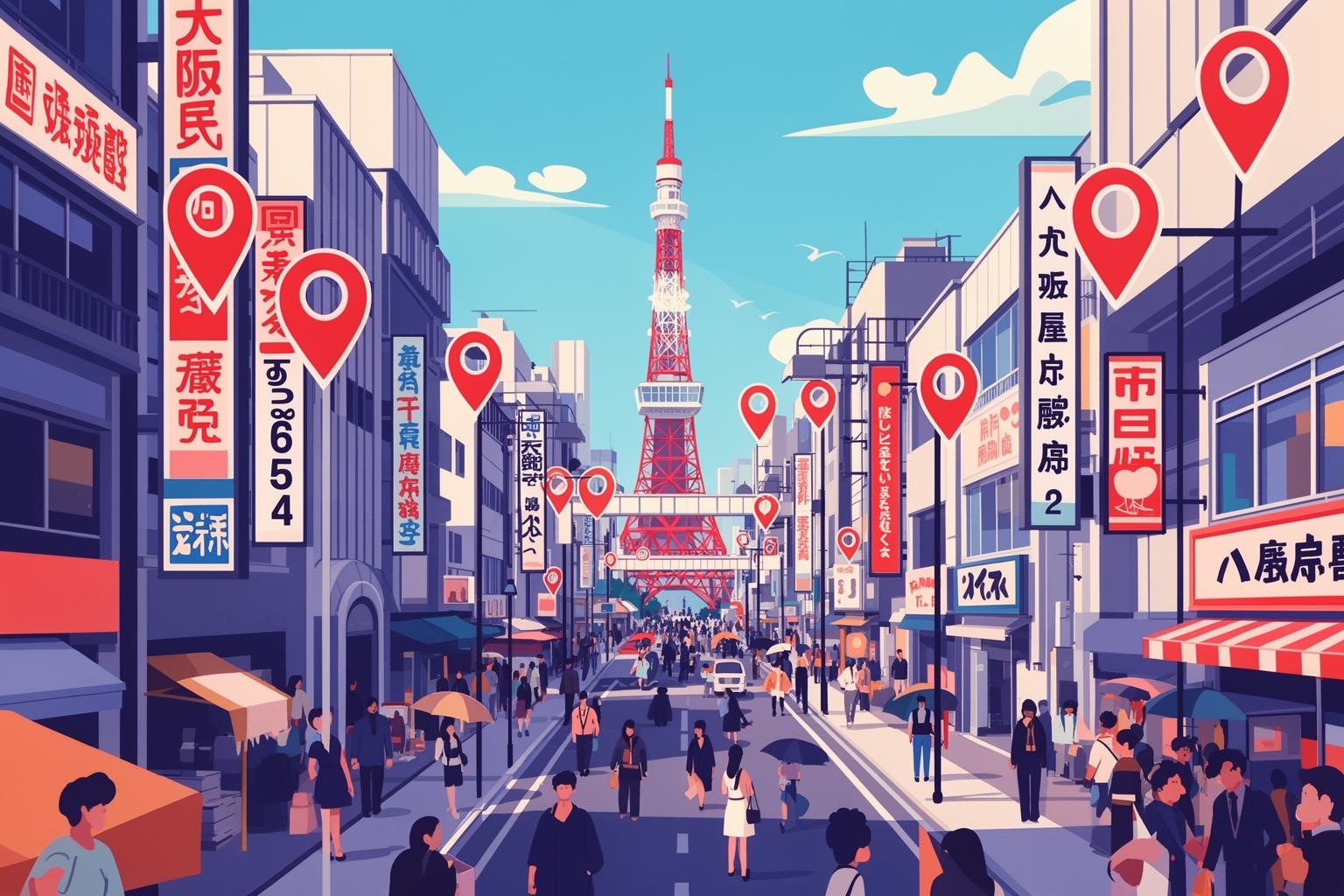
For someone new, deciphering the unwritten rules and visual language of a shōtengai can feel daunting. However, with a bit of attention, you can quickly learn to navigate these spaces like an experienced local.
Understanding the Visual Language
First, you need to forget the aesthetics of modern retail. In the shōtengai, clutter doesn’t indicate disorder; it signals abundance and great value. A pile of onions spilling out of a crate onto the floor, or a chaotic heap of cabbages with a handwritten sign stuck in it—this visually confirms that the vendor has so much stock, they’re practically giving it away. A clean, perfectly organized, minimalist display often means high prices and a tourist-friendly approach. Look for the messy, the chaotic, the handwritten. That’s where the bargains lie.
The signs themselves form a language. Bold, thick characters, often in red or yellow, express urgency and low prices. The price—say, 100 yen—is written large, with the item name smaller. The price takes center stage. Get familiar with characters for things you buy regularly—玉ねぎ (onions), 豚肉 (pork), 魚 (fish)—and you’ll spot deals from afar.
Following the Flow: Time and Rhythm
A shōtengai follows a clear daily rhythm. Early morning is dominated by professionals—local chefs and serious home cooks who want first pick of the day’s fish and produce. Mid-morning is the busiest time for shufu (housewives) and retirees, a steady, lively crowd with carts and bicycles. Early afternoon tends to quiet down, offering a peaceful time to shop and chat with vendors.
Then comes the after-school rush, when children stop for inexpensive snacks on their way home. The busiest period is the evening commute, from around 5 PM onwards, as people leave the nearby train station to grab dinner ingredients. This is also when the best deals appear. Butchers pre-pack meat cuts and mark them down to clear stock. The fishmonger offers steep discounts on items needing to be sold before closing. Understanding this rhythm lets you time your shopping to get either prime selection or the lowest prices.
The Power of Observation
Ultimately, the key to mastering the shōtengai is to watch and listen carefully. Where are the longest lines? Osakans have a keen sense for value, so a long queue reliably signals an excellent deal or an exceptionally tasty product. Follow the local grandmas—they know what they’re doing.
Pay attention to interactions. How do people ask for things? What phrases do they use? You’ll absorb the local dialect and the rhythm of negotiation. Notice how regular customers are greeted. This observation becomes your guide. Don’t hesitate to try. Point to what you want. Use simple phrases. Your effort to engage, even if imperfect, will be far more appreciated than silent, purely transactional behavior. The vendors aren’t just sellers; they are mentors, ready to welcome you into their world.
Why This Matters for Your Life in Osaka
Embracing the shōtengai is more than just saving money on groceries or discovering delicious snacks. It represents a fundamentally different way of living in a city—a conscious decision to engage in a more connected, human-scale, and authentically Osakan lifestyle.
Escaping the ‘Gaijin’ Bubble
It’s easy for foreigners in any Japanese city to remain in a bubble, frequenting international supermarkets, chain stores, and English-speaking venues. The shōtengai serves as a powerful means to break free from that. It encourages you to interact in Japanese, connect with people from various backgrounds, and take part in the daily rhythms of your community. When the tofu maker greets you by name, you stop being just another “foreigner” and become a neighbor. This kind of integration distinguishes merely living in a city from genuinely making it your home.
A Sustainable, Affordable Lifestyle
The financial advantages are clear. By doing most of your shopping at the shōtengai, you can significantly reduce your living expenses without compromising on quality. Often, the fresh produce and proteins here surpass what supermarkets offer. Additionally, you support a more sustainable lifestyle by backing local families, minimizing plastic packaging (as vendors typically put your produce straight into your bag), and decreasing food waste by purchasing only what you need for that day’s meals.
Understanding the Osaka Soul
Ultimately, the shōtengai acts as a living museum showcasing what makes Osaka special. It’s where the city’s merchant heritage, pragmatic focus on value, straightforward communication style, and strong sense of community blend into a lively, vibrant, and utterly charming experience. Living in Osaka but only shopping at supermarkets is like reading a book by glancing at the cover alone. To explore the shōtengai, learn its rhythms and language, is to grasp the true essence of the city. It’s found in the call of the vegetable vendor, the sizzle of a freshly made croquette, and the shared laughter over a small omake—revealing the honest, practical, and deeply human spirit of Osaka.