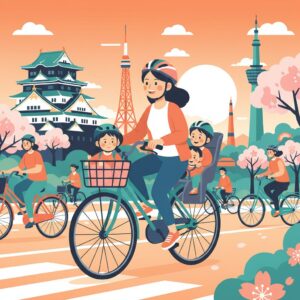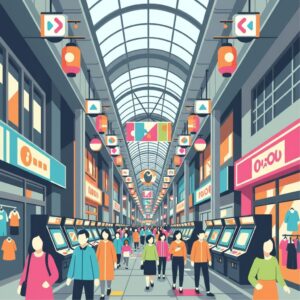
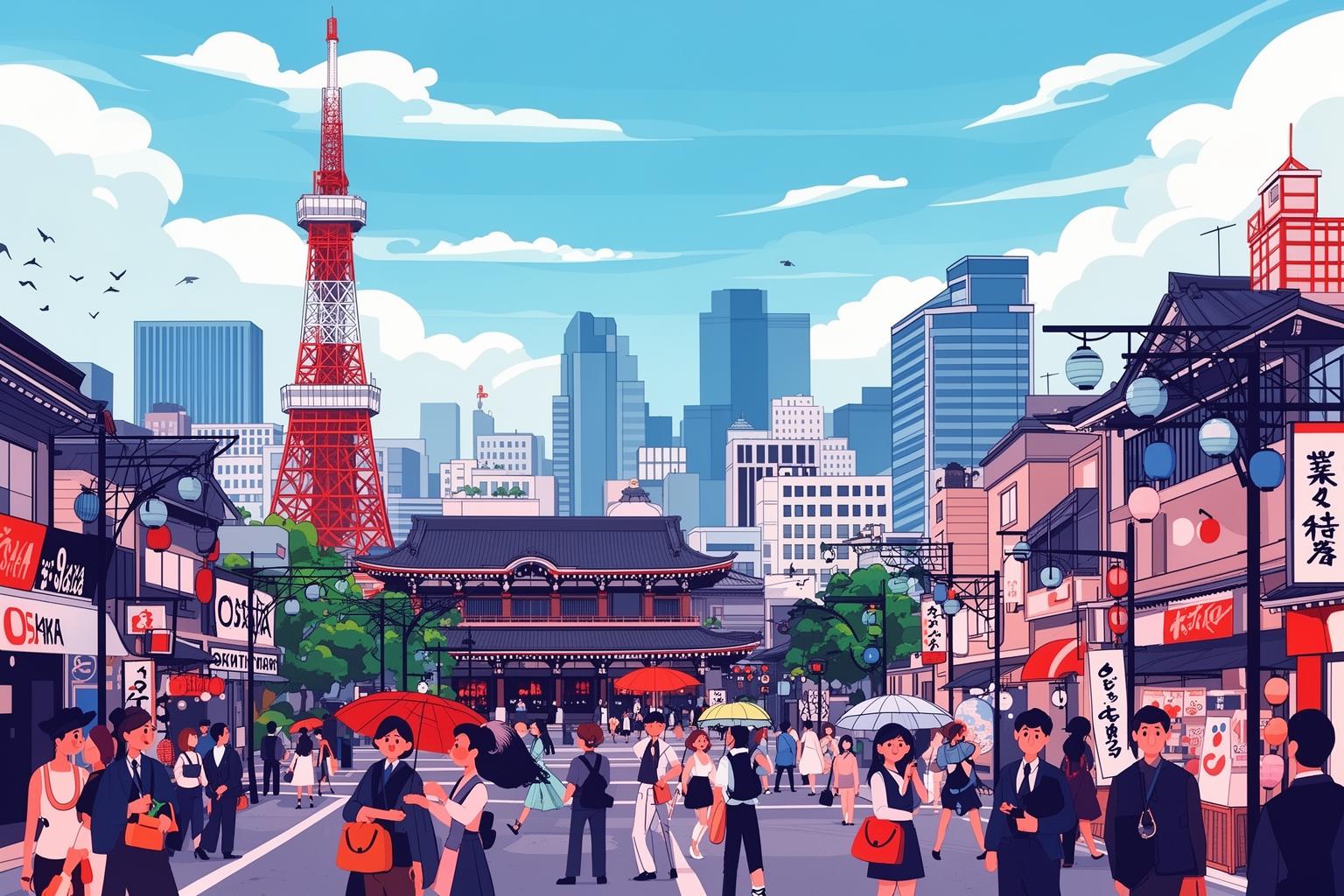
The roar of Osaka is a physical thing. Stand in the human river flowing through Umeda Station, and you feel the city’s relentless forward momentum in the soles of your shoes. Everyone walks with purpose, a clipped, determined pace that says there are deals to be made, trains to be caught, and life to be lived at full throttle. The modern cafes reflect this. They are gleaming temples of efficiency, all polished concrete and minimalist wood, designed to get you caffeinated and on your way in the shortest possible time. Your interaction is with a tablet, your coffee is ready in ninety seconds, and the Wi-Fi is faster than your thoughts. It’s a culture of speed, of relentless optimization.
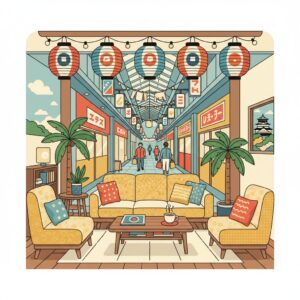
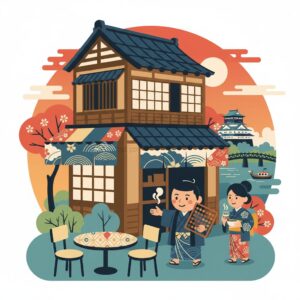
But then, you turn a corner. Down a narrow, non-descript side street in Namba, or tucked away in the covered labyrinth of a shotengai shopping arcade, you see it. A faded sign, maybe with a single buzzing fluorescent tube, bearing the characters 喫茶店 — Kissaten. You push open a heavy wooden door with a small brass bell that jingles softly, and you step across a threshold not just into a room, but into another decade. The city’s roar vanishes, replaced by the hushed murmur of conversation, the scent of dark-roasted coffee, and the faint, ghostly perfume of Showa-era tobacco. The clock on the wall might still be ticking, but you’ve left Osaka’s time and entered Kissaten time. These places are not just coffee shops; they are cultural archives, living museums of a slower, more deliberate way of life. They are an essential piece of the puzzle for understanding the soul of this city, a soul that, beneath the brash, fast-talking exterior, harbors a deep appreciation for lingering, for substance, and for the quiet art of doing nothing at all. This isn’t a guide to the best kissaten; it’s an exploration of the world they hold within their walls.
To truly understand this city’s unique rhythm, one must also explore its modern social hubs, such as the vibrant language exchange cafes, where connection thrives in a different tempo.
The Unspoken Contract of the Kissaten
To truly understand what a kissaten is, you first need to unlearn everything a modern coffee chain has taught you. The transaction itself is not the focus. The experience is not designed for quick convenience. You are not a customer in the usual sense; you are a temporary occupant, and your cup of coffee is the rent you pay for a slice of time and space. This fundamental difference in philosophy shapes every interaction and is deeply rooted in Osaka’s pragmatic, value-conscious mentality.
More Than a Transaction, It’s an Occupation
Step into a Starbucks, and the process runs like clockwork. You join a line, call out your customized order to a smiling barista, tap your phone to pay, and then step aside to wait for your name to be called. It’s a system built on speed and volume. The 500 yen you spend gets you a specific product—a cup of coffee—and the right to use the Wi-Fi until social cues or the need for a refill send you on your way.
At a kissaten, the ritual is reversed. You enter, and the pace slows down. There’s no line. You pick a seat—often a plush, high-backed booth that feels like a private compartment on an old train. Only then does someone approach you, usually the owner, who is universally called the “Master.” They bring you a glass of water (oshibori) and a menu, then leave you in peace. There is no hurry. The unspoken understanding is that the 600 yen you will eventually pay for a “blend coffee” isn’t just for the drink itself. It’s the fee for the right to occupy that booth. It buys you an hour, maybe two, of undisturbed calm. It’s an investment in serenity.
This idea is a distinct Osaka spin on the concept of moto o toru (元を取る), which literally means “to get your base back,” or to get your money’s worth. In a merchants’ city, value is everything. But here, value isn’t limited to the product alone. It’s found in intangible benefits: the silence, the privacy, the absence of pressure to consume quickly and leave. You can read a book, write a letter, close your eyes and listen to the muffled sounds of the city beyond. You are renting a moment of stillness, and in a city like Osaka, that is a rare treasure. The soundscape is part of the experience: the gentle clink of a ceramic spoon against a thick cup, the quiet rustle of a newspaper’s pages turning, the low hum of an old air conditioner, the almost imperceptible hiss of a coffee siphon in action. It’s the opposite of the loud pop music and espresso machine shrieks common in modern cafes.
The Master: Curator of Calm, Guardian of the Gate
At the heart of this world is the Master. This is not a teenager working a part-time job; it is a career, a lifelong dedication. The Master is the owner, barista, server, and silent guardian of the cafe’s atmosphere. Their presence is as integral to the kissaten as the dark wood paneling lining the walls.
Many Masters cultivate an initial impression of gruffness or detached professionalism. There’s no forced smile or perky “Have a great day!” It’s a more traditional style of Japanese hospitality, based on quiet competence rather than effusive friendliness. You are a guest in their space, and they will provide excellent coffee and preserve your tranquility. Their movements are a study in economy and grace. Watch a Master prepare siphon coffee—a slow, deliberate ballet of glass, flame, and water. Every motion has been rehearsed thousands of times, refined to a meditative perfection. He polishes the counter, arranges the cups, and surveys his small domain with a quiet, watchful eye.
This consistency offers a deep sense of stability. The Master has likely stood behind that same counter for thirty, forty, or even fifty years. They’ve witnessed the neighborhood’s changes, seen booms rise and fall, served coffee to generations of the same families. They are a fixed point amid the city’s constant flux. While Tokyo often feels caught in a cycle of tearing down and rebuilding, chasing the new and the trendy, Osaka’s kissaten culture represents a stubborn, heartfelt devotion to what endures. The Master is the human embodiment of that devotion. They don’t just serve coffee; they preserve a world.
An Architecture of Nostalgia and Practicality
The look and atmosphere of a kissaten are immediately recognizable and strikingly different from the bright, airy style of modern cafes. Its design language does not embrace minimalism or rustic chic. Instead, it serves as a direct window into the mid to late Showa Era (roughly the 1950s through the 1980s), a time marked by rapid economic growth and rising middle-class confidence. This aesthetic isn’t merely “retro”; it is a thoughtfully crafted environment focused on comfort, privacy, and escape.
Velvet, Dark Wood, and the Scent of History
Upon entering a classic kissaten, your senses are instantly enveloped. The lighting is the first detail that stands out. It is consistently dim, casting a warm, golden hue that softens the world’s edges. Light emanates not from harsh overhead LEDs but from ornate, slightly dusty chandeliers, brass-and-glass wall sconces, or the iconic, colorful glow of Tiffany-style lamps suspended over corner booths. This approach is not just about atmosphere; it consciously rejects the sterile, overlit reality of offices and streets. It signals your brain to slow down, let your eyes adjust, and ease into a more relaxed state.
The furniture invites lingering. Seating typically consists of upholstered booths or deep armchairs covered in dark red or green velvet, or cracked brown vinyl. These pieces are plush, substantial, and designed to engulf you. The high-backed booths form private enclaves, perfect for discreet business talks, intimate conversations among friends, or solitary readers who wish to disappear completely. This sharply contrasts with the hard wooden chairs and small, wobbly tables common in modern cafes, which seem engineered to encourage customers to leave once their drink is finished.
The material palette emphasizes dark, rich textures. Walls are clad in dark, polished wood panels. Counters are long, smooth slabs of thick stone or wood, worn down over decades by countless elbows. The air itself feels textured, filled with a complex aroma layering dark-roast coffee, caramelized sugar, and most distinctively, the lingering ghost of cigarette smoke. Even in non-smoking kissaten, that scent remains embedded in the velvet upholstery and wood grain—the olfactory imprint of an era when coffee and cigarettes formed an inseparable ritual. It is the smell of history; countless conversations and solitary moments soaked into the very fabric of the space.
Why This Look? The Osaka Mindset in Design
This particular aesthetic speaks deeply to the Osaka mindset. During the Showa boom, the kissaten symbolized accessible Western-style luxury. It was a place to feel sophisticated, modern, and worldly. Yet Osaka’s notion of “luxury” differs from Tokyo’s. While Tokyo design often favors restrained, minimalist, and philosophical elegance (think wabi-sabi), Osaka’s taste—shaped by its merchant-city heritage—is more direct, substantial, and unapologetically comfortable. The plush velvet, gleaming brass, and ornate lamps create a tangible, almost theatrical luxury. It is not about subtle suggestions; it aims to craft a rich, immersive, and wholly comfortable environment.
Moreover, the design is intensely practical, a defining feature of Osaka’s approach. A business deal conducted in the privacy of a high-backed booth feels more secure. A student can study for hours undisturbed in a dim corner. The furniture is heavy-duty and meant to last forever—a sound long-term investment rather than a nod to fleeting trends. This stands in stark contrast to the fast-fashion mentality found in many contemporary establishments. Kissaten owners invest in their spaces intending them to serve customers for half a century, not merely until the next design fad hits. This devotion to durability and function over short-lived style embodies the city’s pragmatic character. The kissaten is not striving to be cool; it simply is—and always has been—devoted to being useful.
The Menu: A Time Capsule of Taste
The kissaten menu is as integral to its identity as the decor. It’s a carefully curated selection of dishes and drinks, many unchanged for over fifty years. This isn’t a spot for oat milk lattes, avocado toast, or third-wave single-origin pour-overs. Instead, the menu serves as a culinary museum of the Showa era, offering comforting Japanese-style Western dishes (yoshoku) and drinks that emphasize ritual and nostalgia over novelty.
Coffee as an Experience, Not Just Fuel
Coffee at a kissaten is an experience. The centerpiece is often siphon coffee. The equipment resembles a scientific apparatus: two stacked glass globes linked by a tube, heated from below by a small alcohol flame. The brewing process is theatrical. Water in the bottom globe heats up, defies gravity, and rises to the top chamber to combine with the coffee grounds. After a precise brewing period, the flame is extinguished, and the dark, aromatic coffee flows back down into the bottom globe. This silent, captivating performance takes five to ten minutes, encouraging patience, building anticipation, and transforming coffee-making into a quiet, meditative ritual.
The coffee produced is typically dark, rich, and often bitter—a flavor profile cherished by older generations of Japanese coffee drinkers. It’s bold, meant to be savored slowly. Many customers add cream and sugar from small ceramic pots on every table. This isn’t the complex, acidic, fruit-forward coffee of today’s specialty scene but a comforting, consistent, deeply nostalgic taste. The menu is also dotted with other classic drinks steeped in history. The “Cream Soda” is a vibrant green melon soda topped with a perfect scoop of vanilla ice cream and a bright red maraschino cherry. The “Mixed Juice,” an Osaka local favorite, is a thick, frothy blend of milk, canned peaches, mandarin oranges, and bananas—a sweet, wholesome childhood flavor.
The Holy Trinity: Toast, Spaghetti, and Sandwiches
Kissaten cuisine defines comfort food: simple, hearty, and reliably satisfying. The heart of the kissaten tradition is the “Morning Service,” or simply “Morning.” From opening until about 11 a.m., ordering a single coffee comes with a free breakfast set. The standard offering includes a thick, fluffy slice of toasted white bread (shokupan), butter or margarine, and a hard-boiled egg. Some shops add a small serving of red bean paste (anko), a tiny pot of strawberry jam, or a small shredded cabbage salad. This incredible deal was born from the fierce competition among the thousands of kissaten that once dotted Osaka, serving as both a loyalty reward and a way to ensure regular morning patrons.
For lunch, the undisputed king is “Napolitan” spaghetti, a uniquely Japanese post-war creation—not Italian. The pasta is cooked soft, then stir-fried with sausage, onions, and green peppers in a sweet, tangy ketchup-based sauce. It’s simply satisfying, slightly sweet, and deeply nostalgic—the flavor of countless school lunches and family dinners.
The third essential offering is the sandwich, or sando. The classic is the Tamago Sando, a deceptively simple egg salad sandwich with creamy filling, pillowy white bread, and crusts carefully removed. Another favorite is the Katsu Sando, a deep-fried pork cutlet coated with sweet-savory tonkatsu sauce, nestled between soft white bread slices. These aren’t gourmet sandwiches but humble, perfectly crafted classics that have satisfied hungry Osakans for generations. The consistency is key—you know exactly what to expect, and that reliability is a comfort in itself.
The Social Fabric Woven in a Kissaten
Beyond the coffee and decor, the true purpose of a kissaten is social. It serves as a classic “third place,” a neutral space between the pressures of home and the demands of work. It functions as a community living room, a secret office, a quiet study hall, and a silent sanctuary. The variety of people you encounter inside a kissaten offers a far more accurate reflection of the city’s population than any trendy, demographically-focused café.
A Third Place for Everyone
Spend an hour in a kissaten on a weekday afternoon, and you’ll witness the entire ecosystem of Osaka life passing through. You’ll see the salaryman in his slightly rumpled suit, sipping a single coffee over two hours while reviewing documents. For him, the kissaten is an unofficial office, a spot to avoid the boss’s watchful eye or hold a discreet meeting with a client away from corporate ears. The privacy of the booths is essential to this function.
You’ll notice an elderly couple, sharing a newspaper and speaking softly in comfortable tones. This is their daily ritual, a fixed point in their retirement routine that offers structure and gentle, low-stakes social connection with the Master and other regulars. The kissaten stands as a shield against the loneliness that can accompany old age in a sprawling metropolis.
You’ll find a university student, surrounded by textbooks, using the quiet environment to cram for an exam. In a city of small apartments and noisy families, the kissaten provides a precious pocket of silence and focus for the cost of a cup of coffee. You’ll observe the shopper, pausing from the sensory overload of the Shinsaibashi arcade, sinking into a velvet chair to rest tired feet and gather thoughts. The kissaten acts as a decompression chamber, a place to transition from commercial chaos back to calm. This diverse clientele, coexisting in a shared space of quiet respect, is rarely seen in modern cafés that usually target a specific, often younger and more transient crowd.
Conversation and Communication: The Osaka Way
Though many patrons seek solitude, the kissaten is also a distinctive forum for a particular style of Osaka communication. For the regulars, a relationship with the Master is crucial. It’s a bond formed over years of daily visits. The conversation is easy and familiar, covering the Hanshin Tigers baseball team’s performance, the changing weather, or the latest local gossip. It’s a form of social grooming, reaffirming community ties in a city of millions.
The social rules here differ from those in Tokyo. There’s a certain fluidity between tables that feels uniquely Osaka. While Tokyo’s public spaces often uphold a strict invisible barrier of silence around each individual, in Osaka, it’s not unusual for conversation to spark between strangers over a shared interest in a sports page or a particularly dramatic news story. This reflects the city’s generally more direct, less formal, and more outwardly expressive communication style. People are less hesitant to break social protocols. The kissaten’s atmosphere, as a kind of neutral shared ground, encourages these small, spontaneous connections.
It’s a place where communication operates on a different wavelength. The silence is comfortable, never awkward. Conversations are subdued, not performative. People aren’t there to be seen or to broadcast their lives on social media. They are simply there to be. This authenticity, this absence of pretense, is central to the kissaten’s charm and a reflection of an Osaka that values substance over appearance.
Surviving in the Modern Age: A Fading Culture?
Despite their timeless appeal, kissaten face an existential crisis. These analog establishments exist in a digital world, and their business model—centered on slowness and loyalty—clashes increasingly with the economic realities of modern Japan. The quiet disappearance of these cultural landmarks is a slow-motion tragedy, gradually hollowing out the city’s soul, often unnoticed until yet another cherished shop shuts its doors permanently.
The Economic Realities of Slow Business
The very qualities that make a kissaten special also make it difficult to sustain as a business. Its model depends on low customer turnover. When a customer spends 600 yen to occupy a seat for two hours, the revenue per square foot pales compared to a chain café that can serve ten customers in the same seat during that time. This model worked when rents were lower and competition was different, but with soaring urban real estate prices, it becomes nearly impossible.
Another challenge lies with the owners. Most Masters are elderly, and many have no children or successors willing to endure the long hours and modest income of running a kissaten. When the Master retires, the shop simply closes. A lifetime of accumulated knowledge—the unique coffee blend, the Napolitan sauce recipe, the names and stories of regulars—disappears overnight. Each closure extinguishes a small, unique universe of community and history. This starkly contrasts with chain cafés, which can replace a manager with a new trainee in a week, underscoring the fragility of these legacy businesses.
A New Generation Discovers the Showa Vibe
Just as the culture seems on the verge of fading, hope has emerged from an unexpected source. A new generation of young Japanese, raised on the clean, uniform aesthetics of Starbucks and Muji, has begun rediscovering the charm of kissaten. Fueled by social media, the “Showa retro” trend has made the distinctive aesthetics of these old coffee shops fashionable once again.
Instagram now overflows with carefully composed images of neon-green cream sodas, perfectly symmetrical egg sandwiches, and the moody, dimly lit interiors of classic kissaten. This renewed interest has brought a fresh wave of customers, providing a crucial economic boost for some struggling shops. Young people, weary of the sterile sameness of modern life, are drawn to the authenticity, history, and unique character of these places.
However, this revival brings its own challenges. Tensions can arise between new patrons and the old guard. The younger crowd often seeks the aesthetic and the perfect photo, arriving in groups, talking loudly, and leaving once they’ve captured their shot—disrupting the quiet atmosphere regulars cherish. The Master, who has spent a lifetime nurturing a calm space, may find themselves awkwardly policing the very customers sustaining the business. This is the central dilemma of preservation: does reviving a culture by turning it into a trend inevitably erode the very essence that made it special? Many kissaten Masters now wrestle with this question daily.
Entering a kissaten is more than just ordering coffee. It is a quiet act of cultural preservation, a way of spending time and money to support a slower, more deliberate, and deeply human way of being. These cafés are not just relics of the past; they are sanctuaries, anchors of stability in a city that never stops moving. They embody a facet of Osaka’s character often overlooked—the side that values the lasting comfort of the familiar over the fleeting thrill of the new, and understands that true value is not always reflected on a balance sheet.
To understand Osaka, you must grasp why a pragmatic, no-nonsense businessperson might choose to spend their afternoon in a dimly lit, velvet-lined booth, slowly sipping bitter coffee brewed through a contraption resembling a science experiment. Within those four walls, time shifts. The relentless pressure of the outside world fades, and for the price of a single cup, you are granted permission to simply be. A kissaten is not just a place to get coffee—it is a place to feel the city’s true, unhurried heartbeat.