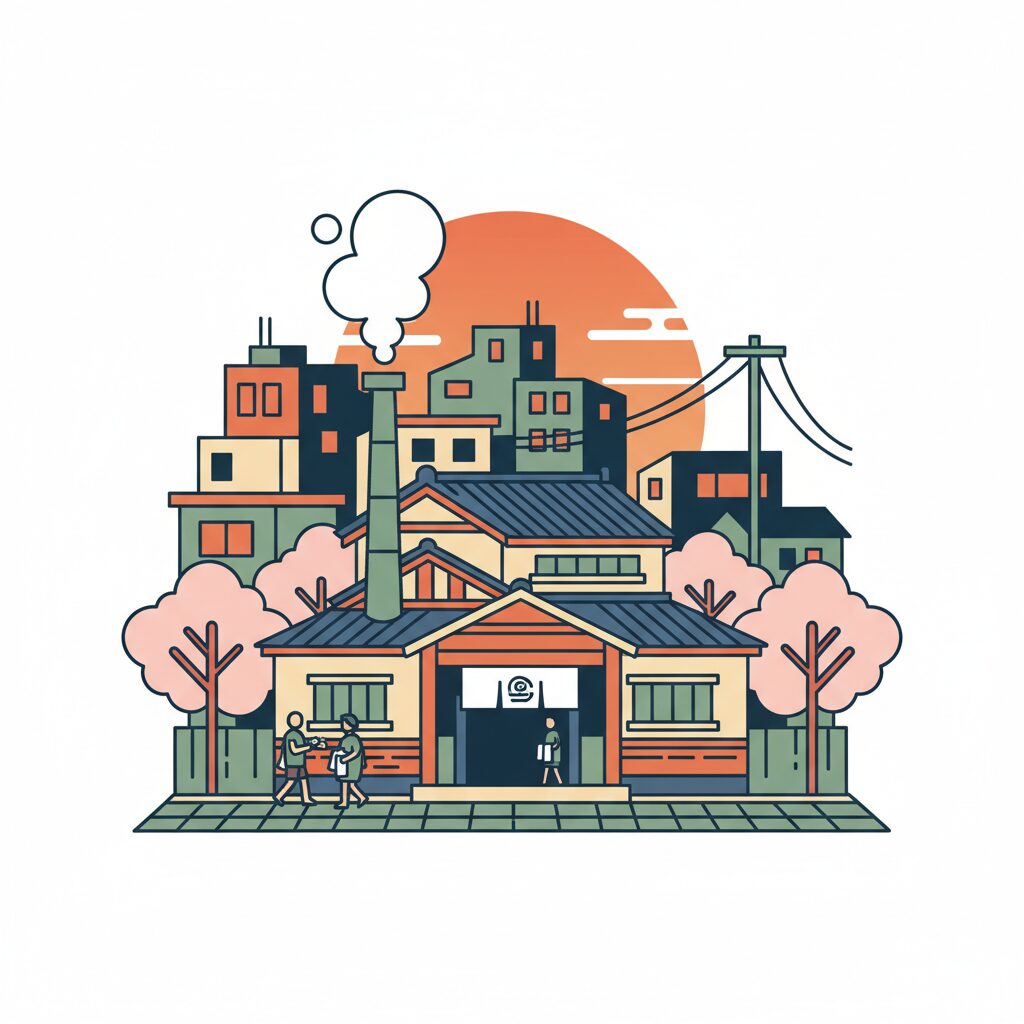
To the uninitiated, the Japanese public bath, or sento, can feel like the final frontier of cultural immersion, a place fraught with unspoken rules and the potential for awkwardness. For many foreigners living in Osaka, the local sento is that building with the tall chimney you walk past every day, a place you’re curious about but perhaps too intimidated to enter. It’s easy to think of it as just a place to bathe, an anachronism in a country where nearly every home has a perfectly functional bathroom. But to think that way is to fundamentally misunderstand Osaka. The sento isn’t just about getting clean. It’s the city’s living room, its social club, its confessional. It’s where the raw, unfiltered, and deeply communal spirit of Osaka is on full display, stripped of all pretense. Forget the serene, meticulously curated onsen experiences you see in travel brochures, aimed at tourists seeking tranquil escape. The neighborhood sento is a different beast entirely. It’s loud, it’s steamy, it’s unapologetically pragmatic, and it offers one of the most direct windows into the soul of this city. It’s where grandmothers discuss the price of daikon radishes with the same gravity as they discuss their grandchildren’s futures, where salarymen wash away the fatigue of the day next to tattooed laborers, and where the rigid social hierarchies of the outside world dissolve in the heat and steam. Stepping across the noren curtain of a local sento is stepping into a microcosm of Osaka life itself. It’s a commitment to participating, not just observing, and it’s a journey that starts with a single locker key and a tiny towel.
To truly understand this communal spirit, you’ll find that Osaka’s unique approach to life extends beyond the bathhouse and into its obsession with value and lifestyle.
More Than Just a Bath: The Sento as Osaka’s Social Hub
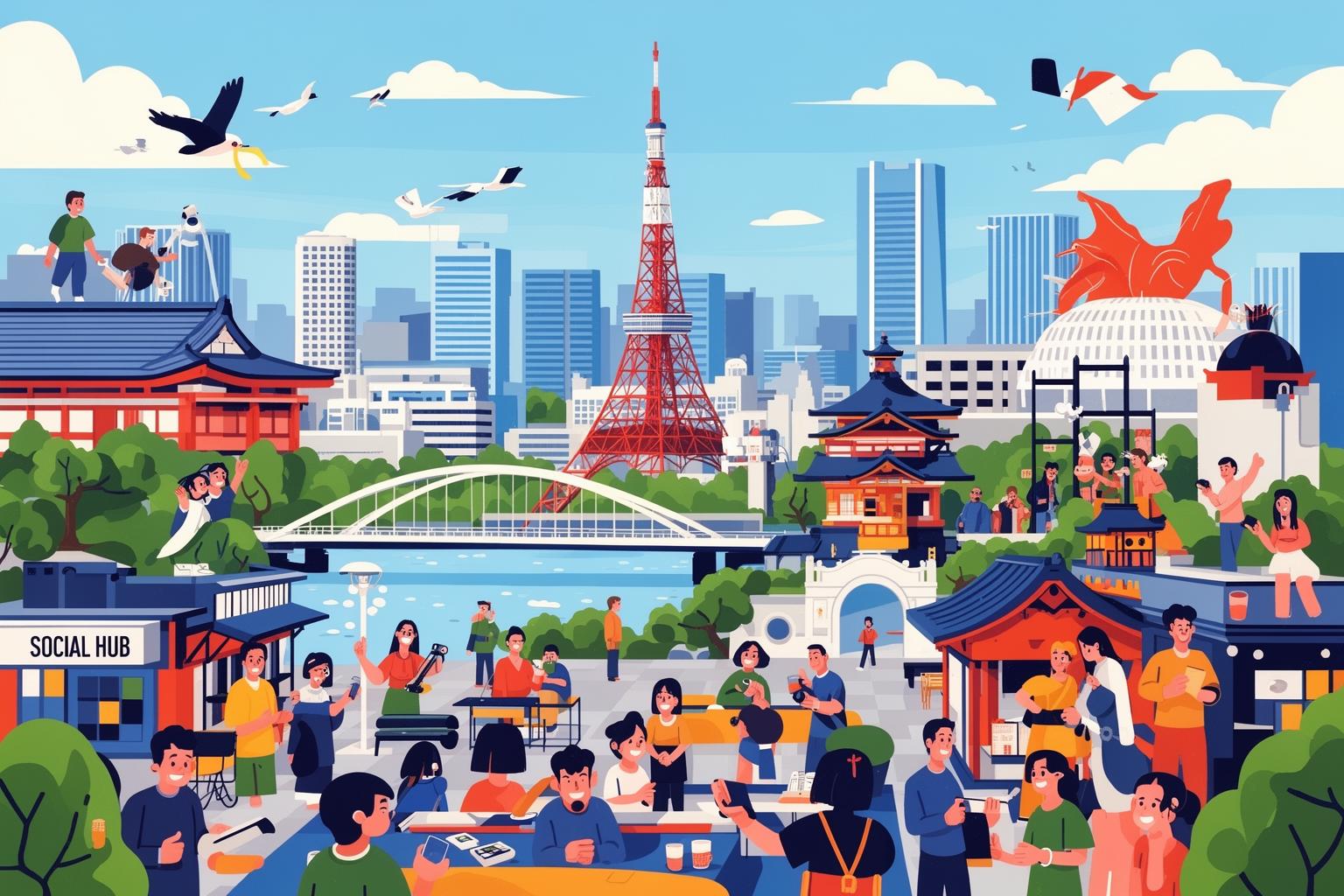
The story of the sento is deeply embedded in the essence of Japanese urban life. In the post-war years, as cities like Osaka rebuilt and became more densely populated, private bathrooms were a luxury that few could afford. The sento was a daily necessity and a vital part of neighborhood infrastructure. Each evening, families filled the streets, carrying wooden buckets as they headed to their local bathhouse. It served as the communal heart of the shitamachi, the traditional downtown districts where merchants and artisans lived and worked. Although modern housing has made the sento functionally obsolete for many, its cultural significance—especially in Osaka—persists with remarkable resilience. Here, the concept of hadaka no tsukiai, or “naked communion,” is not merely an abstract philosophical idea; it is a lived experience. It reflects the belief that when clothes—and the status they symbolize—are removed, people can connect on a deeper, more human level. In a Tokyo sento, one might encounter quiet, respectful solitude, with patrons keeping to themselves. In Osaka, that same silence would feel uncomfortably odd. The atmosphere in an Osaka sento is thick not only with steam but also with conversation. It is a constant, lively murmur of Kansai-ben, the local dialect, punctuated by laughter and the rhythmic clatter of plastic washing stools. An obachan (older woman) might ask a complete stranger if they have been eating well because they look a bit thin. A middle-aged man might offer an unsolicited, detailed analysis of the latest Hanshin Tigers game. This is not considered intrusive; rather, it is a form of social care, a way of acknowledging a shared space and common humanity. This sharply contrasts with the Kanto region, where keeping a polite distance is the social norm. In Osaka, withdrawing is the greater social misstep. The sento embodies this ethos perfectly: a place where community is not merely optional but the very essence of its purpose.
The Step-by-Step Sento Ritual: From Entrance to Exit
For a first-timer, the process can feel like a complex dance with unseen partners. However, once you grasp the rhythm and understand the purpose behind each step, it transforms into a comforting and logical ritual. The entire system is rooted in communal respect and efficiency—two core pillars of Osaka culture.
Gearing Up: What to Bring (and What to Leave Behind)
Preparation is minimal, reflecting the sento’s role as a straightforward, everyday facility. The essential items are few. You’ll need a small towel, commonly called a “face towel,” which has many uses inside the bathing area. A larger bath towel is also necessary, reserved for drying off in the changing room at the end. Lastly, bring your preferred soap, shampoo, and conditioner. Many regular visitors carry these in a small, waterproof basket or bag. Of course, you’ll also need cash for the entrance fee, usually a reasonable 400 to 500 yen, set by the prefectural government. But if you decide to visit spontaneously? This is where Osaka’s famed practicality comes through. Almost every sento offers a tebura setto, literally an “empty-handed set.” For a few hundred extra yen, you can rent towels and purchase single-use packets of soap and shampoo. The message is clear: don’t let a lack of preparation stop you. Just show up. The aim is to welcome you inside and into the bath. Equally important is what you leave behind: keep your smartphone tucked away in your locker. The bathing area is a sanctuary from the digital world, and bringing any camera-equipped device inside is a serious breach of privacy and trust. Keep personal belongings to a minimum; lockers are small and the space is communal.
Crossing the Threshold: The Noren and the Bandai
Entering a traditional sento is like stepping into another era. Your first encounter will be the noren, the distinctive split curtains hanging in the doorway. These are labeled with the kanji 男 (otoko) for men and 女 (onna) for women, or sometimes the hiragana equivalents おとこ and おんな. Be sure you enter the correct side. Inside, you’ll find a small entryway where you must remove your shoes. Shoe lockers, typically equipped with old-fashioned wooden keys attached to large tags, ensure you don’t lose them. From here, layouts vary. In the most traditional sento, you face the bandai, a raised, throne-like platform where an attendant—often an elderly woman—sits, overseeing both men’s and women’s changing rooms simultaneously. This classic setup is a marvel of efficiency but may surprise first-timers. You hand your money directly to the attendant. In more modern sento, the bandai is replaced by a front desk or lobby, similar to a gym, which separates the genders completely. Here, you might buy a ticket from a vending machine and then present it to the staff. Regardless of style, the process is quick and straightforward. A polite nod and a simple “Otona hitori” (one adult) is all that’s needed.
The Changing Room (Datsuijo): Rules to Follow
The changing room, or datsuijo, marks the transition between the outside world and the bath’s inner sanctum. It’s typically a clean, humid space with tatami mats or wooden floors and lockers. Choose an empty locker—usually first-come, first-served—and disrobe fully. Your locker holds your clothes, large bath towel, wallet, and phone. Only your small towel and toiletries go into the bathing area. This small towel is your most important piece of equipment. It serves as your washcloth, sweat-wiper in the sauna, and a modesty veil. While full coverage isn’t expected, it’s customary to loosely cover your front with the small towel as you move from the changing room to the washing area, signaling your awareness of etiquette. The most crucial rule here is to shed self-consciousness along with your clothes. Many foreigners fear being stared at or judged, but the opposite is true. Nobody is watching. The sento is purely functional, and everyone is focused on their own cleaning and relaxation rituals. Particularly in Osaka, people are direct and unconcerned with appearances, so judgment is rare. Whether a wiry old man or a muscular young man, all are there for the same purpose. You stand out only if you break the rules, not based on your appearance.
The Main Event: The Bathing Area (Yokujo)
Opening the door from the changing room, you’ll be greeted by a wall of steam, the sound of splashing water, and the faint scent of cedar or hinoki wood. The yokujo, or bathing area, is the sento’s heart. It’s a landscape of tile and water, featuring washing stations along the walls and communal tubs in the center. Navigating this correctly is key to enjoying the sento experience.
Rule #1: Wash BEFORE You Soak (Kakeyu)
This is the absolute, non-negotiable rule at any Japanese communal bath. The large baths are for soaking and relaxing, not cleaning. You must wash your entire body thoroughly before entering the tubs. First, find an open washing station, or arai-ba. Each has a low plastic or wooden stool, a faucet, a handheld showerhead, and a basin. Sit while washing, as standing showers are considered impolite and likely to splash others. Before scrubbing, perform kakeyu: scoop hot water from the basin or trough and pour it over your body, starting at your feet and moving upward. This rinses surface grime and acclimates your body to the bath temperature. Afterward, wash yourself fully with soap and shampoo as you would at home. Be thorough and rinse off all soap when finished; also rinse your stool and surrounding area for the next guest. This simple courtesy is the foundation of the sento system.
Soaking Etiquette: The Art of Relaxation
Now clean and rinsed, you can enjoy the baths—your well-earned reward. Enter the tubs slowly; they are often much hotter than Western baths, sometimes reaching 42-44°C (107-111°F). The main bath is usually largest and hottest. Other options may include a nuruyu, a lukewarm bath perfect for longer immersions; jetto basu, jet baths providing a powerful massage; rotenburo, open-air baths offering fresh air with hot water; and Osaka’s unique favorite, the denki buro, or electric bath, which will be discussed later. The key rules for soaking are straightforward: never dip your small towel into the bath water, as it’s considered unclean. Most people place it on the tub’s edge or, with classic sento flair, fold it neatly and balance it on their head. Do not swim, splash, or submerge your head. The bath is for quiet contemplation or gentle conversation. Find a spot, sink to your shoulders, and let the heat ease your muscles. This is when you observe the subtle social dance of the sento, listen to the local dialect’s cadence, and simply be present.
The Post-Bath Cool-Down
The ritual continues after you leave the water. Before returning to the datsuijo, use your small, damp towel to wipe off as much water as possible to prevent dripping on the changing room floor. This small gesture helps keep the shared space pleasant. Back in the changing room, use your large, dry towel to finish drying off. Take your time—many changing rooms offer fans, coin-operated massage chairs, and vintage weighing scales. There’s no need to rush. This cool-down is an essential part of the experience. It culminates in perhaps the most cherished post-sento tradition: the celebratory drink. Every sento has a small area with vending machines stocked with beverages in nostalgic glass bottles. The holy trinity of post-sento drinks includes ice-cold milk, coffee-flavored milk, and the legendary “fruit milk,” a sweet and fruity treat reminiscent of childhood. For adults, a crisp can of Asahi or Kirin beer is also popular. Sitting on a worn vinyl bench, towel draped around your neck, and savoring that cold drink in the bath’s humid afterglow—this is sento nirvana.
Decoding Osaka Sento Culture: Unspoken Rules and Local Flavor
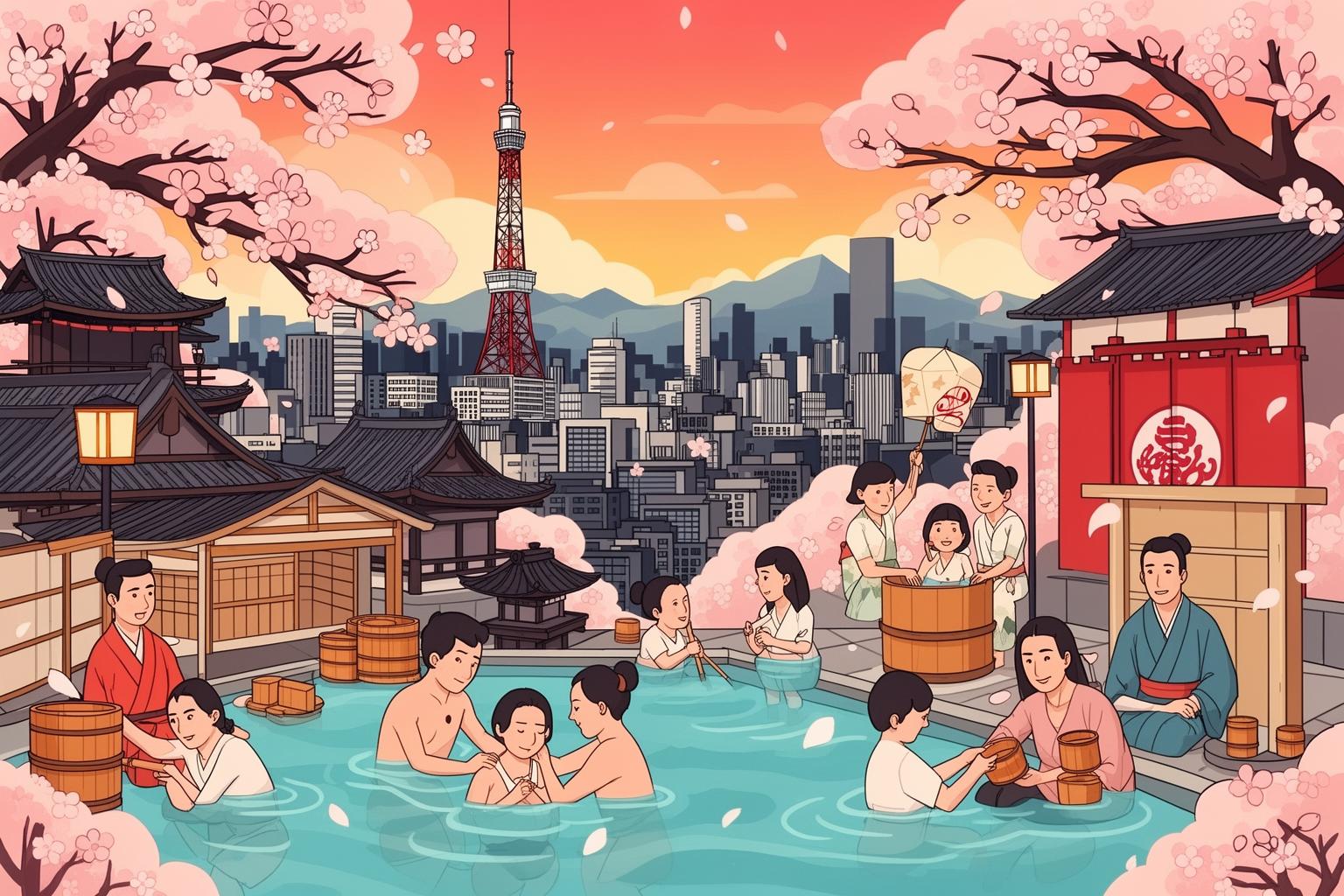
Beyond the practical act of bathing, the sento serves as a space to witness the distinctive cultural quirks of Osaka. The city’s character is magnified within this communal setting, unveiling attitudes that outsiders often misinterpret.
The “Atsukama-shii” Attitude: A Friendly Intrusion
In the Osaka dialect, there’s a word, atsukama-shii, which roughly means being forward, thick-skinned, or somewhat nosy. While in Tokyo it would likely be seen negatively, in Osaka it’s frequently a term of affection, describing someone who casually disregards social boundaries to foster friendly connections. The sento is the natural environment for the atsukama-shii spirit. It fuels the spontaneous conversations struck up with strangers. This attitude reflects Osaka’s history as a merchant city, where quickly building rapport was vital for business. The culture prizes directness and familiarity over formal politeness and distance. A Tokyo native may find this intrusive, preferring to remain anonymous in the crowd, whereas an Osakan would view such anonymity as lonely. They operate under the belief that everyone is in this together, so why not strike up a chat? Don’t be surprised if someone remarks on your washing style or asks pointed questions about your home country. It’s not an interrogation—it’s an invitation. A simple, friendly reply is all that’s needed to be embraced.
Tattoos: The Sento’s Last Barrier?
Tattoos are a major source of concern for many foreigners hoping to experience sento culture. Common knowledge holds that tattoos are banned due to their historic links to the yakuza, or Japanese organized crime. On paper, this is often true; many establishments display signs reading “刺青・タトゥーお断り” (Irezumi/Tattoo Prohibited). Large, modern “super sento” chains tend to enforce this strictly. However, in Osaka’s traditional neighborhood sento, the reality is frequently more nuanced. This exemplifies Osaka’s preference for practicality over rigid rule-following. In many local bathhouses, the tattoo ban is quietly overlooked, especially for foreigners with non-Japanese-style tattoos. The owner and regulars care more about your behavior than your skin. Are you quiet? Respectful? Following washing etiquette? If yes, a small tattoo is unlikely to cause problems. The unwritten rule is often “don’t cause trouble.” It’s a “read the room” scenario. Those with extensive, Japanese-style tattoos might face more scrutiny, but most foreigners are advised to be discreet and respectful. If concerned, you can always ask the attendant or seek out sento that openly declare themselves “tattoo-friendly,” a growing movement in recent years.
The Denki Buro: Osaka’s Shocking Fascination
If one element captures the quirky, wonderful, and somewhat masochistic side of Osaka’s bathing culture, it’s the denki buro, the electric bath. Nestled in a corner of the main tub or its own small pool, you’ll find two metal plates on opposite walls. This is your only warning. Submerging yourself between these plates sends a low-voltage electric current through your body. The sensation is strange—a strong tingling buzz causing involuntary muscle contractions. For newcomers, it can be unpleasant or even alarming. Yet, for a loyal group of Osaka old-timers, the denki buro is the highlight. They swear by its therapeutic benefits for sore muscles and back pain. It’s an acquired taste, a challenge, and one of those things Osakans love that become kuse ni naru—odd at first, but ultimately addictive. Trying it is a rite of passage. Just be sure to enter very slowly and never let the current pass near your heart. The existence and popularity of the denki buro reveal a deep-seated love of intensity and novelty within the city’s spirit.
Finding Your Neighborhood Sento
Although lists of famous or architecturally significant sento exist, the true essence of the experience isn’t found by seeking out a particular spot. The charm of the sento lies in its deeply local character. Each one mirrors its immediate environment. A sento in the gritty, working-class district of Nishinari will have a distinct atmosphere—more practical, with fewer embellishments—compared to one in a quiet, residential suburb to the north of the city. To find one, you don’t need a guide; you just need to walk and look up. The tall, slender chimneys are the clearest markers, remnants from the era of wood- and coal-fired boilers. Watch for buildings with grand, temple-style curved gables, a design known as miyazukuri architecture. Notice the noren curtains at the entrance and the soft evening glow of light. The best sento is the one you discover by chance, the one that becomes “your” sento. It’s where you’ll see familiar faces each week, where the attendant will begin to acknowledge you with a nod, and where you’ll start to feel less like a visitor and more part of the neighborhood’s everyday flow.
The Sento is Osaka in a Nutshell
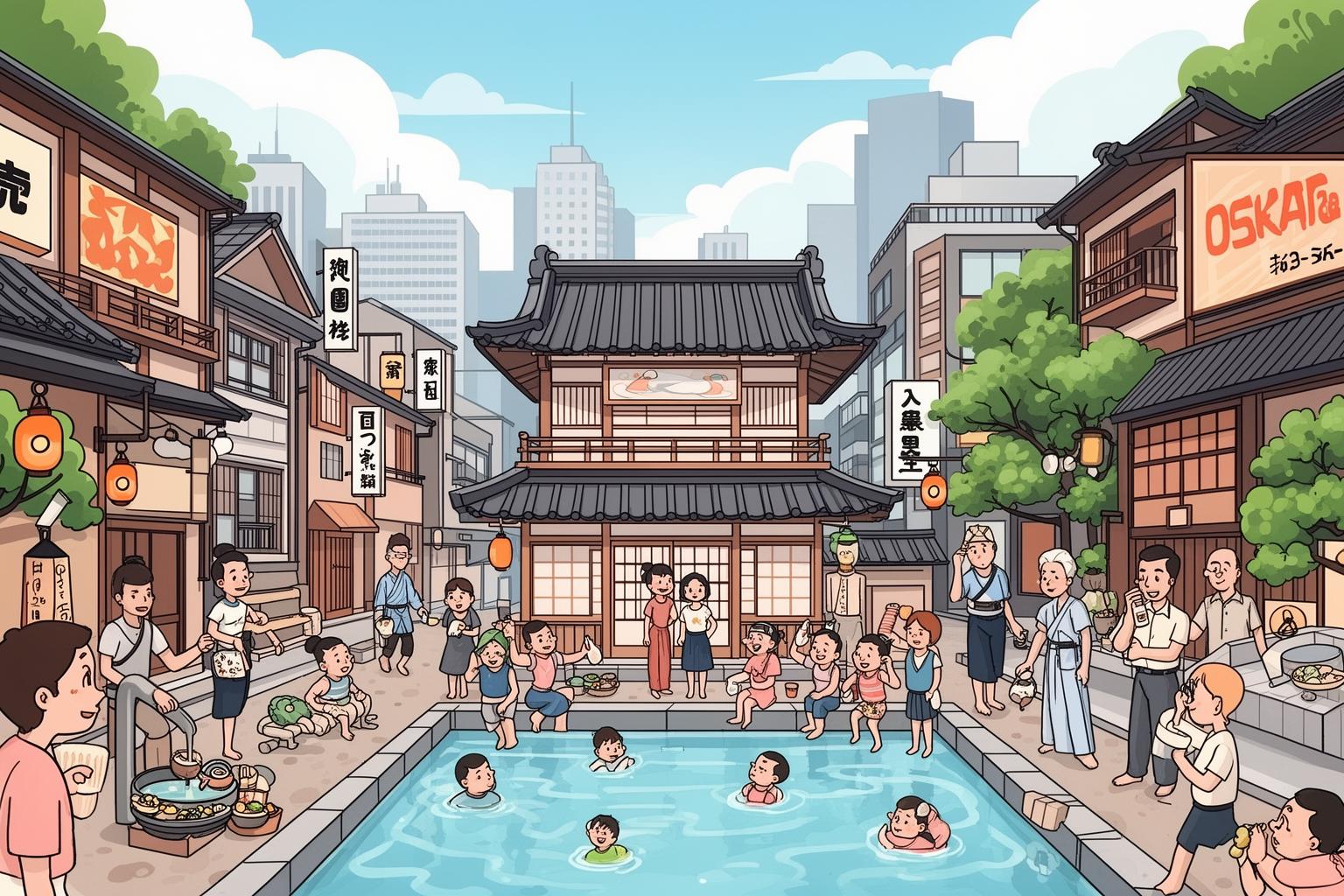
To truly grasp Osaka, you must understand its sento. It is both a living museum and a vibrant, essential part of the present. It embodies the city’s contradictions and core truths in a steamy harmony. It represents intense pragmatism—a cheap, efficient way to get clean—while also serving as a place for deep community connection. It is a space ruled by strict, ancient etiquette yet encourages a loud, informal, and barrier-breaking social environment. It doesn’t have the refined, aesthetic perfection of a Kyoto temple or the sleek modernity of a Tokyo skyscraper. It can be a bit rough around the edges, somewhat loud, and slightly unusual. In other words, it is purely and authentically Osaka. Don’t let hesitation stop you. Grab a small towel, a few coins, and dive in. That first walk through the noren is more than just a visit to a public bath; it’s a step toward experiencing the warm, beating heart of this magnificent, maddening, and deeply human city.