When I first moved to Osaka from Tokyo, the mornings felt strange. In Tokyo, the morning is a blur, a frantic, silent rush of bodies packed onto trains. It’s a million individual stories running on parallel tracks, never intersecting. People grab a nutrition bar at a convenience store, maybe a canned coffee from a vending machine, and consume it while speed-walking to the office. The goal is efficiency. The soundtrack is the beep of ticket gates and the rustle of newspapers. It’s a city waking up, but it wakes up alone, together.
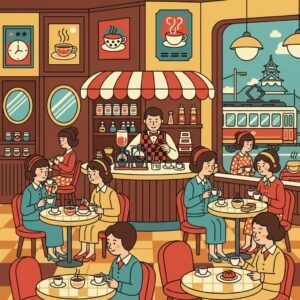
But in Osaka, the mornings had a different sound. It was a murmur, a low hum of conversation spilling out of unassuming storefronts with faded plastic food displays and signs that simply read, in katakana, モーニングサービス (mōningu sābisu) — Morning Service. At seven-thirty, eight in the morning, these places, called kissaten, were already buzzing. And they weren’t filled with young commuters fueling up for the corporate grind. They were packed, almost exclusively, with the elderly. Silver-haired men holding thick sports newspapers, gesticulating wildly. Groups of women, their laughter punctuated by the clink of porcelain on saucers. It was a world away from the sterile, minimalist cafes of Tokyo where people whisper and type on MacBooks. This was loud. It was communal. And frankly, as a Tokyo native, it was baffling. Why were they all here? Wasn’t it cheaper to just have toast at home? What was this strange, daily ceremony? I came to realize that asking this question was the first step to truly understanding the operating system of Osaka. This isn’t just about breakfast. This is about the fundamental architecture of life in a city that refuses to be just another anonymous metropolis. This is where you find the city’s heart, beating strong and steady, one cup of watery coffee at a time.
To truly understand this unique social fabric, it’s worth exploring other facets of the region, such as planning a temple stay in Koyasan.
What Exactly is a “Morning Service”? More Than Just Toast
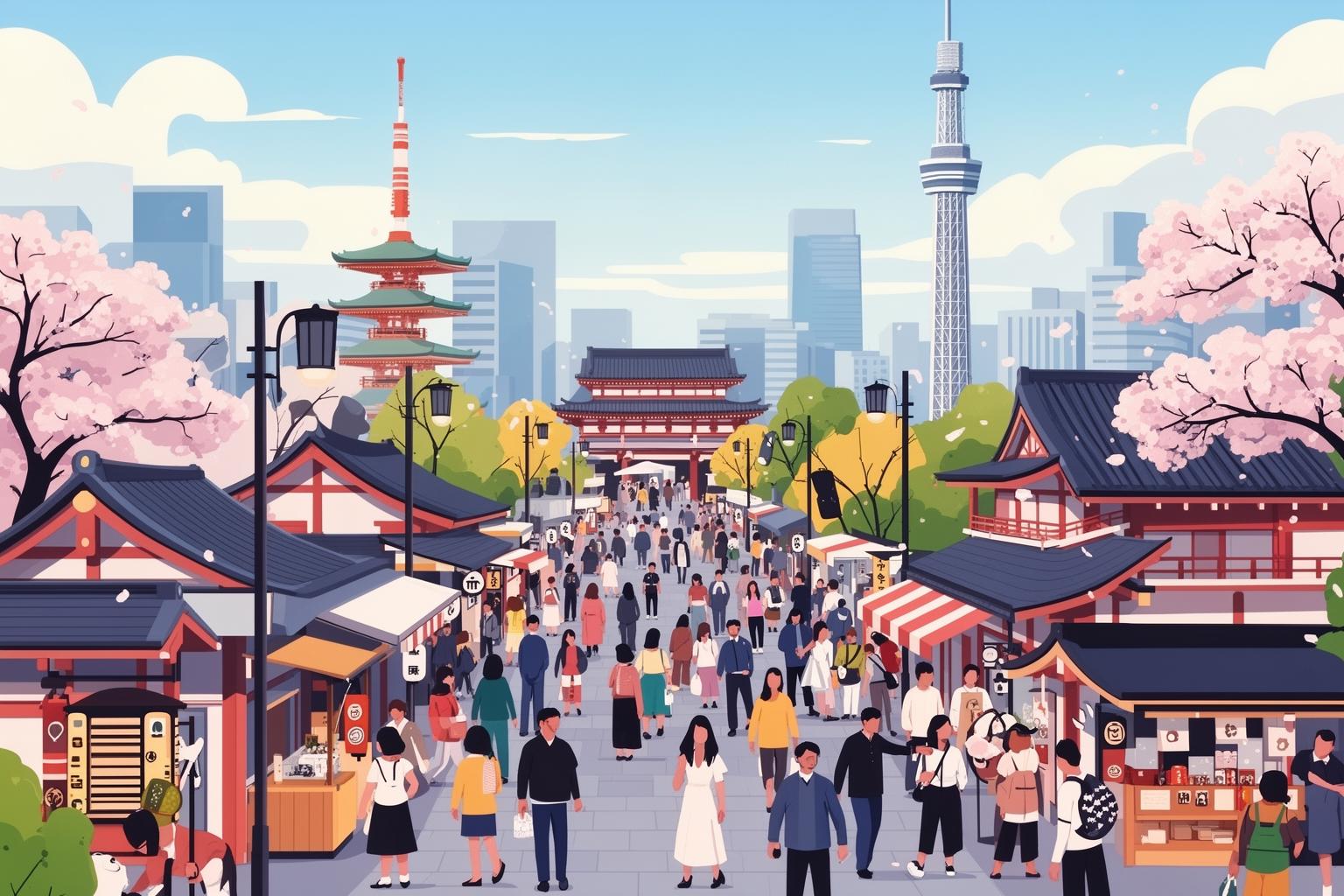
Before you can decode the social dynamics, you first need to grasp the deal. And in Osaka, it’s always about the deal. The “Morning Service,” or simply “Morning” as it’s called, is a phenomenon that turns typical restaurant logic upside down. The idea is straightforward: you order a drink—usually coffee or tea, priced between 400 and 500 yen—and you receive food for free. Yes, free. This isn’t a BOGO deal or a loyalty card benefit. It’s simply the standard practice.
The typical set is a lesson in elegant, minimalist function. You’ll almost always get a thick, fluffy slice of toast, known as shokupan, perfectly golden and typically accompanied by a small packet of butter and jam. Alongside it, a hard-boiled egg, often still warm. Occasionally, if the establishment is feeling generous, you might get a small salad—a few lettuce shreds with a bit of dressing—or a small bowl of yogurt. That’s all. It’s not gourmet. It’s not artisanal. It’s, in a word, sufficient.
From a modern business standpoint, the economics of this are completely crazy. How can a place survive, let alone prosper, by giving away food? The answer lies in its origins. The concept began in Japan’s industrial core, around Nagoya, in the mid-20th century. Factory workers and businessmen needed a place to meet and refuel before a long day. Astute kissaten owners realized that if they added a simple breakfast with the coffee, they could build a loyal, daily customer base. It wasn’t about the profit on one cup of coffee; it was about steady income from hundreds of regulars, day after day, for decades.
Osaka, with its pragmatic, merchant-class spirit, adopted and perfected this approach. While in Tokyo, a similar breakfast set at a chain like Doutor or a fashionable independent café will cost you 700 yen or more, Osaka’s kissaten sticks to the 400-yen-coin ideal. This isn’t a trendy brunch spot; it’s a utility. It’s the fourth utility, after gas, water, and electricity. For many patrons, it’s as vital and unavoidable as paying the phone bill. The value lies not just in the calories; it lies in the reliability. In a rapidly changing world, the 450-yen Morning Set is an anchor, a delicious, tangible constant.
The Kissaten: A Third Place Before “Third Places” Were a Thing
Sociologists refer to the “third place”—a setting outside the home (the first place) and work (the second place) where community and social connections are nurtured. Long before this term existed, Osaka had the kissaten. It isn’t a cafe in the Western sense, a spot for quick transactions or a temporary workspace. Rather, it is an institution, a destination, and an extension of the neighborhood’s shared living room.
The Ambiance: A Time Capsule of Showa-Era Charm
Entering a classic Osaka kissaten is like stepping back in time. The air is dense with the comforting aroma of freshly brewed coffee and, until recently, the faint, sweet scent of stale cigarette smoke lingering on the upholstery. The color scheme plays a harmonious blend of browns: dark, polished wood paneling, worn vinyl booths in hues of chocolate or burgundy, and chairs upholstered with soft, often-faded velvet. The lighting is dim and warm, emitted by ornate, vaguely European-style lamps likely unchanged since the 1970s. There’s no minimalist decoration, no exposed brick, no Edison bulbs. It is the exact opposite of Instagrammable. It is boldly, unapologetically un-trendy.
In one corner, a television is always on, airing the morning news or a daytime talk show at a volume just loud enough to serve as a shared reference point. The soundtrack is a gentle symphony: the clink of ceramic cups on saucers, the hiss of the espresso machine, the rustle of newspaper pages turning, and above all, the consistent murmur of conversation. These are not quiet sanctuaries. You won’t find rows of people with noise-canceling headphones gazing at laptops. The kissaten is a social hub, made for interaction. Its very design—the cozy booths that encourage leaning in, the counter that invites chats with the owner—is intended for human connection, not digital isolation.
The “Master” and the Regulars: An Unspoken Contract
At the heart of this world is the “Master” (masutā). The Master is the owner, barista, cook, and social director all in one. Often someone who has stood behind the same counter for thirty, forty, or even fifty years, they hold the neighborhood’s history and secrets. The Master knows not only your name but also your usual order, the names of your children, your spouse’s health, and your thoughts on the Hanshin Tigers’ latest game.
For the regulars, the jōren-san, the morning routine flows effortlessly. They enter, offer a slight nod to the Master, and head to their unofficial yet universally acknowledged seat. There’s no need to check a menu or place an order. The Master has already put the bread in the toaster and begun brewing their coffee, made exactly to their preference. This relationship rests on countless ordinary mornings—a silent pact of loyalty and recognition. To be a jōren-san is to belong. In the vast, impersonal city of millions, having a place where your arrival is noticed and your preferences remembered is a profound expression of identity. It says, “You are here. You matter.” The transaction is secondary; the ritual of recognition is everything.
The Cast of Characters: Decoding the Morning Crowd
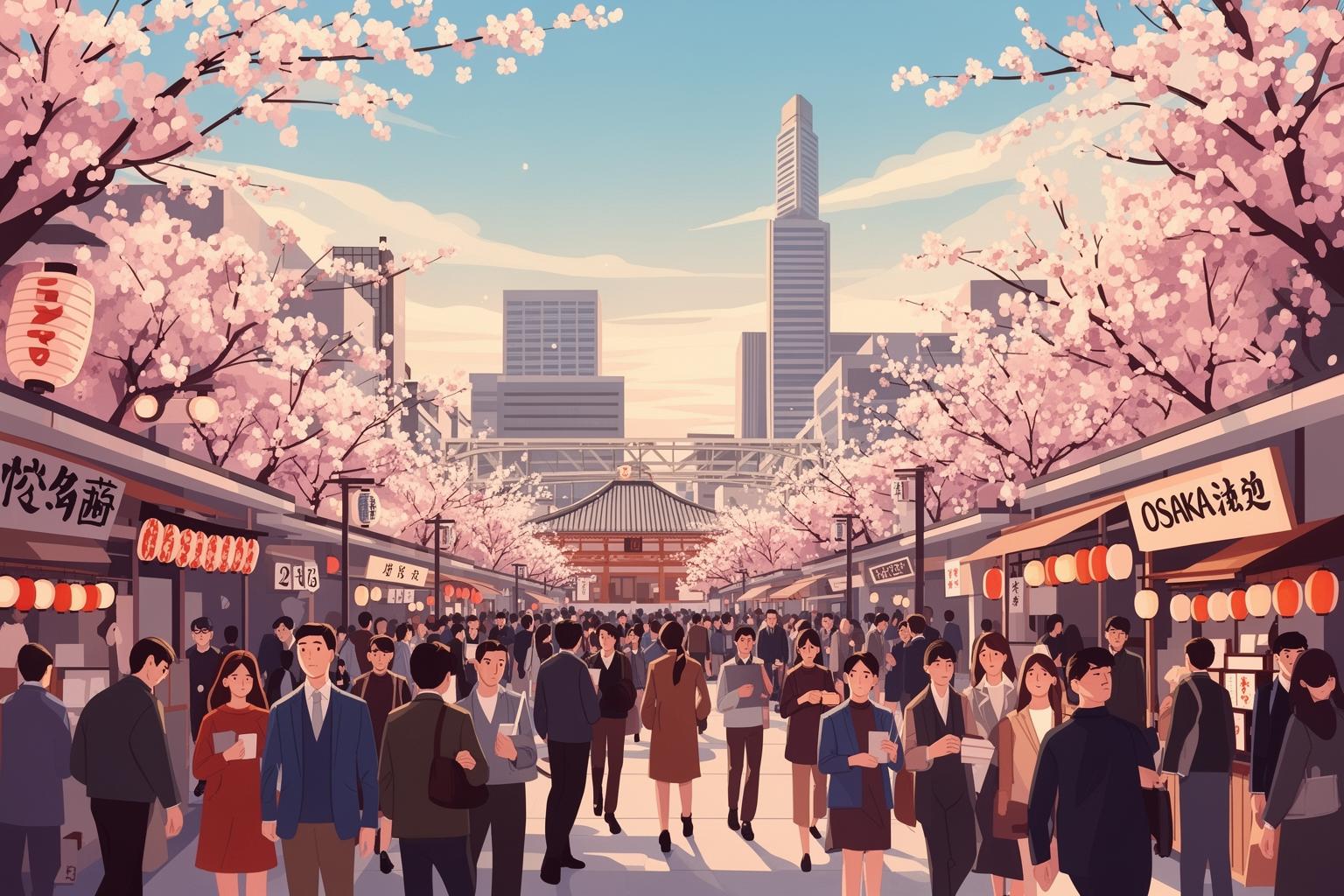
Watching the patrons of a morning kissaten is like witnessing a play where the actors have been rehearsing their parts for decades. The script may be unwritten, but everyone knows their cues. It captures a unique and essential slice of life in Osaka.
The Retired “Oji-san” Brigade
In one corner sits a group of men in their late sixties, seventies, and eighties—retired salarymen, former factory owners, and shopkeepers who have handed their businesses down to their children. Their usual attire includes comfortable slacks, short-sleeved polo shirts or cardigans, and well-worn baseball caps. Their indispensable accessory is a sports newspaper—not an app on a phone, but the real, ink-smudged paper, spread wide across the table.
Their conversation flows as a lively, unfiltered stream of consciousness, entirely in the rich, musical tones of Osaka-ben. They are not just talking; they are putting on a show. They analyze last night’s baseball game with surgeon-like precision, bemoan politics with dramatic sighs, and debate the best way to pickle radishes with unwavering passion. The volume might shock outsiders—it’s not anger, but fervor. In Tokyo, such loud public discussions would invite shocked glances. Here, it is merely background noise. This is their clubhouse, their forum, their stage. It continues the camaraderie from their workplaces and factory floors, helping sustain social bonds and a sense of purpose after work life ends.
The “Oba-chan” Intelligence Network
Across the room, occupying another booth, the female counterpart— the oba-chan network—holds court. These grandmothers and great-grandmothers form the neighborhood’s central nervous system. Though equally lively, their conversations cover different territory—they exchange intensely practical and deeply personal information.
Here, you learn that the nearby supermarket has daikon radishes on sale for 98 yen, who just passed their university entrance exams, and which new doctor in town is recommended. This peer-to-peer information exchange runs circles around any social media algorithm. It also functions as an informal social safety net. The women check in on each other, constantly attentive to the community’s health and well-being. “You look a bit tired today, Tanaka-san; are you sleeping well?” “I saw your husband at the station yesterday; he seemed well!” This is more than gossip; it’s gathering data for the collective good. They weave the social fabric, and the kissaten is their loom.
Why This Isn’t the Same in Tokyo
The contrast with Tokyo is sharp and telling. For many, Tokyo’s social life is structured and appointment-based; you text a friend to arrange lunch weeks in advance. Social circles often form around hobbies or workplaces, but the spontaneous, daily neighborhood socializing seen in Osaka kissatens is rare. Tokyo is a city of transplants—people arrive from all over Japan for university or work. Neighborhoods tend to be transient, with residents having little connection to their neighbors. The idea of showing up somewhere every day, sure to find your entire social circle waiting, seems almost foreign.
In Osaka, especially in older residential neighborhoods and sprawling shotengai (covered shopping arcades), roots run deep. Families have lived in the same district for generations. The classmates from elementary school are the same people you encounter daily at the kissaten. This lasting stability creates a dense web of social connections that underpins the kissaten culture. It’s not an organized group; it is the natural, everyday expression of a community that has known one another for a lifetime.
The Language of the Kissaten: It’s Not Just About Words
The experience engages multiple senses, with the sound being just as vital as the taste of the coffee. The language used here functions as a performance—a tool for creating an immediate bond and strengthening a shared identity.
The Sound of Osaka-ben
First, there’s the dialect itself. Osaka-ben is far removed from the flat, standard Japanese heard on Tokyo newscasts. It’s rhythmic, straightforward, and highly expressive. Standard greetings are replaced by mercantile phrases like “Mōkarimakka?” (“Making any money?”), typically answered with “Bochi bochi denna” (“So-so”). Expressions of surprise become a quick, sharp “Honma?” (“Really?!”), and disapproval is voiced as a guttural “Akan!” (“No good!/Forget it!”).
To Tokyo ears, it may come across as aggressive, even confrontational. Yet within the kissaten context, it conveys intimacy. The bluntness is not rude; it cuts through social formalities. It’s a way of saying, “There’s no need for ceremony here. We’re all in this together.” This language is designed for commerce and comedy, emphasizing clarity, efficiency, and a punchy delivery rather than polite ambiguity.
Non-Verbal Communication: The Art of the “Tsukkomi”
Beyond the words lies the conversational structure, often reflecting the comedic style of manzai, Osaka’s traditional stand-up comedy. Manzai features two performers: the boke, who is silly and air-headed, making absurd remarks, and the tsukkomi, the sharp-witted straight man who corrects him, often with a light slap or a quick verbal retort.
This dynamic is the heartbeat of kissaten banter. A regular might make an exaggerated claim (boke): “Master, this coffee is so amazing, I think I’m ten years younger!” The Master promptly fires back the tsukkomi: “At your age, that’s hardly helping you!” followed by laughter. This isn’t an insult but a conversational dance—a game of verbal tennis aimed at keeping the exchange alive. The tsukkomi shows affection, signaling, “I’m tuned in, I get your joke, and I’m playing along.” It’s a central reason why conversations in Osaka feel so vibrant and engaging. Everyone becomes a potential comedy partner. This ongoing playful sparring fosters a sense of shared community and wit unique to Osaka.
What Foreigners Often Misunderstand
For someone unfamiliar, especially those used to the more reserved social norms of Tokyo or Western countries, entering this world can feel disorienting. The very aspects that define the culture are often the ones most prone to misunderstanding.
“Friendliness” vs. “Nosiness”
The stereotype is that “Osaka people are friendly.” This is true, but the word “friendly” needs significant cultural reinterpretation. Osaka friendliness is neither passive nor merely polite. It is active, engaging, and to some, intrusive. If you, as a foreigner, become a regular at a kissaten, it’s almost guaranteed that an oba-chan will approach you. And the conversation won’t be limited to small talk about the weather.
She will likely ask bluntly: Where are you from? What do you do for a living? How much do you earn? Are you married? If not, why? How old are you? These questions, which would be deemed extremely rude in many cultures, originate from a completely different perspective here. The intent is not to judge but to understand. It’s a form of social mapping. By knowing these key facts, she can place you within her worldview, find common ground, and see how you fit into the neighborhood. It’s a way to foster rapid intimacy, aimed at breaking down barriers between strangers quickly. The intention is inclusion, not intrusion. It reflects a practical, straightforward approach to building community.
The Perceived “Loudness” and “Directness”
Similarly, the volume and directness of communication can be mistaken for anger or rudeness. However, it’s crucial to recognize that the cultural baseline differs. In many social contexts in Japan, harmony (wa, 和) is preserved through subtlety and indirectness. In Osaka, harmony is maintained via honest, open, and occasionally blunt communication. There’s a belief that laying everything out openly, even if loudly, is more efficient and ultimately kinder than letting unspoken issues fester.
This stems from Osaka’s long history as a merchant city (akindo). In business, clarity is paramount. A deal is a deal. You say what you mean and mean what you say. This practical mindset permeates social interactions. So when you overhear a heated debate about the price of cabbage, it’s not a quarrel; it’s a passionate sharing of important information among trusted peers. The loudness reflects their level of engagement, not anger.
How to Participate (Even if You’re an Outsider)
This world may appear impenetrable, like an exclusive club for locals. However, it’s surprisingly welcoming if you approach it with the right attitude. Cracking the code to your neighborhood kissaten is one of the most rewarding ways to truly feel a part of Osaka life.
Finding Your Kissaten
First, step off the beaten path. Ignore the sterile chain cafes near major train stations. Venture into residential neighborhoods. Explore the long, covered shotengai like Tenjinbashisuji or Shinsaibashisuji’s less glamorous side streets. Seek out places that look as if they haven’t been renovated since Japan’s economic bubble. Look for faded awnings, sun-bleached plastic food models, and simple, hand-painted signs. The less trendy the place looks, the more authentic it probably is.
The Etiquette of Becoming a Regular
Once you’ve found a promising spot, becoming a regular is a gradual and steady process. Consistency is essential. Try to visit at roughly the same time, two or three times weekly. Don’t overthink your order; just point and say “Morning.” If there’s a seat at the counter, take it. It offers the best vantage point for observing the Master and the rhythm of the room.
Most importantly, put your phone away. Don’t open your laptop. This shows that you’re there to be present, not to work. Bring a book or a newspaper instead. Make eye contact with the Master when you enter and leave. A simple “Ohayou gozaimasu” (Good morning) on arrival and a sincere “Gochisousama deshita, oishikatta desu” (Thank you for the meal, it was delicious) on departure are the key phrases. Repeat this routine. For a week or two, you’ll remain an anonymous customer. But soon, the Master will start recognizing you—a nod, then a simple greeting. One day, they might ask a casual question like, “Is it hot out today?” This is your opening—answer politely and briefly. Over time, other regulars will notice the Master’s acknowledgment of you. They’ll see your efforts to be part of the community. And one day, a friendly oji-san or curious oba-chan will turn to you and ask, “Where are you from?” And just like that, you’re in.
Why This Morning Ritual Matters: The Soul of the City
It might be easy to write this off as a charming but ultimately trivial relic of a past era. However, the morning kissaten is much more than a quaint custom. It functions as an essential, active part of Osaka’s social fabric, addressing some of the most urgent challenges of contemporary urban life.
A Shield Against Loneliness
Japan, like many developed countries, is grappling with a crisis of social isolation, especially among its rapidly increasing elderly population. For many seniors living alone, days can feel long and silent. The kissaten offers a meaningful, organic, and dignified solution. It gives people a reason to get up, get dressed, and walk out the door. It ensures several hours of social engagement in a comfortable, familiar setting. It’s a place where you are seen and your presence acknowledged. The community is so close-knit that if a regular patron misses a few days, others notice. The Master may ask another nearby regular to check in on them. This informal network has saved lives. It acts as a community-driven wellness check, fueled by coffee and conversation.
Preserving a “Human-Sized” Osaka
In an era of globalization and digitization, many cities are becoming more uniform and impersonal. Tokyo, despite its many marvels, can feel like a massive, faceless machine—individuals moving efficiently but with little interaction. The Osaka kissaten culture stands as a strong counterpoint to this trend. It keeps life at a human scale.
It reinforces the belief that a neighborhood is not just buildings grouped together, but a web of relationships. It upholds a value system that is increasingly rare: one that favors continuity over novelty, community over individuality, and human connection over transactional efficiency. The kissaten proves you can enjoy the advantages of a large, dynamic city without losing the warmth and familiarity of a small village.
Spending a morning in one of these time capsules is to experience the true Osaka. It’s a city built on practical arrangements, hearty laughter, and the steadfast belief that the best way to start the day is not alone, but together. The 450-yen coffee and toast is not the product—the community is. And that is a connection you simply won’t find anywhere else.