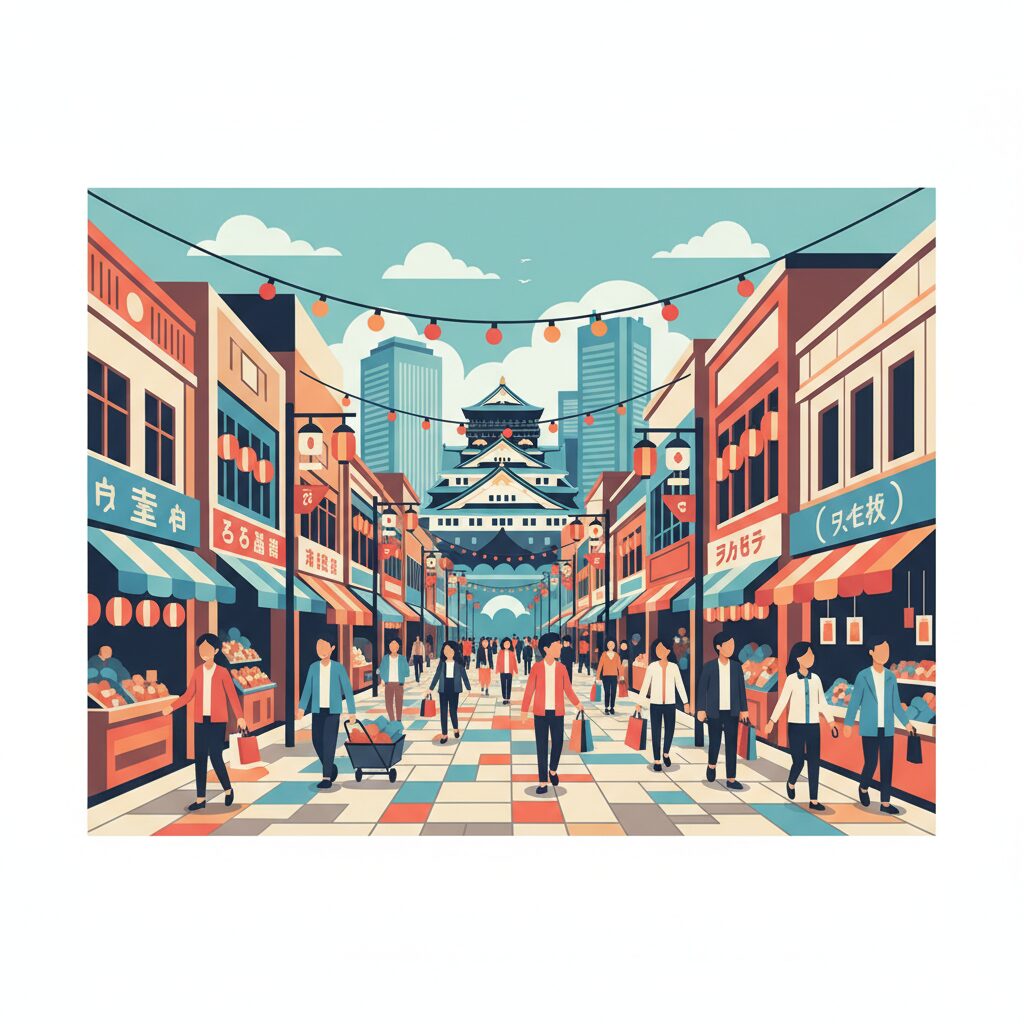
My first real ‘only in Osaka’ moment didn’t happen at a famous castle or under a giant neon crab. It happened in a dimly lit, impossibly long shopping arcade, a ‘shotengai,’ somewhere deep in the city’s labyrinthine embrace. I was staring at a pile of glistening mikan oranges, the price scrawled on a piece of cardboard. In Tokyo, my home for the previous year, this was a simple, silent transaction. You point, you pay the exact amount, you receive your purchase in a neat bag, you bow, and you leave. The price is the price. It’s as immovable as Mount Fuji. But here, the shopkeeper, a woman whose face was a roadmap of a thousand smiles, caught my eye. She didn’t wait for me to speak. “Oishii de, nee-chan!” she boomed, her voice a cheerful rasp. “They’re delicious, sis! How many you want? I’ll give you a good deal!” A deal? My Tokyo-trained brain short-circuited. A deal was not part of the retail script I had so carefully learned. This simple offer was my entry point into understanding the fundamental chasm that separates Osaka from the rest of Japan. It’s a culture clash played out daily in the aisles of its covered markets, a place where commerce isn’t just a transaction; it’s a conversation, a performance, and the lifeblood of the city. Forget everything you know about polite, fixed-price Japan. Here in Osaka, we’re going shopping.
The lively exchanges in Osaka’s shotengai hint at a broader urban rhythm that invites you to experience the vibrant current of Osaka along the Yodogawa and discover a deeper layer of local charm.
The Tokyo Blueprint: A World of Fixed Prices and Silent Transactions
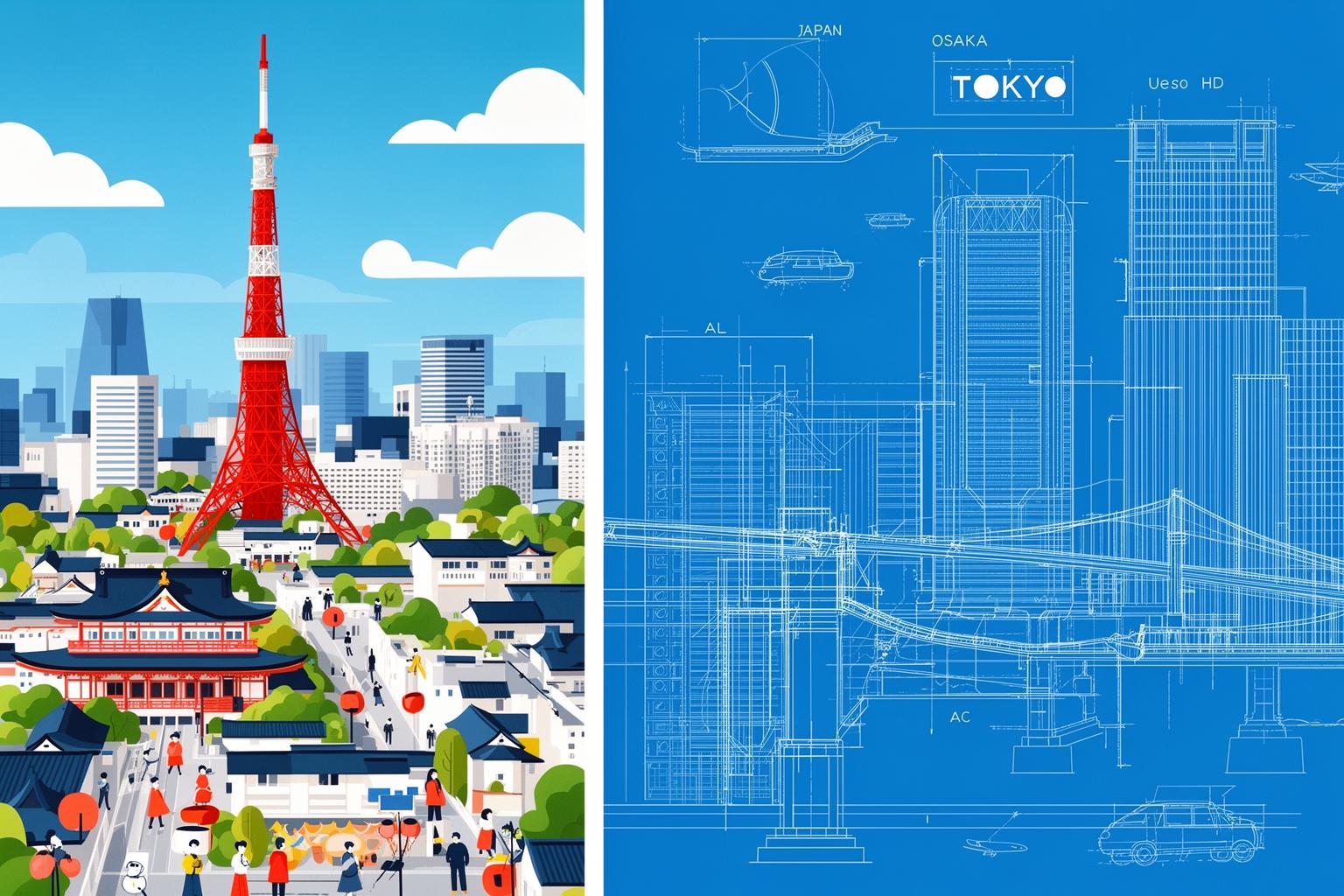
To truly appreciate the delightful chaos of an Osaka market, you first need to understand its opposite: the calm, orderly environment of Tokyo retail. Shopping in Tokyo is a lesson in efficiency and respect. Whether you’re in the dazzling food hall of a Shinjuku department store or a minimalist boutique in Daikanyama, the rules are strict yet unspoken. The price tag is treated like sacred scripture. Challenging it would be like questioning the train timetable—unthinkable and deeply disruptive to the established harmony. The experience is meant to be seamless. You, the customer, are a respected guest. The staff move with quiet grace, their greetings and farewells creating a polite, predictable rhythm. Transactions are quick and silent. There’s no idle conversation or personal anecdotes shared at the register. The focus is on the product and flawless service. It’s a beautiful system in its own right. It’s clean, dependable, and eliminates all uncertainty. You know precisely what you’re getting and exactly what you’ll pay. This culture stems from a strong desire to avoid imposition or conflict. Requesting a discount might be seen as implying the seller’s price is unfair, causing discomfort for both sides. In Tokyo, maintaining a smooth, harmonious surface is crucial, and the fixed-price policy is a key part of that social agreement. It’s a world apart from the lively bartering you’re about to experience.
Welcome to the Shotengai: Osaka’s Commercial Living Room
Step off the polished streets of Tokyo and step into an Osaka shotengai, where the sensory experience hits you like a wave. These covered shopping arcades are the lifeblood of the city, pulsing with raw, unfiltered energy. They are far from sterile temples of commerce; instead, they serve as the city’s living room, kitchen, and backyard all rolled into one. The air is thick with the aroma of grilling takoyaki, savory dashi broth, and the earthy scent of fresh produce. The soundscape is a symphony of shopkeepers shouting their daily specials, the clatter of steel shutters, neighbors laughing as they catch up, and the distant rumble of elevated trains. Unlike the impersonal experience of a Tokyo chain store, the shotengai feels intensely personal. These are more than just shops; they are legacies. The fishmonger inherited his stall from his father, the woman selling pickles uses her grandmother’s recipe, and the futon shop has stood on the same corner for three generations. The people running these businesses aren’t just employees; they are proprietors, masters of their craft. They’re not simply there to make a sale. They’re there to engage, connect, and perform—and that performance begins the moment you show the slightest interest. The price tag you see isn’t the final word; in many cases, it’s the opening line in a conversation that’s been unfolding in these arcades for centuries.
The Unspoken Rules of the Osaka Haggle (Négiri)
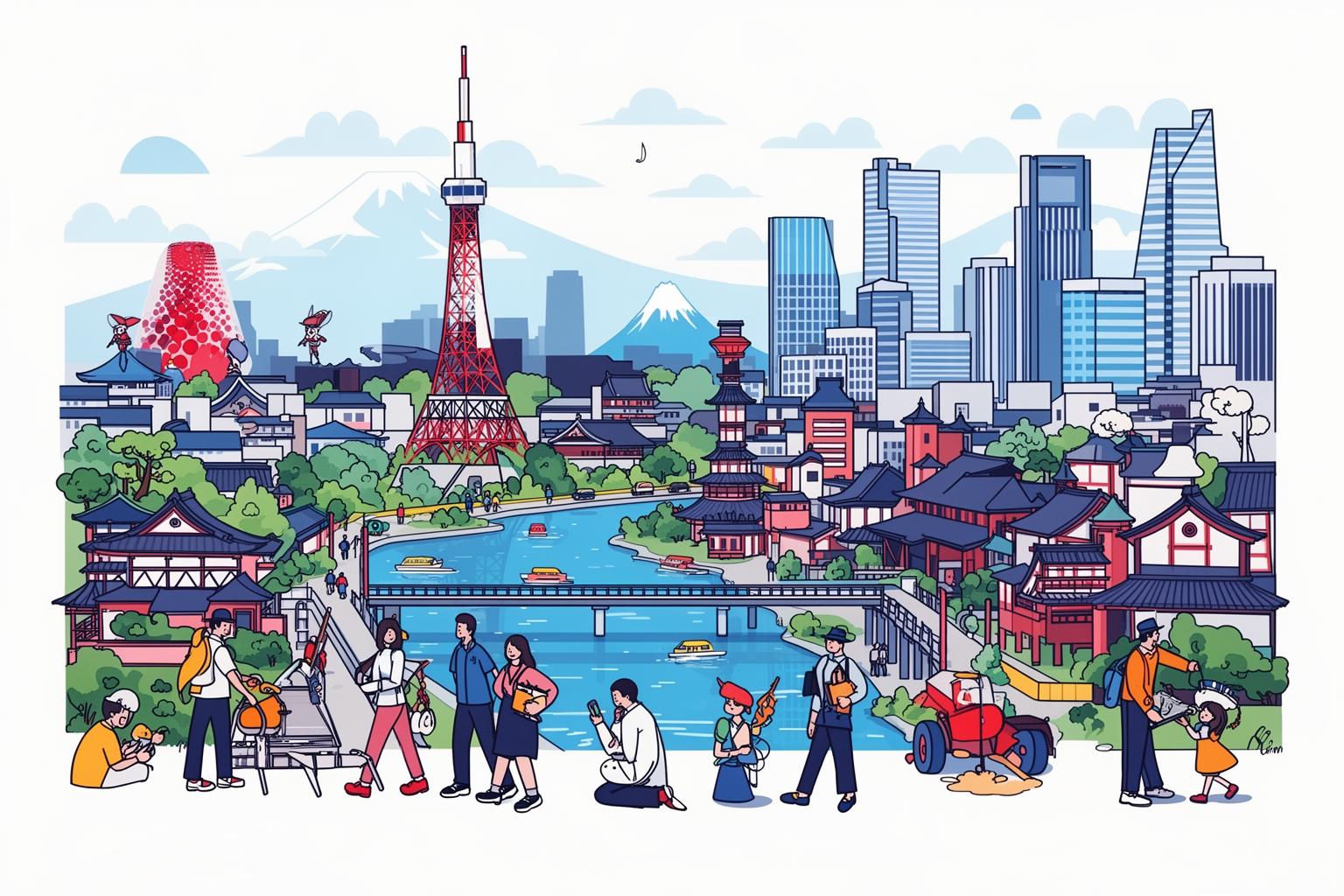
Mastering the art of Osaka haggling, or ‘négiri’ as it’s called, can seem daunting. It’s a subtle dance that asks you to let go of your foreign assumptions about Japanese etiquette. Yet, once you grasp the rhythm, you’ll unlock a deeper, more genuine connection to the city. This is a skill, and like any skill, it can be acquired. The secret lies in understanding the philosophy behind it, recognizing the right time and place to engage, and learning the verbal and non-verbal cues that make it effective. This isn’t about being confrontational—it’s about being personable and showing your willingness to join in the exchange.
It’s Not About Being Cheap; It’s About Connection
This is the most important principle to remember. For an Osakan, haggling rarely revolves around the money itself. Saving 50 or 100 yen is insignificant. The real goal is to break down the barrier between buyer and seller. It’s a form of communication, a playful ritual that turns a mundane transaction into a memorable human moment. By participating in this banter, you’re signaling that you’re more than a faceless customer—you’re a person with personality, humor, and respect for the seller’s craft. Osakans have a concept called ‘nori,’ which loosely means getting into the spirit of things or being on the same wavelength. A successful haggle is a perfect moment of ‘nori’ shared between two people—a laugh, a mutual recognition. Trying to haggle in a high-end Ginza boutique would be a shocking breach of etiquette. But in an Osaka shotengai, politely and playfully asking about the price is a sign of respect. It shows you’re present, engaged, and eager to connect on a human level. The seller, in turn, can showcase their wit, generosity, and pride in their products. It’s a win-win that builds a relationship far more valuable than the small savings.
Reading the Room: When and Where to Haggle
Knowing when to start haggling is essential. Trying it in the wrong place will at best earn you a puzzled look and at worst, cause offense. Your haggling grounds are shotengai and other independent, owner-run shops. Look for places where the person behind the counter is likely the owner. Fruit stands, fishmongers, small clothing boutiques, and family-run electronics stores in areas like Den Den Town are ideal. The key clue is the atmosphere—is it lively? Is the owner chatting with customers? Is there an informal buzz? If yes, you’re in the right place. Conversely, it’s equally vital to recognize the no-go zones. Never attempt to haggle in department stores, convenience stores, supermarkets, chain restaurants, or any business where staff wear uniforms and follow corporate protocols. Prices are fixed in these venues, and employees can’t alter them. Your attempt will only create awkwardness. The simple rule is: if the person you’re talking to owns the goods, you can likely start a conversation; if they are a salaried employee, respect the fixed price.
The Language of the Deal: More Than Just Numbers
The Osaka haggle is a performance requiring you to know your lines. Simply asking “How much?” and then demanding a lower price comes off as rude and will probably fail. The approach is gentler, built on compliments and humor. Start by showing real interest in the product—pick it up, admire it, and compliment the seller. For example, “Kono sakana, metcha kirei ya na!” (This fish is absolutely beautiful!). Build rapport first. Chat about the weather or ask if business is good. Once you’ve established a friendly tone, gently turn to the price with the classic line, “Mou chotto dake makete kurenai?” (Could you lower it just a little?). Say it with a smile, as if asking a small favor from a friend. Another good tactic is to offer to buy multiple items. If you’re getting three shirts, you might say, “Mittsu kattara, chotto o-yasuku naru?” (If I buy three, does it get a bit cheaper?). Tone is everything—it should be light, playful, and never demanding. The goal is to make the seller want to give you a discount because they like you. It’s an exchange of goodwill, not a contest.
The “Omake” Culture: The Real Prize
Often, the true victory in an Osaka negotiation isn’t a price cut but the delightful ‘omake’—a small free bonus given as a gesture of goodwill. This is where relationship-building truly shines. Imagine you’re buying a bag of apples at a fruit stand. After a pleasant chat and compliments, you decide to purchase. As the owner bags your apples, she might toss in a slightly bruised persimmon for free, saying, “Kore, omake!” (This one’s a bonus!). This is her way of saying, “Thank you for being a great customer. I appreciate you. Please come again.” The omake is a powerful symbol, transforming the sale from a cold money-for-goods transaction into a warm exchange of appreciation. It’s the basis of customer loyalty in Osaka. You don’t return to a shop because of a point card—you come back because the owner knows your face and always throws in an extra potato. This embodies the heart of Osaka’s merchant philosophy: a small act of generosity today ensures a loyal customer for life.
The Merchant’s Spirit: Why Osaka Sellers Play the Game
To fully grasp this dynamic, you need to see it from the other side of the counter. Osaka’s identity is deeply tied to its history as “tenka no daidokoro”—the kitchen of the nation. For centuries, it has been Japan’s commercial center, a city of merchants, traders, and artisans. Here, business is more than a job; it’s ingrained in the very culture. An Osaka shopkeeper, or “akindo,” takes great pride in their business skills, including the art of negotiation. A customer who quietly pays and leaves is fine, but one who engages, banters, and playfully challenges them is the customer who makes the day memorable. They view haggling not as a nuisance, but as an engaging game of wit—a chance to showcase their salesmanship, charm, and control of the situation. A silent, fixed-price transaction is dull; a lively negotiation signals thriving business and high spirits. This merchant spirit values practicality and results over strict formality. Their priority is making a sale and fostering relationships rather than following rigid, impersonal protocols. This stands in sharp contrast to the Tokyo service model, which emphasizes flawless, standardized execution of a predefined role. In Osaka, the seller is not a passive servant but an active, often humorous, participant in the commercial drama.
What This Tells You About Living in Osaka
This entire culture of shopping serves as a microcosm of life in Osaka. The way people buy and sell vegetables in a shotengai reveals profound insights into the city’s character and daily functioning. It offers a practical lesson in the local philosophy, providing clues that extend far beyond the marketplace into offices, neighborhoods, and friendships. Understanding the haggle means grasping the essence of Osaka itself, helping you navigate the social landscape of this vibrant, complex city.
Directness and Authenticity Over Formalities
At its core, the Osaka haggle is an act of straightforward communication. Rather than circumventing a topic with layers of politeness, as is common elsewhere in Japan, Osakans prefer to be direct, yet infused with humor and warmth. This preference for directness can sometimes be misunderstood by outsiders—particularly those used to the more reserved Tokyo style—as blunt or even rude. However, it stems from a value placed on authenticity over polished formality. People say what they mean and mean what they say. In the shotengai, this results in an honest, open negotiation. In daily life, it means that your friends and colleagues in Osaka are more likely to offer genuine opinions, tease you playfully, and express their feelings openly. It’s a culture that favors real connection, even if it’s a bit messy, over a perfectly maintained but distant facade.
A City Built on Relationships, Not Rules
While Tokyo often seems governed by a complex system of unspoken rules and social codes, Osaka operates through a web of personal relationships. Becoming a ‘joren-san’—a regular customer—is an essential part of integrating into Osaka life. The friendly banter and haggling at your local market are the first steps toward gaining that status. Once the fishmonger knows your name and the tofu-maker understands your preference for firm tofu, you cease to be an outsider. This principle applies broadly. Business deals in Osaka are frequently sealed based on personal trust and rapport rather than just contractual details. Neighbors are more inclined to look out for each other. Life is less about following strict rules and more about navigating human connections. In Osaka, who you know—and how well they know and like you—often matters more than official regulations.
The Misunderstanding of “Loud” and “Aggressive”
One of the most common clichés about Osakans is that they are loud, aggressive, or even pushy. The shotengai provides an ideal context to challenge this stereotype. The shopkeeper calling out to you across the aisle isn’t being aggressive; they’re being proactive and engaging. They’re inviting you into their world. The friendly exchange of negotiation isn’t conflict; it’s a collaborative performance. What outsiders might interpret as loudness is simply an expression of passion and a desire for direct connection without filters. It’s an energetic, participatory culture. People here don’t wait for things to happen; they make them happen. They start conversations with strangers, laugh heartily, and pour their full personalities into their work. This energy fuels the city, and while it may feel overwhelming at first, once you understand its purpose—to build bridges and forge connections—it becomes one of Osaka’s most lovable traits.
A Final Word from the Aisles
Living in Osaka means learning to view the world from a slightly different perspective. It means realizing that the most valuable things in life—friendship, community, an exceptionally good piece of fish—are often exchanged with a smile. The shotengai is more than just a place to buy groceries; it’s a training ground. It teaches you to be more open, more direct, and a little more playful. It pushes you out of the passive consumer role and transforms you into an active participant in the city’s daily rhythm. So, the next time you’re here, immerse yourself in the longest, most crowded shotengai you can find. Admire the produce, compliment the shopkeeper, and when the moment feels right, flash a grin and ask, “Chotto dake, makete?” You might not save a fortune, but you’ll leave with something far more valuable: a great story, a new friend, and the sense that you’ve only just begun to understand what it truly means to live in Osaka.