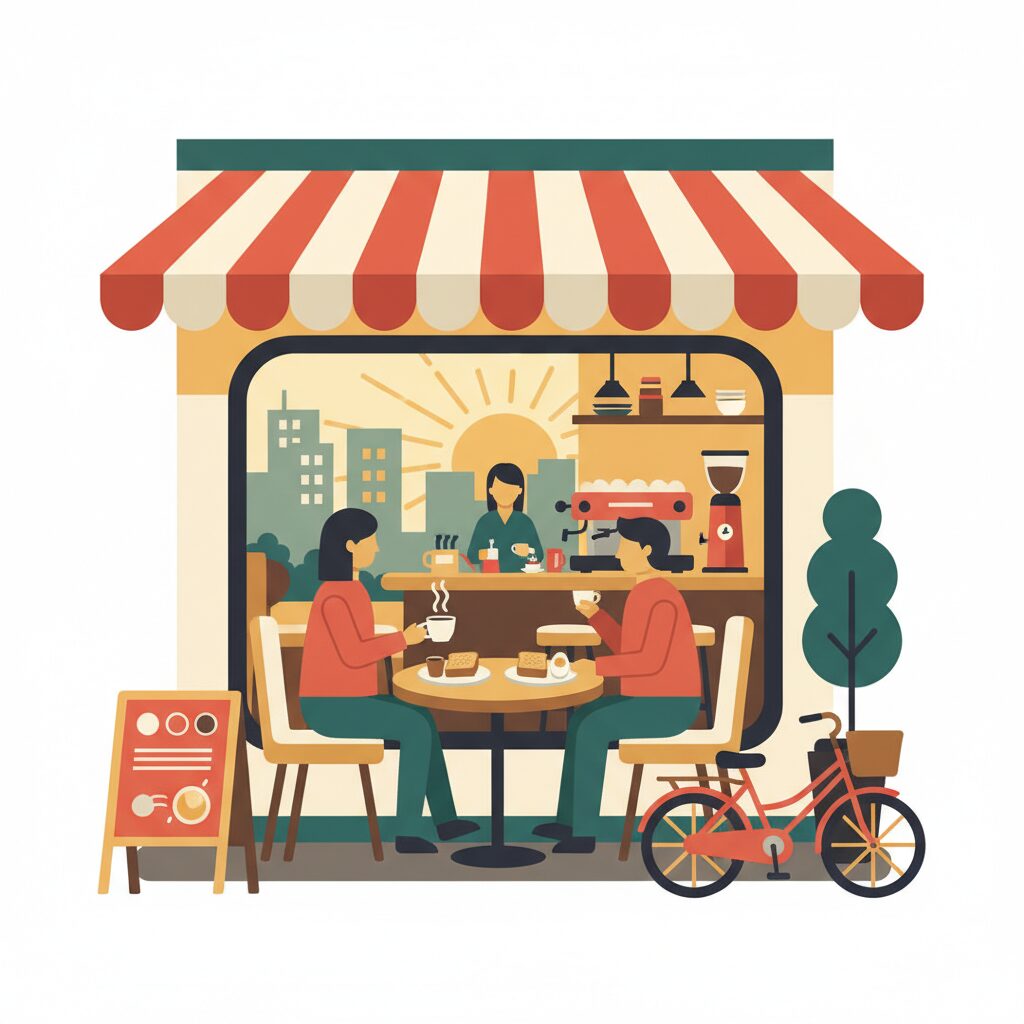
Hola, lovelies! Sofia here. When I first moved to Osaka, I thought I had the morning routine figured out. Grab a quick coffee, maybe a pastry from a konbini, and rush off to start my day. Simple, efficient, predictable. But Osaka, in its wonderfully surprising way, had a different plan for me. It started with a question, a moment of pure, delightful confusion. I walked into a small, neighborhood spot that looked like it hadn’t changed since the 1970s, ordered a single 400-yen coffee, and a few minutes later, the owner placed a tray in front of me. On it was my coffee, yes, but also a thick, perfectly toasted slice of bread, a hard-boiled egg still warm in its shell, and a tiny side salad. I looked at the owner, then at the tray, convinced there was a mistake. “I only ordered coffee,” I said, fumbling with my Japanese. He just nodded, a slight smile playing on his lips, and gestured to the tray. “Morning Service,” he said, as if it were the most normal thing in the world. And in Osaka, it is. This wasn’t just breakfast; it was my first real lesson in the city’s soul. It was an introduction to a cherished ritual, a rhythm that beats beneath the surface of this vibrant metropolis, hidden in plain sight in its countless retro coffee shops, or kissaten.
This cherished ritual is just one of many that define the city’s unique character, much like the passionate community found among Hanshin Tigers fans.
The Anatomy of an Unbeatable Deal
So, what exactly is this magical “Morning Service”? Simply put, it’s a breakfast set served at kissaten, usually available from opening until around 11 a.m. The cleverness of it—and the very essence of Osakan culture—is that you’re not really paying for the food. You order a drink—typically coffee or tea, costing between 400 and 600 yen—and the breakfast comes as a “service.” In Japanese katakana, サービス (saabisu) often means something complimentary, a bonus, or a freebie. This idea is deeply embedded in the city’s commercial tradition. It’s not a buy-one-get-one deal or a limited-time promotion; it’s just how things are done.
While the basics are almost always toast and a boiled egg, the variations are endless, reflecting each shop’s unique character. The toast might be a thick, fluffy slice of shokupan (Japanese milk bread), generously spread with butter that melts into its soft folds. Some places offer various toppings: strawberry jam, marmalade, or the beloved local specialty, ogura (sweet red bean paste). The egg, a protein staple, is usually hard-boiled, sometimes peeled, sometimes left unpeeled to enjoy the satisfying ritual of cracking the shell. But many kissaten add their own special touches. You might find a small cup of yogurt, a tiny bowl of corn potage soup, a few slices of ham, or a mini salad of shredded cabbage with sesame dressing. More elaborate sets, at an additional cost of 100 or 200 yen, might feature a small omelet, bacon, or even a hot dog. It’s a complete, comforting, and remarkably affordable way to start the day. This isn’t a meal crafted for Instagram; it’s made for living. It’s fuel. It’s routine. It’s a warm, dependable hug on a plate, offered at the price of just one cup of coffee.
A Time Capsule with Your Coffee
To truly grasp Morning Service, you must first understand its setting: the kissaten. These are far from the minimalist, third-wave coffee shops with sleek surfaces, free Wi-Fi, and a backdrop of ambient indie pop. Entering a classic Osaka kissaten is like stepping back into the Showa Era (1926-1989). The atmosphere is warm, occasionally cluttered, and utterly charming, showcasing retro design. Imagine dark wood paneling, worn velvet or vinyl booths in deep burgundy or forest green, and soft, moody lighting from ornate Tiffany-style lamps. The air is often filled with the rich, slightly bitter aroma of siphon-brewed coffee, mingling with the lingering scent of decades-old cigarette smoke—a detail to note, as many traditional spots still allow smoking, a practice that itself feels like a relic of the past.
The soundtrack is uncurated; it’s the natural hum of the neighborhood. A TV in the corner might quietly broadcast the morning news. You hear the clinking of ceramic cups, the rustling of newspaper pages turning, and the low murmur of conversation between regulars and the shop’s owner, often called the “Master.” Laptops are absent here. Instead, salarymen in suits read the sports section before heading to work, elderly couples share quiet moments, and local shopkeepers from the nearby shotengai (shopping arcade) stop by for their daily caffeine fix. The furniture is comfortable but well-worn. The décor might feature quirky European-inspired paintings, dusty porcelain figurines, or shelves stacked with manga. It’s a lived-in space, a testament to decades of daily rituals. This ambiance is integral to the experience. The kissaten isn’t about selling a trend; it offers a sanctuary. It’s a place that values comfort over style and consistency over novelty. It embodies the Japanese concept of ikigai (a reason for being) for its owner and serves as an essential “third place” for its patrons.
More Than a Meal: The Community Hub
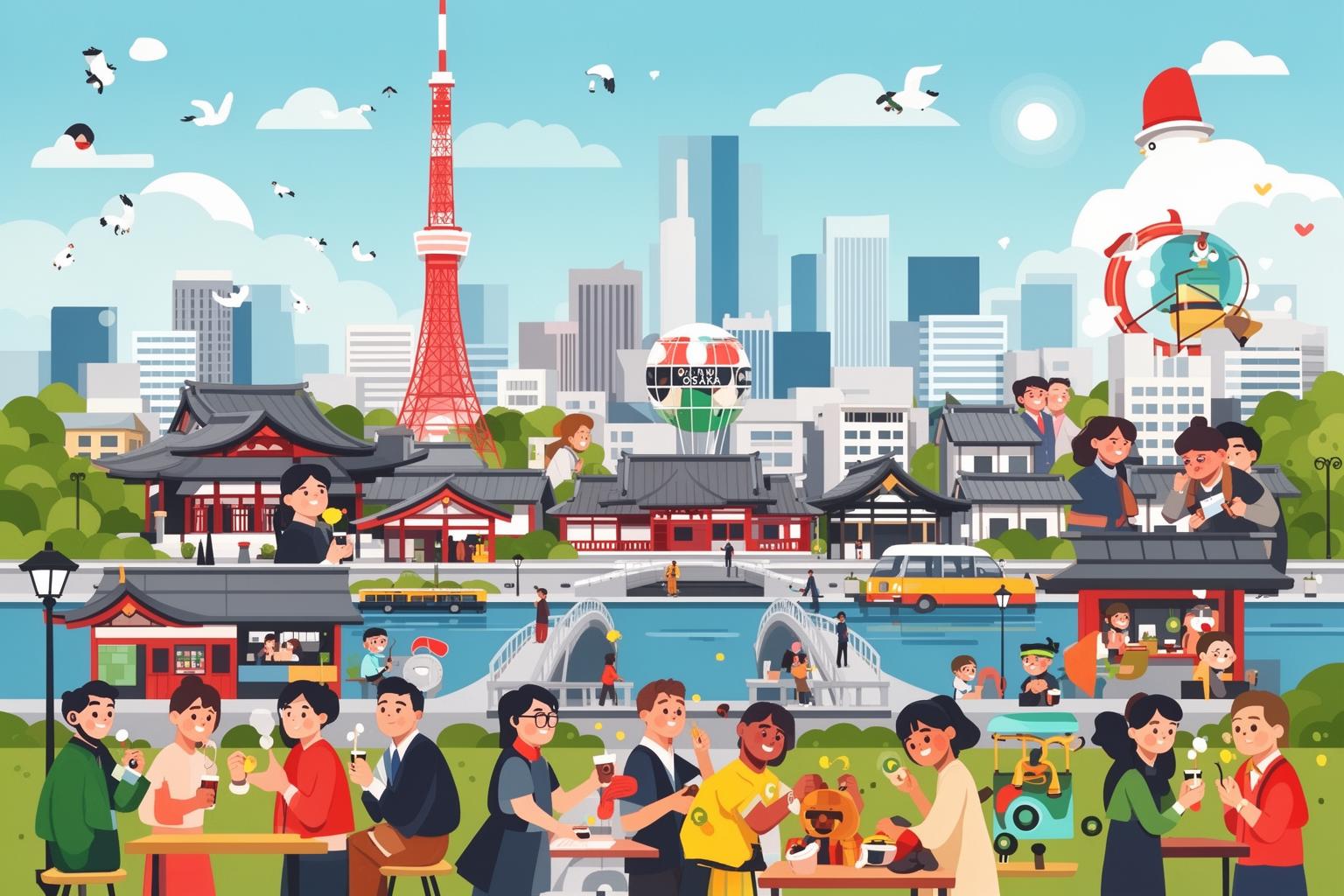
After a few weeks of embracing my new morning ritual, I began to sense something deeper. The kissaten wasn’t merely a place to eat; it was the neighborhood’s living room. Familiar faces appeared at the same time each day, occupying the same seats. They were more than just customers; they were members of an unspoken community. There was the elderly man who always sat at the counter, methodically solving a crossword puzzle. There was the group of chatty women who claimed a corner booth, their laughter filling the air. There was the taxi driver who stopped by for a quick 15-minute coffee and toast, sharing a few words with the Master about the weather or baseball before heading back on the road.
This is where Osaka’s famous friendliness shines, but not in the loud, boisterous way it’s often portrayed. It’s a quieter, more grounded form of connection. The Master, often a person of few words, serves as the silent anchor of this community. They know everyone’s regular order without asking. They keep hold of a customer’s forgotten umbrella until the next visit. They listen more than they speak, offering a stable, reassuring presence. For many, especially older residents living alone, this daily interaction is a crucial social lifeline. It’s a check-in. It’s a reason to leave the house. It’s a confirmation that you belong to a community that sees and expects you. In a world growing increasingly digital and isolated, the kissaten acts as a profoundly analogue and essential space for human connection. Here, you don’t just drink coffee; you take part in the neighborhood’s life. It’s a subtle but powerful contrast to the anonymous, transactional nature of a modern coffee chain.
The Gospel of ‘Cospa’: Understanding Osaka’s Mindset
Why does this tradition of extreme value remain so deeply ingrained in Osaka? The key lies in a vital concept for grasping the local mindset: cospa. It’s a Japanese blend of “cost performance,” but its significance goes far beyond simply meaning “cheap.” It’s about achieving the absolute best value for your money. It reflects a savvy, practical consumer attitude that Osakans have perfected into an art form. An Osakan doesn’t merely seek a low price; they want a great deal. They want the feeling of a win. And the Morning Service represents the ultimate triumph.
This fixation on cospa is evident throughout the city. You notice it in the lively shotengai, where shopkeepers call out bargains and toss in a little extra omake (a small gift or freebie) with your purchase. You hear it in the local dialect, where the phrase “honma ni?” (“Really?”) is expressed with joy upon finding an amazing deal. It’s a culture that prioritizes pragmatism over showiness. Paying a high price just for a brand name or a trendy spot is met with skepticism. Why spend 800 yen on a single upscale coffee when you can enjoy a perfectly good coffee plus a full breakfast for 400 yen just down the street? To an Osakan, the answer is clear. The kissaten Morning Service perfectly captures this philosophy. It’s not cheap; it’s smart. It’s a nourishing, satisfying, and remarkably logical way to begin the day. It embodies a deep cultural belief that you should receive more than what you pay for, that a good deal benefits both buyer and seller with mutual satisfaction.
Tokyo Sleek vs. Osaka Soul: A Tale of Two Mornings
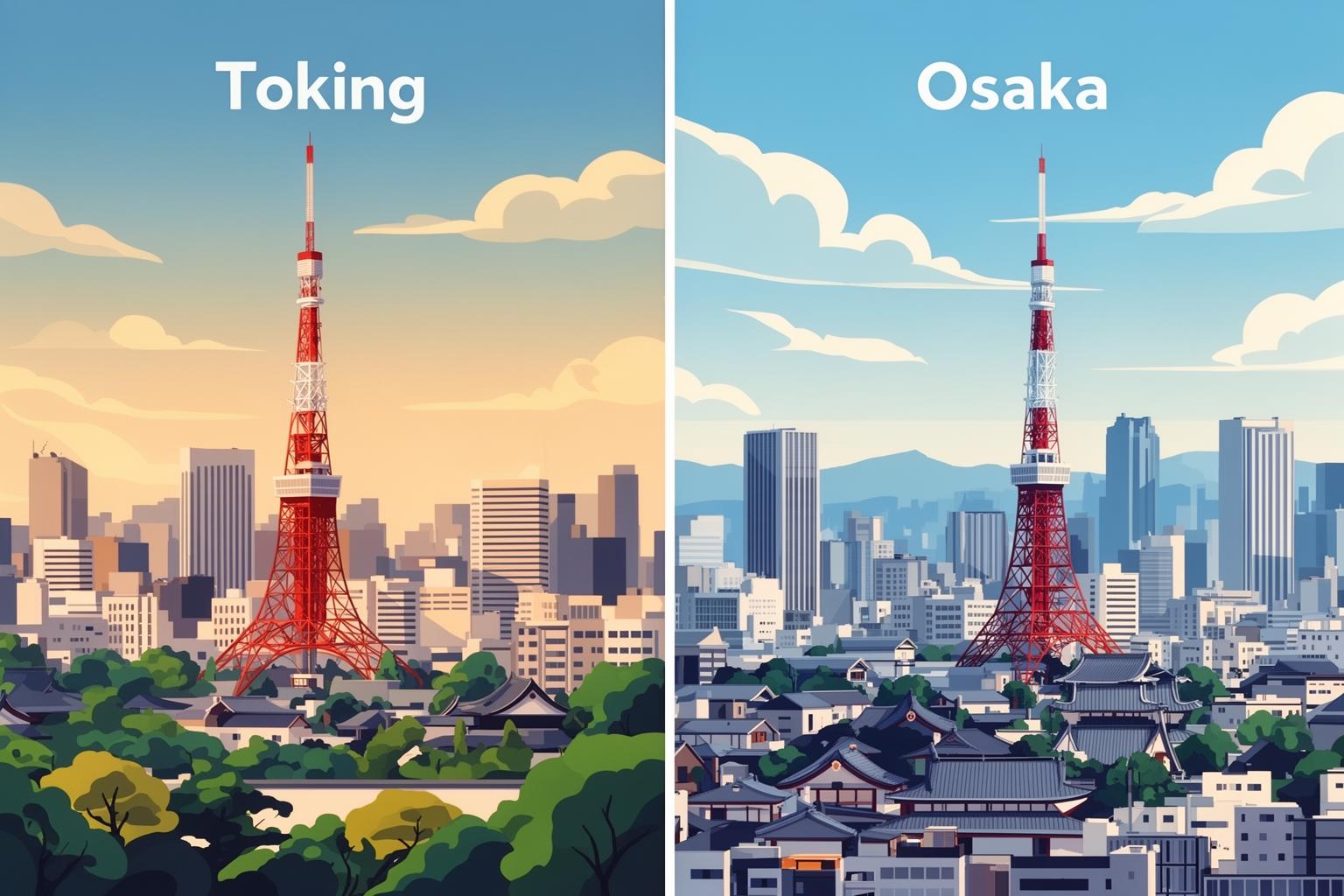
Comparing Osaka’s morning café culture to Tokyo’s is like comparing two entirely different worlds. In Tokyo, mornings often feel shaped by global trends and impeccable aesthetics. You’ll encounter world-class specialty coffee roasters in minimalist concrete spaces, where the emphasis is on single-origin beans and the perfect pour-over. Chic bakeries and brunch spots serve avocado toast and elaborate pastries that are as visually striking as they are pricey. These venues tend to be quiet, designed for individuals working on laptops or enjoying a moment of solitary reflection before facing the city’s relentless pace. It’s about precision, polish, and personal space.
Osaka’s morning scene, centered around the kissaten, tells a very different story. It’s less about a meticulously curated experience and more about a comfortably lived-in one. Coffee here is typically a dark, classic roast, brewed using siphon or flannel drip methods—considered old-fashioned but consistently producing a strong, satisfying cup. The focus isn’t on the bean’s origin but on the reliability of the brew. The atmosphere is communal rather than individualistic. The aim isn’t to create a photogenic moment but to support a daily ritual. While a Tokyo café might resemble a gallery, an Osaka kissaten feels more like a cozy den. It’s somewhat messy, a bit dated, yet brimming with character and warmth. This contrast reveals much about the two cities. Tokyo is often viewed as Japan’s global face—modern, sophisticated, and forward-looking. Osaka represents Japan’s heartland—practical, unpretentious, and deeply rooted in its own distinctive, human-centered culture. Neither is superior, but the kissaten experience is unmistakably and authentically Osakan.
How to ‘Morning’ Like a Local: An Unspoken Etiquette
For a newcomer, stepping into the world of the kissaten can feel somewhat intimidating. These are not places with English menus or flashy branding. They are local institutions. But once you grasp the rhythm, navigating them is easy. First, don’t expect a menu right away. Often, the “Morning” options are simply listed on a small sign outside or on a blackboard inside. Sometimes, the Master will just ask “Morning?” and you simply nod. You’re there for the set, and they understand that. Choose a seat, but be aware that certain spots are quietly reserved for longtime regulars.
Don’t anticipate quick service. Everything is prepared to order in a tiny kitchen, often by one person. The pace is unhurried, and you should be too. This is the perfect time to unplug. Read a book, gaze out the window, or simply enjoy the peaceful hum of the place. Don’t pull out your laptop; power outlets are rare, and Wi-Fi even more so. The kissaten is a retreat from the digital world, not an extension of it. When your tray arrives, savor its simple perfection. When you’re ready to leave, don’t call for the check. Just gather your things, approach the cash register by the door, and pay the Master directly. A simple “gochisousama deshita” (“thank you for the meal”) is the ideal way to end your visit. Following these subtle, unspoken rules shows that you respect the space, turning you from a visitor into a participant in this wonderful daily tradition. It’s your gateway to experiencing a genuine slice of everyday Osaka life, one delicious, value-packed morning at a time.