Ever stood on a train platform in Umeda at 7 PM on a Tuesday and wondered where the river of humanity flows? The black-suited legions, the office ladies in sensible heels, all pouring out of the glass towers. You might think they’re heading home for a quiet dinner, a bath, and an early night. Some are. But many are making a detour. They’re not going to the chic, minimalist cocktail bars featured in lifestyle magazines, nor the cavernous, impersonal beer halls that cater to tourists. They’re peeling off into the narrow, smoke-filled, lantern-lit alleyways of a place that feels like a different dimension, a different decade. They’re going to Tenma. And if you really want to understand the raw, beating heart of Osaka, you need to go there, too.
Tenma is not a destination. It’s an ecosystem. It’s a chaotic, overwhelming, and utterly brilliant labyrinth of tiny bars, standing-only counters, and closet-sized eateries crammed under the elevated train tracks of the Osaka Loop Line. To a newcomer, it can feel intimidating. There are no clear entrances, no velvet ropes, no maître d’s. There is only the roar of the train overhead, the sizzle of oil hitting a hot grill, the clatter of ceramic bowls, and the boisterous laughter of people who have shed the skin of their workday. This isn’t a place you plan a visit to; it’s a place you surrender to. It’s here, in the glorious, unpretentious grime of Tenma, that you’ll find the true spirit of Osaka—a spirit built on incredible food, unbeatable value, and the simple, profound joy of sharing a drink with a stranger. Forget what you’ve read in the guidebooks. This is your field guide to a real night out, Osaka-style.
To truly master the art of navigating these standing-only counters, you’ll want to understand the unwritten social code of Osaka’s tachinomi bars.
The Tenma Mindset: Why Chaos is Comfort
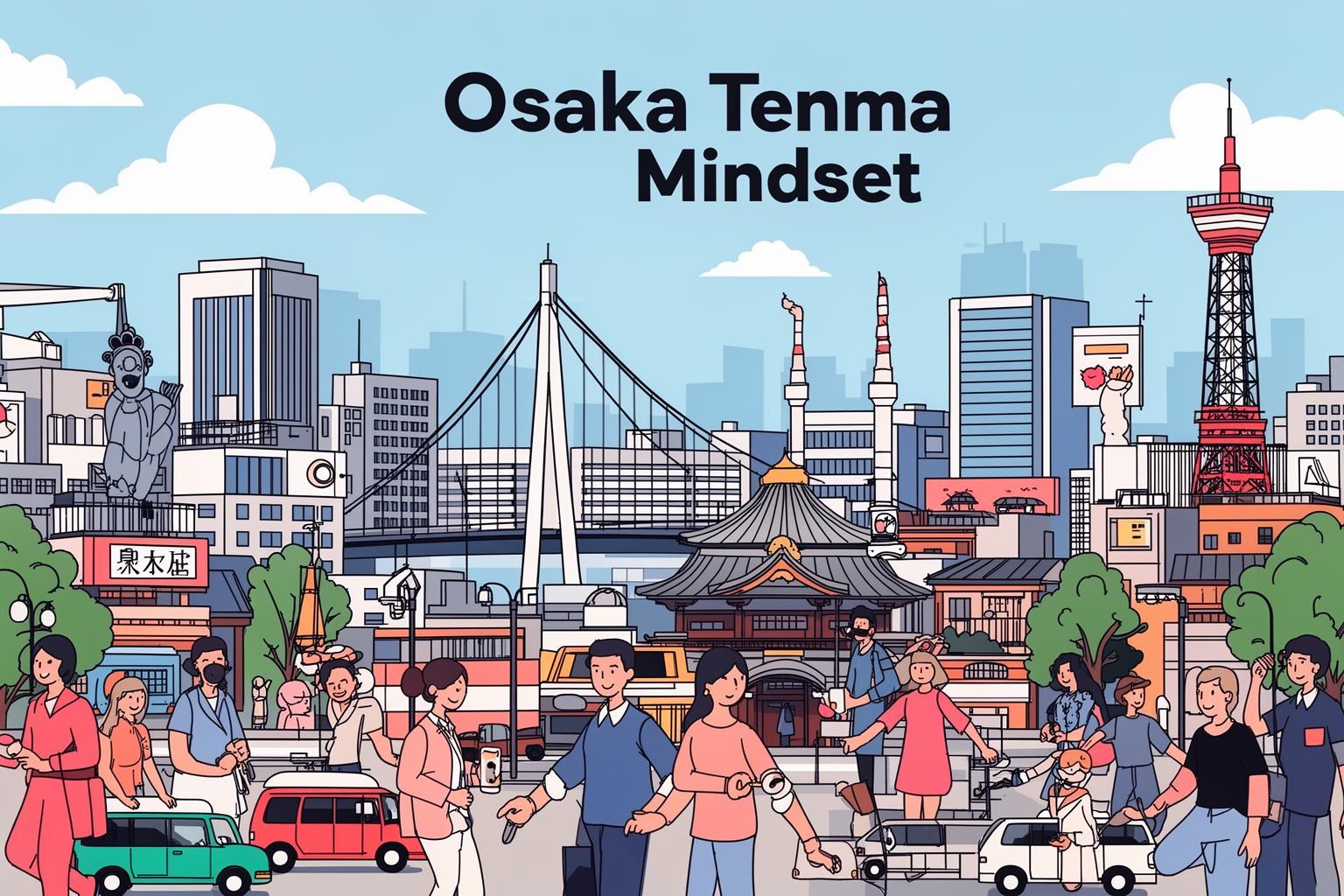
Before stepping into a Tenma izakaya for the first time, you need to adjust your mindset—especially if you’re coming from Tokyo. Tokyo’s drinking culture, while excellent, often prioritizes precision, ambiance, and a certain curated perfection: finding a bar with the right vibe, music, and meticulously crafted cocktail before settling in. Tenma, however, follows a completely different philosophy. Here, the focus isn’t on perfection but participation. It’s about immersing yourself in a swirling current of humanity and letting it carry you along. The chaos isn’t a flaw; it’s the very essence. It acts as a great equalizer—a place where the CEO and construction worker stand side-by-side, grumbling about their bosses over a 150-yen skewer of grilled chicken skin.
Beyond “Friendly”: The Unspoken Invitation
You’ll often hear the cliché that “Osaka people are friendly,” and while true, that’s also a simplification. In Tenma, this friendliness isn’t the courteous, customer-service kind—it’s raw, direct, and functional inclusion. It’s the gruff “Irasshai!” (Welcome!) shouted from behind a smoky grill, not by a trained employee but by the owner who’s been there for thirty years. It’s the way other patrons instinctively shift to make room for you at a crowded standing bar—a silent message that says, “There’s always room for one more.”
I recall my first solo visit to Tenma, feeling terrified as I passed a dozen noisy, smoky shoebox-like spots, feeling like an outsider. Finally, I stopped before a tiny kushikatsu shop with a yellowed plastic curtain for a door. Inside, ten people squeezed into space meant for five. As I hesitated, the owner—a woman with a perm that seemed to have survived decades—caught my eye. She didn’t smile but nodded sharply toward a narrow gap at the counter. It wasn’t a polite invitation; it was a command—to stop hesitating and come in. That gesture felt more welcoming than any overly polite greeting I’d ever received. Within minutes, the salaryman beside me slid a skewer of lotus root onto my plate and, with gestures, insisted it was the best thing on the menu. This isn’t about being “friendly”; it’s about a shared understanding that the space, food, and experience are communal. The physical closeness of a tachinomi (standing bar) deliberately breaks down the personal bubbles we keep all day. You have no choice but to interact, notice those around you, and become part of the bar’s temporary, lively family for the next forty-five minutes.
The Gospel of “Cospa”: It’s Not Cheap, It’s Smart
The second pillar of the Tenma mindset is a near-religious devotion to “cospa,” a Japanese blend of “cost performance.” Misunderstanding cospa is misunderstanding Osaka. Foreigners often confuse it with being cheap, but it’s not. Cheap means spending as little as possible; cospa is about optimization—getting the maximum satisfaction in taste, quality, quantity, and enjoyment for the lowest price. It’s a point of pride. An Osakan will brag about a fantastic 500-yen bowl of doteyaki (slow-cooked beef tendon stew) with the same enthusiasm a Tokyoite reserves for a 20,000-yen omakase sushi meal.
This obsession with value runs deep in Osaka’s DNA. Historically Japan’s merchant capital—the “nation’s kitchen”—where rice brokers and traders made their fortunes, the spirit of practicality, good deals, and disdain for waste permeates everything. In Tenma, this means an astonishing array of culinary bargains that seem almost unbelievable: a frosty mug of draft beer for 300 yen, three generous yakitori skewers for 400 yen, a heaping plate of fresh maguro sashimi for 600 yen. This is possible thanks to the business model—low overhead (no fancy decor), high turnover (quick customer rotation), and direct access to some of Japan’s best markets. Owners aren’t cutting corners on quality; they’re eliminating everything non-essential. You’re not paying for an interior designer, fancy lighting, or expensive real estate—you’re paying for the food, the drinks, and the skill of those crafting them. Finding a spot that nails this balance of high quality and low cost is the ultimate triumph for an Osaka drinker, a testament to their savvy and connection to the city’s core values.
Navigating the Labyrinth: The Unwritten Rules of a Tenma Night
So, you’ve shifted your mindset. You’re prepared for the chaos and on the lookout for great value. What’s next? A night in Tenma doesn’t follow the pattern of a typical Western night out. You don’t settle in at one spot for hours. Doing so would defeat the whole purpose. The aim is movement, variety, and discovery—this is the essence of hashigo-zake.
The Art of “Hashigo-zake” (Bar Hopping)
Hashigo-zake literally means “ladder drinking,” symbolizing the climb from one bar to the next, like moving up rungs on a ladder. This sets the fundamental pace of a Tenma night. The unspoken rule is straightforward: have one or two drinks and two or three small dishes per spot, then settle your bill and move along. The common phrase is “chotto ippai,” meaning “just one quick drink.” Of course, it’s rarely only one, but the intention matters. This method keeps the energy vibrant and stops you from getting stuck in one place. More importantly, it lets you craft your ideal meal, spread out across several specialized venues.
Think of it as a multi-course dinner, with each course at a different restaurant. You might begin at a standing sushi bar, quickly enjoying three pieces of superb nigiri and a glass of sake in ten minutes, paying around 800 yen. Then you’re back on the street, fresh fish flavor lingering on your palate. Next, you slip into a yakitori spot, attracted by the smoky aroma wafting from the door. You order chicken thighs, hearts, and crispy skin, paired with a highball. Thirty minutes and 1200 yen later, you’re off again. Your final savory stop might be a cozy oden bar, where you select a few items simmering in gentle broth—a daikon radish, a fish cake, a boiled egg—to warm you. It’s an active, interactive way to dine and drink, completely different from sitting down for a meal at a single restaurant. It’s a culinary journey where you’re the main character, constantly shaping your night through choice.
Reading the Room: How to Pick Your Next Place
With hundreds of spots packed into a small area, deciding where to go can feel overwhelming. Yet, subtle signals guide you—a language of signs that locals understand instinctively.
First, watch for the red lanterns, or akachōchin. These lanterns mark unpretentious izakaya. A bright red lantern outside universally signals, “We’re informal, affordable, and here for fun.” The older and more stained the lantern, the more character the place likely has.
Second, trust the crowd but avoid following long lines. The best approach is to peek inside through windows or doors. Is it alive with locals? Are people laughing, gesturing, and clearly having a good time? That’s your green light. A packed bar with happy office workers on a weekday is almost always a solid choice. But if a long, orderly line snakes outside, it might be a place that’s grown too famous, perhaps a TV feature. Part of Tenma’s charm is discovery, so consider skipping the renowned spot and trying the equally busy, unnamed place next door. That’s often where true magic happens.
Lastly, embrace specialists. Don’t just hunt for generic “izakaya.” Look closely at menus scrawled on wooden boards or handwritten papers taped to walls. Does this place focus on something particular? Maybe a tempura bar, a gyoza specialist, a grilled fish expert, or a sake haven with hundreds of varieties. These focused establishments are often run by masters of their craft. Following your cravings and seeking out these specialists transforms a simple bar hop into a world-class culinary tour.
The Language of Ordering: Beyond “Beer, Please”
Ordering in Tenma is a kind of performance with its own flow and etiquette. The opening line is almost always the same: “Toriaezu, bīru.” It means “For now, beer.” It’s the universal icebreaker, the start signal for the evening. It gives you a moment to study the menu and soak up the vibe.
Once your beer arrives, order food in small waves, not all at once. Pick two or three items that catch your eye. This prevents the table from becoming cluttered and ensures dishes arrive hot and fresh. Sharing is understood. Food is placed centrally for everyone to enjoy with chopsticks.
To eat like a local, know the key Osaka dishes that define the Tenma experience:
Kushikatsu: Skewered, breaded, deep-fried items—meat, vegetables, cheese, even hard-boiled eggs. They come out hot and crispy, dipped into a communal pot of thin, sweet-savory sauce. Here you face the most important rule in Osaka dining: NO DOUBLE-DIPPING. Once your skewer touches your mouth, it must never return to the sauce pot. This isn’t just about hygiene; it’s a social contract, showing respect for the shared space. Breaking this rule is a serious faux pas.
Doteyaki: A rich, savory stew of beef tendon, konnyaku, and miso, simmered for hours until the tendons are tender. It’s comforting, old-school working-class Osaka cuisine that warms you deeply. It pairs perfectly with cold beer or simple sake.
Yakitori/Yakiton: Grilled chicken (yakitori) or pork (yakiton) skewers. This is where you can judge the chef’s skill. Is the chicken juicy inside with a slight char outside? You can usually choose shio (salt) or tare (sweet soy glaze). A good rule of thumb is to order simpler cuts like thigh (momo) or breast (mune) with salt to appreciate meat quality, and richer cuts like liver (rebā) or heart (hatsu) with tare for bolder flavor.
As you order, keep your drinks flowing. When your beer gets halfway down, start thinking about the next one—a highball (whisky and soda), a chūhai (shōchū with flavored mixer), or a glass of sake. The rhythm of ordering, eating, and drinking forms a continuous, pleasant hum that carries the whole evening.
Tenma vs. The World: What It Says About Osaka
A night in Tenma is more than just an enjoyable experience; it offers a profound insight into the city’s character. The way people eat, drink, and interact here sharply contrasts with Tokyo, revealing something fundamental about how Osaka perceives itself and its place in the world.
A Rejection of Polish and Pretense
Picture a chic bar in Tokyo’s Ebisu or Daikanyama. The lighting is dim and thoughtfully designed. The music is carefully selected indie rock or smooth jazz. The staff are impeccably attractive and move with quiet efficiency. The glassware is fragile, the menu is a graphic design masterpiece, and every detail is meticulously chosen to create a specific, polished ambiance. It is, in its own right, perfect.
Tenma is completely opposite. The lighting is often harsh, buzzing fluorescent tubes. The music playing might be the owner’s favorite enka ballads or a crackly baseball game on the radio. The walls are covered not with art but with faded, handwritten menu strips, old calendars, and beer brand posters. The floor may be slightly sticky. This is not a design flaw; it is a deliberate rejection of design. In Osaka, and especially in Tenma, there is a strong distrust of anything that feels too slick, too polished, or too pretentious. Substance always wins over style. The quality of the food matters infinitely more than the font on the menu. The genuine warmth (or entertaining gruffness) of the owner is more prized than the sleekness of the décor. This reflects a wider Osaka mindset: be straightforward, be authentic, and don’t put on airs. The city’s energy is pragmatic and grounded, finding its purest expression in the raw, unvarnished honesty of a Tenma bar.
The Weekday Release Valve
It’s important to realize that the lively scene in Tenma is not about weekend partying. Its busiest hours are from 6 to 10 PM, Tuesday through Friday. This is because Tenma fulfills a crucial social role: it acts as the city’s pressure release valve. Japanese work culture is famously demanding, marked by long hours, strict hierarchies, and intense pressure to conform. The office is a place of formality and restraint. Tenma provides the opposite.
When a group of salarymen squeeze into a small bar, loosen their ties, and begin loudly complaining about their manager, they are engaging in a vital social ritual. It’s a space where the workplace’s constraints vanish. Job titles don’t matter when everyone is reaching for the last piece of karaage. It is a place for unfiltered human connection after a day navigating complex social codes. Foreigners may sometimes misinterpret this level of weekday drinking as problematic, but that misunderstands its purpose. It’s not necessarily escapism in a negative sense; it’s about decompression and social upkeep. It is how bonds are built, how stress is relieved, and how people reconnect with an authentic, unguarded version of themselves before heading home to do it all again the next day.
Your First Night in Tenma: A Practical Field Guide
Ready to dive in? Here’s a flexible game plan for your first hashigo-zake adventure. Keep in mind, these aren’t strict rules—just gentle suggestions to point you in the right direction. The best nights in Tenma are the ones that unfold spontaneously.
Getting Started: The First Drink
Begin your journey at JR Tenma Station. Don’t bother with a map. Just step out of the station and let your senses lead the way. The glow of lanterns and the aroma of grilled meat will draw you toward the main paths: the Tenjinbashi-suji Shotengai (Japan’s longest covered shopping arcade) and the maze of alleys running parallel to and beneath the train tracks. For your first stop, seek out a classic tachinomi. Look for a spot with a simple counter, no chairs, and a lively crowd. It’s the perfect way to break the ice—low commitment, and you can be out within 20 minutes if the vibe isn’t right. Order a “toriaezu bīru,” point to a couple of items on the counter or on your neighbor’s plate, and just take it all in. The goal here is simply to get your bearings and ease into Tenma time.
Pacing Yourself and Paying Up
The secret to a successful hashigo-zake is stamina, not speed. Aim to visit three, maybe four, places over the evening. Don’t over-order at any one stop—a couple of drinks and a few small dishes are enough. This leaves you eager and hungry for the next discovery. Many standing bars use a cash-on-delivery system, where you place money in a small tray on the counter, and staff deduct the cost of each item as it’s served. This system is wonderfully efficient and makes leaving easy—no need to hunt down the check. When your tray is empty or you feel like moving on, simply say “Gochisōsama deshita” (a polite “thank you for the meal”), give a slight bow, and step back out into the night.
As the night progresses, you’ll find your rhythm. After a couple of savory stops, you might want to change things up—perhaps a sake bar or one of the newer craft beer spots popping up. Many Tenma nights end with the shime—the “closing” dish, usually a carbohydrate. Find a late-night ramen shop and slurp a comforting bowl of noodles and broth. It’s a ritual that offers a satisfying, definitive conclusion to your rambling night.
What Not to Do
Exploring Tenma is as much about what to avoid as what to embrace.
- Don’t go with a large group. Two or three is the ideal size. Many bars are small, and large groups won’t fit comfortably. More importantly, smaller groups are more nimble and approachable, making it easier to blend into the bar’s atmosphere and chat with locals.
- Don’t try to make reservations. Most spots in Tenma are walk-in only. The whole culture revolves around spontaneity. Trying to reserve a table defeats the purpose.
- Don’t worry if you don’t speak Japanese. A few words like “Sumimasen” (Excuse me), “Arigatō” (Thank you), and “Oishii” (Delicious) go a long way but aren’t required. The language of Tenma is universal: pointing, smiling, and nodding. The owners are experts at non-verbal communication.
- Don’t be shy. This is the most important rule. If a local tries to start a conversation, engage with them. They’re likely curious and just want to share their favorite spots. These spontaneous chats are the best souvenirs you can take home—moments that turn a simple night of eating and drinking into a true cultural experience.
The Soul of the City in a Glass of Beer

After several hours of moving from one lantern-lit refuge to another, you start to grasp the truth. Tenma is more than just a cluster of bars. It is a microcosm of Osaka itself. It’s loud, somewhat rough around the edges, deeply loyal to its own traditions, and has no patience for pretension. It reflects the merchant city’s focus on value, the working-class love for simple pleasures, and the strong belief that the best things in life are those shared with others.
Spending an evening in Tenma means seeing the city with its guard down. You’re not witnessing the polished image shown to tourists; you’re experiencing the genuine, everyday Osaka in action. You’re observing a nightly ritual of community and release that is as vital to the city’s life as the subways that carry workers to and from their offices. Ultimately, you come to realize that the steady rumble of the train overhead is the city’s heartbeat, while the chorus of laughter and clinking glasses from the alleys below is its soul. To truly understand Tenma is to understand that in Osaka, a simple skewer and a cold beer are more than just food and drink—they are a language, a philosophy, and a way of life.