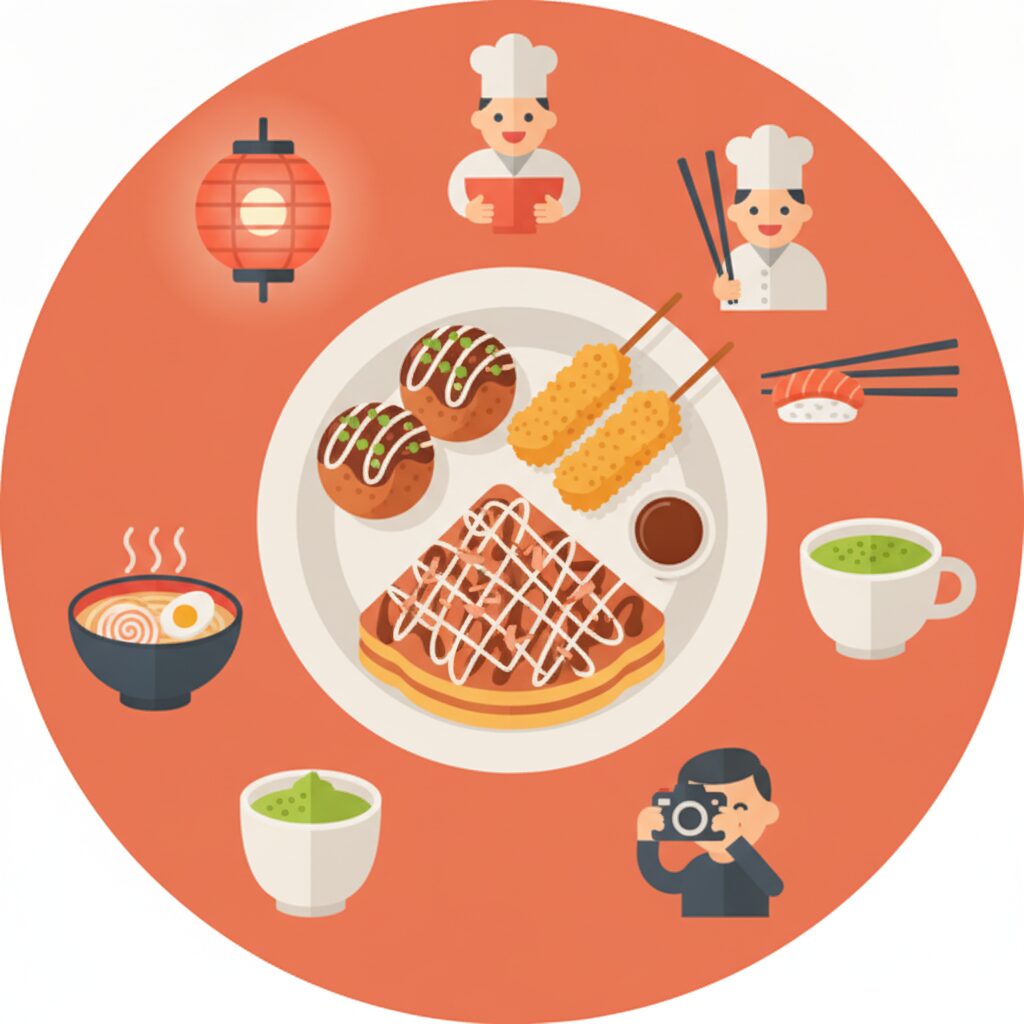
They have a saying in Osaka, a four-syllable mantra that echoes from the steamy takoyaki stalls of Namba to the smoky izakayas tucked away in Kyobashi. It’s ‘kuidaore’ (食い倒れ), and the standard translation you’ll find is something like “to eat until you drop,” or more dramatically, “to eat yourself into bankruptcy.” For a newcomer, this sounds like a warning, a cautionary tale of gluttony and financial ruin. But live here for a while, and you start to understand. Kuidaore isn’t a warning; it’s a philosophy. It’s the city’s pulsing, delicious, and sometimes overwhelming heartbeat. It’s a declaration that a life well-lived is a life filled with good food, shared with good people, at a price that makes you grin. But this raises a crucial question for anyone planning to build a life here, not just visit for a week: What does it actually mean to live inside this dream? Beyond the neon-lit food paradise, what are the real-world consequences—for your social life, your wallet, and your waistline—of inhabiting a culture that puts food at the absolute center of its universe? Can you truly thrive in the land of kuidaore without, well, falling over?
For those intrigued by the deeper layers of Osaka’s culinary spirit, exploring how dashi vending machines epitomize the city’s dedication to flavor provides a fascinating continuation of the narrative.
The Philosophy of ‘Kuidore’: More Than Just a Meal

To truly understand Osaka, you need to recognize that food here is more than just nourishment. It serves as the main form of communication, celebration, and consolation. It’s the city’s way of expressing love. This mindset rests on two fundamental principles that shape everyday life: a strong passion for hearty, flour-based comfort foods and an almost religious commitment to value for money.
‘Kona-mon’ and the Soul of the City
As you step out of any train station, you are immediately greeted by the savory, slightly sweet aroma of dashi, grilled batter, and tangy sauce. This is the signature scent of ‘kona-mon’ (粉もん), or flour-based dishes. We’re referring to the sacred trio: takoyaki (octopus-stuffed batter balls), okonomiyaki (a savory cabbage-and-batter pancake), and kushikatsu (deep-fried skewers). This is not high-end cuisine; it’s the cornerstone of Osaka’s culinary character. This passion traces back to Osaka’s reputation as ‘tenka no daidokoro’ (天下の台所), the Nation’s Kitchen. During the Edo period, it was the main center for rice and other commodities, nurturing a merchant culture that valued food that was affordable, filling, and delicious. That legacy endures. Kona-mon is food for the people. A tray of takoyaki offers a warm, satisfying snack you can enjoy standing on a street corner, the steam comforting you on a chilly evening. An okonomiyaki meal involves gathering around a hot griddle, spatula in hand, sharing a communal dining experience that’s lively, interactive, and highly social. It stands in sharp contrast to the quiet, reflective meal one might have at a sushi counter in Tokyo. Here, both the food and the atmosphere are vibrant. This is the essential lesson for newcomers: embracing kona-mon means embracing the city’s casual, unpretentious spirit.
The ‘Cost-Performance’ Obsession
The second foundation is ‘kosupa,’ a short form of ‘cost-performance,’ or what we typically call value for money. But in Osaka, it’s regarded as an art form. An Osakan will express more enthusiasm over a 700-yen teishoku (set meal) featuring perfectly fried tempura, a hefty serving of rice, and unlimited miso soup than over a 10,000-yen kaiseki dinner. It’s not about being cheap; it’s about being savvy. It reflects a merchant’s pride in finding a great bargain. In Tokyo, you might pay extra for brand prestige, elegant interiors, or a prime location. In Osaka, those factors come second. The ultimate question is: does the food deliver exceptional quality for the price? This philosophy influences everyday life. Long lines outside unassuming eateries in business areas like Yodoyabashi aren’t due to trendiness, but because they offer unbeatable lunch deals. Your Osakan friends and colleagues will eagerly become your guides, sharing their latest favorite ramen shop that offers a large portion at no additional cost or a standing bar where three skewers and a beer cost less than a coffee in a Tokyo café. Misunderstanding this is to miss a fundamental Osaka value. Praising the price of a meal is as meaningful as praising its flavor. It shows you truly ‘get it.’
The Social Fabric Woven with Food
In many cultures, inviting people into your home is how you build connections. In Osaka, however, you invite them out to eat. The city’s restaurants, bars, and food stalls serve as the de facto living rooms where friendships are formed and business deals are finalized. Food drives social life here, and if you’re not partaking, you’re missing out on the essence of the city itself.
Breaking Down Barriers, One Takoyaki at a Time
Socializing in Osaka is an active, edible verb. A casual greeting from a coworker, “Hisashiburi!” (Long time no see!), is almost always followed by, “Kondo gohan iko!” (Let’s go eat next time!). This phrase is not just polite; it’s a sincere, open-ended invitation. Sharing a meal is the main way to break down the natural reserve often found in Japanese society. Picture a typical tachinomi (standing bar) near Tenma Station. You’re packed shoulder-to-shoulder with strangers, all reaching for skewers of doteyaki (beef sinew stewed in miso). The space is cramped, the noise is loud, and the beer is flowing freely. Within minutes, you might find yourself chatting with the salaryman next to you about his favorite Hanshin Tigers player. This relaxed, natural interaction is much rarer in the more formal and structured social settings of other cities. The food and environment create an instant sense of shared experience. For a foreigner looking to build a social network, it’s a powerful tool. Saying “yes” to these food-centered invitations is your quickest path to integration, showing your willingness to engage with the local culture on its own terms.
The Neighborhood as Your Kitchen
One of the most striking differences in daily life here is the importance of the ‘shotengai,’ the covered shopping arcade. In Tokyo, life might center around a sleek supermarket at the base of your apartment. In Osaka, life unfolds in the shotengai. Take a stroll through Tenjinbashisuji, Japan’s longest shopping arcade. It’s more than just a place to shop; it’s a living, breathing ecosystem. You don’t merely buy groceries; you build relationships. You get your croquettes from the butcher who asks how your day was, your tofu from the elderly woman who shares cooking tips, and your fruit from the vendor who saves you the sweetest mikan oranges. These arcades act as an extension of the neighborhood’s kitchen. On your way home from work, you can easily assemble a complete, delicious meal by picking up a few items from these specialized, family-run stalls. This approach makes home cooking both accessible and community-focused. Your local vendors become familiar faces, part of your everyday social fabric. This ongoing, low-key social interaction fosters a strong sense of belonging and community, which can be harder to find in more anonymous urban settings. It’s a lifestyle that weaves you into the neighborhood’s fabric, one friendly conversation and one freshly fried tempura at a time.
The Unspoken Health Equation: Navigating the ‘Brown Food’ Capital
Now, for the honest truth. A lifestyle centered on deep-fried skewers and savory pancakes smothered in mayonnaise and sweet brown sauce poses a clear and immediate threat to your health. The pleasure of kuidaore comes with an unspoken negotiation—a continual balancing act that every long-term resident must learn to navigate.
The ‘Kona-mon’ Puzzle: Carbs, Fats, and Flavor
There is a term of endearment for Osaka’s iconic cuisine: ‘chairoi tabemono’ (茶色い食べ物), or “brown food.” Takoyaki, okonomiyaki, kushikatsu, tonkatsu, ramen—they all share a similar, mouthwatering brownish color. Undeniably, these dishes are heavy. They are founded on refined flour, oil, and rich sauces. For foreigners used to culinary traditions emphasizing fresh vegetables and lean proteins, the transition can be quite striking. Finding a genuinely satisfying, hearty salad that isn’t just a small side dish can feel like a treasure hunt. The first few months in Osaka can be an ecstatic plunge into this world of incredible taste and texture. But soon enough, reality kicks in. Your clothes feel tighter. You feel sluggish. This is the downside of kuidaore. The city’s most beloved foods are, by nature, calorie-dense and nutritionally unbalanced. It’s easy to fall into the habit of eating out too often, with your diet mostly composed of various forms of fried batter. It takes conscious effort to resist the constant, delicious temptations all around you.
The Osakan Balance: Walking and ‘Dashi’ Culture
So how does the entire city avoid a collective health crisis? There are two crucial balancing factors essential for a sustainable lifestyle in Osaka. The first is movement. Osaka is a city designed for walking and cycling. While the public transit system is excellent, it only takes you from one station to another. Real life happens in the spaces between. You stroll through the shotengai, walk from the station to your favorite lunch spot, or explore the neighborhood just to see what’s new. This steady, low-impact cardio is deeply embedded in everyday life and serves as a powerful, often overlooked, calorie-burning mechanism. The second, perhaps even more vital, is the profound but undervalued role of ‘dashi’ culture. Although the street food is heavy, the core flavor of traditional Osakan cuisine is incredibly light and refined. Dashi—the umami-rich broth made from kombu seaweed and bonito flakes—is the essence of everything from udon noodle soup to the clear broth served alongside traditional meals. A typical home-cooked dinner or a standard teishoku lunch isn’t okonomiyaki. It’s grilled fish, a bowl of rice, miso soup, and pickled vegetables. It’s clean, balanced, and relies on the subtle mastery of dashi rather than heavy sauces. The secret to long-term health here lies in recognizing that kuidaore is a philosophy of enjoyment, not a mandate to eat fried food every day. Most locals balance their indulgent meals with much simpler, healthier dishes at home.
Kuidore in Practice: A Foreigner’s Survival Guide

Thriving in Osaka involves learning the city’s unique language of food, but it also requires knowing when to be expressive and when to remain quiet. It’s about discovering a personal rhythm that lets you savor the delights of kuidaore without falling into its traps.
Finding Your Rhythm: The Weekly Food Cycle
Trying to experience the tourist version of Osaka’s food scene every single day is a recipe for burnout. The secret is establishing a weekly routine. Reserve weekends for adventurous dining. That’s when you hit that iconic ramen shop in Fukushima or savor the legendary pork buns from 551 Horai in Namba. During the weekdays, shift your focus. Dive into the incredible fresh produce at your local supermarket or shotengai. Japanese supermarkets are a treasure trove of fresh fish, unique vegetables, and top-quality ingredients. Learn to prepare simple Japanese meals at home. A dinner of grilled mackerel, rice, and miso soup is deeply satisfying and reflects how many locals eat daily. Also, become well-versed in the humble ‘teishoku.’ These set meals, found everywhere, are your go-to for a healthy, affordable, and tasty lunch. They offer a perfect balance of protein, carbs, and vegetables and serve as the backbone of the Japanese diet.
Decoding the Social Invitation
Grasping the social subtleties of food invitations is essential. When a colleague mentions discovering an amazing new curry spot, it’s more than just casual news; it’s a subtle invitation. Responding with an enthusiastic, “Sounds amazing, we should go sometime!” is how relationships develop. It’s important to accept these invitations when possible, but you don’t need to say yes to everything. If you’re aiming to eat healthier or save money, it’s perfectly fine to decline politely. The trick is in how you respond. Instead of a blunt “no,” try a positive deferral: “I can’t this week, but I’d love to go next week!” or propose an alternative: “That sounds great! I also know a fantastic soba place if you’d like to try something lighter sometime.” This shows you value the social connection even if you can’t attend that particular outing. It’s about balancing social opportunities without letting them dictate your diet.
Beyond the Stereotypes: Osaka’s Evolving Palate
Finally, it’s important to acknowledge that the spirit of kuidaore is changing. While the city will always cherish its kona-mon traditions, a vibrant and diverse culinary scene is flourishing. The passion for outstanding food now stretches into new realms. In neighborhoods like Kitahama and Horie, you’ll discover third-wave coffee shops that obsess over bean origins with the same devotion a takoyaki master has for perfecting batter consistency. Artisanal bakeries, vegan ramen spots, and spice curry restaurants with lines rivaling famous okonomiyaki joints are thriving. Embracing the kuidaore lifestyle today means exploring these fresh horizons as well. It’s about honoring the core Osakan value—a deep, inclusive love of delicious things—wherever you find it. This broader interpretation of “good food” makes it easier than ever to live a balanced, healthy, and socially rich life here.
The Final Verdict: Is the Kuidore Life for You?
Living in Osaka is not a passive experience. Being here means actively engaging in its food culture. You can’t just watch from afar; you’ll be carried away by its vibrant current. The city’s social life pulses through its restaurants and bars, and its essence is captured in every savory pancake and grilled octopus ball. The kuidaore dream, therefore, embodies a captivating duality. It provides one of Japan’s richest, most accessible, and liveliest social scenes, where making friends can be as easy as sharing a plate of gyoza. The warmth and openness it nurtures are genuine and profoundly rewarding.
Yet, it asks for something in return: mindfulness. It demands a deliberate effort to balance indulgence with moderation, to navigate a world full of temptations without losing your path. It invites you to discern the difference between the city’s festive, celebratory dishes and its everyday comforting meals. To live joyfully in Osaka is to find this balance. It’s about embracing the rhythm where you can delight in a decadent Friday night of kushikatsu and beer with friends, then rise on Saturday morning to a simple, wholesome breakfast of rice, natto, and miso soup. The true lesson of kuidaore isn’t about eating to excess. It’s about learning to eat in a way that truly enlivens you—nourishing your body, your friendships, and your connection to the vibrant heart of this unapologetically delicious city.