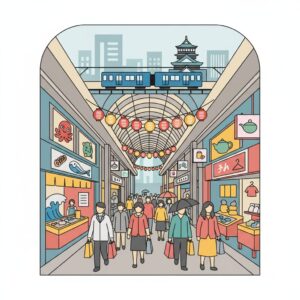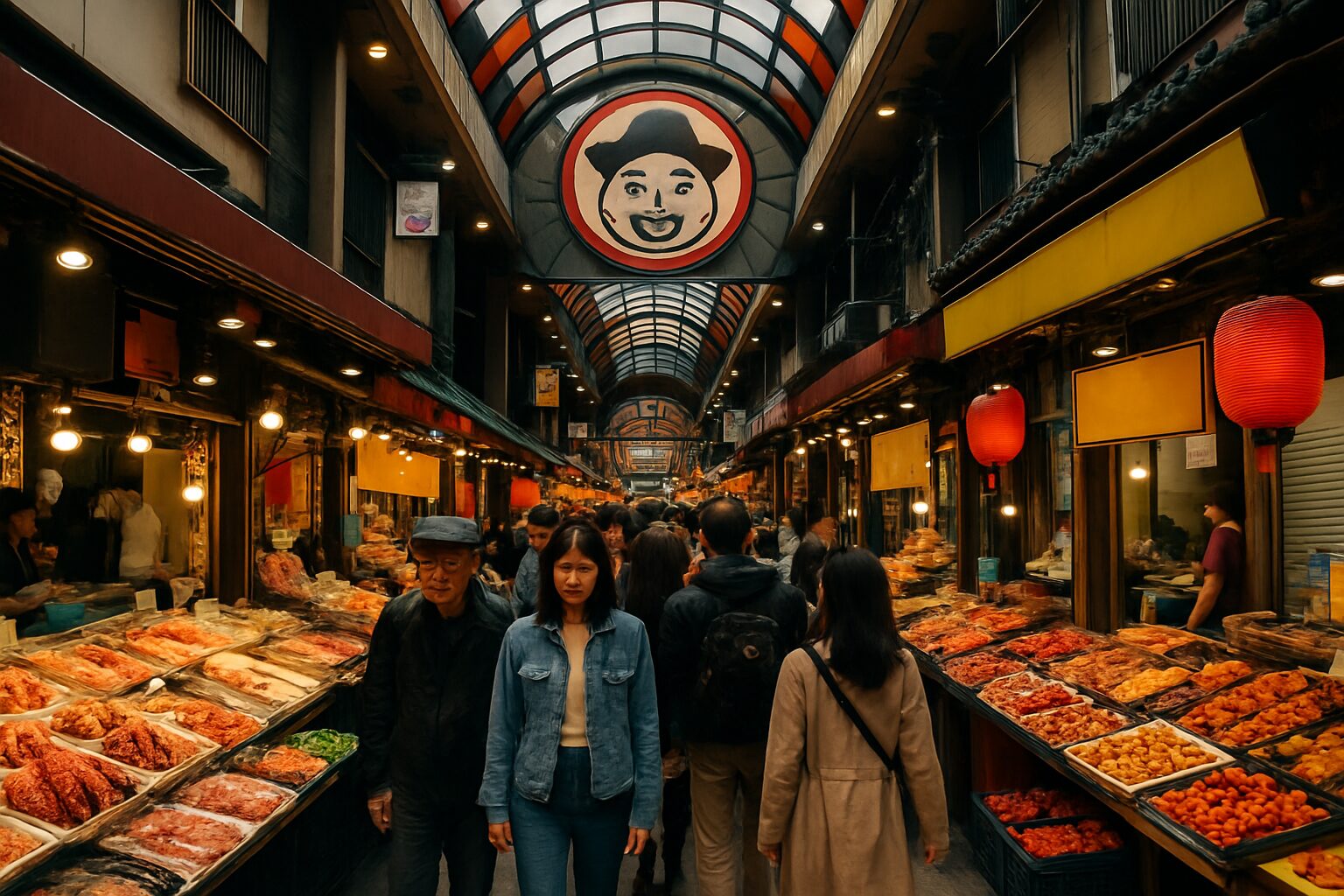
In the vibrant, beating heart of Osaka, a city that famously lives by the creed of kuidaore—to eat oneself into ruinous delight—there exists a place that is both its pantry and its stage. This is Kuromon Ichiba Market, a covered arcade stretching nearly 600 meters, pulsating with a life force that has nourished the city for nearly two centuries. To call it a market is an understatement; it is a sensory archive, a living museum of Japanese culinary tradition, and in recent years, a dazzling, chaotic theater for the global traveler. Its legacy is etched into the very fabric of Osaka, earning it the revered title of Osaka no Daidokoro, or “Osaka’s Kitchen.” But as its fame has skyrocketed, a question has emerged, whispered among seasoned food lovers and bewildered first-timers alike: Who is Kuromon Market truly for? Is it still the authentic heart of Osaka’s food scene, or has it become a meticulously curated performance for tourists? The truth, like the most delicate slice of fugu, is complex, layered, and utterly fascinating. It is a place of dual identities, a crossroads where the serious food adventurer seeking the soul of Washoku can walk shoulder-to-shoulder with the casual tourist chasing the perfect, photogenic bite. This guide is your key to unlocking both worlds, to navigating the rhythm of the crowd, and to understanding how to find your own perfect experience within its intoxicating embrace.
After immersing yourself in the culinary traditions of Osaka’s Kitchen, you might feel drawn to explore the city’s vibrant youth culture, starting with the electric street fashion and art scene in Shinsaibashi’s Amerikamura.
The Two Faces of Kuromon: A Tale of a Market in Metamorphosis
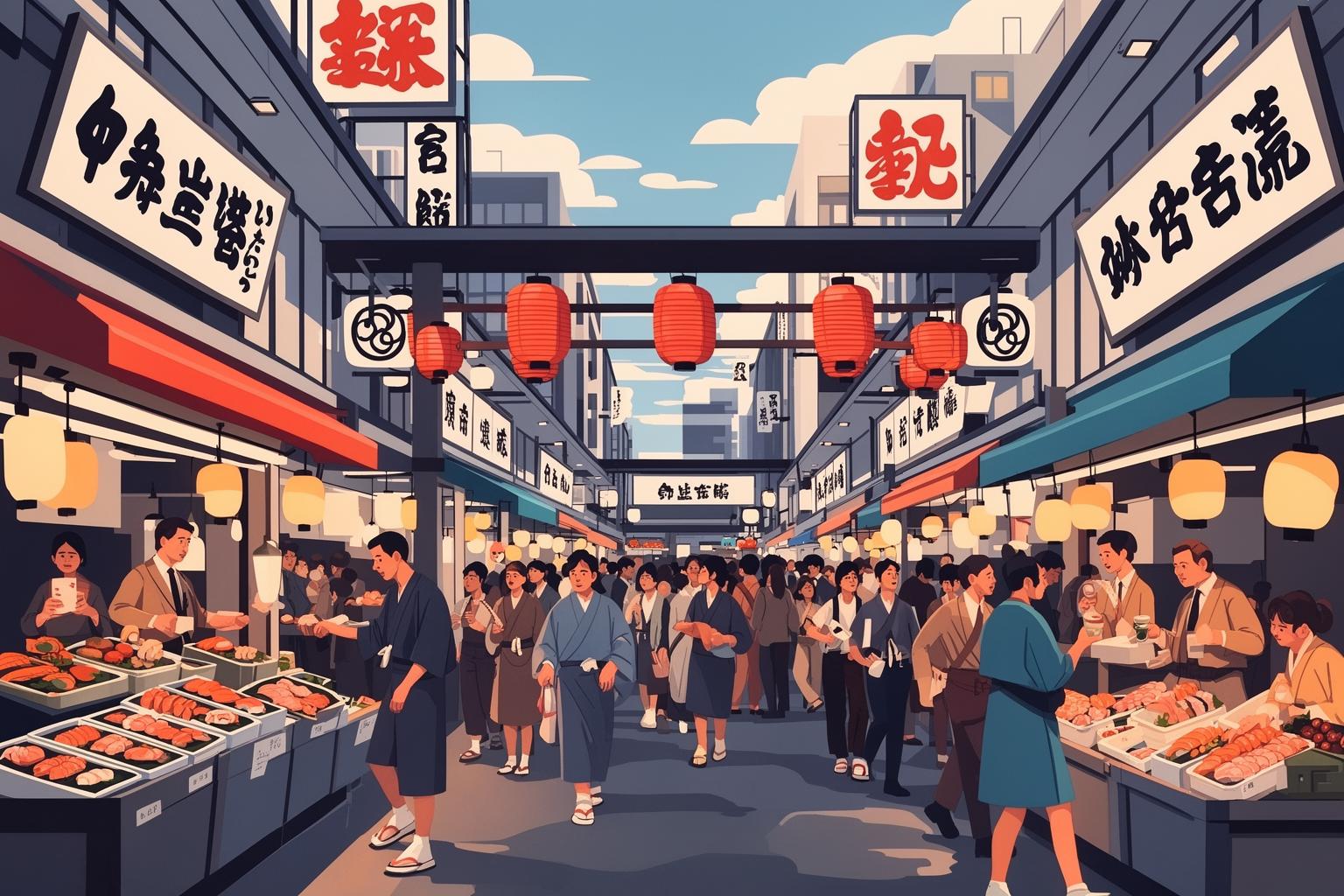
To fully understand Kuromon Ichaiba, one must first appreciate its evolution. Its roots date back to the late Edo period, but it officially became a market during the Meiji era, serving as an essential hub where local restaurateurs and discerning home cooks sourced the freshest produce and seafood. For generations, it functioned as a community-centered marketplace. Many vendors, now in their third or fourth generation, established their reputations through quality, consistency, and profound, intuitive knowledge of their craft. This forms the core identity of Kuromon—the professional’s market and the foundation of Osaka’s culinary brilliance. The early morning hours, well before the arrival of tourists, still belong to this world. There, chefs from Michelin-starred restaurants in Namba and Shinsaibashi carefully select their tuna, speaking quietly and inspecting with great care. This represents the essence of the market, a tribute to its lasting significance.
Then came a new chapter. With the surge in global tourism and the growing demand for authentic Japanese street food, Kuromon underwent a transformation. Enterprising vendors, recognizing an opportunity, adapted by installing small grills, offering ready-to-eat portions, and packaging their goods for immediate consumption. The market evolved into a destination itself, a place not only to purchase ingredients but to enjoy them on the spot. This is the Kuromon most visitors encounter today: a lively, bustling boulevard filled with grilled scallops shimmering with butter and soy sauce, skewers of glistening Kobe beef, trays of creamy sea urchin, and enormous, irresistibly sweet strawberries. This evolution created a stunning sensory experience that is truly captivating. It also introduced the market’s central tension. The challenge—and the delight—for any visitor is to appreciate both sides of Kuromon, embracing the spectacle while uncovering the genuine heartbeat beneath the surface.
The Casual Tourist’s Gastronomic Gauntlet: A Guide to the Highlight Reel
For a first-time visitor or a casual tourist pressed for time, Kuromon Ichiba presents an unmatched showcase of Japanese cuisine. It is undoubtedly one of the most efficient and thrilling ways to sample a wide range of iconic dishes all in one place. The atmosphere buzzes with excitement—a blend of sizzling grills, lively vendor calls, and the animated chatter of an international crowd. The key is to embrace the spectacle and treat it as a grand, edible adventure.
Navigating the Sensory Overload
As soon as you enter under the market’s covered roof from the direction of Nippombashi Station, you are fully immersed. The air is rich with an enticing mix of aromas: the sweet, smoky scent of unagi grilled over charcoal, the fresh brininess of live shellfish, and the deep, savory fragrance of dashi broth simmering away. Your eyes will be drawn everywhere—to the deep crimson blocks of maguro (tuna), the vibrant orange salmon roe, and the pristine white of freshly made tofu. Don’t resist. Let your senses guide you. The most popular items are often prominently displayed at the front of the stalls, making them easy to spot.
The Unmissable Bites
For the quintessential Kuromon experience, there are several standout offerings. Many visitors begin with fresh seafood. You’ll find vendors selling grilled scallops on the half shell, usually topped with a knob of butter and a drizzle of soy sauce. It’s simple, theatrical, and delicious. Tuna is another major attraction. Several large fishmongers, including the well-known Maguroya Kurogin, serve sashimi plates at various price points and qualities. Here, you can sample everything from the lean akami to the richly marbled, melt-in-your-mouth otoro. Though premium slices can be costly, they are well worth the splurge.
Sea urchin, or uni, is also a favorite. Served fresh in its spiny shell, its creamy, oceanic flavor is a true delicacy. For those seeking a bit of luxury, grilled Kobe beef skewers are everywhere. The intense marbling of wagyu makes each bite incredibly rich and tender. And you can’t miss the giant grilled prawns and crab legs, which are both impressive for photos and satisfying as a snack. To finish on a sweet note, look out for stalls selling fresh fruit, especially during strawberry season in winter and spring. The large, juicy strawberries are often paired with a small pot of condensed milk or offered as part of daifuku mochi.
Practical Tips for the Casual Visitor
Timing is key to make the most of a brief visit. The market is busiest from 11:00 AM to 2:00 PM. If possible, try to arrive earlier—around 10:00 AM—to avoid the peak lunch crowd. This will allow more space to browse and reduce time spent waiting. While most vendors prefer cash, and some are beginning to accept credit cards, it’s always smart to carry enough yen, especially for smaller purchases. Look for the designated eating areas—small tables and counters near stalls or in rest zones. In Japan, it’s considered rude to walk while eating, so using these spots is the polite way to enjoy your food. Finally, don’t hesitate to point at what you want; vendors are used to international visitors, and a simple point and smile will take you far. The experience is designed to be accessible and visually engaging, so soak up the energy and savor the feast.
The Food Adventurer’s Deep Dive: Uncovering the Soul of Osaka’s Kitchen
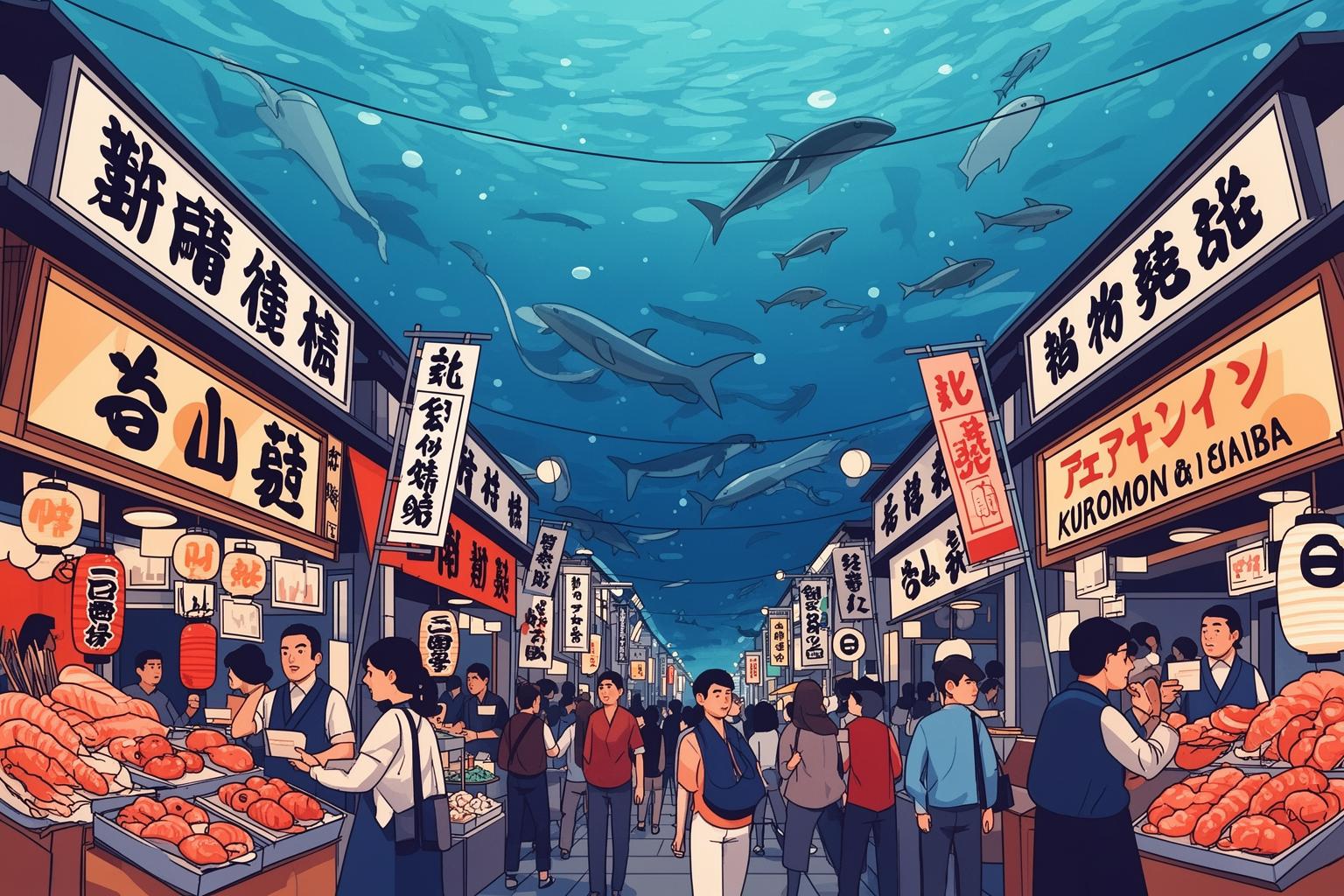
For those with a deeper culinary curiosity, for whom food means more than just tasting but also understanding, Kuromon Ichiba provides a far richer experience. This involves looking beyond the immediate spectacle of grilled skewers and seeking out the quieter, more specialized shops that have served the city’s chefs and families for decades. Here lies the true soul of Osaka no Daidokoro.
The Art of Observation: Reading the Market’s Rhythms
The serious food explorer’s journey starts with timing and observation. Arrive early, around 9:00 AM. The atmosphere is entirely different. The energy is more focused, more professional. You’ll encounter true locals—elderly shoppers with their carts, and chefs with a sharp intensity. Watch how they interact with the vendors. Notice the conversations and the careful inspection of products. This is your first clue. The shops busy at this hour often have the deepest roots and the highest-quality goods.
Rather than heading straight for the busiest grill, take a slow stroll through the market first. Pay attention to the shops not aimed at immediate consumption. These are Kuromon’s pillars. Look for the tsukemono (pickle) shops, kanbutsu (dried goods) stores, tofu makers, and specialist fishmongers offering more than just tuna and scallops.
Beyond the Grill: Discovering the Specialist Stalls
This is where genuine exploration begins. Seek out a tsukemono-ya. These shops display a kaleidoscope of colors and textures, with barrels of pickled daikon, cucumber, eggplant, and ginger. Pickles are an essential part of the Japanese meal, serving as both palate cleanser and digestive aid. Engage with the vendor when possible. Ask for a recommendation. Try the nukazuke, pickles fermented in rice bran, for a true taste of Japanese home cooking. Their rich, earthy flavor contrasts with the sweet, vinegared pickles common in the West.
Next, visit a tofu shop. In Kuromon, you’ll find artisans making fresh tofu and related products daily. Look for yuba, the delicate skin that forms atop heated soy milk, or gomadofu, a creamy sesame-based tofu. These items are subtle and refined, showcasing a craft often overlooked. Purchasing a small block of freshly made tofu and tasting its pure, nutty flavor is a revelation.
Don’t overlook the kanbutsu stores. Filled with dried kelp (kombu), bonito flakes (katsuobushi), dried shiitake mushrooms, and various beans, these shops are the heart of Japanese flavor. This is where dashi—the essential Japanese soup stock—originates. While you may not cook with these ingredients immediately, observing the different grades of kombu or watching katsuobushi being shaved deepens your appreciation for the complexity of Japanese cuisine.
The Fugu Enigma: A Lesson in Trust and Tradition
Perhaps no single ingredient better exemplifies Kuromon’s expertise than fugu, the pufferfish. The market houses several licensed fugu specialists who have undergone years of rigorous training to safely prepare this potentially lethal delicacy. Watching these masters at work is mesmerizing. Their knife skills are impeccable, their movements precise and economical. They expertly separate poisonous organs from edible flesh—a dance of danger and discipline. For the truly adventurous, trying fugu sashimi (tessa), sliced paper-thin here, is the ultimate culinary experience. It offers a subtle, clean flavor with a unique firm texture. Beyond the taste, it represents trust in the skill of a master craftsman—a tradition passed through generations. These specialist fugu shops serve as a living link to the market’s history as a supplier to the city’s finest restaurants.
Engaging with the Masters: A Guide to Deeper Interaction
The greatest rewards at Kuromon come from engaging with the vendors. This can be intimidating due to the language barrier, but a few key approaches can bridge the gap. Learn some basic Japanese phrases. A simple “Konnichiwa” (hello), “Kore wa nan desu ka?” (what is this?), and “Arigato gozaimasu” (thank you very much) go a long way. Show genuine interest. Instead of merely pointing and paying, take a moment to observe their products. Point to something unfamiliar and ask what it is. Even if explanations come in broken English or gestures, this shows respect for their craft. Often, this leads to a small sample or a cooking tip. Ask for the “osusume” (recommendation). This shows trust in their expertise and often results in trying the best, most seasonal item they offer. This approach transforms a simple purchase into a meaningful cultural exchange, turning your visit from a food tour into a genuine learning experience.
The Practicalities of a Perfect Visit
No matter which route you take, having a bit of practical knowledge will help ensure your visit to Kuromon Ichiba is smooth and enjoyable. The market is most conveniently reached from Nippombashi Station, served by both the Sakaisuji and Sennichimae subway lines. Exiting through Exit 10 will bring you right to the market’s entrance. It’s also a pleasant walk from the lively Namba and Dotonbori districts, making it an easy addition to a day spent exploring Osaka’s Minami area.
Officially, most shops open around 9:00 AM and close by 6:00 PM, though in reality, hours can be more flexible. As noted, the market’s flow shifts throughout the day: early morning is reserved for professionals, late morning to early afternoon sees peak tourist activity, and bargain hunters may find discounts on fresh items around 4:00 or 5:00 PM, when shops start reducing prices to sell off remaining stock. While many vendors operate seven days a week, some smaller, family-owned stalls may close on Sundays or a specific weekday.
Navigating the market is simple since it mostly consists of one long arcade with a few small side alleys. The main challenge is the crowd size. Be patient and considerate of others. If you stop to browse at a stall, try to move aside so others can pass easily. The aisles are narrow, so courtesy ensures everyone can enjoy their visit. Public restrooms are available within the market, along with a small information center and a rest area where you can sit and enjoy your purchases. This is far better than eating on the move, which is generally discouraged.
Keep in mind that Kuromon is a working market. Although it caters to tourists, you’ll still see delivery carts and professionals going about their tasks. Stay aware of your surroundings and give them space to work. Respecting the market’s dual role adds to the authenticity of your experience. You’re not just visiting a food hall; you’re stepping into the vibrant, living kitchen of a great culinary city.
A Final Thought: Finding Your Place in the Flow
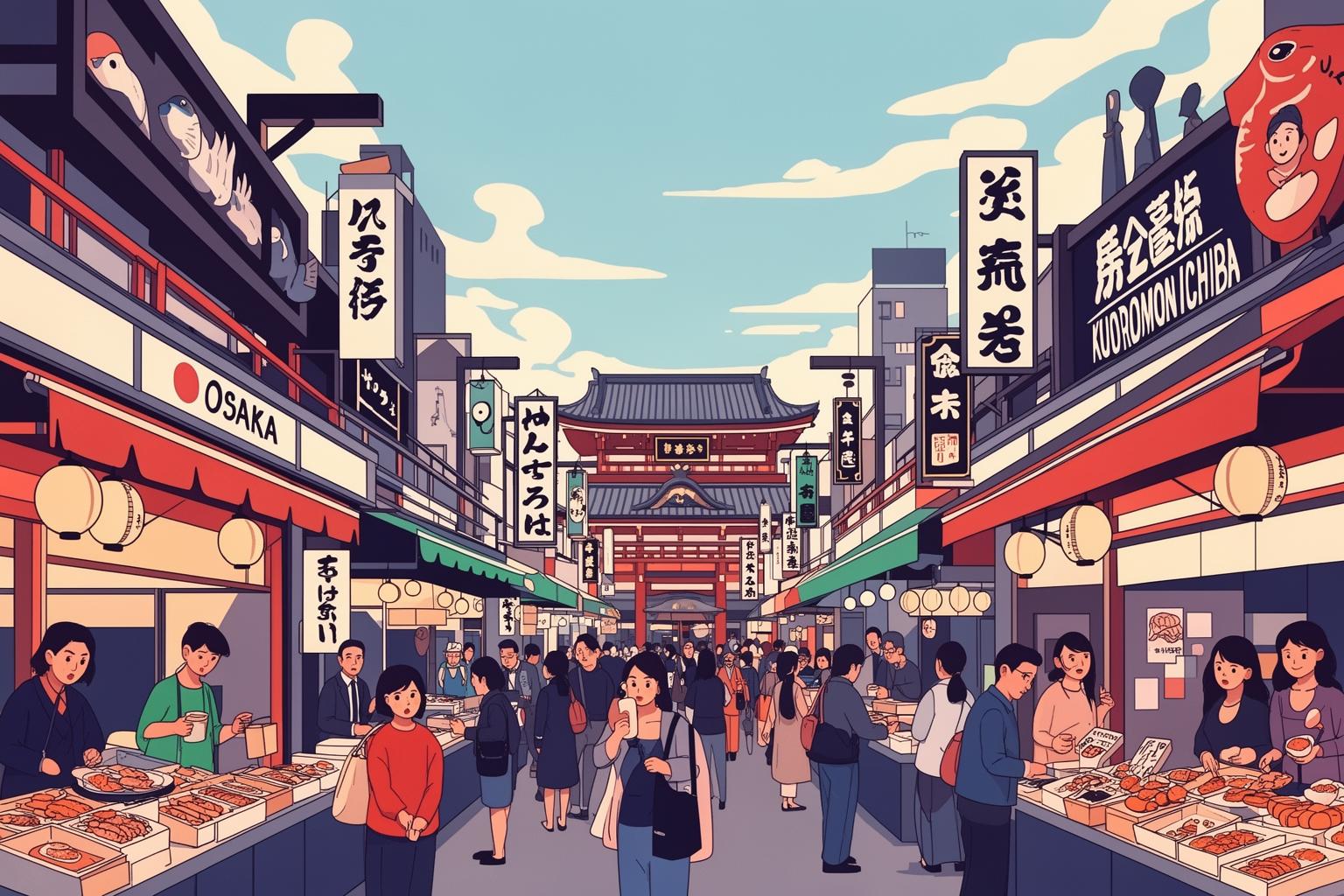
Ultimately, Kuromon Ichiba Market is neither exclusively for tourists nor solely for local chefs. Its contemporary brilliance lies in its capacity to serve both. It embodies the dynamic, adaptable, and endlessly entrepreneurial spirit of Osaka itself. It can be a whirlwind tour of Japan’s most renowned flavors, a dazzling introduction for newcomers. It can also offer a profound, educational journey into the heart of Japanese culinary philosophy, a place to connect with the artisans who uphold that tradition. The market doesn’t require you to choose. It simply invites you to come, to see, to smell, and to taste. Whether your joy comes from a perfectly grilled scallop enjoyed amid the lively bustle or a quiet conversation with a fourth-generation pickle maker, you are experiencing a piece of Osaka’s soul. So arrive with an open mind and an empty stomach. The kitchen is open, and there is a seat at the table for everyone.