So, you’ve heard the stories. You’ve read the blog posts, maybe even seen a travel show where a beaming host gets a few hundred yen knocked off a souvenir. The legend of Osaka, the merchant city where prices are merely a suggestion, precedes itself. You walk into a sprawling, covered shopping arcade—a shotengai—and the air itself feels different. It’s a chaotic symphony of shouting vendors, the sizzle of takoyaki, the rumble of bicycles weaving through crowds. You see a cool vintage jacket, a quirky piece of pottery, or a box of impossibly perfect-looking strawberries. A little voice in your head, fueled by everything you’ve been told, whispers, “Go on. Ask for a discount. This is Osaka. It’s what you do.”
But is it? Is every price tag a starting pistol for a negotiation? Is every shopkeeper waiting with a calculator and a wry smile, ready to play the game? The answer, like most things in this wonderfully complex city, is a resounding “it depends.” This isn’t a simple yes or no. The culture of price negotiation, or nebiki, isn’t a city-wide policy; it’s a nuanced, deeply human interaction rooted in a specific history and a particular way of thinking. It’s less of a transaction and more of a conversation, a performance, and sometimes, a test of your social intelligence. Getting it right can make you feel like you’ve unlocked a secret level of life in Japan. Getting it wrong can lead to awkward silence, a firm rejection, and the quiet shame of having fundamentally misunderstood the situation.
This isn’t a guide on how to save five bucks. This is a look under the hood of Osaka’s commercial soul. We’re going to dissect who should even think about attempting a haggle, who should absolutely keep their wallet out and their mouth shut, and why this single commercial habit reveals so much about the difference between life in Osaka and the buttoned-up efficiency of Tokyo. Forget the tourist traps. We’re talking about the real, everyday dance of commerce in the city’s vibrant, beating heart—the local shotengai.
While navigating these local customs, it’s also useful to understand broader trends in travel, such as how OTAs have become the top starting point for hotel searches.
The Myth of the Merchant City: What ‘Nebiki’ Really Is
First, let’s clear up a misconception. The notion that Osaka is a city-wide bazaar where everything is negotiable is a romantic exaggeration. You cannot walk into a 7-Eleven and haggle over a bottle of tea. You can’t ask for a discount on your train ticket. You certainly can’t bargain at the Apple Store or major department stores like Hankyu or Daimaru. Attempting to do so would elicit the same baffled, slightly horrified look you’d get anywhere else in the developed world. The modern, corporate, standardized side of Osaka operates on fixed prices, just like Tokyo, New York, or London. The price on the barcode is final.
So, where does this reputation come from? It stems from the city’s history as Japan’s commercial hub, known as the tenka no daidokoro or “the nation’s kitchen” during the Edo period. It was a city of merchants rather than samurai. While Tokyo (then Edo) was the seat of political power, governed by strict hierarchies and formal protocols, Osaka was where rice was traded, fortunes were made, and business was conducted. This cultivated a pragmatic, direct, and fiercely independent mindset. Value wasn’t dictated from above; it was shaped by supply, demand, and the skill of the trader. Striking a good deal wasn’t just about saving money; it was a mark of business savvy. It was a win.
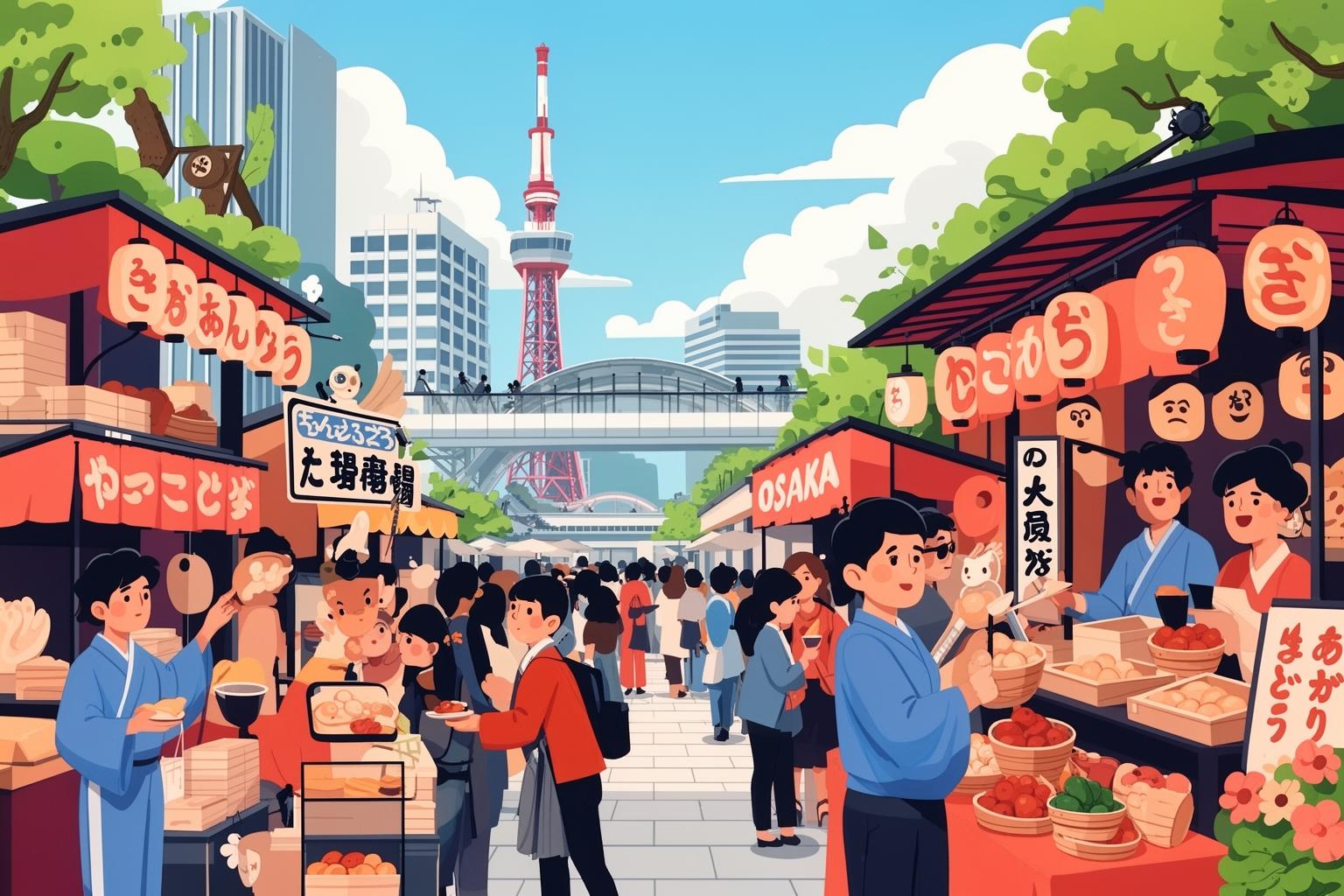
This spirit endures but now exists in specific corners of the city. It thrives in the long, covered shotengai, in the mom-and-pop electronics shops of Nipponbashi, in the bustling stalls of the Kuromon Ichiba Market (although it has become more tourist-oriented), and at flea markets. It lives where the person you’re speaking to is the owner or at least has the authority to make decisions. Haggling in Osaka is not about confronting a system; it’s about engaging with a person. That is the single most important rule. If you’re dealing with a part-time employee in uniform who merely scans barcodes, you’re in the wrong place. They have as much power to change the price as you do—none. The attempt isn’t just pointless; it’s unwise, as it shows a total lack of situational awareness.
Nebiki is a dialogue about value between two people. The seller has something to sell, and the buyer has money to spend. The price tag is the seller’s opening offer. In certain situations, you’re invited to make a counteroffer. But this invitation is unspoken. It’s communicated through the shop’s atmosphere, the owner’s demeanor, and the nature of the item being sold. It’s a dance, and you need to know the steps before you hit the floor.
The Soul of the Haggle: It’s Not About Being Cheap
Foreigners often misinterpret the motivation behind bargaining in Osaka, mistaking it for stinginess or a desire to get something for less than its value. In reality, nothing could be further from the truth. An Osakan will gladly spend a significant amount on a delicious meal or a high-quality product they trust. The purpose of nebiki isn’t to undervalue the item; it’s to engage in the process of appreciating its worth. This practice is fueled by a strong trio of Osakan cultural values: a keen sense of value, a love of humor, and a deep appreciation for human connection.
The Quest for ‘Eemon’: Getting a Good Thing
The goal is not simply to buy something cheap (yasui), but to obtain a good thing (eemon) at a fair price (nedan). The ultimate reward is the feeling of otoku, that warm satisfaction you get when you realize you’ve received outstanding value for your money. It’s a win. It’s feeling clever. It’s knowing you didn’t just accept the initial price but used your wit and charm to negotiate a price that feels both fair and well-earned.
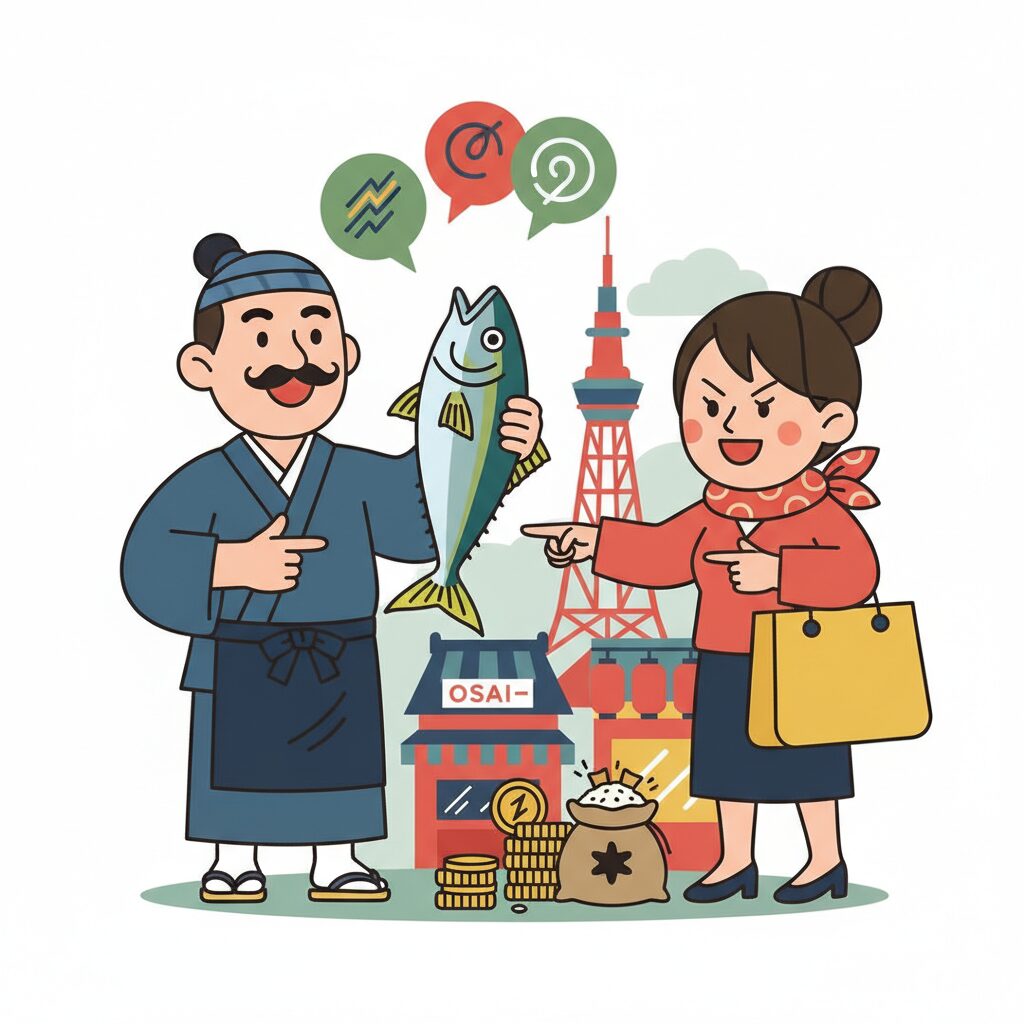
Picture an old woman at a fruit stand in the Tenjinbashisuji shotengai. She notices a basket of persimmons priced at 500 yen. She won’t just grab it and pay. Instead, she picks up the fruit, inspects it, and says to the shop owner, “Ochan, these look good, but this one at the bottom has a small bruise. How about 450 yen?” The owner might sigh playfully, click his tongue, and reply, “Okaasan, you drive a hard bargain! Okay, 450. But just for you!” Both leave satisfied. The woman feels she got a fair deal for a slightly imperfect product. The owner made a sale and strengthened a relationship with a loyal customer. The 50 yen difference is almost incidental. The true exchange was the human interaction, recognizing each other’s savvy.
This mindset permeates daily life. It’s reflected in the way people hunt for bargains at secondhand shops in Amerikamura, not just for the low price but for the thrill of discovery. It’s in the joy of getting an extra little something, an omake, thrown in with the purchase. Buying a bag of fried chicken from a stall? The vendor might add an extra piece and say, “Omake ya!” That single piece tastes better than the rest because it feels like a gift, a connection, a small victory in the game of everyday trade.
The Currency of Humor: Laughter as a Lubricant
Importantly, negotiation in Osaka is almost always infused with humor. It’s a performance. A dead-serious, aggressive haggler won’t get far. You are not an adversary; you are a fellow player in a playful game. The aim is to make the shopkeeper laugh or at least smile. A successful negotiation often feels more like a bit of stand-up comedy than a business meeting.
The classic phrase is, “Moo chotto makete-kureru?” (Can you make it a bit cheaper?). But the words themselves mean little. It’s the delivery. You say it with a pleading look and a light laugh in your voice. You play the part of the “desperate but charming customer.” The shopkeeper then responds as the “tough but kind-hearted owner.”
They might reply, “Anata, jōzu ya nā!” (You’re good at this!) or “Kore ijō maketara uchi tsubureru wa!” (If I go any lower, my shop will go bankrupt!). This isn’t a refusal; it’s part of the script. It’s banter. You might answer, “Just a little! For my poor, empty wallet!” while theatrically patting your pocket. If you can make them laugh, you’ve forged a connection. Through that connection, a discount might follow. Sometimes, the best outcome isn’t even a lower price. It’s the shared laugh, the moment of rapport. You might pay full price, yet walk away feeling you’ve made a friend, and you’ll be sure to return to their shop again.
This is worlds apart from the silent, efficient, and highly formal transactions typical of Tokyo. In Tokyo, communication is minimized to maintain smoothness and avoid inconvenience. In Osaka, communication is everything. The transaction is simply an excuse for interaction.
The Importance of ‘Ninjō’: Human Feeling
This all connects to the concept of ninjō, or human feeling. In Osaka’s markets, it means recognizing you’re dealing with a person, not a faceless corporation. The aim is to build a relationship, however brief. You do so by showing genuine interest in the product, asking the owner questions, and complimenting their shop. You aren’t just a consumer; you’re a part of the community passing through.
When you haggle, you appeal to this sense of ninjō. You’re asking the owner to see you as an individual and grant a small, personal favor. This is why it works with independent business owners but fails with corporate employees. The owner has the autonomy and personal stake to engage this way, while an employee does not.
The ultimate expression of ninjō is becoming a jōren-san, a regular customer. Once you reach this status, the dynamic changes completely. You no longer have to ask for a discount. The shopkeeper recognizes you and automatically gives you “the usual,” knocks a bit off the price without hesitation, or throws in a generous omake. This is the endgame. It represents mutual respect and affection. You support their business, and they take care of you. It’s a beautiful, symbiotic relationship that forms the heart of community life in the shotengai. It’s something you’ll never experience shopping at a big chain store.
The Litmus Test: Should YOU Try to Haggle?

So, the big question is: are you the right type of person, in the right situation, to give it a shot? This isn’t about your nationality or background. It’s about your mindset, your language skills, and your ability to read the atmosphere. Let’s break down who fits into the “Go for it” group and who should stick to paying the price on the tag.
The “Go For It” Crew: The Socially Aware Adventurer
You might be a good candidate for haggling if you meet these criteria:
- You have some Japanese language ability. It doesn’t need to be fluent. In fact, sometimes charmingly broken Japanese works even better. But you need enough to handle basic exchanges. You should be able to say things like “Kore, ikura desu ka?” (How much is this?), “Sugoku kirei desu ne” (It’s very beautiful), and the all-important “Moo chotto dake, nantoka narimasen ka?” (Can you do something about the price, just a little?). Google Translate won’t suffice. The warmth and humor must come from you.
- You understand it’s a game, not a confrontation. Your attitude is everything. You are lighthearted, friendly, and respectful. You’re prepared to be told “no” and accept it with a smile and a “Wakarimashita, arigatō!” (I understand, thank you!). You view this as a fun cultural experience, not a battle of wills. An aggressive or entitled attitude will quickly get you shut down.
- You’re genuinely interested in the item and the person. Don’t try to haggle just for the sake of it on something you don’t really want. The shopkeeper can sense insincerity from a mile away. Spend time examining the item. Ask about its origin or how it was made. Show appreciation for their craft or curation. Build a human connection before you even mention the price.
- You can read the room. Does the shop feel like a small, personal space curated by the owner? Is the owner chatty and engaging with other customers? Are the prices handwritten on pieces of cardboard? These are good signs. If the shop is sleek and modern, the staff are in uniform, and everything has a barcode, you’re in a no-haggle zone.
If this sounds like you, start small. Don’t aim for a 50% discount. Go for a small, token amount, maybe 10%, or ask if they can round it down (e.g., from 2,800 yen to 2,500 yen). Or even better, instead of asking for a discount, ask for an omake. If you’re buying three souvenirs, maybe request a fourth small one for free. This is often an easier and friendlier way to begin negotiating.
The “Please Don’t” Brigade: The Transactional Tourist
You definitely should not try to haggle if:
- You don’t speak any Japanese and plan to use gestures and a calculator. This removes all the humanity and humor from the exchange. It reduces the interaction to a crude, silent demand for a lower number. It’s awkward for everyone involved and likely to be met with a firm, polite refusal.
- You feel entitled to a discount. If you come from a culture where aggressive haggling is standard, leave that mindset at the airport. In Osaka, it’s an invitation, not a demand. Any hint of arrogance or the belief that the sticker price is a lie will offend. You’re challenging the owner’s judgment and fairness, which is a serious social faux pas.
- You’re in a hurry. Good haggling takes time. It involves building rapport and engaging in banter. If you’re just trying to grab something and go, pay the listed price. Rushing the process is rude and defeats the purpose of the interaction.
- You can’t take no for an answer. Sometimes, the price is the price. The owner may have their reasons. Persisting after a clear “no” is very poor form. You must be able to smile, say thank you, and either buy the item at the stated price or walk away politely.
For most visitors and many foreign residents, the safest and most respectful approach is simply not to haggle. Enjoy the atmosphere, appreciate the goods, and pay the asking price. There’s no shame in that. In fact, it’s the default, expected behavior. Attempting to haggle is the exception, not the rule, and requires a certain level of cultural and social fluency to do without causing offense.
A Tale of Two Cities: Why This Doesn’t Fly in Tokyo
To truly grasp why this behavior exists in Osaka, you need to consider its eternal rival, Tokyo. The differing attitudes toward prices perfectly reflect the broader cultural divide between the two cities. Life in Tokyo is rooted in implicit trust, social harmony, and efficiency. The system is paramount. The price displayed on an item is part of that system, presented as fair, fixed, and reliable. Questioning it would disrupt the smooth operation. It’s like challenging a train timetable—you simply don’t do it.
In a Tokyo shop, the transaction is designed to be as smooth, silent, and swift as possible. Both customer and cashier play their roles in a well-rehearsed performance. Eye contact is minimal, and pleasantries are formal and standardized. The aim is a flawless, error-free exchange. Stopping to haggle over price is jarring; it’s a social disruption. It suggests the seller has set an unfair price—a slight against their integrity. This puts the employee in the uncomfortable position of having to decline, causing awkwardness for both parties—an outcome Japanese social etiquette seeks to avoid at all costs.
This doesn’t mean Tokyoites don’t care about value—they do, but in a different way. They research online, use point cards diligently, wait for seasonal sales, and even travel across town to shops known for reasonable prices. They seek value within the system. The pursuit of value is a private, strategic endeavor.
In Osaka, however, the search for value is a public, social activity. It’s a performance, a conversation. The Osakan mindset doesn’t blindly trust the system; it trusts people. Trust is built through interaction. Negotiation isn’t seen as friction but as a necessary process for two people to understand each other and reach a mutually agreeable conclusion. It humanizes commerce. While Tokyo’s approach prioritizes the smooth flow of the transaction, Osaka’s focuses on the relationship-building potential of the exchange. This marks a fundamental difference in what a shopping experience is meant to be.
The Anatomy of a Gentle Haggle: A Play in Three Acts
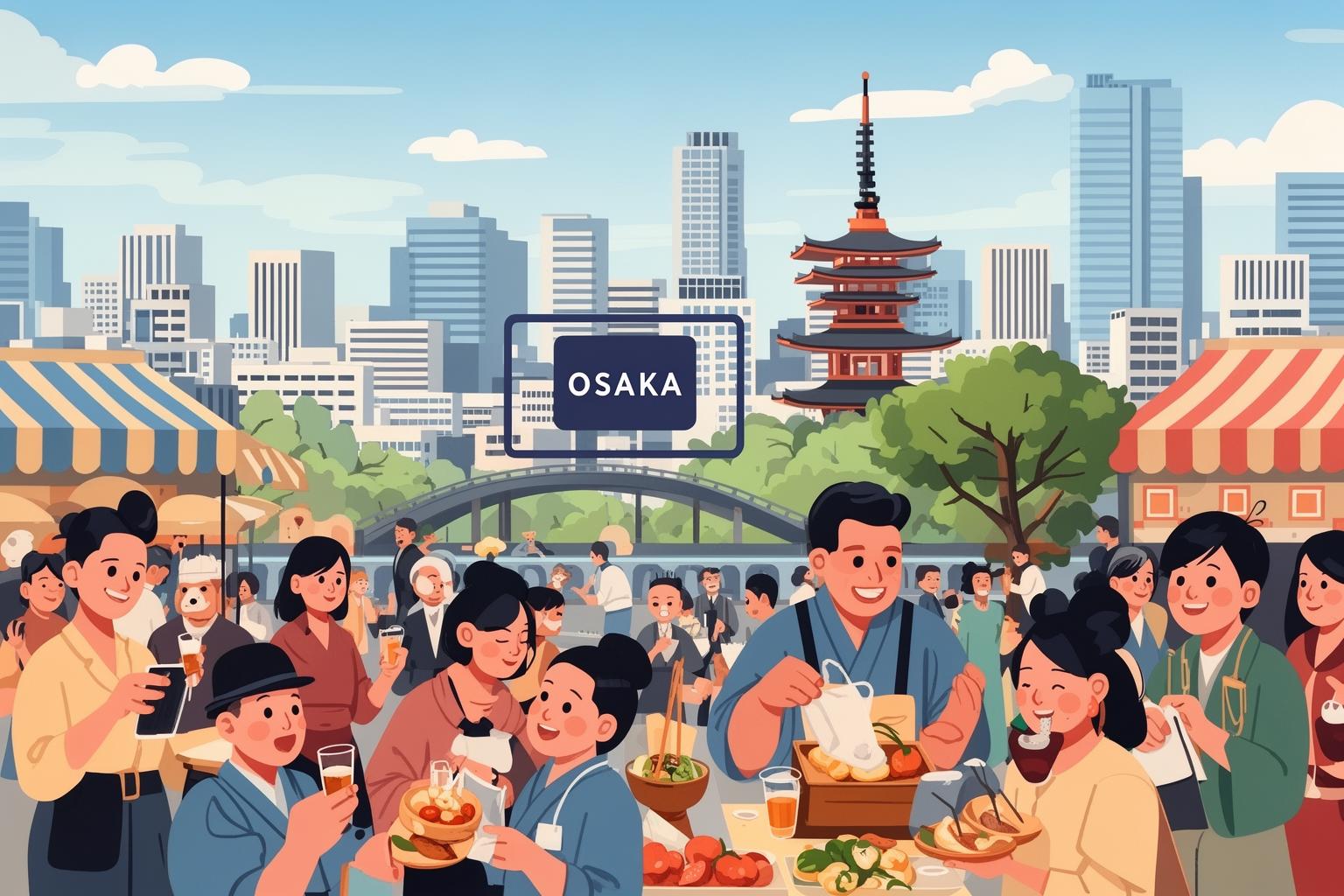
Imagine you’ve decided that you’re the right person in the right place. You find yourself in a small shop on Doguyasuji, the kitchenware street, admiring a beautiful, handmade ceramic bowl. The owner, an elderly gentleman, is carefully dusting his shelves. Here’s how you might approach the situation.
Act I: The Connection
Don’t just grab the bowl and head straight to the counter. Pick it up, admire it, and spend a few minutes browsing the other items in the shop. When the owner meets your gaze, smile. Hold up the bowl and say something appreciative: “Kore, mecha kirei desu ne. Tezukuri desu ka?” (This is so beautiful. Is it handmade?).
This is your opening. You’ve shown genuine interest and respect for his merchandise. He’ll probably brighten up and share a bit about the artist who made it. Listen carefully and ask another question. You are no longer an anonymous customer—you’ve become someone who values his craft. You’ve built a small bridge of rapport.
Act II: The Pivot
Once you’ve established this connection, you can gently steer the conversation toward the purchase. You check the price tag—for example, 3,500 yen. You hold the bowl affectionately, then look at the owner with a slightly shy, friendly smile. This is the moment to speak. You offer the line not as a demand but as a hopeful request.
“Ano… chotto dake… sanzen-en ni narimasen ka?” (Um… just a little… would 3,000 yen be possible?).
The key is your soft, hesitant tone. The “ano…” and “chotto dake…” indicate that you understand you’re asking a favor. You’re being polite and indirect and presenting a specific, reasonable figure. This is much better than a vague “Can you make it cheaper?” because it gives him a concrete proposal.
Act III: The Resolution
Now, watch his response. He might laugh, scratch his chin in thought, or pull out a calculator with a pained expression. This is his part of the interaction.
- Scenario A: Success. He says, “Shōganai nā. Ee yo!” (It can’t be helped. Okay!). You’ve won. Respond with genuine gratitude: “Hontō desu ka?! Ureshii! Arigatō gozaimasu!” (Really?! I’m so happy! Thank you very much!). Pay immediately and thank him again as you leave.
- Scenario B: The Counteroffer. He may say, “Sanzen-en wa chotto kibishii nā… Jā, aida o totte, sanzen-nihyaku-en de dō?” (3,000 is a bit tough… Okay, let’s meet halfway at 3,200?). This is a great sign; he’s willing to negotiate. Accept graciously—pushing further would seem greedy. “Wakarimashita! Sanzen-nihyaku-en de onegaishimasu! Arigatō!” (Understood! 3,200 yen, please! Thank you!).
- Scenario C: The Graceful Rejection. He might smile and say, “Gomen ne, kore waぎりぎり no nedan ya nen.” (Sorry, this is already the absolute lowest price). Here your true character shows. Don’t display disappointment or try again—the negotiation is over. Smile and reply, “Sō desu ka. Wakarimashita. Jā, kono mama de onegaishimasu.” (Is that so? I understand. Well then, I’ll take it at this price). You buy the bowl for 3,500 yen and thank him. You’ve still had a pleasant exchange and shown respect for his decision. This is also a form of success. He’ll remember you as the polite foreigner who appreciated his work.
In every successful outcome, the interaction ends with smiles and thanks. The aim was never just to save 500 yen; it was to participate in a unique moment of Osaka culture, leaving with a good story and a beautiful bowl.
The Real Prize of the Game
Living in Osaka involves learning to recognize these subtle social signals. It means realizing that beneath the city’s loud, lively, and occasionally chaotic surface lies a profound respect for human connection. The culture of nebiki is one of the clearest, yet most often misinterpreted, expressions of this.
It’s not a necessity for survival here. You can have a perfectly happy and fulfilling life in Osaka without ever negotiating a single yen off a price. But if you choose to learn the rhythm, if you approach it with humility, humor, and a sincere wish to connect, you’ll gain more than just a discount. You’ll get a small glimpse into the city’s soul. You’ll be taking part in a tradition that values a good laugh and friendly conversation as much as it values a good bargain. You’ll come to understand that in this merchant city, the best transactions are those that mean far more than just money.